2027 Best LLM Courses for Enterprise Use Cases

Co-Founder and Chief Data Scientist
Enterprises face challenges integrating large language models (LLMs) into existing workflows due to the rapid pace of AI advancements and the complexity of selecting relevant courses. Professionals often struggle to identify programs that balance technical depth with practical enterprise applications. This gap can delay innovation and reduce competitive advantage.
Pinpointing flexible, accredited courses that fit diverse backgrounds remains an urgent need for those pivoting into AI from unrelated fields. This article examines top LLM courses tailored for enterprise use cases, helping professionals choose pathways that enhance skills and meet organizational demands efficiently.
Key Things You Should Know
- The 2026 best LLM courses for enterprise focus on practical applications, with 72% of programs integrating real-world datasets to enhance job readiness.
- Courses emphasize ethical AI deployment, reflecting growing industry demand for responsible, transparent machine learning in business environments.
- Employers increasingly prefer LLM graduates skilled in customizing models for specific sectors, with a 38% rise in demand for domain-specific expertise since 2024.
Advance Your Career with AI Online Courses
Artificial Intelligence: Implications for Business Strategy
This program provides an introduction to Artificial Intelligence and their implications for business strategy. Earn an official digital certificate.

Oxford Artificial Intelligence Programme
Explore this Oxford Artificial Intelligence programme offered in a flexible learning environment and explore topics like machine learning, automation, and robotics.

Implementing Agentic AI: Building Your Organizational Playbook
This online MIT Agentic AI course offers a practical approach to deploying AI agents in your organization, including a custom playbook. 3 weeks, exclusive launch price.

AI Adoption: Driving Business Value and Impact
This online MIT AI Adoption: Driving Business Value and Impact offers practical frameworks to close the gap between AI potential and business reality.

Artificial Intelligence in Pharma and Biotech
Discover the applications and limitations of artificial intelligence in pharma and biotech with this MIT online short course.

What is an LLM course for enterprise use, and who should consider enrolling?
An enterprise professional seeking to apply LLM training programs for enterprise applications will learn how to deploy and manage large language models in business contexts. These courses cover integration, prompt engineering, ethical AI considerations, and scaling AI solutions to address challenges like automating customer support, improving data analysis, or streamlining workflows.
Enterprise-focused large language model courses are ideal for technology roles such as software engineers, IT managers, data scientists, and AI specialists. They also benefit business leaders overseeing AI strategy or collaborating with technical teams. For example, product managers or compliance officers gain practical knowledge of LLM capabilities and governance.
By 2026, it's projected that 80% of enterprises will use generative AI APIs or models in production, yet a significant 75% lack AI skills to fully leverage these technologies according to Gartner and IBM's 2024 Global AI Adoption Index. This skills gap underscores the importance of targeted LLM courses for competitive advantage.
Courses range from introductory programs focused on AI basics and use cases to advanced training with hands-on labs in prompt tuning or multi-modal integration. Choosing a course that aligns with specific business goals is essential. For professionals interested in what is applied artificial intelligence, these training options translate theoretical knowledge into actionable enterprise skills.
Advance Your Career with AI Online Courses
Artificial Intelligence: Implications for Business Strategy
This program provides an introduction to Artificial Intelligence and their implications for business strategy. Earn an official digital certificate.
Oxford Artificial Intelligence Programme
Explore this Oxford Artificial Intelligence programme offered in a flexible learning environment and explore topics like machine learning, automation, and robotics.
Implementing Agentic AI: Building Your Organizational Playbook
This online MIT Agentic AI course offers a practical approach to deploying AI agents in your organization, including a custom playbook. 3 weeks, exclusive launch price.
How do enterprise-focused LLM courses differ from general AI and machine learning programs?
Enterprise large language model training programs for business applications focus specifically on real-world deployment, scalability, and integration within corporate infrastructures, setting them apart from general AI machine learning programs. These courses emphasize using generative AI to achieve measurable business outcomes such as automating customer service, ensuring compliance, managing risks, and enhancing decision support.
Key differences include:
- Prioritizing data privacy, security, and regulatory compliance critical to enterprises.
- Training on fine-tuning models with proprietary data instead of building from scratch.
- Integration of LLMs with enterprise software ecosystems like CRMs, ERPs, and cloud platforms.
- Addressing scaling challenges across departments and regions.
- Operational management including monitoring model performance and maintaining ROI.
Many enterprises adopting generative AI report a median 6-8% revenue uplift and 8-10% cost reduction, with 92% expecting positive ROI within three years, according to McKinsey's 2024 Global Gen AI Survey. This focus on business metrics explains why enterprise LLM courses prioritize practical value over pure technical theory.
For those exploring educational paths, finding programs with case studies on real deployments and collaboration between technical and business teams is essential. This approach better prepares students to navigate the complexities enterprises face. Individuals interested in cost-effective options can consider exploring the cheapest online masters in artificial intelligence, which may complement enterprise-focused training.
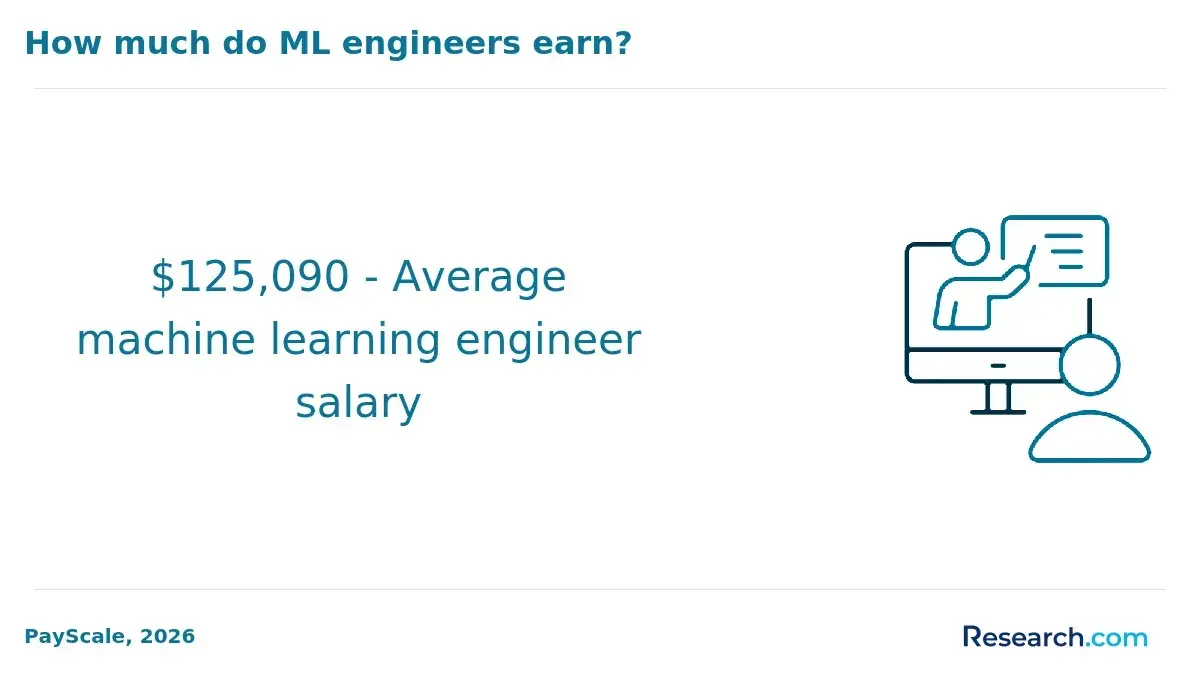
What types of degrees, certificates, and microcredentials cover enterprise LLM applications?
Degrees, certificates, and microcredentials focused on enterprise large language model certification programs emphasize practical skills in artificial intelligence, natural language processing, and machine learning within business contexts. Master's degrees often specialize in data science, computer science, or artificial intelligence, covering scalable deployment, ethical considerations, and integration with enterprise systems like customer relationship management or knowledge management platforms.
Certificates target working professionals by offering applied training in prompt engineering, fine-tuning LLMs, and AI-driven automation workflows. These credentials demonstrate proficiency in adapting large language models for enterprise tasks such as document summarization, chatbots, and code generation.
Microcredentials provide focused, skill-specific instruction in areas like model interpretability and security for generative AI applications. These short modules address urgent upskilling needs driven by enterprise adoption rates. Job market trends reveal that roles involving generative AI skills saw a surge of over 1,800% in postings between 2023 and 2024, with a 47% salary premium compared to similar jobs lacking these skills.
Students should prioritize degrees and microcredentials in applying large language models for business that include hands-on projects and current tools such as OpenAI, Hugging Face, or MLOps pipelines. Aligning training with real-world enterprise challenges enhances employability and salary prospects. Those interested might also explore flexible education options like online colleges for game design to find programs that fit their career goals and schedules.
How should you compare online, hybrid, and campus-based LLM programs for enterprise needs?
Choosing between online, hybrid, and campus-based LLM programs tailored to enterprise technology needs involves assessing curriculum depth, flexibility, and real-world engagement. Online programs provide flexibility and accessibility, ideal for professionals managing enterprise roles across locations. However, they might fall short on hands-on experiences vital for mastering generative AI architecture and model selection-skills increasingly important as Gartner projects that by 2025, 60% of enterprise generative AI initiatives will integrate proprietary and open-source models.
Hybrid programs combine online learning with scheduled in-person sessions, fostering networking and collaboration opportunities. This format supports deeper insights into enterprise-specific AI challenges like model customization and compliance, helping learners better engage with industry demands.
Campus-based LLM programs offer immersive, hands-on environments with access to AI labs, mentorship from faculty, and peer interactions. These settings accelerate skill development in practical problem solving, crucial for enterprise deployments. Consider your role and learning preferences to select a format that supports your enterprise AI goals. For those exploring broader AI research education, options like a data science PhD online may also complement enterprise-focused studies.
Which accreditation and industry standards matter most for enterprise-oriented LLM courses?
Enterprise-focused LLM courses must hold robust accreditations that blend technical rigor with strong data security and privacy frameworks. Recognitions from established bodies such as ABET for computing programs or alignment with National Institute of Standards and Technology (NIST) cybersecurity frameworks ensure learners gain foundational knowledge in secure system design.
Compliance with data privacy laws is increasingly critical. Programs emphasizing the General Data Protection Regulation (GDPR) and the California Consumer Privacy Act (CCPA) train students to manage sensitive information responsibly, helping enterprises mitigate legal risks when deploying language models.
Governance and ethical standards specifically for AI are also essential. Courses incorporating guidelines from groups like the IEEE Global Initiative on Ethics of Autonomous and Intelligent Systems prepare students to address bias, transparency, and accountability challenges in LLM deployment.
Security standards such as ISO/IEC 27001 for information security management and SOC 2 compliance are vital. A 2024 Cisco Data Privacy Benchmark reveals that 69% of organizations limit employee use of public generative AI due to data exposure concerns, and 91% emphasize the need for internal AI governance expertise, underscoring the importance of these standards. Industry partnerships with cloud providers and AI ethics boards validate course relevance and provide practical enterprise insights for learners.
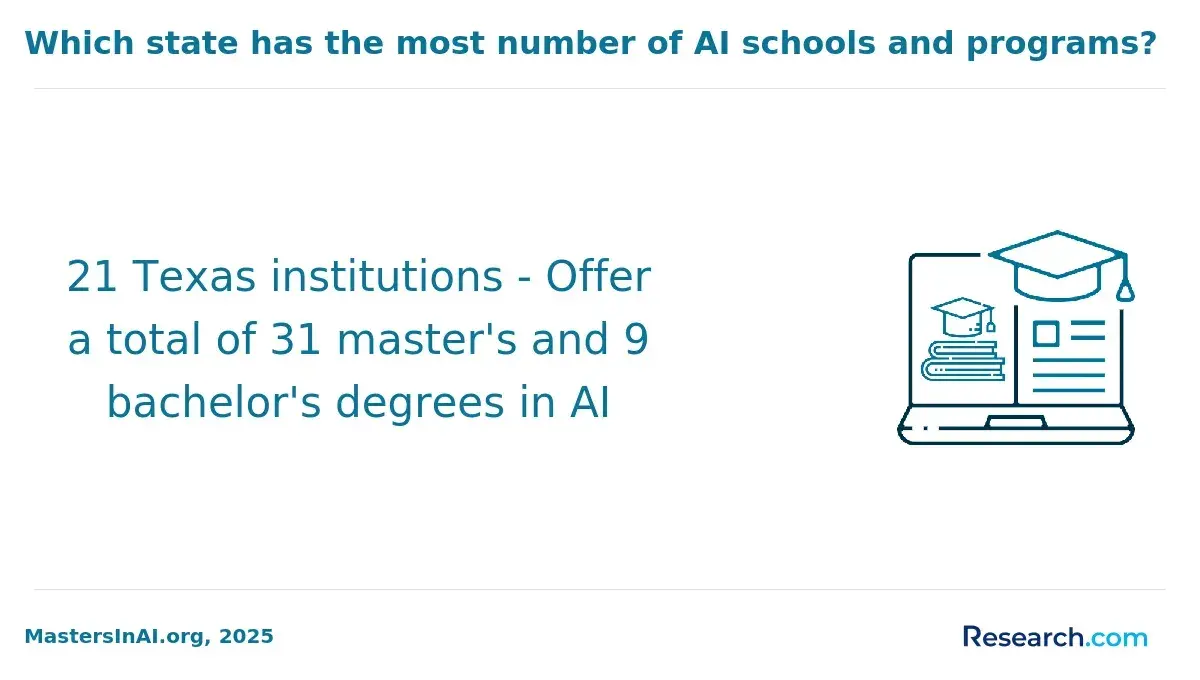
What core curriculum and hands-on projects do the best enterprise LLM courses include?
Top enterprise large language model (LLM) courses focus on blending foundational knowledge with domain-specific applications. They cover natural language processing fundamentals, prompt engineering, model fine-tuning, and data ethics tailored to business environments. Practical training includes integrating LLMs with existing enterprise systems, using APIs for customization, and secure deployment aligned with business strategies. This helps learners map LLM capabilities to organizational workflows for measurable business impact.
Hands-on projects simulate real-world challenges such as developing LLM-powered knowledge management tools that improve internal documentation accuracy, automating customer service chatbots for industries like finance or healthcare, and building compliance monitoring solutions. Students often engage in pilot deployments of LLM copilots supporting knowledge workers, reflecting findings like the 2024 BCG study showing financial-services firms boosted productivity by 30-50% and reduced complex documentation errors by 25%. These projects train learners in iterative model evaluation, fine-tuning on proprietary data, and addressing bias and privacy concerns.
Cross-functional collaboration is emphasized, requiring learners to work with data engineers, legal teams, and business analysts to ensure models meet enterprise standards. Detailed case studies highlight successful LLM adoption, ROI measurement, and user acceptance. This comprehensive approach prepares students to design, deploy, and maintain LLM solutions that drive tangible outcomes while minimizing operational risks in enterprise settings.
What are the typical admission requirements and prerequisites for advanced enterprise LLM training?
Admission to advanced enterprise LLM training typically requires a strong background in computer science, data science, or related technical fields. Candidates generally hold a bachelor's degree in disciplines such as computer science, engineering, mathematics, or statistics. Many programs also prefer experience with machine learning frameworks, software engineering, or natural language processing. Practical skills in Python, APIs, and cloud infrastructure are vital to address enterprise deployment challenges effectively.
Prerequisites often include familiarity with core machine learning concepts, programming languages relevant to LLM development, and experience managing large-scale data sets. Candidates may need to demonstrate knowledge of neural networks, transformer architectures, or MLOps pipelines through certifications or project portfolios. Executives might begin with foundational AI courses before advancing, while engineers may submit work showcasing model fine-tuning or prompt engineering.
With the rapid growth of GenAI, applicants are often asked to explain workplace challenges or goals related to LLM use at scale. This practical focus supports topics such as model monitoring, infrastructure scaling, and compliance. For instance, a Databricks State of GenAI report revealed enterprises moving from prototypes to production increased investments in infrastructure and MLOps tooling by over 300% year-over-year, though just 24% consider their GenAI stacks "mature."
Admission interviews or assessments commonly test problem-solving in AI workflows, data security, and ethics. Some programs may require organizational sponsorship or evidence of involvement in enterprise AI projects to ensure practical application of training outcomes.
How long do enterprise LLM programs take, and what tuition and total costs should you expect?
Enterprise large language model (LLM) programs generally span 8 to 24 weeks, with shorter bootcamp-style courses covering fundamental prompt engineering and retrieval-augmented generation (RAG) techniques in 8 to 12 weeks. More extensive training, including integration, fine-tuning, and deployment best practices, can last up to six months.
Tuition varies widely depending on the provider and course content. Many specialized programs aimed at enterprise clients range from $5,000 to $25,000 per participant. Premium options often include hands-on workshops, dedicated labs, and personalized support. Team pricing or enterprise licenses may push costs above $50,000 for larger groups.
Total expenses often include internal resources for infrastructure, platform subscriptions, and model licensing. Companies combining RAG and prompt engineering have experienced significant operational benefits, reducing hallucination rates by up to 60% and cutting inference costs by 30-40%, according to a Google Cloud generative AI case study benchmark. These efficiencies can offset initial program costs.
Decision makers should weigh program length, tuition, and ROI through improved model performance and reduced operational expenses when selecting enterprise LLM education. This holistic view supports informed investment into artificial intelligence skill development and deployment strategies.
What enterprise AI roles, industries, and career pathways do LLM courses prepare you for?
LLM courses equip professionals for critical enterprise AI roles such as AI product managers, machine learning engineers, data scientists focused on generative AI, and AI policy analysts. These positions require expertise in natural language processing, ethical AI use, and AI model governance. Industries like finance, healthcare, retail, technology, and manufacturing benefit from these skills where automation supports customer service, fraud detection, and process optimization.
Examples include healthcare, where LLM knowledge helps develop clinical decision support tools and patient data analysis, and finance, where it aids in risk assessment and regulatory compliance. Career paths also extend to AI strategy roles that examine LLM's impact on business processes and workforce dynamics. Professionals may specialize in AI ethics and compliance, addressing bias and data privacy issues, essential in government and legal sectors. Additionally, AI integration specialists who customize LLM applications for enterprise software and cloud services are in high demand.
IBM's 2024 CEO Study highlights that 44% of the workforce will require reskilling due to generative AI within three years, while only 28% of organizations offer structured GenAI training programs. This gap creates strong demand for those with formal LLM training who can lead AI adoption and develop internal education initiatives. Skills gained include prompt engineering, fine-tuning language models, interpreting AI outputs for business decisions, and collaboration across technical and non-technical teams, fostering enterprise success.
What salary ranges and job outlook can graduates of enterprise LLM courses expect?
Graduates from enterprise LLM courses can expect competitive salaries as demand for large language model and ai integration expertise rises. Entry-level roles like AI analysts or junior machine learning engineers generally earn between $85,000 and $110,000 annually in the U.S. Mid-level professionals, such as AI project managers or senior data scientists with LLM skills, often see salaries ranging from $130,000 to $180,000. Seasoned specialists or AI strategists in major corporations may command over $200,000, particularly when involved in leadership or data governance and compliance.
The job market for LLM-trained experts remains strong due to increased AI adoption across industries. Companies focusing on AI maturity in sectors like finance, healthcare, and technology seek professionals who can apply LLM frameworks to advance automation, predictive analytics, and natural language interfaces. The PwC 2024 Global AI Jobs Barometer highlights that firms investing in AI skills and training experience significantly faster productivity and profit growth, emphasizing the business value of structured LLM education.
Other Things You Should Know About Artificial Intelligence
Enterprises must address transparency, bias, data privacy, and accountability when deploying artificial intelligence solutions. Ensuring AI models are explainable and do not perpetuate discrimination is critical. Additionally, organizations should comply with data protection regulations and establish clear governance frameworks for responsible AI use.
Artificial intelligence can both enhance and pose challenges to data security. AI-powered tools improve threat detection and response times by identifying anomalies quickly. However, AI systems themselves require protection against adversarial attacks and data breaches, emphasizing the need for robust cybersecurity measures.
Yes, many training programs and courses are designed to teach artificial intelligence concepts to non-technical professionals. Enterprise-focused courses often emphasize practical applications and use case understanding rather than heavy coding. This approach enables employees from diverse backgrounds to contribute effectively to AI-driven initiatives.
References
- Regular vs. Enterprise AI: Understanding Differences and Implications https://www.vciinstitute.com/blog/regular-vs-enterprise-ai-navigating-the-ai-landscape-for-business-success
- What are the best paying jobs for graduates? https://targetjobs.co.uk/careers-advice/career-ideas/what-are-best-paying-jobs-graduates
- Top 10 Online LL.M. Programs - Top 10 Hybrid LL.Ms | LLM GUIDE https://llm-guide.com/lists/top-10-online-and-hybrid-llms
- What job sectors pay the best graduate salaries? https://gradireland.com/careers-advice/career-ideas/what-job-sectors-pay-best-graduate-salaries
- Online LLM Programs: Who Should Consider Them? https://www.scholaro.com/db/News/online-llm-program-258
- Best LLM for Enterprise: Choosing the Right AI Model for Your Task - elvex https://www.elvex.com/blog/best-llm-for-enterprise-choosing-right-ai-model
- LLM in Enterprise: A Complete Guide https://www.truefoundry.com/blog/enterprise-in-llm
- Difference between AI, ML, LLM, and generative AI https://toloka.ai/blog/difference-between-ai-ml-llm-and-generative-ai/
- Enterprise LLM Vendor Evaluation Checklist: How to Choose the Right AI Partner | Traction Technology | Traction Technology https://www.tractiontechnology.com/blog/enterprise-llm-vendor-evaluation-a-complete-checklist-for-choosing-the-right-ai-partner
- Far Horizons: Product Studio at the Frontier of Emerging Technology https://farhorizons.io/resources/llm-courses