2027 Best AI Strategy Courses for Loan Officers

Co-Founder and Chief Data Scientist
Loan officers face increasing pressure to integrate artificial intelligence tools into their workflows to improve loan processing speed and accuracy. Many struggle to find relevant, practical courses that fit their schedules and enhance their AI strategy skills without overwhelming prerequisites. This gap leaves professionals at risk of falling behind in a rapidly evolving industry. The article presents a curated selection of top AI strategy courses designed specifically for loan officers, highlighting flexible, accredited options suitable for those transitioning from unrelated fields. It aims to guide readers toward effective learning paths to elevate their expertise and career prospects in this domain.
Key Things You Should Know
- AI strategy courses for loan officers increasingly focus on automating risk assessment, improving loan approval efficiency by up to 40% according to 2025 industry reports.
- Curricula integrate practical tools like machine learning models and predictive analytics essential for modern loan risk management and compliance.
- Certification from leading programs boosts career prospects, with 65% of graduates reporting salary increases within one year of completion based on recent survey data.
Advance Your Career with AI Online Courses
Artificial Intelligence: Implications for Business Strategy
This program provides an introduction to Artificial Intelligence and their implications for business strategy. Earn an official digital certificate.

Oxford Artificial Intelligence Programme
Explore this Oxford Artificial Intelligence programme offered in a flexible learning environment and explore topics like machine learning, automation, and robotics.

Implementing Agentic AI: Building Your Organizational Playbook
This online MIT Agentic AI course offers a practical approach to deploying AI agents in your organization, including a custom playbook. 3 weeks, exclusive launch price.

AI Adoption: Driving Business Value and Impact
This online MIT AI Adoption: Driving Business Value and Impact offers practical frameworks to close the gap between AI potential and business reality.

Artificial Intelligence in Pharma and Biotech
Discover the applications and limitations of artificial intelligence in pharma and biotech with this MIT online short course.

What is an AI strategy course for loan officers?
An AI strategy course designed for loan officers provides specialized training on integrating artificial intelligence tools and automation into loan origination and management. These courses emphasize practical skills like automating document verification, predicting borrower eligibility through data analytics, and optimizing loan approval workflows to improve efficiency and accuracy. Through mastering these techniques, loan officers can reduce manual tasks and enhance decision-making speed and quality.
Key areas covered include:
- The fundamentals of ai applications within mortgage sales and fulfillment systems.
- Leveraging machine learning models for credit risk and borrower profile assessment.
- Workflow automation strategies to streamline underwriting and customer communication.
- Compliance and ethical considerations when implementing ai tools in lending.
- Hands-on experience with leading ai software used in the mortgage industry.
Loan officers face challenges such as heavy paperwork, tight deadlines, and the need for precise risk evaluations. Effective loan officer training with artificial intelligence tools addresses these by enabling professionals to handle repetitive tasks efficiently while maintaining regulatory compliance. According to HousingWire's analysis of AI adoption, loan officers using AI and automation manage up to 5-10 times more loan volume compared to those using manual processes, highlighting the career benefits of mastering AI-driven strategies.
Some courses tailor training for roles like loan processing specialists or compliance managers, ensuring relevance for various team members. Combining this with a strong tech foundation, like an accelerated CS degree, can further enhance one's ability to leverage AI tools and meet the mortgage industry's digital transformation demands.
Advance Your Career with AI Online Courses
Artificial Intelligence: Implications for Business Strategy
This program provides an introduction to Artificial Intelligence and their implications for business strategy. Earn an official digital certificate.
Oxford Artificial Intelligence Programme
Explore this Oxford Artificial Intelligence programme offered in a flexible learning environment and explore topics like machine learning, automation, and robotics.
Implementing Agentic AI: Building Your Organizational Playbook
This online MIT Agentic AI course offers a practical approach to deploying AI agents in your organization, including a custom playbook. 3 weeks, exclusive launch price.
Which loan officer skills do AI strategy courses teach?
AI strategy courses for loan officers develop critical skills that significantly enhance process efficiency and decision-making. These programs focus on data analysis techniques to interpret large datasets, improving borrower risk assessment and loan approval predictions. Students gain expertise in AI-powered tools for automating repetitive tasks such as document verification and fraud detection, reducing human error and speeding up workflows.
Loan officer negotiation skills enhanced by AI strategy courses become more sophisticated through training in machine learning algorithms that detect creditworthiness patterns often missed by traditional methods. Additionally, AI-driven customer relationship management for loan officers enables personalized client interactions and improved lead generation.
Practical training involves mastering software platforms that track loan application statuses in real time, helping reduce delays throughout the loan lifecycle. AI also supports compliance automation by flagging potential regulatory issues early, maintaining oversight efficiently.
According to STRATMOR Group, lenders leveraging AI in mortgage operations have cut loan manufacturing costs by 10-20% and shortened cycle times by 7-10 days. Learning to critically evaluate AI outputs empowers loan officers to make informed decisions rather than relying blindly on automation.
For those interested in deeper AI education, considering an online AI degree can provide comprehensive knowledge that enhances competitiveness in this technology-driven market.
Are AI strategy courses for loan officers worth it?
AI strategy courses for loan officers provide significant benefits and outcomes, particularly in enhancing operational efficiency and client engagement. These programs equip loan officers with AI-driven tools that improve lead identification, nurturing, and conversion. MagicBlocks.ai data shows that AI-based lead conversion tools can boost contact rates by 30-50% and increase application conversion by 20-40%, outperforming traditional approaches.
Such training also improves loan officers' decision-making by addressing challenges like timely follow-ups, lead prioritization, and personalized communication. By learning to use automated workflows, predictive analytics, and customer segmentation models, loan officers can reduce time spent on administrative tasks and focus on high-value client interactions.
Courses combining technical skills with real-world mortgage lending scenarios best maximize relevance. They often include content on AI ethics and compliance, helping loan officers manage regulatory responsibilities and minimize legal risks concerning customer data. Trained officers can implement chatbots for initial inquiries, utilize AI to forecast market trends, and apply machine learning to pinpoint promising applicants, showcasing measurable improvements in lead management.
For those exploring educational pathways to boost expertise, exploring a game development online degree also reflects how tech-focused programs expand career options in technology-driven fields beyond financial services.
What accreditation should borrowers or students look for?
Students seeking AI strategy course accreditation for loan officers in the US should focus on programs recognized by established bodies such as the Accrediting Council for Business Schools and Programs (ACBSP) or the Accreditation Board for Engineering and Technology (ABET). These accreditations ensure the curriculum addresses both technical skills and practical industry needs.
Courses endorsed by financial industry authorities like the Mortgage Bankers Association (MBA) or the American Bankers Association (ABA) offer targeted insights for lending professionals and often provide certificates respected by employers. Online programs affiliated with reputable universities or tech firms further boost credibility, especially those featuring case studies or modules on modern AI underwriting engines. According to Zeitro, lenders using these engines can reduce underwriting turnaround times by up to 70% and manual document review by 60-80%, while maintaining strong risk controls.
Beyond accreditation, recognized certifications for loan officers in AI training programs should include compliance training aligned with regulations such as the Equal Credit Opportunity Act (ECOA) and the Fair Credit Reporting Act (FCRA). This helps ensure that AI implementations in lending stay within legal boundaries.
For those exploring the career path, understanding what is an AI trainer can provide additional context on roles related to AI education and development in financial services.
Are online AI strategy courses better than campus programs?
Online ai strategy courses offer significant practical benefits for loan officers aiming to sharpen their skills efficiently. Flexibility is a major advantage, allowing working professionals to study without disrupting their schedules or income. This accessibility removes geographic barriers and provides access to specialized courses often unavailable locally. Many online programs incorporate the latest tools and real-world applications faster than campus options, keeping content relevant amid rapid ai advancements.
Training focused on ai-driven content and marketing automation delivers measurable business impact. For example, loan officers using AI-powered content and nurture automation see 30-40% higher engagement and generate 2-3 times more repeat and referral business, according to Content & Marketing Automation for Loan Officers Homebot and Neel Dhingra's 2026 playbook. This underscores the value of targeted online training emphasizing practical ai applications in loan origination and client retention.
Campus programs still hold value for foundational theory and networking, but often lack the pace and update frequency matching industry needs. Loan officers seeking immediate enhancement prefer programs with interactive AI simulations, tool-based tasks, and ongoing digital mentorship for better ROI.
Key questions to consider include:
- Does the course offer hands-on experience with AI tools specific to loan origination?
- Are content updates frequent to address evolving AI technologies?
- Can the program accommodate existing work commitments?
- Is expert support or a community available for real-time problem solving?
What topics are covered in loan officer AI courses?
Loan officer AI courses focus on essential skills that integrate artificial intelligence into mortgage lending operations. Key topics include data management and document automation, allowing loan officers to efficiently classify, extract, and validate borrower information. Workflow automation is covered extensively, emphasizing task routing and prioritizing to optimize loan fulfillment and servicing. According to STRATMOR Group, lenders applying AI in such areas have experienced 15-25% improvements in staff productivity.
Credit risk analysis and predictive modeling are vital components, helping loan officers assess applicant risk more accurately using machine learning algorithms. Courses also explore ethical considerations and regulatory compliance to ensure adherence to fair lending laws and data privacy standards. Practical uses of AI-driven customer service, such as chatbot integration and automated communication, improve borrower experience while cutting manual workload.
Additional training includes AI-powered marketing strategies like lead generation and segmentation, enabling targeted client outreach. Software implementation and system integration lessons prepare loan officers to adopt AI tools without disrupting current platforms.
This comprehensive curriculum equips loan officers to tackle industry challenges by reducing processing time, minimizing errors, and boosting operational efficiency through data-driven decision-making and smart automation.
What are the admission requirements for these courses?
Admission requirements for ai strategy courses tailored to loan officers typically focus on relevant professional experience and a solid technical foundation. Most programs expect applicants to hold at least a high school diploma or equivalent, with many favoring candidates who have a bachelor's degree in finance, business, or technology-related fields. Prior exposure to data analysis, statistics, or basic programming languages like Python or R is often recommended or required for advanced courses.
Practical experience in mortgage lending or loan origination is commonly a prerequisite, ensuring students can apply ai concepts directly to their work. Many courses ask for one to three years of loan officer or related financial services experience. This background enriches understanding of how ai affects lending decisions and risk evaluation.
Applicants usually submit transcripts, resumes, and sometimes letters of recommendation or statements of purpose detailing their career objectives. Both online and in-person programs may include assessments or interviews to measure technical skills and motivation to integrate ai in loan origination.
Structured ai training has been linked to notable performance gains. HousingWire reports that loan officers trained in ai increased their closed loan volume by 20-30% within 12 to 18 months, outperforming peers without ai proficiency. Meeting course admission criteria helps ensure students can effectively engage with advanced ai tools to enhance their professional impact.
How long do AI strategy courses for loan officers take?
AI strategy courses for loan officers vary widely in duration and intensity, catering to different professional needs. Short courses, typically 4 to 12 hours long, focus on foundational knowledge and introduce basic AI applications in lending. These are ideal for busy professionals seeking quick upskilling without a significant time investment.
More immersive programs running 3 to 6 weeks often feature live workshops, case studies, and hands-on projects. These courses enable participants to apply AI techniques like credit scoring, fraud detection, and customer risk assessment in simulated environments. According to Wall Street Prep's 2026 review, courses with practical, hands-on learning see 40-60% higher on-the-job AI skill usage compared to purely lecture-based options. This underscores the advantage of interactive formats over passive learning.
Advanced certifications lasting 8 to 12 weeks combine asynchronous lessons with instructor-led sessions, targeting loan officers who need a strategic grasp of AI integration across loan origination and portfolio management. However, these programs require more substantial time commitments.
When selecting a course length, consider workload, learning goals, and engagement preferences. Choosing courses with active exercises boosts practical AI skill retention and enhances decision accuracy and efficiency in lending roles.
What jobs can loan officers get after AI training?
Loan officers trained in artificial intelligence gain access to roles that blend finance and technology to streamline loan processes and enhance customer service. Common positions include AI loan processing specialists who implement machine learning tools to automate document verification and risk assessment efficiently. AI compliance analysts play a critical role by using AI-driven monitoring systems to ensure adherence to evolving regulations-a crucial factor as over 60% of lenders report regulatory uncertainty hinders AI adoption according to Mortgage Bankers Association data.
Other career opportunities include data analyst roles where professionals interpret AI-generated insights to optimize lending strategies and detect fraud patterns. AI product managers in loan origination software combine domain knowledge with AI expertise to guide innovative feature development.
Consulting roles also offer a path, with AI-trained loan officers advising financial institutions on integrating automation while addressing compliance and ethical issues. Such expertise helps institutions overcome adoption barriers and improve accuracy.
Prospective students should prioritize courses covering regulatory frameworks, AI ethics, and data security alongside technical AI skills. Grasping compliance requirements is essential to navigating obstacles within the lending sector.
- AI loan processing specialist
- AI compliance analyst
- Data analyst in mortgage companies
- AI product manager
- AI consultant
How much do loan officers with AI skills earn?
Loan officers with skills in artificial intelligence earn significantly higher salaries than those without. According to HousingWire's 2025 outlook, loan originators who effectively use AI tools are expected to secure a large portion of future production growth. Many lenders estimate that over 70% of new volume increases will come from teams integrating artificial intelligence into their sales and fulfillment processes. This strong link between AI proficiency and productivity results in better compensation.
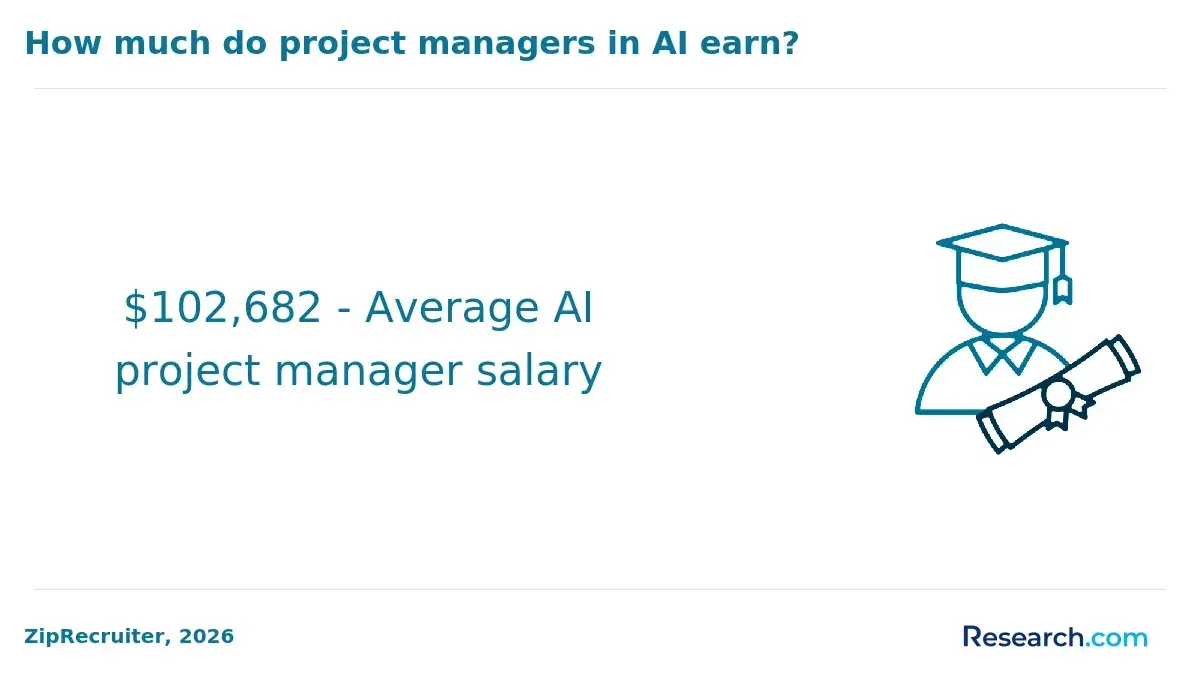
Typically, AI-savvy loan officers have base salaries between $70,000 and $110,000 annually. When commissions and bonuses are added, total earnings can exceed $120,000. Artificial intelligence tools help professionals handle more applications, improve client targeting, and minimize errors, fostering higher commissions and job stability.
Combining traditional lending expertise with artificial intelligence skills also enhances opportunities for advancement into senior or specialist roles, such as AI strategy consultants or technology-focused sales managers. For example:
- AI-competent loan officers shorten turnaround times by automating routine tasks, earning incentives for faster deal closures.
- Using predictive analytics, officers can identify high-potential clients earlier, boosting conversion rates and overall volume.
Loan officers concerned about job security benefit from developing artificial intelligence capabilities, as these skills future-proof careers. HousingWire's data warns that originators lacking AI expertise risk falling behind as technology increasingly drives lending productivity.
Other Things You Should Know About Artificial Intelligence
Artificial intelligence is revolutionizing the loan industry by automating risk assessments, improving fraud detection, and streamlining the loan approval process. AI algorithms analyze vast datasets quickly, enabling lenders to make more informed decisions and offer personalized loan products. This technology also enhances customer experience by providing faster responses and more accurate credit evaluations.
Loan officers commonly use AI-powered tools such as credit scoring systems, document verification software, and customer relationship management platforms with predictive analytics. These tools help reduce manual errors, speed up underwriting, and identify potential risks early. Many AI applications also assist with lead generation and regulatory compliance.
Ethical concerns in AI lending include potential biases in algorithms, lack of transparency, and data privacy issues. If training data is not diverse or balanced, AI models can unintentionally reinforce discriminatory lending practices. Ensuring accountability, fairness, and compliance with relevant regulations is essential to mitigate these risks.
References
- How to Build a Preferred Lender List: A Checklist for Schools - Ascent Funding https://www.ascentfunding.com/blog/how-to-build-a-preferred-lender-list-a-checklist-for-schools/
- University Degree vs AI Bootcamp: Which is Best Career Path? https://agilefever.com/university-degree-vs-ai-bootcamp-which-is-best/
- AI for Loan Officers https://findskill.ai/courses/ai-for-loan-officers/
- AI for Loan Officers Course - Workplace AI Institute https://workplaceaiinstitute.com/courses/ai-for-loan-officers
- Student Defense Announces Initiative to Promote Student Borrower Protections in Accreditation — Student Defense http://defendstudents.org/all/student-defense-announces-quality-assurance-initiative
- AI is coming for loan officers. Some will adapt. Many will not https://www.mpamag.com/us/specialty/technology/ai-is-coming-for-loan-officers-some-will-adapt-many-will-not/568871
- Admission Requirements | Undergraduate Admissions + Programs https://www.ualberta.ca/en/admissions/how-to-apply/admission-requirements/index.html
- AI’s Threat To Mortgage Jobs: Automation’s Impact On Your Future – NMP https://nationalmortgageprofessional.com/news/ais-threat-mortgage-jobs-automations-impact-your-future
- How Artificial Intelligence is Transforming the Mortgage Loan Process for the Better https://true.ai/how-ai-is-transforming-the-mortgage-loan-process/
- Master AI in Mortgage: Free 60-Minute Certification Course https://www.ocrolus.com/ai-certification-for-mortgage/