2027 Best AI Agent Courses for Ecommerce Operations

Co-Founder and Chief Data Scientist
Many ecommerce professionals struggle to keep up with the rapid integration of ai agents in daily operations. Without proper training, businesses risk falling behind in automation, customer service, and inventory management. This gap creates inefficiencies and lost revenue opportunities. Finding flexible, accredited courses that fit a non-technical background can be challenging, especially for those seeking to pivot careers. This article examines the best ai agent courses available designed specifically to equip learners with practical skills for ecommerce applications. It aims to guide readers toward programs that effectively address these operational challenges through targeted, relevant instruction.
Key Things You Should Know
- AI agent courses for ecommerce in 2026 emphasize automation of inventory, customer service, and personalized marketing, improving operational efficiency by up to 40% according to 2025 industry reports.
- Many top programs integrate hands-on training with platforms like Shopify and BigCommerce, ensuring students gain practical skills aligned with current market demands and technologies.
- Certification in AI-driven ecommerce tools enhances job prospects, with the sector expecting a 35% employment growth rate through 2027 in the U.S., per the Bureau of Labor Statistics.
Advance Your Career with AI Online Courses
Artificial Intelligence: Implications for Business Strategy
This program provides an introduction to Artificial Intelligence and their implications for business strategy. Earn an official digital certificate.

Oxford Artificial Intelligence Programme
Explore this Oxford Artificial Intelligence programme offered in a flexible learning environment and explore topics like machine learning, automation, and robotics.

Implementing Agentic AI: Building Your Organizational Playbook
This online MIT Agentic AI course offers a practical approach to deploying AI agents in your organization, including a custom playbook. 3 weeks, exclusive launch price.

AI Adoption: Driving Business Value and Impact
This online MIT AI Adoption: Driving Business Value and Impact offers practical frameworks to close the gap between AI potential and business reality.

Artificial Intelligence in Pharma and Biotech
Discover the applications and limitations of artificial intelligence in pharma and biotech with this MIT online short course.

What are the best AI agent courses for ecommerce operations and who are they right for?
The best AI agent courses for ecommerce operations focus on practical applications such as supply chain management, customer experience automation, and demand forecasting. These programs often cover tools like machine learning algorithms, natural language processing, and automated decision-making frameworks tailored specifically for ecommerce. Leading options include university-sponsored programs specializing in AI for business, professional certifications from platforms like Coursera or Udacity, and targeted bootcamps emphasizing hands-on projects with ecommerce datasets.
Top AI agent training programs for ecommerce professionals are suited for supply chain managers optimizing inventory, marketing teams personalizing customer interactions, and data analysts building predictive models for sales trends. Recent graduates or career switchers with backgrounds in data science or computer science also benefit from foundational courses that blend AI theory with ecommerce case studies. Those seeking a more comprehensive background might explore a computer science accelerated program to strengthen their technical skills.
McKinsey's global survey highlights that companies adopting generative AI at scale see a median 3-4% EBIT uplift from marketing and sales and 3-5% from supply chain and operations, underscoring AI agents' impact on ecommerce. Ideal courses offer practical modules on automated customer support bots, dynamic pricing models, and AI-enabled supply chain forecasting. Prospective students should prioritize programs providing real-world data challenges and tools like TensorFlow, Python, or R.
Advance Your Career with AI Online Courses
Artificial Intelligence: Implications for Business Strategy
This program provides an introduction to Artificial Intelligence and their implications for business strategy. Earn an official digital certificate.
Oxford Artificial Intelligence Programme
Explore this Oxford Artificial Intelligence programme offered in a flexible learning environment and explore topics like machine learning, automation, and robotics.
Implementing Agentic AI: Building Your Organizational Playbook
This online MIT Agentic AI course offers a practical approach to deploying AI agents in your organization, including a custom playbook. 3 weeks, exclusive launch price.
How do AI agent ecommerce courses work, and what skills will I learn in them?
AI agent ecommerce courses provide hands-on training that improves operational skills by teaching students to design, deploy, and manage intelligent automation tools. These tools optimize online retail through chatbot integration, inventory forecasting, personalized marketing automation, and enhanced customer service. Learners discover how to implement AI agents for dynamic price adjustments, demand prediction, order processing, and customer engagement using natural language processing.
Key skills learned in AI agent ecommerce training programs include programming AI frameworks, data analysis, machine learning model training, and API integration tailored to platforms like Shopify and Magento. Popular tools taught include Python libraries such as TensorFlow and PyTorch, Robotic Process Automation (RPA) software, and conversational AI platforms. Students also learn to evaluate AI agent performance using metrics tied to sales uplift, click-through rates, and customer satisfaction.
Practical coursework emphasizes creating automated workflows that reduce manual tasks and boost efficiency in supply chain management, product recommendations, and real-time customer support. Variations of the curriculum can focus on niches like B2B ecommerce, mobile commerce AI agents, or omnichannel customer experience management.
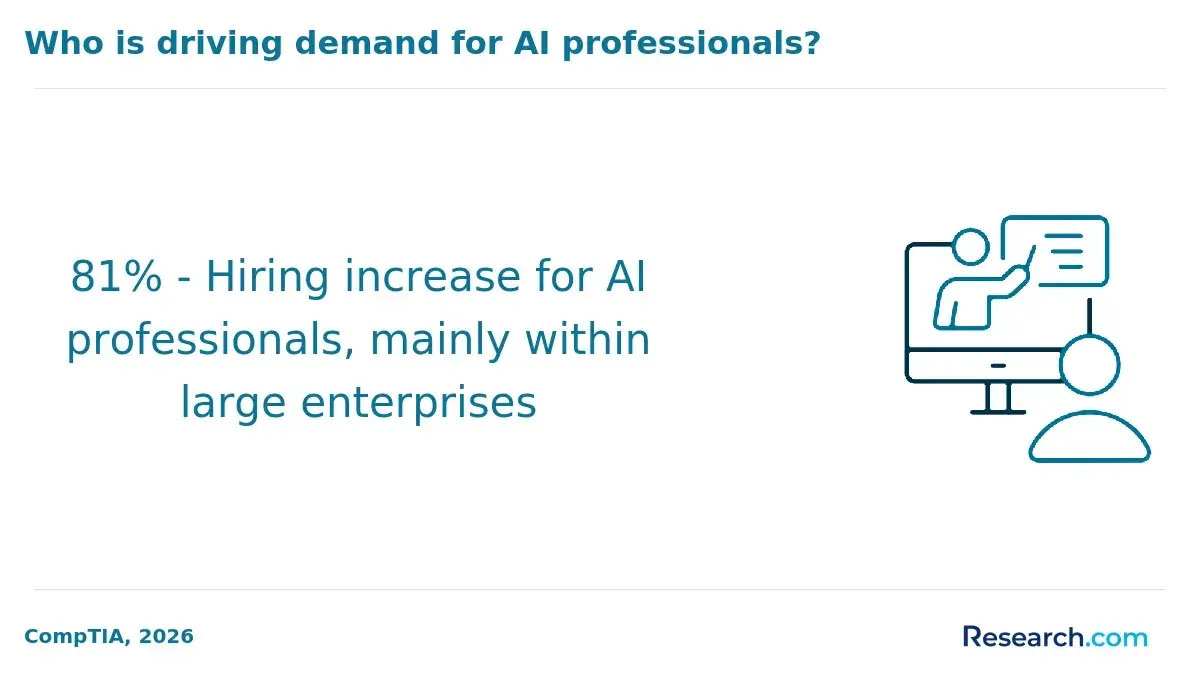
With job postings mentioning generative AI increasing twenty-onefold, skills in "AI agent" and "AI automation" are particularly in demand within software, IT services, and online retail sectors. Enrolling in AI agent ecommerce courses equips professionals with technical expertise and business insight to meet rising market demands and future-proof their careers.
For those considering further education in technical fields, institutions offering a mechanical engineering online program may provide complementary skills valuable for advanced AI and automation roles.
Which accredited U.S. schools and platforms offer reputable AI agent programs for ecommerce?
Several accredited U.S. schools offering ecommerce artificial intelligence agent programs provide specialized training to equip professionals with skills in AI-driven ecommerce operations. The University of Michigan's Center for Digital Curricula offers courses focused on AI applications in supply chain management and customer engagement, giving students hands-on experience integrating AI agents. Carnegie Mellon University's Tepper School of Business also delivers an AI-driven ecommerce strategy program, linking machine learning techniques with operational efficiency.
Top U.S. platforms for ecommerce artificial intelligence agent certifications like Coursera partner with universities such as Stanford and the University of Pennsylvania to offer courses emphasizing automation, customer personalization, and inventory management. Similarly, edX includes programs from MIT and Harvard that teach practical skills in deploying AI agents for sales forecasting and demand planning.
These programs often cover chatbot development, AI marketing automation, and predictive analytics, core competencies for enhancing ecommerce workflows. Modules on natural language processing automate customer service, while reinforcement learning helps optimize pricing strategies. Prospective learners should prioritize program accreditation, curriculum depth, and real-world projects.
Employers increasingly value certifications that combine ecommerce knowledge with AI agent expertise. Product and business professionals using generative AI report 23% higher total compensation compared to those without AI skills, based on a Payscale survey of 40,000 tech workers. For professionals seeking affordable advanced education, programs like the cheapest online data science masters offer a practical pathway to building these skills.
What prior education, technical background, or work experience do I need to start learning AI agents for ecommerce?
Proficiency in programming languages like Python or JavaScript is crucial for those seeking to work with AI agents in ecommerce. These languages support the development and integration of AI tools that improve customer interactions and inventory management. A solid grasp of machine learning principles and natural language processing enhances customization of AI behaviors.
The AI agent ecommerce technical prerequisites for beginners often include backgrounds in computer science, software engineering, or data science. Experience with cloud platforms such as AWS or Google Cloud, along with understanding APIs and database management, is highly advantageous for deploying AI solutions effectively within ecommerce systems.
Prior education and experience for ecommerce AI agents also play a vital role. Professionals with roles in ecommerce support or logistics bring valuable insights when designing AI agents that address real-world challenges. According to a benchmark report by Zendesk, retailers using AI agents saw 32% lower costs per resolved ticket and 27% higher self-service resolution rates compared to human-only teams.
For those without formal experience, online courses that blend AI fundamentals and ecommerce case studies are recommended. Building practical projects such as AI-powered chatbots or recommendation systems helps bridge theory with hands-on skills. Students interested in foundational training may consider pursuing a cheapest online computer science degree to build strong technical expertise and jumpstart a career in this evolving field.
How do online AI agent courses for ecommerce compare with campus or bootcamp options?
Online AI agent courses for ecommerce offer unmatched flexibility and swift applicability compared to campus or bootcamp programs. These online formats allow professionals to balance study with their work schedules, making skill acquisition more efficient without career interruption. In contrast, campus courses often adhere to fixed schedules and extended durations, which can slow adaption to rapidly evolving ecommerce technologies.
Bootcamps provide intensive, hands-on training over a short period, quickly building practical skills. However, they may lack the ongoing support and depth found in some online offerings, which regularly update content and include peer interaction. Online programs are often quicker to integrate innovations like AI-driven automation in order management, customer care, and merchandising-areas where Boston Consulting Group data emphasizes AI can automate 40-60% of ecommerce tasks, freeing up operational capacity by 20-30%.
Students should weigh these factors:
- Immediate skill relevance due to frequent content refreshes in online courses versus slower annual updates in campuses.
- Cost and time efficiency, with online courses generally more affordable and requiring fewer hours.
- Practical application, benefiting from immersive bootcamp environments but shorter mentorship.
- Networking, often stronger in campus settings for in-person job placement opportunities.
Choosing the right path depends on individual priorities such as budget, learning style, and how urgently students want to apply AI automation skills in ecommerce. Online courses provide a competitive edge by reflecting current industry practices faster and supporting students in adapting to automation challenges.
What core topics and tools are covered in a strong AI agent ecommerce operations curriculum?
A strong AI agent ecommerce operations curriculum equips students with the skills to create and optimize AI-driven tools for online retail. Key areas include machine learning fundamentals, natural language processing (NLP), and recommendation algorithms that help deliver personalized shopping experiences and efficient customer support. Practical training involves using AI platforms like TensorFlow, PyTorch, and spaCy to develop chatbots, virtual shopping assistants, and automated help systems.
Students also learn data analytics and consumer behavior modeling to analyze ecommerce metrics and apply predictive modeling, boosting conversion rates and average order values. Integration of AI agents with platforms such as Shopify and Magento is emphasized, enabling automation in inventory management, customer segmentation, and personalized marketing campaigns.
Security and ethical considerations are critical, with focus on data privacy, bias mitigation, and GDPR compliance. Instruction on A/B testing and performance evaluation ensures students understand how to measure the impact of AI agents on business goals effectively.
A Shopify study found merchants using AI-powered chat and shopping assistants saw an 8-15% rise in on-site conversions and a 10-20% growth in average order value versus those without these tools. This underlines the tangible benefits of mastering AI agent ecommerce operations.
- Machine learning algorithms and NLP for customer interaction
- AI toolkits: TensorFlow, PyTorch, spaCy
- Ecommerce platform integration and automation strategies
- Data analytics and predictive consumer behavior models
- Security, privacy, and ethical AI considerations
- Performance measurement: A/B testing and ROI analysis
How long do AI agent ecommerce programs take, and what do they typically cost?
AI agent ecommerce programs typically range from 4 to 12 weeks, varying with course depth and instructional format. Shorter bootcamps or certificate courses require approximately 20 to 40 study hours, while more comprehensive programs aimed at integrating AI into business workflows can extend up to 100 hours. Self-paced online courses offer flexibility for learners to progress at their own speed, whereas instructor-led formats adhere to fixed schedules.
Costs fluctuate significantly, from free introductory modules to professional certificates priced between $500 and $3,000. For instance, a focused 6-week program on AI-driven inventory management might cost around $800, while full-stack ecommerce AI courses with hands-on projects can surpass $2,000. Subscription platforms charging $50 to $150 monthly also provide ongoing skill development opportunities.
Research shows that investing under $1,000 per employee in AI upskilling-including courses and tools-can yield a median 2.6x return on investment within 12 months, primarily from labor savings and increased revenue per employee. This data, drawn from Deloitte's survey of small to mid-sized online retailers, underscores the value of targeted training.
Potential students should weigh course length, cost, and real-world application. Short programs are ideal for quick skill upgrades, while longer, in-depth courses prepare professionals for complex AI automation roles in ecommerce. Aligning course content with specific career goals or business needs is essential for maximizing benefits.
What ecommerce roles can AI agent training prepare me for, and what do those jobs involve?
AI agent training in ecommerce prepares professionals for roles such as AI customer service specialists, virtual assistant developers, data analysts, chatbot trainers, and ecommerce automation managers. These positions focus on leveraging AI technologies to improve business functions and enhance customer interactions.
AI customer service specialists design and optimize AI agents to handle inquiries and complaints, boosting response time while reducing human involvement. Virtual assistant developers program AI assistants to help customers with product selection and checkout, increasing personalization and conversion rates. Data analysts apply AI to interpret consumer behavior, inventory trends, and market data, refining algorithms to predict demand and optimize pricing. Chatbot trainers improve AI communication by feeding relevant dialogue and contextual knowledge to reduce misunderstandings and enhance user engagement.
Ecommerce automation managers integrate AI into order processing, shipment tracking, and inventory management to streamline workflows and identify cost-saving opportunities. According to Gartner's 2024 digital commerce forecast, by 2027 over 70% of B2C ecommerce interactions will involve AI agents or virtual assistants, a sharp increase from under 20% in recent years. This trend underlines the growing demand for skilled AI professionals in ecommerce operations.
What salary ranges and job outlook can AI agent skills unlock in ecommerce operations?
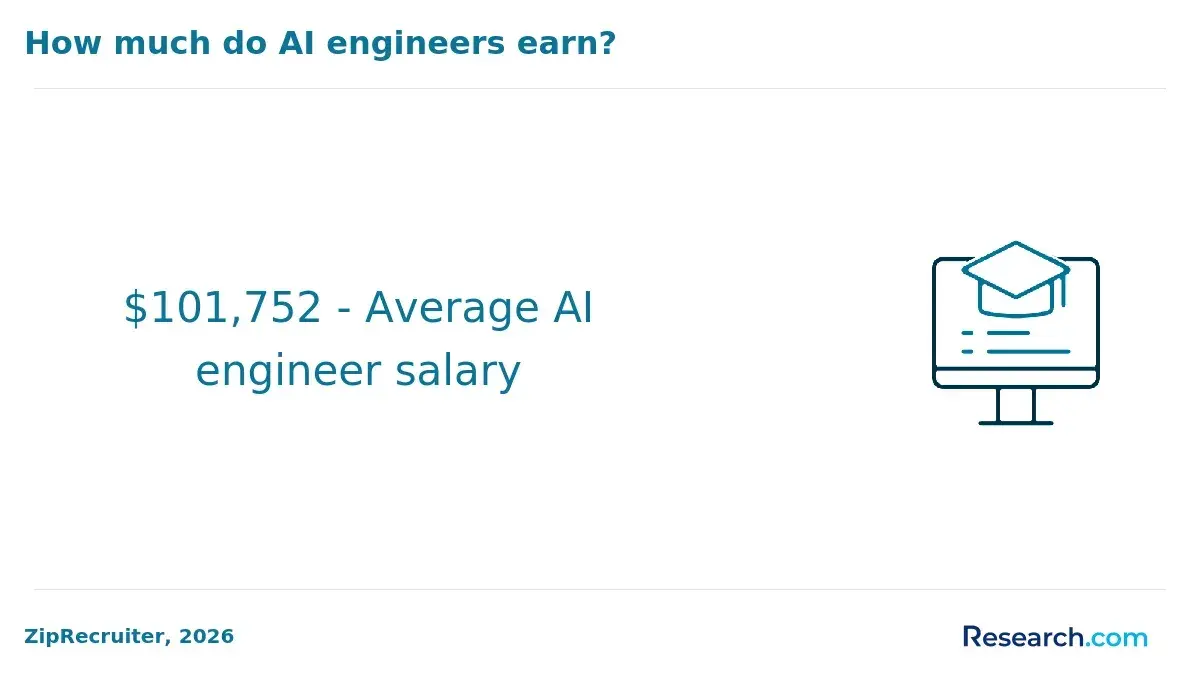
AI agent skills in ecommerce operations unlock salary ranges typically spanning from $70,000 to over $130,000 annually, depending on experience and role specialization. Entry-level roles like AI operations analysts or automation assistants generally start near $70,000, while senior roles such as AI project managers and AI integration specialists can earn above $120,000. Positions focused on strategic AI deployment-such as supply chain optimization and customer personalization-often offer premium pay due to their direct impact on revenue.
The demand for ecommerce professionals with AI expertise is growing rapidly. According to IBM's 2024 Global AI Adoption Index, 61% of retail and consumer brands report significant skill gaps in generative AI and automation, with 44% citing lack of in-house talent as a major hurdle. This creates excellent opportunities for candidates with hands-on experience in AI agent design, natural language processing, and automation frameworks across retailer chains, marketplaces, and logistics firms.
Key skills boosting employability include AI-driven inventory forecasting, chatbot management, and automated pricing adjustments. Professionals integrating AI solutions for dynamic pricing or customer interactions often command higher salaries. Staying current with emerging AI tools and frameworks remains essential as ecommerce firms adopt more advanced AI strategies.
Employers prioritize candidates who bridge skills gaps by demonstrating proficiency in deploying AI agents aligned with ecommerce workflows. Practical experience combined with formal AI training directly influences career growth and salary potential, making investment in AI education a valuable step in ecommerce operations careers.
How do I evaluate and choose a trustworthy AI agent course for ecommerce operations?
When selecting ai agent courses for ecommerce operations, focus on curriculum relevance and instructor expertise. Prioritize programs that emphasize practical applications such as automation of inventory management, personalized customer interactions, and data-driven pricing strategies. Courses featuring real-world case studies or hands-on projects simulating ecommerce environments offer valuable experiential learning.
Evaluate the credibility of the institution or platform delivering the course. Reputable providers regularly update content to keep pace with advances in ai technology. Check for available support resources like mentorship, discussion forums, or access to industry professionals, which help address implementation challenges.
Balance foundational ai concepts with ecommerce-specific tools such as chatbots, recommendation engines, and supply chain optimization. Avoid offerings that lean too heavily on theory without practical industry relevance. Consider course length and format: intensive short modules can fit working professionals, while longer programs suit those seeking deeper technical mastery.
Also consider budget and certification value. Opt for courses granting certificates recognized by employers and review refund or satisfaction policies. Costs should reflect content quality and post-course career support rather than just the provider's brand.
According to research from Accenture, early adopters of ai agents in retail and ecommerce increase revenue growth by 1.5x and productivity by 2.4x, highlighting the competitive benefits of investing in comprehensive, practical ai education.
Other Things You Should Know About Artificial Intelligence
In 2027, notable AI agent courses for ecommerce operations include Coursera’s "AI for Business Leaders," LinkedIn Learning’s "AI Strategies for Retail," and Udemy’s "AI and Machine Learning for Ecommerce." These courses cover essential AI applications and strategies tailored for improving ecommerce efficiency.
Artificial intelligence enhances customer experience through personalized recommendations, chatbots for instant support, and dynamic pricing strategies. These technologies analyze user behavior to tailor product suggestions, quickly address inquiries, and optimize pricing in real time, resulting in more efficient and satisfying shopping.
While artificial intelligence automates many routine tasks such as inventory management and customer service, it does not fully replace the need for human oversight and decision-making. AI augments human roles by handling repetitive work, allowing employees to focus on strategic planning, creative problem-solving, and relationship building.
Key data types for training artificial intelligence in ecommerce include transactional data, customer demographics, browsing behavior, and product details. This data enables AI systems to learn patterns related to purchasing habits, preferences, and inventory trends, which are crucial for effective prediction and automation.
References
- European Agentic AI Bootcamp https://ai-at.eu/en/training/european-agentic-ai-bootcamp/
- Your challenge https://www.visa.com/en-us/solutions/intelligent-commerce
- Episode 2 | AI Assistant in Microsoft Teams - Office Samurai https://office-samurai.com/episode-2-ai-agents-everything-everywhere-all-at-once/
- AI Agents for E-commerce: Complete Guide https://www.mindstudio.ai/blog/ecommerce/
- University Degree vs AI Bootcamp: Which is Best Career Path? https://agilefever.com/university-degree-vs-ai-bootcamp-which-is-best/
- How to Make Money with AI Agents in E-commerce | Nevermined https://nevermined.ai/blog/make-money-with-ai-agents-ecommerce
- If I started learning AI Agents & no-code Automation in 2025, here’s what I’d do to move 10x faster | by Kris Ograbek | AI Advances https://ai.gopubby.com/if-i-started-learning-ai-agents-no-code-automation-in-2025-heres-what-i-d-do-to-move-10x-faster-4ead3aecb80f
- 12 AI agents, 5 layers, no recruitment | BeeCommerce https://beecommerce.pl/en/blog/12-agents-no-recruitment-ai-dev-team
- Data Science & AI course online | Le Wagon https://www.lewagon.com/online/data-science-course
- Wix's AI agents for eCommerce: meet the tools powered online stores behind the scenes https://www.wix.com/blog/wix-ai-agent-for-ecommerce