2027 Best AI Agent Courses for Business Analysts

Co-Founder and Chief Data Scientist
Business analysts often face the challenge of integrating artificial intelligence tools into existing workflows without formal training, which can slow project progress and hinder decision-making accuracy. This gap leaves many professionals struggling to keep pace with rapidly evolving technologies that drive competitive advantage.
Identifying quality educational resources tailored to business analysts who lack a prior technical background is crucial for effective career advancement. This article reviews top AI agent courses designed to build relevant skills, helping readers choose flexible, accredited options that facilitate a smooth transition into the artificial intelligence industry.
Key Things You Should Know
- Top AI agent courses for business analysts in 2026 emphasize practical skills like data-driven decision-making and automation, with 68% of programs offering hands-on projects aligned with industry needs.
- Enrollment in AI-related business analysis courses grew by 42% between 2024 and 2025, reflecting rising demand for AI literacy in strategic roles across finance, marketing, and operations.
- Most leading courses integrate ethical AI frameworks and bias mitigation techniques, essential due to 58% of businesses reporting AI-related decision risks in analytics workflows.
Advance Your Career with AI Online Courses
Artificial Intelligence: Implications for Business Strategy
This program provides an introduction to Artificial Intelligence and their implications for business strategy. Earn an official digital certificate.

Oxford Artificial Intelligence Programme
Explore this Oxford Artificial Intelligence programme offered in a flexible learning environment and explore topics like machine learning, automation, and robotics.

Implementing Agentic AI: Building Your Organizational Playbook
This online MIT Agentic AI course offers a practical approach to deploying AI agents in your organization, including a custom playbook. 3 weeks, exclusive launch price.

AI Adoption: Driving Business Value and Impact
This online MIT AI Adoption: Driving Business Value and Impact offers practical frameworks to close the gap between AI potential and business reality.

Artificial Intelligence in Pharma and Biotech
Discover the applications and limitations of artificial intelligence in pharma and biotech with this MIT online short course.

What are the best AI agent courses for business analysts?
Business analysts aiming to advance their expertise can benefit greatly from the best AI agent courses for business analysts in the US, which emphasize practical use and enterprise integration of task-specific AI. Gartner forecasts that by late 2026, 40% of enterprise applications will embed AI agents, making such skills critical for analysts. Courses that merge foundational AI knowledge with business process enhancement offer substantial value.
Top online AI training programs for business analysts often include hands-on experience with no-code and low-code AI platforms. These programs help analysts design, deploy, and manage AI agents without deep programming skills. Specialized training in AI-powered process mining and task automation supports identification of operational risks and efficiency improvements.
Courses covering natural language processing tailored to customer insights enable analysts to enhance product decisions and stakeholder communication. Ethical AI deployment and data governance modules address compliance and responsible use, crucial in AI acceptance. Training combining AI strategy with agile project management is valuable for managers coordinating AI implementation within development teams.
Accredited institutions, MOOCs, and industry certifications endorsed by AI research bodies or taught by practitioners with Fortune 500 experience are recognized providers. Developing proficiency in analyzing AI-generated insights alongside skills in AI lifecycle management gives business analysts a competitive edge. Prioritize programs balancing technical rigor with business relevance to meet evolving enterprise demands.
For more details on what is applied artificial intelligence and its career paths, see what is applied artificial intelligence.
Advance Your Career with AI Online Courses
Artificial Intelligence: Implications for Business Strategy
This program provides an introduction to Artificial Intelligence and their implications for business strategy. Earn an official digital certificate.
Oxford Artificial Intelligence Programme
Explore this Oxford Artificial Intelligence programme offered in a flexible learning environment and explore topics like machine learning, automation, and robotics.
Implementing Agentic AI: Building Your Organizational Playbook
This online MIT Agentic AI course offers a practical approach to deploying AI agents in your organization, including a custom playbook. 3 weeks, exclusive launch price.
How do AI agent courses help business analysts?
AI agent training programs for business analysis professionals equip analysts with skills to design, train, and deploy autonomous agents that enhance decision-making. These agents can automate data analysis, streamline workflows, and improve predictive modeling, such as by monitoring market trends for faster, more accurate forecasting compared to manual methods.
Benefits of artificial intelligence courses for business analysts include gaining expertise in agent architectures, natural language processing, and reinforcement learning. Analysts learn to identify opportunities where AI agents reduce operational costs or boost customer engagement and translate complex data into actionable insights for strategic decisions.
Graduates often lead cross-functional teams deploying solutions like chatbots and automated reporting systems. With the AI agents market projected to exceed $10.9 billion in 2026, these skills are in high demand. Business analysts also face challenges in managing organizational change and ensuring AI outputs align with goals; training addresses these with practical frameworks, agent lifecycle management, and ethical deployment principles to mitigate automation risks and bias.
Many seeking these competencies explore an affordable online engineering degree to build foundational knowledge supporting AI integration in business. Overall, AI agent courses prepare analysts to drive innovation, operational efficiency, and measurable ROI across industries by leveraging cutting-edge AI technologies.
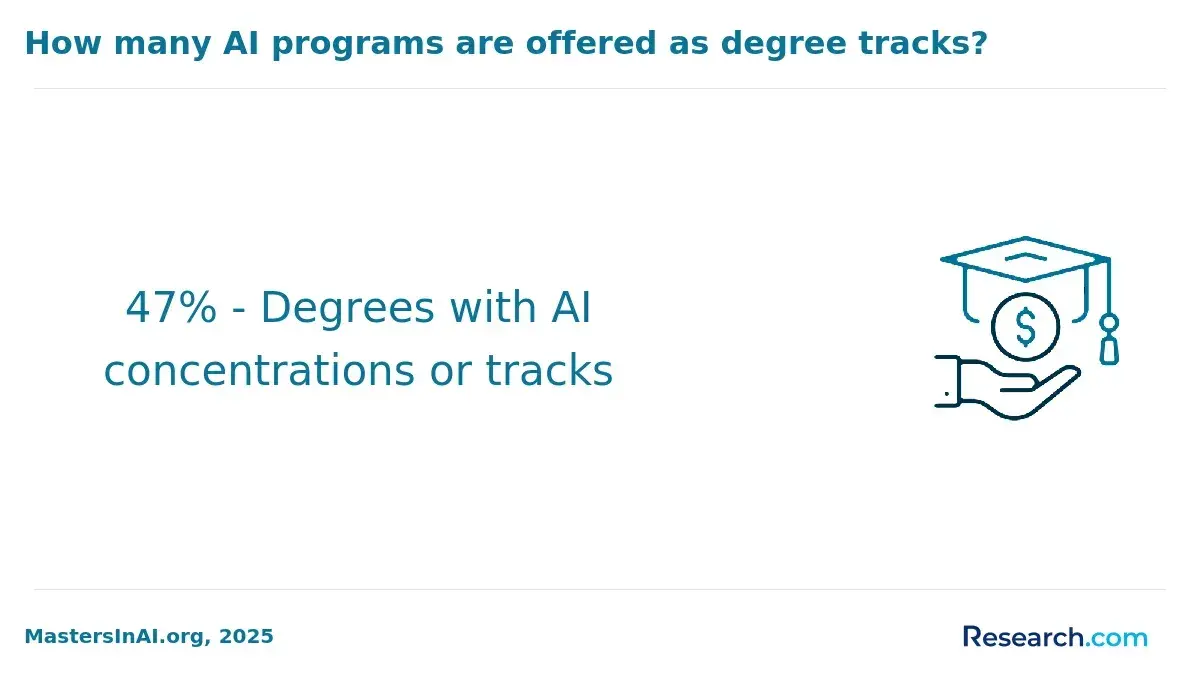
What skills should an AI agent course teach business analysts?
AI agent course skills for business analyst roles must focus on integrating artificial intelligence capabilities into everyday business analysis activities. Essential skills include drafting user stories and acceptance criteria enhanced by AI tools, enabling faster and more accurate requirements gathering. Training should also cover analyzing as-is and to-be process flows using AI-driven mapping and simulation to find inefficiencies and areas for improvement.
Business analyst training in artificial intelligence tools also involves recognizing automation opportunities. Analysts need to identify repetitive tasks that AI can optimize to save time and reduce costs, understanding the balance between technological capabilities and business impacts.
- Interpreting AI model outputs and metrics to guide decision-making and solution validation.
- Communicating complex AI concepts to stakeholders with varying technical backgrounds.
- Applying ethical and governance principles to ensure responsible AI implementations.
- Collaborating closely with data scientists and developers through AI project lifecycles.
The AI certification course for business analysts emphasizes that AI is already reshaping their work by automating and refining these specific tasks. Mastery of these skills meets the evolving expectations for AI-augmented roles, boosting strategic value within organizations. For those seeking advanced education, a PhD in artificial intelligence USA can further deepen expertise in this rapidly growing field.
Are online AI agent courses better than in-person options?
Online AI agent courses generally provide greater flexibility, accessibility, and more up-to-date content than classroom programs, making them a preferred option for many business analysts. The benefits of online AI agent courses for business analysts include the ability to learn at one's own pace and engage with interactive tools, simulations, and coding environments anytime and anywhere.
This suits professionals balancing work commitments or those seeking career transitions. The role of a business analyst is evolving toward designing reasoning logic rather than just generating static reports, which requires dynamic learning often better delivered via online formats.
When comparing online and classroom AI agent training, consider these factors:
- Need for personalized mentorship: In-person courses often provide direct instructor feedback and face-to-face support for complex challenges.
- Time constraints: Online courses enable self-paced learning that fits into busy schedules.
- Technical resources: Online platforms frequently offer cloud-based labs that may not be available in physical classrooms.
- Cost efficiency: Online training can be less costly when factoring in travel and accommodation expenses.
Business analysts focused on integrating reasoning logic in AI projects will typically benefit more from practical coding and iterative testing found in online courses than from many traditional lecture formats. Those interested in expanding their skills in related areas can also explore specialized cybersecurity courses for a broader career perspective.
What topics are covered in AI agent course curricula?
AI agent courses provide business analysts with essential knowledge to harness AI tools in decision-making and strategy. Core subjects include fundamentals of AI agents, machine learning techniques, natural language processing (NLP), and integrating generative AI models for business purposes. These courses focus on how AI agents independently interact with data and simulate real-world problem solving.
Key practical skills taught include data preprocessing, feature engineering, and evaluating model performance metrics, enabling analysts to critically assess AI results. Important topics like automation workflows, AI ethics, and bias mitigation are included to support responsible AI use. Modules on user intent recognition and adaptive agent design prepare learners to build responsive systems that evolve with business needs.
Specialized areas often cover chatbots, recommendation engines, and predictive analytics platforms common in business analysis. Programming training in Python or R emphasizes libraries such as TensorFlow and PyTorch for building and customizing AI agents using APIs or from scratch. Visualization and communication of AI-driven insights to stakeholders are also integral parts of the curriculum.
The Generative AI for Business Analysts Specialization on Coursera highlights the growing importance of generative AI by providing a focused curriculum. It develops skills like prompt engineering, creative content generation, and scenario simulation, blending technical expertise with business understanding to meet evolving AI career demands.
What admission requirements do AI agent courses usually have?
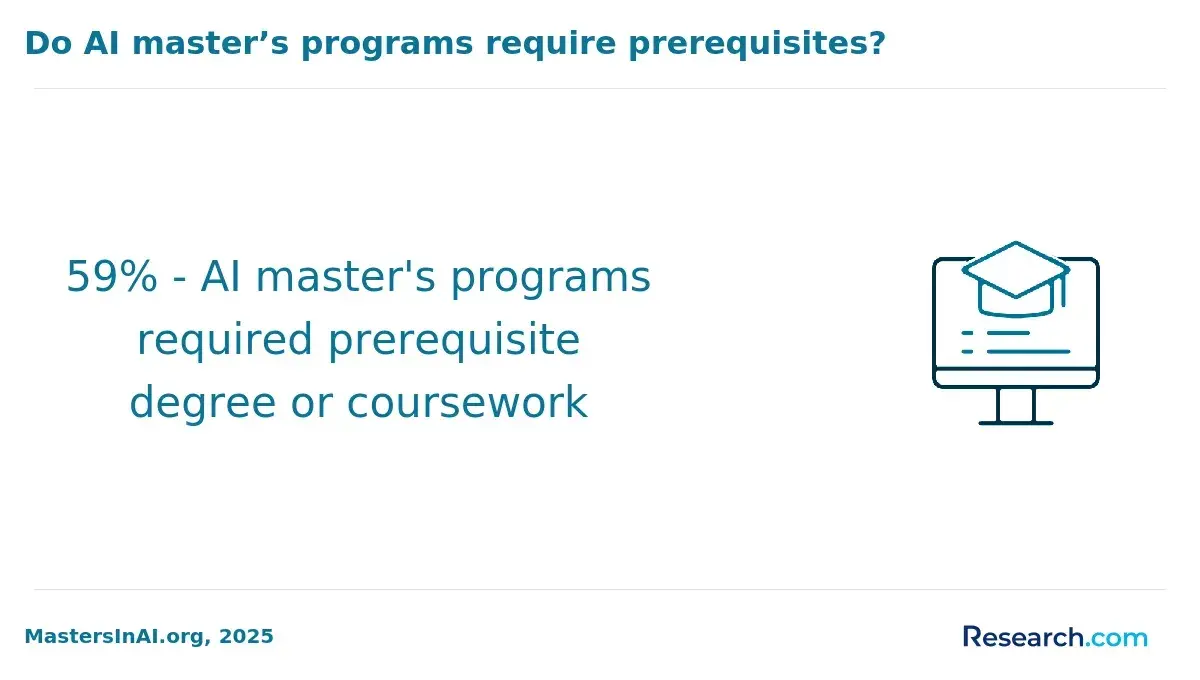
AI agent courses typically require candidates to have foundational skills in business analysis and basic data literacy. Most programs expect applicants to hold at least a bachelor's degree in business, information technology, or a related field. Advanced courses often demand 1 to 3 years of professional experience in data interpretation, project management, or systems analysis.
Familiarity with programming languages like Python or R is commonly required due to the technical demands of AI agent development. Prerequisites vary depending on the provider. Online platforms such as LinkedIn Learning tend to offer open enrollment but benefit from prior knowledge of business processes and analytics tools.
On the other hand, university or certificate programs may require academic transcripts and a statement of purpose detailing the applicant's background and motivation in AI and business analysis. Premium courses sometimes incorporate interviews or assessments, including practical case studies and coding tests, to evaluate problem-solving abilities and understanding of agentic AI principles. This approach helps ensure candidate readiness before admission.
To meet rising professional upskilling standards, applicants should actively develop quantitative and technical skills. LinkedIn Learning's agentic AI for Business Analysis class exemplifies the growing demand for AI literacy as a core capability among business analysts.
How long do AI agent courses take and what do they cost?
AI agent courses designed for business analysts typically span from 4 to 12 weeks, with shorter options focusing on foundational skills such as automation tools, data interpretation, and basic deployment, often delivered in 20 to 40 hours. Extended programs of 8 to 12 weeks incorporate hands-on projects, advanced customization, and integration with existing business intelligence systems, enhancing workplace readiness.
Pricing varies significantly. Entry-level courses generally cost between $300 and $900, offering accessible options for professionals starting in AI agent technology. Mid-tier and advanced courses range from $1,000 to $3,500 and usually include benefits like personalized mentoring, project evaluations, and post-course job support, valuable for analysts aiming to apply AI for automation and efficiency.
These training programs emphasize productivity gains, with some AI tools for business analysts capable of reclaiming approximately 70% of a working week through automation and drafting support. This highlights the potential return on investment for students.
When choosing a course, consider factors such as part-time availability, live instruction, and access to real-world datasets. Free trial modules or tiered pricing can reduce financial risk while allowing flexible engagement. Balancing time and cost against your goal of enhancing analytical efficiency is key.
Which certifications should business analysts consider after training?
Business analysts enhancing their careers with AI skills should consider certifications that validate their ability to integrate AI agents into business processes. Notable credentials include the Certified Business Analysis Professional (CBAP) with AI specialization, the AI for Business Analysts Certificate from the International Institute of Business Analysis (IIBA), and vendor-neutral programs like the AI Business Analyst Professional Certification.
These focus on AI-driven data analysis, process automation, and effective communication with stakeholders in AI projects. The CBAP with AI specialization helps align AI solutions with business strategy to ensure measurable value. IIBA's certification covers AI model fundamentals and ethical considerations vital for responsible adoption. Vendor-neutral certificates provide versatility by covering AI tool management and applications across industries.
Additional certificates such as Microsoft's AI Fundamentals and Google's Machine Learning Crash Course deepen technical understanding without heavy programming, fostering collaboration with data science teams. A Forbes article highlights a PwC study showing salary boosts of up to 56% for professionals skilled in managing AI agents, underscoring the financial benefits of these credentials.
Choosing the right certification depends on current skills, career goals, and industry AI technologies. Prioritizing programs that blend AI competence with business strategy and ethics will maximize professional impact and marketability.
What jobs can business analysts get after AI agent training?
Business analysts trained in AI agent technologies can access a range of advanced roles that blend technical skills with industry knowledge. Common positions include AI business analyst, data strategist, automation specialist, and AI integration consultant, all focused on designing and implementing AI-driven workflows to enhance decision-making and operational efficiency.
These roles typically involve expertise in AI tools that process large datasets and automate routine tasks. For instance, AI business analysts may optimize customer experience through chatbots or predictive analytics, while automation specialists develop AI agents for data entry, report generation, or transaction monitoring, allowing teams to focus on higher-value activities.
Demand continues to grow for professionals managing AI-agent systems, with new roles in AI governance and ethical compliance ensuring transparency and adherence to regulations. Skills acquired through AI agent training prepare analysts to lead cross-functional teams and drive digital transformation across sectors like finance, healthcare, and retail.
Employers prioritize candidates with a mix of business insight and AI fluency, including proficiency in agent programming languages, machine learning fundamentals, and human-AI interaction design. Practical experience with AI agent platforms is often essential for securing these roles and successfully implementing AI-driven business models.
- AI agent training equips analysts to design and evaluate AI-enhanced workflows
- Job titles range from AI business analyst to automation specialist
- New roles focus on AI governance and ethical standards
- Cross-sector opportunities include finance, healthcare, and retail
- Hands-on experience and AI fluency are key hiring criteria
How do you choose a reputable AI agent course provider?
Selecting a reputable AI agent course provider means carefully evaluating key aspects to ensure value and relevance. First, check the provider's credentials, including industry partnerships, accredited affiliations, and the practical expertise of instructors. Real-world experience in AI applications for business analysis adds credibility beyond academic qualifications.
Course content should align with current industry needs, focusing on essential skills such as machine learning fundamentals, natural language processing, and data-driven decision-making tailored for business professionals. Hands-on projects or case studies are important for applying concepts effectively.
Additional considerations include student support systems like mentorship, active forums, and live sessions that foster interaction and resolve queries promptly. Flexibility and course length also matter for working professionals who may prefer self-paced learning.
Certification validity is vital; recognized credentials enhance resume credibility and open job opportunities. Reviewing alumni feedback helps assess course impact and satisfaction.
- Verify instructor experience and industry ties
- Ensure course covers practical, up-to-date AI topics
- Compare pricing relative to content quality
- Look for active student support and flexibility
- Confirm certification acceptance and read reviews
Other Things You Should Know About Artificial Intelligence
In 2027, leading AI agent courses for business analysts include "AI Strategy for Business Leaders" from Coursera, "AI for Business" offered by edX, and "Business and AI Advanced" designed by Udacity. These courses focus on practical applications and strategic implementation of AI in modern business environments.
Artificial intelligence is enhancing decision-making by providing data-driven insights, predictive analytics, and automation of routine tasks. Business analysts can leverage AI to identify patterns and trends faster, enabling more accurate forecasting and strategic planning. This improves efficiency and supports evidence-based decisions.
Integrating artificial intelligence poses challenges such as data quality issues, complexity in interpreting AI outputs, and resistance to change within organizations. Business analysts must also navigate technical constraints and ensure alignment between AI tools and business goals. Effective communication and stakeholder engagement are essential to overcome these challenges.
Continuous learning is crucial due to the rapid evolution of artificial intelligence technologies and methodologies. Business analysts need to stay updated on new AI tools, frameworks, and best practices to maintain their effectiveness. Ongoing education supports adaptability and keeps skills relevant in a competitive job market.
References
- An "AI Student Agent" Takes an Asynchronous Online Course https://opencontent.org/blog/an-ai-student-agent-takes-an-asynchronous-online-course/
- AI Business Analyst Course | Get Future Ready with AI skills https://techcanvass.com/Courses/AI-Certification-for-Business-Analysts
- Introduction to Agentic AI https://cognitiveclass.ai/courses/introduction-to-agentic-ai
- best AI Agents course? | BlackHatWorld https://www.blackhatworld.com/seo/best-ai-agents-course.1671643/
- LLM Prompts and Answers - agentacademy.ai | AI Agent Online Training & Certification https://agentacademy.ai/llm-prompts-and-answers/
- 8 best AI agent builders you need to try in 2026 https://www.gumloop.com/blog/best-ai-agent-builder
- IIBA Business Analysis Certifications | Start Your Journey https://www.iiba.org/business-analysis-certifications/iiba-certifications/
- How AI Agents Are Transforming Business Analysis https://www.matillion.com/blog/ai-agents-business-analysis
- In-Person vs. Online Training in the Age of AI: Finding the Right Balance https://trainingindustry.com/articles/artificial-intelligence/in-person-vs-online-training-in-the-age-of-ai-finding-the-right-balance/
- How AI is Reshaping the Role of Business Analyst https://www.sparklinglogic.com/how-ai-is-reshaping-the-role-of-business-analyst/