2027 Best AI Strategy Courses for Anti-Money Laundering Teams

Co-Founder and Chief Data Scientist
Anti-money laundering teams face growing challenges as financial criminals innovate faster than traditional detection methods. Many analysts struggle to keep up with complex transaction patterns and emerging fraud schemes. This causes delays and errors in identifying illicit activities, risking regulatory penalties and reputational damage. Teams need robust tools and strategies to leverage artificial intelligence insights effectively.
This article explores top AI strategy courses designed to equip professionals with the skills required to enhance AML efforts, improve detection accuracy, and streamline compliance workflows, providing a clear path for career pivot and skill advancement.
Key Things You Should Know
- AI strategy courses tailored for anti-money laundering teams emphasize practical skills in data analysis, fraud detection, and regulatory compliance, reflecting a 40% increase in relevant job postings since 2024.
- Most top courses feature up-to-date curricula incorporating machine learning models that improve anomaly detection accuracy by over 30%, aiding financial institutions in minimizing risks.
- Flexible online and hybrid learning options dominate 2026 offerings, accommodating professionals' schedules while enhancing access to expertise from leading AI and financial crime experts.
Advance Your Career with AI Online Courses
Artificial Intelligence: Implications for Business Strategy
This program provides an introduction to Artificial Intelligence and their implications for business strategy. Earn an official digital certificate.

Oxford Artificial Intelligence Programme
Explore this Oxford Artificial Intelligence programme offered in a flexible learning environment and explore topics like machine learning, automation, and robotics.

Implementing Agentic AI: Building Your Organizational Playbook
This online MIT Agentic AI course offers a practical approach to deploying AI agents in your organization, including a custom playbook. 3 weeks, exclusive launch price.

AI Adoption: Driving Business Value and Impact
This online MIT AI Adoption: Driving Business Value and Impact offers practical frameworks to close the gap between AI potential and business reality.

Artificial Intelligence in Pharma and Biotech
Discover the applications and limitations of artificial intelligence in pharma and biotech with this MIT online short course.

What is an AI strategy course for anti-money laundering teams, and who should take it?
An AI strategy training for anti-money laundering professionals equips participants to develop and implement AI-driven solutions tailored to financial crime detection and prevention. These programs integrate machine learning models, data analytics, and automation to enhance transaction monitoring and significantly reduce false positives. AML teams learn to convert regulatory requirements into effective AI frameworks, improving compliance and investigative productivity.
Typical artificial intelligence courses tailored for AML compliance teams cover supervised and unsupervised learning techniques, anomaly detection, model validation, and the ethical considerations linked to AI use in financial crime prevention. Collaboration between data scientists and AML officers is emphasized to ensure AI tools meet practical risk scenarios and regulatory standards.
These courses benefit AML analysts, compliance officers, data scientists in finance, and risk managers who want to advance skills in cutting-edge transaction monitoring technologies. Many banks utilizing machine-learning-based AML systems have achieved up to a 50% reduction in false positives and a three- to fourfold increase in true positive alerts, boosting investigator efficiency and strengthening risk coverage.
Furthermore, IT professionals supporting AML systems and executives overseeing compliance strategies gain valuable insights into AI capabilities and limitations. This knowledge helps teams select, customize, and audit AI solutions effectively, ensuring operations remain future-proof amid fast-changing regulatory and technology landscapes. For those interested in what is applied AI engineering and its impact on AML, see what is applied AI engineering.
Advance Your Career with AI Online Courses
Artificial Intelligence: Implications for Business Strategy
This program provides an introduction to Artificial Intelligence and their implications for business strategy. Earn an official digital certificate.
Oxford Artificial Intelligence Programme
Explore this Oxford Artificial Intelligence programme offered in a flexible learning environment and explore topics like machine learning, automation, and robotics.
Implementing Agentic AI: Building Your Organizational Playbook
This online MIT Agentic AI course offers a practical approach to deploying AI agents in your organization, including a custom playbook. 3 weeks, exclusive launch price.
How can AI-driven AML strategy courses help compliance teams detect and prevent financial crime?
AI-driven AML strategy courses provide compliance teams with sophisticated tools to improve financial crime detection and prevention. By leveraging machine learning algorithms, natural language processing, and pattern recognition, these programs enable analysis of millions of transactions to flag suspicious activities more accurately.
This AI-powered AML detection technique reduces false positives and helps prioritize high-risk alerts, improving efficiency in investigations. AI models trained on large datasets can uncover subtle money laundering methods that traditional systems often overlook.
Professionals gain skills to implement adaptive AI frameworks that evolve with emerging threats, supporting ongoing improvements in monitoring accuracy. They learn to critically interpret AI outputs, balancing automation with human judgment to satisfy regulatory demands. AI-driven financial crime prevention training frequently includes scenario-based exercises, allowing teams to apply these tools in simulated real-world cases.
These courses also cover practical issues like data quality management, algorithm bias, and integrating AI with existing AML systems, which lowers risks of costly compliance failures. The Financial Crimes Enforcement Network (FinCEN) noted a 15% increase in Suspicious Activity Reports (SARs) from U.S. financial institutions, underscoring the urgent need for modernized AML controls.
For those exploring the intersection of technology and compliance careers, pursuing a specialized degree can be invaluable. Some students may consider programs such as the cheapest online civil engineering degree to build strong analytical and technical foundations applicable in AML contexts.
What are the best types of AI strategy programs for AML professionals, from certificates to degrees?
For AML professionals, the best AI strategy certification programs for AML professionals vary from targeted certificates to advanced degrees, designed to fit different career paths. Certificate programs focus on essential topics like machine learning models, anomaly detection, and data analytics in compliance workflows, making them ideal for professionals seeking quick, practical skill upgrades.
Graduate certificates and specialized diplomas delve deeper into AI's application in financial crime prevention, including RegTech and risk management. These programs offer hands-on experience with AI tools, improving skills in interpreting AI outputs and assessing model risks. This aligns with industry needs; a survey by ACAMS found that 72% of compliance leaders identify AI and data analytics as top competency gaps in their teams.
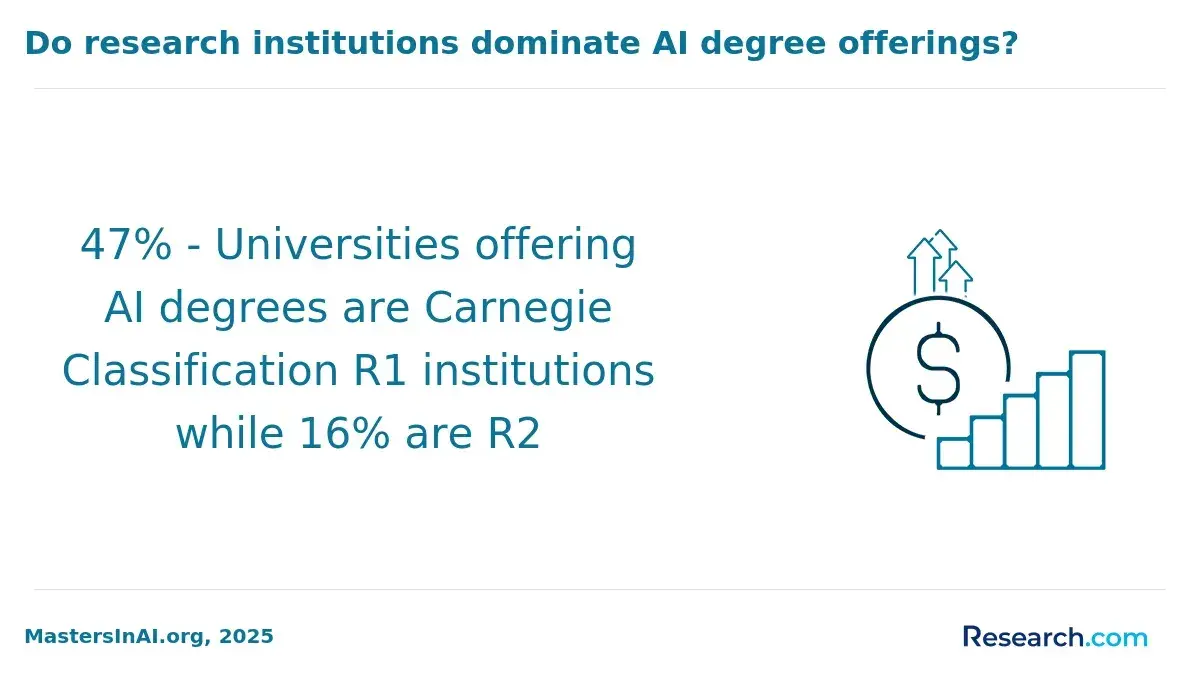
Top AI degree courses focused on anti-money laundering include master's degrees in data science, AI strategy, or fintech emphasizing AML. They combine technical AI training with business strategy, covering algorithmic fairness, compliance, and governance, preparing graduates to lead AI-driven AML initiatives within organizations.
Many programs incorporate blended learning with workshops and real-world case studies on money laundering analyzed through AI, enhancing practical deployment skills. Those seeking advanced education options may consider an online master data science program tailored for flexibility and depth in AI applications for AML.
How do online AI strategy courses for AML compare with campus and hybrid program options?
Online AI strategy courses offer notable advantages over campus programs for AML teams, especially in flexibility and accelerated skill acquisition. These courses enable professionals to balance learning with work commitments, avoiding fixed schedules and commuting demands typical of campus programs.
Hybrid versus online AML training with artificial intelligence focus reveals that purely online formats provide more frequent curriculum updates, incorporating the latest compliance technologies and regulatory changes.
Hands-on experience is essential in AML AI education. Advanced online courses often include interactive labs, simulations, and real-world data exercises that sometimes surpass traditional case study approaches. Hybrid programs may offer limited lab opportunities but generally lack the continuous practical access found online.
Cost efficiency is another key consideration. Online courses reduce expenses linked to housing, transportation, and campus fees, widening participation without sacrificing quality. Research by the New York City Bar Association highlights that banks using AI-driven AML monitoring improved investigation efficiency by 20-30% and lowered compliance costs by up to 20%, illustrating the ROI from effective AI AML training.
U.S. students and professionals aiming for immediate applicability, affordability, and cutting-edge strategies should explore online options. For those interested in advancing their expertise further, considering an online data science doctorate can provide deeper knowledge and skills to shape AML solutions.
Which accreditation and regulatory standards should AI and AML strategy programs meet in the U.S.?
Accredited AI and anti-money laundering (AML) training programs in the U.S. must adhere to regulatory and accreditation standards to ensure compliance and relevance. Key accreditation bodies include the Association of Certified Anti-Money Laundering Specialists (ACAMS) and the International Compliance Association (ICA), both offering curricula aligned with current AML regulations and best practices integrating artificial intelligence tools.
Effective programs emphasize compliance with U.S. regulatory agencies such as the Financial Crimes Enforcement Network (FinCEN), the Office of the Comptroller of the Currency (OCC), and the Securities and Exchange Commission (SEC).
These agencies mandate that AML AI solutions remain explainable and auditable, making transparency and model interpretability critical components of training. Practical knowledge of the Bank Secrecy Act (BSA) and USA PATRIOT Act is essential for preparing professionals to satisfy regulatory oversight.
Industry data indicates only about 40% of organizations effectively apply AI or machine learning in AML processes, highlighting the importance of accredited education that integrates these technologies with regulatory frameworks. Students are taught to develop AI-driven AML systems that balance innovation and compliance, aligning with risk-based regulatory expectations.
- Follow ACAMS or ICA program structures
- Address FinCEN, OCC, and SEC guidelines
- Train on BSA and USA PATRIOT Act compliance
- Integrate explainability and auditability into AI models
What core topics and technical skills are covered in leading AI strategy courses for AML teams?
Top AI strategy courses for anti-money laundering (AML) professionals focus on essential technical skills and concepts that improve detection and investigation processes. Core topics include machine learning fundamentals, data preprocessing, natural language processing (NLP), and anomaly detection algorithms, which help identify suspicious patterns in complex transactional data.
Practical training covers model development, validation, and explainability, fostering trust in AI-generated alerts. Learners engage with supervised and unsupervised learning techniques, as well as feature engineering targeting financial crime indicators like unusual transaction amounts or layering schemes.
Risk assessment and automation frameworks are pivotal. Implementing AI-driven case prioritization significantly reduces false positives and streamlines workflows. Research by the University of Strathclyde's Financial Regulation Innovation Lab shows that AI tools can cut analyst review time per AML alert by 20-40%, emphasizing efficiency gains through automation.
Courses often teach programming skills in Python and key libraries such as scikit-learn and TensorFlow, alongside data visualization and dashboard creation to turn AI insights into actionable intelligence. Regulatory compliance is integrated to ensure AI systems meet AML laws and reporting standards.
Advanced modules may include network analysis for uncovering complex laundering rings and adversarial AI techniques to counter evasion tactics. These comprehensive programs prepare AML teams to deploy AI solutions responsibly and effectively.
What are the typical admission requirements and professional background needed for these programs?
Admission to AI strategy courses designed for anti-money laundering (AML) professionals generally requires a relevant academic background combined with practical experience. Applicants typically need at least a bachelor's degree in fields like finance, computer science, information technology, or data analytics. Advanced courses might ask for a master's degree or demonstrated expertise in financial crime compliance or risk management.
Work experience in AML or financial crime investigative roles enhances admission prospects. Most programs prefer candidates with two to five years in AML teams, compliance, or regulatory positions, helping them relate AI principles to real-world issues such as suspicious transaction detection and fraud prevention. Familiarity with transaction monitoring systems or customer due diligence is especially valuable.
Technical proficiency is important. Basic programming skills in Python or R and foundational knowledge of machine learning are often required or recommended. Some courses offer introductory modules for those new to AI but expect participants to analyze datasets and apply predictive analytics effectively by the end.
Certifications like CAMS (Certified Anti-Money Laundering Specialist) further strengthen applications by demonstrating domain expertise. A well-crafted motivation letter outlining career objectives and AI's role in financial crime fighting also improves acceptance chances.
AML specialists skilled in data analytics and AI earn 15-25% higher salaries than their traditional counterparts, according to compensation insights from the Financial Crime Academy, highlighting the career benefits of AI literacy in AML.
How long do AI strategy courses for AML teams take, and what do they typically cost?
AI strategy courses tailored for anti-money laundering (AML) teams vary widely in length and depth, from brief six-hour sessions to extensive programs lasting up to eight weeks. Short courses typically span one to three days, focusing on foundational AI concepts and practical AML applications, making them suitable for compliance officers needing quick yet effective insights.
Longer courses offer interactive learning through modules, case studies, and hands-on exercises, enhancing investigatory and detection skills with AI tools.
Pricing depends on course complexity, reputation, and delivery format. Entry-level courses generally cost between $300 and $800, appealing to individuals or small teams seeking fundamental AI knowledge. Mid-tier courses, which often include personalized AML scenarios and certification, are priced from $1,200 to $3,500.
Intensive boot camps and advanced certifications offered by leading institutions may range from $5,000 to $10,000 or more, reflecting comprehensive content and direct instructor engagement.
Many providers offer corporate licensing options, allowing larger AML teams to train collectively at negotiated rates. Organizations increasingly prioritize investment in AI-driven AML training to meet regulatory standards and improve financial crime prevention.
A recent global financial-services survey cited by the New York City Bar Association reports that over 60% of major banks plan to increase budgets for AI-powered AML technology and staff training within the next two years, underscoring growing demand for AI expertise in compliance roles.
- Typical course duration: 6 hours to 8 weeks
- Cost range: $300 to $10,000+ depending on depth and certification
- Formats: online self-paced, live virtual sessions, or in-person boot camps
- Corporate pricing often available for team training
What career paths, job titles, and industries do graduates of AI-AML strategy programs pursue?
Graduates of AI-AML strategy programs often find careers in compliance, risk management, and financial crime prevention within banking, fintech, insurance, and consulting sectors. Typical roles include AI AML analyst, financial crime data scientist, AML compliance officer, fraud detection specialist, and regulatory technology consultant.
The 2024 report by the New York City Bar Association highlights that over half of financial institutions are actively piloting or using artificial intelligence for enhanced network and link analysis, customer risk scoring, and adverse-media screening. This shift beyond traditional transaction monitoring is driving demand for professionals skilled in both AI technologies and AML frameworks.
Professionals may advance to roles designing AI-driven risk models, developing link analysis algorithms to uncover complex money laundering networks, or managing adverse media screening programs using natural language processing. Many also contribute to RegTech firms developing AML software solutions or provide consultancy on AI integration aligned with evolving regulations.
Key skills include data analytics, machine learning, and regulatory compliance. Graduates are advised to pursue certifications such as Certified Anti-Money Laundering Specialist (CAMS) alongside AI training, and to network within fintech and regulatory circles for career growth in this specialized field.
What salaries, advancement opportunities, and job outlook can AI-focused AML professionals expect?
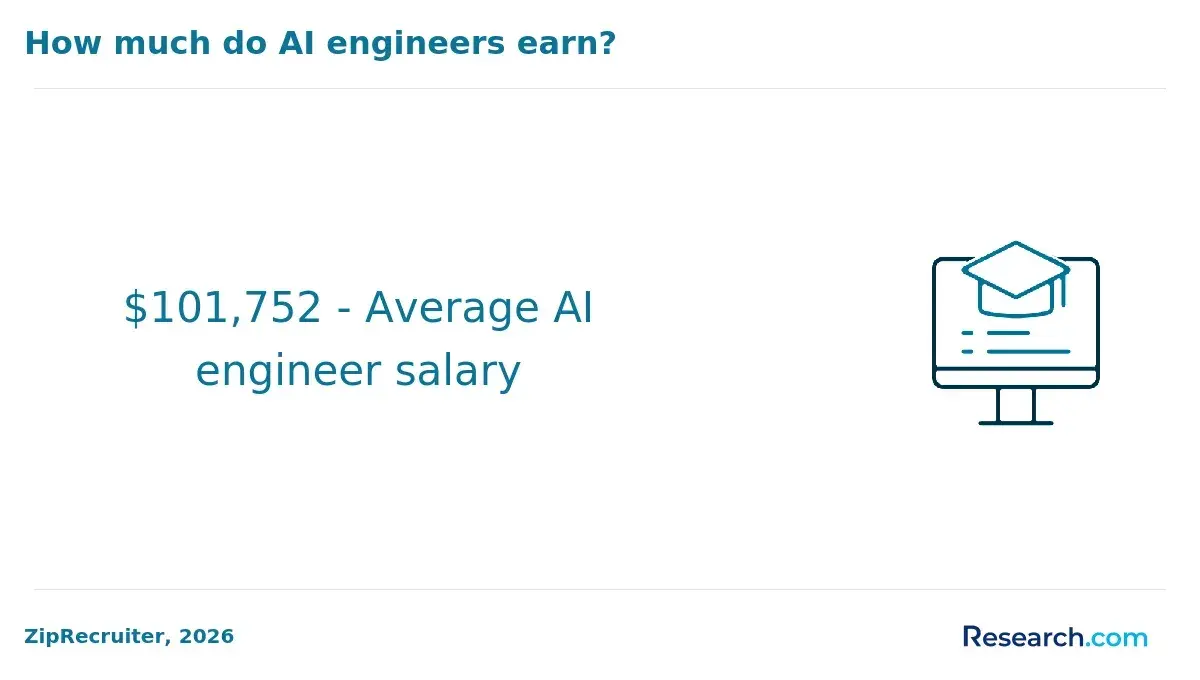
AML professionals specializing in artificial intelligence in the U.S. enjoy competitive salaries and strong career growth. Entry-level roles typically offer annual pay between $70,000 and $90,000, varying by employer size and location. Mid-career AML specialists with AI expertise often earn from $100,000 to $130,000, while senior analysts and managers can exceed $150,000, reflecting the premium on combining AML experience with AI skills.
Career advancement pathways include moving into management roles or specialized technical positions such as AI compliance strategist, data science lead for financial crime, or AML technology consultant. The increasing integration of automation and machine learning within compliance enhances demand for proficiency in AI-driven AML solutions.
Regulatory agencies' emphasis on technology in compliance frameworks further supports job growth in this area. Advanced training is highly valued; for instance, the University of Hull offers a rigorous two-day "AI-Enhanced AML & CTF for Compliance Leaders" course priced at £2,500, underlining the importance of continued education for senior professionals in this niche.
- Entry-level salaries typically range $70,000-$90,000
- Mid-career roles command $100,000-$130,000
- Senior AI-AML professionals can earn upwards of $150,000
- Career paths include management, AI strategy, and consulting
- AI-AML expertise is key amid growing regulatory tech requirements
Other Things You Should Know About Artificial Intelligence
In 2027, key courses for AML teams focus on integrating AI technologies. Leading options include those offered by MIT and Stanford, exploring AI's practical applications, ethical considerations, and hands-on tools tailored to enhancing AML capabilities. These courses emphasize AI's role in automating transaction monitoring and anomaly detection.
Ethical concerns include data privacy, algorithmic bias, and transparency. AI models must ensure customer data is protected according to regulatory standards. Additionally, AML teams should verify that AI decisions do not unfairly target specific groups and that the rationale behind flagged transactions can be explained to regulators when necessary.
Artificial intelligence is designed to assist rather than replace human analysts in AML. While AI automates data processing and identifies potential risks quickly, expert judgment is essential to interpret results and make final decisions. Effective AML programs combine AI's speed with human insight to manage complex compliance challenges.
Key challenges include data quality issues, integration with legacy systems, and regulatory acceptance. Incomplete or inconsistent data can reduce AI accuracy, while outdated IT infrastructure may limit deployment. Regulators require transparency and explainability, which can be difficult with complex AI models, slowing widespread adoption.
References
- What are the current AML regulations in North America? | Napier AI https://www.napier.ai/knowledgehub/aml-regulations-north-america
- AI and Analytics Programs https://esmt.berlin/executive-education/analytics-ai-programs
- Ultimate Guide: How to Choose the Right AI Training Course to Boost Your Career - ONLC https://www.onlc.com/blog/how-to-choose-ai-training-courses/
- The Rise Of AI And Its Impact On AML Careers - twenty84 https://twenty84.com/the-rise-of-ai-and-its-impact-on-aml-careers/
- AI career paths: 2026 job guide https://www.pluralsight.com/resources/blog/ai-and-data/ai-career-guide-2025
- The Hidden Rewards: Exploring AML Technology Job Salaries https://financialcrimeacademy.org/aml-technology-job-salaries/
- The best AML software vendors in the US (10 companies compared) https://complyadvantage.com/vendor/best-aml-software-in-us/
- Implementing AI in AML and Financial Crime teams https://beyondfs.co.uk/implementing-ai-in-aml-and-financial-crime-teams
- AML in 2025: How are AI, real-time monitoring, and global regulation are transforming compliance? https://www.moodys.com/web/en/us/kyc/resources/insights/aml-in-2025.html
- AI - Artificial Intelligence | London Business School https://www.london.edu/executive-education/ai