2027 Best AI Compliance Governance Courses Online

Co-Founder and Chief Data Scientist
Organizations face increasing pressure to ensure AI systems comply with ethical standards and regulatory frameworks. Missteps in AI governance can result in costly legal consequences and damage to reputation. Professionals entering the AI field require a solid understanding of compliance challenges, risk management, and policy development to navigate this complex landscape. This article identifies the best online AI compliance governance courses designed for learners transitioning from unrelated fields. It aims to help readers select accredited programs that provide practical knowledge and flexible learning options to advance their careers in responsible AI deployment and oversight.
Key Things You Should Know
- AI compliance governance courses in 2026 focus on evolving regulations, teaching risk management frameworks and ethical use aligned with the 2024 SEC AI guidelines for financial services.
- Over 70% of top U.S. programs include hands-on training with AI auditing tools, essential for roles ensuring transparency and accountability in AI systems.
- Demand for AI compliance experts is projected to grow 34% by 2028, driven by increased regulatory scrutiny and corporate governance mandates across industries.
Advance Your Career with AI Online Courses
Artificial Intelligence: Implications for Business Strategy
This program provides an introduction to Artificial Intelligence and their implications for business strategy. Earn an official digital certificate.

Oxford Artificial Intelligence Programme
Explore this Oxford Artificial Intelligence programme offered in a flexible learning environment and explore topics like machine learning, automation, and robotics.

Implementing Agentic AI: Building Your Organizational Playbook
This online MIT Agentic AI course offers a practical approach to deploying AI agents in your organization, including a custom playbook. 3 weeks, exclusive launch price.

AI Adoption: Driving Business Value and Impact
This online MIT AI Adoption: Driving Business Value and Impact offers practical frameworks to close the gap between AI potential and business reality.

Artificial Intelligence in Pharma and Biotech
Discover the applications and limitations of artificial intelligence in pharma and biotech with this MIT online short course.

What is AI compliance governance and why are online courses important for professionals?
AI compliance governance frameworks for professionals involve systems, policies, and controls that ensure artificial intelligence aligns with legal, ethical, and operational standards. Key aspects include data privacy, algorithmic fairness, transparency, bias mitigation, and accountability. Given the rapid evolution of regulations and technology, online courses on artificial intelligence compliance best practices are essential for keeping skills current. These courses provide flexible learning opportunities, often featuring case studies, practical exercises, and expert insights to help navigate complex regulatory landscapes.
Professionals must understand how to audit AI algorithms for bias, comply with new AI-specific data protection laws, and implement governance frameworks effectively. According to IBM's 2025 CEO Study, 88% of CEOs globally are pursuing formal AI governance frameworks, reflecting a growing need for expertise in this field. Targeted online programs prepare learners to manage risk, ensure ethical AI design, and implement continuous monitoring.
Individuals interested in risk management, IT governance, legal compliance, or AI ethics benefit particularly from these specialized courses. They equip learners to tackle challenges such as conflicting international regulations and ethical risks in AI deployment. Those advancing their careers in such areas often improve their prospects significantly by gaining these competencies.
For those exploring career options in this rapidly expanding field, applied artificial intelligence jobs provide diverse opportunities. Understanding governance frameworks through online education supports responsible AI development while enhancing employability.
Advance Your Career with AI Online Courses
Artificial Intelligence: Implications for Business Strategy
This program provides an introduction to Artificial Intelligence and their implications for business strategy. Earn an official digital certificate.
Oxford Artificial Intelligence Programme
Explore this Oxford Artificial Intelligence programme offered in a flexible learning environment and explore topics like machine learning, automation, and robotics.
Implementing Agentic AI: Building Your Organizational Playbook
This online MIT Agentic AI course offers a practical approach to deploying AI agents in your organization, including a custom playbook. 3 weeks, exclusive launch price.
What types of AI compliance governance courses are available online for different experience levels?
AI compliance governance beginner courses serve a wide range of learners, from those with no prior experience to professionals shifting into AI roles. These foundational offerings cover essential concepts like regulatory frameworks, ethical AI design, and core risk management, often incorporating case studies on data privacy laws such as GDPR. They are ideal for fresh graduates or others seeking to establish a strong base in AI compliance.
At an intermediate level, courses dive deeper into topics like advanced regulatory impact assessments, algorithmic transparency, and AI auditing. These programs often include practical projects focused on compliance risk mapping and bias mitigation. Mid-career professionals and compliance officers seeking to enhance applied skills in AI governance find these particularly valuable.
For experienced practitioners, advanced AI compliance governance certification programs explore evolving AI laws, cross-border regulatory challenges, and the integration of AI ethics with corporate governance. They also cover cutting-edge standards like AI explainability and sophisticated compliance models, suited for legal advisors, chief risk officers, or AI ethics board members.
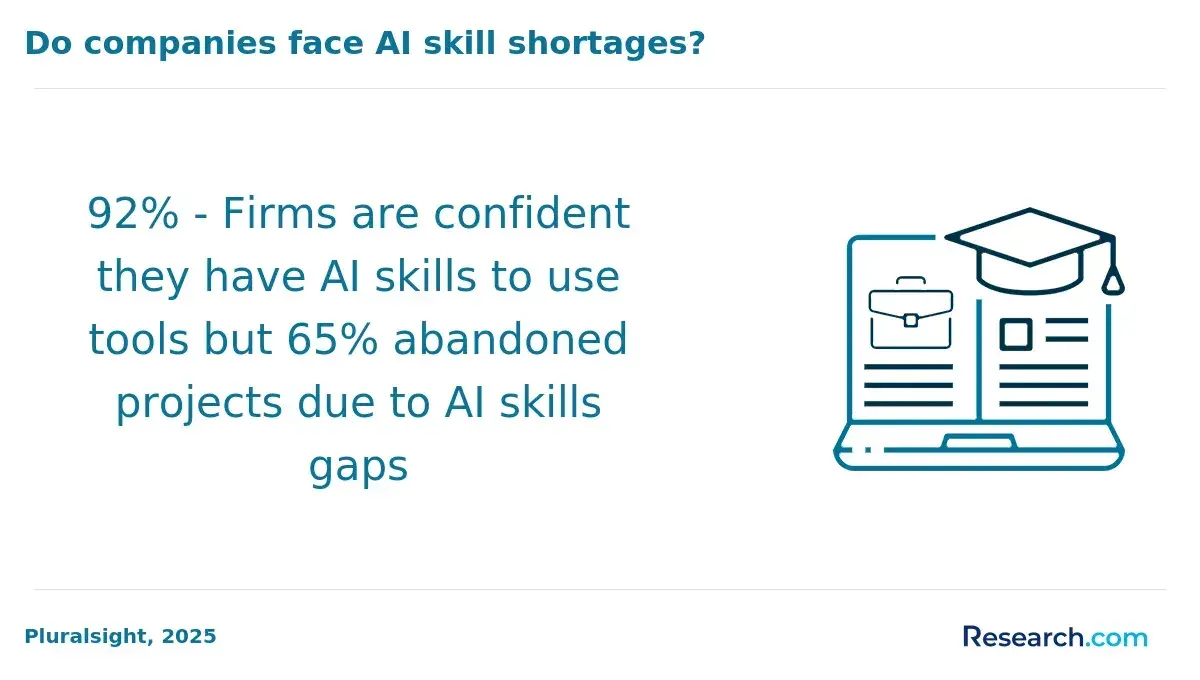
Market demand for such expertise is clear. KPMG's 2025 Future of Risk report highlights that 64% of global financial services firms plan to increase headcount specifically for AI risk, ethics, and compliance roles by 2027. Professionals interested in expanding their credentials might also consider pursuing degrees in AI online to complement these courses.
How can you choose the best online AI compliance governance course for your career goals?
Choosing the best online AI compliance governance course for career growth involves aligning the curriculum with your professional objectives. Identify if you need foundational knowledge, skills in regulatory frameworks, or expertise in risk management tools. Entry-level professionals often benefit from courses with comprehensive overviews and certification preparation, while experienced practitioners should focus on advanced modules addressing evolving I laws and ethical standards.
Key factors for choosing top AI compliance governance training programs online include accreditation and industry recognition. Certifications from reputable organizations correlate with meaningful salary increases-EXIN's 2025 AI Compliance Certification Guide reports an 18-22% average salary rise within a year for certified professionals.
Consider course formats that fit your schedule, such as self-paced learning, and formats featuring case studies or real-world scenarios, which enhance practical understanding of complex regulations.
Evaluate faculty expertise, mentorship availability, and community engagement. Programs led by recognized experts that offer peer collaboration improve learning outcomes. Also, review alumni success stories and employer endorsements to gauge market relevance.
Cost-effectiveness and ongoing support, including resources on governance updates, should guide your choice. For those interested in advancing further, exploring online masters data science could complement AI compliance skills and expand career opportunities.
What should you look for in accreditation and institutional quality for AI compliance programs?
Accreditation standards for AI compliance courses play a crucial role in ensuring program rigor and industry recognition. Verify that courses are accredited by respected bodies like ABET or regional agencies such as WASC or Middle States. Accreditation guarantees curricula adhere to both educational and professional benchmarks, helping employers trust the validity of your credential. Institutional quality indicators in AI governance programs also include a strong history in compliance education or technology law, reflecting expertise in dynamic regulatory environments.
Look for programs incorporating insights from regulatory authorities and industry experts. Collaboration with legal and compliance professionals ensures that course content tackles real-world challenges like bias mitigation, privacy laws, and ethical AI use. A recent 2025 Capgemini Research Institute survey highlighted that 73% of large enterprises expect AI-related compliance costs to increase by at least 25%, while 41% cite a shortage of internal AI governance skills. Programs addressing this skills gap by combining technical and legal knowledge provide the highest institutional value.
Practical experience is vital. Choose programs offering case studies, internships, or partnerships with companies navigating AI compliance issues. Well-qualified faculty with multidisciplinary expertise in AI ethics, law, and policy further enhance learning. Reputation among employers and alumni outcomes are important indicators for career advancement in this evolving field.
For veterans pursuing technical education, consider reviewing the best online electrical engineering degree programs for veterans as an example of programs combining quality, accreditation, and real-world applicability.
How do online AI compliance governance courses compare with campus-based and hybrid options?
Online AI compliance governance courses provide flexible, self-paced learning suited for working professionals and students managing busy schedules. These programs allow customization of study time, an advantage over campus-based courses that require physical attendance and follow strict academic calendars. Hybrid formats offer a balance by combining online materials with in-person interaction, supporting networking and real-time discussions, though they may limit full remote access.
Current course content targets the critical need for standardized AI governance frameworks. The 2025 Knostic AI governance trends report highlights that only 29% of organizations have fully implemented enterprise-wide AI governance, despite 81% deploying AI in vital business functions. This creates strong demand for education focused on policy development, regulatory compliance, and ethical risk management applicable in enterprise settings.
Typical online curricula include case studies, simulations, and compliance tool training aligned with existing regulations, preparing learners for immediate application at work. Campus-based courses may offer deeper theoretical knowledge and research opportunities but can be slower to update in response to industry shifts.
Students prioritizing convenience and up-to-date content often favor online courses, while those seeking immersive peer collaboration and traditional academic experiences may prefer hybrid or campus options. Evaluating career goals, time commitments, and learning preferences is essential for selecting the most effective path in AI compliance governance education.
What core topics and skills are typically covered in AI compliance governance curricula?
AI compliance governance curricula cover essential topics and skills to manage risks and ensure responsible deployment of AI technologies. These programs focus on regulatory frameworks such as GDPR, CCPA, and emerging AI-specific laws, enabling students to interpret and implement compliance within organizational settings. Key skills include risk management techniques like model validation, bias detection, and mitigation strategies to promote fairness, transparency, and accountability in AI systems.
Data governance is emphasized, including privacy, security protocols, and consent management critical for compliant AI development. Students gain hands-on experience with tools to audit AI systems, identify vulnerabilities, and minimize legal and reputational risks throughout the AI lifecycle.
- Ethical frameworks balance innovation with social responsibility, covering societal impacts, human oversight, and inclusive design principles.
- Practical case studies address real-world governance challenges and dilemmas.
- Interdisciplinary communication and policy development skills help bridge technical and regulatory stakeholders.
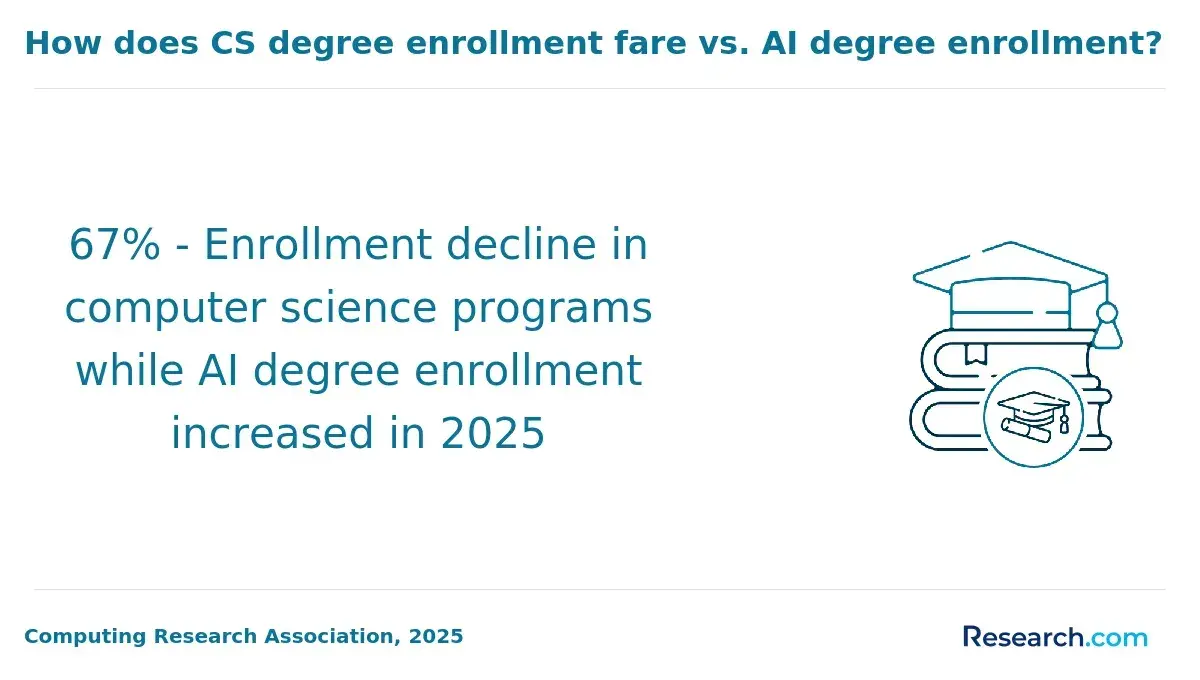
According to ISACA's 2024 State of Digital Trust report, 60% of organizations identify significant skills gaps in AI governance and model risk management, with over half planning targeted training and certifications by 2026. These insights highlight the growing demand for professionals well-versed in AI compliance governance to navigate evolving legal and ethical landscapes.
What are typical admission requirements, program length, and tuition costs for these courses?
Admission to AI compliance governance courses generally requires a bachelor's degree in fields like computer science, law, data science, or business. Some programs accept professionals with substantial industry experience instead of formal education. Prerequisites often include foundational AI knowledge, regulatory frameworks, or programming skills. Advanced certificates may require prior study in ethics, cybersecurity, or risk management.
Course lengths vary from 8 weeks to 12 months. Short programs, typically 20-40 hours, focus on core essentials and suit working professionals seeking upskilling. Longer diplomas or postgraduate certificates provide in-depth coverage of risk assessment, compliance frameworks, and governance models. Many programs offer self-paced or cohort-based learning formats.
Tuition ranges widely based on course scope and institution. Professional certificates usually cost between $1,000 and $3,500, while postgraduate certificates or diplomas can range from $5,000 to $15,000. Some universities provide tiered pricing, scholarships, or employer tuition subsidies.
Strong governance markedly reduces AI risks. According to McKinsey's 2024 Global AI Survey, companies with mature AI risk and governance practices are 30% less likely to experience a significant compliance incident and face 40% lower financial impacts when incidents occur. This evidence highlights the importance of investing in thorough governance education to mitigate costly AI compliance failures.
- Bachelor's degree or equivalent experience required
- Course length ranges from weeks to a year
- Tuition varies from $1,000 to $15,000
- Governance education reduces compliance risks and financial losses
What careers can AI compliance governance training lead to and in which industries?
AI compliance governance training prepares professionals for critical roles such as AI compliance officer, risk manager, data privacy analyst, and regulatory consultant. These careers focus on ensuring AI systems adhere to legal and ethical standards while mitigating risks related to bias, transparency, and data security. Graduates with governance expertise may also work as AI ethics advisors or policy analysts, guiding responsible AI deployment within organizations.
Key industries demanding these roles include finance, healthcare, technology, government, and manufacturing. In finance, AI compliance experts manage risks tied to automated trading and credit scoring. Healthcare professionals oversee patient data use and AI diagnostic tools amid stringent regulations. Technology firms require specialists in AI model auditing, while governments enforce compliance across public sector AI applications. Manufacturing increasingly adopts AI for automation, driving demand for experts to ensure regulatory compliance and safety.
The global AI governance and risk management software market is projected to reach $5.2 billion by 2028, with a 32% compound annual growth rate from 2024, per Splunk's 2026 analysis. Rising regulatory pressure and auditing needs are expanding career opportunities in AI compliance governance. Professionals equipped with these skills can expect steady job growth as organizations strengthen oversight of AI technologies.
- AI compliance officer
- Risk manager specializing in AI
- Data privacy and security analyst
- Regulatory consultant for AI deployments
- AI ethics advisor and policy analyst
What salary ranges and job outlook can AI compliance and governance specialists expect?
AI compliance and governance roles in the U.S. offer salaries ranging from $85,000 to $160,000 annually, influenced by experience, education, and industry. Entry-level positions start near $85,000, while senior roles or AI ethics leads in sectors like finance and healthcare command the highest pay. Mid-career professionals with legal, risk, and IT expertise typically earn between $110,000 and $140,000. Specialized AI ethics leadership is increasingly in demand due to scarce skills and strategic focus.
The job outlook is robust. A Deloitte survey reveals that 78% of companies with AI governance programs involve compliance, legal, and IT risk teams, and 36% include dedicated AI ethics leads. This cross-disciplinary demand creates opportunities across corporate, government, and consultancy environments.
Successful professionals combine regulatory knowledge, risk management, and ethical frameworks. Key roles include compliance analyst, AI risk manager, and ethics officer. Continuous learning and certifications in governance, legal standards, and IT security are essential to navigate rapid regulatory changes.
Top salaries are found in large tech firms, financial institutions, and healthcare providers that value multidisciplinary governance aligned with evolving AI standards.
Are there recognized certifications or frameworks that strengthen AI compliance governance credentials?
Certifications and recognized frameworks are essential for professionals aiming to demonstrate expertise in AI compliance governance. Key certifications include the Certified Information Privacy Professional (CIPP/US) with an AI ethics focus, the AI Ethics Professional Certificate from respected universities, and the ISO/IEC 42001:2023 standard for AI management systems. These programs offer structured learning that validates skills in ethical AI use, algorithmic accountability, and data privacy.
Compliance frameworks such as the OECD AI Principles and the EU AI Act serve as foundational guides for building effective governance programs. Many advanced courses embed these frameworks with practical case studies to enhance both strategic understanding and hands-on ability.
Enrollment data from Coursera reveals a 410% growth in AI ethics, risk, and governance courses between 2022 and 2024, highlighting an urgent need among risk and compliance professionals to upskill. Online certifications aligned with established frameworks remain the most credible routes for career advancement.
Prospective students should seek certifications that offer:
- Deep knowledge of AI regulations and ethical issues
- Practical risk assessment and mitigation skills
- Industry and regulatory recognition
- Alignment with emerging global AI governance standards
Choosing such courses provides immediate professional credibility and supports long-term career resilience in AI compliance.
Other Things You Should Know About Artificial Intelligence
In 2027, leading AI compliance courses addressing data privacy include Stanford's "AI Ethics and Compliance," MIT's "Data Privacy in AI Systems," and Coursera's "AI Governance and Data Protection." These courses focus on regulatory frameworks, ethical considerations, and privacy-preserving AI technologies tailored to current standards and needs.
Ethics is a foundational aspect of AI compliance, focusing on fairness, accountability, and transparency in AI systems. Governance frameworks guide the ethical design and deployment of AI to prevent bias, discrimination, and harm. Courses highlight the importance of ethical decision-making and responsible AI use in business and government.
Yes, effective AI compliance governance incorporates techniques to identify, measure, and mitigate algorithmic bias in AI models. Training covers best practices for diverse data sets, bias audits, and ongoing evaluation to ensure equitable AI outcomes. Reducing bias improves AI reliability and promotes public trust.
Implementing AI compliance often involves challenges such as rapidly evolving regulations, technical complexity, and organizational resistance. Companies must continuously update policies and systems to align with changing laws and ethical standards. Skilled professionals are needed to bridge gaps between legal requirements and AI technical development.
References
- Tuition Fees in Poland for 2024: What Students Need to Know | ENTRANT https://entrant.eu/en/tsina-navchannya-v-polshhi-2024-shho-potribno-znati-studentam/
- Best AI Compliance Certification Guide 2025: Compare AICP, ISO, IAPP & ISACA https://www.exin.com/article/best-ai-certification-guide-2025/
- AI Policies Every Online Institution Should Adopt Before 2027 https://iacde.org/uncategorized/ai-policies-every-online-institution-should-adopt-before-2027/
- AI Law and Business Compliance – AI Professional Institue https://aipro.institute/en/training/ai-law-and-business-compliance/
- AI governance salaries 2026: what does the market pay? https://verifywise.ai/blog/ai-governance-salary-report-2026
- AI Governance Careers: 20 Roles, Salary & Path (2026) https://techjacksolutions.com/careers/ai-governance-careers/
- An AI governance certification will boost your career | The Corporate Governance Institute https://www.thecorporategovernanceinstitute.com/insights/guides/an-ai-governance-certification-will-boost-your-career/
- Redefining Educational Accreditation in the Era of AI and Digital Disruption https://www.ieac.org.uk/44-Redefining-Educational-Accreditation-in-the-Era-of-AI-and-Digital-Disruption-blog.php
- The Accreditation Advantage: How AI-Powered Assessment Tools Help Universities Meet Evolving Standards https://www.evelynlearning.com/blog/the-accreditation-advantage-how-ai-powered-assessment-tools-help-universities-meet-evolving-standards