2027 Best AI Courses for HR Professionals With Certificates

Co-Founder and Chief Data Scientist
Human resource professionals often face the challenge of integrating emerging technologies to enhance recruitment, employee engagement, and performance management. Without specialized knowledge, it becomes difficult to leverage artificial intelligence tools effectively. This gap can hinder organizational growth and limit career advancement opportunities.
To overcome this, HR professionals need targeted education that blends AI concepts with practical applications in their field. This article highlights the best AI courses offering certification designed specifically for HR professionals, aiming to equip readers with the skills to implement AI solutions confidently and stay competitive in evolving workplaces.
Key Things You Should Know
- AI courses for HR professionals in 2026 emphasize practical skills in talent analytics, diversity management, and automation, reflecting a 45% industry adoption rate in HR workflows by 2025.
- Certification in AI-enhanced HR technologies boosts career prospects, with certified professionals earning up to 20% more than their non-certified peers according to recent labor market data.
- Top-rated programs integrate ethical AI use and compliance training, addressing growing concerns over bias and data privacy in HR decision-making processes.
Advance Your Career with AI Online Courses
Artificial Intelligence: Implications for Business Strategy
This program provides an introduction to Artificial Intelligence and their implications for business strategy. Earn an official digital certificate.

Oxford Artificial Intelligence Programme
Explore this Oxford Artificial Intelligence programme offered in a flexible learning environment and explore topics like machine learning, automation, and robotics.

Implementing Agentic AI: Building Your Organizational Playbook
This online MIT Agentic AI course offers a practical approach to deploying AI agents in your organization, including a custom playbook. 3 weeks, exclusive launch price.

AI Adoption: Driving Business Value and Impact
This online MIT AI Adoption: Driving Business Value and Impact offers practical frameworks to close the gap between AI potential and business reality.

Artificial Intelligence in Pharma and Biotech
Discover the applications and limitations of artificial intelligence in pharma and biotech with this MIT online short course.

What makes an AI course valuable specifically for HR professionals today?
AI-driven talent management strategies for HR are increasingly essential as HR professionals adopt practical applications of ai tools in human resources to improve decision-making accuracy and operational efficiency. Valuable courses focus on automating resume screening, predicting employee turnover, and personalizing development plans through machine learning models, while addressing data privacy and ethical concerns amid rising regulatory scrutiny.
Hands-on experience with AI platforms, such as chatbots for candidate communication and AI-based performance analytics, enhances integration with existing HR workflows. Emphasizing skills in interpreting AI results and collaborating with data scientists allows HR professionals to bridge the gap between technology and workforce needs effectively.
LinkedIn's 2024 Future of Work Report reveals that HR roles listing AI skills enjoy a 21% faster hiring rate and a 32% higher average salary, underscoring AI proficiency as a strategic career advantage. Courses offering certificate validation are especially attractive to employers seeking verified competence. Many pursue a data scientist degree for deeper expertise.
Effective AI training for HR includes:
- Real-world case studies in recruitment automation and workforce planning
- Ethical AI usage and bias mitigation techniques
- Data analysis skills tailored to employee metrics
- Implementation strategies for AI integration in HR processes
This targeted curriculum ensures that AI knowledge translates into measurable gains in hiring, retention, and employee engagement, defining the value of AI education in HR careers.
Advance Your Career with AI Online Courses
Artificial Intelligence: Implications for Business Strategy
This program provides an introduction to Artificial Intelligence and their implications for business strategy. Earn an official digital certificate.
Oxford Artificial Intelligence Programme
Explore this Oxford Artificial Intelligence programme offered in a flexible learning environment and explore topics like machine learning, automation, and robotics.
Implementing Agentic AI: Building Your Organizational Playbook
This online MIT Agentic AI course offers a practical approach to deploying AI agents in your organization, including a custom playbook. 3 weeks, exclusive launch price.
Which AI certificates for HR are most recognized by U.S. employers?
Among the most recognized AI certification programs for HR professionals in the U.S. are those that blend foundational knowledge with practical applications specific to human resources. Coursera's "AI for Everyone" by Andrew Ng stands out, with a 2024 Learner Outcomes report revealing that 40% of non-technical professionals completing this course took on new AI or automation responsibilities within six months. This illustrates its impact on HR roles.
Other top certified AI courses valued by U.S. HR employers include specialized offerings such as "AI in HR" from platforms like LinkedIn Learning and edX. These programs emphasize AI tools for recruitment, talent management, and employee analytics, showing employers the candidate's ability to apply AI to HR strategy and improve decision-making.
Certificates accredited by universities or reputable tech educators enhance credibility by covering comprehensive topics, including ethics, compliance, and bias mitigation. These elements align well with HR priorities in the U.S., where responsible AI use is critical. Key factors recognized by employers include:
- Institutional reputation and course rigor
- Emphasis on practical HR AI applications
- Training on ethical AI and compliance
- Demonstrated skill acquisition through projects or capstone work
Choosing certificates with these features increases employability and trustworthiness in applying AI within HR contexts. For those seeking a broader educational pathway, exploring an AI online degree offers more extensive training and credentials that can further enhance career prospects.
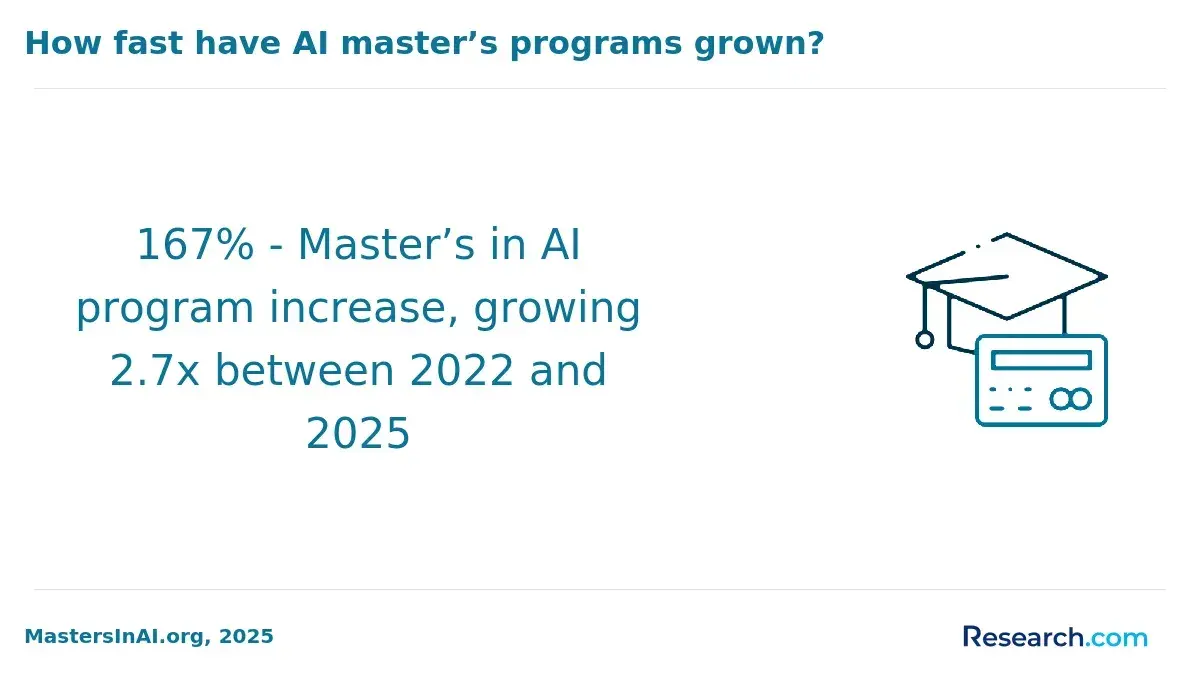
How can HR professionals choose the best AI course for their experience level and role?
HR professionals seeking the best AI courses for hr professionals by experience level should align their choices with both their current skills and specific roles to maximize effectiveness. Beginners benefit from foundational courses covering AI concepts, data literacy, and basic people analytics, while intermediate learners like HR analysts gain from training focused on predictive analytics, talent acquisition algorithms, and AI-driven workforce planning tools.
Advanced HR managers and strategists should target courses emphasizing AI integration strategies, ethical considerations, and complex dataset insights. Choosing AI certification courses tailored for hr roles ensures practical relevance; for example, talent acquisition specialists focus on AI-powered candidate sourcing, while compensation analysts explore AI for salary benchmarking.
Preference should be given to courses with hands-on projects or case studies using real HR data to solidify learning. Deloitte's Global Human Capital Trends report finds organizations using advanced people analytics are 4.3 times more likely to achieve improved talent acquisition and 3.5 times more likely to boost productivity.
Key factors for course selection include:
- Matching content to technical proficiency and HR role
- Industry or HR-recognized certifications
- Use of real-world HR data and scenarios
- Compatibility with workload in duration and format
For those seeking broader technical data skills, exploring data science master's online can complement AI knowledge and enhance strategic HR capabilities.
What topics and tools are typically covered in AI courses for HR professionals?
AI courses for HR professionals cover foundational and applied topics that integrate artificial intelligence into key human resource functions such as talent acquisition, employee engagement, performance management, and workforce analytics. Central subjects include machine learning basics, natural language processing (NLP), and predictive analytics tailored to HR data sets, which are crucial for advancing human resource analytics and AI tools.
These programs typically feature tools like AI-enhanced applicant tracking systems, chatbots for employee self-service, and sentiment analysis platforms to monitor workforce morale. Practical components often involve hands-on experience with Python for data manipulation, TensorFlow for predictive modeling, and specialized HR analytics software.
Ethical considerations and legal compliance related to AI use in hiring and employee monitoring are emphasized to ensure responsible implementation. Participants learn to build AI models that help reduce recruitment bias and improve candidate matching via automated resume screening. They also explore deploying chatbots to streamline routine HR inquiries, boosting operational efficiency.
Understanding AI-generated insights enables HR professionals to support strategic workforce planning effectively. Gartner forecasts that by 2026, 60% of large enterprises will incorporate generative AI in primary HR processes, highlighting the increasing need for AI-savvy HR practitioners. Successful course completion prepares professionals to manage AI-driven projects and collaborate with technical teams to optimize HR services and organizational performance.
For those interested in advancing their data skills alongside AI applications in human resource management, exploring the best master's in data analytics programs can be an excellent step.
How do online, hybrid, and in-person AI programs for HR compare?
Online, hybrid, and in-person AI programs for HR differ mainly in flexibility, interaction, and learning environment, catering to varied professional needs. Online programs provide maximum convenience, allowing HR professionals to engage with course materials anytime, benefiting those balancing work, family, and continuing education. However, these courses may limit real-time feedback and networking opportunities.
Hybrid programs merge online learning with scheduled in-person or live virtual sessions, balancing flexibility with engagement. This model supports collaboration and hands-on activities, making it ideal for professionals seeking guided learning with peer interaction but who cannot commit full-time to on-campus classes.
In-person AI programs offer immersive experiences including live mentorship, group projects, and campus resources. They foster stronger peer networks and simulate real-world HR scenarios through workshops and role-playing. These require more time and location commitment but suit those aiming for intensive skill acquisition and rapid fluency.
Programs blending practitioner-led instruction with AI in HR have proven impactful. The Josh Bersin Company's 2024 HR Capability Research found HR teams in the top quartile for "AI fluency" are 3.2 times more likely to be seen as strategic partners by business leaders than those with low fluency. This highlights the value of applied AI training tailored to HR contexts.
When selecting a program, prospective students should consider:
- Preferred learning style and interaction level
- Time constraints and schedule flexibility
- Career goals and need for practical AI application in HR
Choosing a format that supports both learning priorities and career advancement is essential for HR professionals looking to leverage AI effectively.
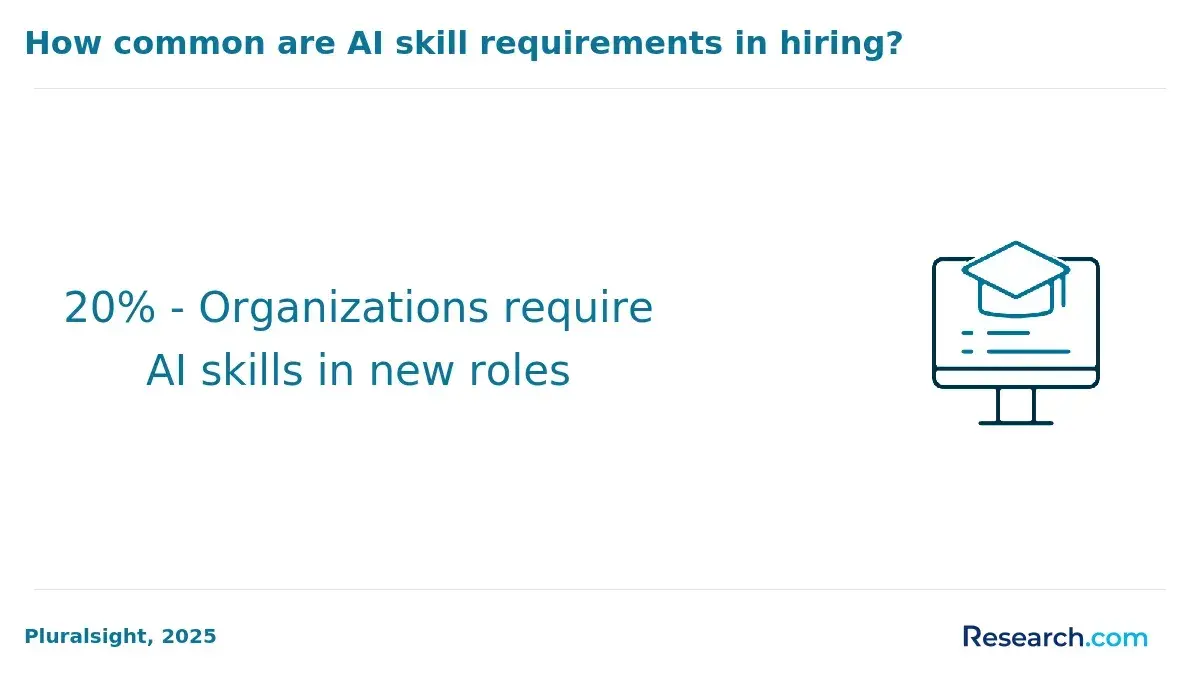
What accreditation, provider quality, and industry standards should HR-focused AI courses meet?
HR-focused artificial intelligence courses must adhere to strict standards for accreditation, provider quality, and industry relevance to ensure certifications carry real value. Accreditation from recognized bodies like the Accreditation Council for Business Schools and Programs (ACBSP) or regional agencies confirms academic rigor and curriculum alignment.
High-quality providers feature instructors with expertise in both AI and HR, delivering content that integrates technical knowledge with practical human resource management. Regular updates reflect the latest AI tools and HR trends, while hands-on projects using real HR data or case studies in talent acquisition and workforce analytics enhance applied skills.
Industry compliance involves ethical AI practices, data privacy adherence such as GDPR or CCPA, and alignment with professional HR bodies like the Society for Human Resource Management (SHRM). Certifications connected to SHRM or similar organizations offer added credibility with employers. Emphasis on ethical AI use in recruitment and employee evaluations responds to growing corporate priorities.
The 2024 GMAC Corporate Recruiters Survey finds 71% of employers filling HR roles prefer candidates trained in data analytics or AI, an increase from 54% in 2021. This statistic highlights the importance of choosing programs with formal accreditation, quality instruction, and strong industry ties. Prospective students should carefully review these factors to ensure their certification supports meaningful career advancement and meets employer expectations.
How long do AI courses for HR usually take, and what do they cost?
AI courses tailored for HR professionals vary from brief workshops of 10 to 20 hours to comprehensive programs lasting 8 to 12 weeks, involving 40 to 60 hours of study. These programs emphasize real-world HR uses, such as predictive hiring and bias reduction, alongside lectures, case studies, and practical projects focused on talent acquisition and workforce analytics.
Costs range significantly: entry-level courses may be free or under $200, while professional certificates cost between $400 and $1,500. More specialized university or provider programs can exceed $2,000, often including personalized instruction and career support. Subscription models typically charge $30 to $100 monthly for continuous access to updated content.
According to PwC's 2024 CEO Survey, 68% of CEOs expect CHROs to lead enterprise-wide workforce AI readiness, yet only 28% believe HR leaders currently have sufficient AI skills. This gap highlights the value of investing in robust AI training for HR.
Choosing the right course involves weighing factors such as:
- Focus on practical AI applications in HR
- Industry or employer recognition of certificates
- Schedule flexibility suitable for working professionals
Balancing course duration, cost, and outcomes helps HR professionals develop vital AI capabilities for their evolving roles.
What admissions requirements and prerequisites do AI programs for HR typically have?
AI programs for HR professionals often require at least a high school diploma, with many preferring candidates who hold a bachelor's degree in human resources, business, or related fields. Foundational knowledge in HR principles and basic computing skills is typically expected. Some courses also require familiarity with data analysis or introductory statistics, which are essential for understanding AI applications like talent analytics and workforce planning.
Advanced or specialized certification programs may ask for prior HR experience or demonstrated competency in relevant software. Certain programs require completion of introductory AI or machine learning courses to ensure students grasp key technical concepts before moving to applied HR topics.
- Entry-level courses tend to have minimal prerequisites, making them accessible to HR professionals transitioning into AI.
- According to Udemy's 2024 Workplace Learning Trends report, enrollments by HR professionals in AI-related courses surged 112% year-over-year, with over 70% in budget-friendly or free options.
Employers and institutions often assess motivation for integrating AI into HR workflows through pre-course assessments or personal statements. Some courses emphasize skills in programming languages like Python or R, as well as tools such as Excel and Tableau, to support hands-on AI learning.
Prospective students should carefully review program-specific prerequisites and consider completing preparatory modules to build foundational skills. This preparation enables effective engagement with advanced AI concepts tailored to strategic HR decision-making and innovation.
What HR roles, projects, and career paths can AI training help unlock?
AI training expands opportunities in HR by enhancing recruitment, talent management, workforce planning, and employee engagement through data-driven insights. HR professionals with AI skills can transition into roles such as HR data analysts, workforce strategists, and AI talent acquisition specialists. These positions use machine learning algorithms to evaluate candidate fit, predict turnover, and improve retention strategies.
Within projects, AI enables automated resume screening, chatbots for candidate communication, sentiment analysis of employee feedback, and customized learning and development programs. AI-powered tools also streamline compliance tracking and diversity reporting, reducing manual workloads while boosting accuracy.
Career advancement pathways include strategic roles like Chief Human Resources Officer (CHRO) focused on digital transformation, or HR technology consultant positions. According to the IBM Institute for Business Value study, employees with at least one employer-recognized AI certificate are 25% more likely to be promoted and 30% more likely to change roles internally within a year. This highlights AI training's measurable impact on HR careers.
Practical AI applications in compensation analysis, performance forecasting, and workforce analytics broaden career possibilities further. Professionals skilled in reducing hiring bias or enhancing candidate experience often stand out in competitive markets. HR practitioners aiming for growth or to pivot should pursue courses offering hands-on AI tools tailored specifically for HR environments to maximize outcomes.
How does AI upskilling impact salary potential and long-term job security in HR?
AI upskilling offers significant salary benefits and strengthens long-term job security for HR professionals. Those combining traditional HR expertise with AI and data analytics gain a competitive edge, with salary increases often ranging from 15% to 30%. These roles are increasingly valued for their strategic contributions to decision-making and workforce optimization.
The World Economic Forum's Future of Jobs Report 2025 forecasts a 36% growth in HR roles that require AI and big-data skills, such as people analytics specialists, by 2029. This contrasts sharply with a 9% growth rate for HR positions lacking these competencies, highlighting the growing demand for tech-savvy HR professionals.
Practical experience with AI tools and certifications in machine learning applications and ethical AI use are essential for maintaining relevance. Upskilling enables HR professionals to adapt to evolving functions like predictive workforce planning, automated candidate screening, and becoming talent acquisition automation specialists or HR data strategists.
Employers increasingly prioritize candidates who merge HR knowledge with technical skills, ensuring a more resilient career path in an automated industry. Targeted AI courses focusing on data visualization and AI ethics can maximize salary potential and career longevity.
Other Things You Should Know About Artificial Intelligence
HR professionals need to recognize that AI systems can introduce biases if training data is not carefully managed. Ethical AI use includes ensuring fairness, transparency, and privacy in hiring, evaluation, and employee monitoring processes. Understanding these principles helps prevent discrimination and supports compliance with legal standards.
AI is designed to assist, not replace, human judgment in HR. While AI can analyze large datasets and identify patterns, final decisions involving employee relations, culture, and complex evaluations still require human insight and empathy. AI is best used as a tool to enhance efficiency and consistency.
AI applications in HR often involve handling sensitive employee information, raising important data privacy issues. Compliance with laws like GDPR and CCPA is essential when collecting, storing, and processing this data. HR must ensure secure systems and transparent communication about data usage to protect employee rights.
In 2027, top AI courses for HR professionals offering certification include 'AI for Everyone' by Andrew Ng on Coursera, 'AI in Human Resource Management' by edX, and 'HR AI Certificate Program' from AIHR Academy. These courses cover practical AI applications in HR, ethical usage, and data privacy considerations.
References
- How to Choose AI Courses for Professionals - The Case HQ Online https://thecasehq.com/how-to-choose-ai-courses-for-professionals/
- Artificial Intelligence in the Workplace https://www.shrm.org/topics-tools/topics/artificial-intelligence-in-the-workplace
- AI in HR: How is Artificial Intelligence transforming human resources? https://www.imd.org/blog/digital-transformation/ai-in-hr/
- The Application of AI Tools in Recruitment and Selection within HR Departments of Large Companies - SOFTIQ https://softiq.io/the-application-of-ai-tools-in-recruitment-and-selection-within-hr-departments-of-large-companies/
- Best AI courses for hr professionals in 2026 https://www.upskillist.com/blog/best-ai-courses-for-hr-professionals/
- AI Certification for Human Resources and TA | Cielo https://www.cielotalent.com/resources/events/ai-certification-for-hr-and-ta/
- Top free AI courses for HR professionals https://mihcm.com/resources/blog/top-free-ai-courses-for-hr-professionals/
- AI-based HR: the future of Talent and Skills Management with AI - 365Talents https://365talents.com/en/resources/ai-based-hr-future-of-talent-and-skills-management-with-ai/
- AI Training & Certification for Employees: How HR Should Evaluate Providers | Sprad Blog https://sprad.io/blog/ai-training-certification-for-employees-how-hr-should-evaluate-providers
- The Impact of AI on Job Roles, Workforce, and Employment: What You Need to Know | Innopharma Education https://www.innopharmaeducation.com/blog/the-impact-of-ai-on-job-roles-workforce-and-employment-what-you-need-to-know