2027 Best AI Courses for Regulatory Affairs Teams in Pharma

Co-Founder and Chief Data Scientist
Regulatory affairs teams in pharmaceutical companies face increasing pressure to manage vast data and ensure compliance swiftly. Traditional methods struggle to keep pace with evolving regulations and complex submissions, limiting efficiency and raising risks of costly delays or errors.
Professionals from unrelated fields seeking to enter the AI sector may find it challenging to identify courses tailored to these specific industry needs. This article highlights the best AI courses designed to equip regulatory affairs professionals with practical skills for navigating pharma compliance.
It aims to guide readers toward flexible, accredited programs that support a successful career transition into this vital intersection of pharma and technology.
Key Things You Should Know
- AI courses for regulatory affairs in pharma increasingly emphasize compliance with evolving FDA and EMA guidelines, ensuring teams stay current with 2025 regulatory frameworks and digital transformation trends.
- Advanced AI training improves data analysis efficiency by up to 40%, enabling faster drug approval processes while maintaining safety and transparency in regulatory submissions.
- Interdisciplinary programs combining AI, pharmacovigilance, and regulatory science meet growing industry demand, with projections of 25% job growth in regulatory roles integrating AI skills through 2030.
Advance Your Career with AI Online Courses
Artificial Intelligence: Implications for Business Strategy
This program provides an introduction to Artificial Intelligence and their implications for business strategy. Earn an official digital certificate.

Oxford Artificial Intelligence Programme
Explore this Oxford Artificial Intelligence programme offered in a flexible learning environment and explore topics like machine learning, automation, and robotics.

Implementing Agentic AI: Building Your Organizational Playbook
This online MIT Agentic AI course offers a practical approach to deploying AI agents in your organization, including a custom playbook. 3 weeks, exclusive launch price.

AI Adoption: Driving Business Value and Impact
This online MIT AI Adoption: Driving Business Value and Impact offers practical frameworks to close the gap between AI potential and business reality.

Artificial Intelligence in Pharma and Biotech
Discover the applications and limitations of artificial intelligence in pharma and biotech with this MIT online short course.

What are the best AI courses for regulatory affairs teams in pharma?
Regulatory affairs teams in pharma benefit greatly from specialized AI courses that focus on data analysis, compliance automation, and risk management within drug development workflows. The best AI courses for regulatory affairs in pharma emphasize integrating AI with regulatory submissions and post-market surveillance, often offered by institutions with robust pharma and AI partnerships.
Top artificial intelligence training for pharmaceutical regulatory teams typically combines AI fundamentals with regulatory context, addressing challenges like interpreting AI algorithm outputs in line with FDA guidelines. The Regulatory Affairs Professionals Society (RAPS) provides targeted training modules on AI-driven regulatory intelligence and predictive analytics, featuring case studies on automating document review and monitoring adverse event signals.
The "Applied AI in Life Sciences" course offers practical applications for regulatory teams, including natural language processing for labeling compliance and machine learning models for safety assessment, aligned with current regulations. A 2025 PharmaTech Insights survey reports that 68% of regulatory teams require AI upskilling for efficient dossier management.
For flexibility, online platforms such as Coursera and edX deliver AI courses tailored to health care compliance and data governance. Workshops on AI ethics and FDA regulatory policy updates further enhance preparedness. Institutions like MIT's Schwarzman College of Computing offer rigorous credentials that deepen understanding of algorithmic auditing, essential for regulatory transparency.
When selecting courses, professionals should prioritize curriculum relevance to pharmaceutical contexts, instructor expertise in both AI and FDA regulations, and opportunities for hands-on simulations or project work. Prospective students may also explore broader tech-focused programs through platforms like computer science accelerated degree offerings to complement their AI skills.
Advance Your Career with AI Online Courses
Artificial Intelligence: Implications for Business Strategy
This program provides an introduction to Artificial Intelligence and their implications for business strategy. Earn an official digital certificate.
Oxford Artificial Intelligence Programme
Explore this Oxford Artificial Intelligence programme offered in a flexible learning environment and explore topics like machine learning, automation, and robotics.
Implementing Agentic AI: Building Your Organizational Playbook
This online MIT Agentic AI course offers a practical approach to deploying AI agents in your organization, including a custom playbook. 3 weeks, exclusive launch price.
How do AI courses support regulatory affairs work in pharmaceutical companies?
Artificial intelligence courses significantly improve regulatory affairs efficiency by providing pharmaceutical professionals with advanced skills to streamline compliance and enhance data analysis. Regulatory teams utilize AI-driven tools to automate document reviews, detect irregularities in clinical trial data, and maintain adherence to changing guidelines, which reduces errors and speeds up drug approvals.
Learning natural language processing helps extract critical information from extensive regulatory submissions, enabling faster decision-making and better risk management.
The use of AI training for pharmaceutical regulatory compliance extends to machine learning, predictive analytics, and data visualization techniques. These capabilities address challenges such as forecasting safety concerns and managing large datasets from post-market surveillance, helping regulatory specialists deliver precise intelligence and prepare for regulatory changes.
Studies show that 78% of regulatory professionals who completed AI-focused training experienced notable improvements in compliance accuracy and review turnaround times. Such outcomes highlight the clear advantages of AI education in enhancing job performance and reducing corporate risks.
AI courses also facilitate adaptation to RegTech platforms, common in pharma for improving monitoring and reporting. Training that covers AI integration with regulatory management systems equips staff to effectively implement these digital innovations. Furthermore, these courses encourage a strategic mindset, positioning AI as a key partner in navigating complex global regulatory landscapes and boosting pharmaceutical competitiveness.
Prospective students interested in pursuing such expertise may consider exploring options like an online master's in AI to develop relevant skills for the evolving regulatory environment.
- impact of artificial intelligence courses on regulatory affairs efficiency
- use of ai training for pharmaceutical regulatory compliance
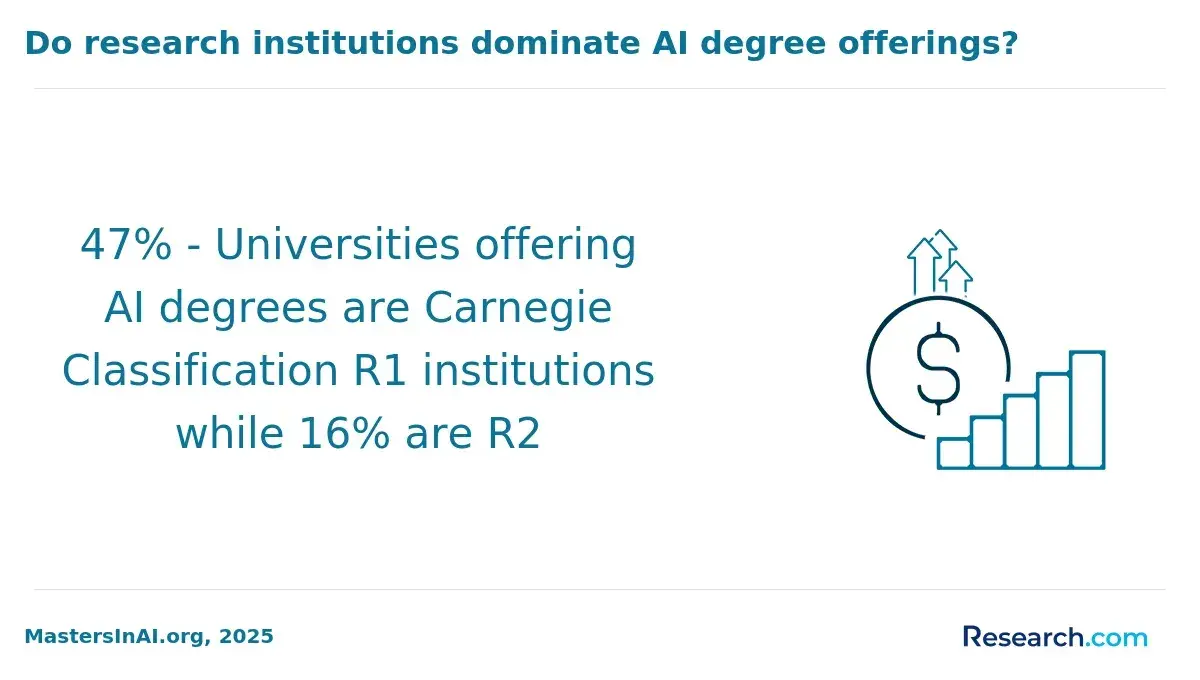
What skills should pharma regulatory affairs professionals learn in AI courses?
Pharma regulatory affairs professionals require a specialized set of skills in ai applications in pharmaceutical regulatory affairs to effectively leverage artificial intelligence in drug development and regulatory workflows. Key competencies include understanding machine learning algorithms and natural language processing, which help automate document review and compliance verification.
Managing and curating accurate datasets is crucial as it directly affects AI model performance in regulatory submissions.
Proficiency with AI-driven submission writing tools is indispensable. Evidence shows 42% of regulatory teams have enhanced accuracy and reduced submission times by adopting AI for drafting and validating documents. These tools minimize human error while boosting efficiency.
Essential skills for regulatory teams using artificial intelligence also cover model validation, risk assessment, and ensuring compliance with FDA guidelines. Understanding AI auditability and transparency mitigates concerns about algorithmic bias and supports regulatory oversight. Training should include interpreting AI outputs within regulatory frameworks like the Common Technical Document (CTD) format.
Additional abilities involve automating workflows through AI-powered systems and using AI to analyze regulatory databases for signal detection and trend analysis. Case studies illustrating AI applications in pharmacovigilance, labeling, and post-market surveillance prepare professionals for safe and effective AI integration.
Developing these technical and regulatory skills is vital for teams aiming to harness AI while maintaining compliance and patient safety. Prospective students interested in advancing their expertise may consider exploring an online PhD in AI to deepen their qualifications.
Are online AI courses better than campus programs for regulatory affairs teams?
Online AI courses offer significant benefits for regulatory affairs teams in pharma by providing flexibility and accessibility that campus programs often lack. These courses enable professionals to balance work responsibilities with learning, which is essential given the rapidly evolving nature of compliance requirements.
Demand for skills in AI for labeling and compliance is rising, with over 65% of regulatory professionals reporting a greater need for such expertise. This makes up-to-date, accessible training formats critical for pharma teams.
Unlike campus programs that frequently require full-time attendance and fixed schedules, online ai courses often feature modular content and recorded sessions, allowing learners to study complex topics like algorithm validation at their own pace. This asynchronous learning supports regulatory teams distributed across multiple locations or working under tight deadlines. Such flexibility aligns well with the benefits of online ai training for pharmaceutical regulatory teams.
Practical components are also emphasized in online courses, which often include interactive simulations and real-world case studies tailored to pharmaceutical regulations. Additionally, online platforms tend to update their content more rapidly than campus curricula, ensuring relevance amid fast-moving advancements in compliance automation technologies.
Key considerations for regulatory teams evaluating training options include:
- Whether the course covers the latest AI-driven labeling compliance tools
- The industry experience and expertise of instructors
- Availability of ongoing support or community interaction for troubleshooting purposes
For those exploring related educational paths, resources such as the fastest cyber security degree programs may offer complementary skills relevant to regulatory roles involving AI and data security.
What topics are covered in AI training for pharma regulatory affairs?
AI training for pharma regulatory affairs equips professionals with skills essential for navigating complex global regulations. Core topics include regulatory intelligence, where AI models analyze and predict regulatory changes to help organizations stay compliant. Emphasis is placed on natural language processing techniques that speed document review by extracting and summarizing critical regulatory information.
Risk assessment and mitigation are key modules, teaching the use of AI algorithms to evaluate potential risks during drug development and approval. Case studies demonstrate predictive analytics for forecasting approval timelines and identifying bottlenecks early in the process.
Data management is a vital focus, highlighting integration of AI-driven systems with databases to ensure data integrity and traceability. Automation of pharmacovigilance reporting is also covered, which helps regulatory teams meet post-market surveillance requirements with greater speed and accuracy.
Ethical and compliance dimensions are embedded throughout the curriculum, emphasizing AI's role in protecting data privacy and adhering to FDA, EMA, and related agency standards. Topics such as audit trails and explainability address transparency and accountability concerns among regulatory professionals.
Studies indicate effective AI integration can enhance regulatory decision-making efficiency by up to 40%. Many training programs offer hands-on exercises with real-world regulatory datasets and AI tools, balancing theoretical knowledge with practical applications to prepare professionals for evolving regulatory landscapes.
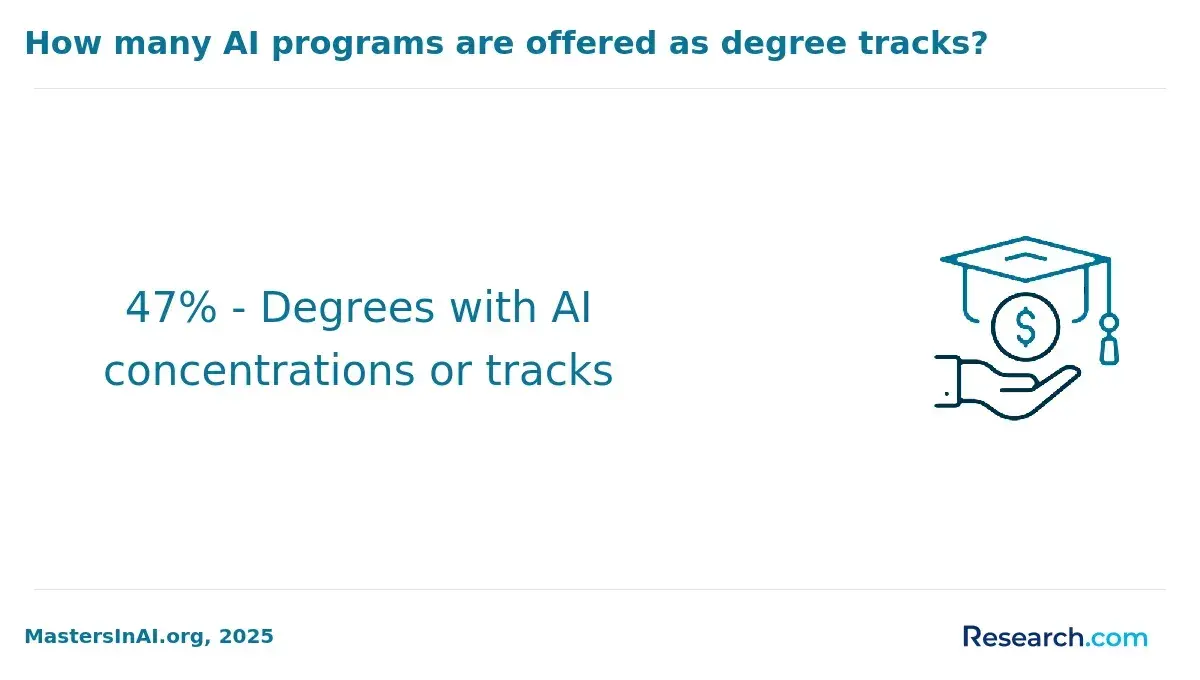
What are the admission requirements for AI courses in regulatory affairs?
Admission requirements for ai courses in regulatory affairs generally expect candidates to hold a bachelor's degree in pharmacy, biology, chemistry, or related health sciences. Applicants from data science, computer science, or engineering backgrounds are also welcomed, especially for interdisciplinary programs emphasizing ai applications in pharmaceutical regulation.
Professional experience in regulatory affairs or pharmacovigilance enhances candidacy, with advanced courses often requiring 1-3 years of relevant work. Entry-level programs may waive this experience, but practical knowledge is highly valued due to the specialized nature of ai tools used in regulatory contexts.
Technical skills are important; applicants should be proficient in Python or R programming, understand database management, and be familiar with regulatory data standards. Some master's or doctoral programs may request GRE scores. Additionally, non-native English speakers applying to U.S.-based courses must provide TOEFL or IELTS scores.
- A statement of purpose outlining career goals in ai-driven regulatory roles is typically required.
- Applicants must demonstrate a commitment to leveraging ai for pharmacovigilance and regulatory safety.
The growing integration of ai in pharmacovigilance-highlighted by a 40% increase over recent years-places a premium on candidates who combine domain expertise with strong analytical skills. This blend ensures graduates can effectively contribute to evolving ai-enabled regulatory frameworks within the pharmaceutical industry.
How long do AI courses for pharma regulatory affairs usually take?
AI courses for pharma regulatory affairs generally range from four to twelve weeks, depending on the program's depth and delivery format. Short foundational courses, typically lasting four weeks, concentrate on essential topics like regulatory compliance automation and data management, ideal for professionals seeking quick upskilling. More extensive programs of eight to twelve weeks explore advanced areas such as pharmacovigilance, quality assurance, and submission processes.
The duration also depends on the learning mode. Part-time and self-paced options may extend from eight to sixteen weeks or more, accommodating busy professionals working full-time. Full-time bootcamps or certificate programs tend to last one to three months, offering immersive, practical learning experiences tailored to different proficiency levels.
Beginning courses emphasize regulatory frameworks with less technical AI content, designed for non-technical staff or newcomers. Intermediate and advanced training includes detailed subjects such as machine learning model validation and AI-driven risk assessment, requiring longer study commitments.
Industry trends show increasing adoption of AI in quality management within regulatory workflows, prompting the need for longer, customized courses ensuring alignment with quality standards. When choosing course length, prospective students should assess their team's existing expertise, regulatory focus, and job responsibilities.
- 4-week foundational courses for rapid skill development
- 8-12 week comprehensive programs for in-depth learning
- Self-paced options extending up to 16 weeks for flexible study
How much do AI courses for regulatory affairs teams cost?
AI courses for regulatory affairs teams in pharmaceutical industries generally cost between $500 and $4,000, depending on factors like course duration, depth, and provider reputation. Short workshops or certificate programs focus on fundamental AI concepts for regulatory compliance and often cost $500 to $1,200. More comprehensive offerings with advanced topics such as AI governance and risk management can exceed $3,000.
Pricing structures frequently reflect different learner needs:
- Basic e-learning modules for self-paced study are typically under $700
- Instructor-led courses with case studies often start at $2,000
- Additional certification or exam fees may apply depending on the provider
Subscription-based platforms provide continuous education options, charging between $50 and $150 monthly-ideal for professionals seeking ongoing skill development. Many employers partly or fully reimburse these expenses considering their impact on compliance and innovation.
Courses that include AI governance and risk management are crucial, as regulatory frameworks increasingly emphasize these areas. Up to 60% of regulatory teams prioritize governance-focused AI training to reduce risks in automated decision-making, which can increase course costs due to expert-led instruction and updated case law integration.
Students should confirm if programs address real-world pharma regulatory challenges applying AI. Free webinars may give valuable overviews but often lack in-depth risk analysis vital for effective learning.
What jobs can you get after taking AI courses in regulatory affairs?
Completing AI courses related to regulatory affairs opens diverse career paths that merge technical skills with pharmaceutical compliance. Graduates often qualify for roles such as regulatory affairs specialists who utilize AI to streamline submissions and maintain compliance databases more effectively.
Other options include AI bioinformatics analysts applying machine learning to interpret regulatory data and forecast approval outcomes, as well as clinical trial data managers who leverage AI to enhance data accuracy and speed analysis critical for filings.
Advanced positions include AI-driven regulatory strategy consultants advising pharmaceutical firms on integrating AI tools to reduce time-to-market. Compliance automation engineers focus on building AI models that automate routine regulatory tasks, minimizing errors and costs. Regulatory affairs project managers with AI capabilities coordinate teams to implement AI-enhanced workflows efficiently.
Professionals trained in AI show about a 30% increase in productivity for regulatory submissions and data management, expanding opportunities in pharmaceutical companies, contract research organizations, and regulatory agencies. For instance, U.S.-based graduates find roles within FDA regulatory science divisions focused on AI-powered safety monitoring. Additionally, careers in AI policy development within pharma-shaping ethics and validation standards-are emerging.
These careers demand a strong grasp of regulatory frameworks alongside AI technologies such as natural language processing and predictive analytics. Practical experience with AI platforms used in pharma submissions or adverse event detection significantly boosts employability. AI courses tailored for regulatory affairs prepare candidates for specialized, interdisciplinary roles in this fast-evolving field.
Which AI certifications matter for pharma regulatory affairs professionals?
Certifications that integrate ai with pharma regulatory affairs are crucial for professionals seeking to excel in this specialized field. Programs like Certified AI Practitioner (CAIP) and those offered by the Regulatory Affairs Professionals Society (RAPS) provide targeted training combining domain expertise and technical skills in machine learning, data science, and regulatory technology.
Key areas of focus include pharmacovigilance automation, document lifecycle management, and predictive analytics for regulatory submissions. These certifications emphasize practical, real-world applications that enhance career development and employer value.
The return on investment for earning combined ai and regulatory certifications is significant. According to the Education Data Initiative, certified professionals can experience salary increases up to 15% and a 20% improvement in job retention. These credentials improve risk assessment, quality assurance, and strategic regulatory management aligned with growing automation.
Certifications are tailored by experience level: entry-level professionals should pursue foundational courses covering ai essentials and regulatory compliance automation, while mid- and senior-level individuals benefit from advanced certifications in ai-driven regulatory intelligence and compliance monitoring.
Employers favor candidates who demonstrate the ability to apply ai solutions effectively within regulatory frameworks, accelerating approval times and maintaining compliance accuracy. Choosing programs with hands-on projects using pharma datasets and regulatory pipeline insights maximizes career impact.
Other Things You Should Know About Artificial Intelligence
Artificial intelligence is enhancing the pharmaceutical regulatory landscape by automating data analysis and regulatory submissions. It improves accuracy in compliance monitoring and accelerates review processes, helping regulatory teams manage large volumes of documentation efficiently. This transformation supports faster drug approvals while maintaining safety standards.
Key challenges include data privacy concerns, regulatory uncertainty around AI tools, and the need for high-quality, standardized datasets. Additionally, integrating AI systems into existing workflows requires significant training and validation to ensure compliance with evolving regulations. These challenges must be addressed to realize AI's full potential in this field.
Yes, artificial intelligence can analyze complex datasets to detect patterns and flag potential regulatory risks early in development. This proactive risk identification allows teams to mitigate issues before submissions, reducing delays. AI models are increasingly used to monitor adverse event data and ensure compliance with regulatory requirements.
In 2027, the top AI course for regulatory affairs teams in pharma is offered by Stanford University. It provides in-depth coverage of AI technologies pertinent to regulatory processes, emphasizing real-world applications, ethical considerations, and compliance. The course is well-regarded for its comprehensive curriculum and expert faculty.
References
- Regulatory Affairs Specialist Career Roadmap: Essential Steps and Salaries https://ccrps.org/clinical-research-blog/regulatory-affairs-specialist-career-roadmap-essential-steps-and-salaries
- AI in Regulatory Writing https://forum-institut.de/seminar/26062601-ai-in-regulatory-writing
- How AI Is Transforming Regulatory Affairs: Free Webinar - NeuAge Institute (NAI) https://neuageinstitute.com/blogs/ai-transforming-regulatory-affairs-with-michelle-wu/
- AI in Regulatory Affairs https://royed.in/course/ai-in-regulatory-affairs/
- Certifications That Actually Boost Your AI Career in Pharma | Panda https://www.panda-int.com/insights/certifications-that-actually-boost-your-ai-career-in-pharma/
- Generative AI Courses for Pharmaceutical Professionals | IntuitionLabs https://intuitionlabs.ai/articles/generative-ai-courses-pharmaceutical-professionals
- Generative AI Mastery: Transforming Regulatory Affairs Practice https://www.diaglobal.org/Course-Listing/Training/2025/04/Generative-AI-Mastery-Transforming-Regulatory-Affairs-Practice
- Ai in pharmaceutical regulatory affairs - pharmaconsulting.ai https://pharmaconsulting.ai/ai-in-pharmaceutical-regulatory-affairs/
- AI Comparison - SNEOS https://sneos.com/share/2026-04-12-best-ai-for-regulatory-affairs-professionals-2026-9533