2027 Best Stanford Online AI Courses With Certificates

Co-Founder and Chief Data Scientist
Many professionals with unrelated undergraduate degrees face the challenge of entering the rapidly evolving field of artificial intelligence without disrupting their current careers. They seek flexible, credible learning paths that offer recognized certification to enhance employability. The difficulty lies in finding programs that balance rigorous content with accessibility and reputable validation.
This article examines the best Stanford online AI courses offering certificates, designed to help prospective students and working professionals pivot effectively into artificial intelligence through flexible, accredited options.
Key Things You Should Know
- Stanford's online AI courses in 2026 offer comprehensive certificate programs designed to enhance skills in machine learning, deep learning, and ethical AI implementation, targeting both beginners and experienced professionals.
- Recent curriculum updates reflect advancements from 2024-2025, integrating real-world applications, with over 70% of students reporting improved job prospects within six months of completion.
- Flexible learning schedules and collaboration with industry leaders ensure content relevance, with tuition ranging from free courses to fee-based certificates averaging $1,200, making elite AI education accessible nationwide.
Advance Your Career with AI Online Courses
Artificial Intelligence: Implications for Business Strategy
This program provides an introduction to Artificial Intelligence and their implications for business strategy. Earn an official digital certificate.

Oxford Artificial Intelligence Programme
Explore this Oxford Artificial Intelligence programme offered in a flexible learning environment and explore topics like machine learning, automation, and robotics.

Implementing Agentic AI: Building Your Organizational Playbook
This online MIT Agentic AI course offers a practical approach to deploying AI agents in your organization, including a custom playbook. 3 weeks, exclusive launch price.

AI Adoption: Driving Business Value and Impact
This online MIT AI Adoption: Driving Business Value and Impact offers practical frameworks to close the gap between AI potential and business reality.

Artificial Intelligence in Pharma and Biotech
Discover the applications and limitations of artificial intelligence in pharma and biotech with this MIT online short course.

What Stanford online AI courses offer certificates?
Stanford offers several online artificial intelligence certification courses that deliver valuable credentials recognized across academia and industry. Leading offerings include the "Machine Learning" course by Andrew Ng, covering essential algorithms and data models, and the "Natural Language Processing with Deep Learning" course, which focuses on advanced AI techniques for language modeling and text analysis, important for chatbot and sentiment analysis applications. These programs provide certificates upon completion, enhancing learners' professional profiles.
The best AI courses with certificates from Stanford Online also include options like "Introduction to Foundations of Data Science," which incorporates AI elements for roles involving data handling. Another notable course is "Ethics, Public Policy, and Technological Change," offering a certificate that highlights expertise in responsible AI and its societal impacts. Coursework typically requires completing assignments, exams, and projects that build practical skills, with flexible pacing suited for working professionals and those seeking career shifts.
Demand for AI skills continues to rise sharply worldwide. The IDC Worldwide Artificial Intelligence Spending Guide 2024 reports that global investment in AI training surpassed $10 billion recently, projected to reach $25 billion soon. Stanford's university-backed offerings are part of this growth, underscoring their value in the competitive education market.
For those aiming to advance technical competencies and showcase proven expertise, Stanford's certificates can be a strong asset across sectors like healthcare, finance, and tech development. Learners may also consider pursuing an accelerated bachelor's degree computer science online to complement their AI credentials.
Advance Your Career with AI Online Courses
Artificial Intelligence: Implications for Business Strategy
This program provides an introduction to Artificial Intelligence and their implications for business strategy. Earn an official digital certificate.
Oxford Artificial Intelligence Programme
Explore this Oxford Artificial Intelligence programme offered in a flexible learning environment and explore topics like machine learning, automation, and robotics.
Implementing Agentic AI: Building Your Organizational Playbook
This online MIT Agentic AI course offers a practical approach to deploying AI agents in your organization, including a custom playbook. 3 weeks, exclusive launch price.
Are Stanford online AI certificates worth it for careers?
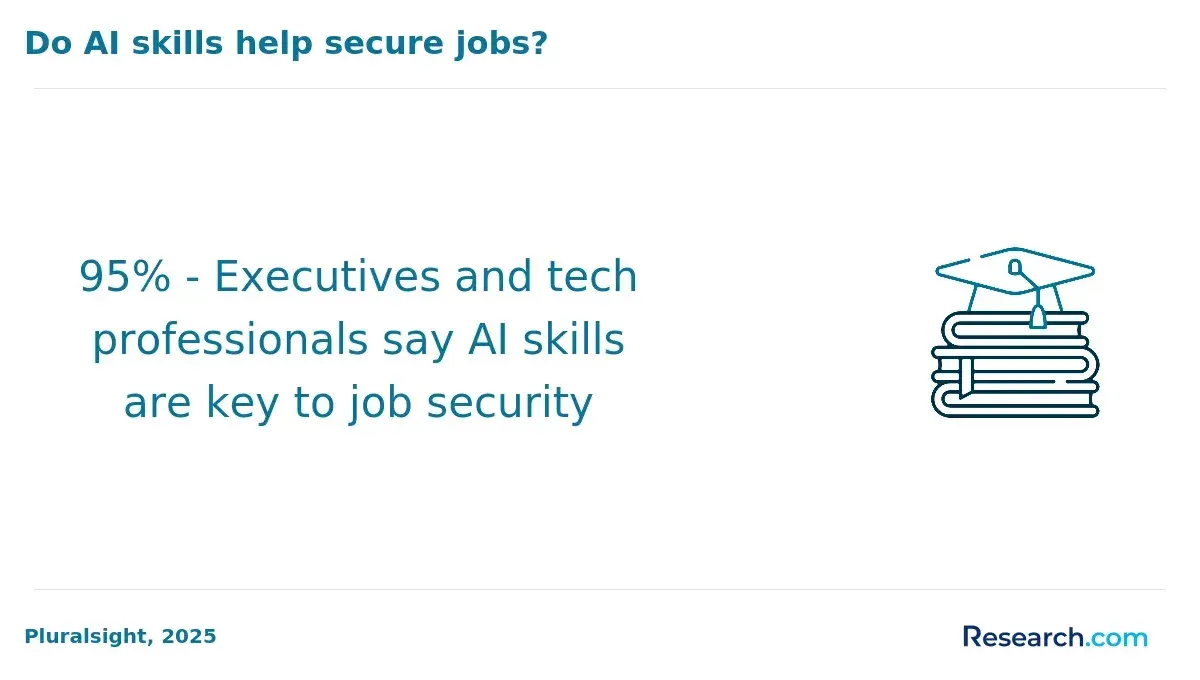
Stanford online AI certificates carry significant value for advancing careers in technology and data science. Stanford's ranking as #2 globally for Artificial Intelligence and Machine Learning by ShanghaiRanking Consultancy reflects the rigorous curriculum and top-tier faculty behind these programs. This credibility enhances the value of a Stanford online AI certificate career benefits, signaling strong expertise to prospective employers.
These certificates serve a variety of career paths:
- Entry-level professionals can showcase verified skills that improve their competitiveness.
- Experienced practitioners gain advanced knowledge in areas like deep learning and natural language processing, aiding promotion opportunities.
- Career switchers from unrelated fields receive structured, recognizable training from a leading institution.
Program features that increase their worth include:
- Hands-on projects with real-world datasets to demonstrate practical application-a key hiring factor.
- Flexible online learning formats that allow balancing work and study without interrupting income streams.
- Credible certificates issued directly by Stanford, widely respected by recruiters.
Candidates should align course choices with career goals, as some certificates emphasize theory rather than programming. Those targeting software engineering roles should seek programs focusing on AI system implementation. Multiple certificates may be necessary to cover foundational and specialized skills.
The value of Stanford online AI certification for jobs is supported by academic rankings and employer expectations. For those interested in broader STEM credentials, exploring engineering degrees online can complement AI expertise effectively.
What are the admission requirements for Stanford online AI courses?
Stanford online AI course admission criteria typically require applicants to hold a bachelor's degree from an accredited institution, preferably in computer science, mathematics, engineering, or related STEM fields. Some programs accept candidates with substantial professional experience in AI or software development instead of formal degrees.
Applicants must demonstrate foundational knowledge in programming languages like Python or Java and have a solid grasp of linear algebra, calculus, probability, and statistics. For advanced graduate certificates or master's level courses, submission of transcripts, letters of recommendation, and a statement of purpose outlining career goals in artificial intelligence is often required. While GRE scores are optional for many online programs, they may still be necessary for particular tracks.
Work experience in AI, machine learning, or data science enhances applications, especially for professional certificates focused on career advancement. International students usually need to prove English proficiency through tests such as TOEFL or IELTS. These requirements reflect the competitive nature of Stanford's programs and the emphasis on demonstrated skills and academic readiness.
Graduates from Stanford's MS in computer science focusing on AI report a median base salary of $185,000 within six months after graduation, highlighting the value of meeting admission standards. Prospective students interested in exploring more options can also consider affordable online options, including data science masters online programs available beyond Stanford.
How long do Stanford online AI courses take to complete?
Stanford online artificial intelligence course duration varies significantly depending on the program's depth and format. Short courses focusing on introductory or specialized topics usually last around 6 to 10 weeks, demanding 4 to 6 hours weekly. More extensive professional certificate courses extend from 6 to 9 months, with learners dedicating approximately 8 to 12 hours per week. These timelines reflect the typical time to complete Stanford AI certificate courses, which provide flexibility for working professionals.
Many courses offer adaptable pacing options, allowing students to manage their studies alongside employment by choosing part-time schedules or accelerating their learning through increased weekly hours. This flexibility helps address concerns about the time investment needed for advancing skills in artificial intelligence.
Students with varying technical backgrounds may experience different completion rates, as foundational knowledge in programming and statistics significantly impacts the speed of mastering advanced concepts. Stanford advises building this base to reduce study duration and improve outcomes.
Data from the Stanford Online Professional & Executive Education Outcomes Survey indicates a median salary increase of 20% within one year for noncredit professional learners completing certificate programs, emphasizing the career value of such courses.
Prospective students should weigh their availability and career goals carefully. For those interested in understanding what is an AI trainer, choosing the right course length can balance thorough learning with timely career progress.
How much do Stanford online AI courses cost?
Stanford's online AI courses offer flexible pricing depending on the program type and certificate options, appealing to a range of learners. Most courses on platforms like Coursera cost between $79 and $199 per month, with completion times typically spanning 1 to 6 months. For instance, individual Stanford AI specialization certificates generally charge about $79 monthly, letting students set their own pace.
More extensive professional certificates may range from $300 to $600, influenced by course length and depth. Alternatively, standalone courses usually require a one-time fee of $49 to $150, avoiding ongoing subscriptions. Executive education or advanced professional certificates, focusing on deeper knowledge or career support, can exceed $1,000.
- Financial aid and scholarships can reduce costs to as low as $0 for eligible students.
- This accessibility reflects Stanford's commitment to broadening participation in AI training.
Value is often measured beyond cost; Coursera's 2025 Learner Outcomes Report reveals that 77% of students completing AI and machine-learning certificates experienced career advancement within a year. This includes promotions, pay raises, or job changes.
Prospective U.S. professionals should consider course duration, certification types, and financial assistance to align expenses with career objectives. Investing in Stanford's online courses balances recognized certification and affordable options for meaningful career growth.
Are Stanford online AI courses fully online or hybrid?
Stanford's fully online artificial intelligence courses in 2026 are tailored for working professionals and international students, eliminating the need for any on-campus attendance. This structure features recorded lectures, interactive assignments, discussion forums, and virtual office hours, allowing learners worldwide to balance their studies with professional and personal commitments.
Optional live webinars and Q&A sessions supplement the core asynchronous content without replacing it, offering flexibility. Programs like Stanford's AI Professional Program and related certificate courses leverage advanced learning technologies to deliver comprehensive curriculums with no hybrid requirements.
Key benefits of the fully online format include:
- No commuting or relocation costs
- Adaptability for self-paced study
- Networking opportunities through forums and group projects
According to a 2024 edX impact survey, 63% of learners applying skills from AI courses reported improvements in their workplace within six months. This highlights the practical value of Stanford's online offerings in producing job-relevant expertise quickly.
Prospective students should check each course for specific participation rules, as some specialized programs may have unique requirements. Generally, Stanford's online artificial intelligence education maintains a fully virtual format, supporting diverse global learners.
What topics do Stanford online AI courses cover?
Stanford online AI courses offer a thorough exploration of foundational and practical topics critical to today's AI landscape. Key areas include machine learning algorithms, neural networks, and deep learning techniques that power modern AI systems. Students gain expertise in natural language processing, enabling machines to understand and generate human language, and computer vision for interpreting visual data.
The curriculum also covers reinforcement learning, probabilistic models, and statistical methods essential for AI decision-making under uncertainty. Practical training often involves popular frameworks like TensorFlow and PyTorch, fostering hands-on experience in building AI models. Ethical concerns and AI safety receive notable emphasis, addressing issues like bias, privacy, and responsible technology deployment.
Courses often integrate material on AI governance and social impact, preparing learners to navigate complex regulatory environments and promote equitable practices. Specialized modules in robotics, autonomous systems, and data engineering round out the offerings, aligning theoretical knowledge with industry needs.
Professionals skilled in AI and machine learning command a significant salary premium over peers without these competencies, reflecting the market demand for these skills. This financial advantage underscores the value of completing comprehensive AI training from prestigious institutions like Stanford.
Do Stanford online AI certificates help you get AI jobs?
Stanford's online AI certificates offer a valuable boost for professionals aiming to excel in the AI job market by demonstrating mastery of specialized concepts and practical skills. Completing courses in machine learning or natural language processing signals proficiency with industry-relevant techniques, helping candidates stand out in competitive hiring pools.
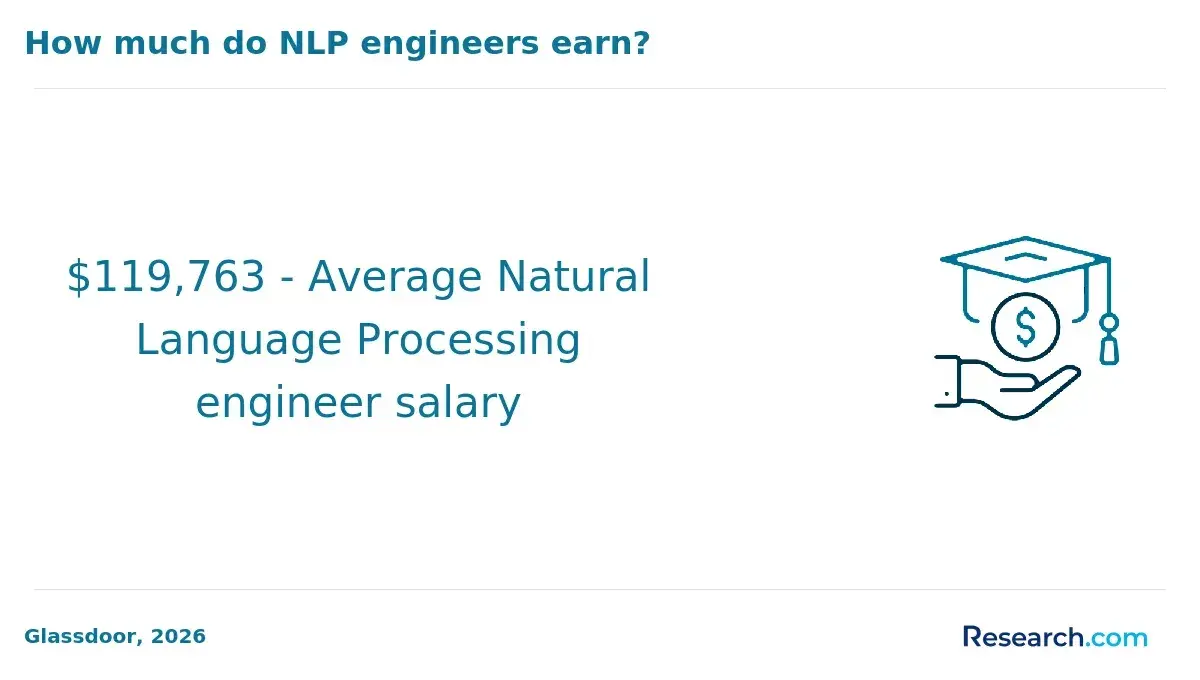
The median salary for AI Engineer positions in the U.S. has increased notably, outpacing the cost of many university-affiliated online certificates, including Stanford's programs (Lightcast, 2025 U.S. Emerging Tech Jobs & Pay Report). This trend highlights a strong return on investment for those pursuing focused credentials alongside traditional education.
While certificates validate continued education, employers emphasize the combination of certifications with hands-on experience such as internships, real-world projects, or open-source contributions. For career changers or recent graduates, these certificates can close knowledge gaps and provide portfolio-ready work. Networking opportunities via Stanford's alumni and career services further support job searches.
To enhance employment prospects, consider these strategies:
- Select certificates that focus on in-demand skills like deep learning, computer vision, or reinforcement learning.
- Develop projects that apply concepts to tangible problems.
- Utilize Stanford's networking resources and AI-focused career services.
- Combine certificates with relevant internships or work experience to strengthen your résumé.
How do Stanford AI certificates compare with other online programs?
Stanford AI certificates stand out due to their strong academic reputation and rigorous curriculum. Enrollment in university-affiliated AI and machine learning certificate programs rose by 47% from 2023 to 2024, outpacing the 19% growth seen in general tech bootcamps, according to HolonIQ's Global EdTech Market Outlook 2024. This trend reflects a growing demand for accredited programs offering both credibility and depth.
Stanford's offerings provide comprehensive coverage of core AI concepts, advanced machine learning techniques, and practical industry applications. Unlike many bootcamps that emphasize fast skill-building, Stanford's programs emphasize theoretical foundations, taught by leading researchers. This attracts professionals seeking a balance of conceptual knowledge and hands-on experience.
The certificates carry notable weight in competitive labor markets, particularly in tech hubs like Silicon Valley. Employers often regard Stanford credentials more favorably compared to generalized certifications from non-university providers, especially for technically demanding roles.
Additional benefits include strong networking opportunities with a community of alumni and instructors, which bootcamps rarely replicate. However, students should consider the program's intensity, prerequisites like math and coding skills, and longer time commitments.
Those prioritizing prestige, in-depth learning, and impactful career advancement often find Stanford AI certificates offer advantages beyond many online alternatives.
How do employers view Stanford online AI certificates?
Stanford online AI certificates serve as credible evidence of relevant skills, particularly in industries where practical expertise shapes hiring choices. These certificates demonstrate completion of rigorous coursework from a leading institution in AI research and education, offering candidates a competitive edge by highlighting their commitment to advanced learning and current proficiency with AI tools and concepts.
Employers evaluate these certificates based on key factors:
- Stanford University's reputation as a trusted, world-class AI knowledge provider.
- Course content alignment with industry needs, including machine learning, data handling, and ethical AI practices.
- Certificate holders' ability to showcase practical skills through projects and assessments integral to many Stanford online programs.
In fields such as technology, finance, and healthcare, these certifications increasingly indicate readiness to contribute to AI-driven initiatives. Still, some hiring managers weigh work experience and problem-solving skills alongside the credential.
The World Economic Forum projects that by 2027, 42% of business tasks will be automated or augmented by AI, with 60% of workers requiring AI-related upskilling. This highlights the rising value placed on recognized AI credentials.
For those pursuing AI roles or career shifts, a Stanford online AI certificate can open doors, especially when combined with hands-on experience and ongoing learning. These factors together boost employability and demonstrate adaptability in an evolving job market.
Other Things You Should Know About Artificial Intelligence
Key skills for a career in artificial intelligence include proficiency in programming languages like Python, knowledge of machine learning algorithms, data analysis, and strong mathematical foundations such as linear algebra and statistics. Familiarity with neural networks, natural language processing, and experience with AI frameworks like TensorFlow or PyTorch are also valuable.
Yes, non-technical professionals can benefit from understanding artificial intelligence concepts to improve decision-making, identify AI applications in their fields, and collaborate effectively with technical teams. Courses focusing on AI fundamentals without heavy coding requirements can provide these professionals with practical insights.
For 2027, Stanford offers several leading online AI courses with certificates. Key options include "Machine Learning" and "Artificial Intelligence: Principles and Techniques." These courses provide industry-relevant knowledge and are instructed by experienced faculty, ensuring a comprehensive educational experience.
Ethical understanding is crucial in artificial intelligence education as it addresses potential biases, privacy concerns, and societal impact. AI professionals must be equipped to design responsible systems that prioritize fairness, transparency, and accountability while minimizing harm to users and communities.
References
- Free Course: Introduction to Artificial Intelligence from Stanford University | Class Central https://www.classcentral.com/course/udacity-introduction-to-artificial-intelligence-301
- A survivor’s guide to Artificial Intelligence courses at Stanford (Updated Feb 2020) https://huyenchip.com/2018/03/30/guide-to-Artificial-Intelligence-Stanford.html
- I'm now Stanford-Certified with a Non-Degree Certificate https://coldattic.info/post/122/
- AI-Driven Leadership | Stanford Online https://programs.stanfordonline.global-alumni.com/ai-driven-leadership