2027 Best AI Courses for Employee Experience Teams Using Generative AI

Co-Founder and Chief Data Scientist
Employee experience teams often struggle to harness generative AI effectively, facing challenges such as limited technical skills and unclear application strategies. These barriers can hinder the use of AI tools to improve workforce engagement, productivity, and innovation. As organizations increasingly adopt generative AI to transform employee interactions and workflows, professionals must gain relevant expertise to stay competitive.
This article explores the best AI courses designed specifically for employee experience teams, offering flexible, accredited learning paths that empower those with unrelated backgrounds to pivot successfully into the rapidly evolving artificial intelligence field.
Key Things You Should Know
- Employee experience teams increasingly rely on generative AI courses to enhance HR analytics, boosting employee engagement by up to 25% according to 2025 industry reports.
- Top AI courses in 2026 emphasize hands-on training with natural language processing and automated feedback tools, critical for transforming workplace communication.
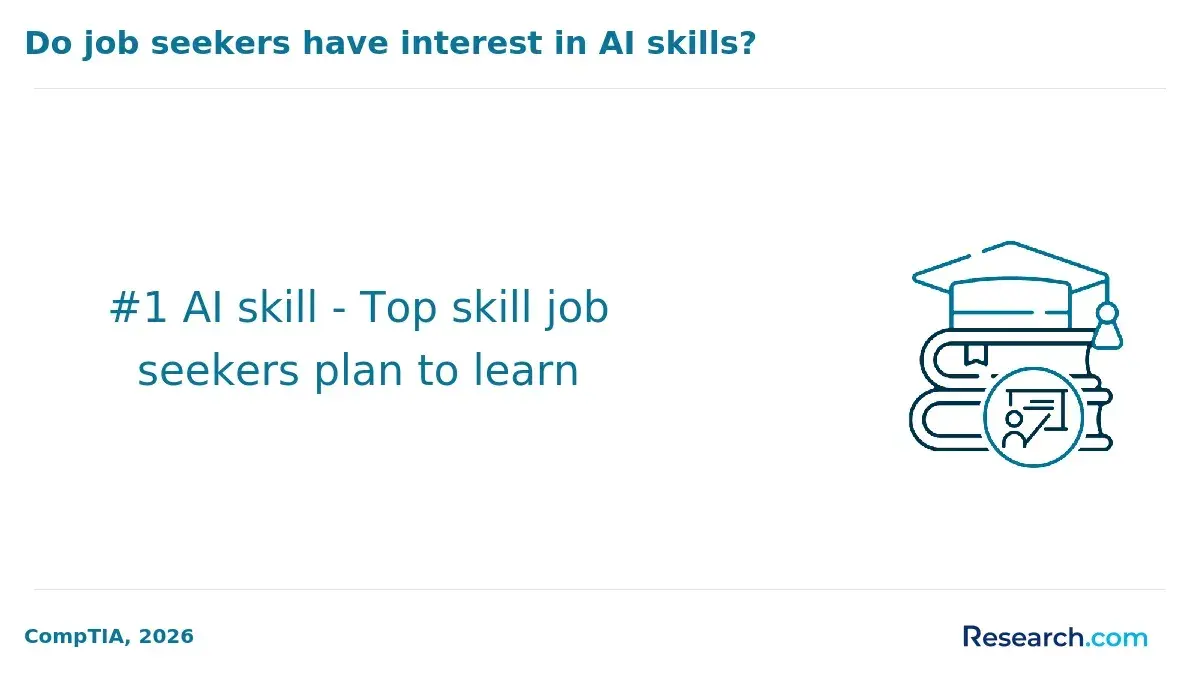
- Certification in generative AI for employee experience roles can increase job placement rates by 18%, reflecting growing corporate demand for AI-literate professionals.
Advance Your Career with AI Online Courses
Artificial Intelligence: Implications for Business Strategy
This program provides an introduction to Artificial Intelligence and their implications for business strategy. Earn an official digital certificate.

Oxford Artificial Intelligence Programme
Explore this Oxford Artificial Intelligence programme offered in a flexible learning environment and explore topics like machine learning, automation, and robotics.

Implementing Agentic AI: Building Your Organizational Playbook
This online MIT Agentic AI course offers a practical approach to deploying AI agents in your organization, including a custom playbook. 3 weeks, exclusive launch price.

AI Adoption: Driving Business Value and Impact
This online MIT AI Adoption: Driving Business Value and Impact offers practical frameworks to close the gap between AI potential and business reality.

Artificial Intelligence in Pharma and Biotech
Discover the applications and limitations of artificial intelligence in pharma and biotech with this MIT online short course.

What are the best AI courses for employee experience teams using generative AI?
Top AI courses for employee experience teams using generative AI focus on practical applications that improve productivity and satisfaction. According to a Gartner survey, organizations that adopt generative AI in employee experience report a 19% boost in productivity and a 23% rise in satisfaction scores compared to those without AI integration. This highlights the value of specialized training tailored to this field.
Leading programs emphasize key skills such as understanding generative AI models, integrating AI tools into HR workflows, and ethical AI use. For example, "Generative AI for Business Leaders" provides strategies for AI adoption aimed at employee engagement. Another popular course, "AI-Powered Employee Experience," features case studies on how AI chatbots and virtual assistants improve communication and support for employees. These offerings represent some of the best ai courses for employee experience teams available today.
Practical labs on natural language processing and sentiment analysis help teams analyze employee feedback more effectively. Courses also cover automating repetitive tasks like onboarding and performance reviews using AI, which reduces manual work and errors. Many programs include modules on AI ethics and data privacy, emphasizing compliance given the sensitivity of employee data.
Training often integrates tools such as ChatGPT, Claude, or Bard, preparing participants to tailor AI-generated insights to specific employee experience challenges. Professionals interested in advancing their expertise in this area can explore even related fields by considering an accelerated computer science degree online.
Advance Your Career with AI Online Courses
Artificial Intelligence: Implications for Business Strategy
This program provides an introduction to Artificial Intelligence and their implications for business strategy. Earn an official digital certificate.
Oxford Artificial Intelligence Programme
Explore this Oxford Artificial Intelligence programme offered in a flexible learning environment and explore topics like machine learning, automation, and robotics.
Implementing Agentic AI: Building Your Organizational Playbook
This online MIT Agentic AI course offers a practical approach to deploying AI agents in your organization, including a custom playbook. 3 weeks, exclusive launch price.
How do AI and generative AI transform employee experience roles and responsibilities?
AI-driven automation is significantly transforming employee experience roles with generative AI technology, shifting the focus to strategic and value-added tasks. Many employee experience professionals use AI tools to automate repetitive work like scheduling, data entry, and routine communications. According to Microsoft's Work Trend Index, 78% of employees using AI automate at least one low-value task weekly, freeing up time for activities such as improving employee engagement, personalized support, and strengthening organizational culture.
Generative AI enhances these efforts through natural language processing and content creation, enabling HR teams to draft customized onboarding materials, design personalized training, and generate real-time analyses of employee surveys. Those skilled in prompt engineering save approximately 30 minutes daily, allowing more effective feedback and interventions. This evolving landscape makes proficiency in AI tools and data interpretation crucial for employee experience specialists.
The impact of AI-driven automation on employee experience responsibilities also includes predictive analytics, helping forecast risks like employee burnout and enabling timely intervention to improve retention. Practical career advice emphasizes gaining AI literacy and prompt engineering skills alongside traditional human resources expertise. Prospective professionals should consider courses that integrate AI within employee engagement strategies and data-driven decision-making.
For those seeking to strengthen their technical foundation and expand career options in related fields, exploring a mechanical engineering program online can be a valuable complement to understanding AI applications across industries.
What types of AI programs prepare professionals to apply generative AI in HR and EX?
Programs preparing HR professionals to use generative AI blend technical skills, business insight, and human-centered design. Key topics include AI literacy, machine learning basics, natural language processing, and HR-focused data analytics. Practical training covers automating resume screening, personalized employee engagement, and predictive workforce planning. These AI courses for HR professionals using generative AI equip learners to apply technologies effectively within organizations.
Specialized certificate programs emphasize ethical AI, data privacy, and AI-driven talent management. Students may learn to build chatbots for employee questions or develop systems that use AI to analyze workforce sentiment through surveys. Combining organizational behavior knowledge with technical skills helps reduce bias and respect privacy.
Executive education and professional development increasingly focus on upskilling employee experience teams with generative AI training programs for employee experience teams that support enhanced human decision-making and transparency. These offerings provide strategic frameworks to integrate AI tools while maintaining trust and clear communication.
Deloitte's Global Human Capital Trends report highlights a gap: 84% of organizations see AI literacy as important within three years, yet only 19% report workforce readiness. This stresses the need for comprehensive programs offering hands-on projects, interdisciplinary learning, and ethical governance. Prospective students can find accessible options, including the cheapest masters in data science, to build this critical expertise.
How do online, hybrid, and campus AI courses for employee experience compare?
Online AI courses provide unmatched flexibility for employee experience professionals balancing work and study. They often include real-world projects, enabling learners to apply generative AI tools to optimize HR processes. For example, Coursera's hybrid AI courses combine self-paced theory with live sessions, offering interaction with instructors while maintaining schedule adaptability. This format suits teams aiming for a 27% faster resolution rate in HR service requests, as shown by a PwC study.
Hybrid AI training offers a balance between online convenience and campus-based elements, blending theoretical knowledge with hands-on practice. Scheduled workshops and labs encourage collaboration and peer-to-peer networking, essential for reducing internal ticket volume by 20%. These benefits make hybrid courses particularly valuable for employee experience teams seeking practical application alongside flexibility.
Campus-based AI courses deliver immersive learning with direct mentorship and access to advanced AI labs. They support in-depth exploration of complex AI systems and guided projects, ideal for those beginning their careers or changing paths. This environment fosters thorough understanding critical to mastering AI's role in HR challenges.
How online hybrid and campus AI courses compare for employee experience depends on individual needs such as work commitments, learning style, and specific AI application goals. Prospective students should also consider the cost of computer science degree when making decisions about their educational path.
What should you look for in accreditation and institutional quality for AI programs?
Accreditation by recognized U.S. agencies such as regional accreditors overseen by the Council for Higher Education Accreditation (CHEA) or the U.S. Department of Education is essential when selecting AI programs for employee experience teams. Accreditation guarantees the institution meets rigorous academic and industry standards, ensuring relevant and up-to-date curriculum.
Focus on programs with strong industry connections, including partnerships or research collaborations in AI and HR technology. Faculty with real-world expertise in AI-driven employee sentiment analysis often provide practical skills that improve organizational outcomes. For example, verified courses in AI sentiment analysis can support efforts that reduce voluntary attrition by 25% and boost engagement scores by 32%, according to IBM's AI in HR survey.
Look for programs featuring practical components like case studies, capstone projects, or internships that relate directly to AI's role in HR. Continuous curriculum updates aligned with emerging AI trends and compliance requirements better prepare students for evolving workplace challenges.
Certification or credentials from reputable AI or HR bodies add significant market value. Institutional quality is also reflected in graduation rates, alumni achievements, and employer feedback, which signal the program's effectiveness in teaching AI tools that enhance employee experience.
What core topics and tools do AI courses for employee experience typically cover?
AI courses for employee experience teams focus on applying key technologies like natural language processing (NLP) to enhance internal support and automate routine tasks. Teams learn to build and deploy chatbots and virtual assistants that effectively handle employee queries using tools such as Microsoft Bot Framework, Google Dialogflow, and IBM Watson Assistant.
Training covers machine learning fundamentals to help predict employee needs and identify potential issues early. Integration with existing HR and IT systems is emphasized to ensure smooth adoption. Ethical AI practices and data privacy concerns are critical components, given the sensitive workforce information involved.
Practical skills include designing AI-driven surveys for collecting employee feedback and performing sentiment analysis to gauge workplace morale. Automation of common HR inquiries like benefits and time-off requests significantly improves service efficiency. For example, Zendesk's 2024 Customer & Employee Experience report highlights a 32% reduction in resolution time and a 20% decrease in support costs using AI chatbots internally.
Additional modules address adapting AI language models to diverse communication styles and troubleshooting deployment challenges. Advanced analytics tools are employed to continuously enhance AI-driven support based on real-time data and employee feedback, ensuring measurable impact on satisfaction and operational metrics.
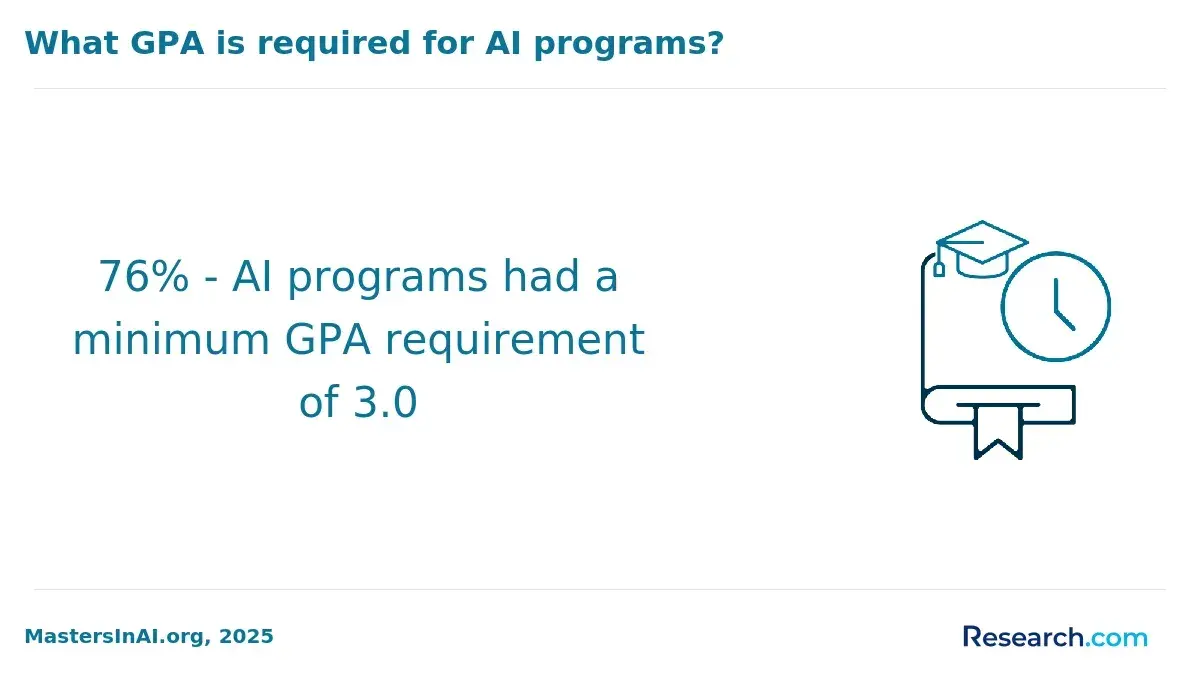
What are typical admission requirements and prerequisites for these AI-focused programs?
Admission requirements for AI-focused programs aimed at employee experience teams often include a bachelor's degree in areas like computer science, information technology, business analytics, or human resources. Programs typically look for foundational knowledge of programming languages such as Python and familiarity with data handling or machine learning concepts. Due to the rising importance of responsible AI use, many courses require experience or coursework in AI ethics and governance. For example, certificates may request prior compliance experience since 71% of organizations deploying generative AI highlight ethics and governance as critical concerns according to the 2024 NAVEX ESG & Compliance report.
Prerequisites differ by program level. Entry-level courses often accept individuals without technical backgrounds but expect completion of preparatory modules in statistics and introductory machine learning. Advanced studies demand hands-on experience with AI models or involvement in projects like automation, natural language processing, or enhancing user experiences. Proficiency in AI tools commonly used in enterprises is also valued.
Formal AI governance and compliance training is emphasized, yet only 28% of organizations currently provide this to employees. This shortfall leads programs to include ethical AI frameworks and compliance protocols as prerequisites or core content, sometimes requiring additional training for applicants lacking governance knowledge.
Applicants benefit from demonstrating a mix of technical skills, domain-specific experience, and an understanding of AI ethics, especially showing familiarity with generative AI tools or governance frameworks to improve admission chances.
How long do AI courses for employee experience take and what do they cost?
AI training for employee experience teams varies from brief sessions to several weeks, depending on course depth and format. Short programs, lasting 4 to 8 hours, focus on foundational concepts like generative AI tools and their workplace use. These are ideal for managers and HR professionals seeking quick upskilling to support AI adoption.
Longer courses, typically 2 to 6 weeks with 20 to 40 hours of instruction, cover advanced topics such as data ethics, AI-driven engagement strategies, and integrating generative AI workflows within HR systems. These often come as professional certificates from universities or specialized providers.
What career paths, job titles, and industries hire AI-skilled employee experience professionals?
Employee experience professionals skilled in artificial intelligence work across diverse roles and industries. Common positions include AI program managers, people analytics specialists, and employee experience analysts who design tools to enhance engagement, streamline HR, and personalize development. This field also encompasses talent acquisition specialists and organizational consultants using generative AI for culture and retention insights.
Industries actively hiring these experts range from technology and finance to healthcare and retail. Tech companies lead in adopting AI to automate onboarding and support, while financial firms apply AI for workforce planning and compliance. Healthcare providers use AI to balance workloads and improve training, and retailers leverage it to enhance employee support and scheduling.
Typical job titles include:
- AI Employee Experience Manager
- People Analytics Data Scientist
- Human Capital AI Strategist
- Organizational Development AI Consultant
- AI-Driven HR Technology Specialist
According to a 2024 Accenture report, organizations with cross-functional AI teams are over three times more likely to boost AI productivity. Success in these roles requires both AI fluency and strong interpersonal skills.
Prospective candidates should pursue continuous learning in generative AI and ethical AI governance, focusing on practical applications in human capital. Targeting sectors investing in AI-enhanced employee systems will improve career opportunities for AI-savvy professionals.
What salaries and job outlook can AI-trained employee experience specialists expect?
Employee experience specialists trained in AI can expect strong career growth and competitive salaries in the U.S. Entry-level salaries generally start near $70,000 annually, while professionals with advanced generative AI skills and certifications often earn $110,000 to $140,000. Leadership positions in employee experience and AI integration may surpass $150,000, underscoring the increasing importance of expertise in this blended field.
Demand is fueled by organizations aiming to boost workforce engagement and productivity through generative AI. According to McKinsey's 2024 State of AI report, companies investing in AI skills training receive a median 4.2x return on investment within three years due to productivity improvements, cost savings, and reduced turnover.
Key HR functions benefiting from AI include automated employee feedback analysis, personalized learning pathways, and predictive attrition modeling. Specialists who can manage these technologies and translate AI insights into strategic employee experience enhancements will be highly sought after.
Professionals should focus on roles that combine data analysis with human factors, develop fluency in generative AI platforms used in enterprise HR, and pursue certifications in AI ethics and employee experience analytics. Understanding how AI impacts employee satisfaction and retention metrics is essential for sustained career advancement.
Other Things You Should Know About Artificial Intelligence
The top AI courses for employee experience teams in 2027 include "Generative AI in the Workplace" by Coursera and "Harnessing AI for Employee Experience" from edX. These courses offer insights into leveraging AI to enhance workplace experiences and productivity.
Yes, artificial intelligence can exhibit bias if it is trained on incomplete or biased datasets. In employee experience, this can lead to unfair treatment or exclusion in hiring, evaluations, or workplace recommendations, making it essential to use diverse data and regularly audit AI systems.
Artificial intelligence systems collect and analyze large volumes of employee data to personalize experiences or improve efficiency. This creates privacy concerns, so organizations must implement strict data protection policies and ensure AI tools comply with relevant regulations like GDPR or CCPA.
Artificial intelligence is not entirely replacing human jobs in employee experience teams but rather augmenting and transforming roles. AI handles repetitive tasks and data analysis, allowing professionals to focus on strategic decision-making, creativity, and human-centric interactions that AI cannot replicate.
References
- Using AI in the Workplace | University of Phoenix https://www.phoenix.edu/workforce-solutions/use-ai-in-the-workplace.html
- Blog https://admissiongoals.com/post/ai-machine-learning-programs-europe-admission-guide-international-students
- Evaluating the Impact of Institutional Accreditation on Armenian Universities: An AI-Assisted Text Analysis Approach https://www.eua.eu/publications/conference-papers/evaluating-the-impact-of-institutional-accreditation-on-armenian-universities-an-ai-assisted-text-analysis-approach.html
- Top 6 AI Tools Transforming the Modern Workplace https://www.techclass.com/resources/learning-and-development-articles/ai-in-workplace-6-tools-changing-how-we-work
- Top 7 artificial intelligence courses 2025: Comparison of the best online programs https://xd-i.com/en/data-en/ai-courses/
- The Best AI Training Courses for HR, Managers, and Employees in 2026 | Article | Lattice https://lattice.com/articles/ai-training-courses-for-every-team
- AI & Employee Experience: Transforming Workforce Engagement https://firstup.io/blog/ai-and-the-employee-experience/
- The Future of Work is Personal: How AI is Reshaping Employee Experience https://www.shrm.org/enterprise-solutions/insights/future-of-work-is-personal-how-ai-is-reshaping-employee
- How to use AI for employee training and upskilling | Workleap https://workleap.com/blog/ai-in-employee-training
- AI Training for Employees 2026 — Programs, Costs & ROI Guide https://iternal.ai/ai-training-for-employees