2027 Best AI Courses for Lean Manufacturing Teams

Co-Founder and Chief Data Scientist
Lean manufacturing teams often struggle to integrate data-driven solutions efficiently, slowing decision-making and innovation. This delay can result in increased downtime, higher costs, and reduced competitiveness. Many professionals find it challenging to acquire relevant skills quickly while balancing existing responsibilities.
Identifying flexible, accredited AI courses that address specific manufacturing needs becomes crucial to overcoming these hurdles. This article presents the best AI courses tailored for lean manufacturing teams, detailing programs designed to enhance operational efficiency and support a smooth transition into advanced analytics and automation techniques.
Key Things You Should Know
- AI courses for lean manufacturing teams in 2026 emphasize practical applications of machine learning to optimize production efficiency, reducing waste by up to 25% according to recent studies.
- Most top courses include hands-on modules on predictive maintenance and real-time quality control, reflecting a 40% increase in demand for these skills across U.S. manufacturing sectors.
- Certification in AI-driven lean manufacturing is linked to an average salary increase of 15%, highlighting the growing value of specialized AI expertise in industrial operations.
Advance Your Career with AI Online Courses
Artificial Intelligence: Implications for Business Strategy
This program provides an introduction to Artificial Intelligence and their implications for business strategy. Earn an official digital certificate.

Oxford Artificial Intelligence Programme
Explore this Oxford Artificial Intelligence programme offered in a flexible learning environment and explore topics like machine learning, automation, and robotics.

Implementing Agentic AI: Building Your Organizational Playbook
This online MIT Agentic AI course offers a practical approach to deploying AI agents in your organization, including a custom playbook. 3 weeks, exclusive launch price.

AI Adoption: Driving Business Value and Impact
This online MIT AI Adoption: Driving Business Value and Impact offers practical frameworks to close the gap between AI potential and business reality.

Artificial Intelligence in Pharma and Biotech
Discover the applications and limitations of artificial intelligence in pharma and biotech with this MIT online short course.

What is AI for lean manufacturing, and why are specialized courses valuable for teams?
AI applications in lean manufacturing processes integrate advanced algorithms and data analytics to optimize production, reduce waste, and boost efficiency. Specialized ai training for lean teams is vital because it equips them with practical knowledge to apply AI to lean concepts like just-in-time production and continuous improvement. Such training enables teams to implement solutions like predictive maintenance to avoid equipment failures and intelligent scheduling that cuts inventory costs.
Lean teams encounter challenges such as interpreting complex AI data, selecting useful information, and ensuring AI insights complement existing workflows. Training programs address these issues by teaching data preprocessing, AI result interpretation, and AI integration with lean management practices. For example, courses often demonstrate deploying machine learning to identify bottlenecks or automate inspections, directly improving operations.
Industry surveys show a growing adoption of generative AI, with manufacturers scaling use cases rapidly and planning significant investment increases soon. This shift underscores the need for workforce readiness to leverage AI effectively without disrupting lean productivity.
Courses tailored for teams feature modules on AI fundamentals, data-driven decision-making, and industry-specific case studies, fostering collaboration between lean experts and AI specialists.
Those interested in advancing their expertise might explore accelerated computer science programs, which provide essential skills for navigating this evolving landscape.
Advance Your Career with AI Online Courses
Artificial Intelligence: Implications for Business Strategy
This program provides an introduction to Artificial Intelligence and their implications for business strategy. Earn an official digital certificate.
Oxford Artificial Intelligence Programme
Explore this Oxford Artificial Intelligence programme offered in a flexible learning environment and explore topics like machine learning, automation, and robotics.
Implementing Agentic AI: Building Your Organizational Playbook
This online MIT Agentic AI course offers a practical approach to deploying AI agents in your organization, including a custom playbook. 3 weeks, exclusive launch price.
Which types of AI courses best support lean manufacturing process improvement goals?
AI courses that support lean manufacturing process optimization focus on practical skills, improving operational efficiency and minimizing waste. Key training includes predictive analytics for anticipating equipment failures, machine learning applications in automating quality control, and data-driven decision-making to enhance continuous improvement efforts.
Training programs integrating AI with the industrial internet of things (IIoT) offer real-time monitoring and adaptive control, enabling lean teams to streamline workflows effectively. Courses covering natural language processing in supply chain management also help reduce lead times through better inventory and demand forecasting. These specialized skills align closely with lean manufacturing and AI training programs that target waste elimination and cycle time reduction.
A LinkedIn Workplace Learning Report highlights that 90% of learning and development leaders prioritize aligning education with business goals like operational efficiency, leading to a 57% higher likelihood of productivity gains. Effective AI courses emphasize practical case studies and hands-on labs tailored for manufacturing environments.
Prospective students interested in AI courses for lean manufacturing process optimization should look for programs offering the following:
- Machine learning algorithms for quality and process control
- Expertise in predictive maintenance and anomaly detection
- Integration techniques for ai and IIoT platforms
- Data visualization and real-time analytics to support lean decision-making
Those seeking comprehensive options for advanced study might explore degrees in AI that align with these industrial applications.
How do AI courses for lean manufacturing differ from general artificial intelligence programs?
AI courses tailored for lean manufacturing teams focus on integrating process optimization techniques with machine learning applications, setting them apart from general artificial intelligence programs that emphasize broader algorithm development. These specialized artificial intelligence programs for manufacturing teams highlight practical uses such as predictive maintenance, workflow automation, and real-time quality control within production environments.
Students learn to apply AI-powered data analytics to identify waste, reduce downtime, and improve supply chain logistics while adhering to lean principles. For example, adaptive scheduling systems can dynamically respond to production changes, significantly enhancing operational efficiency. This applied focus on process optimization distinguishes these courses from more theoretical AI studies.
Curricula often include case studies involving Six Sigma, value stream mapping, and just-in-time inventory, embedding AI to strengthen these established frameworks. Training covers tools relevant to industrial settings, such as IoT sensor data analysis and digital twin technologies, rather than generic AI development platforms.
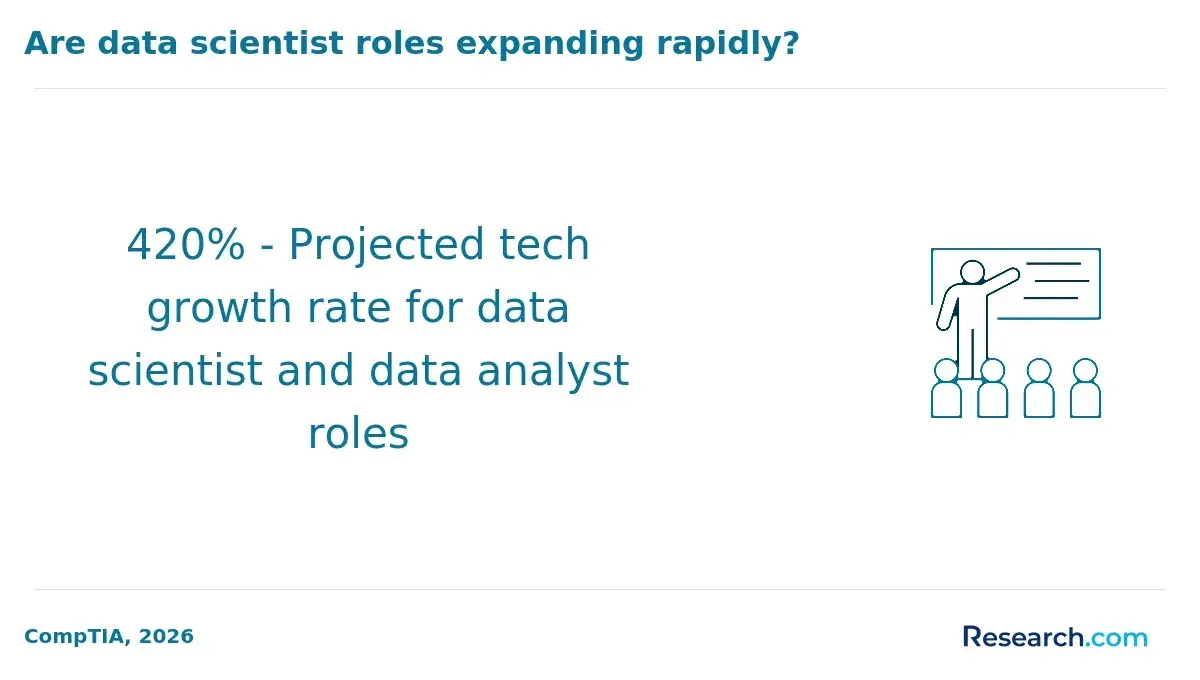
According to the U.S. Bureau of Labor Statistics, industrial engineers specializing in lean and automation are expected to experience 23% job growth from 2023 to 2033, far exceeding average occupational growth rates. This increase underscores the rising demand for skills related to AI training for lean manufacturing process optimization.
Professionals looking to deepen their expertise might consider a masters in data science online to complement their practical knowledge.
What curriculum topics should the best AI courses for lean manufacturing teams cover?
Effective AI courses for lean manufacturing teams combine core lean principles with practical ai applications in lean manufacturing processes. Instruction typically covers data collection methods essential for accurate AI inputs, alongside machine learning techniques for lean production optimization focused on quality control, predictive maintenance, and process optimization. For example, supervised learning may be used to forecast equipment failures, while unsupervised learning helps detect anomalies in production.
Training often incorporates AI-driven analytics tools to identify inefficiencies and bottlenecks, supporting lean goals like waste reduction and shorter cycle times. Students learn about deploying AI models in manufacturing environments, including integration with manufacturing execution systems and edge computing technologies. Ethical considerations such as bias mitigation and decision transparency are also important topics.
Hands-on experience with AI software and simulation platforms is combined with lean project management techniques to prepare learners for immediate application. Practical case studies show how AI enhances Lean Six Sigma practices, which correlates with financial benefits—Lean Six Sigma Black Belts using AI earn a median 18% higher salary, according to an ASQ salary survey.
Professionals interested in related fields may explore options like a cybersecurity degree online for veterans, which offers complementary skills in securing intelligent manufacturing systems.
What degree, certificate, and microcredential pathways exist in AI for manufacturing professionals?
Manufacturing professionals can enhance their capabilities in artificial intelligence through a variety of educational paths tailored to lean operations. Bachelor's and master's degrees in industrial engineering, data science, or AI now often include specialized courses focused on manufacturing applications like predictive maintenance and quality control automation. These programs prioritize practical skills such as deploying machine learning models on the shop floor and integrating AI with lean manufacturing principles.
Certificate programs provide focused AI instruction without the commitment of a full degree. Common offerings include certificates in AI for manufacturing, digital transformation, or smart factories, emphasizing data analytics, robotics, and process optimization. For example, certificates may cover anomaly detection algorithms that help reduce waste on production lines.
Microcredentials and bootcamps offer rapid, hands-on experience with AI tools applied to lean manufacturing, such as AI-powered workflow optimization and real-time monitoring. According to McKinsey's "The Future of Manufacturing" report, companies widely adopting AI improve throughput by 15-20% and cut conversion costs by 10-15% within 2-3 years, highlighting the impact of practical AI training.
Choosing the best pathway depends on your career goals and time availability: degree programs suit those aiming for comprehensive knowledge and leadership roles, certificates help mid-career professionals add skills efficiently, and microcredentials empower quick applied learning for immediate implementation.
How do online, hybrid, and on-campus AI programs compare for working manufacturing teams?
Online AI programs provide flexible learning for manufacturing teams by allowing access to content anytime, which suits varied shift schedules. They often use microlearning techniques that fit brief breaks, speeding skill adoption. A Deloitte Human Capital Trends study found that frontline teams using short, in-the-flow digital modules adopt new operational practices 30% faster than those in traditional classroom settings.
Hybrid programs combine online learning with on-campus sessions, supporting hands-on tasks and face-to-face interaction. This model benefits practical AI applications like data analytics for lean manufacturing, with on-campus labs scheduled at convenient times to minimize production disruptions.
On-campus AI programs offer immersive, structured environments ideal for in-depth expertise or certification but require full-time attendance or employer flexibility, limiting accessibility. Their synchronous format may slow the immediate application of skills compared to microlearning.
Manufacturing teams should evaluate:
- Shift flexibility and available study time
- The need for hands-on AI tools versus theoretical understanding
- Employer support for off-hours or on-site education
- Preference for self-paced learning for immediate application
- Access to ai microlearning aligned with daily work
For agile manufacturing teams focused on rapid skill uptake, online microlearning balances immediacy, flexibility, and operational relevance effectively.
How can manufacturers evaluate accreditation and program quality for AI and lean courses?
Manufacturers evaluating AI and lean courses should verify credentials from recognized organizations such as ABET, AACSB, or industry-specific bodies like the Lean Enterprise Institute. Accreditation reflects that the program meets rigorous educational standards, directly impacting curriculum relevance and depth.
Assessing instructor qualifications is essential. Quality programs typically feature instructors with advanced degrees and practical manufacturing or lean process experience. Partnerships between course providers and reputable manufacturing firms further indicate real-world applicability.
Course content must remain current, covering machine learning, predictive analytics, and automation alongside lean principles. Programs offering hands-on projects, case studies, or simulations enhance practical skills development.
Outcomes matter: data on learner success provides tangible evidence of course impact. For example, Coursera's 2024 Impact Report reveals that 47% of learners completing entry-level AI or data skills courses achieved career benefits within a year, signaling improved job performance or advancement.
Other evaluation factors include:
- Reading reviews and testimonials from previous manufacturing learners
- Verifying certification or recognized credential completion
- Flexible delivery modes such as online or hybrid formats to accommodate team schedules
- Alignment with organizational goals for digital transformation and operational efficiency
What are typical admission requirements, time commitments, and costs for AI courses in manufacturing?
Admission requirements for AI courses in manufacturing typically include a foundation in mathematics, statistics, and programming. Most programs prefer candidates with a bachelor's degree in engineering, computer science, or related technical fields or relevant work experience in manufacturing or industrial engineering.
Advanced courses may expect prior knowledge of machine learning or data science, while entry-level options often have no strict prerequisites, making them suitable for quality and continuous improvement engineers seeking to enhance their skills.
Course durations vary widely, from brief workshops lasting a few hours to in-depth certificate programs spanning several months. Part-time or online courses usually require 4-12 weeks, with an estimated 5-10 hours per week, allowing professionals to balance coursework and work commitments. Intensive bootcamps run full-time over 1-2 weeks but often need preliminary preparation.
Costs depend on program depth and provider. Free introductory courses are widely available, whereas certification programs generally cost between $500 and $3,000. Premium bootcamps or university-affiliated courses can exceed $5,000. Many employers subsidize these expenses, as AI-driven predictive maintenance can decrease unplanned downtime by 25% and reduce maintenance costs by 18%, according to a 2024 PwC Global Industrial Manufacturing survey.
When selecting a course, prioritize those emphasizing practical applications like predictive maintenance, quality control, and process optimization. Programs offering real-world projects or case studies enhance learners' ability to translate theoretical knowledge into cost-saving, operational improvements.
What careers, roles, and promotions can AI training unlock for lean manufacturing professionals?
AI training equips lean manufacturing professionals with advanced skills in analytics and optimization essential for today's production environments. Career opportunities expand to roles like AI lean analyst, process automation engineer, supply chain data scientist, and continuous improvement manager. These positions require expertise in interpreting AI-driven forecasts, designing adaptive workflows, and applying predictive maintenance.
Career advancement is a major benefit of gaining AI knowledge. For example, production supervisors with AI skills can move into plant operations management, supervising AI-augmented production lines that enhance efficiency. Quality control specialists can transition to AI-enabled quality assurance leaders by using machine learning models to detect defects sooner and reduce inspection expenses.
Professionals trained in AI also lead digital transformation initiatives within lean manufacturing, developing AI-based inventory optimization systems, demand forecasting tools, and real-time logistics tracking. Supply chains using AI-enabled planning improved forecast accuracy by 25% and cut inventory holding costs by 30%, highlighting the measurable impact of AI expertise.
Courses focusing on AI applications in lean supply chains, predictive analytics, and robotic process automation help fill these roles. Upskilling addresses challenges like demand variability, inefficient resource allocation, and waste reduction.
Lean manufacturing experts without AI integration risk stagnation, while those embracing AI become strategic contributors driving cost reduction and productivity.
What salaries and job outlook can graduates of AI-focused lean manufacturing programs expect?
Graduates from AI-focused lean manufacturing programs can expect competitive salaries and strong job prospects due to the growing integration of AI technologies in manufacturing. Entry-level professionals typically earn between $65,000 and $85,000 annually, influenced by location and company size. Those with 3 to 5 years of experience generally see salaries from $90,000 to $120,000, while senior roles such as AI-lean manufacturing consultants or managers often exceed $130,000.
Manufacturers now prioritize AI upskilling to boost efficiency and minimize waste. IBM's 2024 Global AI Adoption Index highlights that organizations with structured AI training are 1.6 times more likely to see significant returns from AI projects. This creates high demand for professionals skilled in AI-driven lean methods.
Key roles include AI process engineers, data analysts specializing in manufacturing metrics, and AI integration specialists. These positions require a blend of lean manufacturing knowledge and AI skills like machine learning and predictive analytics.
Industries such as automotive, aerospace, and electronics actively seek candidates with certifications or advanced training in AI applications tailored to lean practices. Prospective students are advised to pursue comprehensive AI coursework aligned with lean manufacturing and gain practical experience through internships or projects.
Other Things You Should Know About Artificial Intelligence
Integrating AI into lean manufacturing often encounters challenges such as data quality issues, resistance to change from staff, and the complexity of aligning AI tools with existing processes. Additionally, ensuring the interpretability of AI models to support decision-making without disrupting workflow is a common hurdle.
AI enhances decision-making by analyzing large volumes of production data to identify inefficiencies and predict maintenance needs. It can provide real-time insights and optimize resource allocation, enabling lean manufacturing teams to make faster, more accurate decisions that reduce waste and improve productivity.
In 2027, lean manufacturing teams may struggle with selecting AI courses that balance technical depth with practical application, ensuring alignment with specific manufacturing needs, and locating programs that offer up-to-date content on evolving AI technologies tailored for lean practices.
Industries such as automotive, electronics, and pharmaceuticals benefit significantly from AI-powered lean manufacturing due to their complex supply chains and high precision requirements. AI helps these sectors optimize production schedules, improve quality control, and minimize downtime through predictive analytics and automation.
References
- Learning how to be lean – AI as the key to continuous improvement - Oqton https://oqton.com/learning-how-to-be-lean/
- Top 26 Careers in AI and Machine Learning: Roles, Salaries, Skills, and 2026 Outlook - AscendurePro https://ascendurepro.com/careers-in-ai-and-machine-learning/
- AI Fundamentals for STEM Professionals https://www.brandeis.edu/online/academics/microcredentials/ai-fundamentals/index.html
- What AI Really Means for Graduate Jobs | Newswise https://www.newswise.com/articles/what-ai-really-means-for-graduate-jobs
- Credentialing in the AI Economy: The Rise of Micro Certifications and Skills Based Pathways - EdTech Breakthrough https://edtechbreakthrough.com/credentialing-in-the-ai-economy-the-rise-of-micro-certifications-and-skills-based-pathways/
- What is Lean AI? | KaizenUp https://kaizenup.ai/what-is-lean-ai/
- Study MSc in Data Science & AI for a Competitive Manufacturing https://www.eitmanufacturing.eu/what-we-do/education/master-school/msc-in-data-science-and-ai-for-a-competitive-manufacturing/
- Generative AI for Manufacturing - Advanced Credentials https://advancedcredentials.com/generative-ai-for-manufacturing/
- IMC Certifications https://imccertifications.com/enhancing-quality-in-education-the-role-of-six-sigma-in-schools-and-universities
- Top AI Bootcamps Compared 2026 | Code Labs Academy https://codelabsacademy.com/en/blog/top-ai-bootcamps-compared-2026