2027 Best AI Strategy Courses for Six Sigma Professionals

Co-Founder and Chief Data Scientist
Professionals with Six Sigma expertise often face challenges integrating artificial intelligence into process improvement. Many struggle to find courses tailored to bridge their analytical skills with AI strategy. Without targeted education, they risk falling behind in optimizing workflows and decision-making.
The fast evolution of AI demands practical strategies aligned with Six Sigma principles to enhance efficiency and quality. This article explores top AI strategy courses designed for Six Sigma professionals, focusing on flexible, accredited programs that facilitate a successful transition into AI-driven roles.
Key Things You Should Know
- Leading AI strategy courses in 2026 integrate Six Sigma principles, boosting process optimization and data-driven decision-making skills by over 40%, according to 2025 industry reports.
- Over 70% of Six Sigma professionals pursuing AI training reported increased project efficiency and innovation, reflecting a rising demand for combined expertise in AI and quality management.
- Top programs emphasize real-world applications and predictive analytics, equipping students to leverage AI for strategic Six Sigma deployments across manufacturing, healthcare, and finance sectors.
Advance Your Career with AI Online Courses
Artificial Intelligence: Implications for Business Strategy
This program provides an introduction to Artificial Intelligence and their implications for business strategy. Earn an official digital certificate.

Oxford Artificial Intelligence Programme
Explore this Oxford Artificial Intelligence programme offered in a flexible learning environment and explore topics like machine learning, automation, and robotics.

Implementing Agentic AI: Building Your Organizational Playbook
This online MIT Agentic AI course offers a practical approach to deploying AI agents in your organization, including a custom playbook. 3 weeks, exclusive launch price.

AI Adoption: Driving Business Value and Impact
This online MIT AI Adoption: Driving Business Value and Impact offers practical frameworks to close the gap between AI potential and business reality.

Artificial Intelligence in Pharma and Biotech
Discover the applications and limitations of artificial intelligence in pharma and biotech with this MIT online short course.

What is an AI strategy course for Six Sigma professionals and who should consider it?
An AI strategy course for Six Sigma professionals integrates artificial intelligence principles with Six Sigma methodologies to enhance process improvement, data analysis, and decision-making. These courses emphasize leveraging machine learning algorithms, predictive analytics, and automation techniques to optimize workflows and reduce defects beyond traditional Six Sigma approaches. This artificial intelligence integration in Six Sigma training equips professionals with modern tools to drive quality and efficiency.
Quality assurance, process engineering, operations management, and data analytics professionals benefit significantly from these courses. Six Sigma practitioners aiming to remain competitive must grasp how AI uncovers inefficiencies that manual methods often miss. For instance, AI-driven predictive maintenance models can identify likely equipment failures earlier, supporting Six Sigma's defect-reduction goals.
Mid-career professionals seeking leadership roles will find AI strategy skills essential for driving innovation and digital transformation initiatives. Graduates with a Six Sigma background targeting industries increasingly reliant on automation, such as manufacturing and logistics, should also consider these courses to enhance their employability and career growth.
According to PwC's Global AI Jobs Barometer, AI skills command a 25% average salary premium over similar non-AI roles in advanced economies, with some technical and operations roles exceeding 40%. Courses often cover AI fundamentals, ethical questions, real-world process excellence applications, and case studies tailored for Six Sigma contexts. Those interested can explore options for an affordable data science degree to build these competencies.
Advance Your Career with AI Online Courses
Artificial Intelligence: Implications for Business Strategy
This program provides an introduction to Artificial Intelligence and their implications for business strategy. Earn an official digital certificate.
Oxford Artificial Intelligence Programme
Explore this Oxford Artificial Intelligence programme offered in a flexible learning environment and explore topics like machine learning, automation, and robotics.
Implementing Agentic AI: Building Your Organizational Playbook
This online MIT Agentic AI course offers a practical approach to deploying AI agents in your organization, including a custom playbook. 3 weeks, exclusive launch price.
How can AI strategy training enhance Six Sigma, Lean, and continuous improvement careers?
AI strategy training for Six Sigma professionals in continuous improvement significantly enhances careers by integrating intelligent automation and data-driven decision-making into process optimization. This approach expands traditional Six Sigma and Lean methodologies by incorporating machine learning and natural language processing, enabling smarter root cause analysis, predictive analytics, and real-time monitoring.
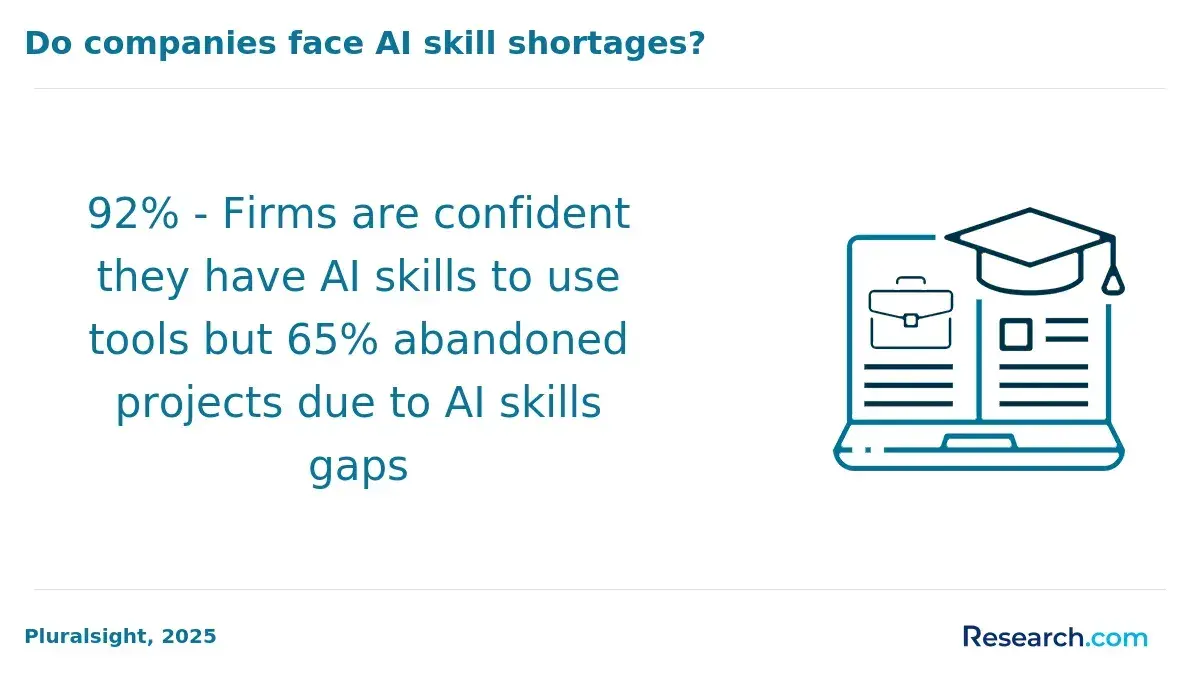
With 79% of organizations piloting or scaling intelligent automation, according to Deloitte's Global Intelligent Automation survey, a critical skills gap exists where 45% of companies struggle to find professionals versed in AI and process excellence. This gap limits the ability to achieve measurable operational improvements and hinders career advancement. Specialized AI strategy courses equip learners to select appropriate AI technologies, design AI-enabled workflows, and measure combined AI and Lean metrics for continuous improvement.
Leveraging artificial intelligence to advance Lean and Six Sigma careers means automating data collection in DMAIC cycles, reducing Lean project cycle times, and predicting process failures. Practitioners also learn to manage AI-driven change, ensure data quality, and align AI initiatives with organizational goals-skills essential for leading digital transformation in operational excellence roles.
For those exploring an affordable path to develop such expertise, understanding online engineering degree cost can be important. Overall, AI strategy training transforms professionals into hybrid experts capable of driving scalable, intelligent process improvements in evolving continuous improvement landscapes.
What types of AI strategy programs are available for Six Sigma professionals in the U.S.?
Six Sigma professionals in the U.S. can enhance their expertise through advanced AI training programs tailored for U.S. Six Sigma practitioners. These include certificate courses, professional development options, and MBA concentrations focusing on AI-powered Six Sigma applications. Typical certificate programs emphasize practical skills like machine learning for root cause analysis, predictive process modeling, and intelligent automation design. Technical institutes often merge Six Sigma DMAIC methodology with AI tools to boost quality control and operational efficiency.
Universities provide executive education blending AI strategy with Lean Six Sigma principles, aimed at mid-career professionals leading digital transformation initiatives. Topics commonly cover AI-driven process mining, anomaly detection, and data-driven decision frameworks, preparing graduates for roles requiring combined domain expertise and AI fluency.
Flexible online platforms also offer AI strategy certification courses for Six Sigma professionals in the U.S., suitable for working professionals. These may focus on integrating robotic process automation (RPA) with Six Sigma projects or using AI dashboards for continuous quality improvement.
Emerging industry certifications like AI-enhanced Green Belt or Black Belt credentials validate proficiency in applying AI technologies to traditional Six Sigma processes. According to LinkedIn's 2024 Future of Work report, profiles featuring both "process improvement" and "AI" skills saw a 2.3× higher recruiter InMail rate than those listing only process improvement, underscoring strong market demand.
Those interested in further education can explore the best online AI degree programs that complement Six Sigma skillsets and support career growth in this evolving field.
How do online AI strategy courses compare with campus-based options for working professionals?
Online AI strategy courses offer significant flexibility for working Six Sigma professionals, enabling self-paced learning that fits around busy schedules. These programs often include virtual simulations and real-time case studies, which mirror practical AI integration in operations and manufacturing. In contrast, campus programs usually require fixed class times, potentially conflicting with work commitments, and are less accessible to those away from major education centers. However, campus options provide direct access to faculty and peer networks, beneficial for collaborative learning and mentorship-especially for professionals seeking hands-on lab experience.
The best AI strategy learning options for Six Sigma professionals emphasize practical use of AI tools within process improvement frameworks. According to the 2024 State of AI report by McKinsey, companies integrating AI with Lean Six Sigma are 1.5× more likely to increase EBIT margins by over 10%, highlighting the value of courses that blend these methodologies effectively. Cost is also a factor: online courses typically reduce expenses by eliminating commuting, while campus programs may offer stronger certifications and industry connections that support career growth.
When choosing between formats, consider availability, learning style, and professional goals. For those aiming to deepen data science expertise, exploring online doctorate data science programs can provide advanced credentials to enhance career prospects in AI strategy.
What admission requirements and prior Six Sigma experience do these AI strategy programs expect?
Admission to AI strategy courses designed for Six Sigma professionals often requires a solid foundation in Six Sigma methodologies, usually at least a Green Belt certification. Many programs prefer candidates with Black Belt credentials due to the advanced skills needed in analytics and process optimization. Applicants may also need to demonstrate practical experience, such as documented project completions or leadership roles within Six Sigma initiatives.
Proficiency in data analysis tools and basic programming or statistics is commonly expected to support effective AI integration. Familiarity with languages like Python or R, frequently used in ai-driven data modeling and quality control, is often required. Some programs ask for a statement of purpose highlighting how candidates plan to apply AI to improve Six Sigma processes, emphasizing a strategic approach.
Admission criteria vary by program focus: executive AI strategy courses may accept professionals with significant managerial experience in Six Sigma environments without formal certifications. Academic programs might require a bachelor's degree in engineering, business, or related fields alongside Six Sigma credentials to prepare students for complex AI concepts.
According to a 2024 survey, 63% of large enterprises have adopted or are adopting AI in quality, reliability, or process optimization, a sharp increase from 39% in 2022. This trend stresses the importance of meeting admission requirements to successfully integrate AI into established quality frameworks.
What core topics and tools are covered in AI strategy curricula for Six Sigma practitioners?
AI strategy curricula for Six Sigma professionals focus on merging AI tools with established process improvement methods to boost decision-making and operational efficiency. Key subjects include machine learning principles geared toward quality management, data analytics for optimizing processes, and automation techniques aligned with Lean Six Sigma. Learners discover how AI-driven predictive models identify defects or process failures before they happen, reducing variability and enhancing control.
Programs emphasize hands-on use of AI assistants and copilots tailored for Six Sigma tasks. These leverage natural language processing and sophisticated analytics to simplify root cause analysis, data gathering, and reporting. Instruction often includes AI-based simulation tools that allow testing process adjustments virtually before real-world application. Various software platforms integrating ai modules are introduced, alongside deployment strategies within the DMAIC (Define, Measure, Analyze, Improve, Control) framework.
Ethical AI use is a core topic, covering data governance, bias reduction, and adherence to regulatory standards. This prepares practitioners for the workforce shifts resulting from automation in quality management roles.
Enterprise spending on AI-powered productivity and development assistants is rapidly increasing, with a CAGR of 86.1% projected through 2027, according to IDC's 2024 Worldwide Generative AI Spending Guide. This trend underlines the growing adoption of process optimization and analytics copilots among Six Sigma professionals to drive efficiency and innovation in complex organizational settings.
How long do AI strategy courses typically take and what do they cost?
AI strategy courses vary widely in length and format, typically lasting from 4 to 12 weeks. Short programs, such as bootcamps or workshops, usually require 20 to 40 hours and focus on foundational knowledge, ideal for Six Sigma professionals aiming to incorporate AI into process improvement quickly. More in-depth courses span three months or longer, covering AI applications, data analytics, and strategic implementation within operational environments.
Costs depend on the provider, duration, and course content. Entry-level courses generally range between $500 and $1,500, targeting professionals seeking focused training. Mid-level programs, often offered by universities or specialized platforms, cost between $1,500 and $4,000 and include project work and personalized feedback. Executive-level certificates can exceed $5,000, reflecting comprehensive curricula and access to industry experts.
Flexible scheduling options are common, including self-paced and live-online classes, accommodating professionals balancing work and education. Some courses combine Six Sigma methodologies with AI strategy, directly addressing challenges in quality and process management.
The World Economic Forum's Future of Jobs Report 2025 highlights that 60% of workers will require AI and big-data training by 2027, yet only half of companies have solid plans in place. This underscores the importance of proactively pursuing quality courses with real-world AI tools and measurable ROI within process improvement environments.
- Course length: 4-12 weeks or 20-40 hours for bootcamps
- Cost range: $500 up to over $5,000
- Delivery: Self-paced or live online
- Focus: Integration of AI with Six Sigma methods
How can learners verify accreditation, credibility, and quality of AI strategy programs?
Accreditation by recognized organizations such as ABET, AACSB, or regional agencies is critical when choosing AI strategy programs, ensuring curricula meet high academic standards. Faculty expertise with real-world experience in AI applications across healthcare, manufacturing, and quality management adds practical value. Partnerships with industry leaders and research institutes further enhance learning through case studies and projects.
Course content should reflect current industry needs, including AI uses in quality control, predictive maintenance, and process optimization. Research highlights that many manufacturers implement AI, though fewer have reached maturity in AI-enabled continuous improvement. Programs emphasizing scalable, standardized AI strategies aligned with these trends better prepare learners.
Evaluating learner outcomes, such as recognized certification achievements and career advancements, offers insight into program credibility. Reliable programs often have certifications endorsed by bodies like AIIM and Six Sigma organizations. Additional quality indicators include completion rates, alumni network strength, and post-course employment data.
Access to practical tools, simulations, and capstone projects for applying AI strategy within Six Sigma frameworks is essential for effective experiential learning beyond theory. This hands-on approach validates the program's real-world impact and relevance.
What certifications or microcredentials pair best with AI strategy for Six Sigma roles?
For Six Sigma professionals aiming to enhance their AI strategy, certifications that combine process optimization with advanced data analytics and machine learning are key. The most valuable credentials integrate core Six Sigma principles with skills in AI and data science to drive operational excellence.
- Certified Six Sigma Black Belt (CSSBB) paired with AI or Machine Learning certificates, reinforcing expertise in predictive analytics for process improvements.
- AI and Data Science Microcredentials from reputable platforms offering insights into AI algorithms, automation, and data management vital for Six Sigma workflows.
- Lean Six Sigma Green Belt with AI Strategy Courses focusing on using artificial intelligence tools to optimize waste reduction and process control.
- Certified Analytics Professional (CAP), emphasizing data-driven decision-making crucial for integrating AI in quality improvement projects.
The corporate AI upskilling market grows rapidly-at 43% annually-and the "data, AI & process/productivity" segment expands fastest, highlighting employer demand for professionals who blend AI with Six Sigma frameworks to boost business outcomes, according to HolonIQ data.
Microcredentials in Natural Language Processing (NLP) and Robotic Process Automation (RPA) increasingly support Six Sigma roles targeting customer experience and operational automation. Modular AI courses also help address AI governance and ethics challenges in process improvement, fostering responsible technology adoption.
Aligning Six Sigma expertise with targeted AI strategy credentials offers a competitive edge in a job market that values data-driven transformation and efficiency-focused skills.
What salaries, job titles, and long-term outlook can AI-focused Six Sigma professionals expect?
AI-focused Six Sigma professionals in the U.S. can earn competitive salaries, generally between $90,000 and $140,000 annually, with senior roles surpassing $160,000. Common titles include AI Strategy Consultant, Six Sigma Data Scientist, Process Improvement Manager with AI expertise, and AI-Driven Operational Excellence Lead. These professionals apply Six Sigma methodologies alongside AI tools to enhance business processes, enable predictive analytics, automate quality control, and optimize operations.
The career outlook is strong, fueled by companies integrating AI into their core strategies. According to Accenture's 2024 AI Maturity Index, organizations leading in AI adoption are 2.2× more likely to outperform peers in operational efficiency. This drives demand and job security for Six Sigma professionals skilled in AI, while those lacking AI capabilities may face a wider cost gap over time.
Key skills for advancement include machine learning, AI workflow automation, and advanced analytics combined with traditional Six Sigma expertise. Employers value candidates who can apply AI algorithms to solve process inefficiencies within Six Sigma frameworks. Targeting roles that support data-driven decisions and continuous improvement is advisable for sustained growth.
Six Sigma professionals with AI strategy abilities are well positioned for rapid salary growth and leadership roles, provided they continuously update skills to stay current with evolving AI industry standards.
Other Things You Should Know About Artificial Intelligence
Artificial intelligence enhances process optimization by enabling advanced data analysis and predictive modeling. It can identify patterns and inefficiencies that traditional Six Sigma methods might overlook, allowing for more informed decision-making. This integration helps Six Sigma professionals achieve greater precision and faster cycle times in continuous improvement projects.
One major challenge is the steep learning curve associated with AI tools and algorithms, which may require additional training beyond classical Six Sigma techniques. Data quality and availability can also limit AI effectiveness. Moreover, integrating AI solutions into existing business processes demands careful change management to ensure acceptance and successful implementation.
While AI cannot entirely replace traditional Six Sigma methods, it enhances them by providing data analytics, predictive modeling, and process automation. This integration allows for more accurate insights and faster decision-making, significantly improving process optimization and efficiency.
Ethical considerations are essential when implementing AI in Six Sigma projects, particularly regarding data privacy, bias, and transparency. Professionals must ensure AI applications comply with legal standards and organizational policies, avoiding discriminatory outcomes. Responsible AI use fosters trust and supports sustainable process improvements.
References
- AI - Artificial Intelligence | London Business School https://www.london.edu/executive-education/ai
- How AI is challenging the credibility of some online courses – Future of Good https://futureofgood.co/how-ai-is-challenging-the-credibility-of-some-online-courses/
- Certified Lean Six Sigma Master Black Belt: 7 Powerful Reasons to Enroll Today https://thecasehq.com/courses/certified-lean-six-sigma-master-black-belt/
- Lean Six Sigma Certification: What is it & How to Get One in 2024? - SixSigma.us https://www.6sigma.us/lean-six-sigma-articles/lean-six-sigma-certification/
- How to Get Six Sigma Certification: Step-by-Step Guide https://www.6sigmacertificationonline.com/how-to-get-six-sigma-certification/
- AI-Powered Lean Six Sigma for Leaders https://www.learningtree.com/courses/ai-powered-lean-six-sigma/
- The AI Strategy Job Market in 2026: Analysis of 1,859 Postings https://axialsearch.com/insights/ai-strategy-jobs/
- Integrating AI and Machine Learning with Six Sigma https://qesacademy.com/integrating-ai-and-machine-learning-with-six-sigma/
- AI-Powered Six Sigma White Belt: Best 2026 Guide https://aigproexcellence.com/blog/ai-powered-six-sigma-white-belt/
- Artificial Intelligence and Lean Six Sigma https://www.benchmarksixsigma.com/forum/topic/39615-artificial-intelligence-and-lean-six-sigma/