2027 Best Agentic AI Courses for AI Transformation Teams

Co-Founder and Chief Data Scientist
Companies seeking to innovate often struggle to find professionals who understand both AI fundamentals and advanced agentic AI systems. Teams lack flexible, accredited options tailored for individuals switching careers from unrelated fields, delaying AI transformation. Without targeted education, organizations face barriers implementing autonomous AI solutions that drive efficiency and insight.
This article outlines the best agentic AI courses designed specifically for AI transformation teams, focusing on accessible programs that equip learners with practical skills and strategic knowledge. It aims to guide professionals and employers in selecting courses that facilitate a smooth, effective transition into AI-driven roles and projects.
Key Things You Should Know
- Agentic AI courses in 2026 emphasize practical skills for designing autonomous systems, addressing 45% growth in AI project demands in transformation teams from 2024 to 2025.
- Curriculums integrate ethics, human-AI collaboration, and decision-making frameworks, equipping learners to manage AI autonomy responsibly in organizational contexts.
- Leading courses leverage hands-on labs and case studies, responding to a 38% increase in employer preference for candidates with applied agentic AI proficiency over theoretical knowledge.
Advance Your Career with AI Online Courses
Artificial Intelligence: Implications for Business Strategy
This program provides an introduction to Artificial Intelligence and their implications for business strategy. Earn an official digital certificate.

Oxford Artificial Intelligence Programme
Explore this Oxford Artificial Intelligence programme offered in a flexible learning environment and explore topics like machine learning, automation, and robotics.

Implementing Agentic AI: Building Your Organizational Playbook
This online MIT Agentic AI course offers a practical approach to deploying AI agents in your organization, including a custom playbook. 3 weeks, exclusive launch price.

AI Adoption: Driving Business Value and Impact
This online MIT AI Adoption: Driving Business Value and Impact offers practical frameworks to close the gap between AI potential and business reality.

Artificial Intelligence in Pharma and Biotech
Discover the applications and limitations of artificial intelligence in pharma and biotech with this MIT online short course.

What is agentic AI and why are specialized courses crucial for AI transformation teams?
Agentic AI systems are autonomous technologies designed to make decisions, perform actions, and handle complex tasks with minimal human input. These proactive AI agents adapt to changing environments to meet specific goals, setting them apart from traditional AI models that rely heavily on human guidance. The importance of specialized training in agentic AI is critical for AI transformation teams, as deploying these systems requires expertise in autonomy, decision theory, reinforcement learning, and ethical considerations. Without this specialized knowledge, teams risk creating solutions that do not scale effectively or cause unintended problems.
By 2030, AI agents and agentic workflows are expected to automate work equivalent to 90 million full-time jobs worldwide, potentially generating up to $4.4 trillion in annual productivity, according to McKinsey's generative AI economic impact update. To navigate this transformation, AI transformation teams must master:
- Creating agentic AI that balances autonomy with controllability.
- Integrating AI agents into enterprise systems seamlessly.
- Ensuring compliance with bias mitigation, accountability, and ethical standards.
- Applying AI in areas like autonomous customer service, supply chain management, and cybersecurity.
Agentic AI courses for AI transformation teams fill essential knowledge gaps by focusing on:
- Advanced programming frameworks tailored to agentic AI.
- Simulation environments for autonomous decision-making.
- Aligning agentic AI behaviors with organizational goals.
Prospective students and professionals considering a career in this field can explore an applied artificial intelligence degree to deepen their understanding and enhance their skills. In summary, agentic AI's complexity and transformative impact require targeted education to equip teams with the ability to develop and manage AI systems that operate independently, safely, and effectively.
Advance Your Career with AI Online Courses
Artificial Intelligence: Implications for Business Strategy
This program provides an introduction to Artificial Intelligence and their implications for business strategy. Earn an official digital certificate.
Oxford Artificial Intelligence Programme
Explore this Oxford Artificial Intelligence programme offered in a flexible learning environment and explore topics like machine learning, automation, and robotics.
Implementing Agentic AI: Building Your Organizational Playbook
This online MIT Agentic AI course offers a practical approach to deploying AI agents in your organization, including a custom playbook. 3 weeks, exclusive launch price.
What types of agentic AI courses are best for building end-to-end AI transformation skills?
Agentic AI courses designed for end-to-end AI transformation skills emphasize a blend of technical, strategic, and operational knowledge. These programs train learners on designing autonomous systems that integrate multiple AI agents within complex workflows, essential for building effective AI transformation teams. Core competencies include multi-agent coordination, reinforcement learning, and decision-making frameworks tailored to real-world business applications.
Many of the best agentic AI training programs focus on AI orchestration and pipeline automation, equipping students to manage processes from data ingestion through continuous optimization. Hands-on projects simulating enterprise environments help learners tackle challenges such as agent interoperability, failure recovery, and ethical considerations in autonomous systems.
A 2024 IBM global AI adoption study highlights that 59% of enterprises experimenting with generative AI have piloted or deployed agentic workflows, reflecting rising industry demand. Valuable course content covers:
- Programming and customizing autonomous agents with modern frameworks.
- Integrating generative AI with agentic models for creative and automated decision tasks.
- Developing metrics to evaluate agent performance and business impact.
- Addressing security and governance issues unique to autonomous AI.
For individuals seeking AI education, selecting programs that combine theory with applied labs and case studies is crucial. Prioritizing curricula that stress workflow orchestration and cross-agent collaboration prepares students to lead complex AI transformations. Prospective students can explore more through the best online AI degree programs available today.
How do you choose the best agentic AI course for your organization's AI maturity level?
Choosing the best agentic ai course for your organization involves assessing your team's AI maturity level and learning goals. Beginners benefit from foundational courses that cover basic AI principles plus agentic AI automation, while advanced teams require programs addressing deployment challenges, ethical considerations, and scaling solutions. Tailoring agentic ai course selection based on ai maturity level ensures content suits your team's evolving needs.
Align course modules with specific roles within your AI transformation teams. Data scientists may need deep technical training on agentic AI architectures, whereas business leaders benefit from governance and performance measurement topics. This targeted approach improves relevance and accelerates adoption.
Look for interactive elements like hands-on projects, labs, or real-world case studies that match your maturity stage to bridge theory and practice. Upskilling pathways supporting continuous learning help sustain AI capabilities as your organization grows. Flexible formats combining online modules and live sessions fit diverse team schedules and preferences.
Prioritize courses backed by recognized certifications or strategic partnerships. For instance, Deloitte's 2024 State of Gen AI in the Enterprise report highlights organizations with targeted gen-AI/agentic upskilling were 2.1× more likely to experience transformative financial impacts from AI initiatives.
For related educational opportunities, consider programs such as an accelerated cyber security degree online, which can complement AI skills in organizational security contexts.
What admission prerequisites and technical skills are typically required for agentic AI programs?
Admission prerequisites for agentic AI programs typically demand a solid background in computer science, mathematics, and programming. Most applicants must hold a bachelor's degree in fields such as computer science, data science, engineering, or related disciplines. Foundational courses and experience in algorithms, data structures, and machine learning are often required, along with proficiency in programming languages commonly used in AI development, particularly Python due to its extensive machine learning libraries.
Core technical skills expected include:
- Proficiency in machine learning frameworks like TensorFlow or PyTorch
- Experience with reinforcement learning, neural networks, and natural language processing
- Understanding multi-agent systems, orchestration, and autonomous decision-making models
- Familiarity with software development best practices, version control, and cloud platforms
Some programs emphasize prior research or coursework in robotics, control systems, or cognitive science, ensuring candidates can tackle complex agentic AI topics. For those moving from general software engineering, evidence of relevant AI/ML projects or certifications helps meet eligibility. Practical experience with system integration and deploying AI agents aligns closely with industry demand.
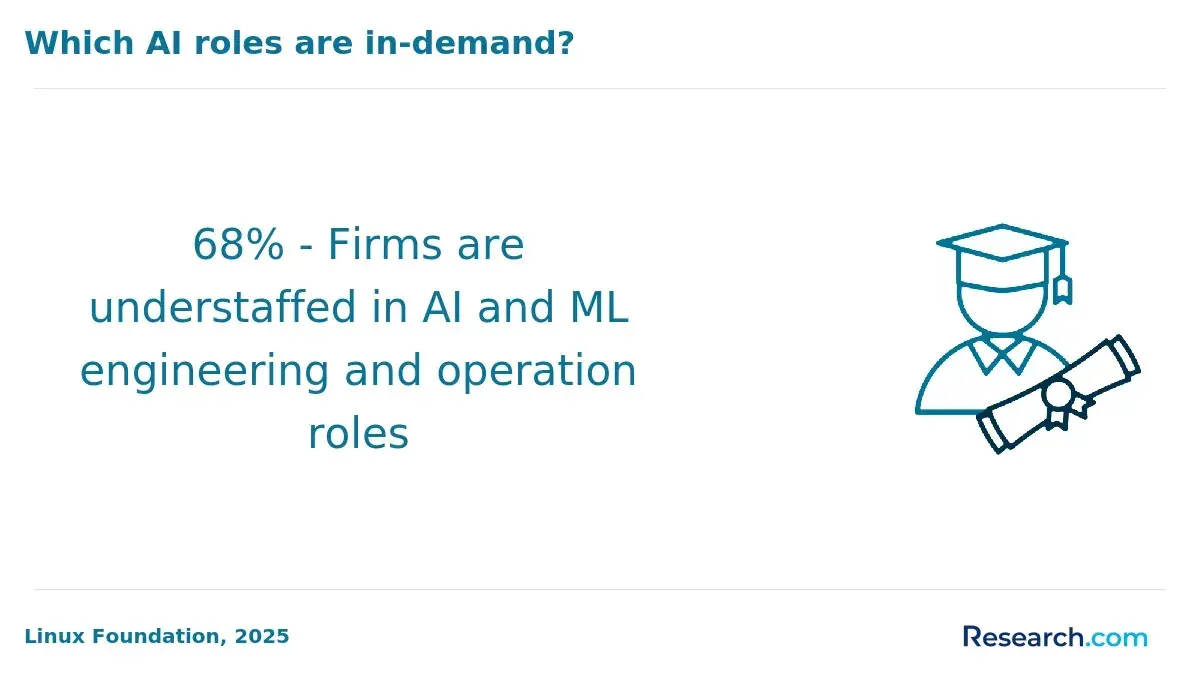
The necessity of sophisticated technical skills before admission is further underscored by compensation trends; specialized AI/ML engineers focusing on agents and orchestration earned significantly higher median salaries than typical software engineers. Prospective students should also consider pathways like a fast track cyber security degree to bolster their qualifications.
Developing the necessary skills and prerequisites for agentic AI teams involves combining academic knowledge, hands-on experience, and continuous learning to remain competitive in this evolving field.
How do online, hybrid, and campus-based agentic AI courses compare for working professionals?
Online, hybrid, and campus-based agentic AI courses each offer unique benefits tailored to working professionals seeking to enhance their skills. Online courses provide exceptional flexibility, allowing learners to balance jobs and study across various schedules. They often include self-paced modules and virtual labs, ideal for those needing customizable learning paths, though they may lack immediate hands-on support and networking opportunities.
Hybrid courses blend online learning with in-person sessions, catering to professionals who want flexibility alongside direct interaction. This format typically features webinars combined with campus workshops, supporting real-time collaboration, practical exercises, and deeper understanding of agentic AI concepts.
Campus-based courses focus on immersive experiences with direct mentorship and extensive lab resources. Though less convenient for full-time professionals, these programs foster strong peer networks and immediate feedback, crucial for career growth in AI roles.
According to PwC's 2024 Global AI Jobs Barometer, jobs demanding AI and automation skills are growing 3.5 times faster than average, but only about one in eight workers currently report proficiency with AI tools. This highlights a significant skills gap and underscores the need for rapid, effective upskilling.
Choosing the right format depends on factors like time availability, learning preferences, and networking goals to build practical agentic AI expertise.
What core topics and hands-on projects are covered in leading agentic AI course curricula?
Agentic AI courses preparing students and professionals focus on core areas such as autonomous agent architecture, decision-making algorithms, reinforcement learning, and multi-agent systems. These programs train individuals to create agents capable of perceiving environments through sensors and processing data independently without direct human input. Integrating natural language processing and vision models enhances these agents' abilities.
Hands-on learning often involves projects like developing conversational bots, recommendation engines, and robotic process automation tools. Students build agents that adapt to changing environments using reinforcement learning or simulate multi-agent ecosystem interactions. Examples include designing agents that manage cloud infrastructure autonomously or optimize supply chains through real-time analytics.
Courses emphasize practical considerations, including safety, ethics, and explainability in agent behavior. Project assignments may involve debugging emergent behaviors or deploying agents on cloud platforms for scalability. Frameworks such as OpenAI Gym and Microsoft's Bot Framework are commonly applied. According to GitHub's 2024 State of the Octoverse, repositories tagged "AI agents" or "agentic" have surged 420% year-over-year, reflecting explosive growth and increasing demand for expertise in full lifecycle agent development.
The fast-evolving nature of agentic AI underscores the need for skilled professionals trained in design, training, deployment, and monitoring of autonomous systems, making these courses invaluable for those seeking cutting-edge careers in artificial intelligence.
How long do agentic AI courses take to complete, and what do they typically cost?
Agentic AI courses vary in length and intensity, often designed to fit the needs of AI transformation teams. Many programs include intensive modules ranging from 10 to 40 hours, usually spread over one to four weeks. For example, professional development bootcamps deliver focused, hands-on training within two weeks, while university-affiliated certificate programs may span a month with part-time schedules.
Costs depend on the provider, credentials, and resources offered. Entry-level workshops typically range from $200 to $600, while more comprehensive courses that incorporate project-based learning and advanced agentic AI strategies can cost between $1,000 and $4,000. Executive or specialized leadership courses often exceed $5,000, reflecting their tailored content and valuable networking opportunities.
- Short, skill-focused training suits immediate project needs
- Extended courses support long-term AI transformation roles
- Course reviews, instructor expertise, and post-completion support are key factors
Formal training in generative or agentic AI has measurable impact. According to Microsoft and LinkedIn's 2024 Work Trend Index, organizations with leaders who completed structured AI training were 1.6× more likely to achieve significant productivity improvements. Matching course cost and duration with career goals helps optimize the return on investment in agentic AI education.
Which accreditation standards and industry credentials matter most for agentic AI training providers?
Accreditation plays a crucial role in defining the quality of agentic AI training providers. Programs accredited by bodies such as ABET (Accreditation Board for Engineering and Technology) or aligned with IEEE's AI certification frameworks guarantee that courses meet rigorous technical and ethical standards essential for developing autonomous AI capabilities.
Certifications like the Certified Artificial Intelligence Practitioner (CAIP) or those from the AI Certifications Institute validate expertise in practical agentic AI skills, including system design, multi-agent coordination, and ethical decision-making. This multidisciplinary approach benefits teams that span business, data science, and engineering, echoing findings from BCG's AI for the C-Suite report which reveals organizations training cross-functional AI teams are 2.5× more likely to scale AI effectively.
Providers affiliated with respected academic institutions offering stackable credentials or micro-credentials in machine learning, reinforcement learning, and autonomous systems provide valuable specialization. Collaboration with leading AI research labs or firms focused on intelligent agents enhances course relevance and employment readiness.
Students should ensure courses include:
- Hands-on projects with agentic AI technologies
- Interdisciplinary curriculum covering AI ethics, business strategy, and engineering
- Assessments aligned to established competency frameworks
For robust agentic AI education, accreditation combined with industry-recognized credentials ensures comprehensive training that meets real-world deployment demands.
What AI-focused job roles, promotion paths, and leadership opportunities follow agentic AI training?
Agentic AI training prepares professionals for specialized roles emphasizing autonomous decision-making and AI orchestration. Graduates frequently pursue careers such as AI Systems Architect, Agentic Automation Engineer, or AI Strategy Analyst, focusing on designing and optimizing AI agents that function independently in complex settings.
Career advancement typically follows either technical or managerial pathways. On the technical side, professionals may progress to Senior AI Engineer or Principal AI Scientist positions, where they scale agentic AI solutions across organizations. Managerial routes include roles like AI Program Manager or Director of AI Transformation, combining domain expertise with strategic project leadership.
Leadership roles, such as Chief AI Officer and Head of Autonomous Systems, involve embedding agentic AI into core operations and overseeing digital transformation enterprise-wide. These positions require strong skills in AI ethics, governance, and integration with legacy systems.
Companies emphasize agentic AI skills to maintain competitiveness; research from Accenture reveals that AI laggards risk losing up to 21% of potential revenue growth by 2030 compared to AI leaders who invest aggressively in these technologies.
Career pathways also include:
- AI product management
- AI business analysis
These roles blend technical expertise with market-driven decision-making to align AI initiatives with business goals. For working professionals, agentic AI skills offer opportunities in transformation leadership and innovation across industries such as finance, healthcare, and manufacturing.
What are the salary ranges and job outlook for professionals on AI transformation teams with agentic AI skills?
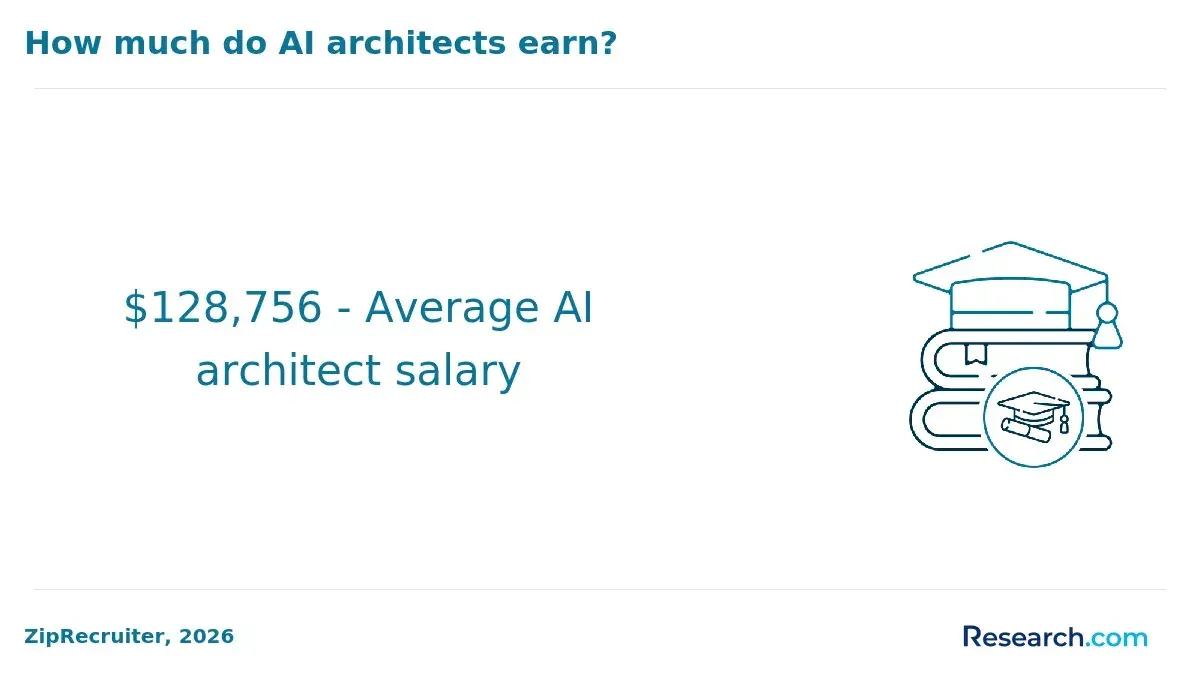
Professionals skilled in agentic AI on AI transformation teams command salaries that vary widely based on experience, role complexity, and industry demand. AI engineers specializing in agentic AI and orchestration tools earn between $110,000 and $250,000 annually in the U.S., with senior roles and team leads exceeding this range. Entry-level positions like AI analysts or junior engineers typically start around $90,000, while machine learning architects and AI strategists often earn over $180,000.
The job outlook for these professionals remains strong due to rapid adoption of agentic AI technologies in enterprises. PwC's Global AI Jobs Barometer 2024 projects a 40% workforce growth in AI-centric roles over three years, reflecting a shift from pilot projects to scaled AI transformation efforts.
Data from Coursera's 2025 Education and AI Industry Trends Report reveals a 600% surge in enrollments for courses focused on AI agents, orchestration, and tool-calling between 2023 and 2024, outpacing growth in general AI education and signaling heightened demand for these skills.
To increase career prospects, job seekers benefit from combining agentic AI expertise with cross-disciplinary skills such as data engineering, cloud infrastructure, and business process integration. Managing complex AI workflows and collaborating across AI, data science, and business teams often leads to superior compensation and opportunities.
Other Things You Should Know About Artificial Intelligence
In 2027, top agentic AI courses for transformation teams focus on AI ethics, machine learning applications, and data-driven decision-making. Courses from platforms like Coursera, edX, and Udacity offer specialized modules to enhance skills in adapting AI technologies to evolving business needs.
Ethical concerns in artificial intelligence include issues related to privacy, bias, transparency, and accountability. AI systems can perpetuate existing social biases if trained on unrepresentative data, and their decision-making processes may lack transparency. Ensuring responsible AI deployment requires clear guidelines, auditing, and diverse stakeholder involvement.
Artificial intelligence is shifting workforce skill demands toward more technical expertise, including data literacy, programming, and AI system management. At the same time, soft skills like critical thinking, creativity, and emotional intelligence become increasingly valuable as AI automates routine tasks. Continuous learning is essential for adapting to this evolving landscape.
Artificial intelligence enhances data security by detecting anomalies, identifying threats in real time, and automating responses to cyberattacks. Machine learning models can recognize suspicious patterns and adapt to new attack methods faster than traditional tools. Despite this, AI-powered security also requires careful management to avoid false positives and system vulnerabilities.
References
- What is Agentic AI? Key Benefits & Features https://www.automationanywhere.com/rpa/agentic-ai
- AI Maturity: The Complete Enterprise Guide (2026) https://larridin.com/solutions/ai-maturity-the-complete-enterprise-guide-2026
- Introduction to Agentic AI https://cognitiveclass.ai/courses/introduction-to-agentic-ai
- Understanding Agentic AI: What It Is and How to Build It Securely https://splx.ai/blog/what-is-agentic-ai-and-how-to-build-it-securely
- Building Agentic AI Systems https://www.niit.com/india/course/building-agentic-ai-systems
- NVIDIA Agentic AI LLMs Certification https://www.nvidia.com/en-us/learn/certification/agentic-ai-professional/
- From Smart to Agentic Environments: AI and Innovative Technologies Transforming Learning, Work and Urban Living https://www.e-mentor.edu.pl/eng/article/index/number/111/id/1720
- Generative & Agentic AI Certification Course Online | BITS Pilani Digital https://bitspilani-digital.edu.in/certification/generative-ai-agentic-ai-course
- 16 Artificial Intelligence Career Paths https://www.calmu.edu/news/artificial-intelligence-career-paths
- Prerequisites to Learn Agentic AI: Skills & Requirements 2026 https://www.knowledgehut.com/blog/artificial-intelligence/prerequisites-needed-to-learn-agentic-ai