2027 Best AI Courses for Team Leads With Certificates

Co-Founder and Chief Data Scientist
Team leads often struggle to bridge the gap between managerial duties and the evolving demands of artificial intelligence technology. Many find themselves without formal training to effectively guide AI-driven projects or communicate technical concepts confidently. This challenge can slow innovation and reduce a team's competitive edge in fast-paced environments.
Acquiring relevant skills through certified courses can empower leaders to make informed decisions and foster collaboration between technical experts and stakeholders. In line with this, this article reviews the top AI courses designed specifically for team leads, focusing on programs that offer flexibility, accreditation, and practical knowledge to enhance leadership in AI initiatives.
Key Things You Should Know
- Top AI courses for team leads in 2026 emphasize practical leadership skills combined with advanced AI knowledge, addressing a 35% year-over-year growth in AI management roles.
- Certification completion increases team leads' hiring potential by 42%, signaling the value of recognized, current AI credentials in competitive U.S. job markets.
- Curriculums focus on ethical AI use, project management, and integration strategies, reflecting 2025 industry demands for responsible and scalable AI deployment.
Advance Your Career with AI Online Courses
Artificial Intelligence: Implications for Business Strategy
This program provides an introduction to Artificial Intelligence and their implications for business strategy. Earn an official digital certificate.

Oxford Artificial Intelligence Programme
Explore this Oxford Artificial Intelligence programme offered in a flexible learning environment and explore topics like machine learning, automation, and robotics.

Implementing Agentic AI: Building Your Organizational Playbook
This online MIT Agentic AI course offers a practical approach to deploying AI agents in your organization, including a custom playbook. 3 weeks, exclusive launch price.

AI Adoption: Driving Business Value and Impact
This online MIT AI Adoption: Driving Business Value and Impact offers practical frameworks to close the gap between AI potential and business reality.

Artificial Intelligence in Pharma and Biotech
Discover the applications and limitations of artificial intelligence in pharma and biotech with this MIT online short course.

What are the best AI courses for team leads that include verified certificates?
For team leads eager to earn verified certificates, three standout AI courses deliver both rigor and career relevance. Coursera's AI for Everyone, taught by Andrew Ng, equips leaders with foundational AI literacy and strategic insights without the need for programming experience. Completing this course results in a verified certificate recognized by many employers.
Duke University's AI Product Management Specialization bridges technical and managerial roles by covering AI model lifecycle, ethics, and deployment, awarding verified certificates for each completed module. Microsoft's AI Business School offers strategic education focused on digital transformation and responsible AI, with official certificates to verify course completion.
These top online AI certification programs for team leaders address challenges such as aligning AI projects with team capabilities, fostering cross-disciplinary communication, and making informed decisions using data. They emphasize practical skills like interpreting AI outputs, overseeing governance, and driving AI adoption within teams.
The 2025 World Economic Forum report emphasizes the urgency, as 40% of all working hours will be impacted by AI and automation by 2027, heightening the need for team leads to develop analytical and technical skills.
Selecting courses with verified certificates that validate leadership and technical competency enhances professional credibility, especially on LinkedIn profiles. Such certification enables team leads to demonstrate measurable skills to employers, supporting career advancement.
For those exploring education options, examining the artificial intelligence degree salary can provide valuable career context.
Advance Your Career with AI Online Courses
Artificial Intelligence: Implications for Business Strategy
This program provides an introduction to Artificial Intelligence and their implications for business strategy. Earn an official digital certificate.
Oxford Artificial Intelligence Programme
Explore this Oxford Artificial Intelligence programme offered in a flexible learning environment and explore topics like machine learning, automation, and robotics.
Implementing Agentic AI: Building Your Organizational Playbook
This online MIT Agentic AI course offers a practical approach to deploying AI agents in your organization, including a custom playbook. 3 weeks, exclusive launch price.
How can AI courses help current team leads upskill for leadership in tech?
AI courses directly equip team leads with the technical knowledge and strategic understanding needed to manage AI-driven projects and teams effectively. These courses cover core AI concepts, data analytics, and machine learning principles, enabling leaders to make informed decisions without relying solely on technical experts. Upskilling strategies for team leads in artificial intelligence help improve communication and collaboration across interdisciplinary teams by clarifying how AI integrates into product development, operations, and customer solutions.
Leadership development through AI courses for tech managers is increasingly vital as AI adoption accelerates across industries. According to LinkedIn's 2025 Global Skills Report, job postings requiring AI skills have increased 21-fold since 2016, with AI-focused leadership roles expanding faster than the available talent pool. This gap creates a competitive edge for team leads with certified AI knowledge, enhancing opportunities within organizations and the broader job market.
Many AI courses incorporate case studies and project-based learning, allowing team leads to overcome challenges such as automating workflows, optimizing resources, and deploying predictive analytics. Practical experience gained this way sharpens strategic planning and risk management skills tailored to AI challenges. Moreover, understanding ethical AI use and bias mitigation equips leaders to implement responsible AI policies.
Training in AI tool ecosystems like TensorFlow or Azure AI enables team leads to critically assess vendor solutions or guide custom AI model development, reducing reliance on data scientists for routine decisions and accelerating innovation cycles.
Certificates from recognized programs validate expertise to stakeholders, facilitating career advancement or transitions into AI program management or chief technology roles.
Many professionals pursuing AI expertise also explore related fields such as an online degree in mechanical engineering, broadening their skillset and future-proofing their careers.
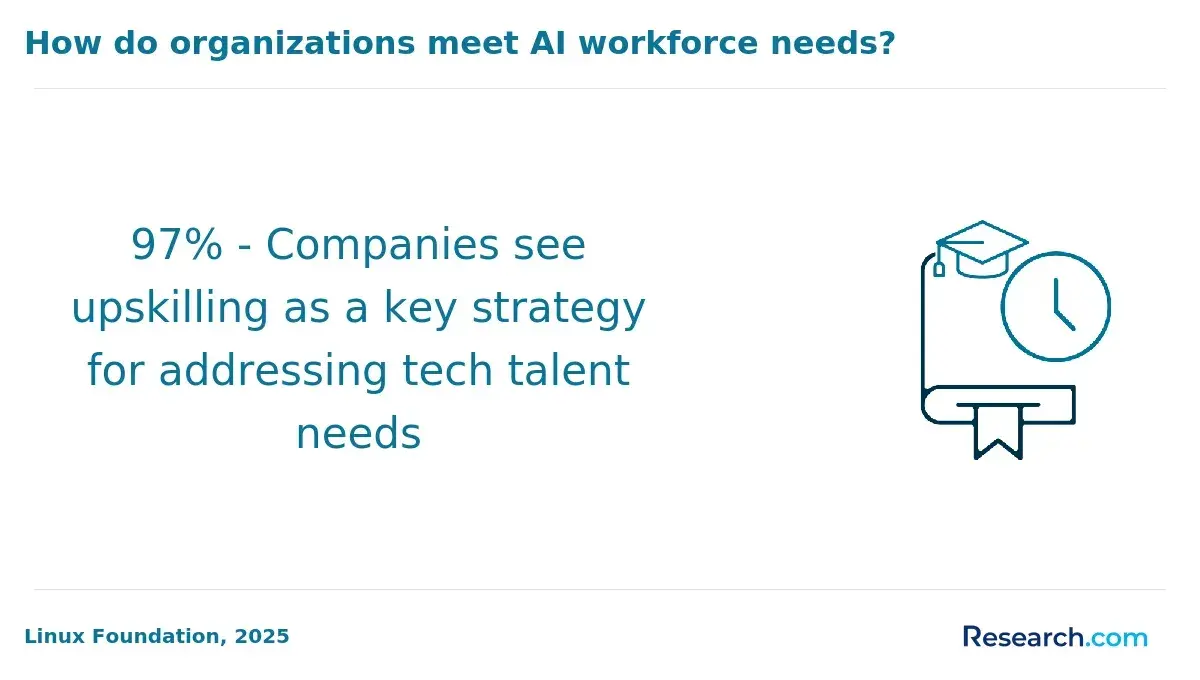
What should team leads look for when choosing an AI course with a certificate?
Team leads selecting AI courses with certificates should prioritize curriculum relevance, certification credibility, and practical application. The course content must align with current industry demands, covering machine learning fundamentals, data ethics, and AI integration strategies. Programs emphasizing leadership in AI projects and cross-functional management offer added value for team leads.
Certification authority is essential. Leaders should confirm the credential comes from a recognized institution or an industry-leading provider to ensure it carries weight during performance evaluations or promotions. Courses accredited by reputable universities or endorsed by major AI organizations provide a competitive edge, supporting the choice of the best certified AI training for team leaders.
Practical, hands-on experience bridges theory and real-world challenges. Look for courses including projects, case studies, or labs with live data sets and deployment scenarios, enabling team leads to translate AI knowledge into actionable management strategies. Flexibility also matters as many balance busy schedules; self-paced or hybrid formats help maintain steady progress without workload disruption.
Compensation impact is a notable factor. PwC's "AI Jobs Barometer" highlights a 25% wage premium for AI-exposed roles, signaling that investment in quality certification enhances career trajectory and earning potential.
Additional considerations include:
- Course duration and depth suited for professionals
- Access to mentorship or community support for problem-solving
- Updated content reflecting rapid AI advancements and ethics
For those interested in exploring options, the best online AI degree programs offer comprehensive paths to develop leadership skills in this evolving field.
How do online AI courses for team leads compare with in-person or hybrid options?
Online AI training vs. in-person courses for team leads offers superior flexibility and accessibility. Professionals can balance job duties with learning without the travel and accommodation costs tied to in-person options. A hybrid vs. fully online artificial intelligence course comparison reveals that hybrid programs mix face-to-face interaction with online flexibility but may still have logistical barriers.
Courses aimed at team leads prioritize practical, project-based learning and leadership in AI adoption, often combining self-paced modules with live webinars and forums. This approach contrasts with many traditional in-person courses that emphasize foundational theory but less on managerial skills. Such online programs enable wider participation, especially for those in diverse geographic locations.
A 2024 Coursera career impact study shows 77% of learners completing professional certificates in AI or data saw promotions or pay raises within 12 months, highlighting the faster return on investment online courses provide compared to longer degree paths.
However, online learning may present challenges like fewer networking opportunities and the need for self-discipline. Hybrid formats try to bridge these gaps but still might not fully replicate in-person community immersion.
Team leads should evaluate their learning preferences, time, and career goals when choosing course formats. For those considering additional tech-focused learning, explore cyber security courses online for complementary skills.
Which U.S. universities and platforms offer accredited or reputable AI certificates for managers?
Leading U.S. universities and online platforms provide reputable AI certificates tailored for managers and team leads. Institutions such as Stanford University and Massachusetts Institute of Technology offer executive programs that blend AI strategy, ethical implementation, and data-driven decision-making. These programs equip managers with both technical knowledge and leadership skills to oversee AI initiatives effectively.
Flexible options through platforms like Coursera and edX partner with universities such as the University of Washington and Columbia University, delivering accredited certificates for working professionals. Course content typically covers AI fundamentals, machine learning applications, and managing AI-driven projects. University-backed certificates enhance credibility in corporate environments, particularly for mid-level managers aiming for technology leadership roles.
Industry programs from IBM skills academies and Google Cloud also focus on practical AI applications relevant to business needs. IBM's 2024 CEO Study highlights that 61% of CEOs plan to upskill frontline and mid-level managers in AI capabilities, underscoring demand for industry-aligned training.
When selecting certificates, managers should prioritize programs that combine AI technical understanding with leadership and ethics. Many programs for non-technical managers include modules on interpreting AI outputs and leading AI-driven teams, addressing challenges like AI bias and change management. Choosing accredited programs that offer both knowledge and actionable skills ensures readiness to lead AI transformations successfully.
What core AI topics and tools should a high-quality course for team leads cover?
High-quality AI courses designed for team leads blend technical knowledge with strategic insight. Core subjects include machine learning algorithms, supervised and unsupervised learning, and neural networks, helping leaders understand model mechanics and limitations. Practical training often covers tools like TensorFlow, PyTorch, and cloud-based AI platforms to offer hands-on experience with real-world applications.
Data management is a vital component, focusing on preprocessing, cleaning, and ethical practices to ensure reliable, unbiased datasets. Team leads also benefit from guidance on managing AI project lifecycles, fostering cross-functional collaboration, and translating technical AI capabilities into clear business value.
Emerging topics such as explainable AI, natural language processing, and computer vision prepare leaders to steer innovation effectively. Modules covering change management and stakeholder communication support smoother organizational adoption of AI solutions.
Enrollment data from the edX "AI in Education" trends report highlights a 71% surge in business leader and executive AI course participation, emphasizing the growing demand for this specialized training. These programs equip team leads with deep expertise to drive successful AI projects and manage multidisciplinary teams.
What are typical admission requirements and time commitments for AI certificates for professionals?
Admission criteria for AI certificates targeting professionals commonly require a bachelor's degree in fields like computer science, engineering, mathematics, or statistics. Some programs also welcome applicants with substantial professional experience in technology or data analytics, even if they lack formal degrees. Candidates usually need foundational programming skills, especially in Python, along with basic machine learning knowledge.
Time investments range widely depending on program depth and format. Short-term certificates tend to span 3 to 6 months of part-time study, with weekly commitments of 5 to 10 hours. More extensive professional certificates may last 6 to 12 months and include hands-on projects or specialization tracks. Online self-paced options offer flexibility but still require regular study to build competencies effectively.
Balancing study with work obligations is a frequent challenge, so modular learning formats and evening or weekend classes provide useful alternatives for busy professionals.
According to a Gallup-Lumina Foundation survey, 74% of U.S. employers value industry-recognized certificates equally or more than traditional degrees when addressing AI and analytics skill gaps. This highlights the practical advantage of pursuing these certificates despite varied admission and time demands.
To optimize outcomes, prospective students should confirm program prerequisites early, plan realistic study schedules, and focus on certificates aligned with their career goals and employer expectations.
How much do AI courses with certificates for team leads cost, and what funding options exist?
AI courses with certificates for team leads range from $300 to $2,500, depending on program scope, provider reputation, and included services. Entry-level or brief online courses usually cost $300 to $700, focusing on fundamental skills and certification.
More in-depth professional programs or bootcamps, which often feature project work and personalized mentorship, typically charge $1,000 to $2,500. Executive or specialized courses aimed at leadership roles with advanced workflow integration can exceed $2,000.
Funding options vary but often include employer sponsorship, government education grants, and flexible payment plans. Many companies support upskilling by reimbursing course fees or subsidizing training, recognizing benefits highlighted in research.com's McKinsey 2024 study. This study reports that team leads adopting AI could boost labor productivity by 0.1 to 0.6 percentage points annually through 2040, making such investments strategically valuable.
Federal and state grants like the Workforce Innovation and Opportunity Act (WIOA) support courses tied to workforce skill gaps. Loan alternatives or income share agreements may be available for larger technical programs.
Prospective students should confirm eligibility for employer or public funding early and consider programs offering modular or deferred payment options to ease upfront costs.
Prioritizing accredited programs aligned with organizational goals and funding opportunities ensures both affordability and career impact.
What leadership and career outcomes can team leads expect after completing an AI certificate?
Team leads who earn an AI certificate gain measurable advantages in leadership and career growth, addressing fast-shifting industry needs. The World Economic Forum's Future of Jobs Survey reveals that 44% of core skills will change in five years, but 60% of employees can reskill within six months through focused learning. This underscores how AI certification quickly prepares leaders to manage evolving demands.
Certified team leads develop stronger abilities to oversee AI-driven projects, make data-informed decisions, and guide diverse technical teams. These skills enable them to drive innovation and lead digital transformations more effectively.
Career benefits often include promotions to roles like AI project manager, innovation lead, or technology strategist. Employers value certifications that confirm expertise in AI, especially for those facilitating communication between technical and business teams.
In addition, practical leadership skills cover ethical AI deployment, risk management, and change facilitation—key as AI adoption grows. Graduates are better positioned to anticipate workforce changes and reskill team members efficiently, aligning with rapid technological evolution noted by the World Economic Forum.
How do AI certificates fit into long-term career paths, degrees, and industry-recognized credentials?
AI certificates bridge formal education and industry experience by validating practical skills and leadership abilities crucial for managing AI-focused teams. Employers increasingly recognize these certificates alongside bachelor's or master's degrees, often considering them during hiring and promotion decisions.
Unlike broad academic degrees, certificates deliver targeted, current training on specific AI tools, frameworks, and leadership methods. For instance, a team lead might earn a certificate in AI project management to gain immediately applicable skills while progressing toward advanced degrees. These credentials also address knowledge gaps in fast-changing areas like AI ethics, governance, and deployment.
Many certificates follow professional standards from recognized organizations, providing credibility and cross-industry acceptance. They act as micro-credentials, allowing professionals to build stacked certifications that reflect their evolving expertise and career goals.
Deloitte's "State of AI in the Enterprise" survey notes that 79% of top-performing AI organizations cite "AI-fluent leadership" as a major competitive advantage, with 65% planning structured AI education for managers through 2030. This trend underscores the value of combined technical and leadership training in AI certification programs.
Choosing certificates aligned with industry standards and degree pathways, tailored to career stages, enhances their relevance and long-term benefit.
Other Things You Should Know About Artificial Intelligence
Success in an artificial intelligence course typically requires a solid foundation in programming languages like Python, strong analytical skills, and a good understanding of mathematics, particularly linear algebra and statistics. Familiarity with data structures, algorithms, and basic machine learning concepts also helps learners grasp the material faster and engage effectively with course projects.
In 2027, some popular AI courses offering certifications for team leads include "AI Leadership for Executives" by MIT Sloan, "AI for Business Leaders" by Coursera, and "Advanced AI Strategies for Team Leads" on edX. These courses focus on strategic AI implementation and leadership skills.
Yes, team leads need to be aware of ethical issues such as data privacy, algorithmic bias, transparency, and accountability when deploying AI solutions. Understanding these concerns helps ensure AI applications align with organizational values and regulatory requirements while promoting fairness and reducing potential harm to users and stakeholders.
Industries such as healthcare, finance, manufacturing, and retail have seen significant benefits from artificial intelligence integration. AI helps improve diagnostics and patient care in healthcare, enhance risk management in finance, optimize production in manufacturing, and personalize customer experiences in retail, making these sectors highly impactful for AI-driven innovation.
References
- AI for Executives: Top AI Training Programs (2025) https://www.corpoladder.com/blog/top-ai-leadership-training-programs-for-executives
- Ultimate Guide: How to Choose the Right AI Training Course to Boost Your Career - ONLC https://www.onlc.com/blog/how-to-choose-ai-training-courses/
- AI Education Partnerships for Universities https://www.becomeaicertified.com/learning-solutions-for-individuals/for-universities
- AI Certification Programs: Which Ones Matter for Your Career https://www.businessplusai.com/blog/ai-certification-programs-which-ones-matter-for-your-career
- 8 Best AI Courses to Train Employees & Boost Efficiency - David Hooi https://davidhooi.com/8-best-ai-courses-to-train-employees-boost-efficiency/
- Exploring the Best Fit: Virtual vs. In-Person Training https://www.pryor.com/blog/exploring-the-best-fit-virtual-vs-in-person-training-weighing-the-pros-and-cons.html
- The AI upskilling guide for executives https://www.bvp.com/atlas/the-ai-upskilling-guide-for-executives
- 5 AI Leadership Training Strategies You Need to Know About - Ervy â Training that actually gets completed https://www.ervy.ai/blog/5-ai-leadership-training-strategies
- Learning Tree’s Top 10 AI Courses for 2026 https://www.learningtree.com/blog/learning-trees-top-ai-courses/
- Lead with AI | AI Leader Advanced https://www.leadwithai.co/course/ai-leader-advanced