2027 Best AI Courses for Employee Experience Teams

Co-Founder and Chief Data Scientist
Employee experience teams face growing pressure to integrate advanced tools that improve workforce engagement and productivity. However, many professionals lack the technical background required to leverage artificial intelligence solutions effectively. This skills gap limits their ability to optimize employee satisfaction and streamline HR operations. Finding flexible, accredited courses tailored to non-technical graduates is often challenging.
This article explores the best AI courses designed for employee experience teams, highlighting programs that provide practical knowledge and industry-relevant skills. It aims to guide professionals in selecting educational paths that enable them to confidently adopt and implement AI-driven strategies in their organizations.
Key Things You Should Know
- Top AI courses for employee experience teams in 2026 focus on practical skills like natural language processing and sentiment analysis to enhance workplace engagement effectively.
- Recent data shows a 35% increase in demand for AI proficiency in HR and employee experience roles across U.S. companies, reflecting growing adoption of automation tools.
- Leading programs emphasize ethical AI applications and integration with existing HR systems, preparing learners to manage both technology and workforce dynamics responsibly.
Advance Your Career with AI Online Courses
Artificial Intelligence: Implications for Business Strategy
This program provides an introduction to Artificial Intelligence and their implications for business strategy. Earn an official digital certificate.

Oxford Artificial Intelligence Programme
Explore this Oxford Artificial Intelligence programme offered in a flexible learning environment and explore topics like machine learning, automation, and robotics.

Implementing Agentic AI: Building Your Organizational Playbook
This online MIT Agentic AI course offers a practical approach to deploying AI agents in your organization, including a custom playbook. 3 weeks, exclusive launch price.

AI Adoption: Driving Business Value and Impact
This online MIT AI Adoption: Driving Business Value and Impact offers practical frameworks to close the gap between AI potential and business reality.

Artificial Intelligence in Pharma and Biotech
Discover the applications and limitations of artificial intelligence in pharma and biotech with this MIT online short course.

What is an AI course for employee experience teams, and who are these programs for?
AI courses for employee experience improvement equip HR professionals and workplace strategists with practical skills to apply artificial intelligence tools within their roles. These training programs for employee experience teams using artificial intelligence cover topics such as automating employee feedback analysis, personalizing engagement strategies, and optimizing recruitment processes through AI-driven insights. They emphasize technologies like natural language processing, predictive analytics, and generative AI, designed to enhance workplace culture and employee satisfaction.
HR leaders, employee experience managers, and organizational development specialists increasingly need to integrate AI into their functions. For instance, an EX manager may leverage AI to detect patterns in employee sentiment or improve learning initiatives. Foundational courses benefit those new to AI, while advanced programs focus on strategy and ethics, supporting diverse skill levels.
Demand for AI skills in EX roles is urgent. Gartner reports 79% of HR leaders plan to adopt generative AI in HR areas soon, yet only 22% feel very prepared. Structured education, combining theory, case studies, and hands-on projects, helps close this gap and build confidence for AI implementation. These programs also address critical challenges such as data privacy, algorithmic bias, and change management.
Prospective students can explore the data science master rank to find affordable options aligned with advancing skills in this evolving field.
Advance Your Career with AI Online Courses
Artificial Intelligence: Implications for Business Strategy
This program provides an introduction to Artificial Intelligence and their implications for business strategy. Earn an official digital certificate.
Oxford Artificial Intelligence Programme
Explore this Oxford Artificial Intelligence programme offered in a flexible learning environment and explore topics like machine learning, automation, and robotics.
Implementing Agentic AI: Building Your Organizational Playbook
This online MIT Agentic AI course offers a practical approach to deploying AI agents in your organization, including a custom playbook. 3 weeks, exclusive launch price.
How can AI training improve employee experience, HR operations, and people analytics careers?
AI training benefits for employee experience teams by equipping professionals with data-driven skills to optimize workforce management and enhance HR operations. Employees skilled in AI tools can automate routine HR tasks such as applicant screening and performance evaluations, reducing administrative burdens and enabling teams to focus on strategic human capital initiatives. This advancement supports faster decision-making and improves operational efficiency.
In people analytics, AI training enables HR specialists to extract actionable insights from complex data sets, accurately predicting employee turnover, identifying skill gaps, and personalizing learning pathways. These capabilities enhance talent retention and development strategies while expanding the scope of HR operations with AI skill development.
Employee experience teams use AI to analyze real-time sentiment and engagement data, allowing timely interventions that improve satisfaction and productivity. The IBM Institute for Business Value notes organizations investing in AI and automation training for HR are 36% more likely to achieve higher employee experience scores compared to those without such investments.
Practical benefits include:
- Streamlined recruitment with AI-driven candidate matching algorithms
- Automated onboarding and personalized employee communications
- Enhanced diversity and inclusion analytics through unbiased data models
- Real-time workforce analytics dashboards for proactive management
With these enhanced capabilities, HR professionals can grow into AI-focused roles such as HR data scientist, talent intelligence analyst, and employee experience designer. To pursue AI skills and advance in these fields, prospective students may explore options like the cheapest engineering degree programs, which often incorporate AI and data analytics into their curricula for accessible education pathways.
What types of AI courses best fit employee experience professionals and HR practitioners?
AI courses tailored for employee experience and HR professionals emphasize practical skills that improve workforce management and decision-making. Foundational programs cover basic AI concepts, data literacy, and automation tools, addressing a critical gap as 71% of HR professionals report lacking a basic understanding of AI in their daily work . Key skills include interpreting AI-driven analytics, automating routine HR tasks, and grasping ethical considerations.
Specialized training on natural language processing (NLP) and sentiment analysis enables HR teams to better assess employee engagement and feedback. Courses focusing on predictive analytics help anticipate turnover, optimize recruitment strategies, and personalize employee development. Many AI trainings integrate with human resource information systems (HRIS), ensuring smooth adoption within existing infrastructures.
Practical, scenario-based modules provide hands-on experience using real data sets, an approach favored in certification programs that blend AI fundamentals with HR strategy. Given that 62% of HR roles will require AI skills within three years, flexible learning formats like short workshops and online micro-credentials support busy professionals managing upskilling alongside work commitments. The best practices in artificial intelligence training for HR teams balance foundational understanding, technical application, and ethical topics tailored specifically to HR contexts.
For those seeking advanced credentials, exploring an online master data science program can further deepen AI expertise and unlock broader career opportunities in AI-driven human capital management.
Which skills and topics do the best AI courses for employee experience teams cover?
AI courses aimed at employee experience teams emphasize skills that improve workforce engagement, productivity, and personalized learning paths. Core areas include AI-driven data analytics to track employee sentiment and performance, enabling proactive adjustments to experience. Key skills taught in AI courses for employee engagement include natural language processing techniques for automating communication and analyzing employee feedback more efficiently. A major focus is on developing AI-powered personalized onboarding and training programs tailored to individual roles and needs. According to Deloitte Human Capital Trends, companies using AI-driven personalized learning see a 45% boost in engagement and a 35% faster time-to-competency compared to traditional methods.
Ethics and bias mitigation in AI are critical topics to ensure fairness in automated employee evaluations and decisions. Courses also cover integrating AI with HR platforms, including expertise in machine learning frameworks, cloud services, and predictive analytics to forecast turnover and identify skill gaps-essential for strategic workforce planning.
Practical applications include designing support chatbots, sentiment analysis dashboards, and AI models recommending personalized career development. Measuring AI effectiveness using key performance indicators supports ongoing improvement. These courses prepare learners to implement AI solutions that elevate employee satisfaction and operational efficiency.
For those interested in expanding their career, exploring how to become an AI trainer offers insight into roles that bridge AI expertise and workforce education.
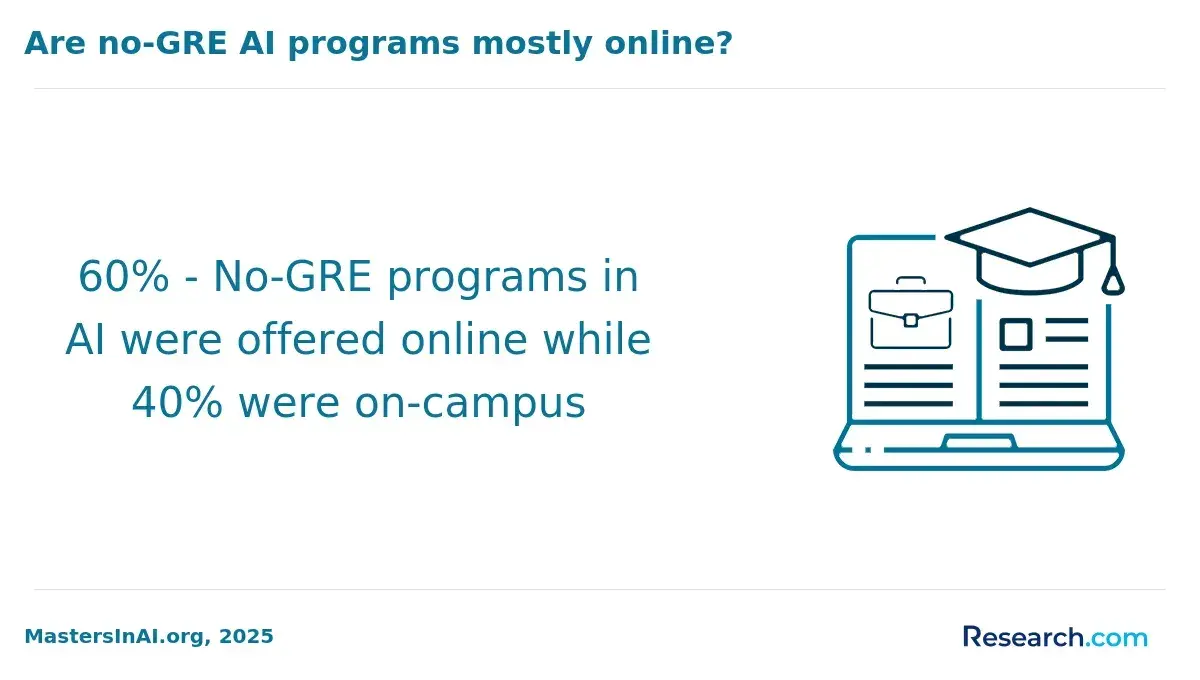
How do online, hybrid, and campus-based AI programs compare for working professionals?
Online, hybrid, and campus-based AI programs offer diverse benefits and trade-offs for working professionals managing career and education. Online formats provide unmatched flexibility, allowing learners to study anytime and often at their own pace, ideal for those juggling irregular work hours or remote roles. However, online courses may lack real-time interaction and hands-on experience essential for mastering tools like AI-powered HR virtual agents.
Hybrid programs blend online learning with occasional in-person sessions, balancing flexibility with practical engagement. This format supports workshops and networking opportunities, which are vital for applying skills such as AI service bot deployment-shown by Zendesk CX Trends to deflect up to 60% of routine employee inquiries and significantly increase satisfaction. Professionals benefit from real-time expert feedback and timely concept application in hybrid settings.
Campus-based courses provide immersive, structured learning with direct instructor interaction and access to campus resources. These programs suit those seeking deep collaboration and practical experiences like internships and live projects, essential for adapting to evolving AI interfaces in employee experience fields. However, they require considerable time, which may challenge full-time employees.
Choosing the right program depends on individual learning preferences, job flexibility, and the need for hands-on practice. Programs focusing on AI tools for HR and IT support enhance practical skills and drive better internal support outcomes across all formats.
What accreditation and institutional quality signals should HR and EX leaders look for?
When selecting AI courses tailored for HR and employee experience, it's crucial to focus on accreditation and institutional quality. Programs accredited by recognized bodies like ABET, AACSB, or regional higher education commissions ensure academic rigor and adherence to industry standards. Such accreditation guarantees that curricula are regularly reviewed to maintain relevance and integrity in dynamic fields like AI applied to employee experience.
Institutional reputation also matters. Courses from top-tier universities or professional training providers, especially those connected to technology hubs or AI research centers, often include practical insights and current methodologies. These may cover real-world applications such as voice analytics and employee sentiment analysis.
Faculty expertise is another key factor. Instructors with backgrounds in HR technology, organizational psychology, or AI research who publish or present in this area provide evidence-based instruction that benefits learners.
Consider course partnerships with HR organizations like SHRM or HCI, reflecting alignment with industry certifications. Offerings that include tools for continuous employee feedback analysis are especially valuable. According to research by the Josh Bersin Company, organizations using AI to monitor ongoing feedback identify burnout and flight risks 2.3 times earlier than those relying on annual surveys.
Transparency about learning outcomes, the technology employed, and practical case studies enhances course value. Access to AI platforms and hands-on assignments further develop skills expected by employers in AI-driven employee experience roles.
What are typical admission requirements and prerequisites for AI courses focused on HR and EX?
Admission criteria for AI courses targeting HR and employee experience (EX) professionals typically require foundational knowledge in data analysis, statistics, or human resources. Most programs expect applicants to hold a bachelor's degree in business administration, human resources, psychology, information technology, or related fields. Advanced courses often ask for experience with analytics tools or programming skills, particularly in Python or R, to engage effectively with AI-driven predictive models.
Prerequisites depend on course level: introductory courses may only require interest in employee experience and basic spreadsheet or analytics software proficiency. Intermediate and advanced offerings usually demand prior exposure to HR systems or data-driven decision-making to facilitate deeper AI applications such as journey mapping and predictive insights.
Typical prerequisite knowledge includes statistical methods like regression or clustering, employee lifecycle frameworks, and interpreting engagement metrics. Many programs recommend completing foundational learning in machine learning or people analytics before enrollment. Some admission processes require interviews or CV submissions to assess HR or analytics experience suitability.
With predictive EX being critical, HR teams using AI for attrition and engagement analytics improve employee experience 3.1 times more and exceed financial targets 2.6 times more, according to McKinsey People & Organizational Performance, 2024. This highlights the value of combining HR expertise with technical data skills before tackling specialized AI courses for EX teams.
How long do these AI programs take, and what tuition, fees, and employer funding options exist?
AI programs designed for employee experience (EX) teams usually last from a few weeks up to six months, depending on how in-depth the course is. Short courses of four to eight weeks tend to focus on foundational topics like AI ethics, governance, and responsible AI use in HR. More extensive certificate or diploma programs run three to six months and include practical applications and industry-relevant case studies.
Tuition costs vary widely. Online short courses typically range from $500 to $2,000, while advanced certificate programs can cost between $3,000 and $7,000. Many universities and professional groups offer tiered pricing, discounts, or scholarships, and about 60% of employers reimburse tuition partially or fully if the course supports workforce strategy or compliance.
Specialized modules on AI ethics and governance are often included for free within broader AI training programs. This addresses critical concerns as 74% of employees distrust their employer if AI systems in HR seem opaque, and 68% want transparent communication about data use.
When choosing a program, check for flexible pacing and employer partnerships to help secure funding. It's also important the curriculum stays updated on AI policy standards to support compliance and build employee trust-key factors for EX success.
What AI-related job roles, salaries, and advancement pathways exist in HR and employee experience?
AI-related roles in human resources and employee experience are growing quickly as companies aim to enhance recruitment, engagement, and workforce analytics. Common positions include AI HR analyst, AI talent acquisition specialist, and HR data scientist. Entry-level salaries start near $70,000, while seasoned professionals working in AI-driven HR strategies or machine learning applications often earn more than $150,000 annually. Career advancement typically moves from specialist roles to leadership, such as AI HR program manager or director of AI-driven employee experience, requiring both technical skills and HR expertise.
Specialized positions also include AI ethics officers and learning experience designers who integrate intelligent automation into employee development. These roles demand knowledge of natural language processing, predictive analytics, and employee sentiment analysis. Organizations prioritize building teams skilled at leveraging AI to create personalized employee journeys.
Companies that establish enterprise-wide AI academies for HR and EX teams see a 48% increase in AI use cases implemented and a 32% faster scale-up of solutions, according to BCG & MIT Sloan Management Review. Structured learning programs help HR professionals upskill, clarify career paths, and increase earning potential.
For those interested in these fields, gaining proficiency with AI tools related to workforce data and earning certifications in AI ethics and data privacy are recommended. Networking across HR, data science, and AI engineering disciplines supports career growth in this evolving area.
How can employee experience teams evaluate and choose the right AI course or certificate?
Employee experience teams should focus on AI courses that align closely with organizational goals and job-specific relevance. Courses addressing use cases in employee engagement, HR analytics, and internal communication automation offer practical value. Look for modules on predictive analytics, natural language processing for sentiment analysis, or AI-driven workflow optimization, which provide immediate benefits in these areas.
Certification credibility matters significantly. Opt for programs recognized by established industry bodies or academic institutions to ensure the credential carries weight internally and supports career advancement. Instructor expertise and continuous course updates reflecting the latest AI advancements in employee experience are crucial. Support structures such as mentorship or access to learning communities add ongoing value post-completion.
Return on investment is a key factor. The World Economic Forum's Future of Jobs and Reskilling analysis highlights an average $3.30 return per dollar invested in AI upskilling when HR and employee experience teams participate. This return comes through productivity gains and reduced turnover over two years. Prioritize courses that include measurable outcomes like case studies or real-world business applications.
Consider course delivery options to match team logistics: self-paced for flexibility, cohort-based for collaboration, or hybrid models combining both. Budget and time constraints may guide the choice between short, targeted certificates for foundational learning and longer programs for advanced expertise.
Gathering alumni feedback or peer testimonials within the employee experience sphere helps evaluate real-world applicability and the impact of AI education on performance and innovation.
Other Things You Should Know About Artificial Intelligence
Ethical concerns around artificial intelligence in employee experience include data privacy, transparency, and bias mitigation. Organizations must ensure that AI systems respect employee confidentiality and avoid unfair biases in decision-making. Compliance with regulations like GDPR and ongoing monitoring for ethical AI use are critical to maintaining trust.
Artificial intelligence can enhance employee engagement by enabling personalized experiences and streamlining administrative tasks. AI-driven analytics also provide insights into workforce sentiment and productivity, helping leaders address issues proactively. However, overreliance on AI without human empathy can limit positive engagement outcomes.
Common challenges include data quality issues, system interoperability, and resistance from employees or management. Ensuring AI aligns with existing HR processes and gaining stakeholder buy-in are crucial for successful adoption. Additionally, organizations must invest in training to properly leverage AI tools within HR workflows.
The 2027 best AI courses for improving employee experience include “AI in Employee Engagement” by Coursera, “AI Strategies for HR” on edX, and LinkedIn Learning's “AI Tools for Employee Experience.” These courses cover practical applications of AI technologies to enhance workforce satisfaction and operational efficiency.
References
- Certificate in AI for HR Professionals - Informa Academy https://informaconnect.com/certificate-in-ai-for-hr-professionals/
- AI Training for Employees: How to Get & Stay Ahead of the Curve https://guild.com/education-benefits/ai-employee-training
- Ultimate Guide: How to Choose the Right AI Training Course to Boost Your Career - ONLC https://www.onlc.com/blog/how-to-choose-ai-training-courses/
- Leveraging AI for HR and People Analytics: Tools and Techniques https://datamites.com/blog/leveraging-ai-for-hr-and-people-analytics-tools-and-techniques/
- AI for HR | Short Course | IMI https://www.imi.ie/programme/ai-for-hr/
- The Best AI Training Courses for HR, Managers, and Employees in 2026 | Article | Lattice https://lattice.com/articles/ai-training-courses-for-every-team
- Using AI to Improve the Employee Experience - EVERYONE - Skillsoft https://www.skillsoft.com/course/using-ai-to-improve-the-employee-experience-adaf0321-d4fa-466e-999b-5d5f1e1a794e
- Online Learning at EU Business School: Where Learning Meets Lifestyle | EU Business School https://www.euruni.edu/blog/online-learning-at-eu-business-school-where-learning-meets-lifestyle/
- How Much Do AI Research Programs Cost? [2026 Pricing Guide] https://algoverseairesearch.org/blog/ai-research-program-cost-pricing
- Hybrid learning: A comprehensive guide https://feedbackfruits.com/blog/a-comprehensive-guide-to-hybrid-learning