2027 Best Agentic AI Courses for Document Processing

Co-Founder and Chief Data Scientist
Professionals aiming to streamline document processing often face complex challenges in automating data extraction and interpretation. Traditional methods lack the adaptability required to handle diverse document formats and evolving business needs. This results in inefficient workflows and increased operational costs.
Agentic ai solutions promise to bridge this gap by empowering users with tools that can independently analyze and act on unstructured data. This article explores the best agentic ai courses designed to equip learners with practical skills for implementing advanced document processing systems, helping readers transition confidently into this dynamic field.
Key Things You Should Know
- Agentic AI courses for document processing in 2026 emphasize practical skills in automating extraction and interpretation of data, boosting efficiency by up to 60% in business workflows.
- These courses increasingly integrate advanced machine learning models with natural language processing, reflecting a 45% growth in related job postings since 2024.
- Most programs offer hands-on experience with cutting-edge tools and APIs, preparing graduates for roles that demand both AI literacy and domain-specific expertise.
Advance Your Career with AI Online Courses
Artificial Intelligence: Implications for Business Strategy
This program provides an introduction to Artificial Intelligence and their implications for business strategy. Earn an official digital certificate.

Oxford Artificial Intelligence Programme
Explore this Oxford Artificial Intelligence programme offered in a flexible learning environment and explore topics like machine learning, automation, and robotics.

Implementing Agentic AI: Building Your Organizational Playbook
This online MIT Agentic AI course offers a practical approach to deploying AI agents in your organization, including a custom playbook. 3 weeks, exclusive launch price.

AI Adoption: Driving Business Value and Impact
This online MIT AI Adoption: Driving Business Value and Impact offers practical frameworks to close the gap between AI potential and business reality.

Artificial Intelligence in Pharma and Biotech
Discover the applications and limitations of artificial intelligence in pharma and biotech with this MIT online short course.

What is agentic AI for document processing?
Agentic AI for document processing enables autonomous or semi-autonomous systems to manage, interpret, and act on documents with minimal human input. These systems go beyond simple data extraction by making decisions, updating records, and routing information dynamically. This approach enhances how documents are handled across sectors, such as legal and finance, through streamlining and reducing errors.
For instance, in legal reviews, agentic AI applications for document processing can identify key clauses, detect inconsistencies, and propose edits, making workflows more efficient. Similarly, financial operations benefit as these systems automate invoice processing, account reconciliation, and anomaly detection.
Key features of agentic AI include:
- Context-aware data extraction and interpretation
- Automated decision-making based on document content
- Continuous learning from workflow outcomes to optimize performance
Agentic AI also plays a significant role in how agentic AI improves document automation by reducing manual effort and speeding up processing cycles. Gartner forecasts that by 2028, 35% of enterprise knowledge work will be orchestrated by autonomous or semi-autonomous AI agents, a huge increase from less than 5% currently.
Students and professionals seeking to advance their careers in this area should consider programs like a 1-year computer science degree online to gain foundational skills in AI-driven document processing.
Advance Your Career with AI Online Courses
Artificial Intelligence: Implications for Business Strategy
This program provides an introduction to Artificial Intelligence and their implications for business strategy. Earn an official digital certificate.
Oxford Artificial Intelligence Programme
Explore this Oxford Artificial Intelligence programme offered in a flexible learning environment and explore topics like machine learning, automation, and robotics.
Implementing Agentic AI: Building Your Organizational Playbook
This online MIT Agentic AI course offers a practical approach to deploying AI agents in your organization, including a custom playbook. 3 weeks, exclusive launch price.
Which courses teach agentic AI document workflows?
Courses teaching agentic AI document workflows focus on enabling students to design systems that autonomously interpret, process, and manage complex document types. Top agentic AI courses for document processing workflows cover frameworks, natural language processing (NLP), and automation techniques tailored for intelligent document understanding.
Examples include intelligent document processing, robotic process automation (RPA) combined with AI, and advanced NLP targeting unstructured data like contracts, emails, and PDFs.
Practical training often involves projects using platforms such as UiPath, Automation Anywhere, or custom Python pipelines with libraries like spaCy and transformers. These programs emphasize workflow orchestration and AI-driven decision-making to automate multi-step tasks like data extraction, classification, and compliance reviews.
Those looking for the best agentic AI training for automated document handling should seek courses blending theoretical knowledge with hands-on experience solving real-world document challenges. University AI programs sometimes offer specialized modules on agentic systems within broader Data Science or AI curricula. Professional certifications focusing on AI-powered document management provide skills in workflow design and integration as well.
Demand for these skills is growing rapidly. IDC forecasts worldwide enterprise data will reach 291 zettabytes by 2027, with unstructured and semi-structured content (documents, emails, PDFs) accounting for roughly 90% of this growth. This underlines the need for experts who can create agentic AI workflows to reduce manual handling and increase accuracy.
Prospective students can explore options for AI degrees online to develop expertise in this emerging field.
What skills are needed for agentic AI document processing?
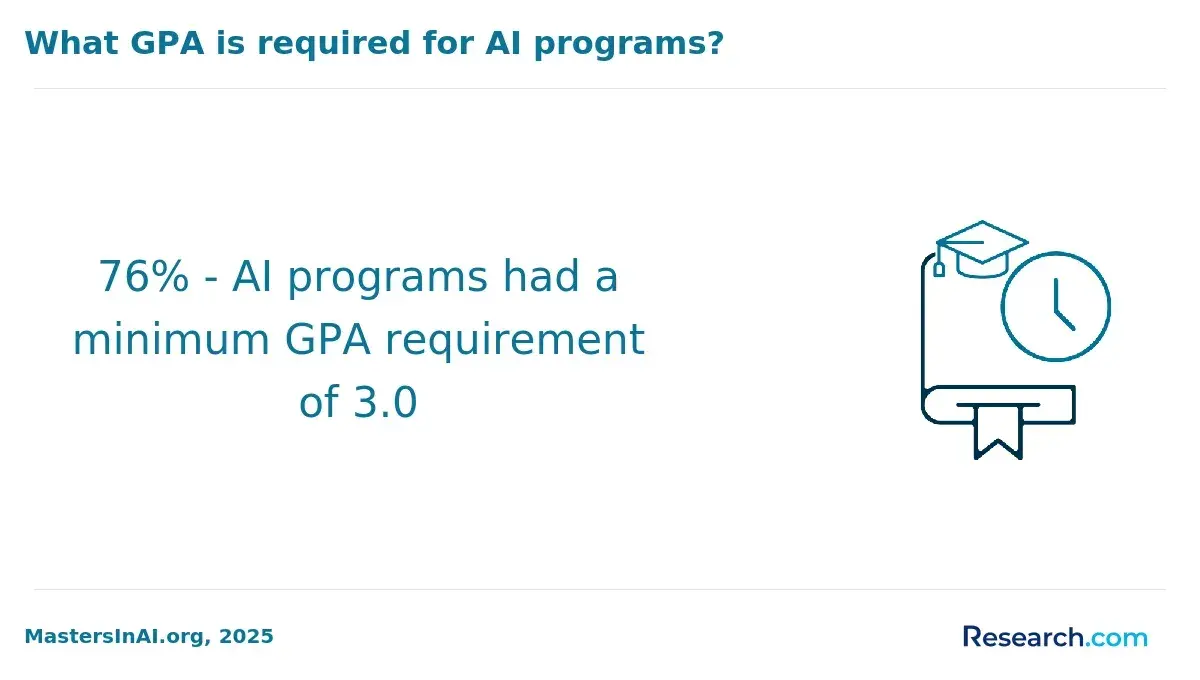
Expertise in agentic AI document processing skills and techniques requires a blend of machine learning, natural language processing (NLP), and automated decision-making. Professionals must be adept at training and fine-tuning language models that autonomously extract and organize data from complex documents. Mastery of programming languages like Python and experience with AI frameworks such as TensorFlow or PyTorch are fundamental for customizing these solutions.
Strong familiarity with NLP methods, including named entity recognition, text classification, and optical character recognition (OCR), supports accurate processing of diverse document types. Knowledge of semantic analysis and knowledge graphs enhances AI agents' understanding of context and relationships, improving decision quality.
Proficiency in data engineering, including preprocessing and pipeline development, is essential for managing large-scale datasets and ensuring input quality. Understanding document management systems and integration techniques enables seamless deployment of agentic AI within existing workflows, highlighting essential skills for agentic AI in document handling.
Experience with AI ethics, bias mitigation, and compliance with data privacy laws ensures trustworthy and legal AI applications. Cloud platform expertise, such as AWS or Azure, is key to scalability and accessibility. According to a 2025 LinkedIn Economic Graph analysis, job postings mentioning AI agents or agentic AI have surged over 230% year-over-year since 2024, reflecting high industry demand.
Soft skills like problem-solving and critical thinking remain invaluable for optimizing AI behavior in industries from finance to healthcare. Prospective students seeking advanced knowledge may consider pursuing an online MS data science program to build these competencies.
How do online and campus courses compare?
Online and campus agentic AI document processing courses differ notably in how they deliver content and the experiences they offer. Online courses provide flexible schedules and remote access, enabling working professionals to balance learning with job responsibilities.
These often include recorded lectures, cloud-based labs, and simulations that allow learners to practice autonomous document workflow setups multiple times using real-world datasets, which is crucial for mastering error reduction techniques.
Campus courses emphasize immersive, hands-on experience with direct faculty access and peer interaction. These programs typically feature dedicated lab sessions equipped with specialized software and hardware, fostering a deeper understanding of training document processing agents and lowering operational costs through practical application. In-person learning facilitates immediate feedback and collaborative problem-solving.
Deloitte's Intelligent Automation survey highlights that organizations using autonomous document processing and workflow agents achieve a median 32% cut in processing costs and a 27% drop in error rates within one year. This underscores the value of courses focusing on practical agent deployment, achievable in both online and campus settings, though on-site programs may accelerate proficiency due to closer guidance.
Key considerations for those exploring the benefits of agentic AI learning formats for document processing include:
- Need for flexibility versus desire for immersive, hands-on experience
- Access to mentors and collaborative problem solving
- Cost differences, as online courses typically require lower fees and eliminate relocation expenses
- Employer preferences, since some firms favor candidates with in-person agentic AI training
Prospective students seeking robust training can also explore cyber security courses offered online, which may complement skills in intelligent automation and document security workflows.
What topics are covered in the curriculum?
Agentic AI courses in document processing cover vital skills that combine theory and practical application. Core subjects include document understanding techniques such as parsing, extracting, and interpreting text from PDFs, scanned images, and web documents. Students also explore natural language processing (NLP) methods like entity recognition, summarization, and sentiment analysis tailored for information extraction.
Emphasis is placed on machine learning architectures designed for agentic AI, including reinforcement learning and multi-agent systems. These courses show how autonomous agents manage document workflows without manual input. Prompt engineering for large language models (LLMs) is increasingly important, teaching effective query design to improve agent decision-making and accuracy.
- Data annotation and preprocessing strategies essential for real-world applications
- Developing APIs and integrating agentic AI with enterprise software
- Ethical considerations such as privacy, bias mitigation, and security
- Case studies in legal, healthcare, and financial document automation
Hands-on labs often focus on building pipelines for document classification, automated reporting, and workflow orchestration. The rapid adoption of agentic AI is reflected in a 480% increase in related GitHub projects between Q1 2024 and Q1 2025.
These comprehensive offerings provide a strong foundation for those pursuing roles in AI-driven document automation. For further details on curriculum and career pathways, refer to industry research.
What admission requirements do these programs have?
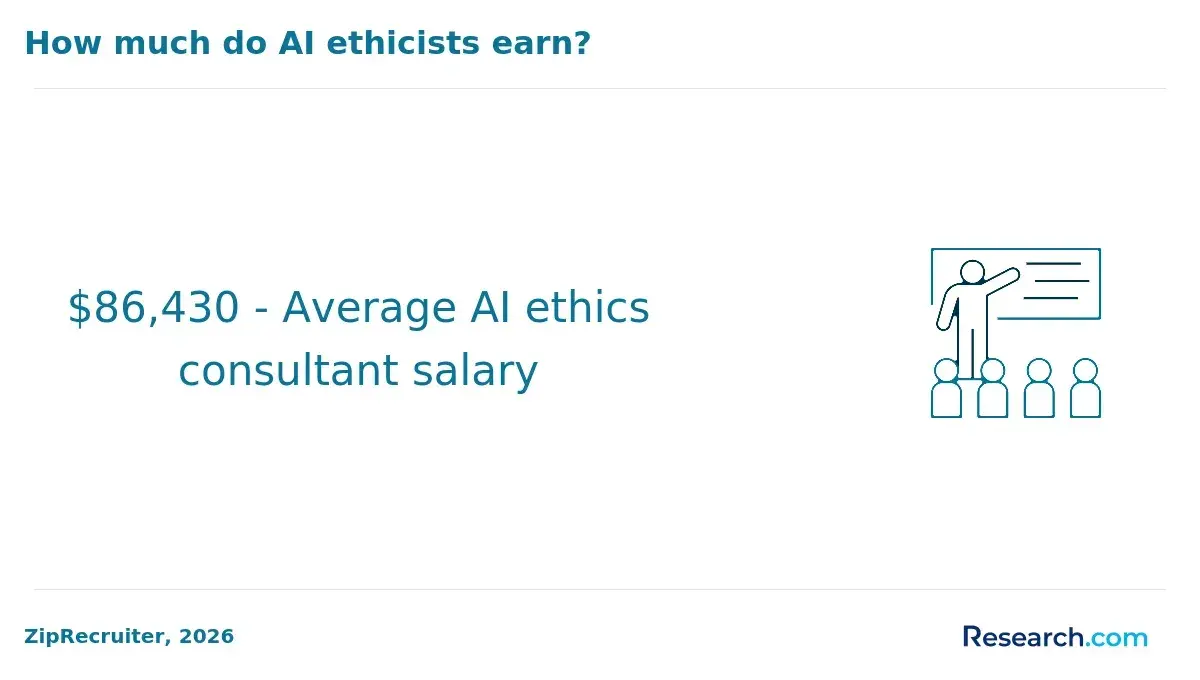
Admission to agentic AI courses with a focus on document processing typically requires a strong technical background. Most programs expect candidates to hold a bachelor's degree in STEM fields to ensure proficiency in analytical and programming skills. Additionally, experience with machine learning frameworks, natural language processing, or software development is often preferred.
Applicants generally need to submit:
- Official transcripts showing relevant courses in algorithms, data structures, or AI fundamentals
- Proof of programming language proficiency, commonly Python or Java
- Letters of recommendation from academic or professional supervisors acquainted with the candidate's technical abilities
- A statement of purpose detailing interest in agentic AI and document processing
For advanced or executive-level courses, candidates may be required to have over two years of practical experience in AI-related roles or data engineering. Some programs also include prerequisite assessments or interviews to assess problem-solving and coding skills.
The 2025 McKinsey Global Survey highlights a significant skills gap, with 57% of enterprises reporting moderate to severe challenges in building agentic AI systems. These stringent admission standards help ensure that cohorts are equipped to keep pace with the evolving demands in AI agents and document processing expertise.
How long do agentic AI courses take, and what do they cost?
Agentic AI courses for document processing vary from 4 to 12 weeks, based on training depth and format. Bootcamp-style programs focus on hands-on skills like building autonomous automation agents and integrating AI with document workflows, often completed within a month. More extensive certificate courses, frequently offered by universities or specialized providers, can last 3 to 6 months, combining project-based learning with theory on AI agent frameworks, document parsing, and ethics.
Costs depend on course type and provider:
- Bootcamps range from $1,000 to $3,500, ideal for rapid reskilling
- University-affiliated certificate programs typically cost $4,000 to $8,000
- Subscription or pay-as-you-go models run about $100 to $300 monthly for flexible pacing
Data from U.S. tech salary reports shows engineers experienced in AI agents and document automation earn 19-25% higher base salaries than peers in general machine-learning roles. This salary advantage supports investing in courses emphasizing practical agent deployment and document-centric automation.
When selecting courses, look for curricula covering:
- Agent architecture and document understanding APIs
- Frameworks like LangChain, Hugging Face, or RPA toolkits
- Portfolio-building projects reflecting real-world case studies
These skills boost employability in competitive AI roles within document processing industries, aligning with current market needs.
Which careers use agentic AI document processing?
Agentic AI document processing is transforming roles across multiple industries by automating data extraction, analysis, and workflow management. Business analysts use these systems to interpret extensive text data for strategic decisions, while compliance officers employ AI to ensure documents meet regulatory standards, minimizing human errors.
In healthcare, professionals like medical coders and health informatics specialists leverage agentic AI to process patient records and insurance claims, significantly speeding up turnaround times.
Legal professionals such as paralegals and contract managers benefit from AI's capacity to autonomously review contracts, identify key clauses, and flag inconsistencies. Financial analysts and accountants streamline invoice and tax form management through AI-driven processes, improving both accuracy and efficiency. Supply chain managers utilize agentic AI to verify procurement and shipping documents, supporting lean inventory practices.
The expanding role of autonomous agents in AI is evident. IDC's 2025 AI spending guide forecasts that by 2027, nearly 40% of enterprise generative-AI software expenditures will involve autonomous agents and orchestration-a steep rise from under 10% in 2023. This shift highlights the growing demand for professionals skilled in deploying and optimizing these AI systems.
Gaining practical experience with AI tools that automate end-to-end document workflows is essential. Key skills include understanding data privacy, AI model training, and error mitigation, especially in sectors where document accuracy affects compliance and financial outcomes. Prospective professionals should cultivate cross-disciplinary expertise by combining domain knowledge with AI operational skills to maximize career opportunities.
What salaries and job outlook apply to this field?
Salaries in agentic AI for document processing in the United States typically range from $90,000 to over $150,000 annually, influenced by experience, role, and industry. Entry-level roles like AI analysts and machine learning engineers start around $90,000 to $110,000, while mid-career professionals such as AI product managers and data scientists earn between $120,000 and $140,000. Senior experts designing large-scale AI document systems can command $150,000 or more.
The demand for expertise in this field is accelerating. According to Accenture's research, AI agents can automate or speed up 45-65% of routine document tasks like drafting, summarization, and routing in industries such as legal, finance, and operations. This boosts the need for professionals skilled in developing and maintaining these AI-driven workflows.
Key industries hiring include:
- Legal firms using AI to streamline contract review and case documentation
- Financial institutions automating report generation and compliance checks
- Operations teams applying AI for invoice processing and record management
Growth in agentic AI roles is poised to outpace general tech markets as efficiency gains increase. Candidates proficient in natural language processing, machine learning, and software integration will find valuable opportunities. Continuous learning is essential to keep pace with evolving AI frameworks and practical applications.
How do you choose an accredited, reputable program?
Choosing an accredited, reputable program in agentic AI for document processing involves verifying accreditation from recognized bodies like ABET or regional agencies. Accreditation guarantees that the curriculum meets rigorous academic and industry standards. Examining faculty expertise is crucial-look for instructors with research, publications, or industry experience in autonomous document workflows and multi-agent systems.
The curriculum should focus on autonomous AI, intelligent document processing, and adaptive multi-agent frameworks, not outdated OCR or basic RPA techniques. Hands-on projects in AI-driven document workflows are valuable, especially in a field projected to grow at a compound annual rate of 35-40% through 2030, according to a 2025 market forecast.
Consider programs offering partnerships with industry leaders, internships, and strong alumni outcomes, which improve job placement and career readiness. Licensing or certification tied to course completion can add credibility and boost employability.
Also, ask about student support services such as mentorship, AI research centers, and career counseling focused on AI roles. Verify that labs support experimentation with autonomous agent design in document processing.
Compare tuition costs alongside the program's demonstrated ROI, balancing affordability with graduate success and relevant, forward-looking content in the shift toward autonomous multi-agent document handling.
Other Things You Should Know About Artificial Intelligence
Agentic AI differs from traditional AI by enabling autonomous decision-making and goal-directed behavior in processing documents. Unlike conventional systems that follow predefined rules, agentic AI can adapt dynamically to new information and perform complex tasks without constant human supervision. This makes it more efficient for handling large volumes of unstructured data.
Some of 2027's best courses for learning agentic AI in document processing include "Agentic AI for Document Workflow" on Coursera, "Advanced AI Techniques for Document Management" by edX, and "AI-Powered Document Analytics" at Udacity. These courses cover the latest algorithms and practical applications tailored for improving efficiency in document handling.
Yes, ethical considerations include data privacy, transparency, and bias prevention. Ensuring that agentic AI respects confidentiality and uses unbiased algorithms is crucial, especially when processing sensitive documents. Responsible development and deployment require adherence to legal standards and ongoing monitoring for unintended consequences.
Integrating agentic AI into existing document management systems enhances automation capabilities and improves scalability. It allows legacy systems to handle more complex tasks without extensive manual intervention. However, successful integration often demands updating infrastructure and training staff to work effectively alongside AI-driven processes.
References
- LandingAI - Agentic APIs for Intelligent Document Processing https://landing.ai/
- How Agentic AI is transforming Intelligent Document Processing (IDP)? https://www.kanverse.ai/blog/how-agentic-ai-transforming-intelligent-document-processing-idp
- Agentic AI for document processing: Architecture, tech stack, and integrations https://xenoss.io/blog/agentic-ai-document-processing
- AI Agent Skills Powering Next-Generation Document Automation https://rossum.ai/blog/ai-agent-skills-powering-document-automation/
- Event-Driven Agentic Document Workflows https://www.deeplearning.ai/courses/event-driven-agentic-document-workflows
- Generative & Agentic AI Certification Course Online | BITS Pilani Digital https://bitspilani-digital.edu.in/certification/generative-ai-agentic-ai-course
- 5 Industries That Benefit from Agentic AI Document Extraction https://www.v2solutions.com/blogs/agentic-ai-document-extraction-industries/
- Agentic AI Course with Advanced Training and Certification https://www.edureka.co/agentic-ai-training-course
- Agentic AI Hands-on https://cognitiveclass.ai/learn/agentic-ai-hands-on
- Steps to Finding the Right Accredited Institution https://www.ieac.org.uk/26-Steps-to-Finding-the-Right-Accredited-Institution-blog.php