2027 Best AI Courses for Healthcare Claims Teams

Co-Founder and Chief Data Scientist
Healthcare claims teams often face delays and errors due to complex manual processing and evolving regulatory requirements. These inefficiencies can lead to increased costs and patient dissatisfaction.
Integrating artificial intelligence tools offers a solution but requires targeted training to effectively adopt new technologies. Professionals without prior tech experience may struggle to identify suitable learning paths that fit their schedules and career goals.
This article explores top AI courses designed specifically for healthcare claims professionals, highlighting flexible, accredited options that equip learners with the skills needed to enhance accuracy and streamline operations in their field.
Key Things You Should Know
- AI courses tailored for healthcare claims teams increasingly focus on automating claim validation and fraud detection, improving processing speed by up to 40% according to 2024 industry studies.
- Emerging curricula integrate healthcare regulations with AI ethics, ensuring compliance with HIPAA and promoting transparent AI usage in claims adjudication workflows.
- Demand for skilled AI professionals in healthcare claims is rising, with a 25% projected job growth between 2024 and 2026, emphasizing interdisciplinary AI and healthcare knowledge.
Advance Your Career with AI Online Courses
Artificial Intelligence: Implications for Business Strategy
This program provides an introduction to Artificial Intelligence and their implications for business strategy. Earn an official digital certificate.

Oxford Artificial Intelligence Programme
Explore this Oxford Artificial Intelligence programme offered in a flexible learning environment and explore topics like machine learning, automation, and robotics.

Implementing Agentic AI: Building Your Organizational Playbook
This online MIT Agentic AI course offers a practical approach to deploying AI agents in your organization, including a custom playbook. 3 weeks, exclusive launch price.

AI Adoption: Driving Business Value and Impact
This online MIT AI Adoption: Driving Business Value and Impact offers practical frameworks to close the gap between AI potential and business reality.

Artificial Intelligence in Pharma and Biotech
Discover the applications and limitations of artificial intelligence in pharma and biotech with this MIT online short course.

What are the best AI courses tailored specifically for healthcare claims professionals?
Top AI courses designed for healthcare claims teams emphasize practical skills in automation, data analysis, and compliance management. These programs focus on applying machine learning models to claims processing workflows, fraud detection, and predictive analytics specific to health insurance.
Healthcare professionals seeking the best AI courses for healthcare claims teams should look for offerings that combine technical training in natural language processing (NLP) and robotic process automation (RPA) with domain-specific case studies.
Examples include courses like "AI for Healthcare Claims Automation," which teach how to deploy AI-driven tools that reduce manual data entry and improve claims accuracy. The "Machine Learning in Health Insurance Operations" course covers supervised learning techniques to spot anomalous claims patterns-a frequent challenge for claims teams.
When evaluating AI training programs for healthcare claims professionals, hands-on projects using actual claims data and compliance training (such as HIPAA) are essential.
Instruction on integrating AI with current claims management systems and access to expert webinars on AI ethics and risk management further enhance practical value. Certificates recognized within the healthcare industry add credibility and boost career opportunities.
Given that AI could automate or streamline up to 50-75% of manual tasks in claims operations, upskilling with relevant courses is crucial. Options from respected institutions with updated curricula on AI tools ensure immediate workplace impact and long-term growth.
For those interested in broader computing skills, exploring a computer science accelerated degree can complement AI expertise.
Advance Your Career with AI Online Courses
Artificial Intelligence: Implications for Business Strategy
This program provides an introduction to Artificial Intelligence and their implications for business strategy. Earn an official digital certificate.
Oxford Artificial Intelligence Programme
Explore this Oxford Artificial Intelligence programme offered in a flexible learning environment and explore topics like machine learning, automation, and robotics.
Implementing Agentic AI: Building Your Organizational Playbook
This online MIT Agentic AI course offers a practical approach to deploying AI agents in your organization, including a custom playbook. 3 weeks, exclusive launch price.
How can AI training improve efficiency and accuracy in healthcare claims processing roles?
AI training benefits healthcare claims teams by enhancing accuracy in claims adjudication processes through automation of routine tasks like data entry, claim validation, and fraud detection. This reduces manual errors, accelerates claim processing, and allows staff to focus on complex cases requiring human judgment.
For instance, trained AI models can swiftly cross-check patient details and billing codes, significantly lowering rejected claims and the need for rework.
Accuracy improves as AI-driven systems detect anomalies and inconsistencies often missed by human reviewers. This leads to fewer payment errors and compliance issues, reducing costly audits and legal risks.
Healthcare claims professionals gain valuable skills in monitoring and refining AI tools, fostering continuous quality improvement.
Those advancing efficiency through specialized healthcare claims processing AI courses also develop strong data analytics capabilities. They learn to analyze AI-generated insights regarding claim trends, payment patterns, and operational bottlenecks, enabling proactive decisions to optimize workflows and enhance customer service.
Industry data forecasts that 44% of core skills in finance and insurance will change within five years, highlighting the growing importance of analytical thinking and AI/Big Data skills. This underscores the critical need for claims teams to adopt AI training to remain competitive and relevant.
Real-world results demonstrate AI training reduces claim processing time by up to 30% and decreases error rates by 25%. Practical courses cover AI-driven claim adjudication, natural language processing, and predictive analytics, supporting career advancement.
Individuals seeking to strengthen their expertise may consider online AI degrees for comprehensive AI education.
What types of AI programs exist for healthcare claims teams (certificates, degrees, bootcamps)?
Healthcare claims teams can choose from various AI certification programs for healthcare claims professionals, including certificates, degrees, and bootcamps. Certificate programs typically last weeks to months and focus on practical skills such as claims automation, fraud detection, and predictive analytics.
These programs suit professionals seeking targeted knowledge without a lengthy commitment and often include essential topics like data governance regulations in claims processing.
Degree programs, such as bachelor's and master's degrees in data science or health informatics with AI specializations, offer comprehensive education with both theory and hands-on projects. These degrees prepare students for advanced roles involving strategic AI integration in healthcare claims workflows.
They require a time investment of one to two years or more and are ideal for those aiming for leadership positions. Prospective students may consider exploring the best online MS in data science if seeking affordable options with a strong AI emphasis.
Bootcamps provide intensive training lasting four to twelve weeks and emphasize coding, machine learning models, and real-world data sets specific to healthcare claims. These fast-paced courses are designed for working professionals who need rapid skill upgrades to remain competitive.
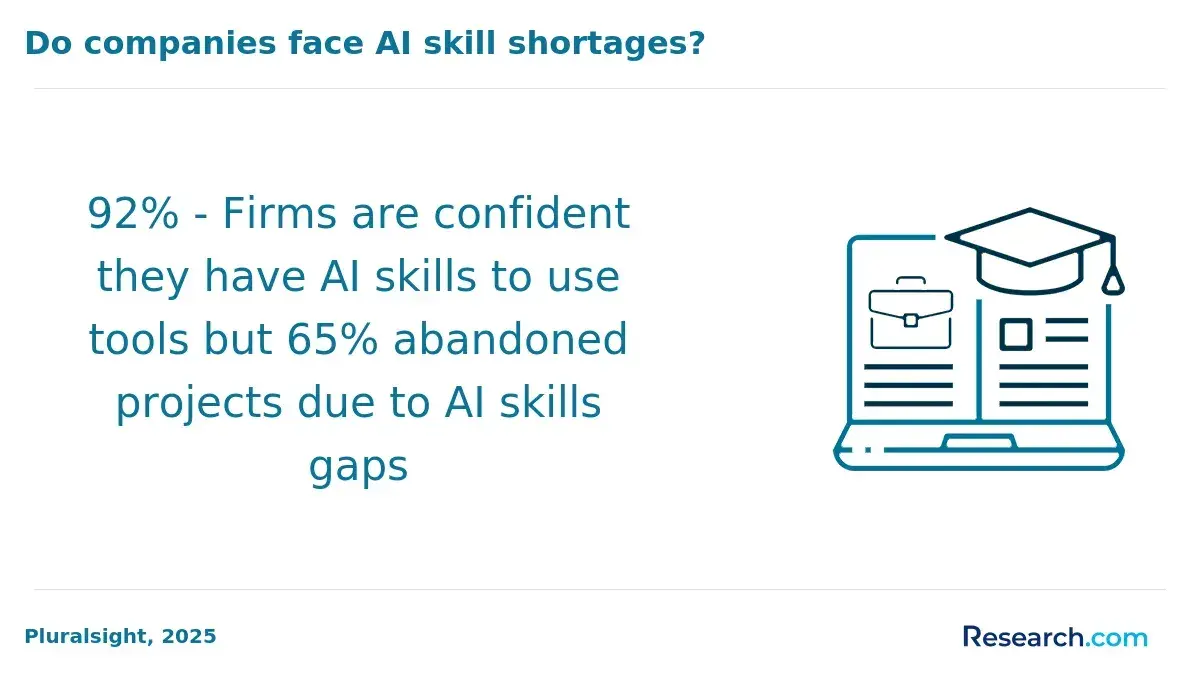
This variety in healthcare claims degree and bootcamp options reflects the diverse learning needs of professionals. LinkedIn's recent data shows a 65% annual increase in AI and data science course enrollments in regulated industries like healthcare and insurance.
Students should carefully assess their time availability, desired depth of study, and career goals when selecting the appropriate AI education path.
How do online AI courses for healthcare claims compare with campus-based and employer-led training?
Online AI courses offer distinct advantages over campus training in healthcare claims, especially in accessibility, customization, and learning pace. These programs allow claims professionals to study remotely on flexible schedules, which suits teams managing heavy workloads.
Unlike traditional campus programs, many online courses provide modular content aimed at specific AI applications in healthcare billing and claims processing. This targeted approach helps learners develop practical skills without the broader academic requirements often found on campus.
Employer-led training benefits for healthcare claims AI learning tend to focus narrowly on immediate organizational needs, often lacking foundational knowledge in machine learning, data literacy, or ethical AI use. Recognized online providers frequently offer comprehensive curricula covering these essential areas, as underscored by the World Health Organization's "AI for Health" brief, which highlights the need for staff education to support safe AI deployment.
The WHO notes that 70% of health systems using AI tools face significant barriers from staff's limited understanding of AI and data literacy. Online courses specifically address this gap by offering structured, regularly updated learning paths with practical labs and real-world datasets.
In contrast, campus programs focus more on theory, and employer training may lack the resources or time to provide such depth.
For healthcare claims teams, flexibility and ongoing updates are crucial as AI technology evolves. Evaluating courses for coverage of practical tools like claims automation, error detection, and fraud prevention is essential.
Those interested in related fields might also explore electrical engineering programs online for veterans as an additional technical education option.
What core AI and data skills should healthcare claims courses teach in their curriculum?
Healthcare claims courses should focus on equipping students with key AI and data skills essential for detecting fraud, auditing claims, and applying predictive analytics. Mastering machine learning techniques such as supervised and unsupervised models helps identify suspicious patterns, reducing fraud, waste, and abuse.
According to the National Health Care Anti-Fraud Association, these issues account for 3-10% of U.S. healthcare spending, or up to $400 billion annually.
Data preprocessing and management skills are crucial. Effective claims analysis requires cleaning, normalizing, and organizing diverse healthcare data. Proficiency in Python or R for data manipulation and SQL for querying large databases is necessary to handle these tasks efficiently.
Training in natural language processing (NLP) adds value by enabling professionals to analyze unstructured data like provider notes and patient records for fraud indicators. Familiarity with text classification and entity recognition algorithms strengthens this capability.
Understanding AI model evaluation metrics, such as precision, recall, and F1 scores, is important to ensure tools reliably detect fraud without producing too many false positives. Awareness of regulatory compliance and ethical considerations guides proper AI implementation in healthcare claims management.
Practical experience with AI-enabled auditing systems and visual analytics fosters data-driven decision-making. Hands-on projects simulating real-world scenarios enhance problem-solving skills and prepare students for payer organization roles.
Which accreditation and industry standards matter when choosing AI education for healthcare claims work?
Accreditation by recognized bodies such as the Accreditation Council for Business Schools and Programs (ACBSP) or regional accreditors approved by the U.S. Department of Education is essential when choosing AI education for healthcare claims teams. These endorsements ensure that curricula meet high academic and practical standards, vital for effective healthcare applications.
Programs offering certifications aligned with the Healthcare Information and Management Systems Society (HIMSS) or the American Health Information Management Association (AHIMA) provide targeted knowledge on healthcare data governance and claims processing. These certifications reflect a curriculum that addresses healthcare regulations, compliance, and ethical data handling.
Industry standards such as Health Level Seven International (HL7) and Fast Healthcare Interoperability Resources (FHIR) should be integrated into AI education. Familiarity with these standards allows claims professionals to efficiently work with electronic health records (EHR) and insurance systems enhanced by ai.
Employers often prefer certifications from vendor-neutral organizations like the Project Management Institute (PMI) or AI-focused credentials from the Association for the Advancement of Artificial Intelligence (AAAI). These demonstrate competence in managing AI initiatives within healthcare environments.
A 2024 Coursera Impact Report highlights that 77% of working learners finishing short professional certificates in under six months advanced their careers through promotions or pay raises within a year. This underscores the value of choosing accredited, industry-aligned courses that quickly boost practical skills and employability for healthcare claims professionals leveraging ai.
What are typical admission requirements and prerequisites for AI programs serving healthcare claims staff?
Admission requirements for AI programs serving healthcare claims teams typically include a bachelor's degree in health informatics, computer science, nursing, business administration, or related fields. Some institutions may accept professionals with extensive healthcare claims experience, even if they lack formal degrees.
Familiarity with statistics, programming languages such as Python or R, and database management is often required. Proficiency in Excel and SQL remains important due to their prevalence in claims analysis.
Advanced programs might expect prior knowledge of machine learning or completion of introductory AI or data science courses. Since these teams handle sensitive patient data, understanding data privacy regulations like HIPAA is frequently recommended.
Deloitte's 2024 Global Health Care Outlook reports that 60% of health-plan executives plan to increase investments in advanced analytics and AI within three years, while only 26% feel their workforce currently has strong analytics leadership. This highlights the need for programs that include leadership training and practical case studies relevant to healthcare claims.
When evaluating programs, prospective students should look for flexible options such as evening classes or online modules suited for working professionals. Some programs require GRE scores but often waive this for experienced candidates.
Clear articulation of career objectives in the application is essential to demonstrate commitment to applying AI in healthcare claims operations.
How long do AI programs for healthcare claims usually take, and what do they cost?
AI programs for healthcare claims vary in length, typically from a few weeks up to six months. Short courses and micro-credentials usually last 4 to 8 weeks, offering quick skill updates ideal for busy professionals.
More comprehensive certificates extend from 3 to 6 months, diving deeper into AI applications such as claims processing, fraud detection, and predictive analytics.
Costs depend on provider and program scope. Many introductory MOOCs are free or cost under $200, while advanced certificate programs can range from $1,000 to $5,000.
Platforms may offer free content but charge for certification, whereas university-backed certificates and bootcamps often carry higher fees, reflecting their rigor and credential value.
A significant increase in enrollments among healthcare and insurance professionals in free or low-cost AI and data science MOOCs signals a shift toward accessible, practical upskilling. This trend benefits employees needing immediate impact through shorter, affordable options.
Professionals should align program length and price with career goals: short courses for foundational AI literacy and longer programs for specialized expertise or differentiation. Employer-sponsored training can reduce costs significantly. Ensuring course relevance to healthcare claims workflows maximizes return on investment.
What job roles, salaries, and career paths can AI-trained healthcare claims professionals pursue?
AI-trained healthcare claims professionals take on roles like claims analyst, revenue cycle manager, medical coding specialist with AI expertise, and healthcare data analyst. These positions demand strong skills in AI tools that streamline claims processing, detect fraud, and boost accuracy.
- Claims analyst roles require knowledge of AI-enabled claims adjudication software.
- Revenue cycle managers integrate AI to enhance financial workflows.
- Data analysts apply AI to analyze large claim datasets for compliance and strategic planning.
Salaries typically range from $60,000 to $110,000 annually, with senior roles or managers leading AI initiatives often earning more than $120,000.
Career advancement often moves from operational jobs to strategic roles. Entry-level professionals trained in AI may progress from claims processor to specialists in AI implementation, compliance, or healthcare informatics consulting.
Many advance into positions overseeing workflow optimization, policy creation, or AI-driven analytics teams. Continuous AI skill development and domain expertise are essential for advancement.
Structured AI training significantly improves outcomes. According to IBM's Skills Transformation Survey, organizations offering role-specific AI education for operations staff saw an average 45% increase in process efficiency, compared to 24% with informal training.
This highlights the value of focused learning for career growth and salary potential.
How can healthcare claims teams evaluate and select a reputable AI course or training partner?
Healthcare claims teams seeking reputable AI courses should evaluate providers based on credentials, industry partnerships, and faculty expertise in claims-related AI applications. Verifying practical relevance through reviews and case studies is essential.
A comprehensive curriculum covering data analytics, machine learning fundamentals, and AI-driven automation tailored to claims workflows equips learners with necessary skills. Hands-on projects simulating real-world scenarios are valuable for applying theory effectively.
Course flexibility is key, with programs combining synchronous and asynchronous learning to fit professionals' schedules. Ongoing support or mentorship after training can enhance skill retention.
Certification or accredited credits increase professional credibility. Typical program durations range from 4 to 12 weeks, balancing depth and time investment, often with financing or employer partnership options.
Outcome metrics such as alumni employment in data-driven claims roles reflect course effectiveness. Employment in related fields is growing, with the U.S. Bureau of Labor Statistics projecting a 35% increase for data scientists and 9% for claims adjusters/appraisers through 2032, underscoring the value of hybrid AI and analytics skills in healthcare claims.
Other Things You Should Know About Artificial Intelligence
In 2027, some of the best AI courses for healthcare claims teams include "AI in Healthcare Specialization" by Stanford University, "Data Science for Healthcare" by the University of Chicago, and "Healthcare AI: Foundations and Applications" on edX. These courses focus on integrating AI technologies to streamline claims processing and improve decision-making.
Integrating artificial intelligence in healthcare claims processing often faces challenges like data privacy concerns, legacy system compatibility, and the need for quality labeled data. Additionally, staff require training to understand and trust AI outputs, while organizations must address bias in AI algorithms to ensure fair and accurate claim adjudication. These factors can slow adoption and impact effectiveness if not properly managed.
Yes, artificial intelligence plays a vital role in predictive analytics by forecasting claim denials, patient admission rates, and potential fraud patterns. By analyzing historical claims data, AI models identify trends that help organizations allocate resources efficiently and reduce financial risks. This application improves decision-making and helps teams proactively address issues before they escalate.
Artificial intelligence systems in healthcare claims require continuous monitoring and updating to maintain accuracy and relevance. Models need retraining with new data to adapt to changes in healthcare policies, coding standards, and claim characteristics. Regular maintenance ensures AI tools continue to deliver reliable results and comply with regulatory requirements over time.
References
- 9 AI-Proof Healthcare Jobs to Consider https://www.stepful.com/post/ai-proof-healthcare-jobs
- AI in Healthcare Claims Processing | Automated Medical Claims & RPA https://ardem.com/bpo/ai-in-medical-claims-processing-how-automation-is-reducing-errors-processing-time/
- 5 things to consider when evaluating a benefits AI vendor https://blog.healthequity.com/things-to-consider-when-evaluating-benefits-ai-vendor
- 16 Artificial Intelligence Career Paths https://www.calmu.edu/news/artificial-intelligence-career-paths
- AI for Claims Processing in Healthcare: Automation and Benefits https://www.effectivesoft.com/blog/ai-healthcare-claim-management.html
- Google's Generative AI for Healthcare – Digital Medicine Society (DiMe) https://dimesociety.org/courses/generative-ai-for-healthcare/
- AI for Claims Processing: From 7 Days to Minutes https://masterofcode.com/blog/ai-for-claims-processing
- AI for Healthcare professionals https://savinglivesacademy.com/ai-for-healthcare-professionals/