2027 Best AI Courses for Management Consultants

Co-Founder and Chief Data Scientist
Management consultants face increasing pressure to integrate artificial intelligence solutions quickly and effectively. Many struggle to find courses that balance technical depth with flexible formats suited to professionals transitioning from unrelated fields. Without tailored education paths, consultants risk falling behind as AI reshapes decision-making and strategy development.
This article reviews top AI courses designed for management consultants seeking accredited, adaptable programs. It highlights key offerings and learning outcomes to help readers identify the best fit for advancing their careers and mastering practical AI applications in management consulting.
Key Things You Should Know
- Management consultants increasingly rely on artificial intelligence courses to enhance data-driven decision-making, with 68% reporting improved strategic insights after training in 2025.
- Top AI courses in 2026 emphasize practical applications like predictive analytics and automation, aligning curriculum with evolving business challenges in consulting.
- Certification in AI-related skills boosts employability, with Harvard Business Review noting a 25% salary increase for consultants skilled in artificial intelligence technologies.
Advance Your Career with AI Online Courses
Artificial Intelligence: Implications for Business Strategy
This program provides an introduction to Artificial Intelligence and their implications for business strategy. Earn an official digital certificate.

Oxford Artificial Intelligence Programme
Explore this Oxford Artificial Intelligence programme offered in a flexible learning environment and explore topics like machine learning, automation, and robotics.

Implementing Agentic AI: Building Your Organizational Playbook
This online MIT Agentic AI course offers a practical approach to deploying AI agents in your organization, including a custom playbook. 3 weeks, exclusive launch price.

AI Adoption: Driving Business Value and Impact
This online MIT AI Adoption: Driving Business Value and Impact offers practical frameworks to close the gap between AI potential and business reality.

Artificial Intelligence in Pharma and Biotech
Discover the applications and limitations of artificial intelligence in pharma and biotech with this MIT online short course.

What are the best AI courses specifically designed for management consultants today?
Top AI courses tailored for management consultants focus on bridging technical understanding with practical business applications. These programs emphasize real-world use cases such as predictive analytics, automation of client workflows, and strategic AI integration. For instance, the MIT Sloan Analytics Edge course teaches applied machine learning techniques designed for business leaders, combining data-driven decision-making with consulting frameworks.
Similarly, the Wharton AI for Business Strategy program offers insights on using AI to identify growth opportunities and manage AI-driven transformation projects. It is ideal for consultants leading AI adoption within client organizations, addressing challenges such as change management and ethical AI use. Consultants must also grasp the quantitative side; courses like Coursera's AI For Everyone by Andrew Ng provide a foundational understanding of AI technologies without heavy coding, suitable for managing AI projects and advising clients on feasibility and impact.
Given that 68% of management consulting firms have adopted AI-driven tools according to zipdo.co, mastering both AI literacy and strategy is essential. Practical programs combining hands-on data exercises with business case studies offer the best preparation. Relevant certifications such as the AI Business Professional Certificate from UC Berkeley extend training for professionals applying AI in consulting, emphasizing skills in AI solution design, client communication, and ROI measurement.
Management consultants seeking the best ai courses for management consultants in the US should consider programs that integrate AI fundamentals, strategic frameworks, ethical considerations, and business analytics applications. Accessing best online computer science degree resources can also enhance one's technical and strategic capabilities for AI-driven consulting roles.
These top online artificial intelligence training for management consultants prepare professionals to confidently navigate rapidly evolving AI-driven business environments.
Advance Your Career with AI Online Courses
Artificial Intelligence: Implications for Business Strategy
This program provides an introduction to Artificial Intelligence and their implications for business strategy. Earn an official digital certificate.
Oxford Artificial Intelligence Programme
Explore this Oxford Artificial Intelligence programme offered in a flexible learning environment and explore topics like machine learning, automation, and robotics.
Implementing Agentic AI: Building Your Organizational Playbook
This online MIT Agentic AI course offers a practical approach to deploying AI agents in your organization, including a custom playbook. 3 weeks, exclusive launch price.
How can AI courses help management consultants advance their careers and client impact?
AI courses enable management consultants to accelerate career growth by equipping them with practical skills that enhance client impact. Mastery of AI tools helps consultants automate routine data analysis, optimize decision-making, and generate predictive insights, significantly improving efficiency and accuracy. According to consultancy.uk, 90% of management consultants use generative AI daily, with over 10% saving more than five hours on their workload each day. This additional time can be redirected toward strategic problem-solving and personalized client strategies.
The impact of AI training on management consulting is evident in courses that focus on natural language processing, machine learning, and data visualization. These skills prepare consultants to interpret complex datasets and create scalable solutions, such as automating market research or building AI-driven financial models. Such capabilities foster trust through faster, more evidence-based recommendations.
Investing in AI education also addresses challenges like managing vast unstructured data and recognizing relevant patterns across industries. Consultants with AI expertise become key contributors to digital transformation initiatives, helping organizations adopt AI responsibly and effectively.
Further benefits include enhanced collaboration with technical teams and the ability to communicate AI strategies clearly to executives and clients. Practical coursework often incorporates case studies simulating real-world consulting scenarios, sharpening problem-solving skills vital for client success.
For professionals interested in expanding their technical knowledge, exploring a mechanical engineering online degree can complement AI skills and open new interdisciplinary opportunities.
What types of AI programs are available for consultants (certificates, bootcamps, degrees)?
Consultants looking to enhance their expertise can pursue various AI certification programs for management consultants that match their career stages and learning preferences. Certificate programs typically focus on specific AI skills such as machine learning, natural language processing, or data analytics. These short-term options are ideal for professionals seeking to apply AI quickly in consulting projects, with examples including professional certificates in AI strategy that emphasize business decision-making applications.
Bootcamp and degree options in artificial intelligence for consultants offer more intensive and comprehensive learning paths. Bootcamps provide hands-on training through applied projects and live coding sessions, perfect for immediate skill acquisition in Python programming or AI-powered data visualization. These cohort-based experiences emphasize practical skills with peer and instructor support.
Degree programs, such as master's or MBA concentrations in AI or data science, deliver in-depth curricula spanning theory, ethics, and technical expertise over one to two years. These are best suited for consultants targeting leadership roles in technology-driven management or digital transformation. They also grant formal credentials reflecting advanced knowledge.
Addressing the AI skill gap is critical: only 7% of faculty in Indian business schools identify as expert AI users, according to Times of India. Consultants should carefully assess their goals and time availability when choosing educational paths that combine technical skills and strategic insights. For those exploring extended studies, a cheapest online cyber security degree may complement AI-focused credentials in enhancing digital expertise.
How do online AI courses for consultants compare with on-campus or hybrid options?
Online ai training versus on-campus courses for consultants highlights key differences in flexibility and accessibility. Online courses enable management consultants to learn at their own pace, accommodating busy work schedules while applying concepts directly to projects. These programs frequently update content to keep pace with the rapid evolution of AI technology, unlike many traditional curricula which have longer revision cycles.
Hybrid ai programs comparison for management consultants shows that on-campus and hybrid options offer structured learning environments and direct faculty interaction, benefiting those who prefer guided instruction or hands-on labs. However, hybrid formats may demand frequent commuting, reducing convenience for professionals with tight schedules.
Many online courses now include live sessions, peer collaboration, and real-world case studies, addressing past concerns about isolation in virtual learning. Still, in-person environments often provide stronger networking opportunities that are crucial for consulting careers. Students weighing these factors should consider their learning style, geographic constraints, and professional goals.
Recent data shows significant growth in AI usage among students and educators, reinforcing trust in digital learning tools. For those seeking career roles linked to AI, exploring paths like AI trainer jobs can align education choices with market demand.
What core AI skills and topics should management consultants look for in a curriculum?
Management consultants aiming to advance their expertise in ai should focus on curricula that blend core technical skills with strategic application. Key competencies include machine learning fundamentals like supervised and unsupervised learning, model evaluation, and feature engineering. These skills enable consultants to interpret complex data insights and collaborate effectively with data science teams.
Courses that emphasize data handling-such as data wrangling, visualization, and tools like Python, R, and SQL-are essential. Familiarity with ai integration in business settings, including automation and decision support systems, allows consultants to develop practical implementation strategies.
Strategic modules centered on case studies, market analysis, and gaining a competitive edge remain crucial. With 63% of management consultancies using ai to accelerate market entry, achieving a 22% faster go-to-market speed according to Zipdo.co, professionals must understand how ai enhances market research, customer segmentation, and risk assessment.
Additional vital topics include ethical ai use, bias mitigation, and regulatory guidelines, which are increasingly important in advisory roles. Hands-on projects or real-world simulations deepen strategic thinking and adaptability. Exploring vendor-neutral ai frameworks and cloud platforms like AWS, Azure, and Google Cloud expands the toolkit available for diverse client needs.
Such comprehensive ai education equips consultants to design, assess, and implement ai-driven strategies effectively, boosting both precision and confidence.
Which accreditation and institutional credentials matter for AI programs in the U.S.?
Accreditation and institutional credentials are crucial when assessing AI programs for management consultants in the U.S. The most reputable AI courses are offered by universities with regional accreditation recognized by the U.S. Department of Education or CHEA, ensuring that qualifications are academically sound and widely accepted.
Professional certifications linked to recognized organizations like the Institute of Electrical and Electronics Engineers (IEEE) or the Association for the Advancement of Artificial Intelligence (AAAI) add further credibility. Executive programs from renowned business schools such as Wharton or MIT Sloan combine AI technical skills with management training for practical business applications.
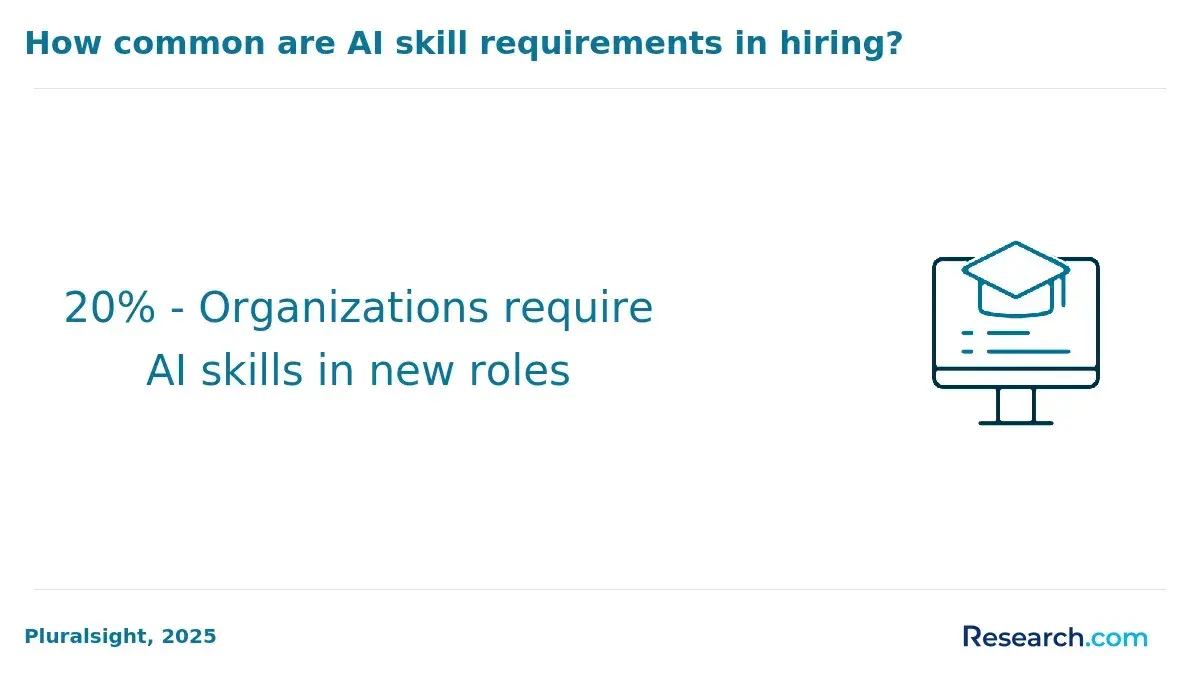
Prospective students should prioritize programs featuring hands-on projects, case studies, and real-world datasets. These elements improve readiness for consulting, especially in competitive analysis and forecasting. According to zipdo.co, 45% of strategy consultancies utilize AI for competitive landscape analysis, yielding forecasts that are 28% more accurate.
Look for curricula covering both core AI fundamentals like machine learning and data science, alongside management topics such as decision-making and strategy. Faculty expertise and access to labs or industry partnerships also enhance program value. Courses lacking accreditation or institutional backing, particularly fully online options, typically offer less recognition with U.S. employers.
What are typical admission requirements for AI programs aimed at working consultants?
Admission to ai programs for working management consultants typically requires a relevant academic background, such as a bachelor's degree in business, management, engineering, computer science, or related fields. Many programs prioritize candidates with prior coursework in statistics, programming, or data analysis. Equally important is professional experience, with most institutions seeking at least two to five years in consulting or managerial roles to ensure practical application of skills.
Technical aptitude is also essential. Candidates should have foundational skills in Python, SQL, or data visualization. Some programs administer pre-course assessments or require completion of basic modules before advancing to specialized ai topics.
Applicants are commonly asked to submit a detailed resume highlighting project management and analytics experience, letters of recommendation from supervisors or industry professionals, and personal statements that link ai skills with consulting methodologies. Although standardized tests like the GRE or GMAT are infrequently required, some institutions may request them.
Many programs offer flexible formats such as online, part-time, or hybrid to accommodate working professionals. Zipdo.co reports that by 2025, 75% of IT consulting projects will include ai, up from 30% in 2022, yielding 20-30% cost savings. This growing demand makes admission to these programs competitive, rewarding candidates who combine management experience with technical expertise.
How long do AI courses for management consultants take, and what do they cost?
AI courses for management consultants vary from short 4- to 8-week classes focusing on foundational concepts to comprehensive programs lasting 3 to 6 months that cover advanced machine learning, data analytics, and AI-driven strategy. These longer courses are essential for consultants who want to lead AI initiatives and integrate AI effectively into client projects.
Costs depend on course format and provider. Self-paced online options typically start around $300, offering flexibility for busy professionals. Instructor-led and blended courses with certifications often range from $1,000 to $5,000. Executive-level programs from prestigious institutions can exceed $10,000 but deliver in-depth training aligned with industry standards.
Consultants looking to improve client retention-a metric increased by 19% due to AI adoption according to Zipdo.co-should prioritize courses emphasizing strategic AI deployment and practical case studies. Project-based learning is ideal for quickly gaining actionable skills, while extended programs suit those aiming for leadership roles in AI frameworks.
When selecting a course, evaluate duration, budget constraints, and program accreditation. Effective AI training balances theory with applied use cases, ensuring the best return on investment in a competitive consulting field.
What AI-related job roles, industries, and consulting niches can these courses lead to?
AI-related courses offer management consultants essential skills for diverse roles such as AI strategy consultant, data-driven business analyst, machine learning implementation advisor, and digital transformation specialist. These positions focus on integrating AI to improve decision-making, streamline operations, and drive innovation.
Industries leveraging these AI skills include finance, healthcare, retail, manufacturing, and technology. For instance, healthcare consultants use AI to build predictive models for patient outcomes and increase operational efficiency, while finance professionals apply AI for risk management, fraud detection, and automated trading.
Consulting niches benefiting from AI knowledge cover supply chain optimization, customer experience enhancement, cybersecurity strategy, and sustainability. Supply chain consultants forecast demand and optimize logistics, customer experience roles emphasize AI-driven personalization, and cybersecurity experts rely on AI for threat detection and mitigation.
These courses also address key professional challenges like demonstrating AI investment ROI and managing AI ethics and compliance. Consultants learn to guide clients on AI governance frameworks and data privacy concerns.
Notably, 64% of organizations say AI supports their innovation efforts, highlighting the growing need for consultants skilled in AI integration and transformative strategies. Completing targeted AI education prepares consultants to meet client demands amid evolving AI landscapes.
How can consultants evaluate and choose a reputable, high-ROI AI course provider?
Consultants seeking AI courses should prioritize credible providers with strong industry recognition, verified partnerships, and positive reviews from trusted sources. Courses connected to established consulting firms or leading tech companies tend to offer current, practical content tailored to real-world needs.
Careful review of the curriculum is essential. Look for programs covering core AI concepts relevant to consulting, including machine learning models for decision-making, ethical AI use, and AI agent integration. Practical elements like case studies and hands-on projects linked to consulting scenarios help ensure skills can be applied immediately. Certifications recognized by professional organizations further validate course quality.
Evaluating measurable outcomes involves examining job placement rates and alumni success stories. High-ROI courses often provide ongoing support such as mentorship and updated learning materials to enhance career growth.
Cost efficiency must be balanced with course depth and duration. Shorter courses offering hands-on labs can deliver quicker returns compared to lengthier theoretical programs.
Since 62% of organizations are experimenting with AI agents, consultants should focus on courses that emphasize practical integration of AI tools and strategies into consulting workflows and client engagement.
- Verify provider reputation through industry credentials and reviews
- Focus on curricula with practical projects and recognized certifications
- Assess career impact via employment and promotion data
- Balance pricing with course length and support services
- Choose courses emphasizing AI adoption in consulting practice
Other Things You Should Know About Artificial Intelligence
Artificial intelligence concepts can seem complex initially, but many courses are designed specifically for professionals without a deep technical background. Management consultants can focus on practical applications such as data analysis, machine learning basics, and AI-driven decision-making rather than heavy programming. With commitment, the learning curve is manageable and can significantly enhance consulting skills.
Ethical use of artificial intelligence includes ensuring transparency, avoiding bias in data and algorithms, and protecting client privacy. Consultants must be aware of these issues to responsibly implement AI tools and deliver unbiased insights. Understanding regulatory requirements and industry standards is also essential to maintain trust and compliance.
Yes. In 2027, courses like "AI for Business Leaders" from MIT and "AI in Business" from Coursera effectively equip management consultants with practical AI skills to optimize data-driven decision-making and improve client strategies.
Yes, many AI tools are designed with user-friendly interfaces that do not require extensive technical expertise. Consultants can leverage platforms featuring automated workflows, dashboards, and visual data representations. However, a fundamental understanding of AI principles improves the ability to interpret results and make informed decisions.
References
- ABET Accreditation and Artificial Intelligence - ABET https://www.abet.org/accreditation/ai-policy/
- 16 Artificial Intelligence Career Paths https://www.calmu.edu/news/artificial-intelligence-career-paths
- Choosing an AI Consultant: 12-Point Evaluation Guide (2026) https://helium42.com/blog/how-to-choose-ai-consultant
- How to Choose an AI Consulting Partner in 2026 [Checklist] https://virtido.com/blog/ai-consultancy-and-development-how-to-choose-the-right-partner
- AI Consultant Certification https://becomeanaiconsultant.com/
- Certified Artificial Intelligence Consultant | CAIC | USAII® https://www.usaii.org/artificial-intelligence-certifications/certified-artificial-intelligence-consultant
- Must-Have AI Consultant Skills in 2026 | Roles, Salary & Career https://www.tredence.com/blog/ai-consultant-skills
- AI Machine Learning Boot Camp https://www.njcu.edu/academics/professional-education-and-lifelong-learning/it-bootcamps/ai-machine-learning-boot-camp
- Eligibility Criteria for AI Courses in Germany https://www.yesgermany.com/eligibility-criteria-for-ai-courses-in-germany/
- AI training for consultants: boost your consulting strategy https://lecercle.ai/en/trainings/ai-consultants/