2027 Best AI Strategy Courses for Real Estate Marketing Teams

Co-Founder and Chief Data Scientist
Real estate marketing teams often struggle to integrate artificial intelligence tools effectively, limiting their ability to target clients, predict trends, and optimize campaigns. Without a clear strategy, investments in technology may lead to wasted resources and missed opportunities. Teams need practical guidance on leveraging AI capabilities to enhance decision-making and automate routine tasks. This article explores the best AI strategy courses tailored for real estate marketing professionals, focusing on flexible, accredited programs that equip learners with actionable skills. It aims to help teams adopt AI-driven strategies efficiently and stay competitive in a rapidly evolving market.
Key Things You Should Know
- Top AI strategy courses focusing on real estate marketing emphasize data-driven decision making, improving lead targeting accuracy by up to 40% according to 2025 industry reports.
- Integration of AI tools like predictive analytics and natural language processing is now essential, with 72% of U.S. marketing teams adopting these technologies in 2024-25.
- Courses increasingly offer practical applications and certifications, enhancing job prospects in a market expected to grow by 15% annually through 2030 in real estate tech.
Advance Your Career with AI Online Courses
Artificial Intelligence: Implications for Business Strategy
This program provides an introduction to Artificial Intelligence and their implications for business strategy. Earn an official digital certificate.

Oxford Artificial Intelligence Programme
Explore this Oxford Artificial Intelligence programme offered in a flexible learning environment and explore topics like machine learning, automation, and robotics.

Implementing Agentic AI: Building Your Organizational Playbook
This online MIT Agentic AI course offers a practical approach to deploying AI agents in your organization, including a custom playbook. 3 weeks, exclusive launch price.

AI Adoption: Driving Business Value and Impact
This online MIT AI Adoption: Driving Business Value and Impact offers practical frameworks to close the gap between AI potential and business reality.

Artificial Intelligence in Pharma and Biotech
Discover the applications and limitations of artificial intelligence in pharma and biotech with this MIT online short course.

What is an AI strategy course for real estate marketing teams and who should take it?
An AI strategy course for real estate marketing teams offers specialized training on integrating artificial intelligence tools into marketing workflows. These courses focus on developing, executing, and refining strategies using AI-powered data analysis, automation, and customer insights to enhance lead generation, personalize client outreach, and optimize advertising budgets. Practical applications include predictive analytics for identifying potential buyers, chatbots for improved client engagement, and programmatic advertising to boost campaign efficiency.
Real estate marketing managers, digital marketing specialists, and team leaders are ideal candidates for AI marketing strategy training for real estate professionals. This training fills a critical skills gap highlighted by the 2024 National Association of Realtors technology survey, which found that nearly 72% of professionals view AI tools as vital for competitiveness within three years, yet only 29% have a clear adoption plan. The course equips both newcomers and experienced marketers to confidently adopt new technologies and stay competitive.
Participants will learn to:
- Analyze market trends using AI-driven tools for data-backed decisions
- Automate repetitive marketing tasks to save time and cut costs
- Create personalized marketing content through natural language generation
- Measure campaign performance with AI analytics tailored to real estate metrics
Whether managing digital ads, social media, or lead funnels, this training supports teams in adapting rapidly evolving AI tools. For those interested in advancing their knowledge of AI, exploring degrees in AI provides a comprehensive foundation beneficial across multiple industries.
Advance Your Career with AI Online Courses
Artificial Intelligence: Implications for Business Strategy
This program provides an introduction to Artificial Intelligence and their implications for business strategy. Earn an official digital certificate.
Oxford Artificial Intelligence Programme
Explore this Oxford Artificial Intelligence programme offered in a flexible learning environment and explore topics like machine learning, automation, and robotics.
Implementing Agentic AI: Building Your Organizational Playbook
This online MIT Agentic AI course offers a practical approach to deploying AI agents in your organization, including a custom playbook. 3 weeks, exclusive launch price.
How can AI strategy training improve real estate lead generation, listings, and client conversion?
AI-driven real estate lead generation techniques significantly boost performance by equipping teams with advanced tools to optimize outreach and engagement. Professionals trained in AI-powered customer relationship management (CRM) platforms can automate lead nurturing, better segment prospects, and personalize communications at scale, resulting in a 36% increase in qualified leads, as reported by a HousingWire survey on AI tool adoption in brokerage marketing.
AI strategy training also enhances listings by enabling agents to use predictive analytics that identify properties with high market potential and forecast client interest. This leads to improved listing quality and quicker turnover. AI-assisted market analysis informs pricing strategies tailored to current demand, helping agents competitively position properties to attract buyers.
Artificial intelligence strategies for improving client conversion in real estate hinge on insights into buyer behavior and preferences. Training empowers agents to anticipate client needs and customize follow-ups, increasing lead-to-close rates by 22% compared to those without AI tools. AI chatbots in marketing campaigns provide immediate responses, reducing client drop-offs and maintaining engagement throughout the sales funnel.
Additional training covers data report interpretation, machine learning-optimized ad placements, and continuous marketing funnel refinement. These skills address challenges like slow lead responses, inefficient qualification, and overly broad targeting that wastes marketing budgets.
Those interested in advancing their expertise can consider an AI degree online, which offers accessible pathways to mastering these transformative technologies for real estate and beyond.
What types of AI strategy programs exist for real estate marketers, and how do they differ?
AI strategy programs for real estate marketers typically fall into three main categories: foundational courses, specialized application training, and advanced integration workshops. Foundational courses introduce key concepts such as machine learning, natural language processing, and automation tailored specifically for real estate marketing. These programs equip teams to use AI tools that improve market analysis, lead generation, and client engagement.
Specialized application training focuses on skill-building with specific AI platforms like predictive analytics, chatbots, and automated email campaigns. For example, courses that cover AI-powered CRM systems enable marketers to personalize outreach efficiently. These trainings target practical use within real estate marketing channels and databases, offering hands-on expertise rather than just theory. Many professionals enhance their capabilities by combining these courses with online data science programs.
Advanced integration workshops serve marketing teams aiming to embed AI fully into their workflows. Subjects include AI-driven content strategies, hyper-targeted advertising, data ethics, and compliance. These workshops help design scalable AI solutions integrated with existing marketing technologies, tackling real-world challenges.
The choice among these types of artificial intelligence programs for real estate marketers depends on team proficiency and goals. Beginners benefit most from foundational courses, operational teams excel with specialized training, and strategic leaders maximize impact through advanced workshops. Studies show agents using AI for admin and marketing save around 10 hours per week, highlighting the efficiency gains across program types.
What core skills and topics do the best AI strategy courses for real estate marketing cover?
AI-driven real estate marketing strategies and analytics involve mastering core skills like data analysis, customer segmentation, and predictive modeling. Professionals trained in these areas learn to interpret large datasets to identify market trends and client preferences, which enhances targeted campaigns. Practical experience with natural language processing (NLP) tools helps automate personalized communications such as chatbots and email marketing, boosting customer engagement efficiency.
Courses focused on these topics also cover AI-driven content creation and optimization, using machine learning to generate impactful listings and improve ad performance across platforms. Leveraging AI for pricing strategies by analyzing market fluctuations and competitor data is essential, often taught through automated valuation models (AVMs) that increase pricing accuracy for agents and clients alike.
Core skills in artificial intelligence for real estate marketing teams include ethical AI use, data privacy compliance, and bias reduction-key factors in upholding trust and adhering to regulations. Hands-on training in integrating AI with CRM systems equips teams to optimize lead management and track ROI effectively.
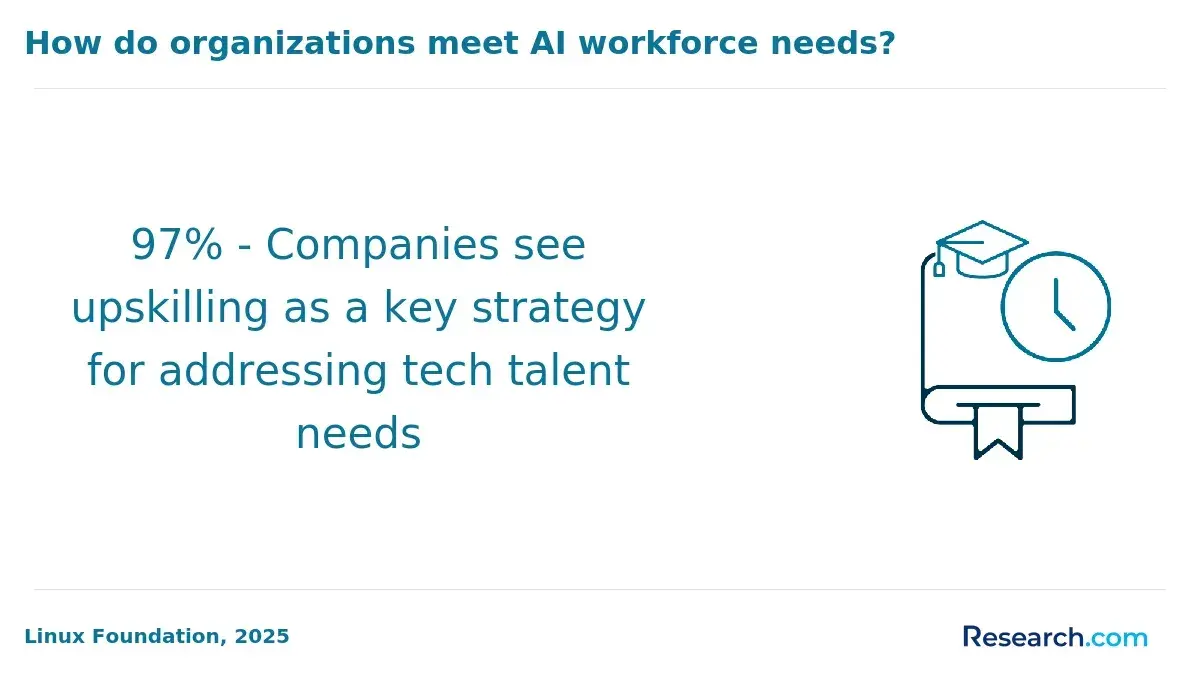
Brokerages investing in structured AI upskilling reported a 15-20% increase in agent-generated revenue within 12 months, underscoring the real impact of these capabilities. For professionals interested in advancing their expertise, pursuing a data science PhD online can deepen understanding of AI's role in marketing analytics and strategy.
How do online AI strategy courses compare with in-person options for real estate teams?
Online ai strategy courses offer real estate marketing teams enhanced flexibility and accessibility compared to in-person formats. These courses allow agents to learn at their own pace and revisit complex topics, which is crucial for mastering tools ranging from machine learning-driven customer targeting to automated content creation. In contrast, in-person courses provide direct interaction with instructors and peers, encouraging immediate feedback and networking but often require fixed schedules and travel commitments.
Cost and scalability further differentiate these options. Online training usually has lower costs, making it accessible for teams of various sizes and budgets. In-person sessions tend to be more expensive and limited to smaller groups or local markets, which may restrict the range of ai strategies covered. Additionally, online platforms quickly update materials to align with emerging ai technology, unlike in-person curricula that can lag behind innovations.
For real estate teams, integrating multiple ai tools is vital. A HousingWire report revealed that 58% of top-producing agents use at least three or more ai tools in their marketing, compared to only 27% of non-top producers. This underscores the value of comprehensive training, which online courses often deliver with modular content spanning diverse ai applications.
However, online learning challenges include reduced hands-on practice and potential distractions. Teams should complement online courses with internal workshops or real-time coaching to reinforce skills. A blended approach combining online flexibility with targeted in-person sessions can optimize learning environments tailored to team needs.
Which accreditation, instructor credentials, or industry partnerships matter for AI strategy programs?
Accreditation by recognized organizations like the Accrediting Council for Continuing Education and Training (ACCET) ensures that ai strategy programs for real estate marketing meet educational standards and stay current with technological advancements. This formal recognition is essential for program credibility and quality assurance.
Instructors should have expertise in both ai technology and real estate marketing, ideally with backgrounds as data scientists, marketing strategists, or former real estate agents. Experienced professionals who have developed predictive models or led successful ai-driven campaigns provide invaluable practical insights. It's beneficial to review instructor credentials, including published research, industry certifications such as Certified Analytics Professional (CAP), and previous leadership roles.
Active partnerships with real estate platforms and ai solution providers like Zillow or Compass enhance a program's relevance by integrating real-world data, case studies, and internship opportunities. According to a 2024 review by Maven, teams leveraging ai for hyper-local, personalized video and ad content see conversion rate improvements of 30-40% versus non-personalized campaigns, highlighting the impact of industry collaboration on course value.
- Accreditation ensures up-to-date curriculum standards.
- Instructor expertise bridges technology and market needs.
- Industry partnerships provide practical data and opportunities.
Prospective students should choose programs combining formal accreditation, proven instructors, and strong partnerships that align emerging ai tools with real estate marketing challenges.
What are the typical admission requirements and tech prerequisites for AI strategy courses?
Admission to ai strategy courses in real estate marketing generally requires a bachelor's degree or relevant professional experience, particularly for advanced programs. Many courses seek applicants with foundational skills in marketing, data analysis, or business strategy. Some programs also ask for prerequisite coursework in statistics, computer science, or digital marketing to ensure participants can handle technical ai concepts effectively.
Technical requirements depend on the course level. Entry-level programs usually expect familiarity with basic data management and real estate software. More advanced classes often require skills in data analytics platforms, Microsoft Excel, or CRM systems that incorporate AI features. While experience with programming languages such as Python or R is beneficial, it is typically not mandatory unless the curriculum emphasizes AI model development.
Programs may assess digital literacy through placement tests or request portfolios showcasing prior analytical or marketing projects. Hands-on experience with cloud-based platforms or ai APIs is sometimes necessary for project work.
Over 60% of real estate agents report low confidence in using AI for market insights and content creation. Therefore, reputable courses emphasize practical skill-building with popular AI-driven real estate tools, natural language processing for marketing content, and data visualization related to property trends, reflecting priorities highlighted by the Real Estate Business Institute's education brief.
Preparing by enhancing data interpretation skills and becoming comfortable with AI-driven software environments helps prospective students meet admission and technical demands successfully.
How long do AI strategy programs for real estate marketing usually take and what do they cost?
AI strategy programs for real estate marketing professionals vary in length from a few hours to several weeks, depending on the format and depth. Intensive bootcamps or certificate courses often last 4 to 8 weeks and include training on AI-driven data analysis, content generation, and predictive pricing models. Alternatively, shorter workshops focus on specific applications such as AI-enhanced listing descriptions or image optimization techniques.
Costs differ widely based on program duration, provider reputation, and included resources. Entry-level courses priced between $200 and $500 suit agents or small teams seeking foundational skills. More advanced programs with personalized mentorship and practical projects usually range from $1,000 to $3,000. Comprehensive certificates from recognized institutions may exceed $5,000 but offer access to proprietary AI platforms and ongoing support.
Choosing the right course involves considering your team's availability, clear skill outcomes, and alignment of costs with expected return on investment. Programs vary in focus: some prioritize operational AI tools, while others highlight strategic integration into marketing campaigns. For example, AI-optimized listings can generate 18% more online views and 14% more inquiries in the first two weeks, according to a HousingWire analysis.
Free introductory webinars are useful to gauge course fit before investing. Prospective students should select programs that best support their marketing goals and enhance online exposure through AI-driven content creation.
What career paths, roles, and promotions can AI-savvy real estate marketers pursue?
AI-savvy real estate marketers have diverse career paths that combine data-driven marketing, automation, and ethical AI use. Entry-level opportunities include roles such as AI marketing analyst or digital marketing coordinator, where professionals optimize ad targeting and deploy AI-powered tools. As they advance, mid-career options like AI marketing strategist, campaign manager, or content automation specialist emerge, focusing on personalizing client outreach and boosting lead conversions.
Senior positions include director of AI marketing or chief marketing officer with AI specialization. These roles involve overseeing compliance frameworks and aligning AI initiatives with business objectives. Notably, over 40% of broker-owners express concerns about legal, ethical, and data-privacy risks in AI-generated content. This underscores the need for expertise in AI risk management, compliance, and ethics, as detailed in the Rockwell Institute's 2024 overview.
Career growth typically reflects mastery of AI tools, data analysis, and regulatory compliance, enabling leadership of teams running AI-driven campaigns. Experienced professionals often become AI training instructors or consultants, focusing on ethical AI applications and risk reduction. Specialized roles like AI governance officer or compliance manager address the rising demand for regulatory oversight.
Lateral moves into product management for AI-enabled real estate platforms or innovation leads adopting emerging technologies are also common. Success in this field requires balancing innovation with ethical challenges and data privacy, navigating risks while advancing AI integration.
How can real estate teams evaluate and choose the best AI strategy course for their goals?
Real estate teams benefit most from ai marketing courses that focus on clearly defined goals such as lead generation, customer segmentation, automated content creation, or data analytics. Selecting courses with tailored modules for these specific applications provides practical, targeted learning.
Instructor expertise significantly impacts the value of a course. Professionals experienced in real estate marketing and ai strategy, especially those who have implemented ai-driven CRM systems, bring actionable insights that go beyond theory.
Practical resources also enhance learning. Programs that offer case studies, real-world projects, and tools compatible with common real estate marketing software enable teams to apply skills immediately and retain knowledge effectively.
Leadership integration and change management guidance are crucial for successful ai adoption. According to the Real Estate Business Institute, brokerages with a designated AI strategy lead or committee are 2.3 times more likely to implement firm-wide ai marketing standards within 12 months. Courses addressing organizational change help secure buy-in and build sustainable initiatives.
Course format should match team capacity and preferences-online, self-paced courses suit busy professionals, while cohort-based classes offer networking and accountability benefits.
Other Things You Should Know About Artificial Intelligence
Real estate teams can address ethical concerns by prioritizing transparency, ensuring data privacy, and implementing bias detection mechanisms in AI tools. Regular audits and stakeholder communication can further enhance trust and maintain ethical standards in AI strategies.
Artificial intelligence tools are designed to enhance, not replace, human judgment in real estate marketing. While AI can automate data analysis, lead scoring, and personalized content creation, it lacks the nuanced understanding and emotional intelligence required for complex client interactions and negotiation. Effective real estate teams use AI as a decision-support tool that complements human expertise rather than substituting it.
AI models in real estate marketing require regular updates to maintain accuracy and relevance. Market trends, consumer behavior, and regulatory conditions evolve, so models typically need retraining every few months or when significant new data becomes available. Continuous maintenance ensures AI tools can adapt to changing environments and deliver reliable insights over time.
Data quality is fundamental to the effectiveness of AI strategies in real estate marketing. High-quality, clean, and well-structured data enables AI systems to generate accurate predictions and actionable insights. Conversely, poor data quality can lead to incorrect recommendations, misidentification of potential leads, and wasted marketing efforts. Investing in proper data management and validation is essential for maximizing AI benefits.
References
- AI for Real Estate Professionals: How to Get More Clients, Listings, and Income https://www.recodemand.com/post/ai-for-real-estate-professionals
- How to Choose the Right AI Course for Your Team https://www.pertamapartners.com/insights/how-to-choose-ai-course-for-team
- How AI Qualifies Real Estate Leads for Better Conversion https://www.ylopo.com/blog/ai-for-real-estate-leads
- Artificial Intelligence in Real Estate https://www.nar.realtor/artificial-intelligence-real-estate
- Training Partners – AI Professional Institue https://aipro.institute/en/partners/training-partners/
- AI Powered Real Estate Professional https://www.rebinstitute.com/REBInstitute/REBInstitute/Education/AI_Real_Estate_Professional.aspx
- AI Courses for Marketing 2026: Complete Guide to Training Your Team https://technovapartners.com/en/insights/cursos-ia-marketing-2026
- Artificial Intelligence Course Guide: Eligibility, Admission Process, Scope & Careers https://www.tmu.ac.in/blog/artificial-intelligence-course-details-admission-scope-and-eligibility-criteria
- AI-Driven Real Estate Investment: Tools and Strategies https://www.oxfordintensives.org/courses/ai-driven-real-estate-investment-tools-and-strategies
- Mapping the role of Artificial Intelligence in real estate: A bibliometric and case study analysis https://jemi.edu.pl/vol-21-issue-3-2025/mapping-the-role-of-artificial-intelligence-in-real-estate-a-bibliometric-and-case-study-analysis