2027 Best AI Courses for Engineering Managers

Co-Founder and Chief Data Scientist
Engineering managers often face challenges integrating artificial intelligence into existing workflows due to a lack of specialized knowledge and training. This gap can delay innovation and reduce the effectiveness of AI-driven projects. For professionals transitioning from unrelated fields, finding accredited programs that offer flexibility without compromising rigor is critical. Balancing work responsibilities while acquiring advanced skills requires carefully curated learning paths. This article explores top courses designed to equip engineering managers with practical AI expertise, helping them lead AI initiatives confidently and accelerate career growth in this rapidly evolving sector.
Key Things You Should Know
- AI courses for engineering managers in 2026 emphasize practical leadership skills, with over 65% including modules on integrating AI systems into product development cycles.
- Data from 2025 shows a 40% increase in course offerings tailored for managers needing strategic AI adoption knowledge within teams.
- Top programs focus on ethical AI use, risk management, and up-to-date tools, reflecting growing industry demands for responsible AI leadership.
Advance Your Career with AI Online Courses
Artificial Intelligence: Implications for Business Strategy
This program provides an introduction to Artificial Intelligence and their implications for business strategy. Earn an official digital certificate.

Oxford Artificial Intelligence Programme
Explore this Oxford Artificial Intelligence programme offered in a flexible learning environment and explore topics like machine learning, automation, and robotics.

Implementing Agentic AI: Building Your Organizational Playbook
This online MIT Agentic AI course offers a practical approach to deploying AI agents in your organization, including a custom playbook. 3 weeks, exclusive launch price.

AI Adoption: Driving Business Value and Impact
This online MIT AI Adoption: Driving Business Value and Impact offers practical frameworks to close the gap between AI potential and business reality.

Artificial Intelligence in Pharma and Biotech
Discover the applications and limitations of artificial intelligence in pharma and biotech with this MIT online short course.

What are the best AI courses for engineering managers?
Top artificial intelligence training programs for engineering leaders focus on integrating technical expertise with leadership skills essential for driving AI initiatives. Prestigious programs from Stanford University, MIT, and Carnegie Mellon emphasize AI strategy, data-driven decision-making, and ethical considerations alongside core concepts like machine learning and natural language processing. These courses prepare managers to convert complex AI models into practical business solutions.
Specialized courses such as Stanford's "AI for Leaders" and MIT's "AI: Implications for Business Strategy" provide frameworks for managing cross-functional AI teams and embedding AI into product development cycles. For working professionals, flexible online options like Andrew Ng's "AI for Everyone" on Coursera and Harvard's "Data Science for Business" on edX also include project management modules that support leadership development.
Engineering managers seeking the best AI courses for engineering managers should prioritize programs blending technical depth with leadership training, emphasizing AI ethics, risk mitigation, and scaling solutions. Hands-on projects and real-world AI case studies prepare managers to tackle challenges such as AI bias, infrastructure constraints, and regulatory compliance effectively.
According to IBM's 2024 Global AI Adoption Index, engineering leaders with advanced AI skills are 43% more likely to lead organizations that outperform competitors in revenue growth. This reinforces the value of structured AI education to stay competitive. Those interested in broader educational opportunities might explore the best universities for data science undergraduate programs as part of their career advancement strategy.
Advance Your Career with AI Online Courses
Artificial Intelligence: Implications for Business Strategy
This program provides an introduction to Artificial Intelligence and their implications for business strategy. Earn an official digital certificate.
Oxford Artificial Intelligence Programme
Explore this Oxford Artificial Intelligence programme offered in a flexible learning environment and explore topics like machine learning, automation, and robotics.
Implementing Agentic AI: Building Your Organizational Playbook
This online MIT Agentic AI course offers a practical approach to deploying AI agents in your organization, including a custom playbook. 3 weeks, exclusive launch price.
Do AI courses for engineering managers require prior coding experience?
AI courses for engineering managers do not always require prior coding experience, though this depends on course focus and depth. Many programs prioritize leadership and strategic skills over technical coding. Courses aimed at AI strategy, governance literacy, and leadership often emphasize conceptual understanding, ethical frameworks, and project oversight. According to Deloitte's 2024 State of AI in the Enterprise report, 52% of top AI organizations identify "AI strategy and governance literacy" as a primary leadership gap for engineering managers, highlighting the importance of managerial oversight rather than detailed coding skills.
That said, some courses expect a baseline familiarity with programming or data science concepts, which helps in grasping AI model architecture or machine learning workflows. Managers with experience in Python, data analysis, or software development generally find these technical offerings more accessible and relevant when supervising AI engineering teams. Non-technical managers, on the other hand, benefit from courses designed for executives that focus on interpreting AI outputs, ethical issues, and cross-functional communication. Prospective students should carefully review prerequisites for AI courses engineering managers plan to take, ensuring alignment with their skill set.
Supplemental tutorials or bootcamps in Python or R can bridge coding gaps when needed. Many reputable programs now offer modular or hybrid curricula that allow managers to choose tracks focused on technical upskilling or strategic leadership. For those exploring further education options, this article on the cheapest mechanical engineering degree online highlights affordable pathways within related STEM disciplines.
In summary:
- Technical coding experience is not always required but enhances comprehension in some AI courses.
- Leadership and governance literacy in AI remains a critical skill gap for engineering managers.
- Choosing courses aligned with one's role and skill level ensures practical benefits.
Are online AI courses better than campus programs for engineering managers?
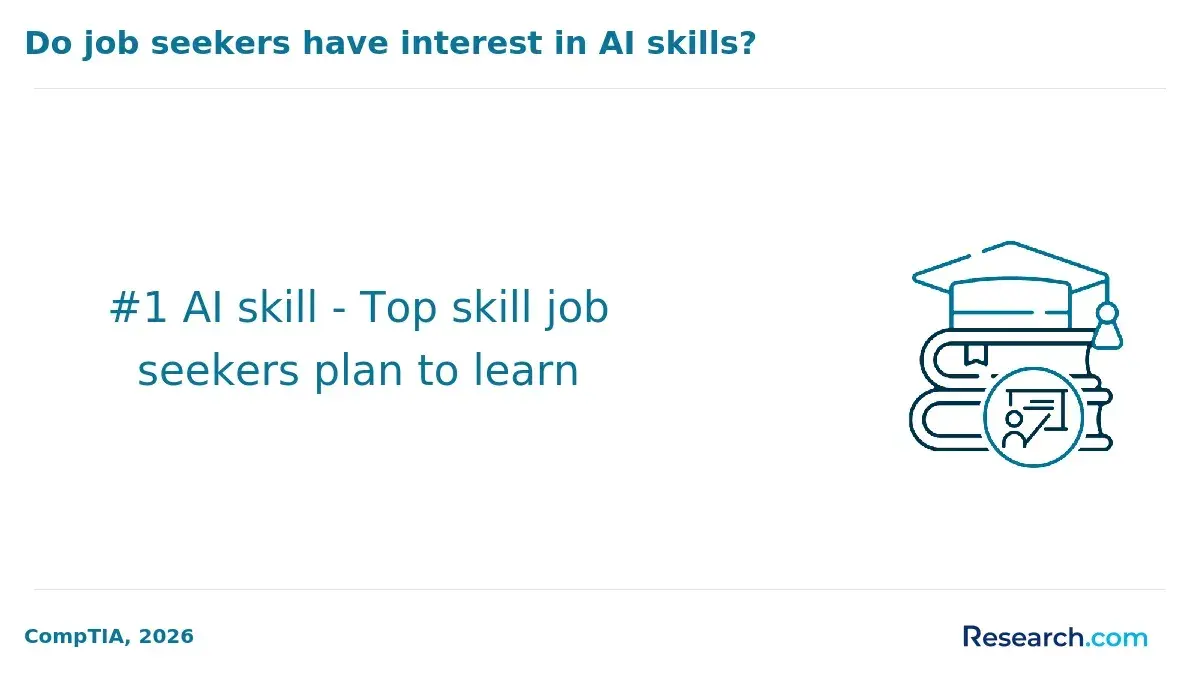
Online AI courses provide engineering managers flexibility and relevant, up-to-date content, making them ideal for those balancing demanding schedules. These courses often feature modular materials tailored to AI applications in engineering management, such as project risk assessment and AI-driven resource allocation. In contrast, campus programs usually require fixed attendance and offer richer networking opportunities alongside hands-on labs and in-person mentorship.
Both campus and online courses allow application of AI topics to engineering management challenges. However, online programs tend to adapt more quickly to evolving industry trends and often include real-world case studies that support immediate implementation of skills. Furthermore, online learning typically reduces financial barriers, presenting a cost-effective option for many professionals.
According to McKinsey's Global AI Survey, companies with formal AI upskilling programs for technical managers are 2.1× more likely to see at least a 10% EBIT uplift from AI projects. This underscores the importance of structured learning, regardless of format. Engineers seeking the best online artificial intelligence courses for engineering managers will find that these offerings emphasize efficient, scalable knowledge integration versus the immersive experience of campus learning.
Key considerations include:
- Online AI programs offer flexible pacing and instant access from any location.
- Campus programs provide immersive environments with direct mentorship.
- Online content usually adapts faster to industry trends.
- Cost differences often favor online learning options.
For those interested in related fields, exploring a game design degree online offers additional pathways to integrate technology and creativity in management roles.
What topics are covered in AI courses for engineering managers?
AI courses for engineering managers cover key concepts in artificial intelligence for engineering managers, focusing on machine learning algorithms, neural networks, and data processing techniques. These programs equip managers to evaluate AI system performance and interpret results to support strategic decision-making.
Core topics covered in AI courses for engineering leadership include AI integration within business processes, project planning, risk assessment, and resource allocation. Ethical AI use and governance frameworks are emphasized, preparing managers to ensure compliance, fairness, and bias mitigation while leading diverse teams.
Data literacy is a crucial component, with instruction on data collection methods, quality assessment, and managing large-scale data infrastructures. Practical case studies demonstrate real-world AI deployment challenges such as scalability, maintenance, and user adoption.
Leadership modules develop skills to foster interdisciplinary collaboration among data scientists, engineers, and stakeholders. Managers learn to communicate technical concepts clearly to non-technical audiences and translate AI capabilities into actionable business strategies.
Technical overviews balance foundational principles with managerial-level programming knowledge, often covering Python basics or AI platforms designed for leaders. This approach facilitates effective communication with engineering teams without requiring deep coding expertise.
The World Economic Forum's Future of Jobs Report 2025 projects a 22% growth in roles demanding AI and big data literacy by 2030, highlighting the urgent need for managers to build these skills. Prospective students may also explore the best online cybersecurity degree programs for veterans as a related pathway in this evolving tech landscape.
How do you choose an accredited AI program for engineering managers?
Accreditation from recognized bodies like ABET or regional agencies is essential when selecting an AI program for engineering managers, ensuring the education meets rigorous academic and industry standards. The curriculum should offer a balanced mix of theory and practical skills, with a focus on machine learning, data analysis, and AI system integration. Programs that include real-world projects or partnerships with industry provide valuable applied experience.
Faculty expertise plays a crucial role; instructors actively involved in AI research or industry enhance the quality of learning and open networking opportunities. It's also important to review alumni outcomes and job placement rates, which indicate how effectively the program supports career growth.
Cost and flexibility matter for working professionals. Accredited online or hybrid programs offer convenience without compromising quality. Shorter certificate programs are ideal for managers seeking to deepen AI technical skills without committing to full degrees.
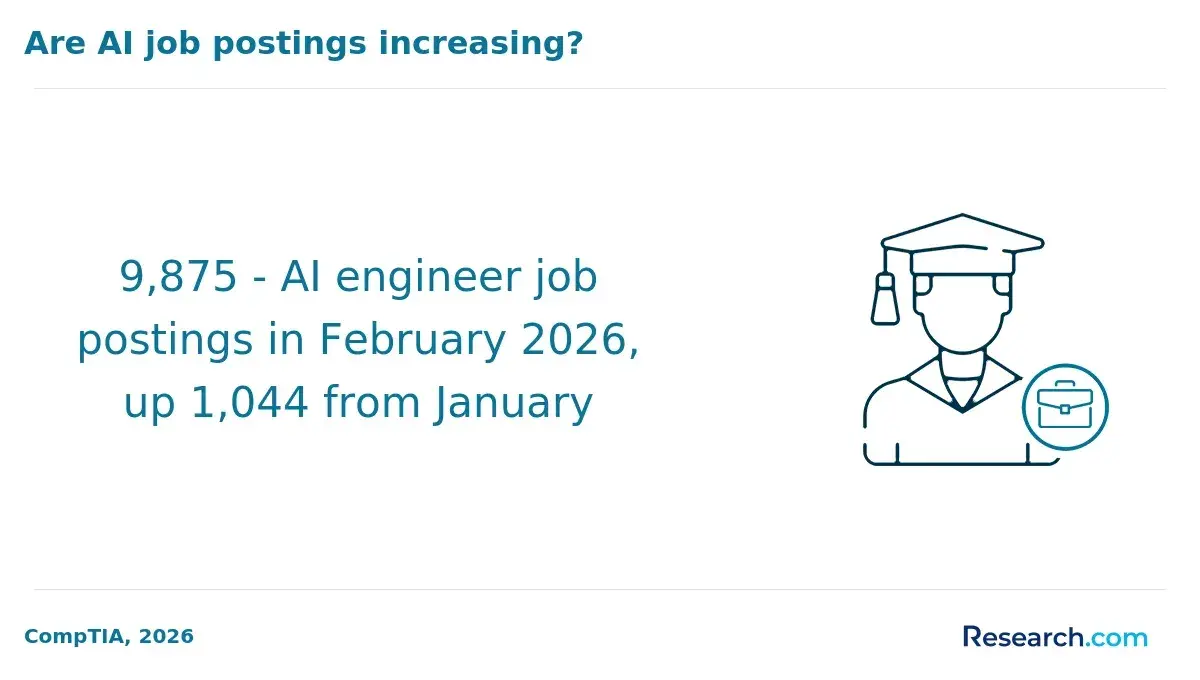
According to the 2025 Stack Overflow Developer Survey, AI/ML engineers earn a median global salary 28% higher than general software developers, highlighting the career advantage of technical AI expertise gained from accredited programs that combine theoretical foundations, practical experience, and managerial context.
What admissions requirements do AI courses for engineering managers usually have?
AI courses designed for engineering managers often require a solid educational foundation, usually at least a bachelor's degree in engineering, computer science, information technology, or closely related STEM fields. This background is crucial for grasping complex AI concepts and applying them effectively in management roles.
Professional experience is equally important-many programs prefer candidates with three to five years in engineering or technology management. Experience leading teams in software development, data science, or AI-focused projects adds significant value. This real-world leadership insight helps translate AI capabilities into practical business strategies.
Technical prerequisites differ among courses. Some expect prior knowledge of machine learning, Python, or large language models (LLMs), while others provide preparatory modules for those less familiar with hands-on AI work. Demonstrating analytical and quantitative skills can further strengthen applications.
Admissions often assess leadership potential and motivation to drive AI adoption. Candidates may need to submit written statements or participate in interviews. According to Gartner's 2024 CIO and Technology Executive Survey, 38% of organizations piloting generative AI face barriers from "lack of leadership understanding of LLM capabilities and limits," highlighting the need for gen-AI-specific leadership readiness in these programs.
Additional factors such as the ability to commit time to intensive programs, remote learning options, application deadlines, references, and prior coursework requirements can also impact eligibility.
- Bachelor's degree in a STEM-related field
- Three to five years of engineering or tech management experience
- Knowledge of programming or machine learning preferred
- Leadership skills and motivation for AI adoption
- Capacity for rigorous schedules and possible remote study
How long do AI courses for engineering managers take to complete?
AI courses for engineering managers vary widely in duration and format, ranging from short, intensive sessions to extended self-paced programs. Quick courses often take 6 to 12 hours over one or two days and focus on fundamental AI concepts and practical uses, ideal for managers who need immediate skills to support decision-making.
Longer, in-depth programs typically span 6 to 12 weeks with weekly commitments of 3 to 6 hours. These cover AI team management strategies, ethics, and technical basics to enable managers to collaborate effectively with data scientists and developers. Many vendor-supported academies and enterprise training platforms offer modular courses designed to fit busy schedules.
Self-paced online options last from 3 to 6 months, giving flexibility for balancing study with work. These paths help managers gain comprehensive skills needed to scale AI initiatives within their organizations.
Microsoft's 2024 Work Trend Index reports employees who complete internal AI trainer upskilling are 1.7× more likely to use AI tools weekly, and teams led by trained managers see a 16% boost in productivity. Prospective students should assess whether their goals focus on rapid tool adoption or strategic leadership and choose course length accordingly.
What do AI courses for engineering managers cost?
AI courses for engineering managers show a broad price range, typically from about $200 for online certificates to over $10,000 for executive programs. Platforms like Coursera and edX offer short certificate courses priced between $200 and $1,000, providing flexible learning options. In contrast, university-affiliated executive education and specialized bootcamps often cost $5,000 to $12,000 due to their intensive curricula and networking benefits.
Many providers use tiered pricing based on course depth, access length, and certification availability. Self-paced courses are generally more affordable but may lack personalized coaching. Higher-priced live virtual classes or hybrid formats include interactive mentorship, ideal for experienced managers seeking to lead AI projects effectively.
Career impact is a key factor; Pearson's 2024 Global Learner Survey found that 64% of hiring managers value industry-recognized AI/ML certificates as much or more than traditional postgraduate degrees for technical leadership. This highlights the value of selecting a well-recognized certificate aligned with industry standards.
Additional costs include time off work and extra learning materials. Financial aid, scholarships, or employer sponsorships may help offset upfront fees.
What jobs can engineering managers get after AI training?
Engineering managers with AI training can advance into roles such as AI project managers, machine learning product leads, AI strategy consultants, and data-driven technology directors. These positions require leading cross-functional teams that develop, deploy, and maintain AI solutions within organizations. For instance, an AI project manager coordinates data scientists and engineers to achieve product milestones efficiently, while a machine learning product lead ensures AI-driven features meet market demands and user experience goals.
With deep AI expertise, engineering managers may also serve as AI strategy consultants, guiding companies on adopting AI technologies to enhance operations and foster innovation. Data-driven technology directors apply AI insights to shape technology roadmaps and influence executive decision-making.
AI skills enable managers to bridge the gap between technical teams and business objectives, proving valuable across industries like finance, healthcare, automotive, and technology. According to a Coursera-Burning Glass Institute study, professionals earning advanced AI/ML certificates see salary increases of 8-13% within 12 months, often realizing over 300% ROI relative to program costs.
What salary can engineering managers expect after AI training?
Engineering managers with AI training can expect notable salary increases. Industry data shows their average base salary in the United States ranges from $145,000 to $185,000 annually. Leading AI-focused teams at major tech companies can push total compensation beyond $220,000 when bonuses and equity are included.
Several factors influence these salaries post-AI training:
- Experience in managing AI projects or teams significantly impacts negotiation power and pay.
- Company commitment to AI initiatives shapes available budgets and salary levels.
- Location matters, with higher pay common in tech hubs like San Francisco, Seattle, and New York.
- Current expertise in machine learning frameworks and scalable AI deployment enhances value.
The Accenture 2025 Technology Vision report highlights that firms investing at least 20 hours yearly per employee in AI upskilling achieve 3.4 times greater revenue growth than competitors. For engineering managers, this means more leadership roles on critical AI projects and justification for higher compensation. Maintaining an ongoing AI learning plan can lead to advanced roles such as AI product leader or director of AI engineering, with salaries often exceeding $200,000.
Prospective candidates should align AI training with industry needs such as AI model governance, ethical deployment, and cross-functional leadership. Demonstrating these skills is key during salary negotiations to maximize earning potential in a competitive market.
Other Things You Should Know About Artificial Intelligence
Artificial intelligence is a broad field focused on creating systems that can perform tasks requiring human intelligence. Machine learning is a subset of AI that involves training algorithms to learn from and make predictions based on data. Understanding this distinction helps engineering managers apply the right techniques in AI projects.
Besides coding, skills such as data analysis, project management, and domain knowledge are critical for managing AI projects effectively. Communication skills and ethical awareness are also important for coordinating teams and ensuring AI solutions align with business and societal values.
Common challenges include data quality issues, integration with existing systems, and resistance to change within organizations. Additionally, AI projects often face scalability problems and require ongoing monitoring to maintain performance and fairness. Awareness of these challenges helps engineering managers plan and execute AI initiatives successfully.
References
- Best AI Certifications to Boost Your Career in 2026 – Dataquest https://www.dataquest.io/blog/best-ai-certifications/
- How to become an AI engineer: Steps & skills | edX https://www.edx.org/become/how-to-become-an-ai-engineer
- New to AI, suggest courses to take from zero to Manage AI https://community.deeplearning.ai/t/new-to-ai-suggest-courses-to-take-from-zero-to-manage-ai/768687
- How long does it typically take to complete AI and Machine L... https://forums.h2kinfosys.com/community/main-category-artificial-intelligence/how-long-does-it-typically-take-to-complete-ai-and-machine-learning-courses/
- University Degree vs AI Bootcamp: Which is Best Career Path? https://agilefever.com/university-degree-vs-ai-bootcamp-which-is-best/
- Skills Required to Become an AI Engineer in 2026 | AI Engineer Skills Guide https://wininlifeacademy.com/ai-engineer-skills-required/
- How I Use AI as an Engineering Manager https://mentorcruise.com/blog/how-i-use-ai-as-an-engineering-manager-8b46a/
- Best AI Certification in 2026: Top Courses, Costs & Career Guide https://www.infotech.edu.sg/blog/best-ai-certification/
- AI Engineering Salary: Understanding Compensation Trends in 2026 https://nexusitgroup.com/ai-engineering-salary-understanding-compensation-trends/
- 10 best AI engineering courses for developers (I reviewed 50 so you don’t have to) https://dev.to/dev_tips/10-best-ai-engineering-courses-for-developers-i-reviewed-50-so-you-dont-have-to-76n