2027 Best AI Courses for QA Engineers

Co-Founder and Chief Data Scientist
Quality assurance (QA) engineers face increasing pressure to integrate artificial intelligence tools into testing processes without formal AI training. This gap often leads to inefficiencies and missed opportunities in automation and predictive analytics. Many professionals struggle to find accessible, flexible courses that bridge QA expertise with AI skills.
The rapidly evolving tech landscape demands targeted education that enhances both technical and strategic capabilities. This article examines the best AI courses designed specifically for QA engineers seeking practical, accredited programs that facilitate a seamless pivot into AI-driven quality assurance roles and advance their careers efficiently.
Key Things You Should Know
- AI courses for QA engineers in 2026 prioritize automation skills, with over 70% focusing on machine learning integration to improve testing efficiency and accuracy.
- Demand for QA professionals with AI expertise is growing 25% annually, aligning with industry shifts toward predictive analytics and intelligent test design tools.
- Top courses emphasize Python, AI frameworks, and cloud-based testing environments, reflecting current employer requirements for adaptable, scalable QA solutions.
Advance Your Career with AI Online Courses
Artificial Intelligence: Implications for Business Strategy
This program provides an introduction to Artificial Intelligence and their implications for business strategy. Earn an official digital certificate.

Oxford Artificial Intelligence Programme
Explore this Oxford Artificial Intelligence programme offered in a flexible learning environment and explore topics like machine learning, automation, and robotics.

Implementing Agentic AI: Building Your Organizational Playbook
This online MIT Agentic AI course offers a practical approach to deploying AI agents in your organization, including a custom playbook. 3 weeks, exclusive launch price.

AI Adoption: Driving Business Value and Impact
This online MIT AI Adoption: Driving Business Value and Impact offers practical frameworks to close the gap between AI potential and business reality.

Artificial Intelligence in Pharma and Biotech
Discover the applications and limitations of artificial intelligence in pharma and biotech with this MIT online short course.

What are the best AI courses for QA engineers?
The best AI courses for QA engineers focus on hands-on training in AI-driven test automation, machine learning basics, and data analysis tailored for software quality assurance. Prospective students should prioritize programs that incorporate practical experience with AI-augmented testing tools such as Selenium, AI-powered test case generation, and defect prediction models. Courses combining Python programming with AI libraries like TensorFlow or PyTorch enable QA professionals to build custom AI solutions that address specific testing challenges.
Top AI training programs for quality assurance professionals often cover AI algorithms essential to QA, including natural language processing for automating test scripts and computer vision for UI testing. Specialized courses train engineers on advanced tools like Testim or Applitools, which leverage AI to optimize test execution and detect visual defects, improving test coverage and reducing manual effort.
According to research, 67% of software-testing leaders were already investing in AI-augmented testing tools in 2024, with 45% expecting AI-driven automation to become a primary quality practice soon. This data highlights the need for QA engineers to develop skills aligned with these industry shifts.
Practical training includes projects focused on continuous integration pipelines enhanced with AI-based testing analytics. Additionally, QA engineers should assess curricula for content on AI ethics, model validation, and interpretability to ensure responsible AI use in software quality processes. Learning these competencies can open diverse opportunities within the field, including exploring artificial intelligence career paths.
Advance Your Career with AI Online Courses
Artificial Intelligence: Implications for Business Strategy
This program provides an introduction to Artificial Intelligence and their implications for business strategy. Earn an official digital certificate.
Oxford Artificial Intelligence Programme
Explore this Oxford Artificial Intelligence programme offered in a flexible learning environment and explore topics like machine learning, automation, and robotics.
Implementing Agentic AI: Building Your Organizational Playbook
This online MIT Agentic AI course offers a practical approach to deploying AI agents in your organization, including a custom playbook. 3 weeks, exclusive launch price.
How do AI courses help QA engineers advance their careers?
AI courses enable QA engineers to develop advanced skills in test automation, predictive analytics, and intelligent defect detection, enhancing career advancement for QA engineers using artificial intelligence courses. Mastering machine learning models helps QA professionals build adaptive testing frameworks that reduce manual effort and increase defect discovery rates.
For instance, automating test case generation with natural language processing tools equips engineers to manage complex software environments more efficiently.
Gaining artificial intelligence training for QA professionals prepares them to use cutting-edge tools that analyze large datasets for quality trends and anomalies—capabilities in high demand in sectors like finance and healthcare. Typical AI course content includes reinforcement learning to optimize testing sequences and AI-driven performance monitoring, broadening QA engineers' technical skill sets beyond traditional methods.
The job market shows significant growth as postings mentioning both "QA/testing" and "AI/ML" rose 192% globally between January 2023 and December 2024, far exceeding the overall QA job growth of 29%, reflecting strong employer demand for AI-savvy QA talent.
Beyond core QA roles, AI education enables collaboration with data scientists and developers and opens pathways to roles like AI test architect or AI quality consultant, expanding career options and salary potential.
Practical experience from AI courses, such as creating AI-driven test suites or applying anomaly detection algorithms, helps address scalability and complexity challenges in software development. For those seeking affordable education options related to engineering, the cheapest engineering degree programs provide accessible pathways to enhance technical skills through AI learning.
What should QA engineers learn in an AI course?
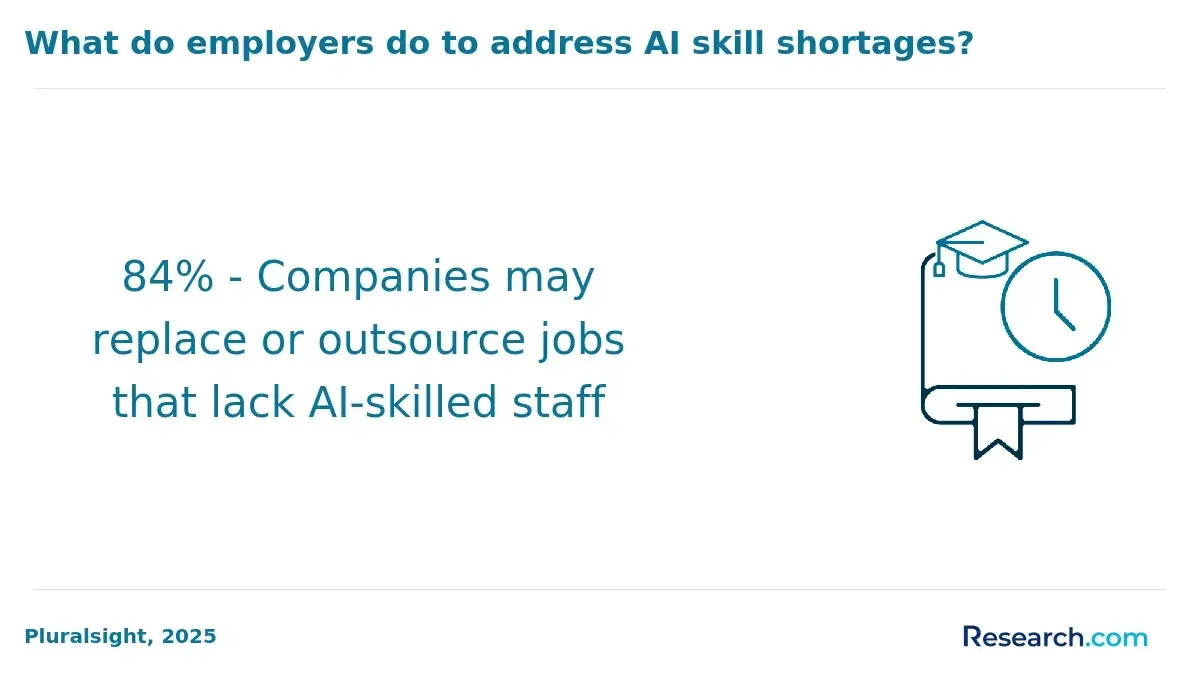
QA engineers developing AI skills for quality assurance engineers should prioritize mastering machine learning fundamentals such as supervised and unsupervised learning. These concepts are essential to understanding model behavior and evaluating AI system outputs effectively. Proficiency in AI-driven testing tools, including automation frameworks with natural language processing or anomaly detection, significantly enhances testing accuracy and efficiency.
Core competencies include data preparation, feature engineering, and model evaluation metrics, which strengthen the ability to design robust AI test cases. Programming knowledge, especially in Python and frameworks like TensorFlow or PyTorch, empowers QA professionals to write custom scripts and analyze error patterns within AI workflows, integrating machine learning applications in QA testing.
Familiarity with AI ethics, bias detection, and fairness testing equips QA engineers to identify and address unintended discriminatory behaviors in AI systems. Additionally, understanding DevOps and MLOps practices supports managing continuous integration and deployment pipelines for AI components, ensuring system stability in production environments.
Hands-on experience with domain-specific scenarios—such as image recognition accuracy, conversational AI validation, or AI-powered predictive analytics—further develops relevant expertise. Emphasizing explainability techniques helps QA engineers verify that AI decisions remain transparent and justifiable.
According to the Dice Tech Salary Report 2024, QA engineers with AI and machine learning tooling expertise earn 18% to 22% higher median salaries than their peers. Prospective learners interested in boosting their credentials can explore the cheapest online data science masters programs to acquire these valuable skills.
Which AI course formats work best for working QA engineers?
Self-paced online courses provide the best flexible artificial intelligence training for QA professionals who need to balance work and learning. These formats let learners progress at their own pace, ideal for those managing irregular hours or urgent tasks. Instructor-led live virtual classrooms add structure with real-time interaction, Q&A sessions, and demonstrations of AI-assisted test automation, enhancing understanding and peer collaboration.
Blended learning options combine asynchronous lessons with live workshops, helping QA engineers engage deeply with AI-driven test generation and ML-based defect prediction models, crucial for advanced roles. Short microlearning units offer quick skill updates on programming AI test scripts or configuring AI frameworks, serving as effective refreshers during tight schedules.
Organizations using AI-assisted test generation report a 25-30% reduction in test design time and a 20% increase in defect detection before production, based on Capgemini's World Quality Report 2024-25. Courses emphasizing practical AI tool use and automation scripting with real-world scenarios deliver significant productivity gains.
Choosing a course that fits individual learning styles and work demands ensures QA engineers can acquire AI skills effectively. For veterans or those interested in expanding into technical fields, exploring options such as an electrical engineering degree online for veterans can also complement AI capabilities.
What prerequisites do QA engineers need for AI training?
QA engineers pursuing artificial intelligence training benefit greatly from strong programming skills in languages like Python or Java, which are essential for customizing and integrating AI frameworks. Experience with automation testing tools such as Selenium or JUnit also supports understanding AI-powered test automation.
Key knowledge areas include machine learning concepts like supervised and unsupervised learning, model evaluation, and data preprocessing. These fundamentals help QA professionals leverage generative AI models for tasks like test case creation and script maintenance.
Data handling proficiency is critical. QA engineers should be adept at cleaning, labeling, and generating test datasets. According to the World Quality Report 2024-25 by Capgemini, Sogeti, and Micro Focus, 54% of enterprises adopt generative-AI tools for these purposes. Familiarity with SQL or similar query languages further boosts effectiveness.
Working knowledge of cloud platforms and containerization tools like Docker enables smooth deployment and scaling of AI-driven testing solutions in enterprise settings. Additionally, understanding AI ethics and data privacy principles ensures responsible use of artificial intelligence.
Many professionals find it productive to start with Python programming and basic machine learning courses before progressing to specialized AI testing tools. This approach equips QA engineers to interpret AI-generated test scenarios and maintain dynamic AI scripts efficiently.
How long do AI courses for QA engineers usually take?
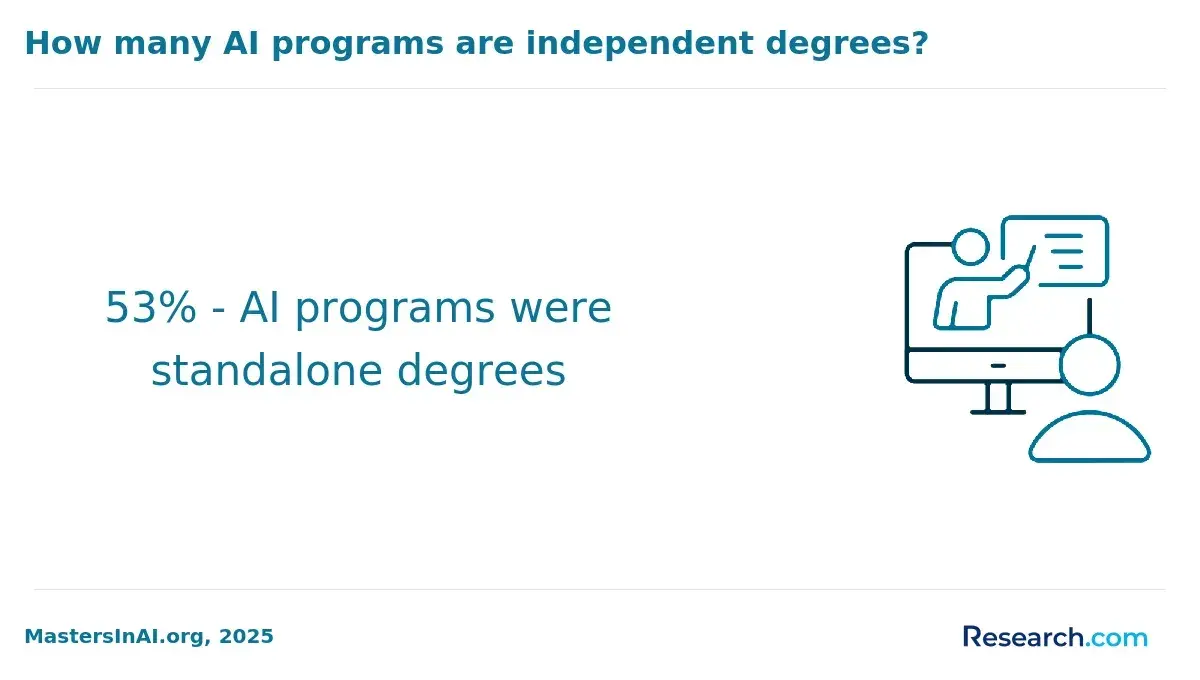
AI courses for QA engineers typically last from 4 to 12 weeks, depending on the curriculum's depth and delivery format. Short courses emphasize foundational topics like machine learning basics, AI-driven test automation, and generative AI tools, generally lasting 4 to 6 weeks with part-time study. More extensive programs, covering agentic AI, AI-powered test design, and advanced data validation, may extend to 10 or 12 weeks.
Most learners benefit from self-paced online courses, which offer the flexibility to complete material in weeks or spread over several months. Popular platforms like Coursera and Udemy provide courses tagged "Generative AI" and "Software Testing/QA" that typically require 6 to 8 weeks with a commitment of 5 to 7 hours per week.
Intensive bootcamps or professional certificate programs designed for QA professionals usually run 8 to 10 weeks. These combine AI theory, practical tool application, and project-based learning to prepare students for real-world challenges.
Enrollments in such online courses have surged over sixfold, from under 8,000 learners to over 50,000, reflecting a growing industry demand for AI skills in quality assurance. Prospective students should assess their experience, goals, and availability when choosing course length and format.
How much do AI courses for QA engineers cost?
AI courses for QA engineers vary widely in cost based on the depth, format, and provider. Introductory, self-paced courses on popular e-learning platforms generally range from $50 to $400. These offerings cover foundational AI concepts applied to software testing, including AI-driven test case generation and machine learning-powered automation frameworks.
More intensive, instructor-led bootcamps or specialized training programs typically charge between $1,000 and $5,000. These provide hands-on projects, mentorship, and advanced techniques tailored to quality assurance roles.
Certification programs that validate AI skills in QA add to the overall investment. Many relevant certifications cost between $300 and $1,000, reflecting differences in industry recognition and exam complexity. According to the "AI in Software Quality Assurance Survey 2024," 81% of QA and test leaders report their teams lack sufficient AI expertise, while only 32% have formal training or certifications specific to AI in QA.
Individuals should weigh the balance between cost and career goals since employers may subsidize training. Lower-cost courses often deliver basic theory, whereas higher-priced options tend to ensure access to current AI testing tools and better prep for certifications.
When selecting a course, consider these factors:
- Hands-on experience with AI tools in test automation
- Inclusion or availability of industry-recognized certification
- Ongoing support and resources after course completion
Which certifications should QA engineers consider after AI training?
QA engineers should focus on certifications that combine artificial intelligence knowledge with test automation and software development skills. Foundational credentials like the Certified Artificial Intelligence Professional (CAIP) and the ISTQB AI Testing Extension are highly recommended, as they address the unique challenges in AI-driven quality assurance environments.
Additional certifications to consider include the Certified Software Test Automation Specialist (CSTAS), which emphasizes automation frameworks enhanced by AI, and the Microsoft Certified: Azure AI Engineer Associate, tailored for cloud-based AI testing scenarios. These certifications certify proficiency in AI applications as well as cloud-integrated testing tools.
Being familiar with AI coding assistants such as GitHub Copilot and ChatGPT is increasingly valuable. Data from GitHub's "The State of AI in Software Development 2024" highlights that teams using AI assistants accelerate feature delivery by 55%. Therefore, certifications involving large language models (LLMs) and AI-powered automation tools will significantly improve a QA engineer's career prospects.
Machine learning-focused certificates from platforms like Coursera or edX are also beneficial. They help QA specialists understand AI model behavior and risks, facilitating better validation of AI outputs and debugging of adaptive testing bots.
Together, these credentials empower QA engineers to manage AI-augmented pipelines, detect AI-specific defects, and maintain software quality in evolving automated landscapes.
How do you choose a reputable AI course for QA engineers?
Choosing a reputable AI course for QA engineers involves prioritizing curriculum relevance, instructor expertise, and measurable outcomes. Focus on courses covering key AI concepts applied to software testing, such as machine learning models for defect prediction, AI-powered test automation, and data analysis techniques. Courses offering practical exercises with real-world testing datasets provide valuable hands-on experience.
Instructor qualifications are crucial. Select programs led by professionals with proven experience in AI and quality assurance roles, supported by industry certifications or contributions to AI testing methods. Alumni reviews and success stories can serve as additional indicators of a course's quality.
Training duration matters: companies investing at least 20 hours of AI education per tester have seen a 17% reduction in escaped defects and a 21% shorter testing cycle. A course meeting or exceeding this timeframe offers a meaningful return on investment.
Consider your career stage when choosing focus areas. Entry-level QA engineers benefit from general AI foundations, while experienced testers should seek advanced topics like natural language processing in automation or AI-driven regression testing frameworks.
While cost and certification validity are important, they should come secondary to content quality. Look for accredited programs or those recognized by industry bodies for stronger resume value.
Community support or mentorship opportunities enhance learning retention and problem-solving skills, which are vital for successfully applying AI in QA environments.
What jobs can QA engineers get after AI courses?
QA engineers who complete AI courses can move into specialized roles such as AI test engineers, automation engineers focused on AI, machine learning quality analysts, and AI validation specialists. These positions require skills in leveraging AI tools to enhance testing efficiency, accuracy, and scope.
For example, AI test engineers develop and optimize automated test models that use machine learning algorithms to detect defects early and predict failure points.
Automation engineers with AI expertise broaden their scripting abilities by integrating AI-driven testing frameworks, enabling advanced regression and performance testing. Machine learning quality analysts often work alongside data scientists to validate training data and model behavior, ensuring reliability in AI-powered products. AI validation specialists play a critical role in verifying AI functionalities against business requirements, addressing issues like bias, fairness, and system robustness.
Industries such as finance, healthcare, and software development are rapidly adopting AI-enhanced testing. The CIO and Technology Executive Survey 2024 found that 63% of CIOs expect AI-augmented testing to become widespread and critical by 2027, up from 18% in 2023, creating significant job opportunities for QA professionals skilled in AI technologies.
QA professionals face challenges including mastering AI algorithms, managing large datasets, and ensuring compliance with AI ethics. Completing practical AI courses equips them to overcome these hurdles effectively, preparing them for roles ranging from AI-powered test script development to AI system audits. This opens pathways to advanced and leadership positions in the evolving field of quality assurance and artificial intelligence.
Other Things You Should Know About Artificial Intelligence
In 2027, some of the best AI courses for QA engineers include "AI for Quality Assurance" by Coursera, "Machine Learning for Software Testing" from edX, and Udacity's "AI and Software Testing Nanodegree." These courses focus on integrating AI into quality assurance processes, enhancing skills in AI-driven testing methodologies and tools.
Artificial intelligence improves software testing by enabling automated test case generation, defect prediction, and test optimization. It allows QA engineers to identify issues faster and with greater accuracy, reducing manual effort and increasing test coverage.
Ethical considerations include ensuring transparency, avoiding bias, protecting privacy, and maintaining accountability in AI systems. Developers and QA engineers must assess AI models for fairness and robustness to prevent harmful outcomes or discriminatory behavior.
Yes, AI-powered testing tools can adapt to changes by learning from new data and updating test scenarios accordingly. This flexibility helps QA teams maintain test relevance even as software requirements evolve during development cycles.
References
- 10 best AI engineering courses for developers (I reviewed 50 so you don’t have to) https://dev.to/dev_tips/10-best-ai-engineering-courses-for-developers-i-reviewed-50-so-you-dont-have-to-76n
- AI Testing course in Hyderabad | QA training Hub | Hyd https://qatraininghub.com/ai-testing-for-qa-engineers-skills-you-need-to-learn-in-2025/
- Modern QA Automation Skills: Engineering, CI/CD, API Testing & AI https://everworker.ai/blog/modern_qa_automation_skills_engineering_ci_cd_api_ai
- ISTQB Certified AI Tester – Advanced QA with AI & ML | Isha https://www.ishatrainingsolutions.org/courses/istqb-certified-ai-tester-advanced-qa-with-ai-ml/
- AI in QA: How QA Testers Use Artificial Intelligence in 2025 https://www.coursereport.com/blog/ai-in-qa-how-qa-testers-use-artificial-intelligence-in-2025
- AI Certifications for Quality Engineers https://wearecommunity.io/communities/lvivqacommunity/articles/5569