2027 Best AI Courses for Pricing Strategy Teams

Co-Founder and Chief Data Scientist
Pricing strategy teams often struggle to integrate advanced analytical tools that can anticipate market shifts and optimize revenue streams. Traditional methods may lack the speed and precision needed for highly competitive environments. This creates a gap for professionals aiming to leverage cutting-edge approaches without extensive prior experience in artificial intelligence.
Flexible learning options tailored to those with unrelated undergraduate backgrounds can bridge this gap efficiently. This article explores the best AI courses designed specifically for pricing strategy professionals, offering accredited, accessible pathways to develop relevant skills and enhance strategic decision-making through practical, industry-focused education.
Key Things You Should Know
- Top AI courses for pricing strategy teams in 2026 emphasize machine learning applications for dynamic pricing, with 72% of courses incorporating real-world retail and e-commerce case studies from 2024-2025.
- Leadership and decision-making modules integrated in 65% of programs enhance strategic pricing skills, helping teams leverage AI insights for competitive market positioning.
- Certification completion rates rose by 18% in 2025 as employers increasingly prefer candidates trained in advanced AI pricing tools, reflecting growing industry demand in the U.S. market.
Advance Your Career with AI Online Courses
Artificial Intelligence: Implications for Business Strategy
This program provides an introduction to Artificial Intelligence and their implications for business strategy. Earn an official digital certificate.

Oxford Artificial Intelligence Programme
Explore this Oxford Artificial Intelligence programme offered in a flexible learning environment and explore topics like machine learning, automation, and robotics.

Implementing Agentic AI: Building Your Organizational Playbook
This online MIT Agentic AI course offers a practical approach to deploying AI agents in your organization, including a custom playbook. 3 weeks, exclusive launch price.

AI Adoption: Driving Business Value and Impact
This online MIT AI Adoption: Driving Business Value and Impact offers practical frameworks to close the gap between AI potential and business reality.

Artificial Intelligence in Pharma and Biotech
Discover the applications and limitations of artificial intelligence in pharma and biotech with this MIT online short course.

What do AI courses for pricing strategy teams cover, and who are they best for?
AI courses for pricing strategy teams focus on practical applications of artificial intelligence in dynamic pricing, demand forecasting, and competitor analysis techniques. These programs teach advanced analytics, machine learning models, and data-driven decision-making tailored to real-world pricing challenges. Participants learn to integrate AI insights into pricing frameworks to optimize revenue and profitability while using automation for real-time pricing adjustments.
These courses are best suited for pricing analysts, revenue managers, and business strategists looking to integrate machine learning tools into pricing decision processes. Teams gain skills in interpreting complex datasets, running scenario simulations, and applying AI-driven price optimization software to improve business outcomes.
Training ranges from foundational AI concepts and basic predictive modeling to advanced curricula addressing algorithm development and AI system integration specific to pricing environments. Many focus on deploying AI within ERP or CRM platforms to streamline pricing adjustments. Practical challenges such as identifying relevant data, managing resistance to AI-driven changes, and addressing ethical concerns in pricing automation are also covered.
Despite proven benefits like a 3-5% increase in EBITDA and 1-3% rise in sales reported by McKinsey, only about 20% of companies have scaled these AI capabilities effectively. Thus, courses emphasize bridging skill gaps and enabling strategic AI use rather than just technical knowledge.
For professionals seeking related education pathways, options such as a computer science accelerated degree can provide strong foundations for working with AI in pricing and revenue teams.
- Applications of artificial intelligence in pricing strategy
- Best AI training for pricing and revenue teams
Advance Your Career with AI Online Courses
Artificial Intelligence: Implications for Business Strategy
This program provides an introduction to Artificial Intelligence and their implications for business strategy. Earn an official digital certificate.
Oxford Artificial Intelligence Programme
Explore this Oxford Artificial Intelligence programme offered in a flexible learning environment and explore topics like machine learning, automation, and robotics.
Implementing Agentic AI: Building Your Organizational Playbook
This online MIT Agentic AI course offers a practical approach to deploying AI agents in your organization, including a custom playbook. 3 weeks, exclusive launch price.
How can AI training improve real-world pricing strategy, revenue, and profitability outcomes?
AI training empowers pricing strategy teams with advanced data analysis and predictive modeling skills, directly contributing to enhanced revenue growth through AI-driven pricing strategy optimization. Professionals learn to identify optimal price points by analyzing customer behavior, market trends, and competitor actions in real time.
For instance, dynamic pricing algorithms driven by AI can automatically adjust prices based on demand fluctuations, helping maximize revenue without manual effort.
Training in artificial intelligence also improves forecast accuracy by integrating machine learning models that predict future sales and pricing scenarios more precisely than traditional methods. This reduces costly pricing errors and allows for timely strategic adjustments. Additionally, expertise in natural language processing helps synthesize unstructured data like customer reviews and social media feedback to better understand price sensitivity and inform pricing decisions.
According to BCG, 89% of top-performing pricing organizations prioritize data science and AI literacy among commercial staff, highlighting the tangible impact of AI on profitability and pricing decisions compared to only 34% of average performers. Practical AI skills enable customized segmented pricing strategies, using clustering algorithms and decision trees to identify customer groups with varying willingness to pay, thus driving profitability.
Effective AI training also boosts operational efficiency by automating routine data processing and scenario analysis, freeing pricing professionals to refine strategies and foster alignment with sales and marketing teams for faster, data-driven decisions. For those seeking to build a foundation in technical expertise linked to AI and pricing, pursuing an online degree in mechanical engineering can provide valuable analytical and problem-solving skills applicable in this domain.
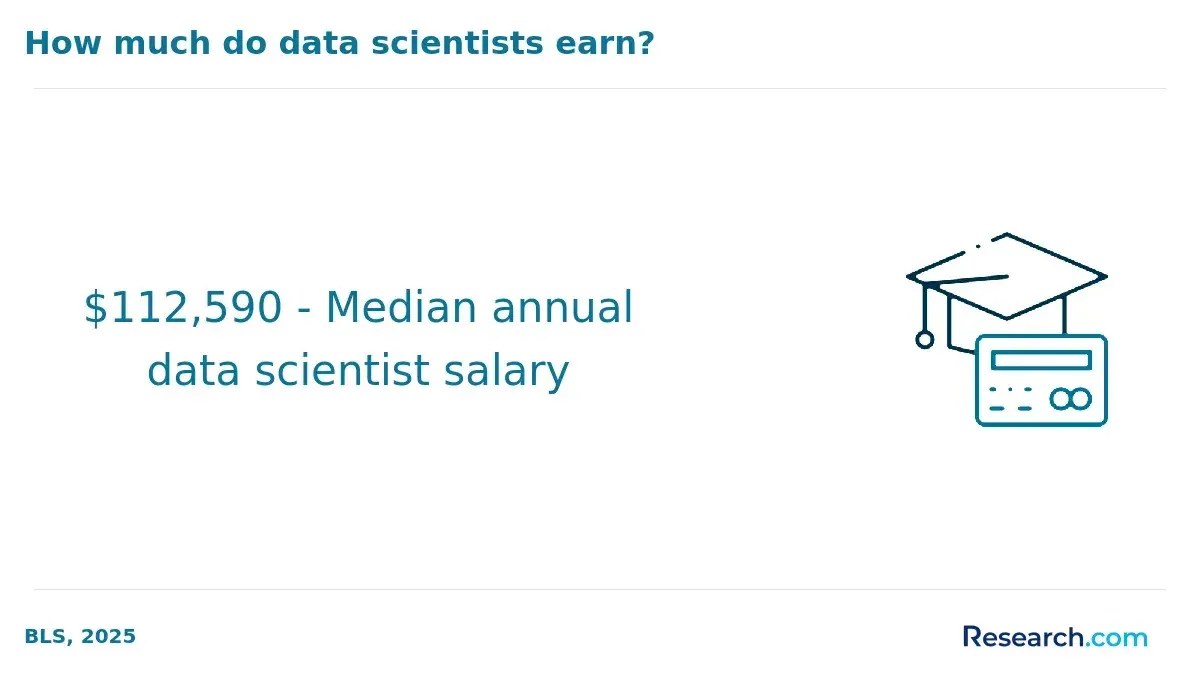
What types of AI programs exist for pricing teams (certificates, bootcamps, degrees)?
Pricing strategy teams can enhance their expertise through three primary types of AI certification programs: certificates, bootcamps, and degrees.
Certificates offer focused learning on applying AI methods to pricing challenges, usually lasting weeks to months. These certifications emphasize practical skills such as predictive analytics, demand forecasting, and automated price optimization, ideal for professionals seeking targeted knowledge without a deep technical background.
Bootcamps and degrees provide more comprehensive education in AI for pricing strategy, offering both theoretical and practical aspects of AI in pricing. Bootcamps offer intensive, short-term training, typically lasting a few days to a few weeks, while degrees offer a broader understanding of AI principles, as well as specialized courses in pricing strategy and analytics, and are ideal for those seeking a career in AI-focused pricing strategy.
Bootcamps provide immersive and intensive training over several weeks, combining theory with hands-on projects. These programs teach programming languages and ai tools critical for dynamic pricing and competitive analysis, enabling rapid upskilling for those pursuing ai-driven pricing roles. Bootcamps are an effective option for professionals who want immediate practical application.
Degree programs, such as bachelor's and master's degrees in data science or business analytics with an ai focus, deliver comprehensive education over a longer term. These degrees build deep technical expertise alongside strategic pricing frameworks, preparing professionals for leadership in ai innovations within pricing strategy. Those interested in more extensive study, including specialized fields like game design, can explore options such as a game development online degree.
According to Coursera's 2025 Learner Outcomes report, 77% of business professionals completing introductory ai courses applied ai weekly within six months, and 41% saw measurable productivity gains. This highlights the effectiveness of certificates and bootcamps in delivering real-world impact swiftly. Choosing between bootcamps and degree options in AI for pricing professionals depends on career goals, desired depth, and timelines.
How do online AI courses for pricing professionals compare with on-campus and hybrid options?
Online AI courses for pricing professionals offer greater flexibility and accessibility than on-campus training, making them ideal for working practitioners. Unlike fixed on-campus schedules, online programs enable learners to balance professional duties while acquiring AI skills focused on pricing strategy. This is especially relevant for those exploring how online AI courses compare to on-campus training for pricing professionals.
Hybrid AI courses in pricing strategy education combine online convenience with occasional in-person sessions. This format suits individuals seeking face-to-face mentoring and networking but requires a moderate time commitment.
However, online courses generally cover a broader range of specialized topics like dynamic pricing algorithms and machine learning optimization, essential for pricing teams adapting swiftly to market changes. These distinctions highlight benefits of hybrid versus online AI courses in pricing strategy education.
Cost is another consideration. Online courses usually have lower tuition and eliminate commuting expenses, making them more affordable for teams and individuals. They often provide modular, self-paced learning tailored to professionals needing immediate application of AI tools in pricing models. Evidence from O'Reilly's AI Skills Report shows that structured machine learning upskilling programs significantly boost the likelihood of leading production AI projects, such as dynamic pricing.
Pricing professionals should weigh schedule flexibility, AI content depth, applicability to pricing, and total cost when choosing education modes. For those pursuing advanced studies, an online PhD in data science can further enhance expertise and career prospects.
Which AI skills and pricing analytics topics should a strong curriculum include?
Essential ai skills for pricing analytics education include machine learning methods focused on demand forecasting and price elasticity modeling. These techniques enable pricing professionals to forecast customer behavior precisely and apply dynamic pricing strategies.
Mastery in algorithms for dynamic pricing and revenue management is vital; the IATA 2024 Dynamic Offer Creation study highlights that airlines leveraging ai-driven continuous pricing saw up to 7% higher incremental revenue than traditional models. Additionally, expertise in data engineering and data visualization is necessary to integrate diverse data sources and clearly communicate pricing findings.
Courses typically cover optimization techniques such as reinforcement learning and linear programming, allowing teams to develop adaptive, real-time pricing strategies. Ethical considerations and regulatory compliance form an important part of the curriculum, ensuring responsible ai application in pricing. Training in programming languages like Python and R, alongside advanced analytics platforms, supports practical AI implementation.
Specialized areas include segmentation analysis and competitor price tracking, which refine strategic pricing decisions. Case studies from sectors practicing algorithmic price optimization-such as airlines and e-commerce-offer valuable real-world context. Including scenario analysis and A/B testing modules helps learners evaluate pricing outcomes under varying market conditions.
Incorporating AI predictive modeling, optimization algorithms, data management, and ethical frameworks, this curriculum is strengthened by hands-on experience with relevant tools and business cases that reflect industry standards.
How do you choose accredited, reputable AI programs that support pricing careers?
Choosing accredited programs with strong institutional recognition is crucial for advancing careers that combine artificial intelligence and pricing strategy. Seek offerings from established universities or organizations accredited by bodies like ABET or regional education authorities to ensure curriculum quality and industry relevance.
Focus on programs emphasizing AI applications specifically in pricing and packaging. Data from SaaS Capital's 2024 benchmarking report reveals that B2B SaaS companies using AI-driven pricing experiments experience 14% faster growth in annual recurring revenue compared to those relying on intuition or manual methods. Curriculum that integrates such practical insights offers a significant competitive advantage.
Look for courses featuring specialized modules on machine learning models, demand forecasting, and dynamic pricing algorithms. Practical case studies or projects related to SaaS and subscription business models are vital. Hands-on experience with AI tools and real-world data sets enhances the transfer of skills directly to pricing teams.
Instructor expertise is another key factor. Verify faculty backgrounds and guest lecturers with proven careers in pricing strategy and AI technology. Networks, mentorships, and partnerships within the industry can enrich the learning experience and support career growth.
Delivery formats should accommodate working professionals, with part-time online or blended learning options being ideal. Reviews and endorsements from alumni in pricing roles add transparency and help gauge program credibility.
What are typical admission requirements, time commitments, and costs for these AI courses?
Admission requirements for ai courses aimed at pricing strategy teams typically include a bachelor's degree in business, economics, data science, or a related field. Some programs also expect foundational knowledge in statistics, programming languages like Python or R, or basics of machine learning.
Professional experience in pricing, marketing analytics, or supply chain management may sometimes substitute formal prerequisites. Applicants might need to submit a statement of purpose detailing their interest in ai-driven pricing strategies.
Course durations vary: intensive boot camps and short certificate courses usually last 4 to 8 weeks with 8 to 15 hours weekly commitment. More extensive offerings such as university-led certificates or professional diplomas span 3 to 6 months requiring 5 to 10 hours per week. Fully online, self-paced options provide flexibility, but successful completion depends heavily on learner discipline.
Costs for various courses range widely, from under $500 for brief modules to over $5,000 for advanced professional certificates or specialized university programs.
Employer subsidies may be available for courses addressing pricing optimization challenges. According to NielsenIQ's 2024 global promotion effectiveness study, consumer packaged goods manufacturers using AI for promotional pricing achieved an average 18% boost in promotion ROI and reduced ineffective spend by 15%. This underscores the significant financial impact of such education.
Many courses offer hands-on projects using real pricing data, enhancing practical skills. Others focus on popular ai tools in pricing analytics such as demand forecasting algorithms and trade spend optimization software. Prioritizing programs with case studies related to consumer packaged goods or retail pricing can significantly increase career relevance and effectiveness.
- Typical admission: Bachelor's degree or equivalent experience
- Time commitment: 4 weeks to 6 months
- Costs: $500 to $5,000+
- Benefits: Improved roi and reduced wasted promotion spend
What career paths and job titles can AI-trained pricing professionals pursue?
AI-trained pricing professionals work across various industries, leveraging data-driven decision-making and algorithmic analysis to optimize pricing strategies. Typical roles include Pricing Analyst, interpreting AI-generated models; Pricing Manager, who oversees strategy execution; and Revenue Management Analyst, focusing on profit optimization using predictive analytics.
Advanced positions like AI Pricing Specialist and Data Scientist blend domain expertise with technical skills to develop and refine pricing algorithms.
Leadership roles such as Director of Pricing Strategy or Chief Pricing Officer demand experience with AI tools and understanding of compliance and ethics. The European Commission's report on algorithmic business practices highlights that 61% of large EU firms adjusted or stopped algorithmic pricing to address fairness and collusion risks. This has created demand for Compliance Managers and Ethics Officers specializing in AI governance to ensure legal and ethical standards are met.
Additional career paths include Product Manager for pricing software, Business Intelligence Analyst, and Consultant for AI integration. These jobs often require knowledge of AI ethics, regulatory frameworks, and real-time data processing.
Key skills for entering this field involve machine learning, statistical analysis, and regulatory awareness. Addressing challenges such as algorithmic bias and transparent pricing is crucial, enabling professionals to combine technology with strategic and ethical oversight.
What salary ranges and job outlook can AI-skilled pricing strategists expect?
AI-skilled pricing strategists in the U.S. command salaries generally ranging from $85,000 to $150,000 annually, influenced by experience, industry, and company size. Entry-level roles start near $85,000 to $100,000, while those with advanced AI expertise and proven success in pricing optimization often exceed $130,000. Senior roles, particularly in pricing strategy leadership or revenue management, may include bonuses that push total compensation beyond $150,000.
The job outlook is strong due to growing reliance on data-driven decisions. AI proficiency enables pricing teams to analyze market trends quickly and optimize pricing in real time, making these skills highly valuable. According to LinkedIn's Workplace Learning Report 2025, employees following curated multi-course AI and data learning paths are 39% more likely to advance into higher-responsibility pricing and revenue roles within a year.
Career progression often moves from data analyst or junior pricing roles to strategic pricing manager or revenue optimization lead positions. Key sectors like e-commerce, SaaS, and finance prioritize AI skills for dynamic pricing and customer segmentation. Pricing strategists leveraging AI tools for price elasticity modeling and competitive pricing benefit from enhanced precision.
Investing in comprehensive AI training that covers machine learning, analytics, and automation enhances employability and accelerates career growth. Demonstrated ability to integrate AI-driven insights into pricing decisions distinguishes candidates and opens doors to higher salaries and leadership opportunities.
Are there industry-recognized certifications in AI and pricing analytics worth pursuing?
Industry-recognized certifications in ai and pricing analytics provide valuable opportunities for professionals to advance their skills and demonstrate expertise in a competitive market. These programs offer structured learning paths that focus on machine learning algorithms, demand forecasting, price optimization models, and data-driven decision-making, bridging theoretical knowledge and practical application.
Notable certifications include:
- Certified Pricing Professional (CPP) combined with ai specialization modules, emphasizing pricing strategy enhanced by analytics.
- Professional certificates from platforms like Coursera and edX, delivering ai fundamentals alongside pricing case studies in partnership with renowned universities.
- Vendor-specific credentials from companies such as IBM and Google, focusing on real-world ai tools for pricing and sales optimization.
These credentials enhance credibility and business outcomes. According to IBM, organizations investing in formal AI training for commercial and pricing teams were 1.8 times more likely to achieve revenue increases of 10% or more than those without structured training. This highlights the importance of certifications emphasizing applied skills.
Prospective students should seek certifications that include hands-on projects with pricing analytics platforms or simulations. Look for programs that align with emerging technologies like reinforcement learning and neural networks in pricing strategy. Verified credentials signal readiness to employers and equip teams to implement ai tools effectively within pricing functions.
Other Things You Should Know About Artificial Intelligence
Implementing artificial intelligence in pricing strategies often involves data quality and integration challenges. Pricing teams must ensure access to clean, relevant datasets, which can be difficult if data is stored in siloed systems. Additionally, aligning AI outputs with business rules and market conditions requires continual tuning and expert oversight to avoid unintended pricing decisions.
In 2027, top AI courses for pricing strategy teams include "AI for Business Strategy" by MIT, "AI-Driven Pricing Models" on Coursera, and "Advanced Pricing Strategies with AI" at Stanford. These courses focus on implementing AI for optimizing pricing, understanding market trends, and improving decision-making processes.
Explainability is crucial for pricing teams to trust and validate AI-generated price recommendations. Transparent AI models help stakeholders understand how prices are determined, which is essential for regulatory compliance and internal decision-making. Techniques such as model-agnostic explanations and interpretable algorithms aid in making AI outputs more understandable.
Yes, artificial intelligence can adapt to dynamic market conditions by continuously learning from real-time data streams. AI pricing models leverage machine learning to detect trends, competitor actions, and demand fluctuations promptly. However, effective adaptation depends on maintaining updated data inputs and regularly recalibrating models to stay aligned with shifting environments.
References
- What are the requirements for completing the Introduction to AI and Building AI courses? https://www.elementsofai.com/ie/faq/what-are-the-requirements-for-completing-the-introduction-to-ai-and-building-ai-courses
- Ultimate Guide: How to Choose the Right AI Training Course to Boost Your Career - ONLC https://www.onlc.com/blog/how-to-choose-ai-training-courses/
- AI Skills: More Job Opportunities... But Limited Salaries — The Paradox You Need to Understand https://astrsa.com/en/blog/ai-skills-more-jobs-limited-salaries-2026
- Best AI Courses for Business Teams 2026 — 10 Programs Compared https://iternal.ai/best-ai-courses-for-business
- How AI Optimizes Pricing for Revenue Growth https://www.lucid.now/blog/how-ai-optimizes-pricing-for-revenue-growth/
- Best AI Certifications to Boost Your Career in 2026 – Dataquest https://www.dataquest.io/blog/best-ai-certifications/
- Top 7 artificial intelligence courses 2025: Comparison of the best online programs https://xd-i.com/en/data-en/ai-courses/
- B.Tech in AI Course: Eligibility, Fees, Admission & Career https://manavrachna.edu.in/blog/btech-ai-course-eligibility-fees-admission-career
- Early Curriculum for Artificial Intelligence (Ai) Enhancing the Quality of Education https://acr-journal.com/article/early-curriculum-for-artificial-intelligence-ai-enhancing-the-quality-of-education-862/
- Why Investing in an AI Bootcamp is Worth It for Product Managers https://www.utsa.edu/pace/news/why-investing-in-an-ai-bootcamp-is-worth-it-for-product-managers.html