2027 Best AI Adoption Courses for Healthcare Data Governance Teams

Co-Founder and Chief Data Scientist
Healthcare data governance teams often face challenges integrating artificial intelligence tools while ensuring compliance, data integrity, and ethical use. Missteps can lead to costly errors, breaches, or ineffective AI applications that fail to meet regulatory standards. As AI rapidly transforms healthcare operations, professionals must acquire the knowledge to navigate this complex landscape confidently.
This article reviews top AI adoption courses designed specifically for healthcare data governance teams, highlighting flexible, accredited programs that support career pivots. Readers will gain insight into educational options that enhance skills in managing AI responsibly and effectively within healthcare data environments.
Key Things You Should Know
- Top AI adoption courses for healthcare data governance focus on integrating AI ethics, compliance, and data privacy, addressing federal regulations like HIPAA updated in 2024.
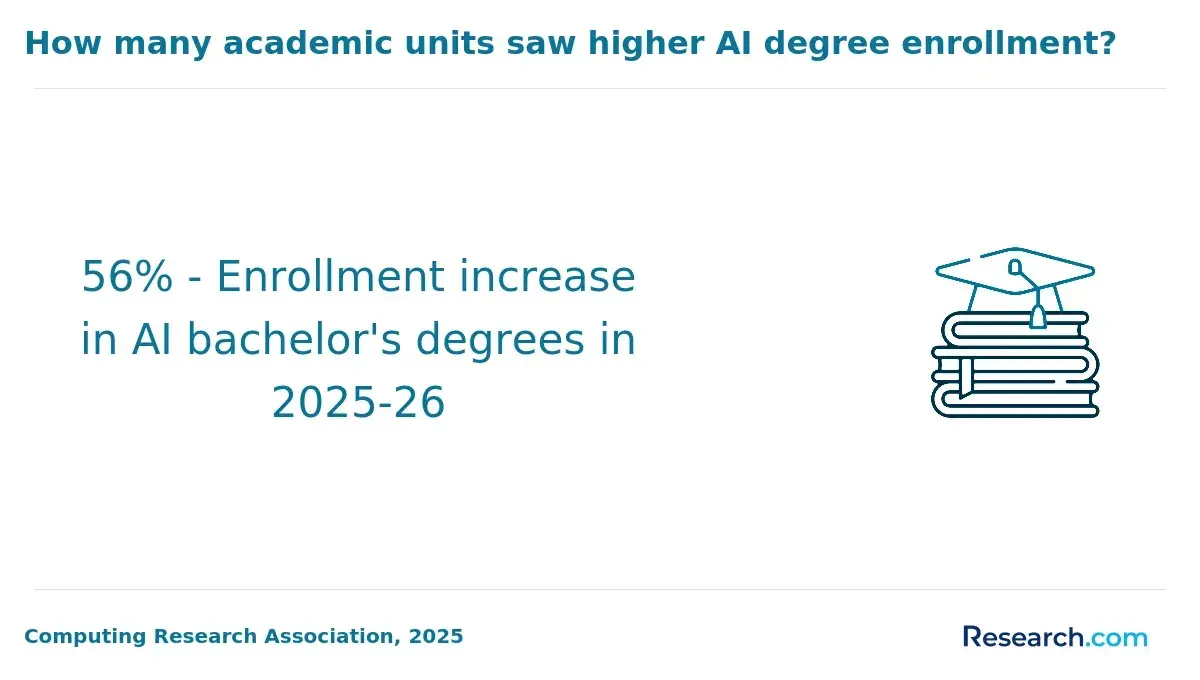
- Enrollment in AI healthcare governance programs rose by 35% in 2025, reflecting increased demand for professionals skilled in managing AI-driven health data systems.
- Courses emphasize hands-on training with AI tools that improve data integrity and analytics, crucial for enhancing patient outcomes and operational efficiency in healthcare.
Advance Your Career with AI Online Courses
Artificial Intelligence: Implications for Business Strategy
This program provides an introduction to Artificial Intelligence and their implications for business strategy. Earn an official digital certificate.

Oxford Artificial Intelligence Programme
Explore this Oxford Artificial Intelligence programme offered in a flexible learning environment and explore topics like machine learning, automation, and robotics.

Implementing Agentic AI: Building Your Organizational Playbook
This online MIT Agentic AI course offers a practical approach to deploying AI agents in your organization, including a custom playbook. 3 weeks, exclusive launch price.

AI Adoption: Driving Business Value and Impact
This online MIT AI Adoption: Driving Business Value and Impact offers practical frameworks to close the gap between AI potential and business reality.

Artificial Intelligence in Pharma and Biotech
Discover the applications and limitations of artificial intelligence in pharma and biotech with this MIT online short course.

What are the best AI adoption courses for healthcare data governance teams today?
Top healthcare data governance AI training programs emphasize practical skills in managing sensitive health information while deploying AI-driven analytics securely and ethically. These programs combine foundational AI knowledge with healthcare compliance, data privacy, and governance frameworks to prepare teams for real-world challenges.
Key courses include "AI for Healthcare Professionals" from Johns Hopkins University, focusing on clinical decision-making and data stewardship; "Healthcare Data Governance and Artificial Intelligence" at the University of California, San Francisco, which integrates HIPAA and FAIR principles; and Stanford University's "AI in Health Care Specialization," which addresses bias mitigation and regulatory issues.
- Balancing AI innovation with patient privacy
- Streamlining data pipelines for AI readiness
- Ensuring algorithmic transparency and compliance
These topics align with the increasing need for expertise in AI governance as 75% of healthcare enterprises are expected to operationalize AI by 2028, driving a five-fold growth in streaming data and analytics infrastructure, according to Gartner. Healthcare professionals must master AI lifecycle management, risk assessment, and tailored ethical guidelines.
Hands-on experience with platforms like IBM Watson Health or Google Cloud Healthcare API is often integrated into advanced courses. Certifications from HIMSS or HealthIT.gov validate skills important for healthcare data teams. For professionals seeking affordability in advanced AI education, exploring options like the cheapest master in data science can offer accessible pathways. Pursuing the best AI adoption courses for healthcare data governance teams ensures readiness for evolving industry demands.
Advance Your Career with AI Online Courses
Artificial Intelligence: Implications for Business Strategy
This program provides an introduction to Artificial Intelligence and their implications for business strategy. Earn an official digital certificate.
Oxford Artificial Intelligence Programme
Explore this Oxford Artificial Intelligence programme offered in a flexible learning environment and explore topics like machine learning, automation, and robotics.
Implementing Agentic AI: Building Your Organizational Playbook
This online MIT Agentic AI course offers a practical approach to deploying AI agents in your organization, including a custom playbook. 3 weeks, exclusive launch price.
How do AI adoption courses address core healthcare data governance challenges and regulations?
AI adoption courses directly address healthcare data governance compliance by equipping learners with essential skills to navigate complex regulatory frameworks and manage sensitive patient data securely. These programs emphasize compliance with HIPAA, GDPR, and emerging AI-specific regulations that require transparency, fairness, and auditability in AI models. Case studies often highlight real-world compliance failures, stressing risk mitigation strategies within healthcare settings.
Practical training on healthcare data privacy regulations with AI includes hands-on modules covering data provenance, quality control, and secure data sharing. Students learn to design AI systems that ensure data integrity, prevent bias, and protect patient privacy through methods like role-based access controls and encryption. Ethical AI practices and audit trail development further prepare governance teams to critically assess AI-driven clinical decisions and maintain accountability.
Given evolving rules, courses underline the importance of continuous monitoring and updating AI tools to meet new standards. According to IDC, global spending on healthcare governance, risk, and compliance technology is projected to exceed $12 billion by 2026, highlighting the growing need for regulatory expertise combined with AI technical skills.
For those seeking advanced training, exploring online engineering degrees can provide a pathway to specialize in these critical areas of AI and healthcare data governance.
What types of AI training programs exist for healthcare data governance professionals?
AI training programs designed for healthcare data governance professionals cover several key domains. Foundational courses include essential principles of AI, machine learning, and data governance frameworks critical for managing healthcare data ethically and securely. These programs emphasize regulatory compliance and data privacy laws like HIPAA, as well as standards for maintaining clinical data integrity.
Specialized healthcare data governance artificial intelligence training programs focus on bias detection and mitigation in AI algorithms. This is especially important given that a study in NPJ Digital Medicine (Nature) revealed only 24% of FDA-cleared AI/ML-enabled medical devices report subgroup performance analysis, exposing significant gaps. These courses teach skills such as subgroup analysis, fairness auditing, and strategies to enhance equity in healthcare AI outcomes.
Technical upskilling targets skills like data cleaning, annotation, and validation specifically for healthcare datasets. Training often includes handling unstructured clinical data and integrating AI outputs into electronic health record (EHR) systems to improve data accuracy and reduce clinical risks through robust model validation.
Leadership programs prepare governance teams to roll out AI initiatives organizationally, addressing cross-functional collaboration, AI ethics board creation, and ongoing model safety monitoring protocols. Many programs blend these elements with real-world case studies and hands-on projects, including partnerships with healthcare providers and device manufacturers for practical bias audits and risk assessments.
Prospective students interested in advancing their careers might pursue an online cyber security degree to complement healthcare data governance expertise and better address AI security challenges in clinical environments. AI integration courses for healthcare data governance teams are essential for developing both the technical and strategic acumen needed in today's evolving healthcare landscape.
What curriculum topics are covered in leading AI adoption courses for healthcare data teams?
Healthcare data governance teams face challenges in AI implementation strategies for healthcare data governance, including interoperability and seamless data integration. Despite 88% of U.S. hospitals exchanging electronic health information, only 62% efficiently integrate external data into their EHRs without manual steps, limiting AI readiness.
Leading courses address these issues through comprehensive training on standards like Health Level Seven International (HL7) and Fast Healthcare Interoperability Resources (FHIR), ensuring compliance and smooth data exchange. Hands-on modules focus on data cleaning, normalization, and transformation to prepare datasets for AI model inputs.
Risk management and ethical considerations around patient data use are key components, balancing innovation with privacy and regulatory requirements. This comprehensive healthcare data management with artificial intelligence also includes instruction on data stewardship roles, policies, and maintaining long-term data quality.
Participants gain skills in monitoring AI performance, addressing algorithmic bias, and validating models within real-world healthcare settings. Case studies highlight applications such as predictive analytics for patient outcomes, operational improvements, and clinical decision support system deployment. These practical elements help build secure, compliant AI pipelines that drive tangible healthcare advancements.
For those looking to deepen expertise and pursue advanced roles, exploring an online data science doctorate can be a valuable step towards mastering AI in healthcare.
How do online AI adoption programs compare with campus-based options for healthcare data staff?
Online AI adoption programs offer significant flexibility and accessibility for healthcare data governance professionals balancing work and learning. According to a 2024 Deloitte survey, 70% of health system executives plan substantial upskilling investments, making online modular courses an attractive option that minimizes time away from critical job duties.
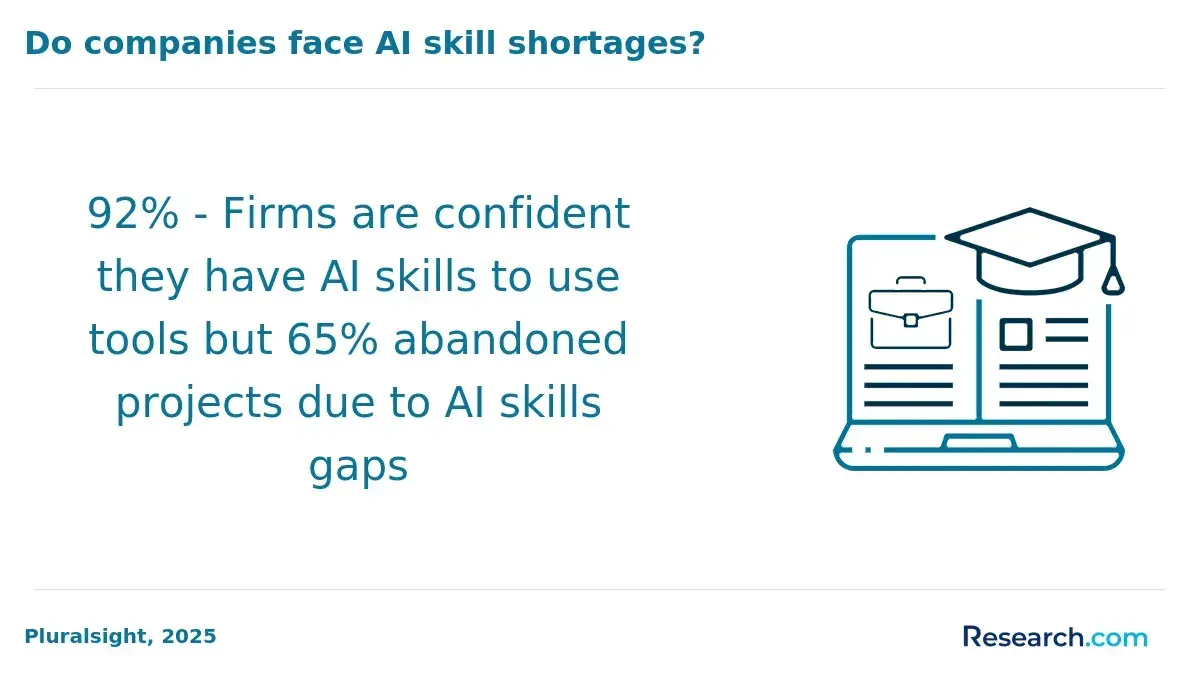
Campus-based programs provide immersive experiences with direct faculty interaction, hands-on labs, and group projects simulating real-world healthcare data challenges. However, physical attendance can be a barrier for many working professionals, especially amid a workforce skills gap where 60% of health system leaders identify a lack of in-house AI and data governance expertise as a major obstacle to expanding AI capabilities.
Online offerings often include up-to-date case studies and virtual labs replicating healthcare data environments. For teams aiming to rapidly scale skills, online bootcamps or certificate programs deliver focused training on data governance principles in months rather than years.
Healthcare organizations should weigh team schedules, learning preferences, and immediate skill demands when choosing programs. Blending online foundational coursework with occasional in-person workshops can enhance practical skill application. This approach aligns with urgent needs for improved data expertise in healthcare, providing a scalable solution to close workforce gaps effectively.
What admission requirements and professional experience are needed for these AI governance courses?
Admission to AI adoption courses for healthcare data governance typically requires a bachelor's degree in fields like healthcare administration, information technology, data science, or public health. Candidates with 2-3 years of relevant experience in healthcare settings, data management, or compliance have a stronger application. Some advanced programs expect prior knowledge of healthcare regulations (such as HIPAA), data governance frameworks, or basic programming skills in Python or R.
Professional experience in areas like clinical informatics, health information management, or hospital IT departments enhances candidate profiles. Managing sensitive patient data and leading healthcare analytics projects are valuable experiences. Understanding AI implementation challenges aligns well with industry benefits, including a 10-20% reduction in hospital readmissions and $3-6 million in annual cost savings per organization, as reported by McKinsey.
Bridge courses or foundational modules may support students lacking advanced technical or healthcare backgrounds. Certificates in health data analytics can also complement qualifications. Admissions often include interviews or essays assessing ethical awareness in AI governance and ability to work in interdisciplinary teams. Successful candidates blend formal education, practical healthcare data experience, and foundational AI knowledge.
How long do AI adoption courses for healthcare data governance take, and what do they cost?
Courses for healthcare data governance teams focusing on artificial intelligence range from short intensive bootcamps to extended professional certifications. These programs typically span from 4 weeks to 12 months, offering foundational AI concepts, healthcare data privacy, and governance frameworks. For instance, a 6- to 12-week course often covers essential AI applications alongside compliance with healthcare regulations.
Costs vary broadly, depending on the institution and depth of the curriculum. Short online courses or micro-credentials generally cost between $500 and $2,000, while comprehensive certificate programs and university-affiliated courses can range from $3,000 to $10,000. Many employers support such training given the rising urgency.
Healthcare data breaches affected 133 million individuals in 2024, marking a 141% increase from 2020, according to U.S. HHS OCR. This highlights the critical need for governance teams skilled in AI risk management and data privacy.
Course content frequently includes:
- Cybersecurity frameworks specific to healthcare data
- AI risk assessment and ethical considerations
- Compliance with HIPAA and other relevant regulations
- Data lifecycle governance incorporating AI tools
Ideal programs provide practical case studies and hands-on labs for immediate workplace application. Hybrid learning models that combine self-paced study with instructor-led sessions offer flexibility and in-depth understanding. Prospective students should ensure credentials align with recognized industry standards to support career growth in healthcare data governance.
Which accreditations, certificates, or industry standards should these AI healthcare courses meet?
Healthcare data governance teams benefit greatly from AI adoption courses that meet recognized certifications and industry standards to ensure credibility and relevance. Key certifications often align with the Health Insurance Portability and Accountability Act (HIPAA) and the Health Information Technology for Economic and Clinical Health (HITECH) Act, both crucial for patient data privacy and protection.
Training programs recognized by organizations like the American Health Information Management Association (AHIMA) or the Healthcare Information and Management Systems Society (HIMSS) signify robust healthcare data governance education. Compliance with the ISO/IEC 27001 standard is another important factor, focusing on information security management systems and risk mitigation for sensitive healthcare data-an essential aspect when integrating AI tools in clinical settings.
Courses that include frameworks from the National Institute of Standards and Technology (NIST) cybersecurity guidelines further demonstrate a commitment to safeguarding patient information. Certificates emphasizing AI ethics, transparency, and explainability also play an increasingly critical role.
Research published in JAMA Network Open reveals that clinician trust in AI clinical decision support tools rises significantly-from 20-30% to over 60%-when organizations implement clear governance and transparency measures. Therefore, pursuing courses that highlight these governance components is vital for career advancement.
Prospective students should look for programs offering certifications in AI governance frameworks, auditing procedures, and change management strategies that maintain strong ties to healthcare regulatory compliance. This approach maximizes employability and influence within the evolving landscape of healthcare AI adoption.
What career outcomes, roles, and advancement opportunities follow AI training in healthcare data governance?
Completing training in AI healthcare data governance can open diverse career opportunities such as AI compliance analyst, data steward, governance officer, and ethics coordinator. These roles often lead to leadership positions managing interdisciplinary teams that integrate AI systems while ensuring regulatory compliance and organizational policy adherence. Professionals with AI governance expertise help develop frameworks focused on data privacy, bias mitigation, and auditability in clinical applications.
Career advancement frequently involves moving into senior management or consultancy roles specializing in AI ethics, transparency, and regulatory compliance. For instance, a healthcare data governance specialist might advance to director of AI governance, overseeing policy implementation across hospital networks or technology vendors. Certified professionals may also serve as advisors to government or nonprofit organizations focused on establishing best practices for AI use in patient care.
A survey by Pew Research Center found 75% of U.S. adults worry about health data being used to train AI without explicit consent, while 60% said strong governance and transparency would increase their willingness to permit it. This underscores the critical role AI governance professionals play in fostering patient trust and ethical AI deployment.
Practical skills from AI adoption courses include designing consent protocols, conducting impact assessments, and documenting AI models transparently. These competencies address challenges such as HIPAA and FDA compliance while fulfilling growing ethical expectations.
- Career paths include AI ethics officer, compliance analyst, and data steward roles.
- Advancement to senior governance leadership or consultancy is common.
- Specialization in consent management and transparency frameworks is highly valued.
How can healthcare organizations choose a reputable AI adoption program for their data governance teams?
Healthcare organizations aiming to build skilled data governance teams for AI initiatives should carefully evaluate education programs based on accreditation, curriculum content, and faculty expertise. Priority should be given to programs certified by recognized bodies such as CAHIIM or those affiliated with reputable institutions specializing in health informatics or data science.
Core curriculum topics must include healthcare data privacy, HIPAA compliance, algorithmic bias, and AI ethics, alongside practical skills involving data governance tools and analytics platforms. Programs offering hands-on projects or partnerships with healthcare providers provide valuable real-world experience. The ideal program balances foundational knowledge with advanced AI applications tailored to healthcare.
Faculty credentials are vital-educators who maintain active roles or conduct research in healthcare AI or informatics ensure current and relevant instruction. Accessibility considerations include course length and cost; short certificate courses swiftly enhance skills, whereas longer degrees offer comprehensive preparation. Assess alumni outcomes and employer connections to determine alignment with specialized AI governance roles.
According to the U.S. Bureau of Labor Statistics, employment in healthcare AI and data governance is projected to grow by 28% through 2032, with a 2024 median pay of $110,680. Programs should include up-to-date content on regulatory changes and emerging AI governance standards. Benchmarking several options and gathering feedback from previous students help healthcare organizations select programs that equip teams to navigate evolving legal, technical, and ethical challenges in healthcare AI data governance.
Other Things You Should Know About Artificial Intelligence
Integrating artificial intelligence into healthcare data governance often involves addressing data privacy concerns, ensuring compliance with healthcare regulations such as HIPAA, and managing data quality. Another significant challenge is the interpretability of AI-generated insights, which requires governance teams to oversee algorithm transparency and bias mitigation.
Artificial intelligence enhances data management by automating data cleansing, categorization, and anomaly detection, which leads to more accurate and reliable data sets. It also enables predictive analytics for better decision-making and supports real-time data processing, making healthcare delivery more efficient.
Ethical considerations include maintaining patient confidentiality, preventing bias in algorithmic outcomes, and ensuring accountability for AI-driven decisions. Healthcare data governance teams must develop policies that promote fairness, transparency, and respect for patient rights when deploying artificial intelligence solutions.
In 2027, leading courses include "AI and Regulatory Compliance in Healthcare" by Stanford University, and "AI for Data Governance" by Johns Hopkins University, both focusing on integrating AI to streamline compliance efforts within healthcare organizations.
References
- Courses https://courses.aim-ahead.net/
- AI Data Governance in Healthcare: What’s New and What’s Changing? https://healthtechmagazine.net/article/2025/02/ai-data-governance-in-healthcare-perfcon
- Health Data Governance – The Issue https://healthdatagovernance.org/the-issue/
- AI Governance in Healthcare- Challenges, Regulations & Solutions https://essert.io/regulatory-challenges-and-solutions-for-ai-governance-in-healthcare/
- AI-Assisted Active Data and AI Governance https://irmuk.co.uk/ai-assisted-active-data-and-ai-governance/
- AI in Healthcare: Legal, Ethical & Data Governance (EU/DE) https://germancomplianceinstitute.com/en-german/products/ai-healthcare-legal-ethical-data-governance-eu-de
- EU AI Act Compliance training + certificate - DPO Europe https://data-privacy-office.eu/courses/artificial-intelligence-regulation-the-fundamentals-of-risk-management-personal-data/
- AI Governance in Healthcare: Policies, Controls & Compliance - Securiti https://securiti.ai/ai-governance-in-healthcare/
- The Healthcare AI Adoption Index https://www.bvp.com/atlas/the-healthcare-ai-adoption-index
- AI in healthcare: data governance challenges https://jhmhp.amegroups.org/article/view/6448/html