2027 Best AI Courses for Carbon Accounting Teams

Co-Founder and Chief Data Scientist
Carbon accounting teams face growing pressure to accurately measure and reduce emissions amid evolving environmental regulations and complex data sources. Many professionals lack specialized skills in artificial intelligence to streamline data analysis and improve reporting precision.
This skills gap slows progress toward sustainability goals and increases operational risks. Organizations struggle to find flexible, reputable educational options that enable team members to quickly gain relevant expertise without leaving their current roles.
This article examines top-rated artificial intelligence courses designed for carbon accounting specialists, focusing on accessible programs that balance practical training and academic rigor to enhance career advancement.
Key Things You Should Know
- AI courses for carbon accounting in 2026 emphasize practical skills in data analytics and emissions modeling, reflecting a 45% growth in industry demand since 2024.
- Programs increasingly integrate sustainability frameworks with AI, helping professionals meet evolving regulatory standards and corporate ESG goals.
- Online and hybrid learning options have expanded, with over 60% of courses offering flexible schedules tailored for working carbon accounting teams.
Advance Your Career with AI Online Courses
Artificial Intelligence: Implications for Business Strategy
This program provides an introduction to Artificial Intelligence and their implications for business strategy. Earn an official digital certificate.

Oxford Artificial Intelligence Programme
Explore this Oxford Artificial Intelligence programme offered in a flexible learning environment and explore topics like machine learning, automation, and robotics.

Implementing Agentic AI: Building Your Organizational Playbook
This online MIT Agentic AI course offers a practical approach to deploying AI agents in your organization, including a custom playbook. 3 weeks, exclusive launch price.

AI Adoption: Driving Business Value and Impact
This online MIT AI Adoption: Driving Business Value and Impact offers practical frameworks to close the gap between AI potential and business reality.

Artificial Intelligence in Pharma and Biotech
Discover the applications and limitations of artificial intelligence in pharma and biotech with this MIT online short course.

What are the best AI courses for carbon accounting teams and who should take them?
For carbon accounting teams seeking the best AI courses for carbon accounting professionals, a blend of technical AI expertise and climate domain knowledge is essential.
Recommended programs include machine learning foundations tailored for environmental data, such as those from Stanford or MIT, alongside specialized courses on AI applied to sustainability reporting. Key topics often covered are carbon footprint estimation algorithms, predictive analytics for emissions, and automated data validation.
Professionals in environmental science, data analysis, or finance should start with introductory AI courses to build foundational skills. Technical experts like data scientists or engineers need advanced training focused on machine learning models, natural language processing, and geospatial analytics geared for carbon data management.
Popular options include:
- "AI for Climate Change" by Stanford University focusing on integrating AI with environmental policy analysis
- "Machine Learning for Environmental Applications" from MIT emphasizing scalable AI models for carbon emissions
- "Sustainability Analytics" available via Coursera targeting data-driven decision making in carbon accounting teams
The growing AI in climate change market, projected to reach $7.1 billion by 2030 with a 24.3% CAGR, fuels demand for skilled professionals who can meet challenges such as data accuracy, regulatory compliance, and real-time monitoring.
These top artificial intelligence training for carbon management teams also cover data integration and transparency in AI-generated carbon reports. Hands-on projects with real climate datasets improve readiness to provide actionable insights supporting sustainability goals.
Understanding AI methods along with carbon accounting protocols is vital. Those interested in expanding their expertise can explore degrees in AI to open broader career pathways.
Advance Your Career with AI Online Courses
Artificial Intelligence: Implications for Business Strategy
This program provides an introduction to Artificial Intelligence and their implications for business strategy. Earn an official digital certificate.
Oxford Artificial Intelligence Programme
Explore this Oxford Artificial Intelligence programme offered in a flexible learning environment and explore topics like machine learning, automation, and robotics.
Implementing Agentic AI: Building Your Organizational Playbook
This online MIT Agentic AI course offers a practical approach to deploying AI agents in your organization, including a custom playbook. 3 weeks, exclusive launch price.
How can AI training improve carbon accounting accuracy, efficiency, and compliance outcomes?
AI training significantly boosts carbon accounting by enhancing accuracy, efficiency, and compliance at various operational levels.
Professionals learn automated data extraction techniques, which enable AI-powered invoice and document parsing, cutting manual emissions data entry by up to 80%, according to Persefoni. This automation reduces human error and speeds up data handling, crucial for managing complex carbon inventories.
Machine learning training for accurate carbon emissions reporting includes implementing algorithms that detect anomalies and inconsistencies, maintaining adherence to environmental regulations by addressing issues before reporting deadlines. Trained experts can adjust models to keep up with evolving compliance demands, ensuring ongoing regulatory alignment.
Using predictive analytics in AI-powered carbon accounting tools enhances scenario analysis and forecasting, supporting strategic emissions reduction planning. These advanced methods allow teams to simulate operational changes' effects on carbon output, promoting informed sustainability decisions aligned with corporate goals.
AI training also covers integrating these tools into existing carbon management software, streamlining workflows to eliminate duplication and data silos. This integration fosters collaboration among accounting, sustainability, and compliance teams to build a unified data environment conducive to audit readiness.
Finally, effective AI education enables teams to deliver transparent reports with improved data visualizations, strengthening stakeholder communication and trust with regulators and investors focused on environmental, social, and governance (ESG) metrics. Prospective students interested in AI and its applications might explore AI degrees to build relevant expertise.
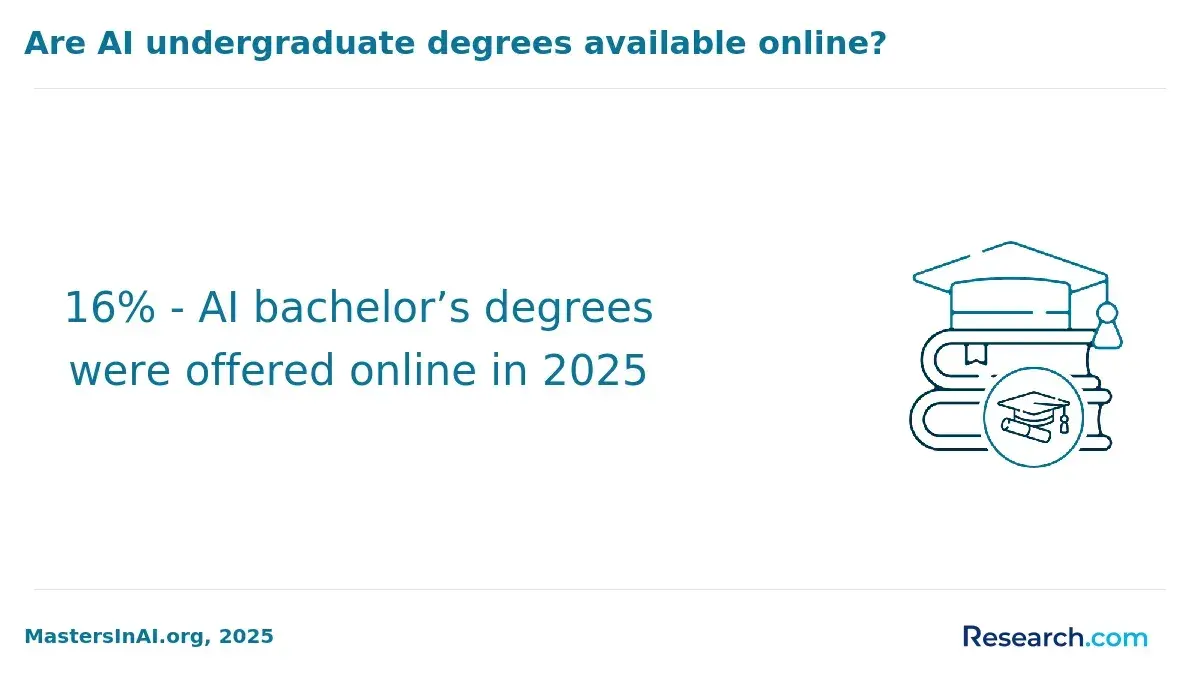
What types of AI programs are available for carbon accounting teams, from certificates to degrees?
Carbon accounting teams benefit from a variety of AI certification programs for carbon accounting professionals, ranging from brief certificate courses to advanced degrees. Certificate programs, typically lasting a few months, emphasize practical AI tools for emissions data analysis, predictive modeling, and automated reporting.
These options suit professionals seeking focused upskilling without long-term commitments. Programs often highlight compliance with standards such as the GHG Protocol Corporate Standard.
For more extensive knowledge, associate and bachelor's degrees in data science, environmental informatics, or AI with a sustainability emphasis offer foundational and technical training. These degrees cover core AI concepts, coding, and machine learning, applied specifically to environmental data management including Scope 3 emissions, in alignment with the Scope 3 Standard.
Graduate programs provide specialization in AI-driven environmental policy analysis, lifecycle assessment, and auditability controls. These courses frequently include projects on verification-ready carbon inventories essential for meeting GHG Protocol criteria, as noted by EcoSkills. Doctoral studies focus on AI innovation in emissions accounting and climate risk modeling.
Hybrid and online formats accommodate working professionals, with many courses offering hands-on training in AI-powered emissions tracking software.
Those exploring degree options in AI-focused environmental accounting may also consider related fields, with some students evaluating online colleges for game design as alternative paths to technical skills. This integrated approach enhances the ability to manage complex value-chain emissions data and produce accurate, audit-ready carbon inventories.
How should carbon accounting teams choose between online, hybrid, and campus-based AI courses?
Carbon accounting teams evaluating online versus hybrid AI courses must prioritize programs that align with their operational needs and expertise. Given that Scope 3 emissions often make up 70% to 90% of a company's total carbon footprint, according to EcoSkills, training focused on data modeling and analytics is essential for accurate emissions management.
Online courses offer flexibility and accessibility, which suits teams with diverse schedules or remote members. However, they may fall short in providing direct interaction needed for troubleshooting complex Scope 3 emissions challenges.
Hybrid courses blend virtual learning with in-person sessions, delivering tailored guidance while preserving adaptability. This approach aligns well when choosing the best delivery format for carbon accounting teams AI training without demanding full-time campus presence.
Campus-based courses provide immersive environments with live labs, peer collaboration, and instant instructor feedback-beneficial for teams requiring deep model development skills for sophisticated carbon tracking. Yet, time and travel commitments might limit feasibility for some professionals.
When selecting a program, teams should consider:
- Current expertise level and precise AI skill gaps related to carbon accounting.
- Need for collaborative approaches to emissions reporting challenges.
- Availability of time and budget for travel or extended attendance.
- Access to quality datasets and computing tools provided by the course.
Hybrid courses often strike a practical balance between engagement and flexibility, making them a strategic choice for many involved in complex Scope 3 emissions quantification. For additional guidance on flexible education options, consider exploring military friendly online cybersecurity degree programs.
What core AI skills and carbon data topics do top programs include in their curriculum?
Top AI courses for carbon accounting teams combine essential AI skills with specialized carbon data knowledge to ensure expertise in emissions analysis and sustainability efforts.
Core AI competencies include machine learning for predictive analytics, natural language processing for automated data extraction, and data validation algorithms that enhance reporting accuracy. Students often work with real-world datasets, developing models to identify anomalies in emissions data—a critical skill given the complexity of environmental metrics.
Carbon accounting curricula also cover key greenhouse gas (GHG) standards like the Greenhouse Gas Protocol and Science Based Targets initiative (SBTi). Students learn data acquisition methods from IoT devices, satellite imagery, and corporate sustainability reports, alongside AI tools for lifecycle analysis and segmentation of scope 1, 2, and 3 emissions. This comprehensive approach supports better carbon footprint evaluation.
Practical training focuses on automating data mapping and verification to reduce human errors. According to Persefoni, AI-driven carbon accounting can reduce emissions-data errors by up to 50% through such automation, highlighting the importance of data cleaning and validation modules.
Additional instruction emphasizes AI model interpretability for transparent decision-making and regulatory compliance. Many programs include case studies that simulate corporate emissions reporting, helping students navigate challenges like data heterogeneity and evolving regulations effectively.
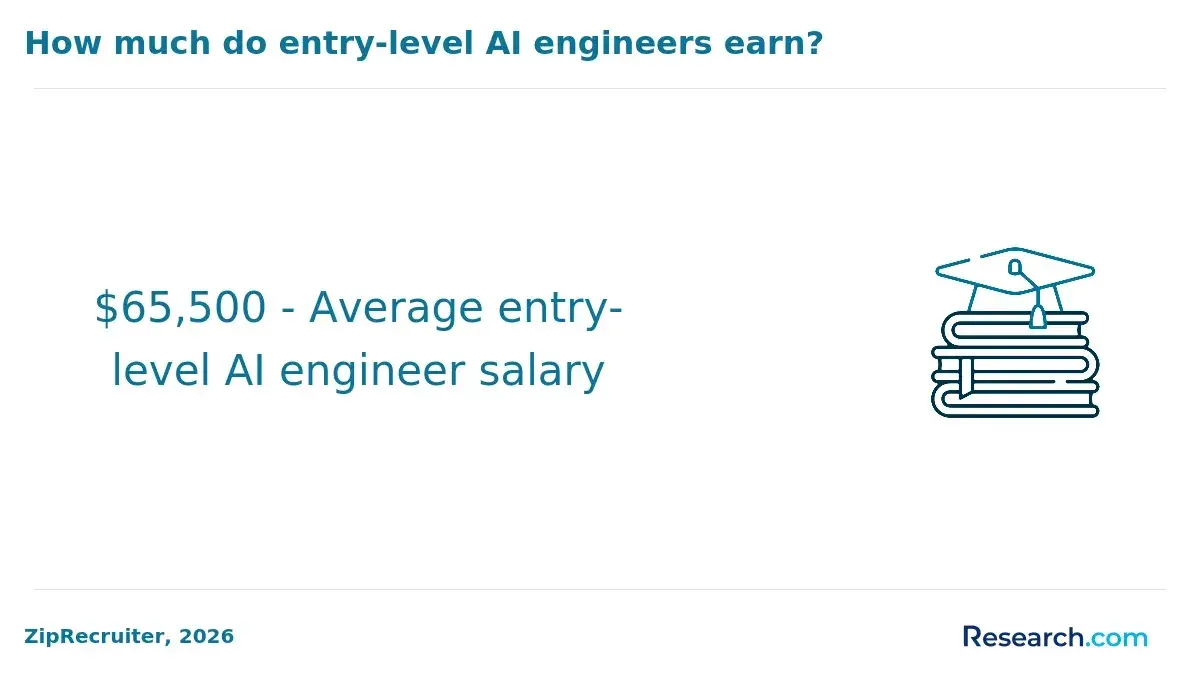
Which accreditation standards and institutional credentials matter for AI and sustainability programs?
Accreditation and verified credentials play a crucial role in ensuring quality education for sustainability and artificial intelligence (AI) programs, particularly for those pursuing carbon accounting careers.
Leading accreditation organizations in the U.S. include the Accreditation Board for Engineering and Technology (ABET) and the Association to Advance Collegiate Schools of Business (AACSB). ABET accreditation guarantees strong technical training in data science and AI fundamentals, while AACSB highlights the integration of sustainability principles within business education, essential for multidisciplinary carbon accounting roles.
Specific program certifications from recognized entities like the Greenhouse Gas Management Institute (GHGMI) or carbon accounting courses aligned with the Global Reporting Initiative (GRI) standards enhance practical knowledge. These credentials provide frameworks to accurately quantify and report emissions, supporting effective AI-driven sustainability solutions.
Employers seek candidates with both programming expertise and a deep understanding of environmental policies. Programs affiliated with reputable environmental agencies or AI research centers further strengthen graduates' credibility.
The U.S. Bureau of Labor Statistics forecasts a 3% employment growth in environmental sustainability specialist roles from 2022 to 2032, reflecting ongoing demand for professionals who combine AI skills with validated environmental accounting methods.
Prospective students should evaluate institutions based on accreditation, specialized carbon accounting certifications, and alignment with sustainability reporting standards to stay competitive in this evolving field.
What are typical admission requirements and prerequisites for AI courses focused on carbon accounting?
Admission to AI courses in carbon accounting generally favors candidates with a bachelor's degree in fields like environmental science, economics, statistics, computer science, or environmental engineering. Proficiency in programming languages such as Python or R is often required, as these skills are crucial for manipulating AI models and analytics tools.
Prerequisites typically include coursework in statistics, data analysis, and introductory machine learning. Students lacking programming experience may need to complete foundational coding modules before advancing.
Familiarity with carbon accounting principles, greenhouse gas protocols, or sustainability reporting frameworks is also commonly expected to address domain-specific issues effectively.
Working professionals changing careers can sometimes qualify through experience-based admission, providing proof of relevant work in analytics or carbon management. While certifications in data science or environmental management strengthen applications, they are seldom mandatory.
Competitive programs may request academic transcripts, letters of recommendation, statements of purpose, and occasionally standardized tests like the GRE, though waivers are becoming more common.
Advanced analytics and AI adoption in finance and operations can improve forecasting accuracy by 20% to 50%, according to McKinsey & Company, emphasizing the importance of solid admission standards to prepare learners effectively.
How long do AI programs for carbon accounting usually take and what do they cost?
AI programs focused on carbon accounting usually last between 3 and 12 months, depending on the level of specialization. Shorter bootcamp-style courses of 8 to 12 weeks suit professionals seeking foundational skills in emissions data analysis and basic reporting.
More advanced certificate or diploma programs, lasting 6 to 12 months, offer in-depth training in machine learning models, carbon footprint modeling, and automated regulatory compliance. Duration may vary based on part-time or full-time formats.
Costs reflect program length and complexity. Bootcamps typically range from $1,500 to $4,000, while extensive certificate or university courses can cost $5,000 to $15,000 or more.
Corporate or government sponsorships may help lower these costs. Personalized learning approaches, highlighted by Deloitte, can reduce training time by up to 50%, minimizing both financial and time commitments.
Selecting the right program depends on your background and career objectives. For example, data scientists entering carbon accounting might prefer shorter, data-focused courses, while sustainability managers often choose longer programs integrating policy and automated reporting.
Many programs offer modular options to adjust pacing and expense. This flexibility helps learners balance career demands without compromising on educational quality or practical skills.
What roles, career paths, and salary ranges can AI-skilled carbon accounting professionals expect?
Carbon accounting professionals with AI skills have a range of career opportunities, including carbon data analysts, sustainability consultants, emissions modelers, and value chain risk assessors. Success in these roles depends on managing large datasets and applying machine learning techniques to accurately estimate emissions.
According to CDP, only 10% to 20% of a company's carbon emissions data is under direct control, with the majority coming from complex supply chains, making expertise in indirect emissions critical.
Career progression typically begins with entry-level data science positions within environmental organizations or corporate sustainability teams.
From there, professionals can advance into specialized roles such as AI-driven carbon reporting specialists or ESG data strategists. Senior positions include sustainability technology managers and AI integration leads who develop systems to audit and forecast carbon footprints on a large scale.
Salary ranges in the U.S. reflect these skills and responsibilities:
- Entry-level AI carbon analysts earn approximately $70,000 to $90,000 annually.
- Mid-career professionals with combined AI and sustainability knowledge command $95,000 to $130,000.
- Senior or managerial roles focusing on carbon analytics and AI integration often exceed $150,000.
Employers seek candidates skilled in AI tools such as Python, TensorFlow, and data visualization, along with experience handling supply chain emissions data. Professionals who integrate AI capabilities with sustainability frameworks gain a competitive edge in this fast-growing sector.
Are there industry-recognized certifications for AI, ESG, and carbon accounting specialists?
Certifications exist for professionals working where artificial intelligence intersects with ESG and carbon accounting, validating expertise in managing sustainability data using AI-driven tools. Heavy reliance on spreadsheets persists in ESG data management, with 65% of sustainability leaders reporting this challenge per KPMG. This gap underscores the demand for advanced skills and recognized credentials.
Notable certifications include the Certified Artificial Intelligence Practitioner (CAIP), which focuses on AI applications across business processes including ESG analytics. The Sustainability Accounting Standards Board (SASB) offers credentials emphasizing ESG reporting frameworks, while the Greenhouse Gas Management Institute provides certifications combining carbon accounting with AI technologies. These programs typically require passing exams covering AI models, data governance, and regulatory compliance.
Choosing the right credential depends on your role: data analysts benefit from AI-centric training in machine learning and predictive modeling; compliance officers gain from ESG framework certifications; carbon accountants should pursue credentials integrating greenhouse gas protocols with AI applications.
The International Society of Sustainability Professionals (ISSP) also offers recognized programs bridging ESG, carbon management, and technology.
Such certifications equip professionals to meet evolving employer demands for data accuracy, automated reporting, and predictive emissions insights. They are crucial in moving organizations beyond spreadsheet reliance toward robust, AI-enabled sustainability efforts.
Other Things You Should Know About Artificial Intelligence
Artificial intelligence systems used in carbon accounting often process large datasets that may include sensitive corporate information. To address data privacy, AI solutions implement encryption, anonymization, and secure data storage protocols. Additionally, compliance with regulations like GDPR ensures that personal and sensitive data is handled responsibly during AI-powered carbon assessments.
Yes, artificial intelligence can analyze data from sensors and IoT devices in real time to monitor carbon emissions continuously. This capability allows organizations to detect anomalies, optimize processes, and respond promptly to changes in emissions levels. AI-driven real-time monitoring supports more dynamic and effective carbon management strategies.
While AI enhances efficiency and accuracy, it has limitations such as dependency on high-quality data and the potential for algorithmic bias. Errors in input data can lead to inaccurate carbon assessments, and AI models may struggle to capture complex environmental variables without sufficient training. Human oversight remains critical to validate AI outputs in carbon accounting.
In 2027, top AI courses for carbon accounting teams include "AI for Environmental Data" by Coursera, "Sustainable AI Development" by edX, and "Carbon Emission Management with AI" by Udacity. These courses focus on leveraging AI technologies for effective carbon management strategies.
References
- Learn to Calculate AI Carbon Footprints - EvalCommunity Academy https://academy.evalcommunity.com/learn-to-calculate-ai-carbon-footprints/
- Carbon Accounting - Beginner Course | YouSustainAcademy https://www.you-sustain.com/ghgbeginner
- How to Hire Carbon Accounting Specialist: 2025 Guide https://ehscareers.com/employer-blog/how-to-hire-carbon-accounting-specialist-2025-guide/
- Carbon accounting software for AI companies https://plana.earth/industry/ai-companies
- Alignment With the GHG Protocol: Our Carbon Accounting Platform’s Certification Journey https://www.unravelcarbon.com/blog/ghg-protocol-certification
- The 5 best carbon accounting software platforms 2026 | Normative https://normative.io/insight/the-5-best-carbon-accounting-software-platforms-2026/
- AI Certifications: Accredited Programs, Vendor Credentials, and Emerging Standards - Total Seminars https://totalsem.com/ai-certifications-accredited-programs-vendor-credentials-and-emerging-standards/