2027 Best AI Courses for Investment Professionals

Co-Founder and Chief Data Scientist
Investment professionals face growing pressure to master artificial intelligence tools for data analysis, risk management, and predictive modeling. Many struggle to find flexible, accredited courses tailored to their schedules and backgrounds.
Without targeted training, they risk falling behind in a competitive market increasingly driven by AI capabilities. This gap can hinder career advancement and limit strategic decision-making effectiveness.
This article reviews top AI courses that balance rigor, flexibility, and real-world applicability, enabling investment professionals to confidently integrate AI into their work.
Key Things You Should Know
- Investment professionals increasingly rely on artificial intelligence courses to gain skills in predictive analytics and algorithmic trading, with 65% of surveyed firms adopting AI-based tools by 2025.
- Top-ranked courses for 2026 emphasize practical applications in finance, covering machine learning models tailored for risk assessment and portfolio management.
- Certification completion improves job prospects, as 72% of investment firms prefer candidates with specialized artificial intelligence training in financial contexts.
Advance Your Career with AI Online Courses
Artificial Intelligence: Implications for Business Strategy
This program provides an introduction to Artificial Intelligence and their implications for business strategy. Earn an official digital certificate.

Oxford Artificial Intelligence Programme
Explore this Oxford Artificial Intelligence programme offered in a flexible learning environment and explore topics like machine learning, automation, and robotics.

Implementing Agentic AI: Building Your Organizational Playbook
This online MIT Agentic AI course offers a practical approach to deploying AI agents in your organization, including a custom playbook. 3 weeks, exclusive launch price.

AI Adoption: Driving Business Value and Impact
This online MIT AI Adoption: Driving Business Value and Impact offers practical frameworks to close the gap between AI potential and business reality.

Artificial Intelligence in Pharma and Biotech
Discover the applications and limitations of artificial intelligence in pharma and biotech with this MIT online short course.

What makes an AI course relevant and valuable for today's investment professionals?
AI courses tailored for investment professionals' practical applications must emphasize how machine learning models enhance asset pricing, risk prediction, and algorithmic trading strategies. Beyond theory, these courses develop proficiency in data processing, pattern recognition, and natural language processing to analyze unstructured data like earnings calls or news sentiment.
Key skills investment professionals need in AI-driven finance environments include understanding automation in front-office workflows. McKinsey Global Banking & Securities projects that by 2027, 70% of these workflows will utilize AI, analytics, and automation, up from 30% in recent years. This growth highlights the importance of learning robotic process automation and AI-driven decision support to improve investment research and execution.
Valuable programs also cover implementation with popular AI frameworks and programming languages like Python and TensorFlow. This equips professionals to integrate AI tools within existing financial systems, moving beyond model development to deployment. Case studies on portfolio optimization, fraud detection, and compliance help contextualize real-world applications.
Courses designed for diverse roles, such as quantitative analysts, portfolio managers, and compliance officers, are often modular or customizable, letting learners specialize in methods like time series forecasting or anomaly detection. Certification recognized by financial industry groups further boosts career prospects.
For those seeking comprehensive AI education options, exploring the best online computer science degree can provide a strong technical foundation alongside finance-specific insights.
Advance Your Career with AI Online Courses
Artificial Intelligence: Implications for Business Strategy
This program provides an introduction to Artificial Intelligence and their implications for business strategy. Earn an official digital certificate.
Oxford Artificial Intelligence Programme
Explore this Oxford Artificial Intelligence programme offered in a flexible learning environment and explore topics like machine learning, automation, and robotics.
Implementing Agentic AI: Building Your Organizational Playbook
This online MIT Agentic AI course offers a practical approach to deploying AI agents in your organization, including a custom playbook. 3 weeks, exclusive launch price.
Which types of AI courses are best for investment analysts, PMs, and quants?
Investment analysts, portfolio managers (PMs), and quants need AI courses emphasizing practical data science, machine learning, and statistical modeling techniques directly applicable to financial markets.
Courses that cover Python programming for finance, time series analysis, and supervised or unsupervised learning methods equip these professionals with essential skills for building predictive models and managing risk. Hands-on projects with real financial datasets are vital for effective skill transfer.
Best AI courses tailored for investment analysts and portfolio managers often focus on algorithmic trading strategies, reinforcement learning, and natural language processing (NLP) using alternative data sources such as earnings call transcripts or news sentiment. Portfolio managers will benefit from programs integrating AI-driven portfolio optimization, scenario analysis, and factor modeling to improve decision-making capabilities.
The demand for advanced AI training programs for quantitative finance professionals has surged, with AI and machine learning expertise required in finance roles growing by 190% between 2019 and 2024, outpacing overall finance job growth.
Selecting programs with a strong quantitative finance focus and a mix of theoretical foundations plus applied financial case studies is key. For those exploring educational pathways, considering affordable and reputable options such as engineering degrees may also provide critical technical foundations supportive of AI careers in finance.
How do online AI courses for finance compare to campus and executive programs?
Online AI courses for finance professionals versus campus programs offer notable differences in flexibility and cost. Online options typically enable learners to balance work with practical skill development in areas like predictive analytics and algorithmic trading at a lower price point.
Campus programs deliver deeper theoretical knowledge and valuable networking opportunities but demand more time and financial commitment. Executive AI training programs compared with finance online courses tend to be shorter, intensive, and designed for senior professionals, though they may lack the ongoing content updates and technical depth found online.
Data from Coursera's Global Skills Report 2024 reveals finance professionals completing foundational AI courses with little or no coding skills saw a median 21% salary increase within 12 months, highlighting the tangible benefits of accessible online learning. Many online courses offer modular pathways and case studies tailored specifically to finance, supporting rapid application without needing to commit to full degrees.
Campus programs remain essential for those seeking comprehensive research and critical thinking skills but require relocation and strict scheduling that may not suit working professionals. Executive education provides strategic insights and networking but is often costly and less hands-on than online alternatives focusing on technical proficiency.
Finance professionals should assess their career stage and learning needs. Entry-level or transitioning professionals benefit from flexible, cost-effective online courses enabling immediate skill use. Mid-career leaders might combine online learning with selective executive programs. Those pursuing academic or research roles should evaluate full campus degrees or a PhD in artificial intelligence USA.
What core AI and machine learning topics should finance-focused courses cover?
Finance-focused AI and machine learning courses cover essential topics that address practical challenges in investment management. Core artificial intelligence techniques for financial analysis include supervised and unsupervised learning methods like regression, classification, clustering, and dimensionality reduction. These skills enable analysts to build predictive models for stock prices, credit risks, and market trends.
Time series analysis and forecasting methods such as ARIMA and LSTM networks are critical for modeling financial volatility and price dynamics over time. Feature engineering, including data cleaning, normalization, and transforming variables, plays a key role in enhancing model performance with real-world datasets.
Advanced courses also integrate natural language processing to evaluate news sentiment, earnings reports, and social media, helping investors interpret market sentiment and event-driven price changes. Additionally, knowledge of algorithmic trading models and reinforcement learning supports automated trading strategies and portfolio optimization.
Programming proficiency in Python, R, or MATLAB, along with experience in libraries like TensorFlow and scikit-learn, is indispensable for applying machine learning applications in investment management. Practical projects simulating real investment scenarios solidify theoretical learning.
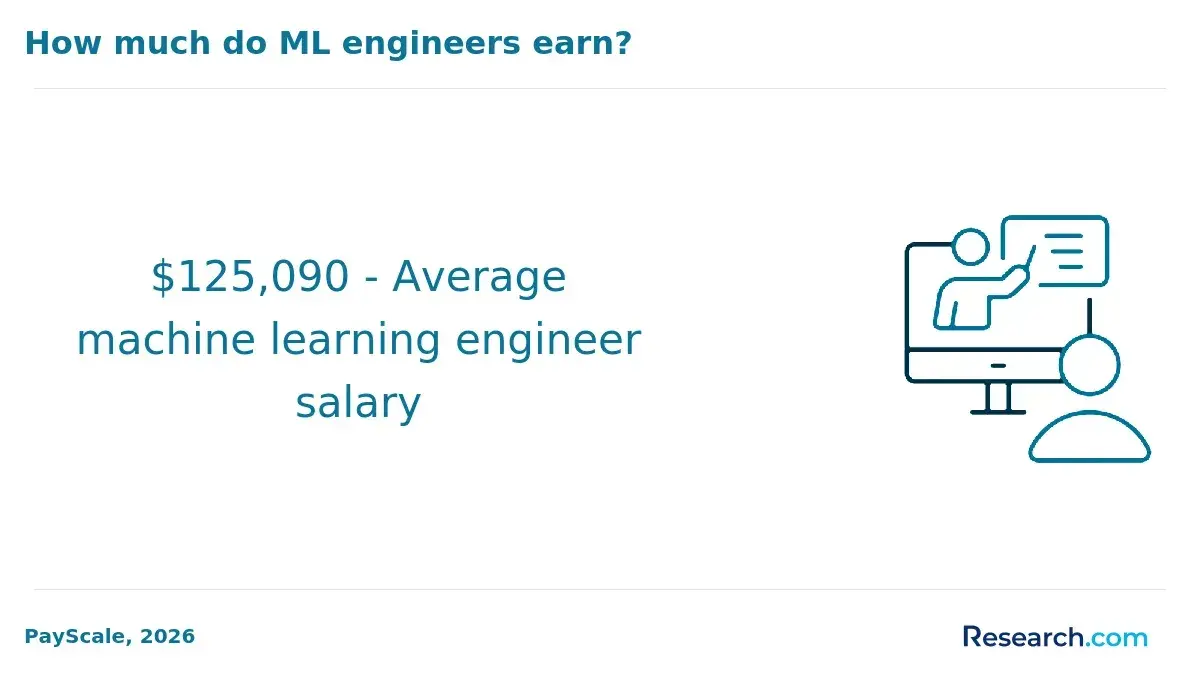
These competencies correspond to a significant career advantage; machine learning and data science skills relate to a 23-26% compensation premium in quant and investment research roles compared to traditional finance backgrounds. For those interested in further study, exploring a doctorate in data analytics online can deepen expertise and career prospects.
How can investment professionals assess accreditation and program quality in AI training?
Investment professionals seeking quality AI training should start by confirming program accreditation from recognized bodies such as the Middle States Commission on Higher Education or the Accreditation Board for Engineering and Technology.
Accredited programs meet rigorous academic standards and offer credentials respected by employers. Those affiliated with top universities or financial institutions often deliver better outcomes due to expert faculty and access to advanced research.
Curriculum relevance is key. Programs should include practical courses on portfolio management, algorithmic trading, and quantitative equity analysis to reflect market needs. Skills in advanced machine learning tailored for quant investing are essential, especially as systematic and quant equity funds have expanded their global presence significantly.
Evaluate faculty expertise, prioritizing instructors with direct experience in financial AI applications. Hands-on projects, use of live data sets, and proficiency in programming languages like Python or R enhance skill development aligned with industry demands.
Look for strong program reviews, high graduation rates, and solid employment or internship opportunities within finance firms. Support services such as career counseling and mentorship further indicate a program's commitment to student success.
Transparency about course length, cost, and certification validity helps avoid surprises. Verified certifications from reputable platforms establish professional credibility and industry acceptance, which are crucial for advancing a career in AI-driven finance.
What admissions requirements and prerequisites do AI programs for finance typically have?
Applicants to AI programs for finance typically need a solid quantitative foundation and relevant academic credentials such as a bachelor's degree in finance, economics, computer science, engineering, mathematics, or statistics.
Some programs require prior coursework in programming languages like Python or R and machine learning fundamentals. Work experience in areas like financial analysis or credit risk management is often favored, especially for advanced courses.
Technical skills are essential as AI in finance involves data manipulation, algorithmic modeling, and automation. Transcripts should ideally include coursework in linear algebra, calculus, probability, and statistics. Many programs also request a statement of purpose explaining how AI expertise will enhance financial decision-making, risk assessment, or portfolio management.
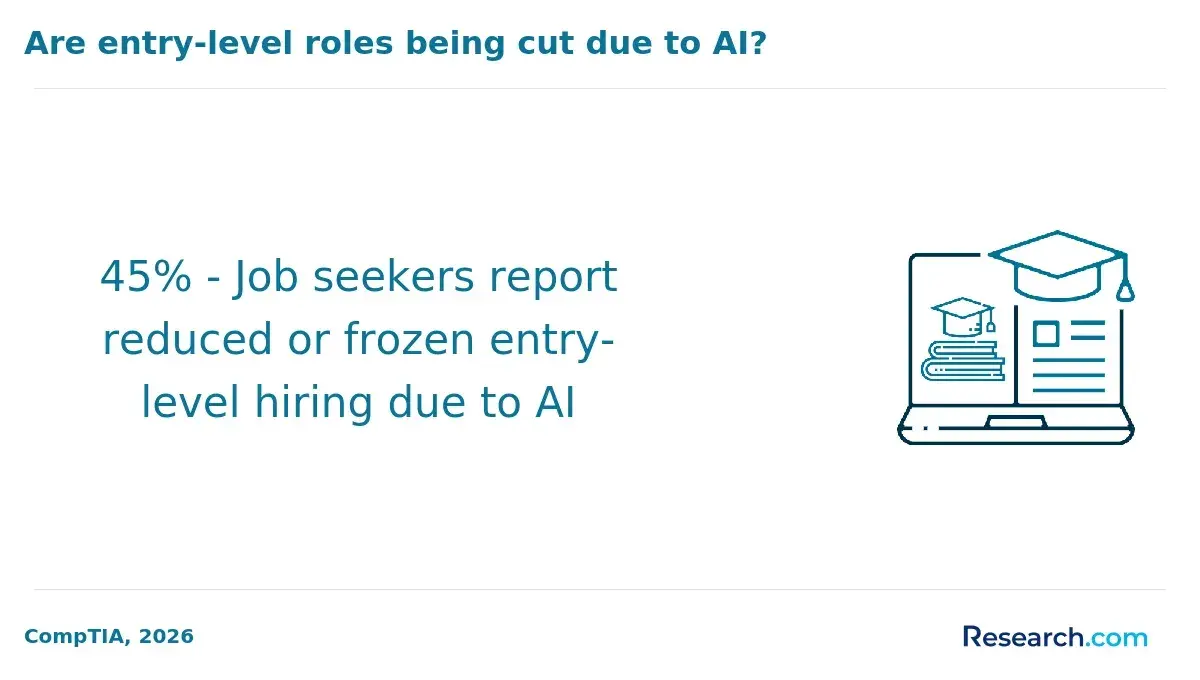
Standardized tests such as the GRE or GMAT may be required for graduate-level degrees blending finance and AI, though some specialized courses emphasize experience and coding skills instead. Given that generative AI technologies are expected to automate or augment a large share of equity research and credit analysis tasks by 2026, adaptability and ongoing learning are critical.
Admissions committees value evidence of proactive engagement with AI trends, including certifications and hands-on projects. Staying current with these developments demonstrates readiness for the dynamic AI-driven finance landscape.
How long do AI courses for investment professionals take, and what do they cost?
AI courses for investment professionals vary widely in duration and intensity, ranging from short 20- to 40-hour programs to more comprehensive offerings lasting 3 to 6 months. Short courses focus on fundamentals like machine learning basics and data analysis techniques tailored to finance and suit professionals seeking quick skill updates.
More in-depth programs, including certificate courses or executive education, often exceed 100 hours and feature hands-on projects with alternative data and algorithmic trading strategies.
Costs differ significantly depending on course depth and provider. Online introductory options on platforms such as Coursera or edX may cost between $200 and $500. Professional certificates or university-affiliated courses typically range from $2,000 to $8,000. For instance, a 12-week AI for finance course with practical case studies might charge about $4,000. Executive programs at business schools can exceed $10,000 but offer additional benefits like networking and career support.
It's important to consider extra expenses for software tools or alternative data subscriptions, especially since hedge fund and asset manager adoption of alternative data rose from 52% to 78% recently, improving signal quality by 5-10% (Deloitte Alternative Data Survey, 2024).
Professionals looking into these courses must try to match course length to their schedules and balance costs with the depth and applicability of learning outcomes.
What career outcomes and job roles can AI training unlock in investment firms?
AI training plays a crucial role in advancing careers within investment firms by enabling professionals to drive data-informed decision-making and strategic initiatives. Investment analysts and portfolio managers increasingly use AI models to improve predictive analytics, automate repetitive tasks, and detect market trends faster than traditional approaches.
Key roles such as quantitative analysts and data scientists focus on developing machine learning algorithms to enhance asset allocation and risk management.
Senior leaders, including chief investment officers (CIOs) and portfolio managers, benefit from AI fluency by integrating technology with overall firm strategy.
According to the PwC Global AI Business Survey (Financial Services Cut, 2024), 82% of financial-services executives state that AI and advanced analytics are critical to their strategies, yet only 24% feel their leadership teams have adequate AI fluency. This discrepancy creates high demand for AI-educated executives who bridge technology and business in investment management.
Other emerging roles fueled by AI training include risk analysts who use AI for systemic risk identification and regulatory compliance specialists monitoring transaction anomalies. Additionally, AI project managers and product owners within fintech focus on overseeing AI deployments aligned with client needs.
How does AI upskilling affect salary growth and promotion prospects in finance?
Finance professionals who earn certifications in artificial intelligence or machine learning see a notable edge in salary growth and promotion chances. Reports from the General Assembly & Burning Glass Institute reveal that those with at least one rigorous AI-related certificate enjoy a median salary increase of 18% compared to peers without such credentials.
They also have a 1.5 times greater likelihood of promotion within two years, underscoring how AI skills have become a critical advantage in competitive finance roles.
AI competencies empower professionals to automate routine financial analysis, enhance predictive accuracy, and improve investment decisions. For instance, portfolio managers using AI-driven analytics can produce more precise risk assessments, demonstrating leadership and strategic foresight. Quantitative analysts with AI expertise can develop complex models more efficiently, adding significant value to their teams.
To advance their careers, finance professionals should seek certifications that combine rigorous curriculum with practical finance applications. Employers increasingly prioritize AI skills when recruiting for positions such as algorithmic trading, fintech innovation, and data-driven asset management.
Additionally, here are some key advice for maximizing AI certification value:
- Select courses emphasizing real-world finance scenarios rather than only technical theory.
- Choose certifications recognized by industry bodies to enhance employer credibility.
- Use project work during training to build a portfolio that demonstrates AI's impact on financial outcomes.
- Keep skills current to stay aligned with evolving AI tools and regulations.
Which industry certifications and credentials strengthen AI skills for investment professionals?
Industry certifications that enhance AI skills for investment professionals bridge finance and machine learning expertise. The Chartered Financial Analyst (CFA) designation now includes AI and data analytics topics within Level II and III exams, highlighting technology's growing role in investment analysis. Specialized certificates like the Certificate in Machine Learning and Artificial Intelligence for Finance (CIMAIF) focus on applying AI techniques in portfolio management and risk assessment.
Professional qualifications from organizations like the Global Association of Risk Professionals (GARP) feature the Financial Risk Manager (FRM) certification, which increasingly stresses AI-driven risk modeling. Certifications such as the Certified Artificial Intelligence Practitioner (CAIP) show practical abilities in deploying AI algorithms and suit analysts working closely with quantitative teams.
Reputable programs from institutions including MIT and Stanford offer courses in AI and machine learning applied to finance. Though many are not formal certificates, these courses teach crucial coding skills and financial use cases necessary to implement AI in investment strategies.
Investment firms commonly prefer candidates with AI competence: 61% identify AI/ML certifications or courses as a "meaningful plus" or "explicit requirement" for analyst and associate roles (CFA Institute Global Future of Work in Investment Management Survey). Combining finance credentials like the CFA with data science or AI certificates aligns well with industry needs and career growth.
Other Things You Should Know About Artificial Intelligence
In 2027, top AI courses for investment professionals focus on algorithmic trading, data analysis, and machine learning. Renowned programs include offerings from Stanford University, MIT's Sloan School, and Coursera's AI for Data Science. These courses combine technical skills with financial insights to enhance decision-making in investments.
Artificial intelligence is designed to augment rather than replace human investment decision-makers. While AI can analyze large datasets and detect patterns faster, it lacks the judgment and contextual understanding humans bring. Investment professionals typically use AI as a tool to enhance decision-making rather than fully automate it.
Data quality is critical for the effective performance of artificial intelligence in investment applications. Poor data can lead to inaccurate models and flawed predictions, undermining trading strategies and risk assessments. Clean, diverse, and well-structured datasets improve model reliability and support better financial outcomes.
Artificial intelligence transforms risk management by enabling real-time monitoring and predictive analytics. AI models can identify emerging risks and simulate various market scenarios more efficiently than traditional methods. This enhances firms' ability to anticipate, measure, and mitigate financial risks effectively.
References
- From Deep Learning to LLMs: A survey of AI in Quantitative Investment https://arxiv.org/html/2503.21422v1
- Best Salary Benefits of Financial Modeling with AI 2026 https://gtracademy.org/blog/salary-benefits-of-financial-modeling-with-ai/
- What’s the Best Hands-on AI Training for Non-Technical Leaders (No Coding) in Financial Services? https://neurons-lab.com/articles/whats-the-best-hands-on-ai-training-for-non-technical-leaders-no-coding-in-financial-services/
- Best AI Certifications 2025: Skills Employers Value Most This Year https://www.strategicaileader.com/best-ai-certifications-skills-employers-value/
- EU AI Act | Online Training, Exam, Certificate of Completion https://www.artificial-intelligence-act.com/Artificial_Intelligence_Act_Trained_Professional_(AIActTPro).html
- AI in Finance programme | Imperial Executive Education http://execed-online.imperial.ac.uk/ai-in-finance