2027 Best Agentic AI Courses for Email Marketing Teams

Co-Founder and Chief Data Scientist
Marketing teams often struggle to personalize email campaigns and automate tasks efficiently, limiting engagement and ROI. As email volumes grow, managing content, timing, and targeting manually becomes impractical. The rise of agentic AI offers new opportunities to streamline workflows and optimize results by enabling systems to act autonomously based on user data and context.
However, understanding how to implement these tools effectively requires specialized knowledge and practical skills. This article reviews the best agentic AI courses designed for email marketing teams, aiming to help professionals master strategies and technologies that improve campaign automation and audience interaction.
Key Things You Should Know
- Agentic AI courses for email marketing teams in 2026 emphasize autonomous decision-making capabilities that enhance personalized campaign effectiveness, with 65% of marketers reporting improved ROI after integration.
- Top programs combine machine learning, natural language processing, and data analytics, equipping teams to automate complex targeting and optimize audience engagement dynamically.
- Industry adoption is growing rapidly, with projections showing a 40% increase in demand for AI-skilled marketers in the U.S. by 2027, highlighting the importance of specialized education.
Advance Your Career with AI Online Courses
Artificial Intelligence: Implications for Business Strategy
This program provides an introduction to Artificial Intelligence and their implications for business strategy. Earn an official digital certificate.

Oxford Artificial Intelligence Programme
Explore this Oxford Artificial Intelligence programme offered in a flexible learning environment and explore topics like machine learning, automation, and robotics.

Implementing Agentic AI: Building Your Organizational Playbook
This online MIT Agentic AI course offers a practical approach to deploying AI agents in your organization, including a custom playbook. 3 weeks, exclusive launch price.

AI Adoption: Driving Business Value and Impact
This online MIT AI Adoption: Driving Business Value and Impact offers practical frameworks to close the gap between AI potential and business reality.

Artificial Intelligence in Pharma and Biotech
Discover the applications and limitations of artificial intelligence in pharma and biotech with this MIT online short course.

What are the best agentic AI courses for email marketing teams?
The best agentic AI courses for email marketing teams sharpen practical skills that boost campaign automation, personalization, and data-driven strategies. These top agentic AI training programs for email marketing professionals focus on hands-on experience with generative AI tools tailored for copywriting, customer segmentation, and predictive analytics. Advanced courses often include modules on creating dynamic email content that adapts in real time to user behavior.
Training usually covers platforms like OpenAI's GPT models and integrations with popular email marketing software such as Mailchimp and HubSpot. Programs emphasize automation workflows powered by agentic AI, reducing manual tasks while increasing engagement metrics. Natural language generation techniques are taught to help teams craft tailored subject lines and email bodies that significantly improve open and click rates.
Ethical use and compliance in automated email marketing are also key topics, equipping teams to navigate privacy laws responsibly. Many courses offer project-based learning that involves building and testing AI-driven email sequences, delivering measurable workplace-ready outcomes.
With the growing adoption of generative and agentic AI in marketing campaigns, proficiency in these technologies is essential. Prospective learners should seek certification recognized by industry leaders to validate their expertise. For those considering further education, the fastest way to get a computer science degree can provide a solid foundation for a career leveraging AI-driven marketing tools.
Advance Your Career with AI Online Courses
Artificial Intelligence: Implications for Business Strategy
This program provides an introduction to Artificial Intelligence and their implications for business strategy. Earn an official digital certificate.
Oxford Artificial Intelligence Programme
Explore this Oxford Artificial Intelligence programme offered in a flexible learning environment and explore topics like machine learning, automation, and robotics.
Implementing Agentic AI: Building Your Organizational Playbook
This online MIT Agentic AI course offers a practical approach to deploying AI agents in your organization, including a custom playbook. 3 weeks, exclusive launch price.
How do agentic AI courses improve email marketing workflows?
Agentic AI courses for email marketing optimization equip teams to enhance workflows by leveraging automation and real-time decision-making that adapts to customer behavior. These courses teach how to integrate AI tools that dynamically personalize content, optimize send times, and create precise audience segments beyond traditional targeting methods. Marketers trained in agentic AI training design campaigns where AI automates repetitive tasks and autonomously improves engagement by analyzing data patterns.
This autonomy reduces manual oversight while increasing targeting accuracy. For instance, an agentic AI-powered system can test multiple subject lines, analyze recipient responses, and select the best-performing variant without human involvement. Such iterative optimization drives efficiency and maximizes messaging relevance.
Among other key benefits, these courses cover predictive modeling that anticipates customer actions to enable preemptive targeting and retention strategies. Marketing professionals develop skills in configuring AI-driven workflows to prioritize high-value leads and flag possible unsubscribes early, enhancing campaign outcomes.
Agentic AI courses also address challenges related to data integration and privacy compliance, ensuring marketers use customer data responsibly while maintaining personalized outreach.
According to HubSpot's State of Marketing report, marketers using AI for personalization experience a 21% average increase in email click-through rates compared to those not using AI. This highlights the tangible impact of agentic AI on engagement and ROI.
For individuals interested in expanding their skills in related fields, exploring options like a mechanical engineering program online can complement technology-driven marketing expertise.
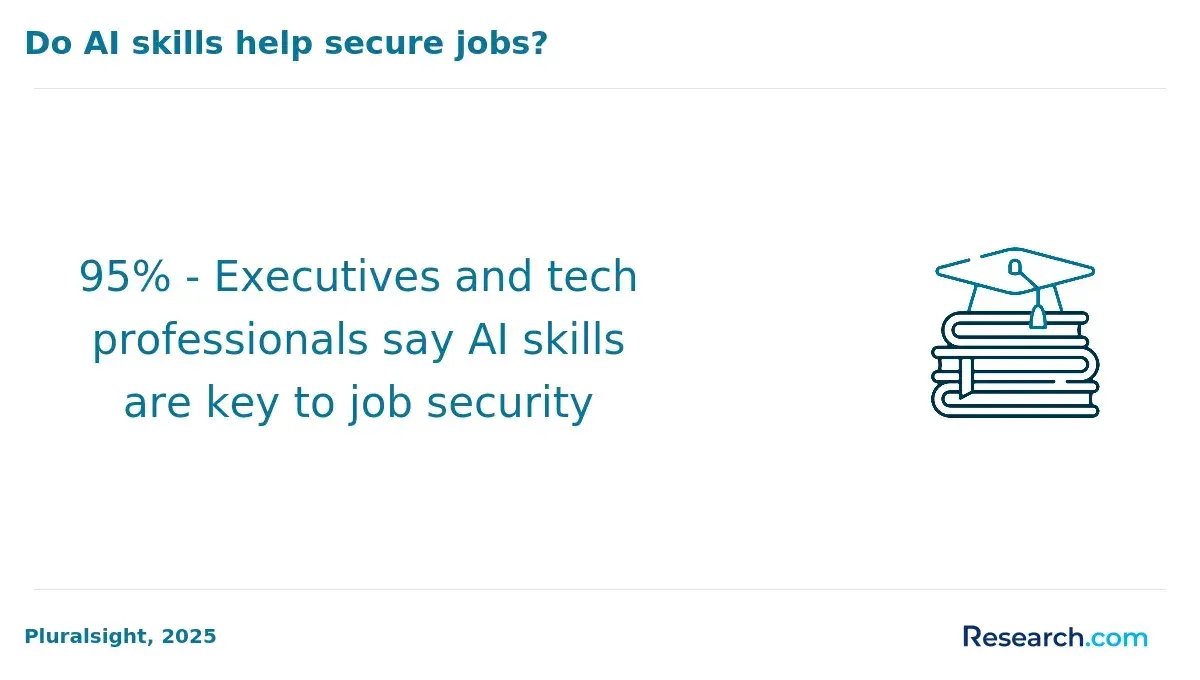
Which skills should email marketers learn in agentic AI training?
Email marketers developing agentic AI email marketing skills must master data analysis to interpret AI-driven insights for precise audience segmentation and personalized campaigns. Knowing the fundamentals of machine learning aids in evaluating AI recommendations to optimize email content dynamically, including timing and subject lines.
Proficiency in AI-driven automation tools supports setting up workflows that automate repetitive tasks like A/B testing and lead scoring, enhancing team productivity. Teams using AI report saving 2.5 hours per marketer daily, reflecting significant efficiency gains. Such email marketing team training in agentic AI tools increasingly emphasizes prompt engineering and natural language processing (NLP), enabling marketers to craft commands and AI-generated content while maintaining brand voice consistency.
Ethical AI application and compliance awareness remain critical to respecting customer privacy and avoiding bias in targeting. Technical literacy for integrating AI with CRM and email platforms ensures seamless data flow and accurate campaign tracking. Marketers also need critical evaluation skills to assess AI outputs and prevent overreliance.
Core competencies include:
- Data analytics and interpretation
- Automation setup and workflow management
- Prompt engineering and NLP for content creation
- Ethical AI application and compliance awareness
- Technical integration with CRM and marketing platforms
- Critical evaluation of AI-generated results
For professionals exploring wider tech education pathways, programs like game design degree online offer insight into AI applications across creative fields.
What topics are covered in agentic AI email marketing courses?
Agentic AI applications in email marketing strategies focus on mastering autonomous AI systems that run sophisticated campaigns with minimal human oversight. Key topics include AI-driven customer segmentation, which uses algorithms to analyze demographics, behavior, and purchase history for tailored email content. Learners also gain skills to design and optimize predictive models that anticipate customer reactions, enabling dynamic personalization and timing adjustments.
Email marketing automation with agentic AI tools further covers natural language generation (NLG) and processing (NLP), automating the creation of persuasive emails based on audience insights. Techniques like sentiment analysis and intent recognition help trigger relevant messages, while reinforcement learning models adapt strategies in real time based on campaign performance.
Hands-on experience with programmatic email automation platforms is integral, training AI agents to manage entire campaign lifecycles-content creation, distribution, and follow-up analysis-through API integration and workflow orchestration. Ethical considerations, data privacy, and compliance with regulations such as GDPR and CCPA are also emphasized.
Addressing the skills gap reported in 2024, where 72% of marketing leaders cite insufficient AI expertise and only 15% offer formal training, these courses prioritize real-world simulations to build practical competence. Professionals seeking the fastest way to get a cybersecurity degree online may also find complementary AI knowledge increasingly valuable in marketing technology roles.
Are online or in-person agentic AI courses better for teams?
Online agentic AI courses offer significant advantages for email marketing teams by providing flexible, scalable learning that fits varied schedules. These platforms enable asynchronous study, allowing multiple team members to upskill simultaneously without disrupting daily operations or incurring travel expenses. Interactive simulations and real-time project collaboration tools tailored for marketing help simulate hands-on experience, enhancing practical understanding.
In-person training, however, delivers immediate peer interaction and direct instructor support. This environment benefits teams new to AI-driven marketing or those requiring collaborative problem-solving, as real-time discussions enhance comprehension of complex concepts and troubleshooting techniques.
Decision-makers should consider factors like current AI proficiency and team preferences when choosing a format. For example:
- Experienced members may prefer self-paced online modules for efficient skill advancement.
- Beginners often gain more from structured classroom settings.
- Hybrid formats combining live workshops and online materials can balance flexibility with personalized guidance.
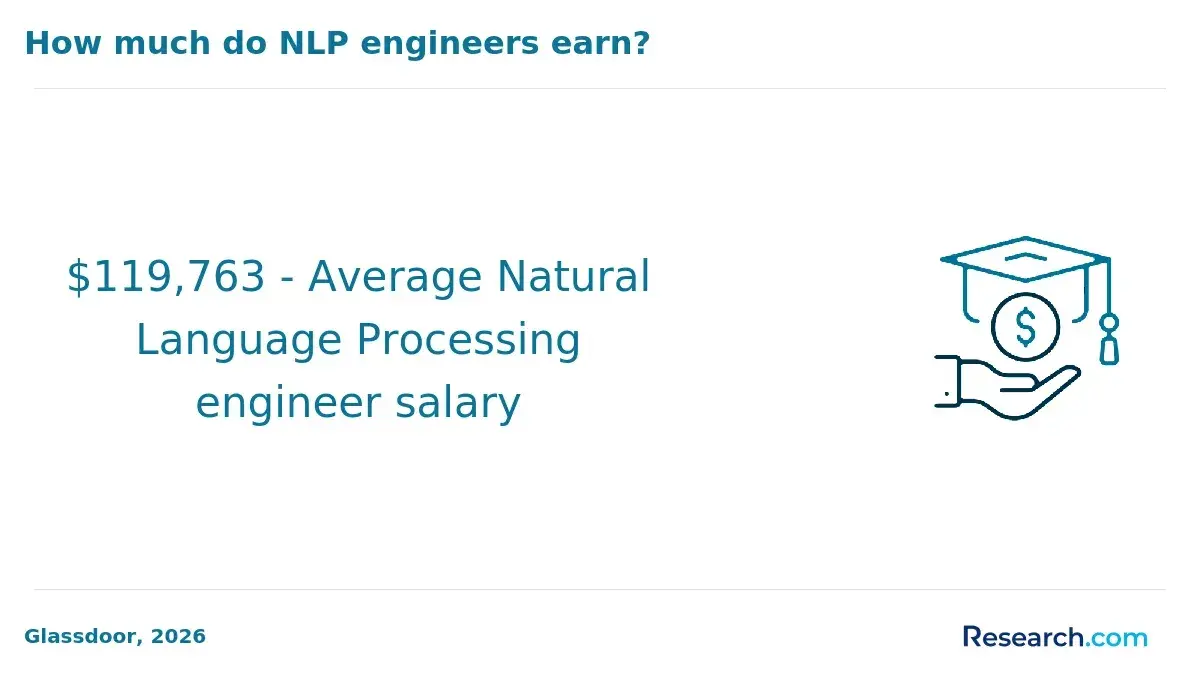
According to Coursera's Global Skills Report 2024, marketers with advanced AI skills earn 27% higher median salaries than those without. Investing in accessible online agentic AI courses is a practical step for marketing professionals aiming to boost their careers while minimizing workplace disruption.
What prerequisites do agentic AI courses usually require?
Agentic AI courses designed for email marketing professionals require a blend of marketing knowledge and technical skills. Key prerequisites include a strong grasp of email marketing principles, such as campaign management and strategy, to understand how AI agents can optimize or automate workflows.
Data analytics proficiency is crucial, especially in interpreting metrics like open rates, click-through rates, and conversion rates. Familiarity with marketing technology platforms, including email service providers and martech stacks, is often necessary for hands-on application.
Technical skills typically involve basic to intermediate programming or scripting knowledge, commonly in Python or SQL. These abilities help learners customize AI workflows, perform data extraction, and integrate APIs within marketing ecosystems.
Introductory experience with AI and machine learning concepts is also valuable. It aids in comprehending agentic AI models, their strengths, and limitations, enhancing understanding of automated decision-making processes in marketing.
According to Gartner's marketing technology forecast, by 2025, 60% of B2B organizations will have adopted AI agents to autonomously handle at least one marketing channel, including email. This trend highlights the growing demand for combining marketing expertise with technical AI skills.
How long do agentic AI courses for marketers usually take?
Agentic AI courses for marketers vary widely in duration and depth. Many practical programs for email marketing teams last between 4 and 8 weeks, with part-time formats featuring weekly 2- to 3-hour sessions and hands-on projects applying AI tools to optimize campaigns. Short workshops, lasting 1 to 3 days, focus on foundational concepts like AI models, automated segmentation, and content generation frameworks, ideal for immediate skill application but often limited in governance and compliance coverage.
Longer courses, extending 8 to 12 weeks, provide comprehensive training on ethical AI use, data privacy, and integration of agentic AI across multi-channel marketing. These programs include case studies, compliance protocols, and system integration practices, supporting marketers in managing risks and regulatory challenges effectively.
Organizations investing in structured AI governance and agentic AI education report measurable benefits. For example, Deloitte's Trustworthy AI in Marketing survey highlights a 30% drop in AI-related compliance incidents among companies with thorough training programs. This underscores the importance of balancing technical skills with regulatory and ethical considerations.
Factors influencing course selection include team experience, project objectives, and compliance needs. Shorter courses accelerate skill acquisition, while longer programs promote deeper understanding and risk management within agentic AI applications.
What certifications matter for agentic AI in email marketing?
Certifications that focus specifically on agentic AI applications within email marketing carry greater value than general AI credentials. These specialized programs emphasize practical skills such as automating personalized email campaigns, leveraging predictive analytics for segmentation, and optimizing real-time content adaptation. Credentials covering AI-driven customer journey mapping and dynamic content generation demonstrate clear benefits for campaign performance.
Marketers should prioritize certifications that teach integration of agentic AI tools with popular email platforms like Salesforce, HubSpot, or Mailchimp. Practical knowledge of APIs, AI-powered analytics dashboards, and workflow automation frameworks accelerates campaign execution. Programs offered by recognized marketing technology providers or industry associations tend to offer more targeted and actionable training than general AI courses.
Certifications including hands-on projects or case studies based on real-world email marketing challenges deepen understanding. They often address ethical AI use, bias mitigation, and compliance with privacy regulations such as CAN-SPAM - key factors in maintaining customer trust.
According to McKinsey's 2024 Global AI Survey, companies investing in role-specific AI training for marketers see 1.7× higher productivity gains compared to those relying on generic AI education. This confirms the measurable value of agentic AI certifications tailored for email marketing workflows, analytics, and automation.
How do you choose a reputable agentic AI course provider?
Selecting a reputable agentic AI course provider requires scrutiny of curriculum relevance, instructor expertise, and practical applications tailored to email marketing challenges. Prioritize courses that emphasize personalization strategies and automation workflows, rather than solely presenting general ai concepts, to ensure direct benefits in boosting engagement and conversions.
Look for instructors with proven credentials-industry experts or academics specializing in AI-driven marketing. Providers linked to established organizations or featuring guest speakers from top companies demonstrate credibility. Updated course material that mirrors current market trends and technology shifts is essential for staying competitive.
Hands-on projects and real-world case studies greatly enhance learning, helping students translate theory into practice. For example, creating personalized email campaigns using AI tools aligns with consumer expectations: 71% of customers anticipate personalized interactions, while 76% report frustration when brands fall short, according to Salesforce's State of the Connected Customer, 5th edition.
Additional factors include provider reviews, alumni success stories showing measurable improvements like higher email open rates or ROI, and transparent career support with networking possibilities. Flexible scheduling and robust technical support are major pluses for professionals managing busy workloads.
What jobs can agentic AI email marketing training support?
Agentic AI email marketing training enhances multiple marketing roles by automating key functions and optimizing campaign performance. Professionals such as email marketing managers, campaign strategists, content creators, data analysts, and customer engagement specialists gain skills to design AI-driven workflows that deliver personalized email content, dynamic audience segmentation, and precise engagement analysis.
Email marketing managers leverage agentic AI to automate A/B testing and optimize send times, boosting conversion rates while reducing manual effort. Content creators benefit from AI-assisted drafting of subject lines and email copy tailored for target segments. Data analysts utilize AI-generated insights to interpret user behavior and campaign results faster, enabling data-driven decisions.
Roles centered on customer retention and lifecycle marketing also profit from agentic AI. Predictive analytics help marketers identify at-risk customers and customize re-engagement efforts effectively. Additionally, professionals focused on compliance and deliverability gain from automated monitoring of spam filters and regulations.
According to McKinsey & Company's 2024 briefing on Gen AI and the future of marketing, up to 30% of marketing tasks-including email workflows-may be fully automated by 2030. This highlights how agentic AI training prepares marketers to shift from routine tasks to strategic, creative collaboration with AI systems in diverse email marketing roles.
Other Things You Should Know About Artificial Intelligence
The best Agentic AI courses for email marketing teams in 2027 focus on practical application, up-to-date AI technologies, and personalized learning paths. They offer hands-on projects, leverage cutting-edge AI tools, and emphasize data privacy and ethical considerations in AI-driven marketing strategies.
Artificial intelligence transforms the job market by automating repetitive tasks, which can reduce demand for certain roles but also creates new opportunities in AI development and management. In email marketing, AI enables teams to focus more on strategic and creative work while handling routine campaign tasks automatically. Reskilling and continuous learning are essential to adapt to these changes.
Companies often face challenges such as lack of skilled talent, high implementation costs, and integration issues with existing systems when adopting artificial intelligence. Data quality and governance also pose significant hurdles, as effective AI relies heavily on clean and well-structured data. Overcoming these challenges requires careful planning and investment in training.
Artificial intelligence has advanced to generate creative marketing content including subject lines, email copy, and personalized recommendations. However, while AI can produce drafts and suggestions, human oversight remains necessary to ensure originality, brand alignment, and emotional resonance. AI complements rather than replaces creative professionals in marketing.
References
- Agentic AI for marketing teams: Use cases from content generation to campaign orchestration https://writer.com/blog/agentic-ai-marketing/
- 10 AI Agents Every Marketing Team Needs in 2026 https://www.mindstudio.ai/blog/ai-agents-for-marketing-teams
- Tembusu Institute https://www.tembusuinstitute.edu.sg/courses/ai-mastery-masterclass-build-a-one-person-business-with-agentic-ai-retail-892
- Can agentic AI build your entire online course? https://www.futureofbeinghuman.com/p/ai-agent-creates-online-course-in-minutes
- Production AI Agents Course: Learn Agent Engineering https://academy.towardsai.net/courses/agent-engineering
- How to Use an AI Agent for Marketing | Complete Guide (2026) https://getuntitled.ai/blog/how-to-use-an-ai-agent-for-marketing/
- Become an Agentic Marketing Expert https://courses.qualified.com/page/agentic-marketing-expert
- Agentic AI BootCamp: Capstone and 10+ Hands-On Live Projects https://agilefever.com/bootcamps/agentic-ai-bootcamp/
- Best AI for Marketing Courses in 2025 (Ranked) https://cxl.com/blog/best-ai-marketing-courses/
- Vitae https://ileap.sutd.edu.sg/student/course/detail/e63272de-3720-4bcf-ac10-f474fc73c5a4/735febb5-d499-4ac1-a5b8-45e8e9baace6
- George, K. (2025, October). CERP Pulse Survey: A Snapshot of 2025 Undergraduate Computing Enrollment Patterns. Center for Evaluating the Research Pipeline, Computing Research Association. https://cra.org/crn/2025/10/cerp-pulse-survey-a-snapshot-of-2025-undergraduate-computing-enrollment-patterns