2027 Best AI Agent Courses for Product Managers

Co-Founder and Chief Data Scientist
Product managers often face pressure to integrate artificial intelligence into products without formal training or experience in the field. This gap creates challenges in understanding AI capabilities, managing development teams, and ensuring ethical use. Without proper education, decision-making can falter, risking project delays or failures. Addressing these concerns requires targeted learning that fits busy schedules and leverages practical applications. This article highlights the best AI agent courses designed specifically for product managers seeking flexible, accredited programs to build expertise, confidently lead AI initiatives, and drive innovation in their organizations.
Key Things You Should Know
- Top AI agent courses for product managers in 2026 focus on practical skills integrating AI with product strategy, emphasizing user-centric design and data-driven decision-making.
- Enrollment in AI courses for product managers grew by 40% from 2024 to 2025, reflecting increasing industry demand for AI proficiency in product roles.
- Curricula often cover machine learning basics, ethical AI use, and AI project management, preparing students to lead cross-functional teams in AI-driven product development.
Advance Your Career with AI Online Courses
Artificial Intelligence: Implications for Business Strategy
This program provides an introduction to Artificial Intelligence and their implications for business strategy. Earn an official digital certificate.

Oxford Artificial Intelligence Programme
Explore this Oxford Artificial Intelligence programme offered in a flexible learning environment and explore topics like machine learning, automation, and robotics.

Implementing Agentic AI: Building Your Organizational Playbook
This online MIT Agentic AI course offers a practical approach to deploying AI agents in your organization, including a custom playbook. 3 weeks, exclusive launch price.

AI Adoption: Driving Business Value and Impact
This online MIT AI Adoption: Driving Business Value and Impact offers practical frameworks to close the gap between AI potential and business reality.

Artificial Intelligence in Pharma and Biotech
Discover the applications and limitations of artificial intelligence in pharma and biotech with this MIT online short course.

What are AI agent courses for product managers, and who are they best suited for?
AI agent courses designed for product managers teach professionals how to develop, manage, and utilize autonomous AI-driven systems throughout product lifecycles. These best AI training programs for product management professionals emphasize integrating AI agents-software that independently performs tasks, makes decisions, and interacts with users-into product strategy, development, and marketing. Core topics include AI fundamentals, machine learning workflows, ethical concerns, user experience design, and collaborating effectively with data scientists and engineers.
These courses are particularly valuable for product managers transitioning into AI-focused roles or managing AI-powered products. For instance, a product manager overseeing a SaaS tool with AI-based customer support agents must understand AI capabilities and limitations to prioritize features and align stakeholder expectations. They also benefit non-technical product managers seeking AI fluency to enhance communication and decision-making with technical teams.
According to LinkedIn's "Future of Work: AI at Work" report, job posts referencing AI or generative AI grew by 21x globally between 2021 and 2024, while AI skill adoption among non-technical professionals rose 160% year-over-year in 2023-2024. This dramatic growth signals increasing demand for product managers proficient in AI tools.
For those researching advanced credentials, consulting the data science master US ranking can guide choices toward affordable, competitive programs. Ultimately, mastering AI agency enables product managers to leverage competitive advantage, manage ethical risks, and foster innovation in AI-integrated markets.
Advance Your Career with AI Online Courses
Artificial Intelligence: Implications for Business Strategy
This program provides an introduction to Artificial Intelligence and their implications for business strategy. Earn an official digital certificate.
Oxford Artificial Intelligence Programme
Explore this Oxford Artificial Intelligence programme offered in a flexible learning environment and explore topics like machine learning, automation, and robotics.
Implementing Agentic AI: Building Your Organizational Playbook
This online MIT Agentic AI course offers a practical approach to deploying AI agents in your organization, including a custom playbook. 3 weeks, exclusive launch price.
How can product managers evaluate which AI agent course is truly the best for their goals?
Product managers seeking the best ai agent courses for product managers should focus on programs that align closely with their career objectives and skill sets. Key aspects include the course's relevance to real-world product challenges, depth in both technical and managerial AI knowledge, and practical applications. For example, courses centered on AI integration in user experience appeal to those enhancing customer interaction, while others emphasize data analytics and automation for operational gains.
How to evaluate ai agent courses for product management goals involves verifying instructor credentials, endorsements by respected AI or product management bodies, and transparent syllabi covering AI fundamentals, ethics, and project work. Practical case studies or simulations tied to product development processes offer valuable, hands-on learning experiences essential for decision-making in product roles.
Course format and support matter. Leading options include interactive labs, mentorship, peer networking, flexible scheduling, and ongoing access to updated content, all fostering sustained growth in this fast-changing field. Measurable outcomes like certification, job placement, or demonstrated skills through projects are crucial.
A 2024 McKinsey Global Survey reports that 65% of organizations implementing generative AI expect revenue growth in at least one function, with product and service development among the top areas impacted, underscoring AI education's career benefits. For those exploring options beyond courses, an AI degree online can provide a comprehensive foundation in artificial intelligence relevant to product management.
What skills and learning outcomes should top AI agent courses for product managers deliver?
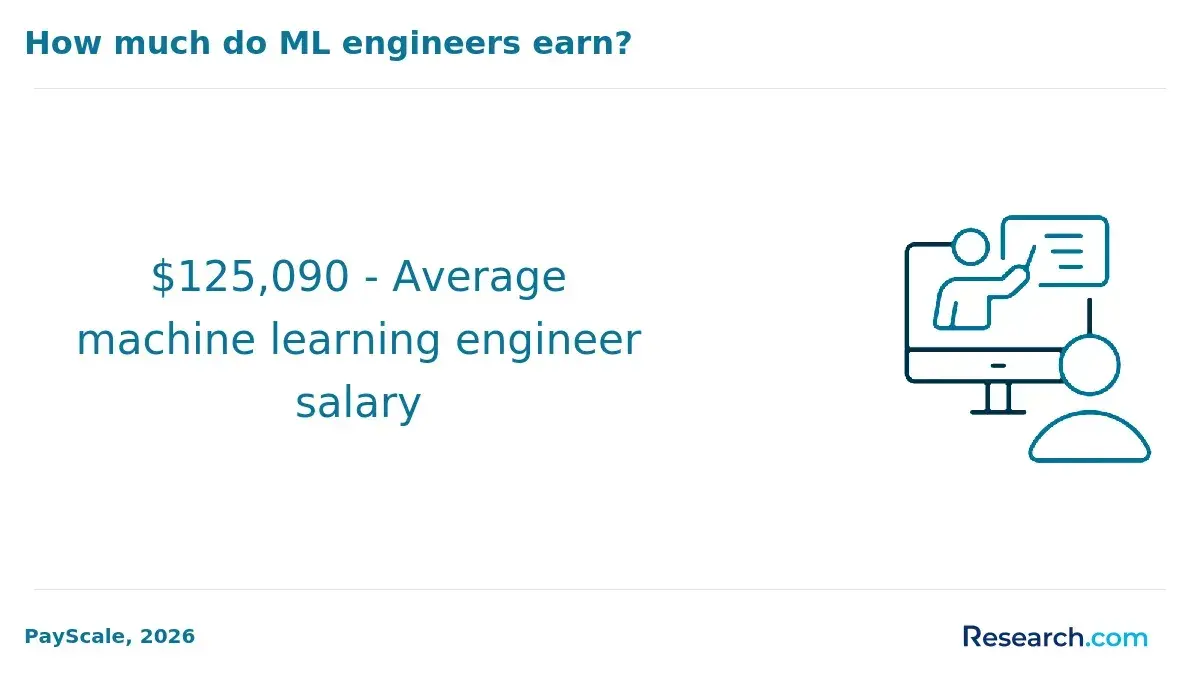
Top AI agent courses for product managers focus on developing skills that combine technical fluency with strategic business insight. Graduates must master designing, prioritizing, and managing AI-driven product features aligned with user needs and market demands. Key learning outcomes include proficiency in interpreting machine learning models and data science concepts to assess algorithm performance and limitations. These programs emphasize collaboration between product managers, AI engineers, and data scientists to bridge technical and stakeholder perspectives. This approach addresses essential AI agent skills for product managers.
Ethical deployment and risk management are vital curriculum components. Managers trained in bias mitigation, data privacy regulations, and explainability challenges ensure responsible AI integration. Practical experience with model monitoring and validation tools strengthens this foundation. Students also explore AI product lifecycle management, including data pipeline design, feature engineering, and continuous model improvement, often through case studies involving recommendation engines or natural language processing agents. Familiarity with MLOps frameworks equips managers to oversee scalable AI solutions.
According to Indeed, AI Product Managers earn about $205,000 annually in the US, reflecting a 35-40% salary premium over non-AI roles. This data highlights the value of these skills for career advancement. Courses emphasize quantifying AI impacts using KPIs and ROI metrics and translating complex insights into actionable business strategies. Strong communication skills allow managers to articulate AI value clearly to executives and customers, showcasing the learning outcomes of top AI agent courses for product managers. For those seeking advanced study, exploring AI PhD programs can deepen expertise and further career prospects.
Which types of programs offer AI agent training for product managers: certificates, bootcamps, or degrees?
AI agent training for product managers is offered primarily through certificate programs, bootcamps, and degree options, each designed for different career needs and time commitments. Certificate programs are the most flexible and accessible, focusing on practical skills such as managing AI-powered products, interpreting model outputs, and leading cross-functional teams. These certificates often last from weeks to a few months, catering well to working professionals looking for targeted upskilling.
Intensive bootcamps provide short-term, hands-on experience with real-world projects emphasizing AI agent design, user experience, and agile workflows. These programs are ideal for product managers aiming for rapid skills acquisition and portfolio development but may lack the academic depth of degrees.
Degree programs, including master's degrees with AI or data science concentrations, combine rigorous coursework in machine learning and product management principles. Degrees require longer commitments-often one to two years-and offer strong academic foundations and credentials valued in leadership roles or specialized AI-driven enterprises. For those considering advanced study, exploring options like a data analytics master's degree can provide comprehensive training relevant for product managers.
Coursera's Global Skills Report shows a 60%+ year-over-year growth in AI and machine learning course enrollments, with product management among the fastest-growing sectors. This trend highlights the appeal of certificate and bootcamp formats for flexibility, while degrees remain important for deeper specialization.
AI agent certification programs for product managers offer accessible entry points, whereas AI agent bootcamps versus degree options for product managers weigh speed against depth, allowing individuals to choose based on career goals and learning preferences.
How do online AI agent courses for product managers compare with on-campus and hybrid options?
Online ai agent courses for product managers offer flexibility and accessibility, ideal for working professionals or those outside major educational centers. These programs often include interactive platforms, on-demand lectures, and community forums, allowing learners to balance projects and personal commitments without fixed schedules or commuting.
On-campus options provide structured environments with direct faculty access and peer networking, suited for those desiring immersive, hands-on experiences like lab sessions or live workshops that replicate real-world AI product challenges. Hybrid models combine online theory with periodic in-person practicals, offering a balance between interaction and convenience but typically with fewer course options.
Curriculum updates happen faster in online courses to keep pace with rapid advances in ai technologies, reflecting industry demand for skills highlighted by the World Economic Forum's 2024 "Future of Jobs" report, which forecasts a 40% growth in AI/ML product management roles. Traditional programs, while slower to revise, often provide deeper foundational knowledge and accredited credentials.
Choosing the right format depends on your work situation, learning style, and career goals. Professionals aiming to quickly adapt to trends in AI agent product management may favor agile online courses, while those seeking comprehensive credentials and peer connections might prefer on-campus or hybrid pathways.
What should product managers look for in accreditation and instructor credentials for AI agent programs?
Product managers seeking courses on AI agents should prioritize those accredited by reputable educational bodies or industry associations, ensuring curriculum quality and relevance. Accreditation reduces risks of outdated or superficial content and often involves regional agencies or AI-specific certifications endorsed by tech groups. Instructor qualifications are equally essential, with preference given to those holding advanced degrees in computer science, AI, or related fields, combined with leadership experience in deploying autonomous AI solutions within real enterprises.
Instructors with proven industry experience developing agentic AI tools or managing AI-enhanced product pipelines bring invaluable practical insights. A Deloitte survey reports that 79% of high-performing organizations invest in agentic or autonomous AI systems to orchestrate workflows. This fact underlines the importance of training that bridges theory and hands-on application. Experienced consultants or product leaders active in AI environments often provide perspectives beyond academic knowledge. Students should verify these elements through official course material and trusted sources such as industry reports from Deloitte.
What core curriculum and tools are typically covered in leading AI agent courses for product managers?
Leading ai agent courses for product managers integrate foundational knowledge in machine learning, natural language processing, and computer vision, tailored specifically for non-technical professionals. These courses focus on enabling product managers to understand AI model operations, evaluate performance metrics, and grasp data requirements crucial for successful AI deployment. A significant emphasis is placed on ai ethics and bias mitigation to help managers identify risks and promote fairness in AI-powered products.
Instruction often includes hands-on experience with popular frameworks such as TensorFlow, PyTorch, and OpenAI's GPT API, alongside prototyping tools like DataRobot and Lobe that require minimal coding expertise. This combination supports rapid experimentation and effective collaboration with data science teams.
The curriculum highlights the application of AI throughout the product lifecycle, including developing user stories for AI features, prioritizing roadmaps based on AI feasibility, and leveraging AI-driven analytics to optimize user engagement. Case studies featuring chatbots, recommendation engines, and autonomous decision systems offer practical insights into diverse real-world AI challenges.
What are the typical admission requirements, program length, and costs for AI agent courses?
Admission to AI agent courses designed for product managers often requires a bachelor's degree in business, computer science, engineering, or a related field. Many programs favor candidates with some professional experience in product management or technology roles. Basic data analysis skills, programming knowledge (commonly Python), and familiarity with AI concepts are typically mandatory or highly recommended. Some advanced certificates and executive education courses offer more flexible admission requirements but may seek demonstrated managerial experience or relevant professional backgrounds.
Course lengths vary significantly: short bootcamps and practical skills-focused programs last 4 to 12 weeks; certificate programs through universities or online platforms usually span 3 to 6 months part-time; and professional diplomas or specialized master's degrees can extend from 9 months up to 2 years, offering deeper theoretical and strategic learning.
Costs differ by program type and institution: short bootcamps range from $1,000 to $5,000; university certificates or professional diplomas typically cost $5,000 to $15,000; graduate programs or specialized master's degrees may exceed $20,000, especially at prestigious schools. Employer support for upskilling is rising. For instance, IBM's 2024 Global AI Adoption Index indicates that 61% of IT and business leaders actively upskill or reskill non-technical staff, especially in product and operations roles, to effectively utilize AI agents.
Prospective students should evaluate their existing skills, time availability, and career objectives. Programs with flexible schedules and modular content are ideal for those aiming to enhance AI agent skills while maintaining employment.
What product management roles, career paths, and salaries can AI agent training help you reach?
AI agent training enables product managers to excel as AI product owners, technical product managers, and AI strategy leads. These roles require expertise in generative AI capabilities, system integration, and designing user-centric AI solutions. Career advancement may lead to senior positions such as director of AI products or chief product officer, overseeing AI-driven innovation. According to industry surveys, median U.S. salaries range from $110,000 for mid-level AI product managers to over $170,000 for senior leaders.
This specialized training enhances crucial skills including data interpretation, ethical AI deployment, and agile AI development. It equips product managers to lead cross-functional teams integrating AI agents into market offerings, boosting product success and business impact.
A 2024 BCG survey found that companies systematically training their product leaders in generative AI techniques are 2.5x more likely to report successful gen AI product launches in the past year, showing a clear link between AI competence and market success.
Product managers interested in growth should consider training for opportunities in AI-powered SaaS platforms, healthcare AI tools, and autonomous systems. Developing mastery of AI tools opens leadership and consultancy roles focused on AI product strategy. Employers now prioritize candidates who can transform AI potential into commercially viable products.
Are there industry certifications or portfolios that strengthen a product manager's profile in AI agents?
Certifications and curated portfolios play a critical role in enhancing a product manager's profile in AI agents. Recognized certifications such as the Certified AI Product Manager from the AI Product Institute and Google's Professional Machine Learning Engineer credential validate knowledge in AI model integration, ethical challenges, and user-focused strategies. These certifications confirm a candidate's technical expertise alongside practical product development skills.
Equally important are portfolios that highlight real-world experience with AI agents. Product managers often present case studies demonstrating how they define product requirements, manage AI system integrations, and collaborate with cross-functional teams including data scientists and developers. Such portfolios provide concrete evidence of problem-solving ability and understanding of AI workflows, addressing common industry bottlenecks.
According to the 2024 Stack Overflow Developer Survey, more than 70% of professional developers use AI tools weekly, yet over half identify product requirements and integration guidance from PMs as top challenges. This gap increases the value of formal AI training and relevant portfolios.
Other Things You Should Know About Artificial Intelligence
Product managers often face challenges such as managing data quality and availability, ensuring clear communication between technical and non-technical stakeholders, and balancing AI capabilities with user needs. Understanding AI limitations and ethical considerations also requires careful attention to avoid bias and ensure transparency in AI-driven products.
Understanding machine learning fundamentals is crucial for product managers working with AI agents because it enables them to make informed decisions about model selection, training data, and performance evaluation. This knowledge helps in setting realistic expectations and collaborating effectively with data scientists and engineers.
Yes, AI agent training can enhance decision-making by providing product managers with skills to interpret AI outputs and insights accurately. It also helps them incorporate AI-driven analytics into strategic planning, leading to more data-informed and objective decisions.
Courses like "AI for Product Managers" by Stanford and "AI Decision-Making" on Coursera help refine strategic skills specific to decision-making using AI. These courses focus on applying AI tools to product management challenges effectively.
References
- AI Agents for Product Managers: What They Are and How to Use Them | Pragmatic Institute https://www.pragmaticinstitute.com/resources/articles/product/ai-agents-for-product-managers/
- Certified Agentic AI Product Manager (AAPM) | Alaimo Labs https://alaimolabs.com/en/courses/certified-agentic-product-manager
- 10 AI Agents for Product Managers https://www.mindstudio.ai/blog/ai-agents-for-product-managers
- Advanced AI Agents Certification https://productschool.com/certifications/advanced-ai-agents
- Building Agentic AI Systems https://www.niit.com/india/course/building-agentic-ai-systems
- AI Agent Development Cost: Full Breakdown for 2026 - Riseup Labs https://riseuplabs.com/ai-agent-development-cost/
- AI Agents in Product Management: The future of product work - Resources for Product Managers https://www.nalvin.com/product-resources/ai-agents-in-product-management-the-future-of-product-work
- 6 AI agents every product manager needs to hire | Delight Path Blog https://www.delightpath.com/blog/6-ai-agents-for-product-managers
- AI Agent Development Cost in 2026 - Pricing, MVP, ROI & Budget Guide https://www.sparkouttech.com/development-cost-of-ai-agent/
- AI Product Manager: Role, Salary, Skills & Career Path Guide https://www.simpliaxis.com/resources/ai-product-manager-guide