2027 Best Agentic AI Courses for Multi-Step Automation

Co-Founder and Chief Data Scientist
Many professionals face challenges integrating complex multi-step automation using agentic AI within existing workflows. Without formal training, the risk of inefficient deployment or security gaps increases, limiting career growth in AI-driven industries. This problem often stems from a lack of accessible, flexible courses tailored to those transitioning from unrelated fields.
This article evaluates top agentic AI courses designed for multi-step automation, emphasizing accredited programs that provide practical skills and clear career pathways. It aims to guide prospective students and working professionals toward effective learning options that support a strategic pivot into the AI sector.
Key Things You Should Know
- Agentic AI courses in 2026 focus heavily on multi-step automation skills, with 72% of programs emphasizing practical project work integrating system planning and autonomous decision-making.
- By 2025, the demand for professionals skilled in agentic AI implementations grew by 38%, driven by industries adopting AI to optimize workflows and reduce human intervention.
- Top courses now incorporate real-world datasets and simulations, equipping students with expertise in autonomous task sequences critical for roles in robotics, software automation, and AI-driven management.
Advance Your Career with AI Online Courses
Artificial Intelligence: Implications for Business Strategy
This program provides an introduction to Artificial Intelligence and their implications for business strategy. Earn an official digital certificate.

Oxford Artificial Intelligence Programme
Explore this Oxford Artificial Intelligence programme offered in a flexible learning environment and explore topics like machine learning, automation, and robotics.

Implementing Agentic AI: Building Your Organizational Playbook
This online MIT Agentic AI course offers a practical approach to deploying AI agents in your organization, including a custom playbook. 3 weeks, exclusive launch price.

AI Adoption: Driving Business Value and Impact
This online MIT AI Adoption: Driving Business Value and Impact offers practical frameworks to close the gap between AI potential and business reality.

Artificial Intelligence in Pharma and Biotech
Discover the applications and limitations of artificial intelligence in pharma and biotech with this MIT online short course.

What is agentic AI for multi-step automation and why does it matter in today's workforce?
Agentic AI for multi-step automation involves intelligent systems that autonomously manage interconnected tasks to achieve complex goals without ongoing human input. Unlike simple automation focused on isolated tasks, agentic AI coordinates multiple processes, adapts to changing conditions, and makes decisions across sequential steps. This significantly improves operational efficiency, reduces errors, and enables new business workflows previously too complex for automation.
As the impact of agentic AI on workforce efficiency grows, demand increases for professionals skilled in designing and managing these advanced systems. McKinsey's 2024 generative AI report forecasts a 13-20% growth in roles focused on applied AI and automation by 2030 and highlights generative AI's potential to add $4.4 trillion annually to global productivity.
Agentic AI applications for multi-step automation include AI systems that handle customer service end-to-end by understanding queries, retrieving data, and resolving issues automatically. In manufacturing, such AI can oversee supply chain coordination, monitoring inventory, ordering parts, and scheduling production phases without human oversight. Mastery of workflow orchestration, reinforcement learning, and natural language understanding is key for professionals working with these technologies.
Challenges like integrating agentic AI with legacy systems, ensuring data accuracy, and ethical decision-making are vital considerations. Training in these areas prepares candidates to meet industry needs where multi-step automation delivers scalable business value. Exploring career options in this growing field can start by reviewing applied AI degree jobs.
Advance Your Career with AI Online Courses
Artificial Intelligence: Implications for Business Strategy
This program provides an introduction to Artificial Intelligence and their implications for business strategy. Earn an official digital certificate.
Oxford Artificial Intelligence Programme
Explore this Oxford Artificial Intelligence programme offered in a flexible learning environment and explore topics like machine learning, automation, and robotics.
Implementing Agentic AI: Building Your Organizational Playbook
This online MIT Agentic AI course offers a practical approach to deploying AI agents in your organization, including a custom playbook. 3 weeks, exclusive launch price.
What types of agentic AI courses and training pathways are available in the United States?
Agentic artificial intelligence courses in the United States are offered through various educational pathways tailored to different expertise levels and career aspirations. Foundational programs often cover machine learning, reinforcement learning, and decision-making algorithms, key for designing multi-step autonomous systems. These foundational topics appear in undergraduate and graduate curricula or specialized AI certificates.
More applied multi-step automation training programs in America include professional certificates and bootcamps that emphasize hands-on projects such as autonomous robotics, natural language agents, and intelligent process automation. These options appeal to working professionals aiming to develop practical skills with multi-agent workflows and automated decision agents.
University-level options also feature research-focused master's and doctoral programs where students build custom agentic architectures and collaborate on advanced projects addressing interpretability and safety in autonomous agent deployment. Industry partnerships and online platforms like Coursera and edX supplement these offerings with modular reinforcement learning and agent design courses.
The rapidly growing demand for AI specialists is underscored by the World Economic Forum's report, projecting a 39% increase in roles by 2028. U.S. students can enhance career readiness by selecting programs that combine programming, system design, ethics, and multi-step automation frameworks. Access to cloud computing and collaboration tools is also critical.
For those budget-conscious, consider exploring the cheapest engineering degree options, which often include pathways into AI fields.
How do you choose the best agentic AI course for multi-step workflow automation goals?
Choosing the best agentic AI courses for multi-step workflow automation involves focusing on programs that build practical skills geared toward your automation goals. Prioritize curricula that teach designing and deploying autonomous workflows with multiple AI agents performing sequential tasks. Look for coverage of essential topics like agent communication protocols, orchestration frameworks, and decision-making logic within automated pipelines.
Top agentic AI training programs for automating complex workflows often include hands-on projects simulating real-world scenarios such as customer support bots, supply chain management, or compliance monitoring. Courses utilizing popular frameworks like reinforcement learning for agent training and workflow orchestration platforms align well with industry standards. Since 79% of enterprises piloting generative AI aim to automate workflows and deploy digital agents, selecting programs focused on enterprise system integration is critical.
Consider the instructors' expertise, including connections to current AI research or applications. Access to cloud-based labs for testing multi-agent workflows in realistic settings strengthens practical learning. Critical challenges like error handling, scalability, and security should also be addressed.
Flexibility in pacing and prerequisites helps match different experience levels, from foundational AI or programming to advanced multi-agent coordination. For those seeking advanced credentials, exploring AI PhD programs can deepen knowledge in agentic AI strategies and automation.
What should you look for in accredited agentic AI and automation programs and providers?
Accredited agentic AI certification standards in accredited programs emphasize integrating practical multi-step automation skills with solid theoretical knowledge. Look for curricula that cover end-to-end process design, decision-making algorithms, and collaboration between humans and AI systems. The best courses offer hands-on projects simulating real-world workflows, enabling students to develop, test, and refine agentic agents capable of autonomous task completion.
Evaluating providers includes checking accreditation from recognized bodies to ensure quality and industry relevance. Accreditation confirms that course content aligns with professional standards and that credentials carry weight with employers. It's also important to verify programs remain current with the latest frameworks, tools, and ethical practices in agentic AI development to sustain long-term career value.
Select programs with demonstrable career outcomes. For instance, the Coursera 2024 Learner Outcomes report found that 77% of learners completing AI and data-science certificates saw measurable career benefits such as promotions or salary increases within a year, outperforming averages across other fields. This reflects the value of top agentic AI and automation courses with industry recognition through alumni success and placement statistics.
Customization and flexibility are key because agentic AI operates differently across sectors. Choose programs offering specialization options-robotic process automation, conversational agents, or supply chain automation-to align with your goals, alongside formats and schedules that fit your needs. Strong provider support like mentorship, career counseling, and networking boosts learning and employment prospects.
Ethical AI use and risk management remain essential in professional agentic system deployment. For those interested in broadening related expertise, exploring a computer science bachelor degree online can provide a complementary foundation.
How do online agentic AI courses compare to campus and bootcamp-style programs?
Online agentic AI courses provide flexibility and broad accessibility, making them well suited for working professionals and remote learners. These courses typically offer self-paced modules that enable students to balance learning with other commitments. Unlike campus programs, which demand fixed schedules and physical attendance, online courses reduce geographic and time barriers.
Bootcamps focus on intensive, short-term skill-building in AI automation, ideal for those seeking to enter the field quickly. However, they may lack the depth and ongoing support found in lengthier online courses. Online programs often include the latest content on multi-step automation and autonomous agents, keeping pace with rapid market-driven advances.
According to IDC's 2024 forecast, global spending on AI software for automation is expected to grow at a compound annual rate exceeding 30% through 2027, passing $60 billion. This growth emphasizes the advantage of continuous, up-to-date learning environments that online platforms provide by frequently refreshing course material. Specialized topics such as orchestration platforms and agent development are more accessible through online courses than in bootcamps.
Campus programs tend to offer stronger networking, hands-on labs, and formal accreditation, but often require higher costs and greater time investment. Prospective students should consider their goals and preferences:
- Choose online courses for flexibility, comprehensive coverage, and regular updates.
- Select bootcamps for rapid, focused skills acquisition.
- Opt for campus programs for structured learning and recognized credentials.
What core skills, tools, and projects do agentic AI automation courses typically cover?
Agentic AI automation courses focus on multi-step task orchestration, tool integration, and advanced prompt engineering, teaching students to build systems where large language model (LLM) agents interact with external APIs and manage workflows. Key frameworks like LangChain, LangGraph, and CrewAI are essential for developing scalable automation pipelines.
Instruction typically uses LLMs such as OpenAI's GPT models combined with libraries for tool-calling, knowledge retrieval, and chaining tasks. Students learn to integrate data sources, conversational agents, and external software via API connections. Practical skills include debugging agent workflows, optimizing prompts, and using agent memory to maintain context.
Projects often involve real-world applications like automated customer support bots querying databases, AI scheduling assistants integrating calendar APIs, and research agents that collect and summarize online information. These build expertise in reasoning, action planning, and API orchestration, which meets strong industry demand.
Courses increasingly address deployment challenges like scalability, error handling, and security in production settings. This aligns with LangChain's 2024 ecosystem update reporting a >500% growth in production use of tool-calling LLM agents and orchestration frameworks, now powering over half of tracked enterprise applications.
What are the typical admission requirements, time commitment, and costs for these courses?
Agentic AI courses focusing on multi-step automation typically demand a solid foundation in programming, data structures, and basic machine learning. Most programs expect intermediate coding skills, especially in Python, plus familiarity with APIs and automation tools. University or bootcamp offerings may also require prior AI or computer science coursework, or relevant job experience.
Time commitment varies widely: shorter courses often require 20-40 hours, ideal for busy professionals, while comprehensive graduate programs or intensive training can extend from 3 to 6 months or over 100 hours of study. Self-paced options offer flexibility but need strong discipline. Cohort-based classes usually have weekly deadlines and live sessions to boost engagement.
Course costs differ significantly by provider and scope: entry-level online courses commonly range from $200 to $1,000; professional certificates from established institutions cost between $1,500 and $3,000; and bootcamps or university credit courses may exceed $5,000. Financial aid and employer sponsorships may be available. A 2024 Accenture study highlights the value of agentic automation, showing productivity improvements of 30-40% and cycle-time reductions over 60%.
Which careers use agentic AI for multi-step automation, and what entry-level roles exist?
Agentic AI plays a crucial role in multi-step automation across tech-centric and process-heavy industries such as software engineering, business process management, cybersecurity, and data science. Professionals develop and oversee autonomous AI agents that handle complex tasks like software testing, fraud detection, system controls, and customer support automation.
Entry-level opportunities exist as AI automation analysts, junior robotic process automation (RPA) developers, AI operations specialists, and data automation technicians. These roles typically require skills in Python or JavaScript, knowledge of automation platforms like UiPath or Automation Anywhere, and a foundational grasp of AI workflows. For instance, a junior RPA developer might script multi-step automation to streamline financial reporting within an organization.
Risk management and governance roles are expanding due to the rise of autonomous systems. According to Gartner's emerging risks report, 76% of organizations experimenting with autonomous AI agents note unpredictable behavior and lack of oversight as critical risks, while only 24% have formal governance structures. This gap drives demand for entry-level positions centered on AI risk assessment, compliance monitoring, and governance frameworks.
Developing technical and ethical expertise is essential. Educational programs focusing on AI system design, risk mitigation, and interdisciplinary problem-solving prepare candidates to support advanced automation projects effectively.
What salary ranges and job outlook can students expect with agentic AI automation skills?
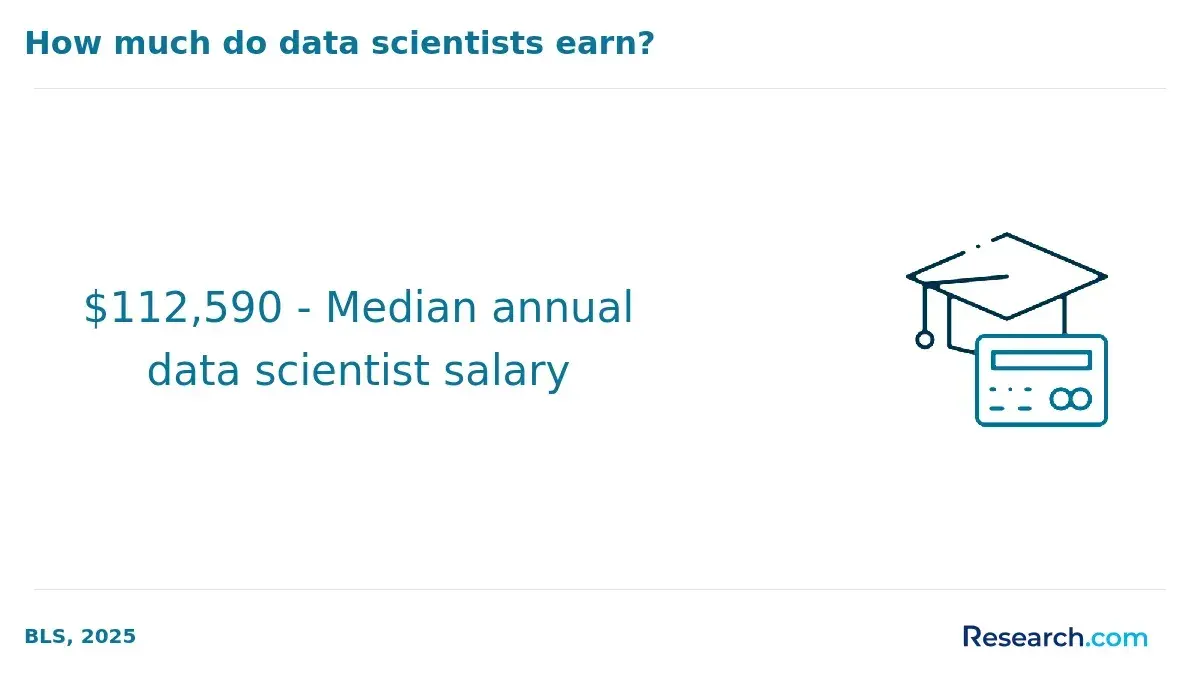
Agentic AI automation skills command attractive salaries in the United States, typically ranging between $90,000 and $140,000 annually depending on experience and industry. Entry-level positions like AI Automation Analyst or Junior AI Engineer start near $85,000, while mid-career professionals with expertise in multi-step automation can earn over $120,000. Senior roles overseeing design and management of autonomous AI systems often exceed $150,000.
The job outlook is robust, with demand growing across finance, healthcare, and manufacturing sectors. According to the U.S. Bureau of Labor Statistics, AI-related jobs are projected to increase by more than 30% through the late 2020s, outpacing most other occupations.
Udacity's 2024 nanodegree report shows a strong financial incentive for focusing on agentic AI: graduates experienced an average 24% salary increase within one year and over 50% transitioned into higher-paying technical roles. These outcomes highlight the benefits of targeted reskilling programs.
Practical examples of agentic AI in the workforce include software developers integrating autonomous decision-making into workflows and automation engineers creating systems to replace multi-step manual processes. Certified programs offering hands-on AI automation experience remain one of the fastest paths to achieving these salary improvements and career changes.
Are there industry-recognized certifications or portfolios that strengthen agentic AI careers?
Certifications from recognized organizations like the AI Institute and specialized credentials such as LangChain's Certified Agent Developer significantly boost careers in agentic AI for multi-step automation. These programs validate expertise in prompt engineering, autonomous decision-making frameworks, and multi-agent orchestration, which are crucial skills in this field.
Building a strong portfolio that highlights projects integrating autonomous agents into real-world workflows also enhances employability. Examples include designing automated data analysis pipelines or agent-based customer support systems, demonstrating practical experience with agentic AI managing complex tasks.
Industry data shows rapid growth in this area. GitHub's 2024 State of the Octoverse report reveals that AI-assisted development makes up over 35% of all code commits, with repositories tagged "agents" or "agentic AI" increasing more than 200% year-over-year. This highlights the growing demand for proven skills in these technologies.
Additional certifications focusing on ethics and risk mitigation in autonomous AI are becoming vital as professional standards evolve. Contributing to open-source agentic AI projects signals active engagement and familiarity with the latest developments.
Combining formal credentials from the AI Institute and recognized platforms with hands-on portfolios creates a compelling profile aligned with current hiring priorities in the agentic AI sector.
Other Things You Should Know About Artificial Intelligence
In 2027, agentic AI courses are designed to benefit non-technical professionals by offering foundational knowledge in AI concepts. These courses usually feature practical applications, case studies, and user-friendly tools that enable professionals to enhance productivity and decision-making in multi-step automation projects.
Explainability refers to the ability to understand and interpret how an AI system makes decisions. For agentic AI, this is especially important because multi-step automation often involves complex processes. Better explainability boosts user trust, aids in debugging, and is increasingly required for regulatory compliance in sectors like finance and healthcare.
Agentic AI can struggle with tasks requiring nuanced human judgment, creativity, and ethical reasoning beyond programmed parameters. It may also face challenges integrating seamlessly across diverse systems or handling unexpected errors without manual intervention. Understanding these limitations helps set realistic expectations when deploying agentic AI solutions.
References
- How to Pick the Right Generative AI or Agentic AI Program Without Overpaying or Wasting Money https://dev.to/rahul_saxena_09/how-to-pick-the-right-generative-ai-or-agentic-ai-program-without-overpaying-or-wasting-money-20g1
- AI Agents Explained: How Agentic AI Will Change Jobs https://resumevera.com/blogs/ai-agents-agentic-ai-future-of-jobs-2030
- What is Agentic AI? How OpenText Powers Enterprise Success https://www.opentext.com/what-is/agentic-ai
- What is agentic AI in the workplace: A practical guide for modern teams | Plane Blog https://plane.so/blog/what-is-agentic-ai-in-the-workplace-a-practical-guide-for-modern-teams
- Agentic AI and the future of work: navigating technological promise and the risk of increased automation https://www.equaltimes.org/agentic-ai-and-the-future-of-work
- Agentic AI Frameworks: Best Tools for AI Agents 2026 https://amquesteducation.com/blog/agentic-ai-frameworks/
- Agentic AI https://www.deeplearning.ai/courses/agentic-ai
- Agentic AI Course with Advanced Training and Certification https://www.edureka.co/agentic-ai-training-course
- Agentic AI Hands-on https://cognitiveclass.ai/learn/agentic-ai-hands-on