2027 Best AI Strategy Courses for Real Estate Investors

Co-Founder and Chief Data Scientist
Many real estate investors struggle to leverage artificial intelligence effectively due to scattered resources and rapidly evolving technologies. This challenge often results in missed opportunities for market analysis, property valuation, and predictive investment strategies. Navigating the complex landscape of AI tools without formal guidance can hinder growth and competitive advantage.
As investors seek flexible, accredited learning paths that integrate AI with real estate expertise, identifying high-quality courses becomes essential. This article examines the best artificial intelligence strategy courses designed specifically for real estate investors and aims to help readers select programs that enhance their technical skills and investment outcomes.
Key Things You Should Know
- Top AI strategy courses for real estate investors in 2026 focus on data-driven decision-making, leveraging predictive analytics to optimize property acquisition and market timing.
- Industry reports forecast a 35% increase in ROI for investors who employ AI tools in portfolio management compared to traditional methods.
- Courses increasingly combine practical AI applications with regulatory compliance and ethical considerations relevant to the U.S. real estate market.
Advance Your Career with AI Online Courses
Artificial Intelligence: Implications for Business Strategy
This program provides an introduction to Artificial Intelligence and their implications for business strategy. Earn an official digital certificate.

Oxford Artificial Intelligence Programme
Explore this Oxford Artificial Intelligence programme offered in a flexible learning environment and explore topics like machine learning, automation, and robotics.

Implementing Agentic AI: Building Your Organizational Playbook
This online MIT Agentic AI course offers a practical approach to deploying AI agents in your organization, including a custom playbook. 3 weeks, exclusive launch price.

AI Adoption: Driving Business Value and Impact
This online MIT AI Adoption: Driving Business Value and Impact offers practical frameworks to close the gap between AI potential and business reality.

Artificial Intelligence in Pharma and Biotech
Discover the applications and limitations of artificial intelligence in pharma and biotech with this MIT online short course.

What are the best AI strategy courses for real estate investors and who are they for?
Top AI strategy courses for real estate investors in the US emphasize advanced analytics, predictive modeling, and automation tailored to property market dynamics. These programs suit professionals with real estate experience aiming to use AI tools for optimizing investments, assessing risk, and expanding portfolios. Leading offerings cover machine learning for market trend forecasting, natural language processing for analyzing property data, and AI-driven valuation techniques.
Examples include university and private training that blend real estate fundamentals with practical AI applications. Some courses integrate Python programming with real estate data sets to build predictive pricing models. Others focus on AI-powered customer segmentation and lead scoring to improve acquisition strategies. These top AI real estate investment training programs for beginners are essential as 73% of investors plan to adopt more advanced analytics and AI technologies in the near future, according to PwC's Emerging Trends in Real Estate 2025.
Ideal candidates are real estate professionals, data analysts transitioning into investment, and graduate students interested in proptech or digital asset management. Courses combine theory with hands-on projects simulating real investment situations. Basic statistics and data analysis software knowledge is often required. Programs targeting high-net-worth or institutional investors also cover AI in deal structuring and regulatory automation.
Key skills gained include automating property valuation, optimizing rental yield predictions, and portfolio monitoring. Accelerated AI strategy adoption aligns with the industry's shift toward data-driven decision making and increased awareness of the applied artificial intelligence salary potential.
Advance Your Career with AI Online Courses
Artificial Intelligence: Implications for Business Strategy
This program provides an introduction to Artificial Intelligence and their implications for business strategy. Earn an official digital certificate.
Oxford Artificial Intelligence Programme
Explore this Oxford Artificial Intelligence programme offered in a flexible learning environment and explore topics like machine learning, automation, and robotics.
Implementing Agentic AI: Building Your Organizational Playbook
This online MIT Agentic AI course offers a practical approach to deploying AI agents in your organization, including a custom playbook. 3 weeks, exclusive launch price.
How can AI strategy training improve returns and risk management in real estate investing?
AI strategy training significantly enhances real estate investment returns by equipping investors to leverage data-driven insights and predictive analytics. By applying machine learning models, investors can forecast market trends, analyze property values, and identify high-potential deals more accurately. This approach reduces reliance on intuition and outdated methods, enabling faster, more informed decision-making that reflects best risk management techniques using ai in real estate.
Risk management improves with AI's continuous monitoring of market signals, tenant behavior, and economic indicators. AI-powered tools can alert investors to emerging risks such as rent defaults and zoning changes, allowing for proactive portfolio adjustments.
Investors trained in AI can tailor algorithms to their specific criteria, resulting in more precise risk assessments and mitigation strategies. Deloitte's 2024 Commercial Real Estate Outlook notes that 61% of institutional investors now use AI or machine learning for market analysis and deal sourcing, up from 48% in 2022, underscoring AI's increasing role in competitive advantage.
Practical applications taught include:
- Using natural language processing to analyze local regulations and market sentiment.
- Implementing image recognition for property condition assessments.
- Applying AI-driven financial modeling to optimize cash flow and portfolio diversification.
Incorporating these strategies reduces human error and bias, historically responsible for missed opportunities and losses. Such training helps investors design adaptive strategies responsive to real-time data, boosting profitability and lowering volatility exposure.
For those considering advancing their knowledge, an AI masters degree can provide the expertise needed to succeed in this evolving landscape.
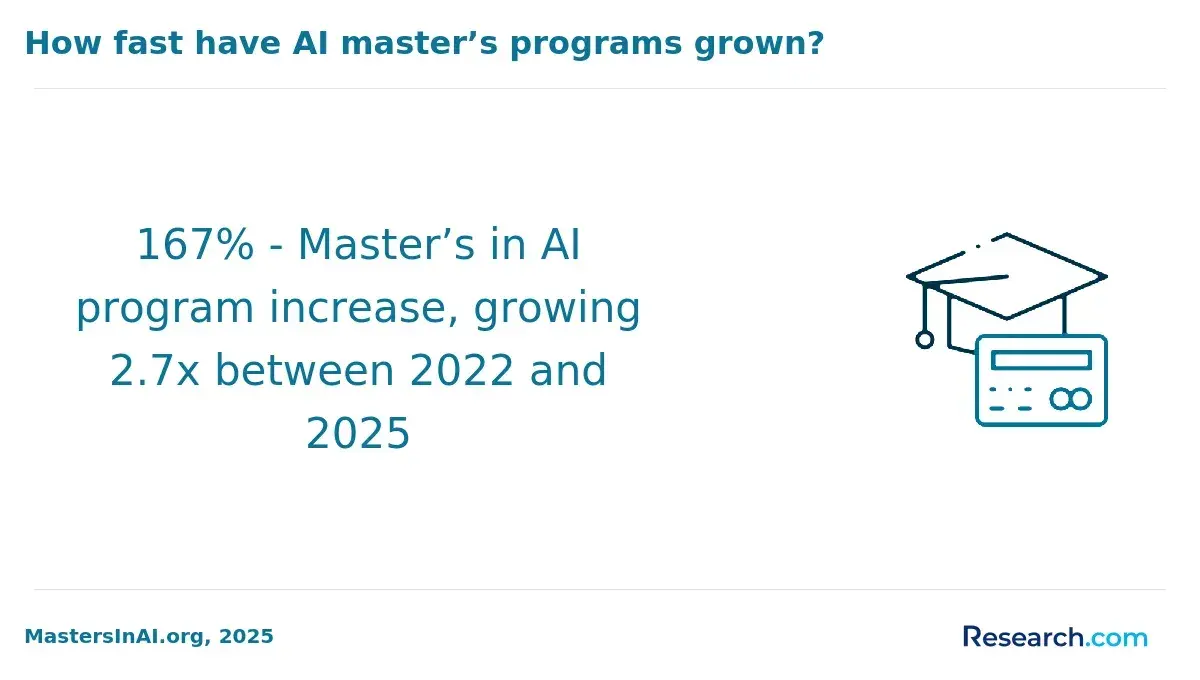
What types of AI strategy programs exist for real estate investors, from short courses to degrees?
AI strategy programs for real estate investors vary from short introductory courses to full degree programs. Short courses, lasting hours to weeks, focus on practical tools like AI-powered valuation models, predictive analytics, and underwriting automation. These programs help investors streamline property assessment workflows, reducing errors and boosting efficiency. Such hands-on training is ideal for busy professionals seeking immediate AI skills.
Certificate programs extend over several months and dive deeper into data analysis, machine learning applications, and AI-driven decision-making customized for real estate markets. They equip real estate professionals with advanced predictive market analysis and risk management techniques, enhancing their competitive edge.
For a comprehensive education, many bachelor's or master's degrees in real estate or finance now include targeted AI strategy modules. These courses blend theoretical knowledge with real-world applications such as algorithmic underwriting and automated property management systems, preparing graduates for leadership roles that integrate AI technologies.
McKinsey's 2024 research highlights that AI-driven valuation and underwriting models can reduce valuation error by 20-30% compared with traditional methods, materially improving pricing accuracy and risk assessment. This underscores the importance of AI expertise for investors.
Those interested in AI education will find a range of options, including various game design courses online that also offer insights into AI technologies. Selecting a program should align with career goals and time availability.
Online artificial intelligence programs for real estate professionals combine flexibility and depth, making them a strategic choice for those wanting to enhance their skills without pausing their professional lives.
How do online AI strategy courses for real estate compare with on-campus or hybrid options?
Online AI strategy courses versus on-campus real estate programs offer a range of advantages, especially in flexibility and cost. These digital courses allow investors to engage with advanced tools like dynamic pricing algorithms without geographical or scheduling constraints. This is particularly beneficial for working professionals who want immediate application of AI-driven strategies.
Hybrid learning benefits for real estate investors studying AI strategies include combining face-to-face interaction with the customizable pace of online platforms. However, traditional on-campus or hybrid formats may lag behind in delivering real-time analytics, simulations, and AI software exercises tailored to current market conditions.
A 2024 STR and AirDNA analysis highlights that short-term rental operators using AI-based dynamic pricing tools saw a 10-15% increase in revenue per available room compared to those using static pricing. Many online programs emphasize the practical application of such strategies, providing students with a notable competitive edge.
Cost savings are another significant factor, as online courses eliminate expenses related to commuting and campus fees while offering varied learning methods like video lectures, mentorship, and peer forums. Their modular design allows learners to focus on areas such as market data analysis, AI ethics, or AI-driven property valuation, which on-campus formats often do not accommodate as flexibly.
For those interested in specialized education, resources such as the online cybersecurity bachelor degree for veterans demonstrate how digital programs can meet diverse student needs with scalable and practical approaches.
What should real estate investors look for in an AI strategy curriculum and learning outcomes?
Real estate investors selecting an AI strategy curriculum should focus on clear, practical learning outcomes related to property management, investment analysis, and operational efficiency. Essential topics include data analytics techniques for real estate data, predictive modeling of market trends, and automation of property management tasks. Courses that teach integration of AI tools with existing real estate platforms help optimize decision-making and boost performance.
JLL's 2024 "Future of Work in Real Estate" report highlights that AI-enabled building management systems can reduce energy and operating costs by 15-20% in large commercial portfolios. Investors should seek programs that address evaluation and implementation of these technologies to maximize cost savings and sustainability.
Key curriculum elements to look for are:
- AI-driven property valuation models improving pricing accuracy
- Machine learning-based risk assessment identifying investment pitfalls
- Automation of lease management and tenant communication
- Scenario analysis leveraging AI for portfolio diversification
- Interpreting AI outputs for strategic planning support
Programs offering hands-on projects with real-world real estate data enhance practical skills. Ethical considerations and data privacy issues related to AI applications should also be a core part of the curriculum. Robust AI strategy education equips investors to improve profitability and operational efficiency in a competitive real estate market.
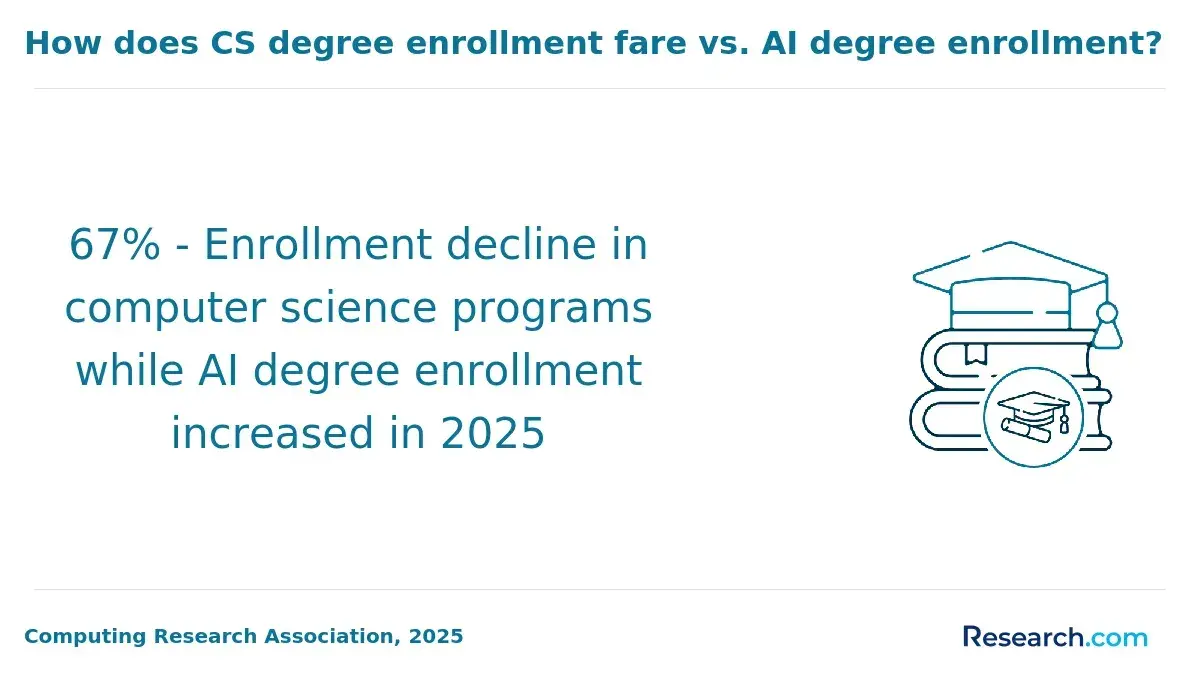
How do accreditation and instructor credentials affect the quality of AI strategy courses?
Accreditation plays a vital role in ensuring AI strategy courses for real estate investors meet high educational standards. Accredited programs offer systematically designed content, thorough assessment, and alignment with current industry practices. Prospective students should choose courses recognized by reputable educational bodies or industry associations to access relevant and compliant instruction.
Instructor credentials significantly impact course quality. Professionals with advanced degrees in AI, data science, or real estate, combined with practical experience applying AI in these fields, deliver insights that go beyond theory. Such expertise enables tailored strategies for market-specific challenges, including predictive analytics for property valuation and AI-driven lead generation techniques.
Look for instructors with a proven record of successful AI implementation, such as published research, case studies, or leadership roles in AI marketing. According to the 2024 HubSpot State of Marketing report, real estate firms using AI-driven marketing automation saw a 30% average increase in qualified leads and a 17% boost in conversion rates within 12 months. Credible instructors often teach methods that contribute to these improved outcomes.
In summary, accreditation guarantees structured, validated content while qualified instructors ensure practical relevance and depth. Choosing courses without these credentials risks learning outdated or superficial strategies that don't harness AI's full potential in real estate.
What are the typical admission requirements, time commitments, and costs for these programs?
Admission requirements for AI strategy courses aimed at real estate investors typically include a bachelor's degree in business, finance, computer science, or related fields. Professional experience in real estate or technology sectors is often preferred. Some programs expect basic skills in data analysis or programming languages like Python. To accommodate working professionals, prerequisite assessments or bridging modules may be available.
Course durations vary widely: short certificate programs last 4 to 8 weeks with 5 to 10 hours per week, while executive or professional development courses span 3 to 6 months requiring 8 to 15 hours weekly. Full-time immersive boot camps typically run 1 to 2 months with daily commitments of 6 to 8 hours. Selecting a format that fits your schedule is key to learning without burnout.
Costs reflect course depth and reputation. Online certificates usually range from $1,000 to $3,500, while advanced instructor-led executive courses can cost between $5,000 and $15,000. Some platforms offer free introductory modules, though these rarely cover real estate-specific challenges. Budgeting should consider additional expenses such as software tools or networking events.
Privacy and regulatory compliance remain critical. According to KPMG's 2024 global AI governance survey, 58% of real estate and construction executives cite data privacy and regulatory compliance as the top barrier to scaling AI use. Courses often include frameworks for responsible ai deployment and sector-specific governance.
- Bachelor's degree and relevant experience required
- Flexible formats from weeks to months
- Course costs vary from free modules to $15,000 executive programs
- Strong emphasis on AI data privacy and compliance
Which AI tools and practical projects will I learn to use for real estate deal analysis?
Real estate investors increasingly use AI tools like TensorFlow and PyTorch to build predictive models for deal analysis. Automated valuation models powered by machine learning generate more accurate property price estimates by analyzing historical sales, location data, and economic factors. Practical training often involves creating algorithms to evaluate market trends, predict rental income, and forecast property appreciation, using regression analysis and natural language processing to interpret market reports or zoning laws.
Investors also apply computer vision techniques to assess property conditions through images and satellite data, aiding site selection. Data cleansing, integration of diverse sources, and visualization tools such as Tableau and Power BI enhance the ability to deliver actionable insights. Scenario simulations incorporating risk assessments with AI-driven models improve decision-making in uncertain market conditions.
Courses emphasize building automated workflows that combine AI with traditional financial metrics like cap rates, cash-on-cash returns, and IRRs. Advanced programs introduce reinforcement learning for portfolio optimization, enabling investment strategies adaptable to evolving markets.
According to a NAIOP survey, professionals with formal data analytics or AI training earn approximately 18% more than those without. Mastery of these tools and projects equips investors to make data-driven deal evaluations that outperform conventional approaches.
What real estate career paths and roles benefit most from AI strategy education?
Real estate professionals including investors, asset managers, developers, brokers, and property analysts benefit significantly from AI strategy education. Investors using AI gain advantages in market forecasting, risk assessment, and portfolio optimization. According to CBRE's 2024 real estate digital transformation study, AI-enabled investors saw their portfolio-level net operating income grow 5-7 percentage points more over three years than peers without AI tools.
Asset managers leverage AI to enhance operational efficiency, automate maintenance scheduling, and optimize tenant retention through predictive analytics. Developers apply AI models to improve site selection and cost estimation, reducing uncertainty in planning and budgeting. Brokers use AI-driven market trend analysis and customer behavior insights to improve client targeting, pricing strategies, and property valuations, speeding up transactions.
Property analysts and appraisers utilize AI to analyze large datasets for market competition insights and to identify undervalued assets. Professionals in real estate finance and underwriting find AI valuable for improving loan risk modeling and building dynamic financial scenarios. Training in AI strategy helps these roles interpret complex data, implement machine learning algorithms, and automate workflows, streamlining decision-making.
Key challenges include data integration, predictive model bias, and regulatory compliance. Real estate workers skilled in AI strategy can navigate these issues, enhancing investment results and operational value amid ongoing digital transformation.
What is the salary potential and job outlook for real estate professionals with AI skills?
Real estate professionals with AI skills earn significantly higher salaries and enjoy better job prospects. Market data shows a 15% to 30% salary increase compared to those without AI expertise. For instance, property analysts using AI for predictive analytics can see their median salaries rise from around $70,000 to over $90,000 annually. Specialized roles like AI-enhanced asset managers and real estate data scientists often start with salaries above $100,000 due to their advanced skills.
Demand for AI-competent workers is growing rapidly. The Urban Land Institute's 2024 PropTech survey finds that 64% of real estate experts identify a lack of AI skills as a major obstacle to maximizing proptech investments. Employers prioritize candidates with knowledge in machine learning models, natural language processing, and real estate-specific data integration platforms.
Developing specialized AI strategies tailored for real estate enhances employability. Combining real estate fundamentals with AI techniques such as algorithmic modeling or geospatial data analysis creates a competitive edge. Certifications in AI applications can also open doors to urban planning, commercial brokerage, and investment risk management roles.
- Higher salaries, often 15%-30% above industry averages
- Strong demand for AI-skilled professionals in real estate
- Growth in roles requiring machine learning and data integration expertise
- Certification and specialized courses improve career opportunities
AI expertise aligns professionals with critical industry needs, positioning them for rewarding careers amid technological advances in real estate.
Other Things You Should Know About Artificial Intelligence
In 2027, the top AI strategy courses for real estate investors include “AI in Real Estate: Foundations to Strategies” by Coursera, “Advanced AI Techniques for Real Estate Mastery” on edX, and “Investing in Real Estate with AI Tools” offered by MIT Professional Education. These courses cover comprehensive strategies on utilizing AI for optimal investment returns.
Artificial intelligence enhances the analysis of market trends by processing large datasets to identify patterns in pricing, demand, and property valuation. This enables more accurate predictions of market movements, helping investors make informed decisions and anticipate shifts faster than traditional methods.
While artificial intelligence tools provide data-driven insights and automate routine tasks, they are meant to complement rather than replace human intuition. Successful investing still requires judgment, experience, and understanding of local market nuances that AI algorithms alone cannot fully capture.
Using artificial intelligence in real estate involves handling large amounts of personal and financial data, raising concerns about privacy and data security. Compliance with regulations such as GDPR and CCPA is essential, and investors should ensure that AI platforms maintain robust data protection measures to safeguard sensitive information.
References
- Artificial Intelligence (AI) in Real Estate Development... https://oxford-management.com/course/artificial-intelligence-in-real-estate-development-and-facilities
- Real Estate’s Big Gains From AI | Morgan Stanley https://www.morganstanley.com/insights/articles/ai-in-real-estate-2025
- How AI is challenging the credibility of some online courses – Future of Good https://futureofgood.co/how-ai-is-challenging-the-credibility-of-some-online-courses/
- AI Tools for Commercial Real Estate (Summer 2026 Edition) https://www.adventuresincre.com/ai-tools-commercial-real-estate/
- Admission Requirements | Undergraduate Admissions + Programs https://www.ualberta.ca/en/admissions/how-to-apply/admission-requirements/index.html
- 20 Best AI Tools for Commercial Real Estate Professionals https://smartcapitalcenter.com/blog-post/20-best-ai-tools-for-commercial-real-estate-professionals
- AI Tools for Real Estate Developers in 2026 | FOCAL Blog https://www.focalinvest.com/blog/ai-tools-real-estate-developers
- Quality Assurance with AI and Automation: The Prospects for Educational Assessment https://www.ieac.org.uk/40-Quality-Assurance-with-AI-and-Automation-The-Prospects-for-Educational-Assessment-blog.php
- 18 Best AI Tools for Real Estate Agents https://www.housecanary.com/blog/5-ai-tools-for-real-estate-agents
- Online vs Campus Artificial Intelligence Degree Programs: Complete Comparison https://hakia.com/compare/artificial-intelligence-online-vs-campus/