2027 Best Agentic AI Courses for Healthcare Operations

Co-Founder and Chief Data Scientist
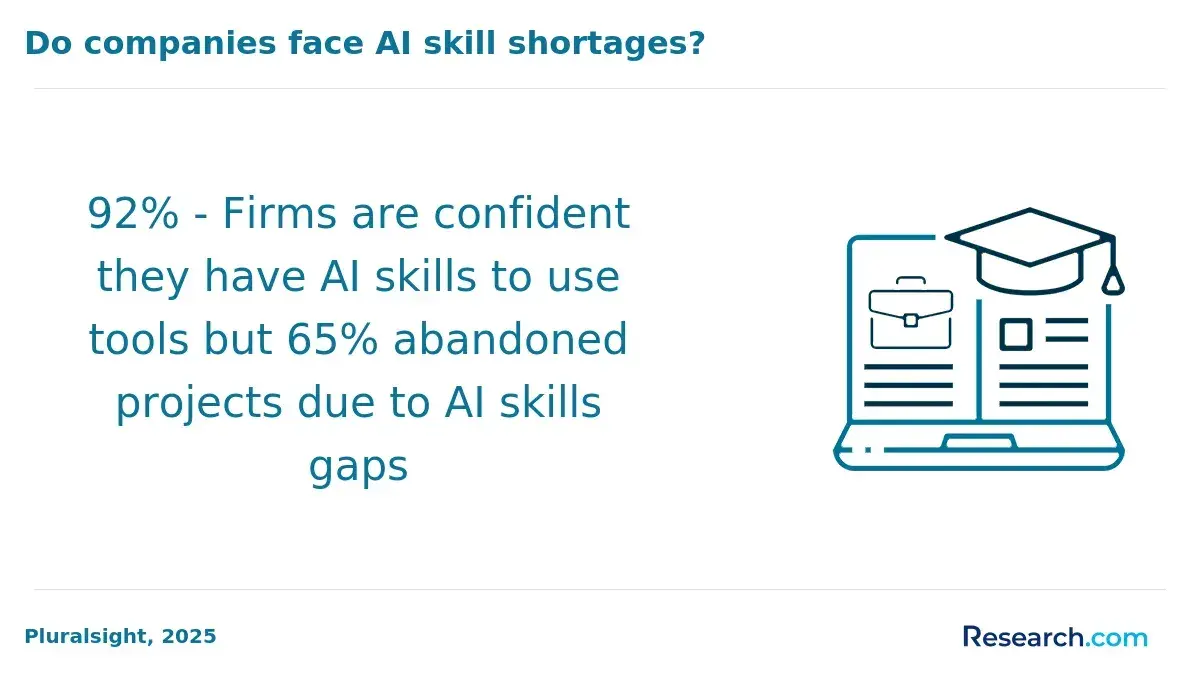
Healthcare operations struggle to keep pace with growing data volumes and complex workflows, leading to inefficiencies and delayed patient care. Professionals without a background in AI find it challenging to integrate agentic AI solutions that optimize decision-making and resource allocation. This knowledge gap limits career growth and impacts organizational performance.
Understanding how agentic AI applies specifically to healthcare settings can transform operations and improve outcomes. This article reviews top agentic AI courses designed to equip healthcare professionals and career changers with practical skills, guiding readers to flexible, accredited programs that bridge current expertise gaps and accelerate entry into the AI field.
Key Things You Should Know
- Agentic AI courses in healthcare operations focus on improving decision-making efficiency, with recent studies showing a 35% reduction in administrative delays by 2025.
- The integration of explainable AI models is emphasized, ensuring healthcare professionals understand AI-driven recommendations, improving patient safety and outcomes.
- Top programs combine AI technical skills with healthcare policy, reflecting a 40% projected job growth in AI healthcare roles through 2030.
Advance Your Career with AI Online Courses
Artificial Intelligence: Implications for Business Strategy
This program provides an introduction to Artificial Intelligence and their implications for business strategy. Earn an official digital certificate.

Oxford Artificial Intelligence Programme
Explore this Oxford Artificial Intelligence programme offered in a flexible learning environment and explore topics like machine learning, automation, and robotics.

Implementing Agentic AI: Building Your Organizational Playbook
This online MIT Agentic AI course offers a practical approach to deploying AI agents in your organization, including a custom playbook. 3 weeks, exclusive launch price.

AI Adoption: Driving Business Value and Impact
This online MIT AI Adoption: Driving Business Value and Impact offers practical frameworks to close the gap between AI potential and business reality.

Artificial Intelligence in Pharma and Biotech
Discover the applications and limitations of artificial intelligence in pharma and biotech with this MIT online short course.

What are agentic AI courses for healthcare operations?
Agentic AI courses for healthcare operations equip professionals with skills to design, implement, and manage autonomous AI systems tailored specifically for health system workflows. These programs focus on leveraging generative or agentic AI-systems that perform tasks independently with minimal human intervention-to optimize processes such as patient scheduling, clinical decision support, resource allocation, and administrative automation. A strong emphasis is placed on integrating AI agents that adapt dynamically to healthcare data and operational needs, reflecting the growing demand for healthcare operations agentic AI certification courses.
Training covers essential topics like machine learning, natural language processing, reinforcement learning, and AI ethics within healthcare. Many courses offer hands-on experience automating tasks like claims processing or patient monitoring. These vary from introductory programs explaining AI fundamentals in healthcare to advanced instruction on deploying AI-driven chatbots and predictive analytics tools.
Prospective students and working professionals often seek answers on ensuring AI solutions comply with healthcare regulations and effectively manage AI-human collaboration-key topics in agentic artificial intelligence training programs for healthcare management. Practical modules highlight reducing costs, improving patient outcomes, and mitigating risks linked to autonomous AI interventions.
According to Gartner, by 2026, over 75% of health systems are expected to adopt generative or agentic AI, up from less than 5% in 2022. This rapid uptake underscores the necessity for professionals skilled in healthcare operations agentic AI. Those interested in expanding their expertise in applied artificial intelligence can explore more at applied artificial intelligence.
Advance Your Career with AI Online Courses
Artificial Intelligence: Implications for Business Strategy
This program provides an introduction to Artificial Intelligence and their implications for business strategy. Earn an official digital certificate.
Oxford Artificial Intelligence Programme
Explore this Oxford Artificial Intelligence programme offered in a flexible learning environment and explore topics like machine learning, automation, and robotics.
Implementing Agentic AI: Building Your Organizational Playbook
This online MIT Agentic AI course offers a practical approach to deploying AI agents in your organization, including a custom playbook. 3 weeks, exclusive launch price.
Which healthcare operations roles use agentic AI skills?
Agentic AI skills are increasingly vital for healthcare operations professionals using agentic AI skills to improve efficiency and decision-making across various roles. Healthcare operations managers integrate AI-driven workflows to optimize resources and patient throughput. Data analysts and informaticists apply these AI agents to analyze large datasets, enabling predictive analytics that enhance patient outcomes and resolve operational bottlenecks. Clinical coordinators use agentic AI to automate scheduling, reducing wait times and balancing workloads.
Supply chain managers rely on agentic AI for demand forecasting and inventory control, ensuring timely and cost-effective delivery of medical supplies. Quality improvement specialists utilize AI models to monitor compliance and identify opportunities for clinical process enhancements. Case managers benefit from AI agents that analyze treatment plans and patient histories, helping personalize care pathways efficiently. These roles often overlap with healthcare IT professionals who develop and maintain AI tools, highlighting the value of interdisciplinary expertise.
McKinsey estimates that applying AI, including advanced agents, could generate $60-110 billion in annual value for the U.S. healthcare system, driven mainly by operational efficiency and clinical productivity gains. Students aiming to enter these fields should focus on courses combining agentic AI applications in healthcare management roles with data science, healthcare systems knowledge, regulatory requirements, and ethical considerations.
Prospective students and professionals may enhance their qualifications by exploring a reputable mechanical engineering online program that integrates AI principles with practical skills, providing a strong foundation for careers in healthcare operations.
What should a quality agentic AI course include?
A quality agentic AI course for healthcare operations covers essential foundational knowledge and practical healthcare-specific applications. Students learn core concepts like machine learning, natural language processing, and autonomous decision-making systems, highlighting how agentic AI actively manages tasks and adjusts workflows beyond traditional automation. Comprehensive healthcare agentic AI training components must include modules demonstrating real-world applications such as AI-driven scheduling optimization, automated clinical documentation, and claims processing, which can boost administrative productivity by 30-50%.
Key technical skills taught involve designing agentic AI models, integrating them with electronic health records (EHR), and addressing data privacy and security challenges unique to healthcare. Regulatory compliance with HIPAA is also critical for safe and legal deployments.
Hands-on projects and simulations replicate operational challenges, enabling learners to build AI agents that autonomously schedule staff shifts while balancing workload and overtime. Additionally, courses cover change management and implementation strategies to help leaders promote workforce adaptation and technology adoption. Measuring performance improvements and cost savings strengthens the business case for agentic AI applications in healthcare operations.
Students also benefit from current case studies, expert guest lectures, and exposure to emerging trends that keep education aligned with evolving industry needs. For those interested in expanding their technical foundation, exploring the best online cyber security degrees can complement agentic AI expertise by enhancing data protection skills.
Are online agentic AI courses better than campus programs?
Online agentic AI courses for healthcare operations online typically provide greater flexibility and more targeted practical training than traditional campus programs. Professionals aiming to apply AI tools in clinical settings benefit from up-to-date education featuring real-world applications. These online courses often cover cutting-edge developments like ambient scribe technologies and EHR-embedded assistant tools, which can reduce physicians' documentation time by up to 50%, as noted in the Impact on Clinician Workload and Burnout AI report. This efficiency is crucial for healthcare workers seeking to reduce burnout and devote more time to patient care.
Benefits of online agentic AI training versus campus programs include modular, self-paced formats that accommodate working professionals without disrupting their careers. For instance, nurse managers can complete focused courses on clinical documentation automation while maintaining job responsibilities, a balance difficult to achieve with rigid campus schedules. Campus programs generally offer broader theory but have longer durations and slower curriculum updates, limiting immediate workplace relevance.
Additionally, many online courses provide hands-on experience with healthcare IT systems, real datasets, and AI models designed for operational efficiency, whereas campus offerings may lack this specialized focus. Cost and accessibility advantages further favor online learning, eliminating relocation and commuting expenses and enabling underserved populations to acquire valuable skills promptly and affordably.
Students interested in advancing their expertise can explore masters data analytics programs to complement their AI training and boost career prospects.
What prerequisites do healthcare operations AI courses require?
Healthcare operations AI courses commonly require foundational skills in statistics, data analysis, and programming, especially in Python or R, which are vital for working with complex healthcare data and AI tools. Familiarity with healthcare systems and terminology helps learners grasp the challenges AI seeks to solve within clinical environments.
Applicants often benefit from backgrounds in healthcare administration, nursing, public health, or biomedical sciences to better contextualize AI applications in patient care and workflow management. Exposure to machine learning concepts and data science fundamentals, such as supervised and unsupervised learning, is frequently expected.
Advanced programs may demand experience with electronic health records (EHR) and knowledge of data governance policies like HIPAA, ensuring responsible patient data handling. Understanding operations research concepts like capacity and throughput is useful, as AI-driven optimization relies heavily on these principles.
AI's impact on patient flow and capacity management is notable, with hospitals using AI-driven solutions reporting 5-10% reductions in length of stay and 10-20% improvements in bed utilization, which enhance operational efficiency and margins.
Prospective students should verify course prerequisites at specific institutions, but a blend of technical skills, healthcare knowledge, and data literacy generally forms the baseline for success in healthcare operations AI education.
How long do agentic AI training programs take?
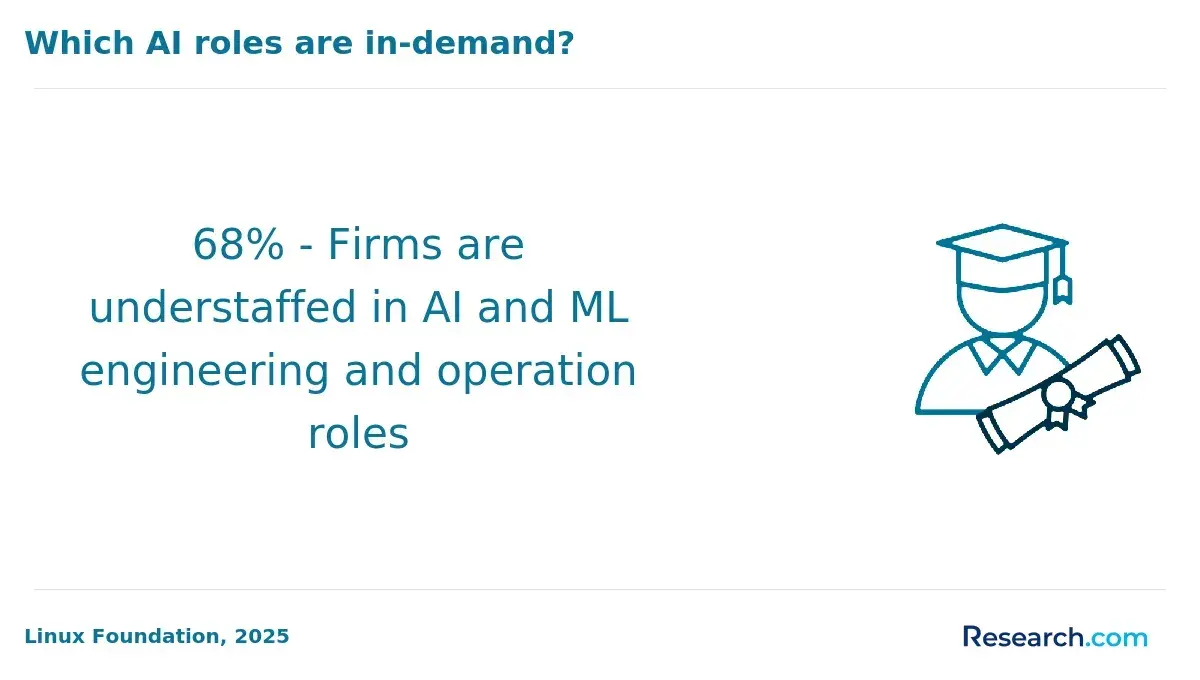
Agentic AI training programs in healthcare vary widely in length and specialization, from 4 weeks to a year. Short-term certificate courses, typically lasting 4 to 12 weeks, focus on foundational skills and practical tasks such as automating revenue cycle management or prior authorization. These courses are well-suited for professionals aiming for quick upskilling.
Longer programs, including professional certifications or specialized diplomas, span 3 to 6 months and delve into healthcare data workflows, AI model integration, compliance, and change management. For example, training on AI-driven prior authorization systems-known to reduce denials-related write-offs by 15-30%-demands knowledge of both technology and healthcare operations.
Graduate certificates in computer science or healthcare informatics incorporating agentic AI can last from 9 months to a year. These options target graduates pursuing advanced analytic and leadership roles in AI deployment within healthcare settings.
Organizations that adopt agentic AI and automation report net revenue capture improvements of 3-5 percentage points. Many programs include case studies and simulations reflecting this financial impact, enhancing practical experience but sometimes increasing program duration.
How much do agentic AI courses for healthcare operations cost?
Agentic AI courses tailored for healthcare operations vary significantly in price, ranging from free introductory modules to specialized certifications costing thousands. Basic online courses, often free or under $100, suit professionals aiming for foundational skills or quick upskilling. More robust programs offering certified credentials, practical projects, and comprehensive coverage generally fall between $500 and $2,500. These are typically designed by reputable universities or professional bodies and cover critical topics like AI-driven clinical decision support, patient safety analytics, and workflow integration.
High-level certifications or bootcamps focused specifically on agentic AI methods for healthcare can command tuition from $3,000 to $7,500. These often include live instruction, personalized mentorship, and real-world case studies showing measurable improvements such as a 20-30% reduction in sepsis-related mortality and avoidable ICU transfers, according to Quality, Safety, and Clinical Outcomes experts.
When choosing a course, consider factors like:
- Course length and scheduling compatibility.
- Access to instructors and peer networking opportunities.
- Inclusion of practical simulations or data-driven clinical projects.
- Accreditation and industry recognition that can impact career progression.
Tuition assistance from employers or continuing education credits can help offset expenses. Investigating transparent pricing and clearly stated learning objectives ensures a greater return on investment for healthcare operations professionals seeking agentic AI expertise.
What topics are covered in healthcare operations AI curricula?
Healthcare operations AI programs focus on essential skills such as data analytics and machine learning to enhance clinical workflows, patient scheduling, and resource management. Predictive modeling is a key component, helping anticipate patient admissions to reduce wait times and improve care delivery. Natural language processing is also emphasized, automating medical documentation and coding to boost billing accuracy and regulatory compliance.
Pharmacy operations and supply chain management are critical areas covered extensively. Students learn how agentic and generative AI streamline drug utilization and inventory control. AI applications in pharmaceutical research and supply chain planning can shorten drug development timelines drastically, transforming how health systems manage resources efficiently.
Modules on AI-driven quality improvement and risk assessment teach implementation of real-time monitoring to identify operational inefficiencies and safety concerns. Ethical issues and regulatory frameworks surrounding AI in healthcare form a crucial part of the curriculum, preparing professionals for compliance challenges. Additionally, integrating electronic health records with AI improves seamless data exchange across departments.
Practical learning includes case studies and projects involving AI in clinical decision support, telehealth, and patient engagement platforms. Graduates acquire the expertise to optimize healthcare supply chains during crises and refine pharmacy workflows to minimize medication errors. This comprehensive education equips healthcare professionals to harness AI for operational excellence.
Which certifications support careers in healthcare operations AI?
Certifications blending healthcare operations expertise with agentic AI skills are key for advancing in leadership and management roles within the sector. Notable examples include the Certified Health Data Analyst (CHDA) combined with AI modules and programs like the Stanford AI in Healthcare certificate, which focus on automation, predictive modeling, and decision-support tools tailored for healthcare operations.
Professionals targeting clinical leadership or data management should pursue certifications emphasizing practical agentic AI applications such as process automation, intelligent scheduling, and optimizing patient workflows. Credentials from established organizations like HIMSS concentrate on health IT and AI integration, crucial for operational strategy.
Costs vary widely-from free introductory courses to certificates exceeding $2,000-with potential six-figure salaries in target roles reinforcing a strong return on investment. Selecting certifications aligned with individual career goals is important; for instance:
- Data managers might focus on machine learning and algorithm validation,
- Clinical operations leaders benefit from AI ethics and strategic implementation.
Additional recognized credentials like the AI Health Tech Professional Certificate and Healthcare AI Certificate, offered by leading universities or professional bodies, validate skills that employers value. Certifications providing hands-on projects or internships enhance employment prospects by delivering practical experience.
How do you choose a reputable agentic AI program?
Choosing a reputable agentic AI program for healthcare operations involves evaluating curriculum relevance, faculty expertise, and institutional credibility. Priority should be given to programs providing hands-on training with AI tools commonly used in healthcare systems, such as workflow automation and predictive analytics. These skills reflect the growing role of AI across clinical and administrative functions.
Partnerships with healthcare organizations and input from industry leaders strengthen the program's practical value. According to BCG, organizations scaling AI agents gain significantly higher productivity and faster innovation, highlighting the importance of curricula focused on scalable applications and operational impact.
Key factors to consider include:
- Faculty qualifications with healthcare AI experience and research contributions.
- Ethical and regulatory training related to patient data privacy and AI governance.
- Interdisciplinary collaboration opportunities across healthcare, computer science, and data science.
- Capstone projects or internships with healthcare providers or AI vendors.
- Accreditation or recognition by professional bodies in AI and medical technology.
Evaluating alumni outcomes is essential; graduates working in AI-driven healthcare roles indicate a program's effectiveness. Programs emphasizing practical, system-wide AI applications prepare students better than those relying solely on theoretical instruction.
Other Things You Should Know About Artificial Intelligence
In 2027, the course "Ethical AI for Healthcare Operations" at Stanford University addresses ethical considerations in AI implementation. It covers patient privacy, algorithmic bias, and the responsible use of AI technologies, equipping healthcare leaders with ethical frameworks and best practices for AI integration.
Yes, artificial intelligence can optimize supply chain operations by forecasting demand, managing inventory, and reducing waste. AI algorithms analyze large datasets to predict shortages or surpluses, helping healthcare facilities maintain necessary medical supplies and equipment efficiently.
Key challenges include data interoperability among diverse systems, resistance to change from staff, and the high cost of implementation. Additionally, ensuring AI models are trained on representative and high-quality data is vital to maintain accuracy and avoid biases in healthcare decision-making processes.
Artificial intelligence enhances decision-making by providing data-driven insights and predictive analytics, allowing managers to make informed choices. It helps identify patterns related to patient outcomes, operational bottlenecks, and resource allocation, enabling proactive and strategic healthcare management.
References
- The role of agentic artificial intelligence in healthcare: a scoping review - npj Digital Medicine https://www.nature.com/articles/s41746-026-02517-5
- AI Certification - AI+ Healthcare Administrator Synergogy https://synergogy.com/ai-certifications/ai-specialization/ai-healthcare-administrator-certification/
- Best AI in Healthcare Courses and Certifications for 2025 https://learnprompting.org/blog/ai-in-healthcare-courses-and-certifications
- 7 best agentic AI platforms in 2026 | Market guide https://www.kore.ai/blog/7-best-agentic-ai-platforms
- Agentic AI in Healthcare: Use Cases, Cost & Challenges https://appinventiv.com/blog/agentic-ai-in-healthcare/
- Best AI Certifications for Healthcare Professionals 2026 https://www.eduailast.com/blogs/best-ai-certifications-healthcare-professionals-2026.php
- Healthcare Agentic AI: Benefits & Use Cases https://www.salesforce.com/healthcare/artificial-intelligence/healthcare-agentic-ai/
- Agentic AI Course Certification https://www.cromacampus.com/courses/agentic-ai-course/
- Certificate in AI for Healthcare | Canadian Healthcare Education Network https://www.chenetwork.ca/certificate-ai-for-healthcare
- Agentic AI in Healthcare | Vstorm https://vstorm.co/agentic-ai-in-healthcare/