2027 Best AI Courses for Data Analysts Using Generative AI

Co-Founder and Chief Data Scientist
Data analysts face growing pressure to incorporate generative AI tools into their workflows to improve efficiency and insight. Many struggle to find quality, flexible courses that accommodate varied backgrounds and evolving technology. Without structured training, adapting to advanced AI applications can delay career growth or lead to missed opportunities.
This article highlights the best AI courses designed for data analysts transitioning from unrelated fields, focusing on accredited, adaptable programs. It aims to guide readers through practical educational paths that provide both foundational knowledge and hands-on experience with generative AI in data analysis.
Key Things You Should Know
- Generative AI integration in data analysis courses grew over 40% from 2024 to 2025, reflecting demand for skills in advanced data synthesis and predictive modeling.
- Top courses emphasize practical experience with GPT-based tools and open-source frameworks, preparing analysts for real-world generative AI applications and automating complex workflows.
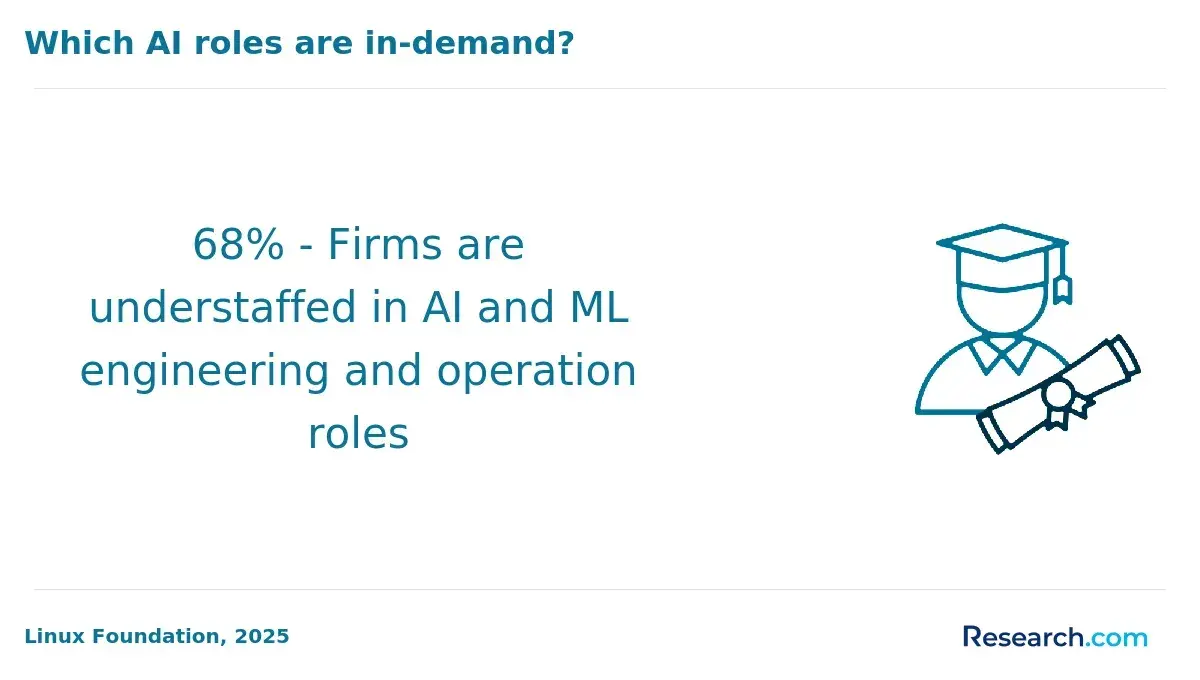
- Employers prioritize candidates trained in generative AI, with 68% of data-focused roles in 2025 requiring demonstrable proficiency in AI-driven data interpretation and generation techniques.
Advance Your Career with AI Online Courses
Artificial Intelligence: Implications for Business Strategy
This program provides an introduction to Artificial Intelligence and their implications for business strategy. Earn an official digital certificate.

Oxford Artificial Intelligence Programme
Explore this Oxford Artificial Intelligence programme offered in a flexible learning environment and explore topics like machine learning, automation, and robotics.

Implementing Agentic AI: Building Your Organizational Playbook
This online MIT Agentic AI course offers a practical approach to deploying AI agents in your organization, including a custom playbook. 3 weeks, exclusive launch price.

AI Adoption: Driving Business Value and Impact
This online MIT AI Adoption: Driving Business Value and Impact offers practical frameworks to close the gap between AI potential and business reality.

Artificial Intelligence in Pharma and Biotech
Discover the applications and limitations of artificial intelligence in pharma and biotech with this MIT online short course.

What makes a great AI course for data analysts focused on generative AI skills?
A great AI course for data analysts centered on effective generative AI training for data analysts combines essential data analysis techniques with hands-on work using generative models like GPT, variational autoencoders, and diffusion models. These courses focus on practical skills including programming in Python and using libraries such as TensorFlow or PyTorch to build and deploy generative AI workflows. Core knowledge of machine learning and natural language processing enhances understanding since generative AI builds on these foundational areas.
Key skills for data analysts in generative AI courses also include addressing model bias, data ethics, and explainability, enabling responsible use of AI-generated insights in decision-making processes. Integrating generative AI tools with existing data pipelines and business intelligence platforms further increases their real-world value.
With industry reports highlighting that 73% of analytics leaders find roles combining data analysis and generative AI difficult to fill and 61% planning to expand these roles, curricula must evolve to meet workforce demands. Offering updated content on use cases like automated data storytelling and synthetic data generation sets top programs apart.
Strong instructor expertise, project-based learning, and collaborative opportunities boost course effectiveness. Diverse formats such as interactive coding labs, case studies, and capstone projects help students gain the skills needed to succeed. Those seeking more on careers in this field may explore artificial intelligence degree options and career paths.
Advance Your Career with AI Online Courses
Artificial Intelligence: Implications for Business Strategy
This program provides an introduction to Artificial Intelligence and their implications for business strategy. Earn an official digital certificate.
Oxford Artificial Intelligence Programme
Explore this Oxford Artificial Intelligence programme offered in a flexible learning environment and explore topics like machine learning, automation, and robotics.
Implementing Agentic AI: Building Your Organizational Playbook
This online MIT Agentic AI course offers a practical approach to deploying AI agents in your organization, including a custom playbook. 3 weeks, exclusive launch price.
Which types of degrees and certificates teach generative AI for data analysts?
Degrees in generative artificial intelligence for data analysis often blend core data science skills with expertise in machine learning and generative models. Bachelor's and master's programs in fields like data science, computer science, and artificial intelligence commonly cover neural networks, deep learning, and natural language processing. Specialized master's degrees, including a Master's in Artificial Intelligence or Machine Learning, frequently offer electives focused on generative adversarial networks (GANs) and transformer models, empowering data analysts to perform advanced analytical tasks.
Certifications teaching generative AI applications for data analysts prioritize practical skills suited for working professionals. These include certificates in machine learning engineering, AI product management, and generative AI tools designed specifically for data analysis workflows. Leading online learning providers such as Coursera, edX, and Udacity feature industry-recognized certificates that combine coding, model deployment, and AI ethics.
Career advancement is a significant motivation for pursuing these credentials. According to the Coursera Learner Outcomes Report 2024, 54% of learners completing an online data or AI course received a salary increase within 12 months, while 30% secured a role change or promotion. Data analysts should seek programs offering hands-on experience with frameworks like PyTorch and TensorFlow. Courses demonstrating how to integrate generative AI models into data pipelines ensure skills remain aligned with employer expectations and future job demands. For those interested in affordable options, the AI masters degree programs listed at research.com are a valuable starting point.
How do online generative AI programs for data analysts compare with campus-based options?
Online generative AI programs for data analysts have surged in popularity, driven by flexibility, accessibility, and faster curriculum updates. Enrollment in foundational generative AI courses for non-developers increased by 553% year-over-year, with "AI for Data Analysts" leading growth, according to the Udemy Workplace Learning Trends Report 2025. This reflects strong demand for online generative AI data analyst course comparison options tailored to rapidly evolving tools and workflows.
These online courses allow professionals to learn asynchronously, fitting upskilling around work and personal commitments. Platforms like Coursera and Udacity quickly integrate the latest generative AI innovations, offering modules on AI-powered data visualization and natural language processing that reflect current industry needs within weeks. Campus versus online generative AI programs for data analysts presents a clear tradeoff: campus courses offer structured environments, instructor interaction, and networking but often have rigid schedules and slower content updates.
Traditional campus programs tend to focus more on foundational data science than hands-on generative AI tools, which may delay skill acquisition relevant to today's roles. Prospective students should weigh their learning style, schedule flexibility, and pace preferences. Combining online foundations with campus-based advanced analytics coursework can be a smart strategy. For those considering further specialization beyond AI, exploring a masters in game design may also offer valuable interdisciplinary skills.
What prerequisites and technical skills are required to start AI courses for data analysts?
Starting AI courses for data analysts requires a combination of foundational technical skills and domain knowledge. Candidates typically need proficiency in at least one programming language widely used in data science, such as Python or R. These skills facilitate dataset manipulation, algorithm execution, and integrating generative AI models into workflows. The prerequisites for data analysts in generative AI courses also include understanding data structures, basic statistics, and SQL to efficiently query databases commonly involved in AI pipelines.
Mathematical basics like linear algebra, probability, and calculus support grasping machine learning concepts. Exposure to machine learning fundamentals, including supervised and unsupervised learning, helps analysts recognize various algorithms such as regression, classification, and clustering, providing context for generative AI technologies.
Practical experience is essential. According to the LinkedIn Learning Skills Evolution Report, hands-on project-based learning with real business data significantly boosts the likelihood of applying generative AI regularly at work. Developing skills in AI frameworks like TensorFlow, PyTorch, and Hugging Face, along with familiarity with cloud platforms such as AWS, Azure, and Google Cloud, further enhances technical capability.
Strong communication skills are crucial to interpret AI outputs effectively and collaborate with stakeholders. Working professionals should bridge domain expertise with AI tools to generate meaningful insights. For those curious about career paths in this field, learning what does an AI trainer do can provide valuable perspective on potential opportunities.
The technical skills needed to start AI courses for data analysts thus encompass programming, math, machine learning exposure, cloud computing, and communication, forming a solid foundation for success in generative AI roles.
What core topics and tools do generative AI courses for data analysts usually cover?
Generative ai courses for data analysts cover key topics that enable seamless integration of AI-driven tools into everyday data workflows. Core areas include natural language processing (NLP) fundamentals, which allow analysts to extract insights from unstructured text using models like GPT and BERT. Instruction in prompt engineering helps students craft effective queries that guide generative models to produce relevant outputs.
Automation techniques are a major focus, teaching how to generate narrative summaries and data-driven reports. This aligns with forecasts predicting that by 2025, 80% of organizations using business intelligence tools will leverage generative ai to enhance dashboards and reports, up from 34% in 2023 (Dresner Advisory Services).
Courses emphasize working with popular platforms such as OpenAI's API, Hugging Face, and embedding these into BI environments like Tableau and Power BI. Analysts also learn to build pipelines that combine generative ai with traditional tools like Python, SQL, and visualization libraries to streamline workflows.
Practical applications include automating repetitive data cleaning, hypothesis generation, and sentiment or trend analysis on large datasets. Ethical considerations and bias mitigation are addressed to prepare analysts for critical evaluation of ai outputs. Case studies showcase uses ranging from financial forecasting to personalized marketing analytics.
These courses equip data analysts to enhance decision-making by producing actionable insights autonomously while preserving data integrity and contextual relevance.
How can I verify accreditation and program quality for AI and data analytics training?
Accreditation plays a crucial role in verifying the quality of ai and data analytics training programs. Start by ensuring the institution is accredited by U.S. Department of Education-recognized agencies or regional bodies such as the Middle States Commission on Higher Education. This confirms adherence to national educational standards. Additionally, look for specialized accreditation or endorsements from reputable organizations like ABET or the Data Science Council of America, which focus on curriculum relevance and rigor.
Instructor credentials are another important factor. Prioritize programs featuring faculty with doctoral degrees or substantial industry experience in artificial intelligence and data analytics. Transparency about faculty expertise and research contributions signals a strong program. The curriculum should emphasize practical skills, especially in generative ai and AI-driven experimentation, which has been shown to increase statistically validated conversion-rate improvements by 2.3 times compared to manual testing.
Graduate outcomes provide valuable insight. Seek evidence such as job placement rates in AI-focused data analyst roles and partnerships with leading tech companies that provide internships or capstone projects. While third-party reviews and rankings can help, verify their credibility and avoid relying on unsubstantiated claims.
Finally, high-quality programs offer clear learning objectives and regularly update content to keep pace with AI's rapid evolution, preparing students for competitive roles in the evolving analytics landscape.
How long do generative AI programs for data analysts take, and what do they cost?
Generative AI training programs for data analysts typically last from 6 weeks up to 6 months, varying by depth and format. Short courses cover foundational skills and cost between $300 and $1,200. More comprehensive certificate programs extend up to 6 months and combine hands-on projects with theoretical learning, costing between $2,000 and $8,000. Intensive bootcamps designed for career changers usually run 3 to 4 months with prices ranging from $7,000 to $12,000, often including job placement support.
Pricing depends on the provider and curriculum format. Self-paced online courses offer budget-friendly options, while instructor-led or cohort-based programs tend to charge more due to personalized feedback and interaction. Free introductory courses exist but generally lack the practical skills necessary for data analytics roles involving generative AI.
Employers increasingly value applied generative AI skills. The LinkedIn Future of Work Report 2025 shows data analysts experienced in generative AI receive 44% more recruiter InMails and have a 33% higher job-switch rate within a year. Investing in programs that last 3 to 4 months and include real-world projects can effectively boost employability and salary potential.
When selecting a program, consider if you need certification or just skill-building, whether you require flexibility to balance work and study, and if the curriculum specifically covers AI tools used in data analytics such as GPT models or automated report generation.
What careers can generative AI-trained data analysts pursue, and what do they do daily?
Generative AI-trained data analysts have growing opportunities across various roles such as AI data scientist, machine learning engineer, business intelligence analyst, and AI product manager. They focus on designing, developing, and optimizing AI-driven models to extract insights, automate workflows, and support smarter decision-making.
Daily tasks commonly include collecting and preprocessing large datasets, fine-tuning generative models like GPT or GANs, and validating AI outputs for accuracy. Collaboration with cross-functional teams enables integration of AI solutions into business processes. For instance, an AI data scientist might generate synthetic data to improve training quality, while a business intelligence analyst automates reporting using AI techniques.
Industries leveraging generative AI span finance, healthcare, and technology, where these skills help in risk assessment, diagnostic support, and personalized recommendations. Proficiency in statistics, programming, and domain-specific knowledge is essential for success in these roles.
Accessible and affordable educational programs have expanded beyond traditional tech hubs. According to the edX Impact Report 2024, 84% of learners come from outside the top-10 global tech centers, opening pathways to AI-enhanced data careers worldwide.
These roles meet concerns about employability by offering specialized, measurable tasks centered on data manipulation and AI model deployment that deliver clear business value. Professionals looking to advance their careers benefit greatly from this blend of data expertise and AI capabilities.
What salary ranges and job outlook can data analysts with generative AI skills expect?
Data analysts with skills in generative AI can expect salaries ranging from $70,000 to over $120,000 annually in the United States, depending on experience, industry, and location. Entry-level professionals earn between $70,000 and $85,000, while mid-career analysts typically make $90,000 to $110,000. Senior analysts, especially those applying advanced generative AI techniques in sectors like finance, healthcare, or technology, can surpass $120,000. This salary growth reflects strong demand for expertise in generative models, natural language processing, and automated data synthesis.
The job outlook is robust, with roles merging traditional data analysis and generative AI projected to grow over 30% through 2030. Employers seek candidates who can integrate generative AI tools into data workflows to enhance predictive analytics, automate reports, and support decision-making.
Evidence from the Coursera Skills Benchmarking Study 2024 shows professionals completing three or more related data or AI courses in a structured sequence are 63% more likely to pass role-based skills assessments than those taking uncoordinated courses. This highlights the value employers place on coherent learning paths that build comprehensive generative AI competencies.
Combining coursework in machine learning, generative AI models, and data visualization forms a strong career foundation. Candidates benefit from emphasizing certifications that demonstrate integrated skills rather than isolated course completions, aligning with employer expectations and supporting long-term advancement in data analytics with generative AI.
Which industry certifications and portfolios strengthen a data analyst's generative AI profile?
Certifications and portfolios significantly enhance a data analyst's expertise in generative AI. Recognized certificates like Google Professional Data Engineer, Microsoft Certified: Azure AI Engineer Associate, and IBM AI Engineering Professional Certificate confirm practical skills using generative AI models within data workflows. The Certified Analytics Professional (CAP) credential also signals trusted knowledge across analytics and AI, valued by employers.
Strong portfolios highlight generative AI projects combined with data analysis, such as predictive models using natural language processing, AI-assisted data pipeline automation, or dashboards leveraging generative AI for insights. Publishing work on platforms like GitHub or Kaggle demonstrates technical proficiency and problem-solving capabilities beyond theory.
Demand for roles involving generative AI in data analytics grew by 354% from January 2023 to December 2024, especially for titles like "data analyst" and "business data analyst" (Indeed Hiring Lab, Generative AI Jobs Trends Report 2025). Upskilling through certification and concrete project experience is crucial to staying competitive. Employers seek verified expertise through formal credentials and hands-on generative AI applications.
Additional career advancement comes from specialized Coursera and edX courses focused on models like GPT or diffusion models. Complement portfolios with practical projects such as data augmentation, AI-driven anomaly detection, or sentiment analysis to address real-world data analysis challenges.
Other Things You Should Know About Artificial Intelligence
Ethical considerations in artificial intelligence for data analysis include ensuring data privacy, avoiding algorithmic bias, and maintaining transparency in AI-driven decisions. Data analysts must use AI responsibly to prevent discrimination and respect individuals' rights by complying with regulations such as GDPR and CCPA.
Artificial intelligence improves the accuracy of data analysis by automating complex pattern recognition and reducing human errors. Machine learning models can identify subtle trends and anomalies that might be missed with traditional methods, thereby enhancing predictive capabilities and decision-making.
In 2027, top AI courses for data analysts using generative AI include "DeepLearning.AI's Generative AI Specialization" on Coursera and "Udacity's AI Programming with Python." These courses focus on practical applications of generative AI in data analysis, offering hands-on projects and expert instruction.
Artificial intelligence cannot fully replace human data analysts but serves as a powerful tool to augment their work. While AI handles data processing and pattern recognition efficiently, human expertise is essential for interpreting results, making strategic decisions, and addressing ethical and contextual nuances.
References
- What does an AI data analyst actually do? https://www.kaelio.com/blog/what-does-an-ai-data-analyst-actually-do
- Generative AI Certification for Data Analysts (Microsoft) | Merit Global https://meritglobaltraining.com/course/generative-ai-certification-data-analysts-microsoft
- Learn job-ready skills with Google Career Certificates https://grow.google/certificates/data-analytics/
- Top Data Analytics Certifications in 2025: The Ultimate Guide for Students & Aspiring Data Professionals https://flashgenius.net/blog-article/unlock-your-data-potential-in-2025-the-ultimate-guide-to-top-data-analytics-certifications-for-students-aspiring-professionals
- Data Analytics Certificate Program https://www.theiia.org/en/products/learning-solutions/course/data-analytics-certificate-program/
- What Topics are Covered in an Artificial Intelligence online Course? | H2K Infosys Blog https://www.h2kinfosys.com/blog/topics-covered-in-artificial-intelligence-course/
- IBM: Mastering Generative AI for Data Analytics | edX https://www.edx.org/learn/data-analysis-statistics/ibm-generative-ai-enhance-your-data-analytics-career
- AI Data Analyst: How AI Is Replacing Manual Data Analysis in 2026 https://skopx.com/resources/ai-data-analyst
- AI Certification Salary Guide: How Much Can You Earn with an AI Certification? https://dumpsgate.com/ai-certification-salary/