2027 Best AI Courses for People Operations Teams With Certificates

Co-Founder and Chief Data Scientist
People operations teams increasingly face pressure to integrate ai-driven tools for recruitment, employee engagement, and performance management. Many professionals struggle to find relevant, accredited training that balances technical skills with practical workplace applications. Without proper certification, advancing in this evolving field becomes difficult, limiting career growth. Navigating the wide array of courses can be overwhelming, especially for those transitioning from unrelated fields.
This article reviews top ai courses offering recognized certificates tailored for people operations professionals, helping readers select flexible and credible programs that enhance their expertise and employability.
Key Things You Should Know
- People operations teams increasingly rely on artificial intelligence to streamline recruitment, with 67% of HR leaders adopting AI tools by 2025, enhancing candidate screening accuracy and reducing bias.
- Top-rated AI courses for 2026 emphasize practical certificate programs that integrate data analytics and ethical AI use, vital for compliant and effective HR management.
- Certified AI training boosts career prospects, with 58% of graduates reporting salary increases and improved job placements in people operations roles within six months of course completion.
Advance Your Career with AI Online Courses
Artificial Intelligence: Implications for Business Strategy
This program provides an introduction to Artificial Intelligence and their implications for business strategy. Earn an official digital certificate.

Oxford Artificial Intelligence Programme
Explore this Oxford Artificial Intelligence programme offered in a flexible learning environment and explore topics like machine learning, automation, and robotics.

Implementing Agentic AI: Building Your Organizational Playbook
This online MIT Agentic AI course offers a practical approach to deploying AI agents in your organization, including a custom playbook. 3 weeks, exclusive launch price.

AI Adoption: Driving Business Value and Impact
This online MIT AI Adoption: Driving Business Value and Impact offers practical frameworks to close the gap between AI potential and business reality.

Artificial Intelligence in Pharma and Biotech
Discover the applications and limitations of artificial intelligence in pharma and biotech with this MIT online short course.

What are AI courses for people operations teams and who should take them?
AI courses for people operations teams help professionals apply automation, data analysis, and machine learning tools to HR functions like recruitment, employee engagement, and workforce planning. The best online AI training for HR and people operations professionals includes learning how to use AI-driven software to streamline repetitive tasks, enhance decision-making through predictive analytics, and personalize employee experiences. These courses often cover AI fundamentals, implementation strategies, ethics, and relevant HR technology platforms.
People operations roles such as HR managers, talent acquisition specialists, and workforce analysts benefit from AI fluency, especially mid-career professionals leading digital HR transformations. New graduates can also gain a competitive edge by specializing in tech-enabled HR practices. Skills acquired include optimizing recruitment pipelines with AI screening tools, improving retention with sentiment analysis, and automating administrative workflows.
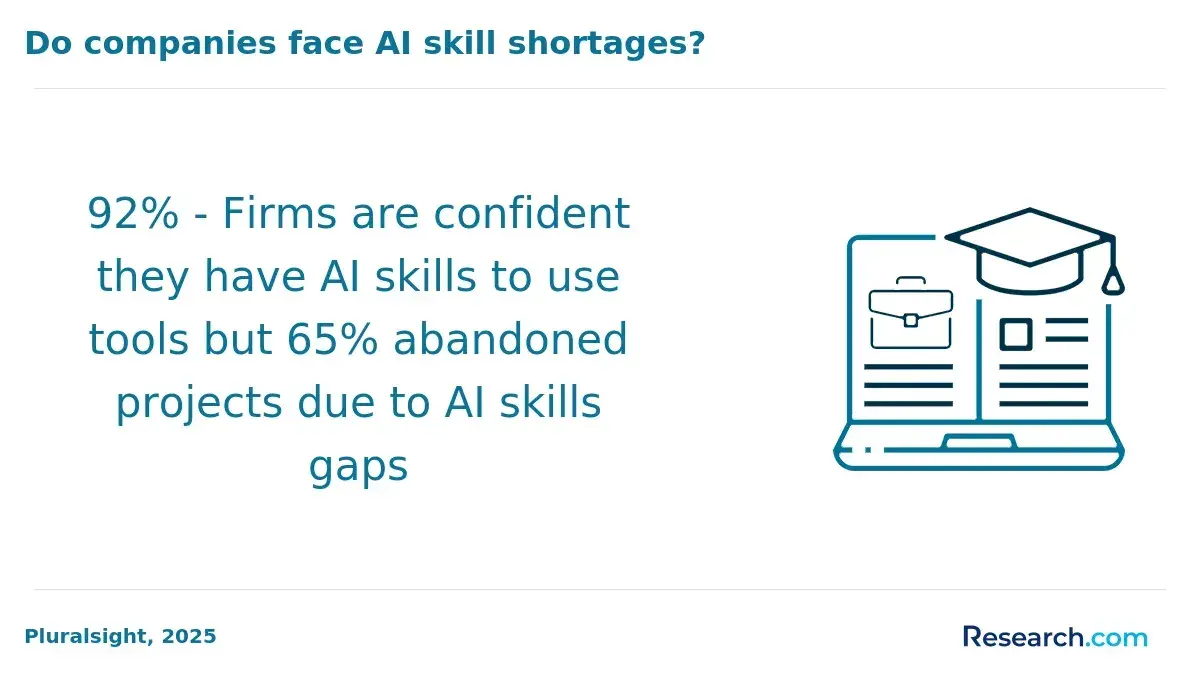
Organizations face a workforce preparedness gap: while 75% of companies plan to adopt AI by 2029, only half currently have employees with AI skills. This highlights the urgency to upskill people operations teams through certification and targeted training programs.
Many courses emphasize AI ethics in HR or integration with existing human capital management systems, some offering hands-on experience with AI-powered applicant tracking or feedback platforms. For those exploring related education paths, finding the best online computer science degree may complement AI training and expand career opportunities.
Advance Your Career with AI Online Courses
Artificial Intelligence: Implications for Business Strategy
This program provides an introduction to Artificial Intelligence and their implications for business strategy. Earn an official digital certificate.
Oxford Artificial Intelligence Programme
Explore this Oxford Artificial Intelligence programme offered in a flexible learning environment and explore topics like machine learning, automation, and robotics.
Implementing Agentic AI: Building Your Organizational Playbook
This online MIT Agentic AI course offers a practical approach to deploying AI agents in your organization, including a custom playbook. 3 weeks, exclusive launch price.
Which AI skills do people operations professionals need to stay competitive in HR roles?
People operations ai skill development for HR professionals is essential to stay competitive in evolving workplace environments. Mastery of data analytics and ai-driven talent management tools is vital for optimizing recruitment, engagement, and retention strategies. Predictive analytics skills help HR teams forecast workforce needs and identify turnover risks, improving decision-making accuracy. Familiarity with natural language processing (NLP) automates resume screening and enhances candidate matching.
Automation expertise, especially with robotic process automation (RPA), streamlines repetitive tasks such as payroll and compliance tracking. Knowledge of ai ethics and data privacy ensures fair and transparent application of technology, maintaining employee trust and legal compliance.
Proficiency with ai-powered learning and development platforms allows HR professionals to personalize training and support employee growth effectively, reinforcing essential ai competencies for HR and people operations teams.
Strong communication skills combined with understanding ai's impact on workforce dynamics support successful change management. Cross-functional collaboration with data scientists and IT specialists is increasingly important to implement ai solutions aligned with business goals.
A LinkedIn Workplace Learning report shows AI-related skills are among the fastest-growing globally, with employees engaged in ai learning 39% more likely to receive internal promotions within 12 months. Key skills include programming basics, critical interpretation of ai outputs, and expertise in ai tools tailored for human capital management systems.
For those seeking to advance their expertise, some of the best online AI degree programs offer flexible pathways to develop these capabilities and excel in people operations roles.
What types of AI certificates are available for HR and people operations specialists?
AI certificates for HR and people operations specialists cover technical skills integrated with human resource applications, ranging from foundational AI understanding to AI-driven talent management. Foundational certificates teach core concepts like machine learning, data analysis, and natural language processing, helping professionals understand AI tools.
Applied AI certifications focus on practical use cases such as automating recruitment, enhancing employee engagement with sentiment analysis, and improving performance evaluations through predictive analytics.
Specialized programs emphasize AI-powered decision-making related to diversity hiring, workforce planning, and retention strategies, aligning with current industry trends. Ethical AI use certificates address critical topics like privacy, bias mitigation, and compliance, which are increasingly important to people operations teams.
According to Coursera's Impact Report, 86% of learners completing entry-level AI courses experience career benefits-such as promotions, salary increases, or new roles-within six months. This underscores the value of AI certification programs for HR professionals seeking career advancement.
People operations AI credential courses that include hands-on projects with real HR datasets help build practical expertise. Micro-credentials, which stack into larger certifications, provide flexible pathways to develop skills incrementally. Credentials offered by recognized providers, including top universities and industry leaders, generally carry more influence in hiring and promotions.
For those exploring further education, pursuing a data science masters online can complement AI-focused HR certifications by deepening analytical skills and broadening career opportunities.
How do online AI certificate programs for people operations compare with on-campus options?
Online AI certificate programs vs on-campus courses for people operations reveal clear differences in flexibility and benefits. Online programs enable working professionals to learn at their own pace, integrating new skills into current roles without disrupting daily responsibilities. This flexibility is especially valuable for people operations teams aiming to adopt AI tools efficiently.
In contrast, on-campus courses often provide a more theoretical foundation and networking opportunities but require more time and financial commitment. These programs suit those pursuing comprehensive mastery or academic careers. Online certificates typically emphasize practical AI applications in recruitment, talent management, and workforce analytics, offering immediate workplace advantages.
Organizations adopting AI-driven recruiting solutions report measurable improvements. Eightfold AI's 2024 Talent Survey found a 30% reduction in time-to-hire and a 20% boost in recruiter productivity. This highlights how targeted AI training enhances people operations performance.
When selecting a certificate, prioritize courses with hands-on projects, current industry content, and recognized credentials. Focus areas might include AI tools for reducing hiring bias or predictive analytics for retention, which are not always covered in campus programs. Flexible options like these align with the flexibility and benefits of AI certification for people operations teams.
For those seeking additional guidance on degree programs tailored to specific groups, exploring cybersecurity programs online for veterans can offer insight into the range of online educational opportunities available today.
What should you look for in accredited AI courses tailored to HR and people operations?
Accredited ai courses focused on HR and people operations should emphasize practical application, particularly in data analytics and workforce management. Deloitte's 2024 Global Human Capital Trends report highlights that organizations using AI-enabled workforce analytics are 2.3 times more likely to achieve high workforce engagement and 1.7 times more likely to be top-quartile financial performers.
This shows the importance of learning both the technical skills and strategic use of ai in HR contexts. When choosing programs, consider the following key features:
- Industry-specific curriculum: Content tailored to HR challenges like talent acquisition, retention, performance management, and diversity analytics rather than broad AI theory.
- Hands-on tool training: Experience with AI platforms for tasks such as predictive analytics and natural language processing to analyze employee feedback.
- Compliance and ethics: Coverage of legal, privacy, and ethical issues to support responsible ai use in people operations.
- Recognized certification: Accreditation by reputable bodies or partnerships with established HR or AI institutions to ensure credibility.
- Integration with HRIS: Training on how AI technology works with existing HR information systems for practical implementation.
Evaluating ai courses by these standards helps ensure your skills can directly improve workforce engagement and business outcomes, going beyond theory to real-world impact.
What core topics and tools are covered in top AI curricula for people operations teams?
Top AI curricula for people operations teams emphasize key areas with direct impact on workforce management and employee engagement. Core topics include machine learning fundamentals, natural language processing (NLP), and data analytics tailored to HR needs. These skills help anticipate employee turnover, engagement trends, and recruitment success through predictive analytics. Training in ethical AI and data privacy remains critical due to the sensitive nature of personnel information.
Programs often provide hands-on experience with AI-powered HR platforms like Workday, SAP SuccessFactors, and Oracle HCM Cloud. Learners explore automating administrative tasks, analyzing talent data, and customizing employee development plans. Additionally, practical use of chatbots and virtual assistants enhances communication within organizations.
Advanced coursework delves into integrating AI with performance management and bias mitigation algorithms to foster fairness in hiring and evaluations. Sentiment analysis tools are also studied for interpreting employee feedback from surveys and social media, enabling timely workplace improvements.
A Gartner survey revealed that companies using AI-driven employee experience tools experienced a 24% boost in productivity and a 19% decline in voluntary turnover compared to those that did not. Case studies and real-world projects are emphasized throughout curricula, equipping people operations professionals to apply AI effectively in strategic workforce planning.
What are typical admission requirements for AI courses and certificates for HR professionals?
Admission criteria for AI courses designed for HR professionals often focus on a solid foundation in human resources combined with core analytical skills. Most programs require a bachelor's degree or comparable experience in HR, business, or related fields. Some advanced courses expect familiarity with data analysis or AI basics; however, many include introductory modules to help bridge knowledge gaps.
Proficiency in spreadsheet software and basic statistics is commonly requested to ensure participants can effectively engage with AI-driven HR applications.
Professional experience requirements vary: entry-level courses welcome recent graduates or HR assistants, while certificate programs for managers might require 2-5 years in people operations, labor relations, or talent management. This helps ensure learners grasp the HR scenarios where AI tools-such as recruitment automation and employee analytics-are applied.
Many programs also ask for English language proficiency for international or online learners. Technical demands remain moderate, focusing on practical AI use rather than deep machine learning engineering. According to McKinsey's 2024 State of AI report, automating routine HR tasks with AI can save up to 30% of HR staff time, producing $60-95 billion in global productivity gains annually for large enterprises.
Successful admission typically requires a blend of HR knowledge, analytical aptitude, and technical comfort. Preparing accordingly can maximize learning outcomes and career advancement.
How long do AI courses for people operations take, and what do they cost?
AI courses for people operations usually last between 4 and 12 weeks, depending on the program's depth and delivery. Shorter courses of 4-6 weeks typically cover foundational AI concepts and practical uses in hiring, talent management, and employee analytics. Longer, more thorough programs of 8-12 weeks often include advanced topics such as AI ethics, data privacy, and regulatory compliance specific to HR.
Course costs vary based on provider and length. Introductory certifications from online platforms usually range from $150 to $500, making them accessible for professionals exploring AI's potential in HR. Specialized or university-affiliated courses with certificates generally cost between $800 and $2,500 and often provide instructor support, project work, and relevant case studies.
When selecting an AI course for people operations, consider:
- Duration that accommodates your schedule while covering necessary topics thoroughly.
- Inclusion of ethics and bias-focused content applicable to hiring and HR.Certification recognized by employers in HR and people analytics.
Since 62% of U.S. adults in a recent Pew Research Center study express concerns that AI may increase hiring bias if left unregulated, it is vital that AI training includes ethics and bias mitigation. Programs that omit these areas tend to be shorter and cheaper but may not adequately prepare learners for compliance-driven environments. Many courses now embed fairness frameworks and bias auditing tools directly into their curriculum.
What jobs, promotions, and new responsibilities can AI training unlock in people operations?
AI training in people operations opens doors to advanced roles such as people analytics manager, HR data strategist, and workforce planning specialist. These positions involve using AI tools to analyze employee data, streamline recruitment, and enhance talent management strategies. HR professionals with AI skills often lead automation efforts in tasks like resume screening and onboarding, allowing teams to concentrate on strategic initiatives.
New responsibilities for AI-savvy HR staff include designing AI-powered employee engagement surveys, applying machine learning to predict turnover risks, and ensuring ethical AI usage in hiring processes. For instance, professionals may implement chatbots for round-the-clock employee support or develop AI frameworks to reduce unconscious bias during recruitment.
Organizations see marked benefits when senior HR leaders have structured AI training. IBM's 2024 CEO Study highlights that such organizations are 1.8 times more likely to achieve significant revenue growth from AI initiatives. This underscores the critical role of AI fluency at leadership levels in people operations.
HR professionals aiming for career advancement should seek certifications in AI applications for people analytics, automation, AI ethics, and data privacy. These skills expand opportunities in compliance, governance, and digital transformation roles, ultimately empowering HR to lead data-driven change effectively.
How do AI skills and certificates affect salary growth and long-term job outlook in HR?
AI skills and certifications play a crucial role in enhancing salary potential and securing long-term career growth for HR professionals. As AI tools become integral in people operations, having recognized credentials highlights a candidate's ability to effectively leverage these technologies, making them highly valuable to employers.
According to Microsoft and LinkedIn's 2024 Work Trend Index, 75% of knowledge workers utilize AI at work, yet 79% lack formal training. This skills gap emphasizes the importance of accredited AI education for HR practitioners. Certified individuals can earn salary premiums ranging from 10% to 25%, depending on the AI specialization and industry context.
HR teams applying ai in talent acquisition, employee engagement, and predictive analytics benefit greatly from certified professionals who can confidently operate and interpret AI-driven tools. For instance, an HR analyst certified in ai-powered data analysis supports better workforce planning and reduces turnover, both of which enhance company profitability and justify pay increases.
- Practical ai courses include machine learning, natural language processing, and ethical ai application
- Certification benefits include higher salaries and stronger career advancement opportunities
AI certification also improves career resilience as automation redefines HR roles. Certified professionals tend to shift from routine tasks toward strategic positions focused on technology integration. Employers often reward this expertise with promotions, greater negotiating power, and access to specialized projects.
Other Things You Should Know About Artificial Intelligence
In 2027, leading AI courses for People Operations teams include "AI for Business" by Coursera, "AI in HR" by edX, and "HR Analytics with AI" from LinkedIn Learning. These courses provide certificates and are recognized for their comprehensive curriculum in enhancing people operations through AI technologies.
Yes, artificial intelligence can help reduce bias by standardizing candidate evaluations and focusing on objective data points. However, AI systems must be carefully designed and regularly audited to prevent embedding existing biases from training data. Proper implementation ensures fairer hiring practices and diverse candidate selection.
Artificial intelligence supports employee engagement by analyzing feedback and communication patterns to identify morale trends and potential concerns. AI-powered tools also enable personalized development plans and timely recognition, fostering a more responsive and supportive workplace environment.
Ethical concerns include data privacy, transparency, and potential discrimination introduced by AI algorithms. Organizations must ensure compliance with regulations and maintain employee trust by clearly communicating AI usage policies. Establishing ethical guidelines helps balance innovation with respect for individual rights.
References
- AI in the Workplace: What HR and People Ops Teams Need to Know in 2025 https://www.peoplebrief.net/ai-in-the-workplace-what-hr-and-people-ops-teams-need-to-know-in-2025/
- Top AI Tools HR Professionals Should Use in 2026 https://www.theaccessgroup.com/en-gb/hr/resources/the-best-ai-tools-for-hr-professionals/
- 5 Essential Automation and Artificial Intelligence Skills for HR Professionals https://www.alliedonesource.com/5-essential-automation-and-artificial-intelligence-skills-for-hr-professionals
- Best AI Courses & Certifications for HR Professionals in 2025 https://learnprompting.org/blog/ai-courses-for-hr-professionals
- AI for HR & Talent Management https://schoolofai.amityonline.com/certifications/ai-for-hr-and-talent-management
- The AI Boom In Executive Education: What You Can Study Right Now At The World's Top B-Schools https://poetsandquantsforexecs.com/exec-ed/the-ai-boom-in-executive-education-what-you-can-study-right-now-at-the-worlds-top-b-schools/
- How AI HR courses are boosting the performance of HR leaders https://inpd.co.uk/ai-hr-courses-are-critical-for-the-modern-hr-industry
- 10 Best AI Courses for HR Professionals 2025 | Recruiters LineUp https://www.recruiterslineup.com/best-ai-courses-for-hr-professionals/
- AI Playbook for HR & People Operations https://smarterway.ai/resources/ai-playbook-for-hr-people-operations
- Artificial Intelligence (AI) for HR https://informaconnect.com/cipd-artificial-intelligence-ai-for-hr/