2027 Best AI Ethics Courses for Accounting Managers

Co-Founder and Chief Data Scientist
Accounting managers face increasing pressure to ensure ethical use of artificial intelligence in financial decision-making and auditing processes.
Misuse or bias in AI algorithms can lead to serious compliance violations and damage to organisational reputations. Without targeted education, managers risk underestimating ethical pitfalls in AI applications, potentially exposing their companies to legal and operational risks.
This article reviews top ethics courses designed to equip accounting professionals with crucial knowledge on AI governance, fairness, and transparency. It aims to guide readers toward accredited programs that balance technical understanding with practical ethical frameworks for responsible AI adoption in accounting.
Key Things You Should Know
- AI ethics courses for accounting managers in 2026 emphasize regulatory compliance, with 72% aligning curricula to emerging SEC and IRS AI governance guidelines introduced in 2024.
- These programs integrate scenario-based learning, helping managers navigate ethical dilemmas around algorithm bias and data privacy with 85% reporting improved decision-making skills.
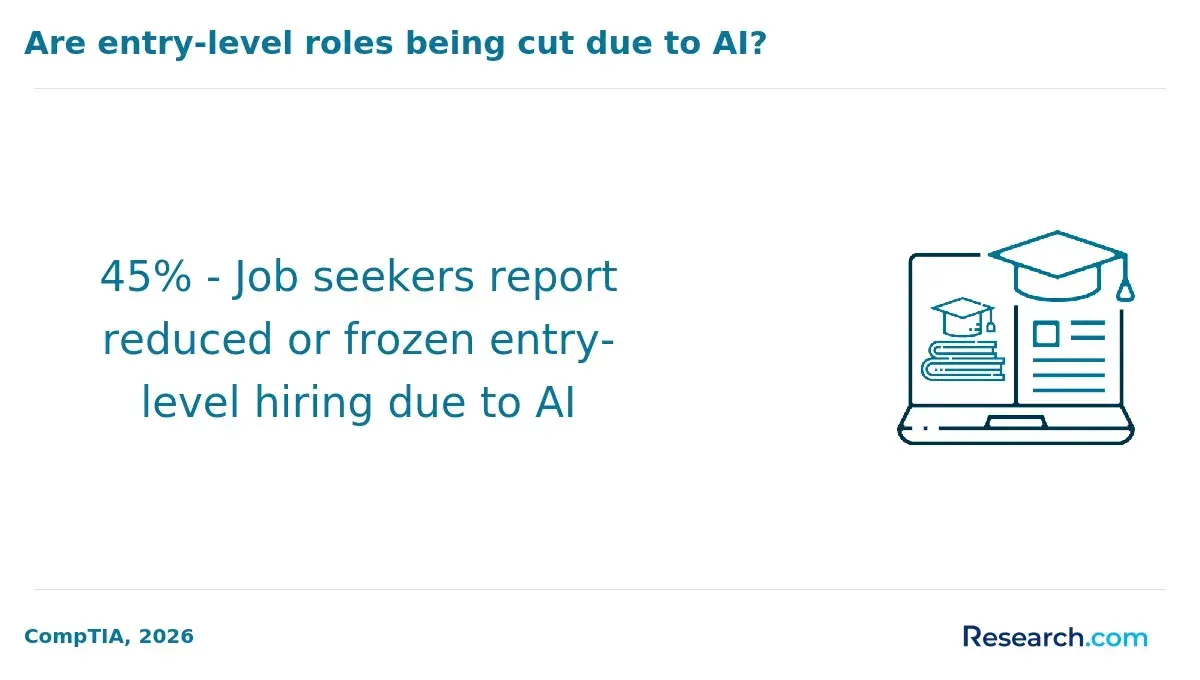
- Demand for such courses increased by 45% since 2024, reflecting growing concern over AI-driven audit and reporting technologies' transparency and accountability.
Advance Your Career with AI Online Courses
Artificial Intelligence: Implications for Business Strategy
This program provides an introduction to Artificial Intelligence and their implications for business strategy. Earn an official digital certificate.

Oxford Artificial Intelligence Programme
Explore this Oxford Artificial Intelligence programme offered in a flexible learning environment and explore topics like machine learning, automation, and robotics.

Implementing Agentic AI: Building Your Organizational Playbook
This online MIT Agentic AI course offers a practical approach to deploying AI agents in your organization, including a custom playbook. 3 weeks, exclusive launch price.

AI Adoption: Driving Business Value and Impact
This online MIT AI Adoption: Driving Business Value and Impact offers practical frameworks to close the gap between AI potential and business reality.

Artificial Intelligence in Pharma and Biotech
Discover the applications and limitations of artificial intelligence in pharma and biotech with this MIT online short course.

What are AI ethics courses for accounting managers and why are they increasingly important?
AI ethics training for accounting managers in the US emphasizes responsible governance and oversight of AI technologies within financial operations. These courses cover key topics like data privacy, algorithmic bias, regulatory compliance, and risk management.
Accounting managers gain skills to evaluate AI tools critically, ensuring transparency and fairness in reporting, auditing, and decision-making processes. Practical applications include managing AI-powered financial forecasts or automated auditing systems while mitigating risks of ethical breaches or inaccurate outputs.
Such training is vital given the rapid expansion of AI in finance, which reshapes traditional roles and responsibilities.
Roles exposed to AI have seen about 25% faster productivity growth over the past decade, but they also require 1.6 times more expertise in ethics and governance. This knowledge helps accounting leaders address growing regulatory scrutiny and operational risks related to AI.
AI ethics courses equip managers to:
- Interpret regulatory requirements related to AI in accounting
- Implement ethical frameworks for selecting and deploying AI tools
- Manage risks such as data misuse or automated errors
- Promote organizational trust by ensuring transparency in AI decisions
As AI integration deepens in financial workflows, ethical competence is essential to preserve integrity and prevent legal or reputational damage. The importance of ethical artificial intelligence courses for finance professionals cannot be overstated in this context.
For those interested in advancing in this field, exploring the data science rankings provides valuable insight into affordable programs that support this growing discipline.
Advance Your Career with AI Online Courses
Artificial Intelligence: Implications for Business Strategy
This program provides an introduction to Artificial Intelligence and their implications for business strategy. Earn an official digital certificate.
Oxford Artificial Intelligence Programme
Explore this Oxford Artificial Intelligence programme offered in a flexible learning environment and explore topics like machine learning, automation, and robotics.
Implementing Agentic AI: Building Your Organizational Playbook
This online MIT Agentic AI course offers a practical approach to deploying AI agents in your organization, including a custom playbook. 3 weeks, exclusive launch price.
What skills and competencies should AI ethics courses teach specifically for accounting managers?
AI ethics courses for accounting managers must emphasize skills that uphold regulatory compliance and foster accountability. Given that only 28% of large institutions consider their AI governance mature, proficiency in regulatory frameworks specific to AI in finance is vital.
These courses should cover how to interpret evolving rules and embed them into governance practices, addressing essential aspects of regulatory compliance and accountability skills in AI ethics for finance professionals.
Risk assessment tailored for AI applications in accounting is another crucial area. Managers need to identify biases in AI-driven decisions, ensure transparency in AI-assisted audits, and establish accountability for ethical breaches.
Additionally, expertise in data privacy and cybersecurity is mandatory to protect sensitive financial information and comply with privacy laws and policies.
Courses often overlook practical skills such as privacy impact assessments and ethical data sourcing, which support these goals. Beyond technical competencies, managers must cultivate ethical decision making in artificial intelligence for accounting managers, balancing automation benefits against workforce impacts.
Effective communication with AI experts, regulators, and stakeholders further strengthens ethical AI integration. Those pursuing such expertise may also consider programs like an online mechanical engineer degree as part of a broader educational foundation in technology and ethics.
How do AI ethics courses for accounting managers differ from general AI or accounting programs?
AI ethics training tailored for accounting managers addresses unique challenges that general AI or accounting programs often overlook. These courses emphasize the ethical dilemmas in financial data handling, regulatory compliance, and risk management, focusing on issues such as bias in automated audits, transparency in AI-generated financial reports, and protection of sensitive information.
Unlike general AI courses centered on technical skills or traditional accounting programs focused on financial regulations, AI ethics for accounting managers merges ethical theory with practical governance frameworks specific to finance.
This approach enables students to evaluate AI risks through real-world scenarios like fraud detection and credit risk models, promoting accountability and fairness in automated decisions.
Core topics include:
- Identifying and mitigating AI biases in financial decision-making.
- Understanding ethical impacts of AI audit tools on client trust.
- Ensuring compliance with regulations such as the SEC and GDPR in AI use.
- Overseeing risk assessment responsibilities within finance teams.
Data shows a significant skills gap. Deloitte's Global Risk Management Survey reports that 62% of financial institutions face shortages in AI model risk and ethics expertise, and 57% plan targeted training for non-technical managers soon.
To address this, prospective students might consider pursuing an online master in data science that integrates these essential ethical components.
Such specialized education bridges critical gaps between standard AI ethics courses and traditional accounting programs, helping accounting managers navigate AI's evolving ethical landscape effectively.
Which types of accredited U.S. institutions offer AI ethics training for accounting managers?
Accredited U.S. universities offering AI ethics courses for accounting professionals include a mix of traditional universities, professional business schools, and specialized continuing education providers.
These institutions often integrate AI ethics into accounting, finance, or business ethics programs at both undergraduate and graduate levels, emphasizing compliance, risk management, and responsible AI tool use in financial reporting. Some top U.S. institutions providing AI ethics training for accounting managers feature certificate programs or specific modules on AI governance and ethical auditing.
Professional organizations and accredited business education centers also deliver targeted workshops that address key issues like algorithmic bias, transparency in AI decision-making, and audit trail integrity. Many programs are developed under regional accreditation bodies such as AACSB to ensure alignment with evolving industry standards.
Hybrid executive education formats, combining online and in-person options, increase accessibility for working professionals and often offer continuing professional education credits vital for CPA license renewal.
Recent industry data highlights the demand for these skills: a survey found over half of global financial-services executives experienced significant AI or algorithmic errors in recent years, with nearly a third affecting financial reporting or risk models and requiring audit remediation.
For those interested in complementary fields, exploring cybersecurity courses online can also enhance overall risk management expertise.
How do online AI ethics courses for accounting managers compare with on-campus options?
Online AI ethics courses offer flexibility and accessibility for accounting managers balancing demanding schedules.
Self-paced formats enable learners to progress without disrupting work, an important benefit for professionals managing evolving AI systems and compliance challenges. These courses often include interactive content and real-world case studies focused on accounting ethics.
On-campus programs usually provide more structured learning with direct instructor interaction, fostering deeper discussion on issues like algorithmic bias in financial auditing or automated decision-making effects. Face-to-face engagement also supports networking, which can benefit career growth.
Hybrid models are increasingly popular, combining live webinars, discussion forums, and mentorship to bridge the gap between convenience and interaction.
IBM's 2024 "Cost of a Data Breach" study reveals that organizations blending high AI adoption with formal ethics training reduce breach costs by an average of $1.76 million. This highlights the financial and risk management advantages of comprehensive ethics education.
Accounting managers should carefully review course content for topics such as AI governance frameworks, data privacy regulations, and ethical auditing practices. The choice between online, hybrid, or on-campus depends on preferred learning style, schedule flexibility, and the importance placed on direct engagement versus convenience.
What core topics and case studies are covered in leading AI ethics courses for accounting managers?
Leading AI ethics courses for accounting managers address key topics essential for managing ethical challenges in finance AI deployment. Focus areas include bias detection and mitigation, algorithmic transparency, data privacy laws like GDPR and CCPA, and compliance with evolving legal standards.
These courses highlight accountability frameworks that promote responsible AI governance, ensuring the benefits of automation are balanced with ethical considerations.
Case studies commonly feature real-world issues such as biased training data causing unfair lending decisions or opaque AI models hindering audit trails. These scenarios help participants critically evaluate AI tools and design oversight processes aligned with professional accounting standards.
Additional training often covers drafting internal policies related to AI ethics, including whistleblower protections and stakeholder communication strategies.
Variations in course content reflect different priorities depending on whether they serve public accounting, corporate finance, or regulatory roles.
Emphasizing career relevance, LinkedIn's "Jobs on the Rise" report demonstrates a 22% higher recruiter contact rate for finance managers with AI governance or AI ethics skills, highlighting growing demand for professionals who can implement AI ethically and maintain long-term compliance and trust.
What are typical admission requirements and prerequisites for AI ethics programs in accounting?
Admission requirements for AI ethics programs aimed at accounting managers typically include a bachelor's degree in accounting, finance, business administration, or related fields.
Many programs favor candidates holding professional certifications like CPA, CMA, or CIA, reflecting the specialized ethical considerations in accounting. Some advanced programs may also require prior coursework or experience in data analytics, information systems, or basic AI principles to prepare students for ethical AI use.
Prerequisites often emphasize both accounting knowledge and familiarity with compliance standards such as the Sarbanes-Oxley Act or GDPR. Experience working with AI-driven finance tools may be required or recommended to demonstrate practical understanding.
Candidates might also need to submit a statement of purpose addressing ethical challenges or show evidence of critical thinking and ethical reasoning skills.
The AICPA & CIMA 2024 "Global State of AI in Accounting" report reveals that while 70% of accounting and finance teams are piloting or using AI in at least one process, only 35% have offered structured AI ethics training to managers. This gap highlights the importance of admissions criteria that ensure participants have a strong accounting background alongside structured ethics education.
Many programs accept working professionals through part-time or certificate formats, prioritizing relevant work portfolios or employer endorsements over formal prerequisites.
How long do AI ethics courses for accounting managers take and what do they cost?
AI ethics courses designed for accounting managers usually last between 4 to 12 weeks, with total hours ranging from 10 to over 40 depending on the program's depth.
Shorter options focus on core topics such as bias mitigation, transparency, and regulatory compliance, while more extensive courses, often offered by universities or professional organizations, include case studies and advanced ethical frameworks to strengthen practical understanding.
Pricing varies significantly by provider and course content. Online certificate programs typically cost between $300 and $1,200. For instance, a professional development course with a 6-week timeline may charge about $500, delivering detailed coverage tailored specifically to accounting contexts.
University-led continuing education courses are more expensive, ranging from $1,000 to $3,000, reflecting their specialized curricula and expert instructors. Employers sometimes provide discounts or group rates to lower costs for employees pursuing such training.
It is vital to choose courses with current content due to the fast-changing risks linked to AI. The WEF's 2024 Global Risks Report highlights that 64% of risk leaders anticipate AI-generated misinformation will heavily undermine trust in financial data within two years, emphasizing the need for accounting managers to develop skills in identifying and mitigating ethical risks.
What career outcomes, job roles, and salary impacts can follow AI ethics training in accounting?
AI ethics training in accounting is increasingly valuable for professionals looking to advance in a rapidly evolving field.
Gaining expertise in AI ethics equips accounting managers for specialized roles such as AI risk compliance officer, ethical technology advisor, and governance analyst. These positions play crucial roles in ensuring transparency and fairness in AI applications used for financial auditing and reporting.
The demand for AI ethics knowledge among accounting professionals is reflected in enrollment trends. A survey conducted by NASBA and AICPA shows a 92% increase in Continuing Professional Education (CPE) enrollments in AI-related content, with ethics and governance emerging as the fastest-growing subtopic. Salaries for roles requiring AI ethics expertise can be 10-20% higher than those in traditional accounting.
Key career outcomes for accounting managers trained in AI ethics include:
- Developing AI governance frameworks that comply with regulatory standards.
- Leading ethical integration of AI within accounting teams.
- Advising on bias mitigation in AI-driven financial tools.
By addressing challenges like algorithmic bias, data privacy, and accountability, these professionals become essential for organizations in complex audit environments.
Combining AI ethics education with accounting credentials opens pathways to advisory and consultancy roles, fostering cross-disciplinary collaboration and career growth beyond conventional tracks.
How can accounting managers evaluate and choose a reputable AI ethics course or certificate?
Accounting managers evaluating AI ethics courses should prioritize accreditation and institutional reputation. Programs endorsed by recognized bodies like AACSB or linked to established universities offer rigorous academic standards.
The course syllabus must cover critical topics such as algorithmic bias, transparency, compliance, and ethical decision-making frameworks relevant to accounting. Practical elements like case studies or scenario analysis are essential to connect theory with real-world applications.
Instructor qualifications are key. Faculty experienced in ethics, AI technology, and accounting ensure a well-rounded perspective on interdisciplinary challenges. It is important that courses regularly update content to reflect new trends and regulatory changes in ai.
Flexibility in course format supports working professionals. Online or hybrid models with asynchronous options help integrate learning into demanding schedules without reducing interaction or networking opportunities. Certificate programs providing recognized credentials enhance career prospects and demonstrate expertise to employers.
Measuring course outcomes through alumni success, testimonials, or employment data highlights practical value.
According to the AACSB 2024 Accounting Education Insight Report, 48% of accredited accounting programs have adopted AI or data ethics coursework since 2022, with another 32% planning implementation by 2026, underscoring the importance of selecting relevant courses.
Other Things You Should Know About Artificial Intelligence
Data privacy is fundamental in AI ethics for accounting because sensitive financial information is often processed by AI systems. Ensuring compliance with regulations like GDPR and CCPA protects client confidentiality and helps avoid legal penalties. Accounting managers must oversee that AI tools apply strong encryption and anonymization techniques to safeguard data integrity and privacy.
In 2027, the main challenges of implementing ethical AI in accounting include balancing automated efficiency with human oversight, ensuring transparency to build trust, and navigating complex regulatory environments. Accounting managers must remain vigilant about data provenance, algorithmic bias, and maintaining high ethical standards to harness AI effectively.
Yes, legal risks include potential violations of data protection laws, misreporting, or non-compliance with financial regulations caused by AI errors. Liability questions also arise when AI-driven decisions lead to inaccurate financial statements. Accounting managers must work with legal teams to establish clear accountability frameworks and validate AI outputs to mitigate these risks.
References
- AI in accounting: essential skills for the next decade of financial services. https://www.randstad.co.uk/career-advice/career-guidance/ai-in-accounting-essential-skills-next-decade/
- Short Course in AI for Accountants https://accountingacademy.co.za/courses/show/short-course-in-ai-for-accountants
- Ethics in Accounting https://www.oxfordhomestudy.com/courses/ai-courses-online/ethics-in-accounting
- AI Ethics in Finance: A Guide for Accountants | Learnsignal https://www.learnsignal.com/blog/ai-ethics-finance/
- AI Ethical Frameworks for Accountants https://www.cpaalberta.ca/Professional-Development/Certificate-Programs/AI-Ethical-Frameworks-for-Accountants
- The essential AI skills and knowledge that business accounting students should acquire https://journaljmbe.com/article/view/7563