2027 Best AI Enablement Courses for Business Leaders

Co-Founder and Chief Data Scientist
Many business leaders struggle to integrate artificial intelligence into their organizations due to a lack of technical knowledge and strategic insight. Without a clear understanding, decision-makers risk misallocating resources or missing growth opportunities.
The rapid advancement of AI technologies demands that professionals upskill efficiently while balancing existing responsibilities. Flexible and accredited courses tailored for non-technical backgrounds provide a practical solution to bridge this gap.
This article explores top AI enablement courses designed for business leaders to build relevant skills and confidently drive AI initiatives within their companies.
Key Things You Should Know
- Business leaders increasingly enroll in AI enablement courses, with a 35% growth in U.S. program participation reported in 2025, reflecting rising demand for AI-driven decision-making skills.
- Top courses emphasize practical applications, including AI ethics, machine learning fundamentals, and integration strategies to enhance operational efficiency and competitive advantage.
- Certifications from recognized providers improve career prospects, with 68% of graduates reporting salary increases or promotions within a year of course completion.
Advance Your Career with AI Online Courses
Artificial Intelligence: Implications for Business Strategy
This program provides an introduction to Artificial Intelligence and their implications for business strategy. Earn an official digital certificate.

Oxford Artificial Intelligence Programme
Explore this Oxford Artificial Intelligence programme offered in a flexible learning environment and explore topics like machine learning, automation, and robotics.

Implementing Agentic AI: Building Your Organizational Playbook
This online MIT Agentic AI course offers a practical approach to deploying AI agents in your organization, including a custom playbook. 3 weeks, exclusive launch price.

AI Adoption: Driving Business Value and Impact
This online MIT AI Adoption: Driving Business Value and Impact offers practical frameworks to close the gap between AI potential and business reality.

Artificial Intelligence in Pharma and Biotech
Discover the applications and limitations of artificial intelligence in pharma and biotech with this MIT online short course.

What is AI enablement for business leaders and why does it matter now?
AI enablement for business leaders equips decision-makers with the skills to strategically use artificial intelligence technologies, driving innovation and competitive advantage. As industries rapidly transform, understanding AI's impact on business models, value creation, and customer engagement becomes critical. AI enablement strategies for business leaders are essential to navigate this change effectively.
PwC's 2025 CEO Survey reveals that 70% of global CEOs believe generative AI will significantly alter how their companies create, deliver, and capture value within three years. This highlights the growing importance of AI adoption in business leadership and the need for leaders to stay informed and proactive.
Business leaders benefit from AI enablement in several ways:
- Making informed investment decisions aligned with strategic goals
- Identifying ethical and operational risks to ensure responsible AI use
- Facilitating collaboration between technical teams and business units
- Understanding data governance and compliance implications
Examples include interpreting AI-driven analytics to gain customer insights or optimizing supply chain management with AI tools. Leaders trained in AI are better positioned to anticipate market disruptions and lead digital transformation efforts.
Focused AI enablement courses cover technology fundamentals, strategic applications, and leadership challenges, fostering confidence to champion impactful AI initiatives.
For those pursuing formal education in this field, exploring a computer science degree online can provide foundational knowledge to support AI integration in business environments.
Advance Your Career with AI Online Courses
Artificial Intelligence: Implications for Business Strategy
This program provides an introduction to Artificial Intelligence and their implications for business strategy. Earn an official digital certificate.
Oxford Artificial Intelligence Programme
Explore this Oxford Artificial Intelligence programme offered in a flexible learning environment and explore topics like machine learning, automation, and robotics.
Implementing Agentic AI: Building Your Organizational Playbook
This online MIT Agentic AI course offers a practical approach to deploying AI agents in your organization, including a custom playbook. 3 weeks, exclusive launch price.
What types of AI enablement courses are best for non-technical business leaders?
AI enablement courses tailored for non-technical business leaders emphasize strategic understanding, ethical considerations, and integrating AI into business operations to maximize value. These best artificial intelligence training programs for business executives avoid technical coding and instead focus on areas like:
- AI strategy and leadership, teaching how to align AI initiatives with business goals and drive transformation.
- Ethics and governance, covering responsible AI usage, bias mitigation, and compliance important for executives.
- AI product management focused on managing AI projects and collaborating with technical teams.
- Data literacy and AI fundamentals that build foundational knowledge of AI concepts and data-driven decisions.
- Case studies demonstrating AI's impact across industries such as healthcare, finance, and retail.
According to LinkedIn's 2025 Workplace Learning Report, there has been a 142x surge in members acquiring AI skills since late 2022, highlighting growing demand for leaders with actionable AI insight instead of deep technical expertise. Business leaders often face challenges like prioritizing AI projects and managing cross-functional teams; courses that combine strategic frameworks and risk management are key to addressing these needs.
Choosing programs with reputable instructors and practical assignments improves learning outcomes, while avoiding overly technical content ensures relevance for business executives.
For prospective students exploring education options, a resource like the cheapest online mechanical engineering degree can offer affordable pathways toward understanding AI technologies through engineering perspectives.
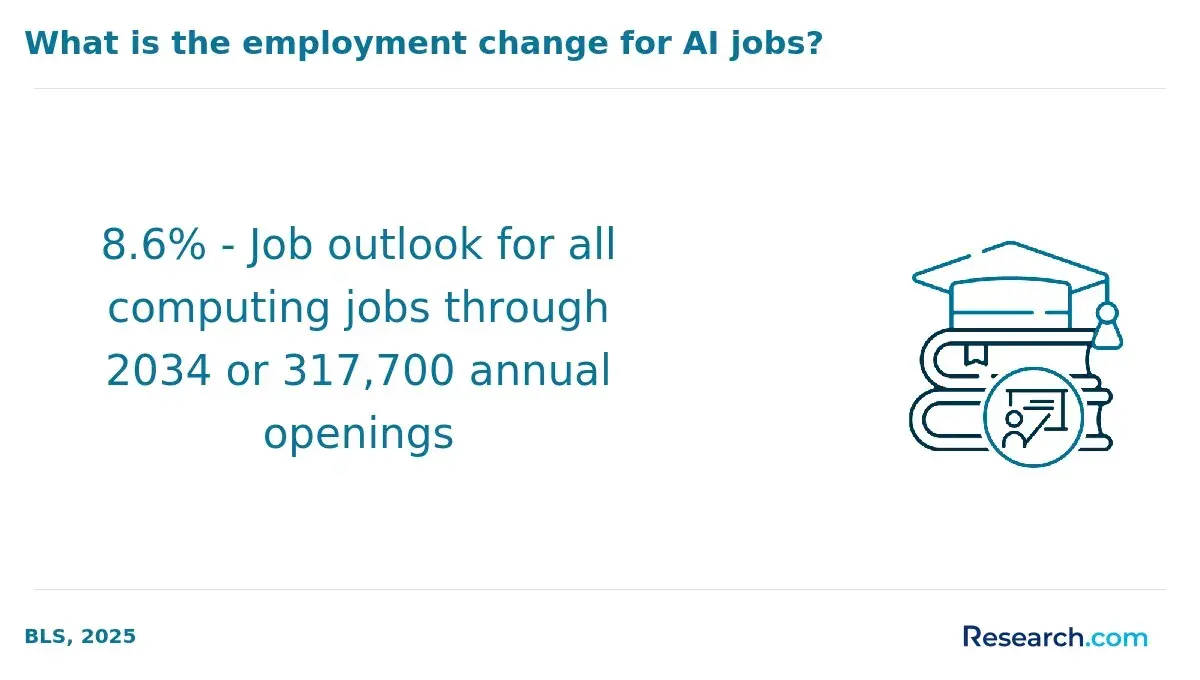
How do AI enablement courses for executives differ from general AI and data science programs?
AI enablement courses tailored for executives focus on strategic understanding and practical business applications rather than technical skills like coding or algorithms. These programs emphasize how to leverage AI for measurable business impact through risk assessment, change management, and AI-driven decision-making optimized for leadership roles.
Key differences between executive AI programs and general data science courses include:
- Prioritizing business value over technical mastery.
- Using case studies and frameworks to demonstrate AI's transformative potential across operations, customer engagement, and innovation.
- Highlighting governance, ethics, and organizational readiness for AI adoption.
Executives gain skills to identify AI opportunities and challenges, leading cross-functional teams effectively. Scenarios such as AI-enhanced supply chain efficiency or personalized marketing strategies are central, contrasting with data science curricula that concentrate on programming languages like Python or TensorFlow.
The growing demand for such leadership-focused AI education is evident, and professionals can explore options like an online data science masters to deepen technical expertise when needed.
IBM's Global AI Adoption Index reveals that 66% of top-performing organizations achieve ROI on AI investments within three years, underscoring the importance of aligning AI strategy with business goals.
These courses support executives in balancing technical feasibility with business value, ensuring compliance, resource allocation, and scaling AI projects effectively while fostering an AI-ready culture rarely addressed in general AI education.
What admission requirements and professional background do AI enablement programs typically expect?
Admission criteria for AI enablement programs aimed at business leaders usually require a bachelor's degree from an accredited institution, often in business, technology, or related fields. These programs expect candidates to have three to five years of professional leadership experience, ensuring readiness to connect AI concepts with organizational strategy.
However, some executive courses may waive degree prerequisites for applicants with significant managerial expertise or proven success in technology-focused projects, reflecting varied professional background requirements for AI enablement courses.
Applicants often need to demonstrate foundational knowledge in data analytics, statistics, or programming, which might be verified through prior coursework, certifications, or tests. Familiarity with machine learning basics or data visualization tools is commonly expected to engage effectively with technical content.
Programs emphasize skills in strategic thinking, change management, and digital transformation. Candidates typically submit a statement of purpose outlining their goals for AI use in industry, along with recommendation letters. Commitment to lifelong learning and adaptability is critical, as the World Economic Forum notes that 44% of workers' core skills will be disrupted by 2030, with AI and big data ranked among the top-demanded skills.
Preparatory modules often support participants lacking deep technical expertise, widening access for leaders in marketing, finance, or operations. To explore more options for veteran students interested in technical fields, the best online electrical engineering degree programs for veterans can serve as an informative resource.
How do online, part-time, and on-campus AI enablement formats compare for working professionals?
Online, part-time, and on-campus formats each offer unique benefits and challenges for professionals advancing their AI skills. Online courses provide maximum flexibility with asynchronous content, ideal for managers balancing unpredictable schedules and personal commitments. However, these may limit immediate networking and hands-on practice needed for leadership development in AI.
Part-time programs, delivered either online or on campus, blend structured learning with work demands, typically running for several months with sessions in evenings or weekends. They often emphasize practical projects and cohort collaboration, strengthening peer learning and real-world application of AI in organizations. This format suits managerial roles applying AI strategies without interrupting their careers.
On-campus programs deliver immersive experiences with direct faculty interaction and rich peer discussions, favoring leaders desiring deep engagement and quick feedback. Yet rigid schedules and commuting often challenge working professionals' availability.
Deloitte's 2024 Human Capital Trends reveals that 79% of organizations plan to increase investment in AI skills and capabilities over the next two years, prioritizing leadership roles. These insights highlight the importance of selecting formats aligned with time constraints, learning preferences, and career goals.
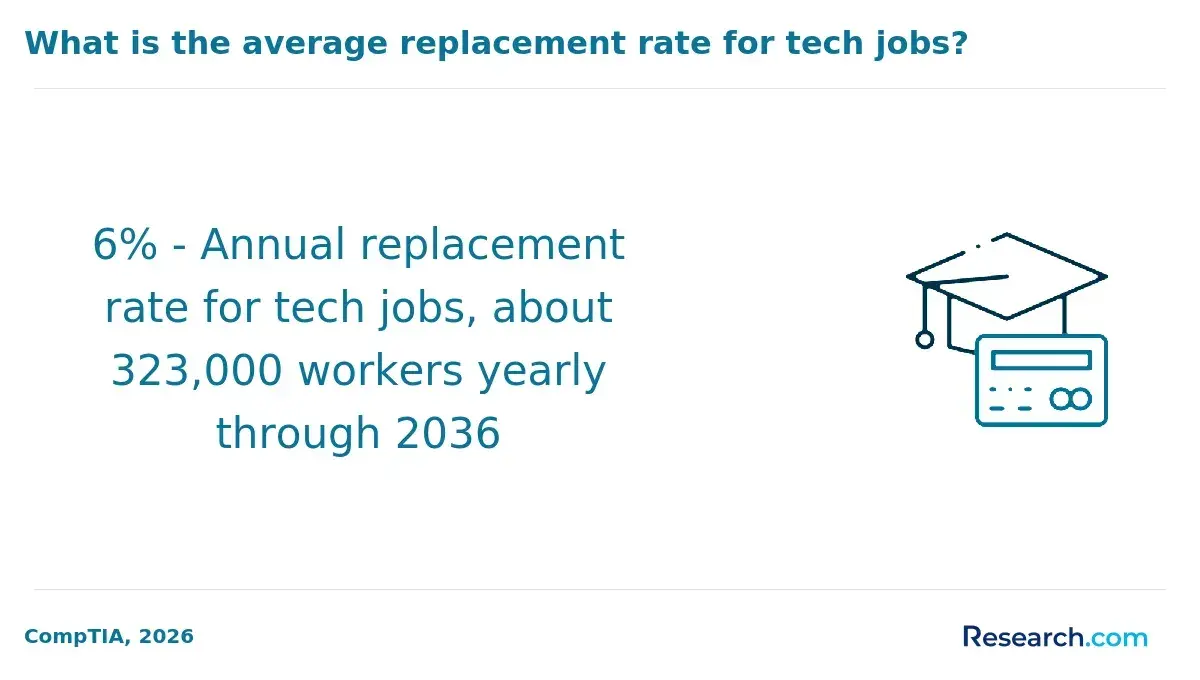
What core topics and real-world projects are covered in leading AI enablement curricula?
AI enablement curricula for business leaders emphasize practical skills in data strategy, machine learning basics, ethical AI deployment, and AI-driven decision-making frameworks. Students learn how to align AI initiatives with business goals, optimize customer engagement through generative AI, and manage associated risks. Core coursework includes interpreting AI model outputs, designing AI-powered workflows, and navigating regulatory landscapes influencing AI adoption.
Real-world projects focus on cross-functional teamwork and measurable outcomes, such as developing predictive models to improve sales forecasting, automating customer service chatbots to enhance response rates, and creating AI tools that accelerate R&D innovation. These projects replicate scenarios like reducing operational costs or expanding market share through data-driven insights, equipping leaders to apply AI technologies strategically.
Hands-on experience often involves industry-standard AI platforms, enabling learners to prototype solutions in areas like marketing analytics and software product development. Case studies highlight sectors—customer operations, marketing, sales, software engineering, and R&D—where AI can drive significant value. According to McKinsey's report on generative AI and the future of work, AI influence can account for up to 75% of economic impact.
Training also addresses AI governance challenges, including bias mitigation and transparency, providing frameworks for responsible AI use. Scenario-based exercises prepare leaders to manage change and communicate effectively with stakeholders, enabling confident leadership in AI transformations.
How can I verify accreditation and choose a credible AI enablement program provider?
Verifying accreditation is a crucial step when selecting a credible AI enablement program provider. Confirm that the program holds recognized accreditation from established authorities such as the Accreditation Council for Business Schools and Programs (ACBSP) or regional bodies like the Middle States Commission on Higher Education (MSCHE). This ensures curriculum quality and institutional accountability.
Evaluate the program's industry relevance by examining its advisory board and faculty credentials. Prioritize programs led by experts with practical AI leadership experience or associations with respected tech organizations. Course content should focus on core AI governance challenges, including risk management and ethical frameworks.
According to EY's global AI survey, only 35% of boards have sufficient AI literacy despite widespread concern over regulatory and ethical risks. Programs offering real-world case studies or partnerships with companies deploying AI can better prepare you to close this gap.
Request transparency about outcomes such as graduate employment rates, participant testimonials, and measurable skill improvements. Look for verified certifications or digital badges backed by respected institutions. Ensure the curriculum is updated to reflect the latest AI regulations and frameworks in the U.S.
Consider the program's mode of delivery, duration, and flexibility to accommodate your schedule. Check if post-completion support is provided through mentoring or AI community access. Finally, verify alignment with certifications like the Certified Artificial Intelligence Practitioner (CAIP) for added professional validation.
What do AI-focused leadership and strategy roles look like after completing these courses?
Leadership roles that focus on artificial intelligence combine technical expertise with business strategy, enabling professionals to turn complex AI concepts into effective organizational plans. Graduates from executive AI programs develop skills to manage ethical, regulatory, and operational risks while driving innovation and competitive advantage. They lead cross-functional teams and create responsible AI frameworks to align initiatives with company goals.
Key responsibilities often include:
- Developing enterprise-wide AI adoption roadmaps reflecting market trends and internal strengths.
- Managing AI project portfolios to ensure alignment with strategic objectives and measurable results.
- Ensuring AI initiatives comply with ethical standards and regulatory requirements.
- Advising executives on the impact of AI investments and market disruptions.
- Designing data governance models that support AI scalability and security.
These leaders face challenges like balancing rapid innovation with risk management and integrating AI into existing operations. For instance, a chief AI officer at a financial firm might focus on fraud detection while safeguarding customer privacy. Similarly, product managers can apply AI to improve personalization while maintaining ethical standards.
Executive AI programs at institutions such as MIT Sloan, Harvard Professional & Continuing Education, and London Business School typically cost between 2,000 and 3,500 USD for 4 to 8 weeks of online coursework. This price point makes advanced AI education accessible to senior professionals seeking to lead AI transformation without interrupting their careers.
What salary ranges and promotion potential can AI-enabled business leaders reasonably expect?
AI-enabled business leaders in the U.S. earn between $110,000 and $220,000 annually, influenced by experience, industry, and role. Entry-level managers integrating AI insights typically start at $110,000 to $140,000, while mid-level directors with proven AI-driven project success earn $150,000 to $180,000. Senior executives leading enterprise-wide AI initiatives often surpass $200,000.
Promotion prospects improve significantly after completing structured AI enablement courses, which equip leaders with skills that drive measurable business value.
A Boston Consulting Group survey reveals companies that invest in such training are 1.8 times more likely to achieve organization-wide AI adoption. This adoption accelerates career growth as trained leaders become essential in implementing AI strategies that enhance operational efficiency and customer engagement. For instance, a product manager skilled in AI applications might advance to a VP role, and a supply chain director optimizing logistics with AI may move up faster than peers lacking this expertise.
Leaders should pursue courses covering AI strategy, data interpretation, and change management to maximize career benefits. Certification validates expertise and signals readiness for roles managing AI transformation, boosting promotion chances. Additionally, companies increasingly offer bonuses and stock options tied to ai project success, enhancing compensation beyond base salary.
Are there industry-recognized AI or analytics certifications that complement enablement courses?
Industry-recognized AI and analytics certifications add valuable credentials that go beyond basic AI enablement courses for business leaders. These certifications provide structured frameworks aligned with evolving business demands, ensuring leaders can effectively integrate AI concepts into decision-making and strategy.
Examples include the Certified Analytics Professional (CAP) and the AI Business Professional Certificate from leading institutions, which connect theoretical knowledge with practical application.
CAP is highly regarded for its emphasis on data-driven decision-making, essential for leaders who align AI tools with business goals. Meanwhile, the AI Business Professional Certificate focuses on strategic use of AI, helping leaders manage AI initiatives ethically and efficiently within organizations.
Many enablement courses incorporate or recommend these certifications as benchmarks to demonstrate progress, enhance professional credibility, and signal proficiency in AI-driven leadership. These credentials help tackle challenges such as ethical AI use, aligning AI projects with business objectives, and leading cross-functional teams.
Gartner predicts that by 2028, 75% of business leaders will be evaluated based on AI-driven revenue or cost savings metrics, underscoring the strategic value of obtaining recognized certifications. Leaders benefit by choosing credentials that complement their course work and career aims, whether focused on technical AI skills or data strategy oversight.
Combining certification with enablement courses equips leaders with both credentials and practical skills vital for future-proofing their careers.
Other Things You Should Know About Artificial Intelligence
Common challenges include data quality issues, integration with existing systems, and the lack of in-house AI expertise. Additionally, businesses often face difficulties around managing ethical concerns and ensuring transparency in AI decision-making processes. Addressing these challenges requires strong leadership and cross-functional collaboration.
In 2027, top platforms offering AI enablement courses for business leaders include Coursera, edX, and LinkedIn Learning. These platforms feature courses from renowned institutions such as MIT and Stanford, providing insights into leveraging AI for strategic business growth.
Business leaders should develop a strong understanding of AI concepts, data literacy, and strategic thinking related to AI integration. Communication skills to bridge technical and non-technical teams are essential, along with the ability to manage ethical considerations and change management. These skills help leaders effectively drive AI initiatives toward business value.
Yes, risks include over-reliance on AI outputs without human oversight, which can lead to biased or incorrect decisions. AI systems may also lack contextual understanding and can perpetuate existing inequalities if not carefully monitored. It is important to maintain a balance between AI automation and human judgment to mitigate these risks.
References
- Online vs. On-Campus IT Courses: Which One is Right for You? - Belgium Campus iTversity https://www.belgiumcampus.ac.za/2024/12/12/online-vs-on-campus-it-courses-which-one-is-right-for-you/
- AI’s Role in Shaping Future Work & Strategy https://www.techclass.com/resources/learning-and-development-articles/next-frontier-thought-leadership-on-ais-role-in-work-enterprise-strategy
- Artificial Intelligence in Health Care - URAC https://www.urac.org/accreditation-cert/healthcareai/
- The AI Strategy Job Market in 2026: Analysis of 1,859 Postings https://axialsearch.com/insights/ai-strategy-jobs/
- AI training courses – PEX Network https://www.processexcellencenetwork.com/ai/articles/free-ai-training-business
- AI and Analytics Programs https://esmt.berlin/executive-education/analytics-ai-programs
- Best Data Analytics Certifications to Boost Your Career – Dataquest https://www.dataquest.io/blog/best-data-analytics-certifications/
- 7 Essential Elements of an Effective AI Curriculum in 2026 | Life Hub https://www.lifehubeducation.com/blog/ai-curriculum