2027 Best edX AI Courses for AI Governance

Co-Founder and Chief Data Scientist
Organizations face increasing pressure to ensure Artificial Intelligence systems operate ethically and comply with evolving regulations. Without proper governance, AI deployments can lead to bias, privacy violations, and legal risks that harm reputations and cause financial losses. Professionals with backgrounds outside technology often struggle to bridge the gap between technical AI development and policy frameworks. This article highlights top edX courses designed to equip learners with essential skills in AI governance, helping them navigate these challenges and contribute to responsible AI implementation effectively.
Key Things You Should Know
- edX's 2026 AI Governance courses focus on ethical frameworks, compliance with emerging regulations, and responsible AI deployment, which 75% of organizations prioritize for implementation by 2027.
- These courses incorporate the latest 2024 AI policy trends, covering bias mitigation, transparency, and data privacy aligned with U.S. federal guidelines and international standards.
- Popular courses target professionals seeking careers in AI ethics, law, and policy-making, offering flexible schedules and recognized certification to meet growing demand in governance roles.
Advance Your Career with AI Online Courses
Artificial Intelligence: Implications for Business Strategy
This program provides an introduction to Artificial Intelligence and their implications for business strategy. Earn an official digital certificate.

Oxford Artificial Intelligence Programme
Explore this Oxford Artificial Intelligence programme offered in a flexible learning environment and explore topics like machine learning, automation, and robotics.

Implementing Agentic AI: Building Your Organizational Playbook
This online MIT Agentic AI course offers a practical approach to deploying AI agents in your organization, including a custom playbook. 3 weeks, exclusive launch price.

AI Adoption: Driving Business Value and Impact
This online MIT AI Adoption: Driving Business Value and Impact offers practical frameworks to close the gap between AI potential and business reality.

Artificial Intelligence in Pharma and Biotech
Discover the applications and limitations of artificial intelligence in pharma and biotech with this MIT online short course.

What is AI governance and why learn it through edX AI courses?
AI governance frameworks and best practices ensure AI systems operate safely, ethically, and transparently by addressing risk management, compliance, accountability, and bias prevention. Developing expertise in AI governance is critical as organizations strive to meet regulatory requirements and integrate AI responsibly. EdX ai courses for effective ai governance training provide practical skills through case studies, expert lectures, and real-world projects, enabling learners to apply governance measures within their organizations.
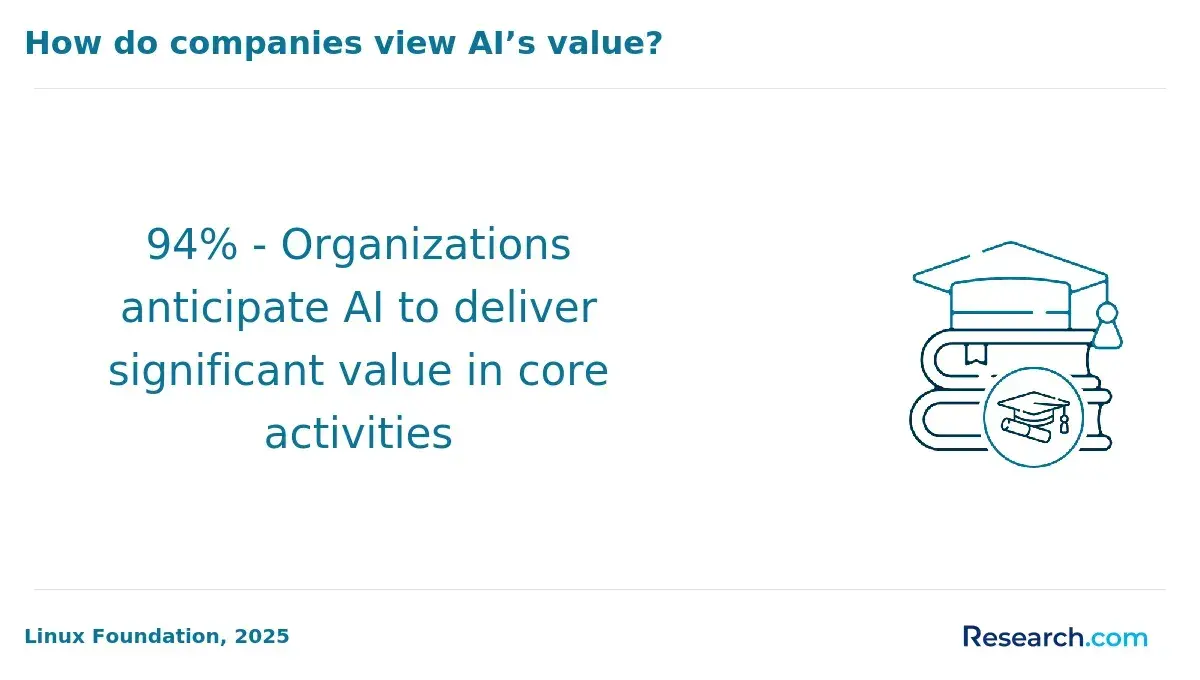
A recent survey highlights that while 75% of organizations plan to adopt formal AI governance by 2027, only 26% currently have mature frameworks. This gap drives demand for professionals skilled in designing and implementing governance controls-from legal compliance to bias mitigation. Training equips graduates to lead AI audits, create policies aligned with global standards, and guide teams in transparency and fairness initiatives.
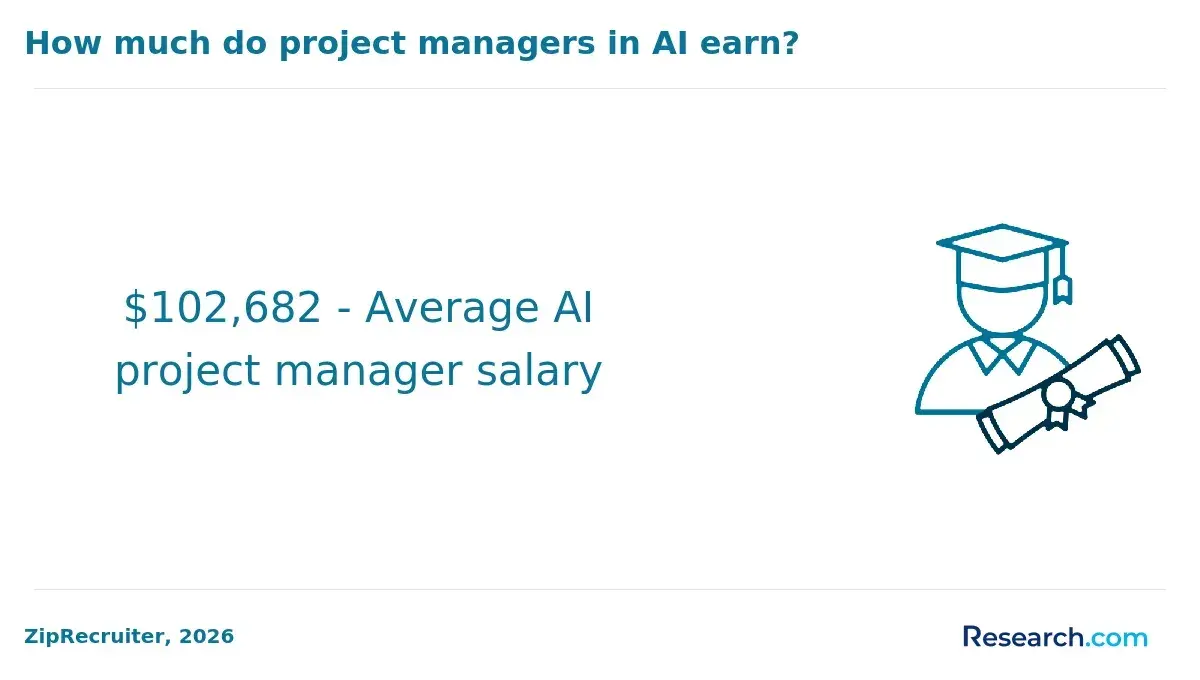
These courses are especially valuable for working professionals balancing career demands, offering flexibility combined with peer interaction. Topics covered include data privacy, AI accountability, and transparency, which are essential for roles in AI project management and policy advisory. Prospective students interested in expanding their career options in this evolving field can also explore rankings like the data science major ranking to identify affordable pathways into related disciplines.
Advance Your Career with AI Online Courses
Artificial Intelligence: Implications for Business Strategy
This program provides an introduction to Artificial Intelligence and their implications for business strategy. Earn an official digital certificate.
Oxford Artificial Intelligence Programme
Explore this Oxford Artificial Intelligence programme offered in a flexible learning environment and explore topics like machine learning, automation, and robotics.
Implementing Agentic AI: Building Your Organizational Playbook
This online MIT Agentic AI course offers a practical approach to deploying AI agents in your organization, including a custom playbook. 3 weeks, exclusive launch price.
Which edX AI governance courses are best for beginners exploring this field?
For beginners interested in edX AI governance courses for beginners in AI ethics, foundational options like AI for Everyone: Ethics and Governance provide an accessible start without requiring technical expertise. This course covers essential governance concepts, ethical frameworks, and regulatory challenges through real-world case studies. Another notable introductory edX course on AI governance and policy, Introduction to AI Policy and Regulation, explains global governance models and the complexities of jurisdictional differences alongside emerging policy trends.
These programs combine theoretical frameworks with practical applications, making them ideal for career changers or professionals seeking roles in compliance, legal advisory, or public sector oversight of AI technologies. They emphasize ethical considerations and the societal impacts of AI governance, helping learners develop critical analysis and policy evaluation skills.
Demand for AI governance skills is rising rapidly; edX course enrollments in AI-related topics increased by 54% from 2022 to 2024, with governance, ethics, and policy tracks growing 71% annually, per the edX/2U Impact Report, 2024. Beginners should seek courses with modular structures, flexible pacing, and verified certificates valued by employers in tech and regulation fields.
Considering education pathways, individuals may also explore an online mechanical engineering degree that can complement understanding of AI systems within governance frameworks.
What are the top advanced edX AI courses focused on AI policy and regulation?
Top advanced edX artificial intelligence courses for AI governance include "Artificial Intelligence: Implications for Business Strategy" by MIT and "Ethics of AI and Big Data" from the Linux Foundation. These courses address crucial regulatory frameworks, ethical challenges, and governance models essential for professionals overseeing AI in government and corporate environments. The University of Maryland's "Artificial Intelligence in Government" course specifically focuses on AI policy and regulatory issues faced by public-sector managers, covering policy compliance, governance practices, and societal risks linked to AI decision-making.
These courses explore key questions such as:
- How can AI systems comply with evolving legal standards across multiple jurisdictions?
- What ethical principles must guide AI use in sensitive public services?
- How can transparency and accountability be maintained in automated decision-making?
Given that public-sector AI spending is projected to reach $32.2 billion by 2027 with a 30.4% CAGR from 2023, demand for skills in AI oversight will increase rapidly. Training programs emphasize risk mitigation policies addressing bias, privacy violations, and explainability challenges, often combining case studies on regulatory failures with compliance frameworks.
Advanced learners should seek courses offering:
- In-depth analyses of global AI regulation trends, including the EU AI Act and U.S. legislative efforts
- Tools for assessing algorithmic fairness and managing AI ethics boards
- Strategies for embedding AI governance within organizational risk management
Professionals aiming for roles in government or regulatory agencies will find these best edX AI courses on policy and regulation critical for bridging technical AI skills with policy expertise. For those interested in broader technology fields, a game design online degree can offer additional career pathways.
How do edX AI governance certificates compare to university degrees in AI or public policy?
edX ai governance certification versus university degrees highlights key differences in focus and outcomes. edX certificates target practical skills such as ethical frameworks, regulatory compliance, and governance mechanisms relevant for real-world AI deployment. In contrast, university degrees in AI or public policy emphasize a broader, theoretical foundation including advanced technical methods or extensive policy analysis, often requiring multiple years of study and research.
The value of edX ai governance certificates compared to public policy degrees lies in their ability to offer specialized, market-driven training developed with industry experts. This responsiveness is crucial given the 112% increase in job postings mentioning "AI ethics" or "AI governance" across North America and Europe, with a median senior role salary of $165,000 (Lightcast labor market data, 2025). Certificates suit professionals seeking rapid skill development and career advancement without the time and cost commitments of degrees.
University degrees prepare graduates for leadership, research, or academic roles by covering broader regulatory and sociopolitical contexts. Certificates focus on current AI ethical dilemmas and governance frameworks, making them ideal for working professionals pivoting careers or updating skills.
Choosing between these options depends on individual goals, career stage, and time commitment. For those considering related educational paths, also explore options like an online cyber security degree for veterans, which offers similarly focused opportunities in a growing tech field.
What topics and skills do edX AI governance courses typically cover in their curriculum?
edX AI governance courses equip students with skills to handle ethical, legal, and operational challenges in AI deployment. Topics include algorithmic fairness, bias detection, data privacy, and transparency in AI decision-making. The curriculum often covers regulatory compliance, risk management frameworks, and policy development aligned with societal values and corporate responsibility.
Students gain practical expertise in auditing AI models for unintended consequences and implementing explainability techniques to ensure AI outputs are understandable. Case studies highlight governance failures and mitigation strategies in sectors such as finance, healthcare, and criminal justice.
Courses explore governance's strategic role in enterprise AI adoption, including the formation of AI ethics committees and integrating governance into product development cycles. Leaders trained through these programs learn to assess AI risks from technical, legal, and reputational perspectives.
Training also emphasizes designing responsible AI frameworks that balance organizational goals with societal expectations. Collaboration across data scientists, legal experts, and policymakers is a key focus to embed governance across the AI lifecycle.
According to a 2024 Deloitte survey of global executives, 61% delayed or canceled AI initiatives due to governance or risk concerns, highlighting the urgent need for professionals skilled in responsible AI governance to drive safe, compliant AI strategies.
How do online edX AI governance courses compare with on-campus AI ethics programs?
edX AI governance courses offer flexible and accessible alternatives to traditional on-campus ethics programs, focusing on practical, up-to-date content relevant to today's challenges in fairness, accountability, and transparency in AI systems. These online courses often integrate international case studies and policy frameworks, essential for professionals aiming to implement trustworthy AI in real-world settings.
The 2024 Cisco Data Privacy Benchmark Study highlights that 69% of organizations encountered sales losses related to customer concerns about data and AI, with revenue impacts averaging 3.2%. Courses like Trustworthy AI: Fairness, Accountability and Transparency address these critical issues, preparing learners to align AI development with ethical and regulatory standards, ultimately helping reduce such business risks.
On-campus AI ethics programs usually emphasize philosophical and theoretical aspects, benefiting students with academic or policy research goals. In contrast, edX's modular, skill-based courses are designed for working professionals seeking to apply AI governance principles immediately without relocating or extensive time commitments.
When choosing between these options, consider career objectives, available time, and the need for credential recognition. On-campus programs provide deeper institutional support and networking, while edX allows for continuous skill upgrades convenient for busy professionals.
What are the admission requirements, time commitment, and costs for edX AI governance programs?
edX offers ai governance programs designed for learners with foundational knowledge in artificial intelligence, data ethics, or related disciplines. Admission requirements vary but generally include a bachelor's degree or relevant professional experience. Some advanced courses recommend prior exposure to policy analysis or technical AI concepts to fully engage with the material.
Course durations differ: short professional certificates typically last 6 to 12 weeks, requiring 3 to 6 hours weekly. More comprehensive options, like micromasters or extended professional certificate series, may span 4 to 6 months with 5 to 8 hours of study per week.
Costs vary widely. Many courses are free to audit, while certification requires payment, usually ranging from $100 to $300 per course. Extensive programs such as micromasters may cost between $900 and $1,500. Financial aid and payment plans are often accessible, helping reduce barriers for working professionals and recent graduates.
The surge in demand for ai governance skills is evident, with over 40 jurisdictions enacting or proposing regulatory frameworks by 2025, up from seven in 2021 (OECD.AI Policy Observatory, 2025). Regional courses focus on EU regulations and US policy, addressing ethical AI deployment and compliance.
Prospective students should consider prerequisites, available time, and costs carefully against their career objectives in AI policy, law, or regulation to choose the most appropriate program.
Which careers can edX AI governance training prepare you for in government, industry, and NGOs?
edX AI governance training equips students with essential skills for careers in government, industry, and NGOs by focusing on ethical AI deployment, risk management, and compliance. In government roles, professionals often serve as AI policy advisors, regulatory analysts, or compliance officers, helping shape frameworks for responsible AI use in public services and national security. These careers require expertise in evolving legal standards and ethical algorithmic accountability.
Within industry, graduates may become AI risk managers, compliance specialists, or ethics officers. These positions involve overseeing AI to align with corporate governance, reduce operational risks, and ensure audit readiness. A 2024 IBM study highlights that organizations with formal AI risk frameworks were 43% less likely to experience major AI incidents, underscoring demand for skilled professionals in this area.
NGOs and advocacy groups seek AI governance experts to assess societal and ethical impacts, focusing on transparency, fairness, and human rights. Role examples include AI policy researchers, ethical AI auditors, and community engagement coordinators.
Key skills from edX courses-such as auditing techniques, risk assessment, and compliance-prepare candidates to handle real-world challenges like bias detection, regulatory reporting, and incident mitigation, meeting urgent organizational needs to prevent financial, legal, and reputational harm from AI failures.
What salary ranges and job outlook can AI governance specialists expect in the U.S.?
AI governance specialists in the U.S. have strong earning potential, reflecting high industry demand and evolving regulatory challenges. Glassdoor data from 2025 shows average total compensation for AI Governance Managers at $192,000, a 29% rise since 2022. Entry-level salaries start between $110,000 and $130,000, while senior roles can exceed $200,000 annually.
The job outlook is promising due to growing emphasis on ethical AI, compliance, and risk management across sectors like finance, healthcare, and technology. Credentials from platforms such as edX help develop targeted skills in policy frameworks, compliance, and AI ethics, making graduates competitive candidates.
Key challenges include navigating complex legal frameworks and ensuring transparency. Combining practical experience with advanced education helps mitigate risks related to bias, data privacy, and accountability effectively.
- Choose courses covering AI policy, ethics, and risk management comprehensively
- Develop cross-disciplinary skills to work with legal and technical teams
- Build portfolios demonstrating applied governance strategies and case studies
Graduates with both regulatory insight and technical understanding are especially valued. As organizations implement stricter AI governance frameworks, demand grows for professionals capable of balancing innovation with ethical responsibility.
How can learners evaluate and choose reputable edX AI governance offerings from trusted institutions?
Choosing reputable edX ai governance courses involves focusing on programs from well-established institutions such as MIT, Harvard, or the University of California system. These organizations are known for their academic rigor and expertise in governance, policy, and ai ethics. Reviewing course syllabi helps determine if essential topics like ethical frameworks, regulatory compliance, risk assessment, and transparency in ai systems are sufficiently covered. Courses that include practical case studies or projects are especially valuable for applying knowledge in real-world scenarios.
Instructor qualifications matter; look for backgrounds in ai policy, law, or interdisciplinary governance fields. Student feedback and course completion rates on edX provide insight into course quality and engagement. Verified certificates increase the credibility of your learning investment-72% of employers in a Coursera-Burning Glass report viewed reputable online certificates in ai governance as equal or superior to traditional degrees for specialized roles.
Flexibility and pricing should align with your career goals and personal commitments. Consider short or modular courses for targeted skill development without full-time study. Ensure courses are regularly updated to reflect evolving ai regulations and ethical standards.
Reliable edX ai governance courses balance institutional reputation, rigorous content, certification value, and alignment with your professional trajectory for effective career advancement.
Other Things You Should Know About Artificial Intelligence
In 2027, the top edX courses for AI governance include "AI for Everyone: Governance Essentials" by the University of Helsinki, "Regulating AI: Policy Frameworks" from Harvard University, and "Ethics in AI: Challenges and Solutions" offered by MIT. These courses focus on understanding and managing AI in a responsible and ethical manner.
Artificial intelligence enhances decision-making by providing data-driven insights that can improve efficiency and accuracy. AI tools can analyze complex datasets faster than humans, identifying trends and predicting outcomes. However, reliance on AI also requires careful oversight to avoid errors or biased decisions based on flawed data or algorithms. Organizations need to balance AI's advantages with human judgment and ethical considerations.
Key skills for AI governance professionals include understanding machine learning fundamentals, data privacy laws, and ethical frameworks related to AI deployment. They should be familiar with policy analysis, risk assessment, and regulatory compliance. Communication skills are vital to bridge technical and non-technical stakeholders. Critical thinking and the ability to navigate complex multidisciplinary environments are also essential.
Artificial intelligence is expected to become more integrated into everyday applications, with advances in natural language processing, automation, and edge computing. AI systems will continue to improve in interpretability and fairness as ethical standards and regulations develop worldwide. Greater collaboration between policymakers, researchers, and industry leaders will shape AI's responsible growth, prioritizing transparency and societal impact mitigation.
References
- Artificial intelligence executive education programs | edX https://www.edx.org/executive-education/artificial-intelligence
- Salary and Jobs Report 2025-26: Privacy, AI Governance and Digital Responsibility | IAPP https://iapp.org/resources/article/salary-survey-summary
- AI Ethics & Governance: EDX Course Insights, in Detail https://lumsx-bbb.lums.edu.pk/fast-dispatch/ai-ethics-and-governance-edx-course-insights-1767647271
- Thank You - Webinar - AI Upskilling & Global Policy: Innovation in the Context of Regulation - Business edX https://business.edx.org/thank-you-webinar-ai-upskilling-global-policy-innovation-in-the-context-of-regulation/
- What Institutions Should Know Before Adopting Generative AI in Education - Edly https://edly.io/blog/what-institutions-should-know-before-adopting-generative-ai-in-education/
- Discover the Best Introductory AI Courses https://www.savvylex.com/post/top-beginner-friendly-ai-courses-to-kickstart-your-journey
- Digital Education Council | Certificate in AI for Higher Education https://www.digitaleducationcouncil.com/digital-education-council-certificate-in-ai-for-higher-education
- AI Governance Specialist Salary Australia 2026 (Guide) https://www.aitalentondemand.com.au/article/ai-governance-specialist-salary-australia-2026
- AI Governance and Ethics | Free Online Course | Alison https://alison.com/course/ai-governance-and-ethics
- AI governance salaries 2026: what does the market pay? https://verifywise.ai/blog/ai-governance-salary-report-2026