2027 Best AI Courses for Bookkeepers

Co-Founder and Chief Data Scientist
Bookkeepers face growing pressure to adopt new technologies that streamline workflows and improve accuracy. Many lack the necessary skills to implement artificial intelligence tools that enhance data entry, fraud detection, and financial reporting. This skills gap threatens career growth and limits efficiency in increasingly automated accounting environments.
Identifying relevant courses that offer practical training and flexible scheduling is often challenging amidst a crowded market. This article highlights the best artificial intelligence courses tailored for bookkeepers, emphasizing accredited programs that balance foundational theory and real-world application to help professionals bridge this gap effectively.
Key Things You Should Know
- AI courses for bookkeepers in 2026 emphasize automation skills, with 67% of programs offering training in AI-driven bookkeeping software integration.
- Advanced AI courses focus on data security and compliance, reflecting growing regulatory demands affecting 52% of U.S. finance professionals.
- Hands-on AI training boosts job placement rates by 45%, highlighting the importance of practical experience alongside theoretical AI concepts for bookkeepers.
Advance Your Career with AI Online Courses
Artificial Intelligence: Implications for Business Strategy
This program provides an introduction to Artificial Intelligence and their implications for business strategy. Earn an official digital certificate.

Oxford Artificial Intelligence Programme
Explore this Oxford Artificial Intelligence programme offered in a flexible learning environment and explore topics like machine learning, automation, and robotics.

Implementing Agentic AI: Building Your Organizational Playbook
This online MIT Agentic AI course offers a practical approach to deploying AI agents in your organization, including a custom playbook. 3 weeks, exclusive launch price.

AI Adoption: Driving Business Value and Impact
This online MIT AI Adoption: Driving Business Value and Impact offers practical frameworks to close the gap between AI potential and business reality.

Artificial Intelligence in Pharma and Biotech
Discover the applications and limitations of artificial intelligence in pharma and biotech with this MIT online short course.

What is an AI course for bookkeepers, and who should consider taking one?
An AI course for bookkeepers equips professionals with skills to leverage artificial intelligence tools for managing financial records, automating repetitive tasks, and enhancing accuracy in bookkeeping. These programs typically cover machine learning basics, data analysis, AI-driven accounting software, and the integration of AI tools into everyday bookkeeping workflows. Such AI courses for bookkeepers to improve accounting efficiency teach practical applications like automating data entry, predictive analytics for budgeting, and compliance checks powered by AI algorithms.
Bookkeepers who should enroll in an AI course for bookkeeping professionals include those working in small firms, freelance bookkeepers, and accounting teams in larger organizations. Professionals managing payroll, invoices, or expense tracking can benefit by implementing AI-driven automation that saves time and reduces errors. Additionally, understanding how artificial intelligence reshapes financial data analysis offers career advancement opportunities.
Business owners and bookkeepers aiming to scale operations must adapt quickly to technology changes. Intuit's "Firm of the Future" survey found bookkeepers using AI-enabled tools are 1.6 times more likely to achieve year-over-year revenue growth above 10% compared to those who do not. This financial advantage underscores the importance of acquiring AI skills, which lead to better client retention and new business growth.
For those interested in expanding their expertise, reviewing the data science master US ranking can offer insights into related educational opportunities that deepen AI and data skills.
Advance Your Career with AI Online Courses
Artificial Intelligence: Implications for Business Strategy
This program provides an introduction to Artificial Intelligence and their implications for business strategy. Earn an official digital certificate.
Oxford Artificial Intelligence Programme
Explore this Oxford Artificial Intelligence programme offered in a flexible learning environment and explore topics like machine learning, automation, and robotics.
Implementing Agentic AI: Building Your Organizational Playbook
This online MIT Agentic AI course offers a practical approach to deploying AI agents in your organization, including a custom playbook. 3 weeks, exclusive launch price.
How can AI courses help bookkeepers automate tasks and advance their careers?
AI courses empower bookkeepers to automate repetitive tasks such as data entry, invoice processing, and reconciliation, significantly cutting manual workload while reducing errors. Learning to use AI-powered tools like automated bookkeeping software and machine learning algorithms streamlines routine functions, letting bookkeepers concentrate on higher-value activities including data analysis and strategic financial advising. These skills support career advancement with AI skills for bookkeepers by expanding roles beyond traditional bookkeeping.
Courses focus on data literacy, AI integration, and process automation key to modern bookkeeping. Mastery of AI-driven expense categorization can reduce processing times by up to 50%, while predictive analytics improve forecasting of cash flow trends for better decision-making. Benefits include enhanced efficiency, accuracy, and broader job responsibilities.
The World Economic Forum's Future of Jobs Report 2025 projects a 28% growth in roles requiring data and AI literacy by 2030, while routine bookkeeping demand declines by 18%. This underlines the urgency for bookkeepers to acquire AI-related skills, including compliance automation to keep pace with evolving tax regulations and reporting standards without extensive manual oversight.
By gaining expertise in AI, bookkeepers boost adaptability in various environments-from small businesses using cloud-based AI solutions to large firms deploying complex financial systems. Practical AI education equips professionals to implement robotic process automation (RPA), improve financial accuracy, and support digital transformation efforts.
Individuals interested in expanding their AI knowledge can explore programs such as an online AI degree that offers accessible pathways to mastering these essential skills.
What types of AI courses are best for bookkeepers at different experience levels?
AI courses for bookkeepers with different experience levels can significantly enhance career prospects by matching training to skill sets. Beginners should seek introductory courses covering fundamental AI concepts and practical bookkeeping applications such as data entry automation, basic machine learning, and AI tools for financial reconciliation. Considering that 56% of learners who completed at least one AI course experienced positive career changes within 12 months, starting with free or low-cost options is a smart way to build skills without financial risk.
Best beginner to advanced artificial intelligence training for bookkeeping professionals includes intermediate courses focused on AI-driven analytics, advanced software integration, and automated report generation. These programs improve audit management, discrepancy detection, and financial forecasting. Hands-on projects with industry-standard tools like QuickBooks with AI add-ons or cloud-based accounting platforms featuring automated insights are especially valuable.
Advanced bookkeepers benefit from specialized AI training in predictive analytics, algorithmic decision-making in compliance, and machine learning models targeting bookkeeping anomalies. Certifications in AI ethics and regulatory compliance prepare professionals to lead digital transformation initiatives and develop custom AI workflows within finance departments.
Across all levels, real-world application through practical case studies and software demonstrations is essential. Candidates should also prioritize courses that boost data literacy and critical thinking to accurately interpret AI outputs, avoiding costly errors. For further advancement in data-oriented fields, consider pursuing an online masters in data science.
Which AI skills and tools should bookkeepers expect to learn in these courses?
Bookkeepers taking AI courses develop essential skills to improve accuracy, automate routine tasks, and generate actionable financial insights. Core competencies include deploying machine learning algorithms for transaction classification, anomaly detection, and fraud prevention, as well as using natural language processing (NLP) to extract data from invoices, receipts, and emails. Practical experience with AI bookkeeping software and automation tools such as QuickBooks Online's AI features or Xero's integrated AI modules is fundamental.
Proficiency in robotic process automation (RPA) is also stressed to streamline repetitive workflows like reconciliations and report generation. Predictive analytics skills help forecast cash flow trends and identify risks before they affect performance. Many courses offer hands-on labs using Python or R for financial data analysis, enabling bookkeepers to create tailored AI solutions.
Springboard's 2024 outcomes report reveals that 79% of learners completing AI-focused bootcamps saw salary increases with a median raise of $17,000. This data highlights the value of AI skills in bookkeeping careers. Bookkeepers should choose courses balancing theory and applied learning focused on efficiency gains and real-world problems. For those interested in advanced study, pursuing a doctorate in data analytics online can deepen expertise in this evolving field.
What education, math, or software background do you need before starting an AI course?
A foundation in accounting principles enhances the value of AI courses designed for bookkeepers by clarifying how AI automates tasks like data entry, reconciliation, and financial reporting. Familiarity with spreadsheet software such as Excel or Google Sheets is vital, as many programs include hands-on data manipulation and analysis exercises.
Mathematical proficiency in basic statistics, algebra, percentages, and ratios supports understanding AI algorithms used in predictive analytics and anomaly detection. While advanced AI studies may introduce linear algebra or probability, most entry-level and intermediate courses do not require these topics.
Beyond spreadsheets, exposure to bookkeeping software like QuickBooks or Xero gives learners important context for applying AI within typical accounting workflows. Basic programming skills, especially in Python or SQL, benefit those aiming for deeper AI integration and customization.
Research from Northeastern University's 2024 Lifelong Learning Report reveals that professionals completing AI programs exceeding 80 hours are 2.3 times more likely to advance to higher-value roles than those in shorter workshops. This highlights the importance of mastering foundational domains before or during AI training.
Prospective students should evaluate their skills and consider preparatory courses in accounting software, statistics, or programming to maximize the benefits of AI in bookkeeping.
How do online AI courses for bookkeepers compare with campus or bootcamp options?
Online ai courses tailored for bookkeepers provide greater flexibility and focus on practical applications than traditional campus or bootcamp programs. These courses often integrate cutting-edge ai tools with popular accounting software like QuickBooks and Xero, enabling learners to enhance automation and data analysis skills directly applicable to bookkeeping workflows. This targeted training improves job performance by equipping students with the latest efficiencies.
Campus programs and bootcamps offer structured learning with live instruction, networking, and immediate feedback, which suits students seeking in-person interaction and set schedules. However, they tend to be costlier, less flexible, and may require relocation or strict attendance. Bootcamps typically deliver intense, short-term training but might lack ongoing support or updates on evolving ai bookkeeping technologies.
According to Intuit's Small Business Success Report, small businesses using ai-enabled automation with QuickBooks cut routine bookkeeping time by 38%. Online courses embedding these platforms prepare learners to apply such time-saving strategies immediately in their careers.
Working professionals often find online ai courses more affordable and accessible, with content that should be regularly updated to cover current ai bookkeeping software and relevant certifications. These factors are crucial in maintaining employability and skill relevance without the higher costs or commitments of campus-based education.
How can bookkeepers evaluate accreditation, certificates, and program credibility in AI training?
Bookkeepers seeking accreditation, certificates, and credible programs in artificial intelligence training should prioritize recognized industry standards and reputable organizations. Accreditation from bodies like the Association of Chartered Certified Accountants (ACCA) ensures a program meets professional accounting and AI-related criteria. A certificate from such institutions confirms rigorous vetting and alignment with bookkeeping-relevant AI skills.
Certificates should clearly outline the AI competencies gained, focusing on areas like data automation, AI-driven auditing, and financial analytics. It is important to confirm that course content stays current with technological advancements and industry demands. Programs that provide transparency about instructor credentials, detailed curriculum, and post-course support such as career counseling or real-world projects tend to offer greater value.
Practical assessments or capstone projects simulating real bookkeeping AI challenges enhance knowledge and employability. Peer reviews and alumni outcomes are also useful indicators of program credibility. Conversely, beware of certificates lacking clear relevance or transparent endorsements.
Statistical evidence supports the benefit of accredited AI upskilling. Data from ACCA demonstrates members completing data and AI training earned an average 15% higher compensation compared to others. This highlights the tangible professional and financial advantages of choosing credible artificial intelligence certification.
What do AI course curricula for bookkeepers typically include, and how long do they take?
AI course curricula for bookkeepers integrate foundational finance principles with practical applications of automated tools and machine learning tailored to accounting workflows. Key subjects often include data entry automation, transaction categorization via AI algorithms, anomaly detection for error reduction, and predictive analytics for cash flow forecasting. Hands-on experience with platforms like QuickBooks AI or Xero is common, helping learners see how AI improves accuracy and cuts manual data processing time.
Specialized modules targeting industries such as e-commerce, real estate, and professional services equip students to apply AI in sector-specific bookkeeping tasks. For example, e-commerce courses focus on automatic invoice reconciliation, while real estate modules cover lease payment tracking. According to a Shopify "Future of Commerce" report, businesses using AI-powered finance and bookkeeping workflows reduced invoice and payout errors by 25% compared to those not using AI.
Course lengths vary widely-from short, intensive workshops lasting 4 to 8 weeks requiring 20 to 40 hours of commitment, to comprehensive programs up to 6 months that blend AI proficiency with core bookkeeping knowledge and certification. When choosing a course, students should weigh their career goals and existing skills, seeking a balance between technical AI training and traditional bookkeeping competencies.
How much do AI courses for bookkeepers cost, and what funding options are available?
AI courses for bookkeepers vary significantly in cost, from free options to programs exceeding $1,000, depending on the provider and course depth. Introductory classes often cost less than $100 and are ideal for those new to AI concepts. More specialized and advanced courses-frequently offered by universities and professional platforms-typically range between $300 and $1,200, focusing on AI tools tailored to accounting and bookkeeping.
Many employers now fund AI training due to the increasing importance of AI skills in the workplace. According to LinkedIn's 2024 Workplace Learning Report, 90% of organizations prioritize AI skills, which encourages spending on employee development. Employees should check if their company offers tuition reimbursement, professional development budgets, or covers certification costs.
Federal and state grants also support education via workforce development, especially for unemployed or underemployed individuals. Scholarships and financial aid may be available through accredited schools offering AI and bookkeeping programs. Additionally, some platforms provide monthly payment plans or income share agreements to ease financial burdens.
Self-funded learners should choose courses with recognized certification to maximize career benefits. Completing at least one AI course can increase promotion chances by 39%, according to LinkedIn's findings.
When budgeting for AI training, consider these points:
- Free or low-cost beginner courses to explore skills before investing
- Employer-sponsored or reimbursed programs to minimize personal expenses
- Government grants and financial aid available to eligible learners
- Flexible payment plans for costlier certifications
What AI-related job roles, salaries, and long-term outlook can trained bookkeepers expect?
Trained bookkeepers with expertise in ai-related roles find growing opportunities in positions like ai bookkeeping analyst, automation specialist, and financial data strategist. These roles emphasize automating routine tasks, analyzing ai-driven insights, and enhancing accounting accuracy.
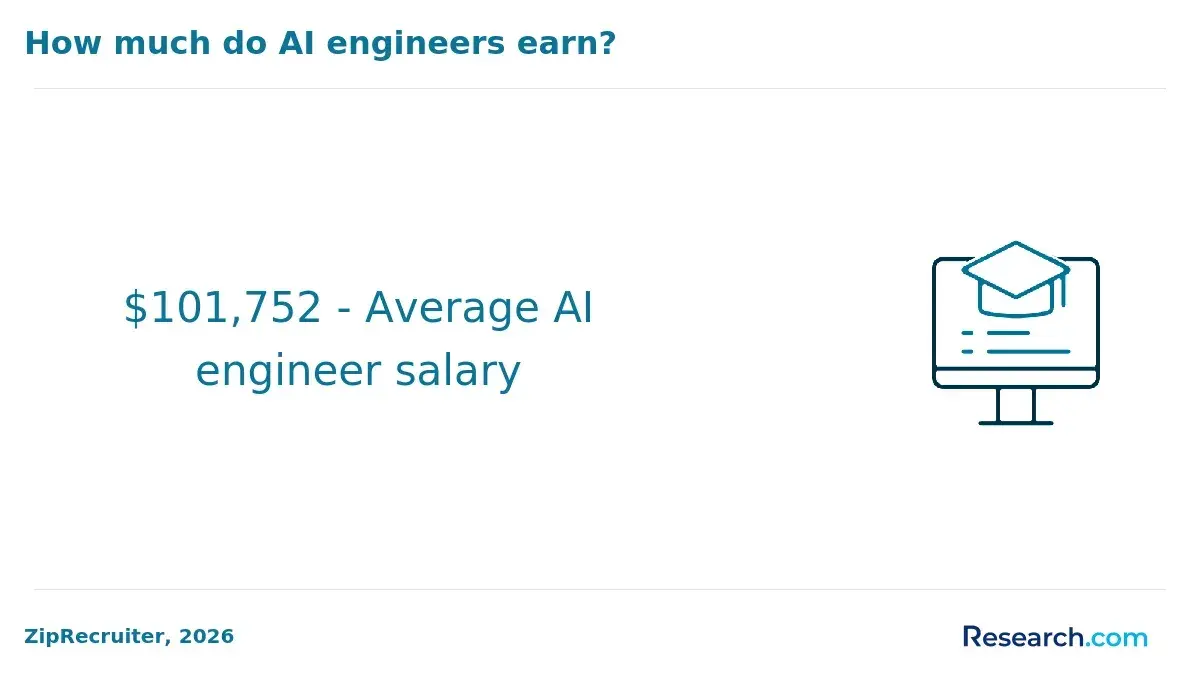
Salaries vary by experience, location, and employer size, generally exceeding traditional bookkeeping pay. Entry-level ai bookkeeping analysts earn between $50,000 and $65,000 annually, while advanced automation specialists and financial data strategists can earn $70,000 to $90,000 or more. Senior roles managing ai systems or optimizing financial processes may surpass $100,000.
Deloitte's 2024 "State of AI in Finance" survey reveals finance teams investing in ai training achieve a median 3.4x return on ai spend within two years through productivity gains and error reduction. This trend reflects strong demand for bookkeepers adept at leveraging ai tools for streamlined workflows and valuable data insights.
Key skills for competitiveness include proficiency in ai-powered accounting software, data analysis, and process automation. Familiarity with platforms integrating machine learning for predictive accounting and anomaly detection helps candidates stand out.
Additional career paths emerge by understanding ai's role in compliance, fraud detection, and financial forecasting. Continuous learning and certification in ai finance tools enhance advancement prospects in these evolving roles.
Other Things You Should Know About Artificial Intelligence
Yes, ethical concerns include data privacy, algorithmic bias, and transparency in AI-driven decisions. Bookkeepers must ensure that AI systems comply with regulations such as GDPR and that sensitive financial information is securely handled. It is also important to understand how AI algorithms make decisions to avoid unintentional errors or biases in financial reporting.
Artificial intelligence systems used in bookkeeping often incorporate machine learning, which allows them to improve over time by learning from errors and correcting patterns. For instance, AI can detect anomalies in transactions and adjust its processes to reduce future mistakes. However, human oversight remains essential to validate AI findings and intervene when necessary.
AI in bookkeeping is limited by the quality of data it receives and cannot fully replace human judgment, especially in complex financial decisions. It struggles with interpreting nuanced context, detecting fraud without specific patterns, or handling exceptions beyond its programmed parameters. As a result, combining AI with experienced bookkeepers offers the most reliable financial management approach.
References
- What are the prerequisites for an AI course if I’m from a non-technical background? https://www.h2kinfosys.com/blog/what-are-the-prerequisites-for-an-ai-course-if-im-from-a-non-technical-background/
- How AI in Accounting Is Transforming Jobs in Finance? https://www.mileseducation.com/blog/accounting/ai-accounting-transforming-finance-jobs
- The Difference Between an AI Bootcamp, a Certificate, and a Degree https://www.nexford.edu/insights/the-difference-between-an-ai-bootcamp-a-certificate-and-a-degree
- Will AI Replace Bookkeepers? The Honest Answer (2026) https://bankreconciler.app/blogWillAIReplaceBookkeepers
- 3 Ways to Tell if Your AI Certification is Credible - Bizzuka https://www.bizzuka.com/3-ways-to-tell-if-your-ai-certification-is-credible/
- Short Course in AI for Accountants https://accountingacademy.co.za/courses/show/short-course-in-ai-for-accountants
- Artificial Intelligence and Accreditation: Does It Really Help Us? https://nac-us.org/2025/11/25/artificial-intelligence-and-accreditation-does-it-really-help-us/
- AI Bookkeeping https://www.oxfordhomestudy.com/courses/ai-courses-online/ai-bookkeeping
- AI Interns for Bookkeeping: Cut Costs by 60% in 2026 https://gteams.ai/blogs/ai-interns-for-bookkeeping-cut-costs-60-percent/
- Practical AI for Bookkeepers https://www.nzqba.co.nz/courses/practical-ai-for-bookkeepers/