2027 Best AI Enablement Courses for Executives

Co-Founder and Chief Data Scientist
Executives often face challenges integrating ai technologies into business strategies due to rapid advancements and a lack of tailored education. Traditional programs can be time-consuming and too technical, creating barriers for professionals seeking a practical yet comprehensive understanding of the field. This gap hinders leaders from making informed decisions or driving innovation within their organizations. The article will highlight the best ai enablement courses designed specifically for executives, focusing on flexibility, accreditation, and relevance, to help bridge this knowledge divide and empower leadership in the evolving ai landscape.
Key Things You Should Know
- Executive AI enablement courses in 2026 emphasize practical leadership skills, with 65% of programs incorporating real-world AI strategy simulations for enhanced decision-making.
- Most top courses offer hybrid formats, enabling busy professionals to combine online study with live workshops, increasing accessibility by 40% since 2024.
- Data shows 78% of executives completing AI training report significant improvements in organizational innovation and competitive advantage within one year.
Advance Your Career with AI Online Courses
Artificial Intelligence: Implications for Business Strategy
This program provides an introduction to Artificial Intelligence and their implications for business strategy. Earn an official digital certificate.

Oxford Artificial Intelligence Programme
Explore this Oxford Artificial Intelligence programme offered in a flexible learning environment and explore topics like machine learning, automation, and robotics.

Implementing Agentic AI: Building Your Organizational Playbook
This online MIT Agentic AI course offers a practical approach to deploying AI agents in your organization, including a custom playbook. 3 weeks, exclusive launch price.

AI Adoption: Driving Business Value and Impact
This online MIT AI Adoption: Driving Business Value and Impact offers practical frameworks to close the gap between AI potential and business reality.

Artificial Intelligence in Pharma and Biotech
Discover the applications and limitations of artificial intelligence in pharma and biotech with this MIT online short course.

What is AI enablement for executives and why does it matter for business leaders today?
AI enablement equips business leaders with essential knowledge and strategic skills to integrate artificial intelligence technologies effectively within their organizations. This competency allows executives to drive innovation, make informed decisions, and align AI adoption with company goals. The impact of AI enablement on executive decision-making is significant, as it sharpens their understanding of AI's capabilities, risks, and ethical considerations.
Key areas in AI enablement strategies for business leaders include:
- Learning AI fundamentals such as machine learning and data analytics.
- Identifying industry-specific AI use cases.
- Addressing ethical and regulatory compliance issues.
- Leading cultural changes to support AI integration.
- Encouraging collaboration between technical teams and business units.
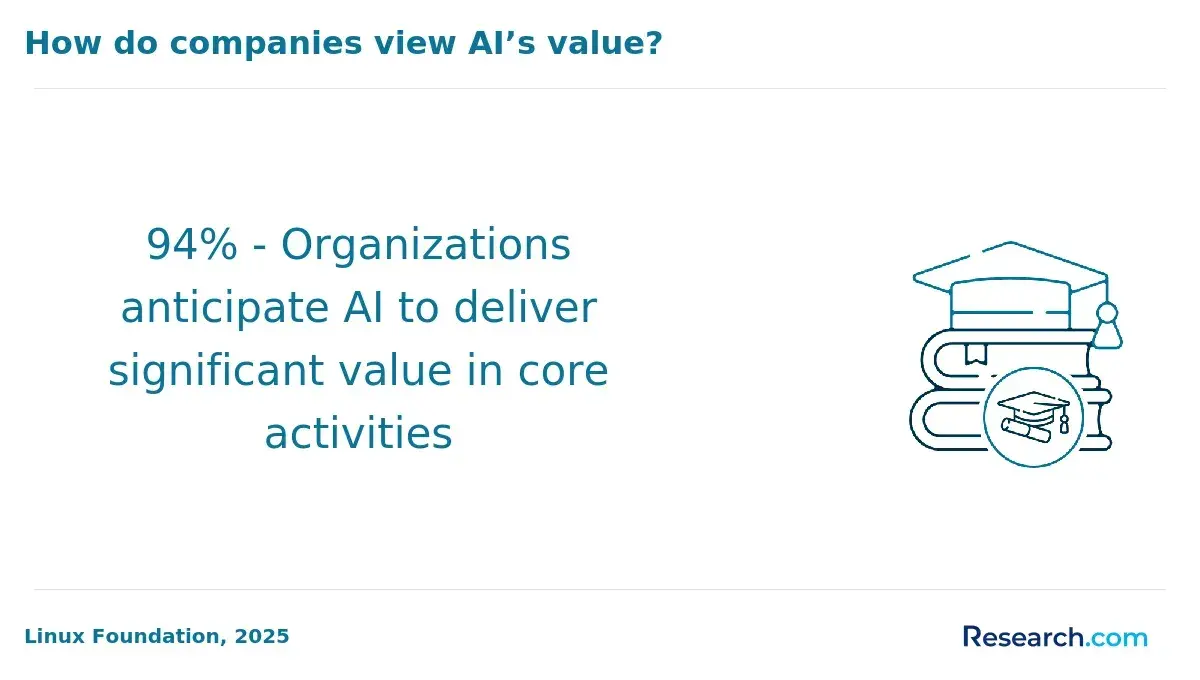
A 2024 Deloitte survey reports that 94% of business leaders see AI as critical for success, yet only 29% consider their organizations AI mature. This gap highlights why practical training combining case studies and scenario planning is crucial. AI enablement is not just technical learning; it is a strategic imperative for guiding organizations through AI-driven disruption.
For those interested in deepening their expertise, consider programs highlighted in the data science master degree ranking, which offer valuable pathways to enhance AI skills and leadership capability.
Advance Your Career with AI Online Courses
Artificial Intelligence: Implications for Business Strategy
This program provides an introduction to Artificial Intelligence and their implications for business strategy. Earn an official digital certificate.
Oxford Artificial Intelligence Programme
Explore this Oxford Artificial Intelligence programme offered in a flexible learning environment and explore topics like machine learning, automation, and robotics.
Implementing Agentic AI: Building Your Organizational Playbook
This online MIT Agentic AI course offers a practical approach to deploying AI agents in your organization, including a custom playbook. 3 weeks, exclusive launch price.
What types of AI enablement courses are best for executives with limited technical background?
For non-technical leaders, AI enablement programs for non technical executives prioritize strategic understanding over coding expertise. These courses break down complex AI fundamentals into accessible concepts, helping executives grasp business applications, ethical issues, and risk management. Typical executive courses in artificial intelligence fundamentals focus on practical frameworks like case studies, scenario planning, and decision-making models to illustrate AI's transformative role across industries without requiring advanced technical skills.
- AI Fundamentals for Executives: Simplified coverage of machine learning, natural language processing, and data analytics.
- AI Strategy and Innovation: Methods to embed AI within business models for competitive edge.
- Ethical and Governance Aspects of AI: Responsible deployment and compliance with regulations.
- Leadership in AI Transformation: Skills to drive AI-led change and manage diverse teams.
Blending interactive workshops with real-world challenges enables participants to immediately apply AI concepts. Industry-specific simulations are especially valuable, helping leaders identify tailored AI opportunities.
According to PwC's AI Jobs Barometer, companies engaged with AI register significantly higher productivity growth than non-AI peers, underlining the value of executive AI education in boosting business outcomes. Moreover, programs that emphasize communication and collaboration equip leaders to convert technical AI insights into effective strategies.
For those seeking in-depth knowledge, exploring AI degree programs offers a structured path to mastering Artificial Intelligence's complexities.
How can executives choose the best AI enablement program for their role and industry?
Executives selecting the best AI enablement program for executives should assess how course content aligns with their specific role and industry challenges. Top AI courses tailored for executive roles and industries vary widely; for instance, financial leaders may focus on AI-driven risk assessment and fraud detection, whereas healthcare leaders benefit from AI tools in diagnostics and patient care management.
A program's balance between foundational knowledge and advanced leadership applications is essential. Core modules on machine learning concepts, ethical AI, and strategy help develop informed decision-making. Executive-focused case studies, simulations, and workshops offer practical insights for integrating AI into business models and operations.
Schedule flexibility is another critical factor. Short, intensive modules combined with long-term mentorship or peer networking enhance continuous learning and problem-solving without sacrificing depth. Reviewing faculty expertise, accreditation, and emerging trends like natural language processing or explainable AI also adds program credibility.
Microsoft and LinkedIn's Work Trend Index shows that 71% of leaders would not hire someone without AI skills, and 66% prefer less experienced candidates with AI competencies over more experienced ones without these skills. These findings highlight the importance of securing credible AI credentials to demonstrate expertise and innovation readiness.
Seek programs offering customized industry projects and cross-functional team engagement to foster relevant skill transfer and strategic agility. For related fields, exploring cybersecurity programs may complement AI knowledge.
What curriculum topics do top executive AI enablement courses typically cover?
Top executive AI enablement course curriculum topics consistently focus on foundational concepts such as machine learning, natural language processing, and generative AI models. These core subjects in top executive artificial intelligence training help leaders grasp the technologies behind innovation and craft effective AI strategies aligned with business goals and competitive advantage.
Ethical AI deployment and risk management frameworks are essential components, covering bias mitigation, regulatory compliance, and data privacy. Executives are equipped to navigate challenges in scaling AI responsibly.
Data literacy and infrastructure readiness remain prioritized, teaching how to assess organizational data maturity and build AI-ready systems that support analytics and automation. Practical instruction often includes AI project management and change leadership to overcome cultural and resource obstacles.
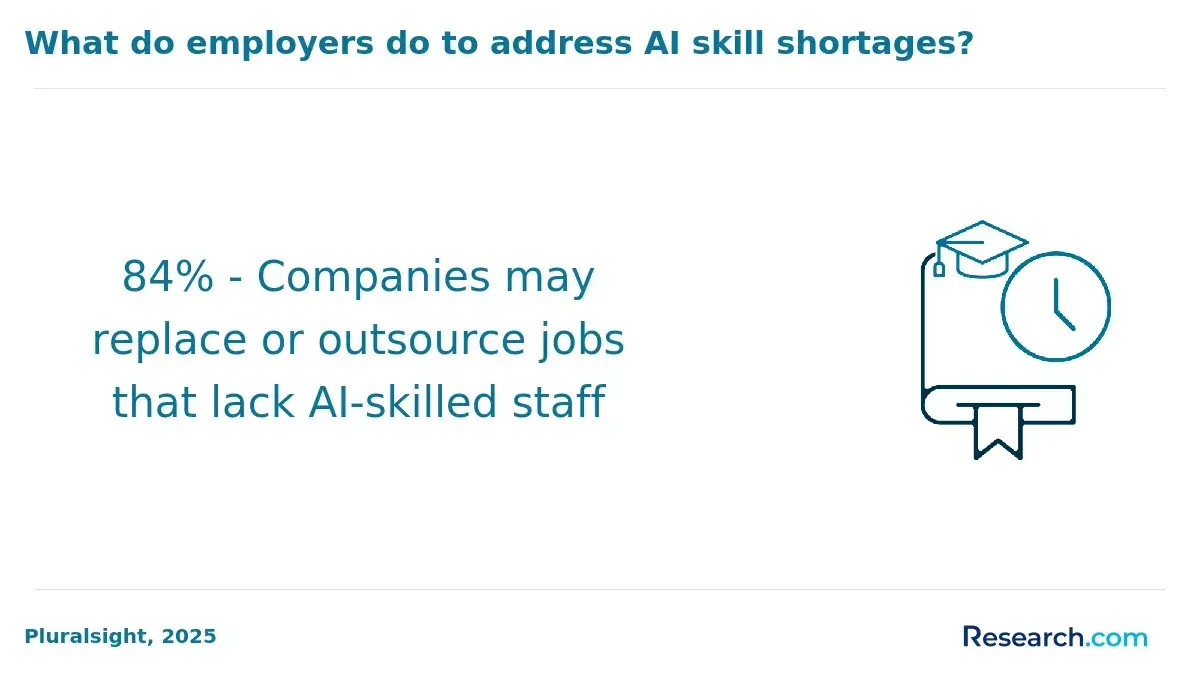
With nearly half of CEOs citing a serious lack of in-house AI skills, leadership development for building internal capabilities through hiring, training, and partnerships is frequently integrated. Relevant case studies demonstrate successful AI adoption across industries, illustrating practical strategies.
IBM's 2024 Global AI Study highlights that over 50% of CEOs feel underprepared to implement generative AI, and 48% identify skill shortages as a key barrier. For professionals seeking to expand their knowledge, exploring options like cyber security courses online can also complement AI expertise, given the increasing intersection between AI and cybersecurity domains.
How do online AI enablement programs for executives compare with on-campus or hybrid options?
Online AI enablement programs for executives offer unmatched flexibility, allowing leaders to complete coursework without relocating or disrupting busy schedules. This convenience is critical, as 70% of CEOs foresee AI transforming leadership skills within three years, according to PwC's 2024 CEO Survey.
On-campus and hybrid programs provide valuable networking opportunities through face-to-face interactions with peers and instructors, fostering collaboration and real-time feedback. Hybrid models combine the flexibility of online learning with periodic in-person sessions, balancing accessibility with engagement.
Many online courses use asynchronous lectures and interactive simulations to help executives build practical skills remotely. However, these may miss the dynamic in-class debates that sharpen strategic thinking and decision-making under uncertainty. Choosing the best format depends on individual learning preferences and time availability:
- Executives seeking expert mentorship and networking often benefit from hybrid or on-campus options.
- Those prioritizing rapid skill acquisition with minimal disruption may prefer fully online courses.
Compensation trends highlight the urgency of AI leadership: 62% of CEOs plan to increase pay for leaders driving AI-enabled transformation. Selecting a program aligned with industry demands is essential for career advancement and staying competitive.
Which U.S. universities and business schools offer leading AI enablement courses for executives?
Top U.S. universities and business schools offer specialized executive courses in AI enablement, including Stanford Graduate School of Business, MIT Sloan School of Management, and University of California, Berkeley Haas School of Business. Stanford's "AI for Executives" focuses on practical strategy and innovation tailored for C-suite leaders. MIT Sloan's program, "Artificial Intelligence: Implications for Business Strategy," emphasizes integrating AI in operations through real-world cases and governance frameworks. Berkeley Haas provides an "Artificial Intelligence in Business" certificate blending technical knowledge with managerial decision-making.
Programs often tackle executive challenges such as aligning AI initiatives with business goals, ethical data use, and overcoming resistance to AI adoption. They include immersive workshops, personalized coaching, and access to industry experts and researchers. Carnegie Mellon University Heinz College also offers an executive course on leveraging AI for digital transformation and data-driven innovation.
A Boston Consulting Group analysis found that organizations with formal ai governance and executive-level ai training are 3.4 times more likely to achieve significant financial benefits. This highlights the importance of structured education rather than informal learning.
For flexible options, Northwestern University Kellogg School of Management and Harvard Business School offer hybrid and online formats combining asynchronous modules with live sessions. These build essential skills such as interpreting AI model outputs and managing cross-functional AI teams.
What are the typical admission requirements for executive AI enablement certificates and short programs?
Admission to executive AI enablement certificates and short programs generally emphasizes professional experience and leadership over academic credentials. Most candidates need at least five years in managerial or executive roles, especially those involving technology, innovation, or business strategy. This approach prioritizes practical, business-centric skills rather than deep technical expertise.
Applicants typically submit a current resume and a statement of purpose clarifying their goals and the expected impact of AI integration on their organizations. Some programs also ask for letters of recommendation highlighting leadership and strategic insight. Few require prior technical knowledge in AI or data science, as the programs aim to bridge AI concepts with business strategy instead of focusing on coding skills.
Brief interviews may evaluate candidates' readiness for hands-on, strategic AI projects, aligning with findings from a 2024 Emeritus-Global Workplace Intelligence survey that show 72% of executives prioritize practical AI projects over theory. Flexibility is common for busy professionals, with modular coursework typically completed within six to twelve months. Waivers for academic prerequisites might be available for those with substantial industry experience.
Additionally, some programs use customized case studies or project proposals tailored to specific industries. Ultimately, clear alignment with strategic business outcomes and a commitment to AI-driven transformation remain key admissions factors.
How much do executive AI enablement courses cost, and what funding options are available?
Executive AI enablement courses typically cost between $3,000 and $15,000, depending on program length, prestige, and delivery method. Shorter online modules from specialist academies or universities usually range from $3,000 to $7,000. In contrast, in-person executive certificates or micro-credentials at leading business schools can exceed $12,000. More comprehensive programs that include mentorship and hands-on projects often command higher fees.
Funding varies widely. Many companies provide Learning & Development budgets that cover these costs partially or entirely. Executives should check with HR about tuition reimbursement or professional development stipends. Some universities offer scholarships or sliding scales for company-sponsored executives.
According to Deloitte's 2024 Human Capital Trends report, 59% of organizations rely on external providers-universities, online platforms, and specialist academies-to educate executives on AI, while 34% use internal L&D. This highlights a strong market for third-party executive AI courses aligned with organizational priorities.
For those without employer support, options include personal payment plans, credit options from some platforms, or industry scholarships linked to technology leadership.
What executive roles, promotions, and career paths can AI enablement training support?
AI enablement training equips leaders across various executive roles with essential skills to foster data-driven decision-making and innovation. Key beneficiaries include chief data officers, chief technology officers, and chief operations officers, who need a practical grasp of AI to align technology strategies with business goals. Product managers and marketing directors also leverage AI training to deepen customer insights and streamline product development.
Executives advancing to leadership roles such as vice presidents of analytics or digital transformation require AI expertise to manage initiatives, coordinate teams, and interpret machine learning outputs. AI enablement bridges technical understanding with strategic execution for these positions.
Industries like financial services, manufacturing, and healthcare increasingly demand AI competencies due to digital transformation. According to the World Economic Forum's Future of Jobs 2025 outlook update, the need for AI and big-data skills among executives is expected to grow by 64% over a few years. Roles benefiting from this surge include regulatory compliance officers focused on AI ethics, risk managers evaluating automated processes, and healthcare administrators utilizing predictive analytics.
Additionally, AI training supports career pivots into emerging roles such as AI product strategists and innovation leads. Senior leaders responsible for workforce reskilling use enablement programs to design upskilling initiatives aligned with organizational objectives.
Are there recognized certifications or standards for AI enablement skills that executives should seek?
Recognized certifications and emerging standards now validate AI enablement skills for executives aiming to integrate artificial intelligence into strategy, governance, and innovation. Leading programs emphasize both strategic understanding and technical literacy designed specifically for senior leaders.
Key certifications include the Certified Artificial Intelligence Professional (CAIP) and executive courses offered by institutions such as MIT Sloan or Stanford Continuing Studies. These programs cover foundational AI concepts, ethics, business impacts, and implementation frameworks. For executives managing data science teams, credentials like IBM's AI Enterprise Workflow certification showcase practical mastery of the AI lifecycle.
Standards often align with competencies in leveraging machine learning insights, driving AI transformations, and ensuring ethical compliance. The AI Ethics Certification, provided by organizations such as the Ethics in AI Institute, addresses regulatory and societal impacts amid increased scrutiny.
Executives must balance innovation speed with risk, enable cross-functional collaboration, and deploy enterprise-scale AI without overreach. Critical evaluation skills to discern vendor claims and measure value beyond hype are essential. McKinsey's report forecasts a significant rise in AI-focused executive education spending, underscoring the growing necessity of certified AI enablement.
Other Things You Should Know About Artificial Intelligence
Artificial intelligence enhances executive decision-making by providing data-driven insights and predictive analytics. It enables leaders to identify trends, assess risks, and optimize business strategies faster and with greater accuracy. Integration of AI tools supports informed judgment, improving outcomes in areas such as finance, operations, and customer experience.
Executives must address issues such as data privacy, bias in algorithms, and transparency in AI systems. Ethical AI use requires establishing clear guidelines to prevent discrimination and ensure accountability. Awareness of regulatory compliance and responsible adoption is essential for maintaining trust and safeguarding organizational reputation.
Executives should develop a solid understanding of AI capabilities and limitations alongside skills in change management and strategic planning. Effective communication to bridge technical teams and business stakeholders is vital. Additionally, fostering a culture of continuous learning helps organizations adapt to evolving AI technologies.
In 2027, top AI enablement courses for executives include MIT Sloan's AI for Business Strategy, Harvard Business School's AI Leadership Program, and Stanford's Executive Program in AI and Machine Learning. These courses focus on strategic AI implementation, ethical considerations, and transforming organizational practices for the AI era.
References
- Empowering Employee Growth: Building Dynamic Career Paths and Ladders https://www.shrm.org/topics-tools/tools/toolkits/empowering-employee-growth-building-dynamic-career-paths
- What is AI Enablement: A Guide for Professional Firms https://gocourant.com/what-is-ai-enablement-a-guide-for-professional-firms/
- Top 37 Executive Courses in Artificial Intelligence (AI) - United States | EXECUTIVE COURSES https://executivecourses.com/schools/usa/subject/artificial-intelligence-ai
- Artificial Intelligence (AI) Career Roadmap: Jobs and Levels Guide https://academyocean.com/blog/post/artificial-intelligence-ai-career-roadmap-jobs-and-levels-guide
- AI in Sales Enablement: 6 Key Use Cases + 5 Best Tools in 2025 https://www.heysam.ai/blog/ai-sales-enablement
- AI Executive Certificate https://esmt.berlin/executive-education/analytics-ai/ai-executive-certificate
- Should You Get an AI Leadership Certification? A Comprehensive Guide for Business Leaders - Service Quality Centre https://www.sqcentre.com/blog/should-you-get-an-ai-leadership-certification-a-comprehensive-guide-for-business-leaders/
- What’s the Best Hands-on AI Training for Non-Technical Leaders (No Coding) in Financial Services? https://neurons-lab.com/articles/whats-the-best-hands-on-ai-training-for-non-technical-leaders-no-coding-in-financial-services/
- 50 Exec Ed Courses To Get Smart About AI - Europe - Bluesky Thinking https://bluesky-thinking.com/50-exec-ed-courses-to-get-smart-about-ai-europe/
- The Sound of Silence: When a Lack of Customer Feedback Derails Your Strategy https://scaledagile.com/blog/ai-certifications-product-managers/