2027 Best AI Courses for Project Managers

Co-Founder and Chief Data Scientist
Project managers often face challenges adapting to rapidly evolving technologies, especially in fields like artificial intelligence. Without a strong foundation in AI concepts, managing AI-driven projects risks inefficiency and miscommunication between technical teams and stakeholders. This gap can delay delivery and inflate budgets.
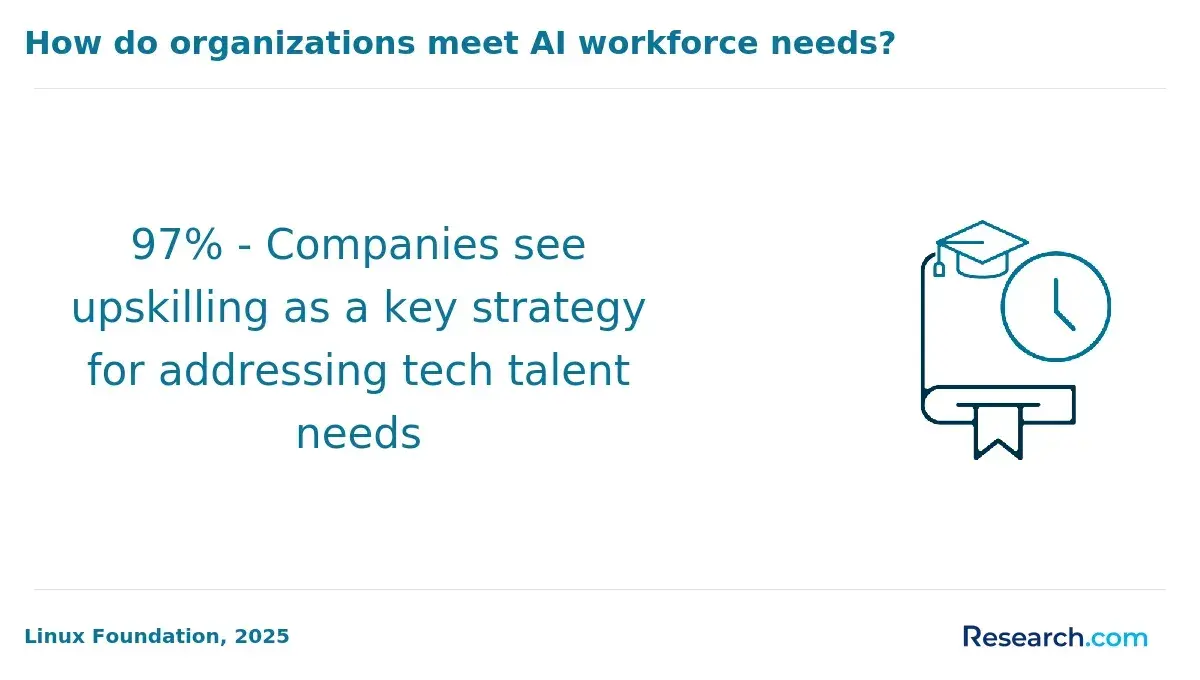
As AI increasingly integrates into business processes, acquiring practical skills becomes essential for career growth and project success. This article identifies top AI courses tailored for project managers, focusing on flexibility, accreditation, and relevance, to help professionals confidently lead AI initiatives and bridge knowledge gaps in their organizations.
Key Things You Should Know
- AI courses for project managers in 2026 prioritize integrating AI tools with project management methodologies, enhancing decision-making and efficiency by up to 40%, according to recent industry reports.
- Most top programs emphasize practical skills like AI-driven risk assessment and resource allocation, aligning with the 35% annual growth of AI adoption in project management roles.
- Flexible, online and hybrid course formats dominate offerings, catering to working professionals seeking certification without disrupting career progression, supported by a 2025 survey showing 70% preference for remote learning.
Advance Your Career with AI Online Courses
Artificial Intelligence: Implications for Business Strategy
This program provides an introduction to Artificial Intelligence and their implications for business strategy. Earn an official digital certificate.

Oxford Artificial Intelligence Programme
Explore this Oxford Artificial Intelligence programme offered in a flexible learning environment and explore topics like machine learning, automation, and robotics.

Implementing Agentic AI: Building Your Organizational Playbook
This online MIT Agentic AI course offers a practical approach to deploying AI agents in your organization, including a custom playbook. 3 weeks, exclusive launch price.

AI Adoption: Driving Business Value and Impact
This online MIT AI Adoption: Driving Business Value and Impact offers practical frameworks to close the gap between AI potential and business reality.

Artificial Intelligence in Pharma and Biotech
Discover the applications and limitations of artificial intelligence in pharma and biotech with this MIT online short course.

What makes an AI course valuable specifically for project managers?
Courses designed for project managers emphasize practical applications of artificial intelligence for project managers, enhancing decision-making, risk management, and resource allocation. Effective programs provide hands-on training with AI-powered project management software, such as predictive analytics for timeline forecasting and automated reporting tools, to build proficiency beyond theory.
Equipping project managers with AI project management skills development includes learning to interpret AI-generated data and convert it into actionable insights across diverse teams. Training in AI-driven collaboration platforms can improve stakeholder communication and transparency, critical for successful project outcomes.
According to the Project Management Institute's 2024 Pulse of the Profession® report, 67% of organizations prioritize AI highly in project management, yet only 18% of project managers demonstrate proficiency in AI tools. Programs that close this skills gap offer significant career advantage.
Ethical considerations are also integral, covering data privacy and bias mitigation within AI algorithms to ensure responsible AI integration in projects.
Key components of valuable courses include:
- Training on AI forecasting and risk analysis models
- Use of AI-enabled project scheduling and resource management software
- Techniques for leveraging AI to improve stakeholder communication
- Ethical frameworks for AI use in projects
For those seeking related educational pathways, exploring the best data science undergraduate programs can provide foundational skills to support advanced AI project management roles.
Advance Your Career with AI Online Courses
Artificial Intelligence: Implications for Business Strategy
This program provides an introduction to Artificial Intelligence and their implications for business strategy. Earn an official digital certificate.
Oxford Artificial Intelligence Programme
Explore this Oxford Artificial Intelligence programme offered in a flexible learning environment and explore topics like machine learning, automation, and robotics.
Implementing Agentic AI: Building Your Organizational Playbook
This online MIT Agentic AI course offers a practical approach to deploying AI agents in your organization, including a custom playbook. 3 weeks, exclusive launch price.
Which types of AI courses best fit project managers at different career stages?
Project managers at varying career stages need tailored AI courses to support professional growth and address evolving role requirements. Entry-level project managers benefit from foundational training covering artificial intelligence concepts, data analytics, and practical applications like AI-enabled scheduling, risk assessment, and resource optimization. These courses build a solid base for integrating AI into everyday project management tasks.
For mid-career project managers, the best artificial intelligence training programs for different project management career stages offer deeper insight into machine learning, natural language processing, and AI-driven decision-making frameworks. Hands-on projects may include automating reporting, predictive analytics, and AI-enhanced team collaboration tools - enabling these managers to spearhead AI adoption and boost efficiency in complex projects.
Senior project managers and PMO leads require advanced AI strategy courses focused on governance, ethics, and enterprise-level integration. Executive education helps leaders leverage AI to drive innovation, align initiatives with business goals, and manage cross-functional AI teams, preparing them to handle data privacy compliance and oversee AI transformation projects effectively.
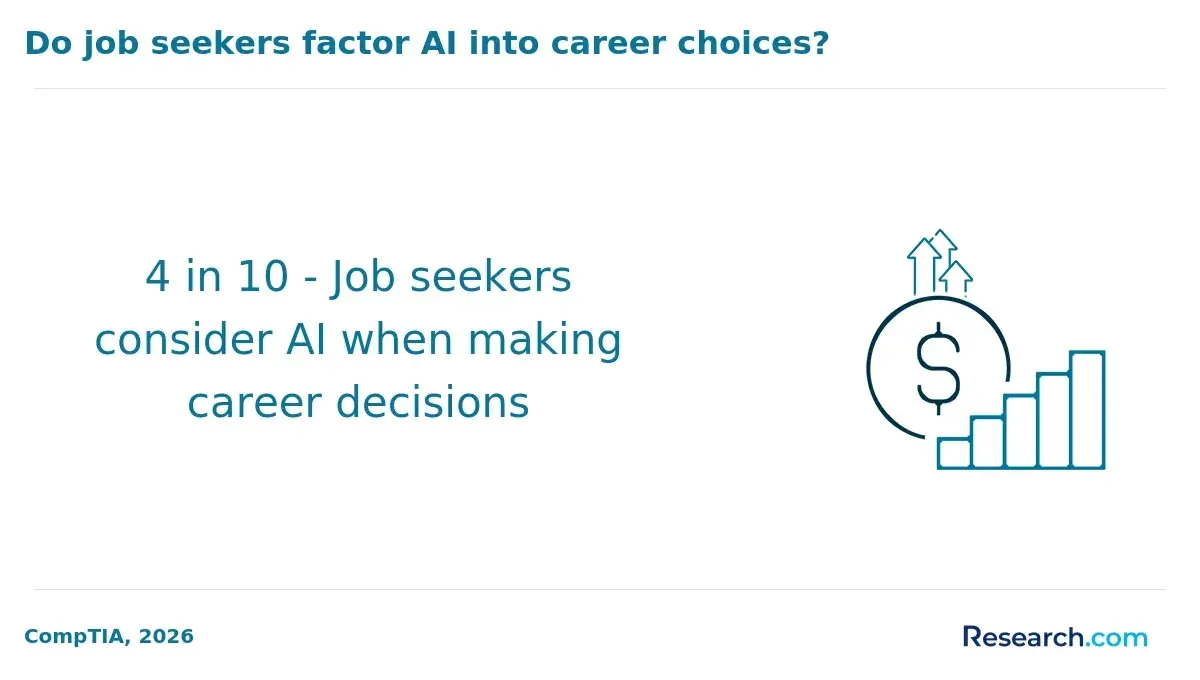
The demand for AI skills in project management is growing rapidly. Job postings requiring AI or machine learning capabilities increased by 79% between 2022 and 2024 in the US, UK, Canada, and India, reflecting a critical need for stage-appropriate AI education. For professionals seeking to combine technical knowledge with project management expertise, exploring engineering degrees can offer relevant pathways to cutting-edge skills and career advancement.
How do online, hybrid, and on-campus AI programs compare for project managers?
Online, hybrid, and on-campus AI programs for project managers offer varied benefits suited to different professional needs. Online programs maximize flexibility, ideal for working professionals balancing full-time jobs, with asynchronous learning and diverse resources.
However, they require strong self-discipline and may limit real-time interaction and networking. Hybrid formats combine online coursework with face-to-face sessions, providing mentorship, hands-on labs, and collaboration opportunities while maintaining some flexibility. On-campus programs provide immersive experiences, structured schedules, and peer interaction, which can deepen understanding but offer less schedule flexibility.
Choosing the right format depends on learning style, time availability, and career goals. A comparison of AI learning formats for project management professionals shows that hybrid programs often suit those seeking collaboration and flexibility, whereas on-campus settings benefit those who thrive in structured environments. Project managers proficient in AI report a 13% higher total compensation, emphasizing the career value of integrating these skills.
When evaluating programs, consider the curriculum's depth, industry connections, and practical AI tools training, such as AI-driven project scheduling and risk assessment. Certification recognized by industry or professional bodies further enhances career impact. For those exploring options, reviewing cybersecurity degrees can provide insights into comparable program affordability and structure.
What AI skills and topics should project managers look for in the curriculum?
Project managers aiming to develop AI project management skills for effective decision making should focus on courses that blend foundational knowledge with hands-on application. Key topics in artificial intelligence for project managers often include machine learning basics, data analysis, natural language processing, AI ethics, and governance, all essential for navigating AI-driven forecasting, risk assessment, and resource allocation tools.
Practical training in automation workflows and AI integration with project management software enhances efficiency through platforms offering advanced scheduling and automated reporting. This experience strengthens the ability to interpret AI insights alongside human judgment for balanced decision making.
Risk management training addresses AI-specific challenges such as model bias, reliability, and privacy concerns. Financial aspects emphasize cost-benefit analysis supported by case studies. According to Deloitte's 2024 "State of AI in the Enterprise" survey, 61% of organizations investing in AI training for project managers reported project cost savings exceeding 10% within 12 months, demonstrating strong ROI.
Courses that include AI-focused change management techniques equip managers to lead teams through the complexities of AI adoption. Additionally, skills in AI-driven performance metrics and continuous improvement methods promote long-term project success.
Professionals interested in combining AI with technical expertise may explore pathways like online electrical engineering degree programs for veterans, which complement AI skills for advanced project management roles.
How can project managers verify AI course quality, accreditation, and instructor expertise?
Project managers assessing AI courses should begin by verifying accreditation from recognized educational bodies. Accredited programs adhere to academic standards and maintain industry relevance, with common accreditors including regional agencies and specialized technology or business education organizations. Accreditation status should be clearly indicated in course descriptions.
Instructor expertise is crucial and can be evaluated by reviewing credentials and professional histories. Instructors experienced in project management and practical AI applications offer deeper insights. Ideal instructors often hold certifications such as PMP combined with AI specialization, have published in reputable journals, or contributed to recognized AI project management standards. Verified LinkedIn profiles or faculty pages help confirm these qualifications.
Courses featuring case studies or examples connected to real-world AI integration in project management are especially valuable. Research shows that many project professionals utilize generative AI tools like ChatGPT or Copilot weekly for scheduling, reporting, and risk analysis. Practical labs or assignments simulating these tools demonstrate course relevance and applicability.
Additional quality indicators include third-party reviews, testimonials from former project management participants, and transparent curricula covering topics such as AI ethics, model evaluation, and integration with project management software. Engagement with AI research communities or partnerships with recognized institutions further enhances course legitimacy and instructor expertise.
What are typical admission requirements and prerequisites for AI courses for project managers?
Admission requirements for AI courses tailored to project managers typically emphasize solid project management experience alongside a basic technical aptitude. Most programs expect candidates to have at least two years of relevant project management or related experience, which helps them apply AI tools effectively within project workflows. While a bachelor's degree in business, engineering, information technology, or a related field is often preferred, it is not always mandatory.
Some courses require prior knowledge of data analysis or programming fundamentals such as Python or SQL, though introductory modules may be offered for those lacking this background.
- Familiarity with project management methodologies like Agile or Waterfall
- Understanding data-driven decision-making principles
- Competence with project management software
- Basic programming or statistical skills, depending on course demands
Executive-level or certificate programs designed for experienced project managers often prioritize leadership experience and strategic AI understanding rather than hands-on technical skills. Bridging workshops are sometimes available to help applicants without a strong technical background catch up.
With 44% of PMO leaders predicting "basic AI literacy" as a required skill for project managers by 2027, admissions are increasingly focusing on digital fluency and adaptability. Prospective students should verify whether a program is beginner-friendly or requires solid technical foundations to avoid skill gaps during enrollment.
How long do AI courses for project managers take, and what do they cost?
AI courses for project managers vary widely in length and intensity, typically spanning from a few weeks to several months. Short courses and certification programs generally require 3 to 6 hours of weekly commitment over 4 to 8 weeks. More extensive offerings, such as professional certificates or specialized diplomas, can last 3 to 6 months and include 50 to 150 hours of instruction with practical case studies.
Costs depend on the program's scope and provider. Entry-level AI courses often range from $300 to $1,200, making them accessible for beginners. Mid-level programs tailored for project managers, focusing on AI tools and delivery methods, typically cost between $1,000 and $3,500. Advanced programs with comprehensive content and expert instruction can exceed $5,000.
Employer support is growing, with 72% of companies planning to expand AI use in project delivery aiming to sponsor at least one AI course or certification per project manager in the near future, according to the APMG International & Wellingtone "Future-Ready PMO" report. This trend helps reduce financial barriers and promotes continuous learning.
Project managers should consider factors like course duration, flexibility, and alignment with recognized project management standards when choosing. Self-paced options offer scheduling convenience, while instructor-led courses provide structure and expert guidance-both valuable depending on individual career goals and workload.
What career benefits and new roles can AI training unlock for project managers?
AI training significantly benefits project managers by enhancing their data-driven decision-making and automating routine tasks. Skilled project managers can streamline workflows, improve risk management using predictive analytics, and optimize resource allocation. These abilities open pathways to roles like AI project leads, automation specialists, and AI integration consultants, especially in organizations undergoing digital transformation.
Managing AI projects often requires bridging technical and business teams. For example, overseeing machine learning deployments or AI-driven product development demands knowledge of algorithms and data pipelines alongside traditional project milestones. This broadens project management roles into areas such as AI ethics compliance coordination and AI strategy alignment.
Online course enrollment tagged "AI for project management" increased 240% from 2021 to 2024, reflecting strong market demand. Professionals with these skills report higher promotion rates and salary increases due to managing AI initiatives effectively. They implement AI-powered project management tools that boost productivity and transparency.
Key benefits include mastering AI-driven project scheduling, risk forecasting, and real-time performance tracking. Project managers can evolve into hybrid roles combining AI oversight with operational management, making them indispensable in digital workplaces. This skill growth future-proofs careers as AI reshapes organizational functions across industries.
How do salaries and job outlook change for project managers with AI expertise?
Project managers with AI expertise earn notably higher salaries, enjoying increases of 10% to 25% over peers without these skills. This premium is driven by strong demand for professionals who can leverage AI to enhance project planning, risk management, and execution. Employers value candidates proficient in AI-enabled data analysis, automated reporting, and predictive analytics.
Industries such as construction, IT, finance, and manufacturing are adopting AI-driven project management practices extensively. Projects using AI tools demonstrate a 27% higher chance of meeting or exceeding ROI targets, according to McKinsey & Company's 2024 analysis on AI in project delivery. This advantage creates a competitive edge for hiring and career growth.
Project managers skilled in AI gain faster advancement opportunities, more strategic roles, and access to larger budgets. Certifications that combine traditional project management with AI methodologies are increasingly sought after by employers. Key areas of AI experience include platforms for resource allocation and timeline optimization.
Without AI competencies, project managers risk falling behind as AI-enhanced efficiencies become standard practices across sectors. Developing AI skills is essential for those aiming for meaningful impact and upward mobility in today's technology-driven market.
How should project managers choose between certificates, microcredentials, and degree programs in AI?
Project managers aiming to integrate artificial intelligence into their expertise should select between certificates, microcredentials, and degree programs based on their career goals, time constraints, and desired knowledge depth.
Certificates focus on targeted skills for immediate use and are perfect for those who want to enhance their project management toolkit with specific AI-related concepts. For example, a certificate in AI-driven risk management provides practical techniques to improve workflows without requiring extensive time commitment.
Microcredentials offer modular learning paths that validate competence in specialized AI fields. They are ideal for professionals who want to develop expertise progressively, such as acquiring credentials in machine learning fundamentals, natural language processing, or AI ethics to build a versatile skill portfolio.
More comprehensive are degree programs, including bachelor's and master's degrees, which provide in-depth theoretical foundations and research experience. These prepare managers for leadership roles overseeing complex AI projects and usually require one to two years of full-time study.
By 2030, 80% of project management tasks done manually today will incorporate AI, while the need for human project managers is projected to grow by 23% globally. This underscores the value of combining operational AI skills from certificates or microcredentials with strategic knowledge gained through degree programs.
Choosing the right education path depends on whether immediate skill application or long-term leadership readiness is the priority.
Other Things You Should Know About Artificial Intelligence
Project managers often encounter challenges such as unclear objectives, insufficient data quality, and lack of AI expertise within the team. Additionally, integrating AI solutions into existing workflows and managing stakeholder expectations can complicate project execution. Addressing these issues requires strong communication skills and a clear understanding of AI capabilities and limitations.
AI enhances decision-making by providing data-driven insights and predictive analytics that improve accuracy and efficiency. It helps identify risks earlier and optimize resource allocation. However, managers must balance AI recommendations with human judgment, as AI tools depend heavily on data quality and context.
Project managers should ensure AI systems are transparent, fair, and unbiased. This includes addressing data privacy concerns and avoiding discriminatory algorithms. Ethical AI also requires ongoing monitoring and clear documentation of how AI decisions affect stakeholders.
In 2027, AI tools like Microsoft Project AI, Wrike AI Suite, and Smartsheet's Intelligent Workflow offer enhancements to project managers' efficiency by providing predictive analytics, automated scheduling, and real-time data insights. These tools are designed to complement and enhance human decision-making, not replace it entirely.
References
- Project Management & Change Salary Guide 2026 | IT Search | IT Recruitment Agency https://itsearch.ie/resource/project-management-change-salary-guide-2026/
- AI for Project Managers Certification https://agileseekers.com/artificial-intelligence/ai-for-project-managers-certification-training
- IPM AI Project Professional® https://projectmanagement.ie/courses/ipm-ai-project-professional/
- AI+ Project Manager Fundamentals | AI CERTs | Lumify Work https://www.lumifywork.com/en-au/courses/ai-project-manager/
- Transform Workflows with AI Certification for Project Managers https://datacipher.net/ai-project-manager-certification-training-guide/
- Salary of AI-Certified Project Managers Worldwide (2026 Data) https://zoetalentsolutions.com/ai-certified-project-management-compensation-statistics/
- The Future of Project Management: Trends and Technologies | Elmhurst University Elmhurst University Blog https://www.elmhurst.edu/blog/the-future-of-project-management-trends-and-technologies/
- Online vs Campus Artificial Intelligence Degree Programs: Complete Comparison https://hakia.com/compare/artificial-intelligence-online-vs-campus/
- Five AI Skills Every Project Manager Should Build https://humentum.org/resources/five-ai-skills-every-project-manager-should-build/
- Hybrid Master Business Management in Data Analytics & AI https://www.steinbeis-next.de/master-business-management/hybrid/data-analytics-ai/
- MastersInAI.org. (2025). 2025 AI Degree Report: The Landscape of AI Degrees in the United States. https://www.mastersinai.org/ai-degree-report