2027 Best Agentic AI Courses for Accounting Managers

Co-Founder and Chief Data Scientist
Accounting managers face increasing pressure to integrate agentic AI tools into their workflows to enhance decision-making and automate complex tasks. Yet many struggle to find credible, flexible courses that bridge accounting expertise with emerging AI technologies. The challenge lies in identifying programs that accommodate professionals from non-technical backgrounds while providing practical skills aligned with industry demands.
This article explores top agentic AI courses designed to help accounting managers acquire relevant knowledge and pivot successfully into AI-driven roles, offering a clear pathway to career advancement in the evolving financial landscape.
Key Things You Should Know
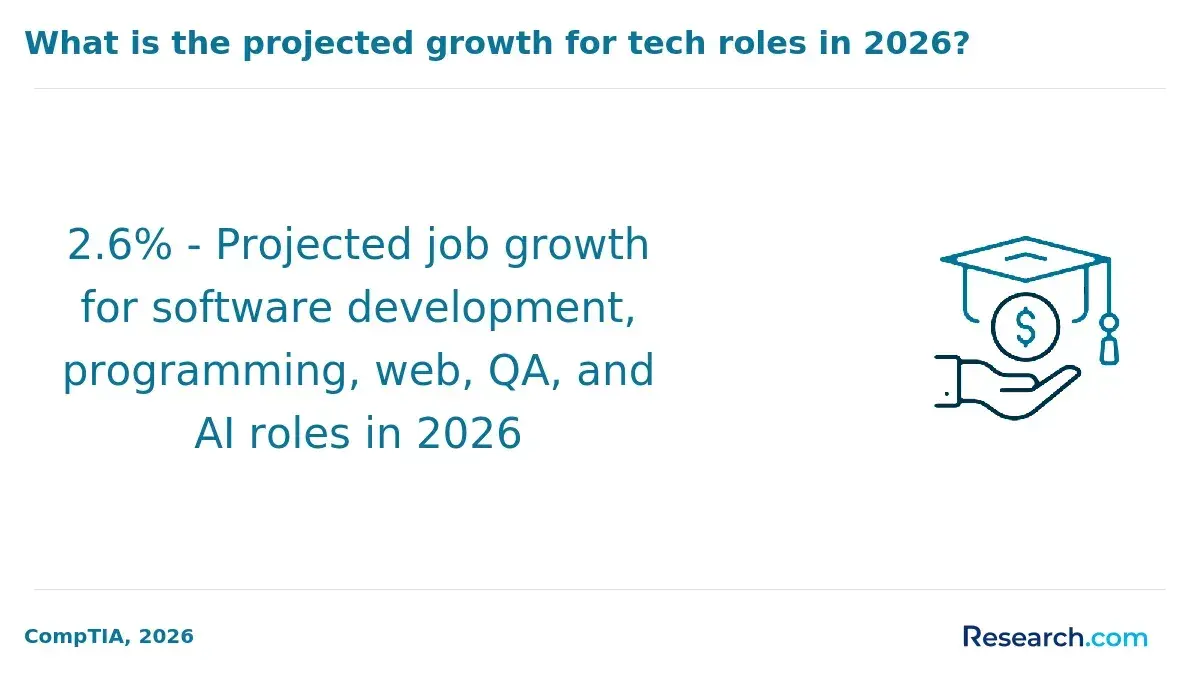
- Agentic AI courses for accounting managers in 2026 emphasize practical skills in decision-making automation and predictive analytics to enhance financial reporting accuracy by up to 40%.
- Programs increasingly incorporate ethical AI use and regulatory compliance, reflecting 2025 updates to U.S. financial standards affecting AI-driven accounting practices.
- Enrollment in agentic AI accounting courses grew 35% from 2024 to 2025, driven by rising demand for AI-savvy managers able to optimize business intelligence tools.
Advance Your Career with AI Online Courses
Artificial Intelligence: Implications for Business Strategy
This program provides an introduction to Artificial Intelligence and their implications for business strategy. Earn an official digital certificate.

Oxford Artificial Intelligence Programme
Explore this Oxford Artificial Intelligence programme offered in a flexible learning environment and explore topics like machine learning, automation, and robotics.

Implementing Agentic AI: Building Your Organizational Playbook
This online MIT Agentic AI course offers a practical approach to deploying AI agents in your organization, including a custom playbook. 3 weeks, exclusive launch price.

AI Adoption: Driving Business Value and Impact
This online MIT AI Adoption: Driving Business Value and Impact offers practical frameworks to close the gap between AI potential and business reality.

Artificial Intelligence in Pharma and Biotech
Discover the applications and limitations of artificial intelligence in pharma and biotech with this MIT online short course.

What is agentic AI and why does it matter for today's accounting managers?
Agentic AI systems are transforming accounting management by autonomously performing tasks like data analysis, anomaly detection, and compliance reporting without constant human oversight. This shift allows accounting managers to move from routine processing to strategic decision-making roles. The importance of agentic AI for accounting professionals lies in its ability to automate repetitive tasks such as transaction categorization, invoice processing, and regulatory checks, improving both accuracy and operational efficiency.
For instance, autonomous AI can flag suspicious financial activities in real time, enhancing fraud detection and risk management while reducing turnaround times. A 2025 CPA.com survey highlights that 82% of U.S. CPA firms expect agentic or autonomous AI to significantly change advisory and compliance services within three years, underscoring the need for accounting managers to become proficient in AI literacy to stay competitive.
To adapt, managers should upskill in AI-driven analytics tools and incorporate AI outputs into workflows effectively. Agents with decision-making abilities also raise important compliance and ethical considerations, so knowledge of AI governance frameworks is essential. Using agentic AI applications in accounting management empowers managers to lead intelligent automation initiatives and increase their strategic impact.
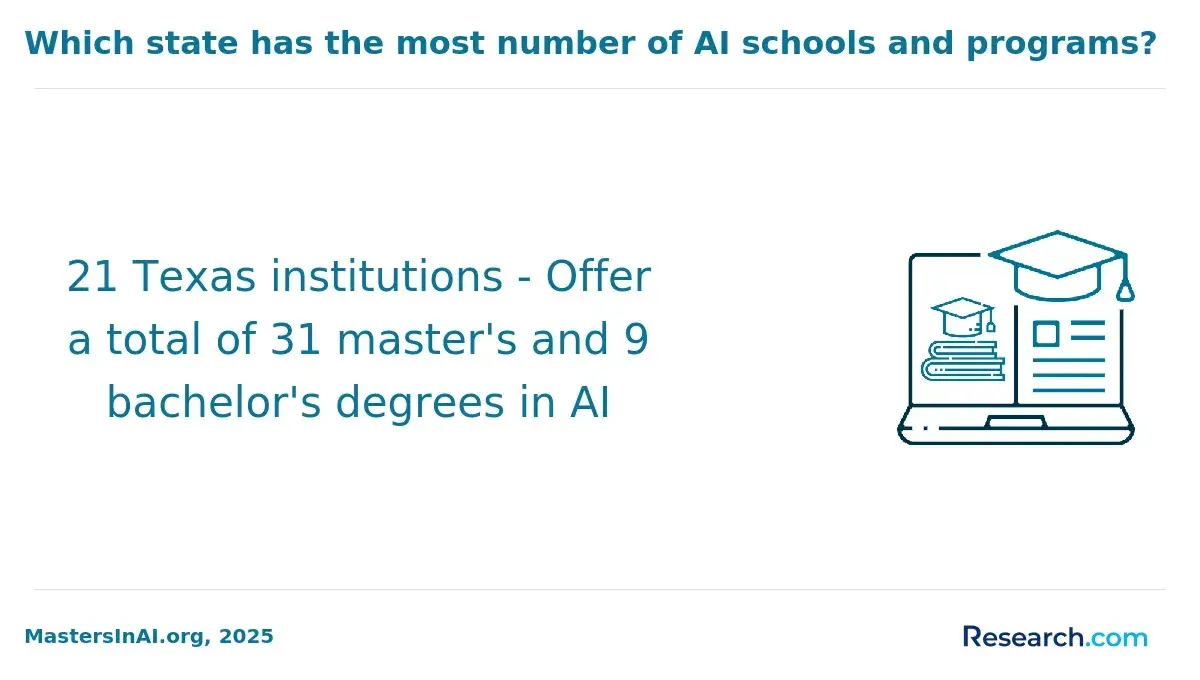
Students and professionals interested in exploring this field further might consider pursuing an artificial intelligence major, which offers foundational skills relevant to the evolving demands of accounting and finance sectors.
Advance Your Career with AI Online Courses
Artificial Intelligence: Implications for Business Strategy
This program provides an introduction to Artificial Intelligence and their implications for business strategy. Earn an official digital certificate.
Oxford Artificial Intelligence Programme
Explore this Oxford Artificial Intelligence programme offered in a flexible learning environment and explore topics like machine learning, automation, and robotics.
Implementing Agentic AI: Building Your Organizational Playbook
This online MIT Agentic AI course offers a practical approach to deploying AI agents in your organization, including a custom playbook. 3 weeks, exclusive launch price.
How can agentic AI courses help accounting managers automate and enhance key workflows?
Agentic AI courses for accounting workflow automation equip accounting managers with practical skills to streamline and enhance essential financial processes. By mastering these tools, managers can automate repetitive tasks such as transaction processing, invoice reconciliation, and financial reporting. According to Auxis, finance teams using agentic AI reduced manual transaction work by up to 60%, redirecting 25-40% of their capacity toward higher-value activities, demonstrating clear productivity improvements.
Agentic AI training to enhance accounting management tasks focuses on deploying autonomous AI agents capable of performing complex multi-step processes without human intervention. For example, AI can automatically match payments to invoices, flag discrepancies for review, and generate audit-ready reports, reducing errors and speeding up closing cycles.
Courses also cover AI-driven data extraction from unstructured documents, enabling accurate and faster input of financial data. Managers learn to integrate these AI solutions with ERP systems to automate workflows seamlessly, minimizing delays from manual entry or interdepartmental dependencies. Curricula often include case studies showing measurable outcomes like enhanced compliance and cost savings.
Beyond automation, agentic AI enhances financial decision-making by analyzing data intelligently, assessing risks, and identifying trends. Managers trained in these skills can shift focus toward strategic and advisory roles, driving greater organizational value. Those interested in pursuing such expertise can explore programs like an online AI degree for comprehensive training.
What types of agentic AI courses are best for current and aspiring accounting managers?
The best agentic AI courses for accounting managers teach how to integrate AI-driven financial automation, data analytics, and strategic AI deployment in accounting workflows. Practical training on using systems like robotic process automation (RPA) combined with enterprise resource planning (ERP) tools equips managers to automate accounts payable, revenue recognition, and audit processes, directly addressing common operational challenges.
Courses that emphasize interpreting AI-generated insights improve managerial decision-making and ensure compliance with financial regulations. Modules on AI ethics and governance help navigate regulatory scrutiny, a critical aspect in today's finance departments.
Experienced accounting managers benefit from advanced training in predictive analytics and risk modeling with machine learning to enhance fraud detection and cash flow forecasting. Aspiring accounting professionals should focus on foundational courses balancing accounting principles, hands-on AI tools, and change management strategies. Developing soft skills to lead cross-functional teams through AI adoption is increasingly necessary to overcome resistance to automation.
A 2024 Safebooks AI analysis revealed that agentic AI deployments in mid-size finance departments reduced end-to-end close time by 30-50% and cut operational finance costs by 20-30%, demonstrating these skills' tangible business value. Those interested in expanding AI expertise in data science may consider programs like a master of data science online to deepen their qualifications and career prospects.
The best agentic AI training for aspiring accounting professionals combines technical skills with leadership capabilities to drive effective AI adoption in finance teams.
What should accounting managers look for in accredited, reputable agentic AI programs?
Accounting managers seeking accredited agentic AI training programs should prioritize curricula that emphasize real-time auditing and fraud detection. Research shows that agentic AI-enabled real-time auditing can boost anomaly and fraud detection rates by up to 50% compared with traditional sampling methods. Programs that focus on practical training with AI tools for continuous monitoring and automated risk assessment are more effective than those offering only theoretical knowledge.
Essential criteria for reputable agentic AI courses for accounting professionals include:
- Accreditation by recognized accounting or technology education bodies to ensure credibility and alignment with industry standards.
- Incorporation of advanced machine learning and natural language processing applied to accounting data.
- Case studies or projects simulating real-world financial environments for hands-on anomaly detection and compliance verification.
- Faculty expertise blending accounting knowledge with AI technologies.
- Training on ethical AI use and regulatory compliance for responsible implementation.
- Exposure to industry-standard AI platforms such as agentic auditing systems and fraud analytics tools.
Prospective students should verify program outcomes by reviewing alumni success in improving AI-driven audit efficiency or fraud mitigation. Scalability and adaptability of AI solutions within accounting functions like financial reporting and regulatory compliance are critical. Certifications aligned with professional bodies such as the AICPA or partnerships with technology providers reinforce relevance. Additionally, those interested can explore specialized paths such as online electrical engineering degree programs for veterans to complement their expertise in AI applications.
How do online agentic AI courses for accounting managers compare with campus-based options?
Online agentic AI courses for accounting managers provide flexibility and immediacy that campus-based programs often lack. These courses focus on practical skills using contemporary AI tools relevant to accounting tasks, such as automated reconciliations and revenue recognition. AIMultiple's 2024 market review highlights that over 70% of accounting AI-agent tools concentrate on these key controllership activities. Online formats typically feature up-to-date software simulations and real-world case studies, allowing learners to apply agentic AI solutions to audit support and other functions directly.
Campus-based programs offer structured learning environments with faculty interaction and networking opportunities but may be slower to update curricula in alignment with fast-changing AI technologies. They also require significant time commitments, which can interfere with professional responsibilities. In contrast, online courses are often asynchronous, letting managers learn alongside their daily work.
Accounting managers evaluating options should weigh:
- Specialization in agentic AI functions
- Hands-on practice with AI tools
- Instructor expertise and curriculum currency
- Flexibility for balancing work and education
Online agentic AI courses are particularly suited for quick adaptation to software advances, such as modules on AI-driven audit workflows. This adaptability makes them a preferred choice for keeping pace with evolving AI integration in accounting roles.
What core skills and topics do the best agentic AI courses cover for accounting leaders?
Agentic AI courses for accounting leaders focus on vital skills that enhance strategic use and management of AI tools in finance. Key areas include AI-driven automation to streamline accounts payable, receivable, and financial reporting processes. Mastery of predictive analytics enables accurate forecasting, budgeting, and risk assessment, while data literacy helps interpret and validate AI-generated insights for sound financial decisions.
Ethical governance and compliance training ensures transparency and regulatory adherence when deploying AI in accounting. Leaders also gain expertise in integrating agentic AI with ERP and financial systems to optimize workflow and data accuracy. Practical skills with conversational AI and natural language processing improve client interaction and automate routine inquiries, increasing team efficiency.
Soft skills such as change management and AI-enhanced leadership prepare managers to guide their teams through technological changes with minimal disruption. Scenario-based learning covers AI failure modes and error mitigation, fostering strategic agility alongside technical proficiency.
A significant study from Auxis showed finance leaders trained in AI tools achieved 1.5 to 2 times greater savings from automation than those without such training. This evidence highlights the importance of investing in skill-focused AI education for accounting professionals seeking to maximize value from emerging technologies.
What are the typical admission requirements and prerequisites for agentic AI accounting programs?
Admission to agentic AI accounting programs typically requires a bachelor's degree in accounting, finance, business administration, or a related field. Many programs prefer applicants with backgrounds in data analytics, statistics, or computer science to manage the technical aspects of AI applications. Prerequisites often include knowledge of accounting principles, software, and strong quantitative skills. Familiarity with programming languages like Python or R is increasingly important, as these are commonly used in AI-driven financial automation.
Professional experience is highly valued, especially for graduate-level programs. Candidates seeking management-focused courses may need two to five years of relevant industry work to effectively apply AI concepts in real financial settings. This need aligns with findings by Safebooks AI, which highlighted that 64% of CFOs and senior finance leaders rate their teams' AI and agentic-AI skill levels as "insufficient" for automation initiatives.
Standardized tests such as the GMAT or GRE are less frequently required but can appear in competitive admissions. Certifications like CPA or CFA, along with strong quantitative transcripts, strengthen applications. Some programs also use interviews or assessments to test problem-solving and technical abilities.
Applicants should focus on building a solid foundation in accounting and quantitative methods while enhancing programming and data analytics skills to succeed in these evolving agentic AI programs.
How long do agentic AI programs for accounting managers take, and what do they cost?
Agentic AI programs for accounting managers vary from 6 weeks to 6 months, catering to different learning needs. Shorter courses of 6 to 8 weeks concentrate on foundational skills such as automation frameworks, AI-driven analytics, and workflow integration, making them suitable for working professionals looking for efficient upskilling. Longer, more comprehensive programs lasting 3 to 6 months dive into advanced topics, including machine learning applications, agentic AI software development, and practical projects simulating real accounting scenarios.
Costs depend on program length, complexity, and institution type. Entry-level courses often start around $1,000 and are generally available through online platforms or university continuing education. More specialized certificates and bootcamps can range from $5,000 to $12,000, while executive programs from business schools may exceed $15,000, blending AI expertise with leadership skills.
Accounting managers should prioritize programs offering hands-on experience with agentic AI financial tools and automation pipelines to directly apply new skills at work. According to Auxis, finance managers who lead AI and agentic AI automations earn 15-25% higher total compensation than peers without such responsibilities.
Consider if courses include training in relevant software like RPA tools or AI auditing platforms, as well as scheduling flexibility and employer tuition assistance, which can enhance practical learning and career growth opportunities.
What career outcomes, roles, and promotions can agentic AI training unlock for accounting managers?
Agentic AI training equips accounting managers with skills to lead automation initiatives and optimize processes through data-driven decision-making. Those proficient in agentic AI workflows can direct teams implementing intelligent automation, reducing manual accounting tasks substantially in complex areas such as revenue recognition and lease accounting. According to Trullion's 2024 data, AI-agent-driven workflows cut manual work by 40-70%, accelerating month-end close cycles and enabling finance professionals to focus on strategic priorities.
This enhanced efficiency opens pathways for managers to advance into specialized roles such as AI integration specialists, finance transformation leaders, or operational excellence managers. Career growth opportunities include promotions to director-level positions overseeing AI-driven financial reporting and compliance. Additionally, managers can transition into consultancy or internal training roles, promoting AI literacy throughout organizations.
- Leadership roles in finance automation and AI implementation projects
- Positions managing cross-functional AI and accounting teams
- Consultancy opportunities focused on AI-driven regulatory compliance
- Specialist roles developing AI-augmented financial controls and risk assessments
Mastering agentic AI also drives compensation growth and broader responsibilities in digital finance strategy, positioning professionals to solve data processing bottlenecks. These skills are essential for future-ready finance leadership, blending technical proficiency with accounting expertise.
How does agentic AI expertise affect salary potential and job security for accounting managers?
Agentic AI expertise significantly boosts salary potential and job security for accounting managers by providing essential skills for modern financial operations. Enrollment in Udacity's "Agentic AI for Financial Services" program increased over 200% year-over-year, with more than half the participants from accounting, audit, or controllership roles, highlighting strong industry demand.
Accounting managers with agentic AI knowledge can automate tasks such as reconciliations and anomaly detection, reducing errors and allowing focus on strategic initiatives. Organizations using these tools report up to 30% faster financial close times, showing the operational benefits and justifying salary premiums for AI-savvy managers.
Job security strengthens as companies prioritize AI literacy to meet complex financial and regulatory challenges. Managers without AI skills may face obsolescence, while those with training often gain leadership opportunities or move into emerging roles like AI compliance and data governance.
To enhance career prospects, accounting managers should pursue practical AI courses covering algorithm design, data interpretation, and AI ethics for finance. Many employers now fund AI education, making ongoing upskilling a valuable investment.
Other Things You Should Know About Artificial Intelligence
Yes, understanding machine learning is crucial because it underpins many agentic AI systems used in accounting. Machine learning enables AI tools to analyze large financial datasets, identify patterns, and improve over time, which helps accounting managers make data-driven decisions more effectively.
In 2027, accounting managers using agentic AI should be aware of ethical considerations such as data privacy, bias in AI decision-making, transparency in AI processes, and the accountability of decisions made by AI systems. Ensuring that AI implementations align with ethical standards and legal requirements is crucial.
Accounting managers should regularly update their knowledge due to the rapid evolution of agentic AI technologies. Engaging in continuous education, attending industry seminars, and completing periodic training ensures they stay current with new tools, regulations, and best practices.
References
- Cost Guide: Agentic AI Deployment – Pricing and Planning https://www.gravitee.io/blog/cost-guide-agentic-ai-deployment-pricing-and-planning
- Top 15 Accounting AI Agents https://aimultiple.com/accounting-ai-agent
- AI in Accounting: Autonomous Agents For Finance Team | Trullion https://trullion.com/blog/evolution-of-ai-in-accounting-autonomous-agents/
- Agentic AI in Accounting: How Automation Works in Practice https://www.nominal.so/blog/agentic-ai-accounting/
- Agentic AI for Finance and Accounting: Key Use Cases & Tips - Auxis https://www.auxis.com/agentic-ai-for-finance-and-accounting-key-use-cases-tips/
- Surgent CPE Launches First-of-Its-Kind Agentic AI CPE Series for Accounting and Finance Professionals https://blog.surgentcpe.com/agentic-ai-certificate-series-launch
- Agentic AI: What the audit and accounting profession needs to know https://www.caseware.com/resources/reports/agentic-ai-what-the-audit-and-accounting-profession-needs-to-know
- Agentic AI for Small and Medium-sized Enterprises - CFTE https://courses.cfte.education/agentic-ai-for-small-and-medium-sized-enterprises/
- AI in Accounting: The Complete 2026 Guide https://www.dualentry.com/blog/ai-in-accounting
- Agentic AI & Your Job: The 2025 Survival Guide https://datacouch.io/blog/agentic-ai-your-job-the-2025-survival-guide/