2027 Best AI Governance Courses for Medical Writing Teams

Co-Founder and Chief Data Scientist
Medical writing teams face growing pressure to integrate ethical and regulatory knowledge of artificial intelligence into their workflows. Missteps in AI governance risk compliance failures, data mishandling, and diminished trust in medical communications. Addressing these challenges requires targeted education that bridges medical writing expertise with AI-specific governance principles.
This article outlines top courses designed to equip professionals with practical governance skills tailored to medical writing needs. It aims to guide readers in selecting programs that enhance their ability to navigate evolving AI standards, ensuring responsible and effective use of AI in medical content development.
Key Things You Should Know
- Courses in 2026 emphasize AI governance frameworks specific to medical writing, addressing regulatory compliance, ethical data use, and transparency in algorithmic decision-making.
- Medical writing teams adopting AI governance training report up to 40% faster compliance with FDA and HIPAA guidelines, reflecting critical advances in healthcare documentation safety.
- Top programs incorporate cross-disciplinary skills, blending AI technical knowledge with medical ethics and communication, preparing professionals for evolving healthcare industry demands.
Advance Your Career with AI Online Courses
Artificial Intelligence: Implications for Business Strategy
This program provides an introduction to Artificial Intelligence and their implications for business strategy. Earn an official digital certificate.

Oxford Artificial Intelligence Programme
Explore this Oxford Artificial Intelligence programme offered in a flexible learning environment and explore topics like machine learning, automation, and robotics.

Implementing Agentic AI: Building Your Organizational Playbook
This online MIT Agentic AI course offers a practical approach to deploying AI agents in your organization, including a custom playbook. 3 weeks, exclusive launch price.

AI Adoption: Driving Business Value and Impact
This online MIT AI Adoption: Driving Business Value and Impact offers practical frameworks to close the gap between AI potential and business reality.

Artificial Intelligence in Pharma and Biotech
Discover the applications and limitations of artificial intelligence in pharma and biotech with this MIT online short course.

What is AI governance in medical writing, and why does it matter for content teams?
AI governance principles for medical writing teams ensure responsible use of artificial intelligence tools in creating and reviewing healthcare content. This structured framework addresses data privacy, accuracy, transparency, and compliance with regulations like FDA guidelines and HIPAA, supporting the importance of AI governance in healthcare content development. Such governance is critical to maintaining trustworthiness and patient safety as AI becomes more prevalent in the industry.
A Deloitte survey found that although 82% of healthcare leaders used or planned to scale generative AI, only 18% had formal governance frameworks. This disparity creates risks including misinformation, bias, and potential breaches of sensitive patient data. Medical writers encounter challenges verifying AI outputs, ensuring compliance, and protecting intellectual property rights without clear guidance.
Key governance questions include:
- How to validate AI-generated clinical claims?
- What level of disclosure is required about AI's role in documentation?
- How to maintain audit trails for regulatory inspections?
Effective governance also clarifies roles among medical writers, data scientists, and compliance officers to promote consistent quality and ethical standards. For professionals interested in advancing their careers, training in AI governance and exploring related fields can be beneficial. Many students consider enrolling in accredited data science programs to gain relevant skills and knowledge critical for the evolving landscape of medical writing supported by artificial intelligence.
Advance Your Career with AI Online Courses
Artificial Intelligence: Implications for Business Strategy
This program provides an introduction to Artificial Intelligence and their implications for business strategy. Earn an official digital certificate.
Oxford Artificial Intelligence Programme
Explore this Oxford Artificial Intelligence programme offered in a flexible learning environment and explore topics like machine learning, automation, and robotics.
Implementing Agentic AI: Building Your Organizational Playbook
This online MIT Agentic AI course offers a practical approach to deploying AI agents in your organization, including a custom playbook. 3 weeks, exclusive launch price.
What types of AI governance courses are best for medical writing professionals today?
AI governance courses tailored for medical writing teams emphasize regulatory compliance, ethical practices, and risk management specific to healthcare documentation. With 94% of major healthcare organizations facing at least one AI-related privacy or security gap, training in data privacy laws like HIPAA, FDA guidelines, and risk assessment frameworks is critical.
Best AI compliance training programs for healthcare writers include practical modules on AI auditing, monitoring, and bias mitigation. These courses employ case studies to prepare professionals for real-world challenges, such as verifying AI explainability to maintain transparency and support regulatory requirements.
Ethical AI use training enhances decision-making by prioritizing patient safety and data integrity. Certifications often provide hands-on exercises in AI system validation, enabling medical writers to collaborate effectively with data scientists and compliance officers. Continuous learning is essential due to the evolving nature of AI tools in medical writing.
Programs that combine legal knowledge with technical AI skills cover risk mitigation, secure data handling, and adaptive governance protocols. This holistic approach reduces compliance risks and meets industry demands for reliable AI deployment. For those exploring educational options, understanding the mechanical engineering degree online cost can offer insights into affordable, related technical training pathways.
How can you evaluate and compare the top AI governance programs for medical writing teams?
Evaluating AI governance courses for medical writing teams involves focusing on compliance with regulatory standards such as HIPAA and FDA guidelines. Programs should cover data privacy, protected health information (PHI), and secure generative AI use, reflecting risks identified in a Gartner survey where 41% of healthcare providers reported incidents involving PHI entered into public AI tools.
Key factors in comparing top AI governance training programs for healthcare writers include:
- Comprehensive training on data privacy and PHI risk mitigation strategies.
- Policy development modules for creating or refining internal AI-use guidelines.
- Instruction from experts in medical, legal, and AI governance fields.
- Ethical considerations related to AI-generated medical content.
- Assessments or certification to validate competency in best practices.
Programs that offer updates aligned with evolving AI regulations and technology changes are essential for ongoing compliance. Many combine university-led courses with workshops by healthcare compliance firms and include real-world case studies on AI misuse and governance success. Building a balance between theory and practical skills empowers medical writing teams to manage AI tools confidently without risking patient confidentiality or organizational integrity.
For those interested in expanding their expertise, exploring the best data science master's programs can provide valuable insights and advanced skills applicable in AI governance and healthcare data management.
What AI ethics, compliance, and data privacy topics should medical writing governance courses cover?
Medical writing governance courses in 2026 must comprehensively address AI ethics and compliance standards for medical writing teams to tackle challenges related to adopting ai tools. Key ethical topics include identifying and mitigating algorithmic bias, ensuring ai outputs do not spread inaccuracies or reinforce inequalities. Notably, a 2024 study in NPJ Digital Medicine revealed that large language models fabricated references or studies in 17-33% of complex medical queries without safeguards, posing risks to scientific accuracy.
Compliance training is critical and should focus on healthcare regulations such as HIPAA and FDA guidelines applicable to AI-generated content. Medical writers also need to understand intellectual property rights and authorship issues when using AI tools in document creation. This instills confidence that ai-produced materials meet legal and quality expectations.
Data privacy regulations in AI governance for healthcare content require attention to secure management and anonymization of patient data. Medical writing programs must train professionals to recognize potential risks of data disclosure or misuse during AI model training and deployment. Best practices such as data minimization, encryption, and privacy impact assessments are essential components.
Specific course topics include:
- Ethical frameworks for responsible AI use and transparency in algorithm design
- Methods to detect and correct hallucinations or fabricated content
- Regulatory landscapes and compliance monitoring practices
- Data governance, consent laws, and privacy impact assessments
- Case studies highlighting AI failures and remediation in medical writing
Professionals seeking to deepen their expertise in these areas may also consider pursuing an MS in data analytics, which provides valuable insights into managing data and compliance challenges in AI applications.
How do online AI governance courses for medical writers differ from on-campus and hybrid options?
Online ai governance courses for medical writers differ markedly from on-campus and hybrid formats in delivery, flexibility, and interaction. Online programs provide asynchronous access through digital platforms, ideal for professionals balancing clinical or project deadlines. On-campus courses enable face-to-face engagement, offering immediate feedback and hands-on workshops. Hybrid models blend these approaches, combining remote study with scheduled in-person sessions.
Typical online content includes self-paced modules, video lectures, and digital assessments, while on-campus options feature live seminars, group work, and access to resources like specialized libraries. Hybrid courses integrate both styles, balancing flexibility with structured support.
Networking and collaboration also vary: on-campus and hybrid settings foster stronger interpersonal connections in shared physical spaces. Online courses use forums and virtual meetings but often lack the immediacy of in-person interaction.
An IQVIA 2024 survey of life-science companies revealed organizations with formal ai governance experienced 27% fewer documentation compliance issues during regulatory inspections. Online courses frequently focus on current digital governance tools tailored to remote workflows, supporting medical writers in distributed teams.
Students should consider their need for flexibility, interaction, and practical application when choosing a format. Online courses suit those valuing convenience and digital skills, while on-campus and hybrid options better support immersive regulatory environments.
What prerequisites and professional backgrounds do AI governance courses for medical writers typically require?
AI governance courses aimed at medical writers usually require a solid foundation in healthcare, life sciences, or related disciplines. Candidates often hold degrees in medicine, pharmacy, biology, or health communication. Experience in regulatory affairs or medical writing is highly valued due to the need for compliance knowledge and precise documentation practices.
Technical prerequisites typically include familiarity with data management, ethics in AI, and healthcare informatics. Some programs expect prior exposure to AI concepts or basic data analysis skills, which help learners understand complex topics like algorithmic bias, data privacy, and accountability in clinical settings.
Hands-on experience in medical writing or clinical research enhances the ability to apply AI governance principles effectively. Professionals acquainted with FDA regulations or ICH guidelines are better positioned to grasp AI's influence on regulatory processes and patient safety. Interpreting scientific literature and clinical trial results is often required as well.
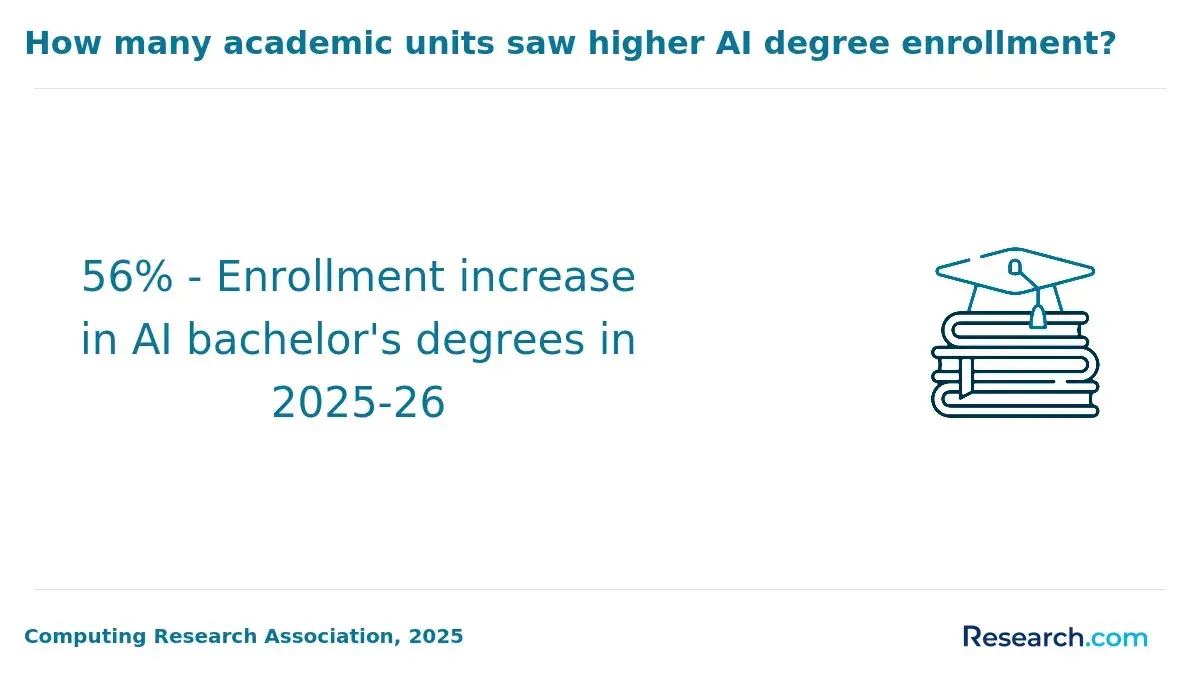
The LinkedIn Workplace Learning Report noted a 160% increase in enrollments for "AI in healthcare and life sciences" courses, with medical writing and regulatory affairs roles among the fastest-growing learner groups. Prospective students should assess specific course requirements carefully; some advanced programs demand prior medical writing or healthcare compliance certification, while others offer introductory modules to support newcomers.
How long do AI governance programs for medical writing teams take, and what do they cost?
AI governance education for medical writing teams typically ranges from 4 weeks to 6 months, varying by curriculum depth and format. Shorter programs, around 4 to 8 weeks, usually cover foundational principles and regulatory compliance needed for quick implementation. Longer courses spanning 3 to 6 months incorporate hands-on training in AI model evaluation, data privacy, and ethics specific to clinical documentation workflows.
Costs depend on program length, provider reputation, and resources included. Basic online certificates tend to start between $1,000 and $2,500, while more extensive university-affiliated or professional bootcamps range from $3,000 to $7,000. Employers may subsidize these expenses, recognizing the value in enhancing medical writing accuracy and efficiency.
According to a 2024 HIMSS survey, healthcare organizations that adopted governed AI for clinical documentation reduced documentation time by 35% and transcription or contractor expenses by 22% within a year. This highlights the operational and financial returns of skilled medical writers trained in AI oversight.
Programs with modular design and practical elements like project work and compliance simulations better prepare teams for real-world challenges. Balancing duration, pricing, and curriculum complexity ensures effective, actionable learning without excessive downtime.
- Short-term foundational courses: 4-8 weeks, $1,000-$2,500
- Extended comprehensive programs: 3-6 months, $3,000-$7,000
What careers, roles, and advancement opportunities can AI governance training unlock for medical writers?
Training in AI governance equips medical writers with crucial skills to handle compliance, ethics, and risk management in AI-driven healthcare projects. This expertise opens diverse career paths, including roles such as AI compliance officer, regulatory affairs specialist, and clinical data curator. In these positions, knowledge of AI model transparency and auditability is essential for meeting industry standards. For instance, KPMG reports that 62% of healthcare organizations using third-party AI tools experience delays due to transparency, data residency, or auditability issues, highlighting the demand for skilled professionals who can navigate these challenges.
Medical writers can also progress into roles like technical content strategist or AI documentation lead. These positions focus on crafting clear, compliant AI usage guidelines, particularly in pharmaceutical companies and contract research organizations, where ethical and regulatory adherence is increasingly important.
Advancement opportunities include project management and cross-functional AI governance advisory roles, where combined domain knowledge and governance expertise support AI tool validation and vendor evaluation. These paths can lead to leadership roles managing AI integration in medical communications or regulatory submissions.
Essential skills include interpreting AI audit data, assessing vendor compliance, and drafting transparent documentation. Training in AI governance expands traditional writing roles, enabling medical writers to contribute significantly within multidisciplinary teams addressing regulatory and operational AI challenges.
What salaries and job outlook can medical writing professionals expect with AI governance expertise?
Medical writing professionals skilled in ai governance are seeing higher salaries and stronger job prospects than traditional medical writers. Industry data shows that those combining regulatory medical writing with ai oversight earn between $90,000 and $130,000 annually in the U.S., often surpassing the median $75,000 salary of general medical writers. Senior or managerial roles can offer upwards of $140,000, reflecting the growing importance of ai governance in compliance and documentation.
The 2024 World Economic Forum "Future of Jobs" report forecasts a 30% increase by 2028 in demand for medical writers with expertise in regulatory writing and ai governance, contrasting with a 20% decline in routine documentation roles. Employers seek professionals who ensure ethical ai use, verify regulatory compliance, validate ai-generated content, and integrate ai tools in workflows.
Opportunities exist in pharmaceutical firms, contract research organizations, and regulatory agencies. Contract and freelance writers with ai governance skills can also act as consultants, commanding higher rates and broader projects. Professionals should pursue certifications blending clinical writing and ai governance to boost employability and salary potential.
Continuous learning in ai technologies tailored to healthcare is crucial to avoid job displacement and remain competitive.
How can medical writing leaders choose reputable, accredited AI governance training that meets regulatory standards?
Medical writing leaders benefit from training programs accredited by recognized bodies such as the Society for Technical Communication (STC), the Regulatory Affairs Professionals Society (RAPS), or the Accreditation Board for Engineering and Technology (ABET). Accreditation confirms that courses meet industry regulatory standards and emphasize quality and relevance. Programs that incorporate FDA and EMA guidelines on AI in regulatory submissions offer particularly useful insights.
Effective course content covers governance frameworks tied to compliance, including data privacy, model validation, risk management, and audit readiness. Requesting detailed syllabi that focus on ethical AI use, documentation standards, transparency, and reproducibility helps ensure thorough preparation. Hands-on case studies featuring real regulatory scenarios provide practical experience crucial for drafting documents influenced by AI tools.
Choosing providers aligned with recent industry reports adds value. A McKinsey case study showed that applying AI with strong governance in pharma regulatory writing reduced document submission times by 25% and lowered health authority queries by 18%. Training that references such data reflects current best practices.
Additional criteria to consider include instructor expertise in AI technology and regulatory affairs, continuous learning resources, customizable content, and options for assessments or certifications. These features help verify competencies and enhance team credibility.
Other Things You Should Know About Artificial Intelligence
The primary challenges involve ensuring data privacy, maintaining accuracy, and preventing bias in AI-generated medical content. Medical writing teams must verify that AI tools comply with industry regulations and ethical standards. Additionally, integrating AI systems without disrupting existing workflows requires careful change management.
AI governance establishes frameworks that ensure the reliability, transparency, and traceability of AI-generated medical documents. By setting standards for validation and review, governance helps maintain high-quality outputs. This reduces errors and improves trustworthiness in clinical communications.
While AI can automate routine text generation, governance frameworks emphasize human oversight to manage risks and ethical concerns. Medical writers will continue to play a critical role in reviewing, interpreting, and contextualizing AI outputs. Governance aims to ensure collaboration between AI tools and professionals, rather than full replacement.
In 2027, "AI Governance for Healthcare Communication" by FutureLearn is highly recommended for medical writing teams. It covers AI ethics, regulatory compliance, and integration strategies, tailored for healthcare professionals to effectively manage AI tools in their workflow.
References
- AI Governance Tools: Top 10 Platforms Compared (2026) https://www.domo.com/learn/article/ai-governance-tools
- AI in Medical & Technical Writing: From Hype to Real Results https://www.celegence.com/ai-in-medical-and-technical-writing-real-world-impact/
- New Jobs & Roles Emerging Due to AI in 2026 | Mercor https://www.mercor.com/resources/experts/new-artificial-intelligence-job-opportunities/
- AI Governance in Healthcare: How To Ensure a Safe, Ethical, and Effective AI Implementation for Your Organization https://www.combinehealth.ai/blog/ai-governance-in-healthcare
- 7 Use Cases for AI-Powered Structured Content Authoring https://docuvera.com/blog/7-use-cases-ai-powered-structured-content-authoring/
- How to Implement AI Content Governance in Pharma R&D Writing https://alphalifesci.com/blog/how-to-implement-ai-content-governance-in-pharma-r-d-writing
- WHO Guidelines on AI in Health : Impacts on privacy and regulatory considerations https://swissprivacy.law/305/
- AI Governance Micro-Credential https://www.hfma.org/education-events/micro-credentialing/ai-governance-micro-credential/
- AI in Regulatory Writing: Benefits, Risks, and Use Cases | IntuitionLabs https://intuitionlabs.ai/articles/ai-regulatory-writing-benefits-risks
- FORGE IQ Programme | PharmaLink Academy https://www.pharmalinkacademy.co.uk/forge-iq-programme