2027 Best Coursera AI Courses With Certificates

Co-Founder and Chief Data Scientist
Many graduate students and professionals with unrelated backgrounds face significant hurdles when attempting to enter the artificial intelligence field. Limited time, lack of formal credentials, and rapidly evolving technologies create barriers to gaining relevant skills and recognition. Earning a certificate from a reputable source offers a practical solution, showcasing competence to employers without the need for a full degree program. This article highlights the best Coursera ai courses that provide verified certificates, flexible learning paths, and updated content. It aims to guide readers toward credible programs that enhance employability and help pivot careers efficiently into artificial intelligence.
Key Things You Should Know
- Coursera's AI courses offer verified certificates from top universities like Stanford and deeplearning.ai, boosting credibility for job seekers and professionals in a tech-driven market.
- In 2025, enrollment in AI-related online courses increased by over 40%, reflecting growing demand for skills in machine learning, NLP, and computer vision.
- Many courses provide hands-on projects and career support, essential for students aiming to enter AI fields with practical experience and industry connections.
Advance Your Career with AI Online Courses
Artificial Intelligence: Implications for Business Strategy
This program provides an introduction to Artificial Intelligence and their implications for business strategy. Earn an official digital certificate.

Oxford Artificial Intelligence Programme
Explore this Oxford Artificial Intelligence programme offered in a flexible learning environment and explore topics like machine learning, automation, and robotics.

Implementing Agentic AI: Building Your Organizational Playbook
This online MIT Agentic AI course offers a practical approach to deploying AI agents in your organization, including a custom playbook. 3 weeks, exclusive launch price.

AI Adoption: Driving Business Value and Impact
This online MIT AI Adoption: Driving Business Value and Impact offers practical frameworks to close the gap between AI potential and business reality.

Artificial Intelligence in Pharma and Biotech
Discover the applications and limitations of artificial intelligence in pharma and biotech with this MIT online short course.

What are the best Coursera AI courses with certificates?
The best Coursera ai courses with certificates for career growth offer a blend of expert instruction and practical projects designed for various skill levels. Stanford University's Machine Learning by Andrew Ng remains a benchmark, covering essential algorithms and real-world applications with a certification recognized throughout the tech industry. Similarly, Andrew Ng's AI For Everyone provides a clear introduction tailored for non-technical professionals interested in how AI affects business strategies.
Top Coursera ai certification programs online include the deep learning specialization by deeplearning.ai, which focuses on neural networks, CNNs, and sequence models, ideal for those pursuing careers in AI development or research. The University of Helsinki's AI Ethics course is essential for understanding the societal and ethical impact of deploying AI technologies responsibly.
Hybrid programs like the IBM AI Engineering Professional Certificate combine theoretical and hands-on learning, teaching tools such as Python and TensorFlow, preparing students for AI roles in sectors like tech and healthcare. Additionally, with generative AI enrollments surging by 195% in 2025, specialized courses in generative models have become increasingly important.
Selecting the right certificate depends on course depth, instructor expertise, and alignment with current job market needs. Many programs accommodate beginners, while prior experience in programming or statistics can enhance results. For a broader view of career options, explore what can you do with an applied artificial intelligence degree.
Advance Your Career with AI Online Courses
Artificial Intelligence: Implications for Business Strategy
This program provides an introduction to Artificial Intelligence and their implications for business strategy. Earn an official digital certificate.
Oxford Artificial Intelligence Programme
Explore this Oxford Artificial Intelligence programme offered in a flexible learning environment and explore topics like machine learning, automation, and robotics.
Implementing Agentic AI: Building Your Organizational Playbook
This online MIT Agentic AI course offers a practical approach to deploying AI agents in your organization, including a custom playbook. 3 weeks, exclusive launch price.
Are Coursera AI certificates worth it for careers?
Coursera AI certificates offer significant value for career growth, especially as demand for AI skills accelerates. In fields dominated by fast-growing ICT roles, seven out of ten are AI-related, including AI and machine learning engineers, highlighting employer demand for proven AI expertise. This market trend elevates the importance of verifiable credentials.
Employers increasingly prioritize demonstrable skills over traditional degrees for AI jobs. Coursera certificates, earned through comprehensive coursework and projects, provide verifiable proof of competence in areas like machine learning, natural language processing, and data analysis. This validation is crucial for those seeking to transition careers or break into competitive markets.
The impact of Coursera AI certification on job opportunities is also notable for professionals without formal AI education. These credentials serve as a structured, cost-effective alternative to expensive graduate degrees, offering practical, up-to-date training developed by leading universities and industry experts. Courses such as Andrew Ng's Machine Learning or Deep Learning Specialization equip learners with relevant, real-world skills.
However, the value of these certificates improves when candidates:
- Engage in hands-on projects to create portfolios demonstrating applied AI knowledge.
- Network within AI communities to convert learning into career prospects.
- Stay informed on the rapidly evolving AI field beyond course materials.
These certificates boost resume credibility for entry-level and mid-career professionals and aid experienced specialists in maintaining cutting-edge skills. For those exploring affordable education options, it's worth comparing credentials against programs like the cheapest online computer engineering degree. Overall, Coursera AI certificates serve as effective tools for validating AI competencies in a competitive job market.
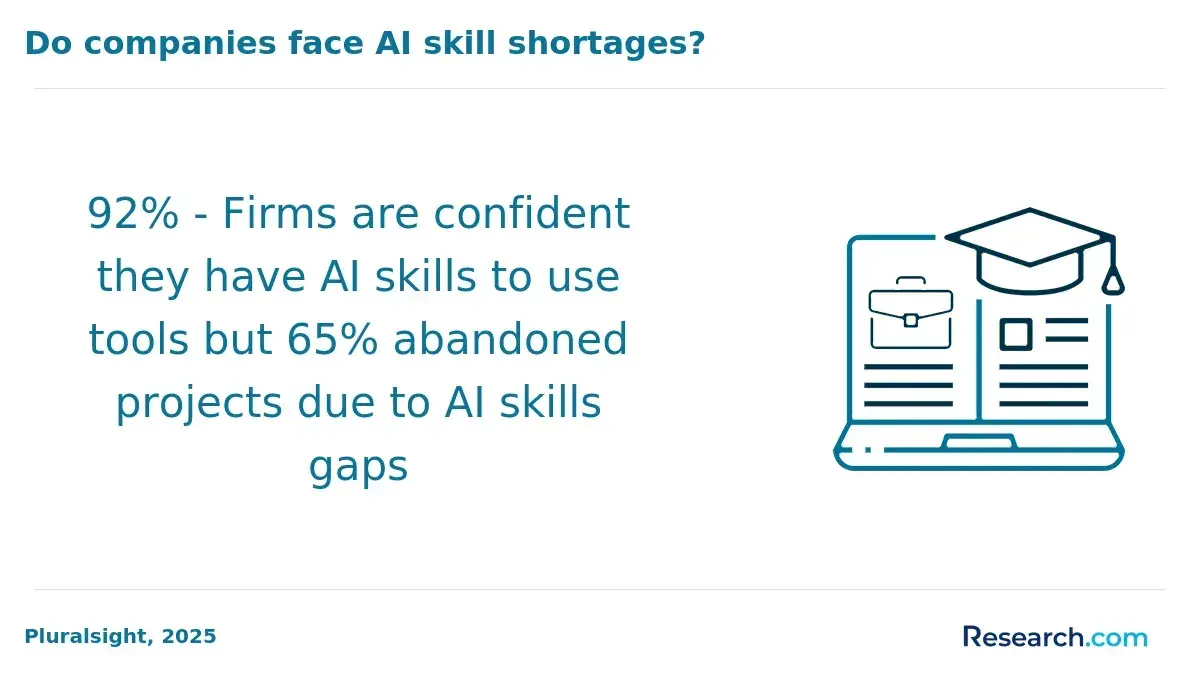
Which Coursera AI courses teach machine learning and generative AI?
Coursera offers top AI courses that effectively combine machine learning and generative AI, making them key choices for students and professionals seeking practical skills and valuable certificates. Among the most notable is Andrew Ng's "Machine Learning" course, which covers supervised and unsupervised learning alongside core algorithms, enabling the application of AI in real-world situations. The "Deep Learning Specialization," also by Andrew Ng, advances the study into neural networks and generative models such as GANs, which are essential for understanding generative AI techniques.
The "Generative Adversarial Networks (GANs) Specialization" from DeepLearning.AI offers deep insight into GAN architecture, training challenges, and real-world applications like content creation and image synthesis. For those interested in the growing demand for responsible AI, the course "AI For Everyone" addresses ethics and governance, highlighting a 150% increase in AI governance skills and a 125% rise in AI ethics competencies per TechTarget, preparing learners for emerging roles.
Choosing a learning path depends on experience and goals:
- Start with "Machine Learning" for foundational skills.
- Proceed to "Deep Learning Specialization" for neural networks and generative models.
- Specialize further with the "GANs" course for advanced generative AI expertise.
- Explore "AI For Everyone" to understand AI ethics and governance.
For students interested in intersecting fields, it is worth exploring game design schools online, which increasingly integrate AI components in their curricula.
This selection of courses combining machine learning and generative AI on Coursera is ideal for those seeking to earn top Coursera AI courses with machine learning and generative AI certificates, supporting career growth in this dynamic field.
How long do Coursera AI courses take to complete?
Coursera AI courses generally take between 4 and 12 weeks to complete, depending on the program's depth and focus. Foundational courses often span 4-6 weeks, which suits learners wanting to gain essential skills quickly. More advanced or professional certificate programs usually extend to 8-12 weeks, featuring hands-on projects, quizzes, and peer assessments. For instance, introductory machine learning courses may be completed in about 5 weeks, while comprehensive Natural Language Processing (NLP) courses typically require closer to 10 weeks due to complex topics and practical work.
Course duration also varies based on pacing preferences. Coursera offers flexibility, allowing students to accelerate or slow down their progress, which impacts total time to certification. Part-time learners might take several months to finish, whereas full-time dedication reduces completion time significantly. The typical completion time for Coursera artificial intelligence courses reflects this balance between flexibility and structured learning.
Emerging roles like Prompt Engineer, identified prominently in 2025, demand specific skill sets including AI knowledge (22.8%), prompt engineering (18.7%), communication (21.9%), and creative problem-solving (15.8%) as noted in arxiv.org research. Selecting courses lasting 8-12 weeks that focus on these competencies is advisable to align with market expectations.
Prospective students should consider both course length and personal schedules when choosing an AI certificate. Intensive courses promote quick skill acquisition but require steady commitment, while longer programs offer more flexibility. For those exploring advanced study, options such as the online data science doctorate can further enhance career prospects. Balancing these factors helps optimize learning outcomes and professional readiness in AI fields.
How much do Coursera AI courses cost with certificates?
Coursera AI courses with certificates generally range from $39 to $79 per month via subscription, granting full access to course content and a professional certificate after completion. Alternatively, some courses and specializations offer one-time payments between $49 and $399, depending on the length and depth. Financial aid is available for eligible students to reduce or waive fees.
Subscription plans suit learners pursuing comprehensive AI learning paths, such as specializations or professional certificates. For example, the AI For Everyone course by Andrew Ng costs about $49 for full course access and certification. More extensive options, like the Deep Learning specialization, may require a monthly subscription of about $79 until course completion.
These prices typically cover graded assignments, quizzes, and the official Coursera certificate, widely recognized by employers. Demand for AI skills-particularly computer vision-has surged, as research on arXiv indicates a sharp increase in AI skill mentions alongside a decline in routine job skills, emphasizing the value of verified AI credentials.
When budgeting for AI education, consider the expected time to complete courses, since monthly subscriptions can accumulate. Learners should assess their pace and goals carefully. Paid certificates often offer a more cost-effective credential for career growth and visibility in hiring compared to traditional degrees.
- Subscription access: $39-$79/month
- One-time course fees: $49-$399
- Financial aid available
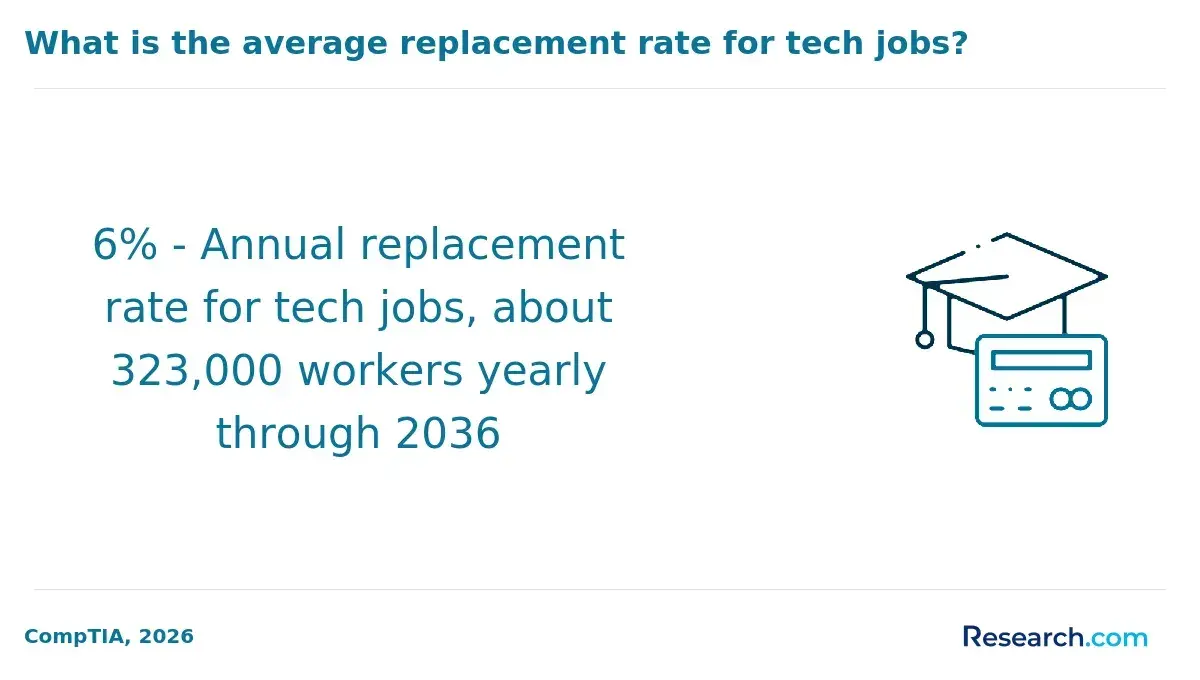
What skills do Coursera AI courses cover?
Coursera's AI courses equip learners with essential skills across both technical and business domains. Core competencies focus on machine learning algorithms, data analysis, and programming languages like Python, which are fundamental for AI development. Students acquire knowledge of supervised and unsupervised learning, neural networks, and natural language processing, enabling them to design and deploy AI models effectively.
In addition to technical skills, the curriculum emphasizes problem-solving and ethical issues, preparing learners to tackle real-world challenges such as bias mitigation and model interpretability. Hands-on projects simulate tasks in predictive analytics and computer vision, enhancing practical experience.
Business integration is a key component, teaching AI strategy, operationalizing AI solutions, and managing AI-driven transformations. According to TechRadar's 2025 report, 63% of businesses link AI proficiency to promotions, and 61% factor these skills into performance evaluations, highlighting the growing workplace demand.
Data engineering topics like data cleaning, feature engineering, and deployment pipelines are also covered to maintain robust AI systems. Advanced subjects, including reinforcement learning and deep learning frameworks, open doors to specialized roles. Earning a Coursera certification verifies these valuable skills, boosting employment opportunities in AI careers.
Which Coursera AI courses are best for beginners?
Coursera offers several well-designed courses that equip beginners with foundational knowledge in artificial intelligence. For those without programming experience, the AI For Everyone course by Andrew Ng provides a clear introduction to AI concepts, ethical considerations, and career implications.
For learners aiming to build hands-on technical skills, IBM's Introduction to AI covers basic algorithms, machine learning, and neural networks using Python. Similarly, the Deep Learning Specialization from deeplearning.ai introduces neural network fundamentals through step-by-step projects. These courses combine video lectures, labs, and quizzes to promote practical understanding.
The demand for experts in AI ethics, governance, and safety is rising sharply. The University of Helsinki's AI Ethics course addresses this need, offering crucial insights into responsible AI development. In fact, 41% of employers struggled to find talent in AI safety and governance, with 97% ready to pay premium salaries for those skills, according to TechRadar.
Certifications from industry-leading institutions like IBM, Google, and deeplearning.ai significantly enhance employability and credibility. Prospective U.S. students and working professionals should prioritize courses recognized by the AI community to strengthen their career prospects.
Key beginner-focused courses on Coursera:
- AI For Everyone - non-technical overview suitable for absolute beginners
- IBM's Introduction to AI - hands-on programming and algorithms
- Deep Learning Specialization - stepwise technical skill development
- AI Ethics - critical for understanding governance and safety
What jobs can Coursera AI certificates help you qualify for?
Coursera AI certificates prepare learners for a variety of roles in technology and related fields. Graduates often move into careers such as machine learning engineer, data scientist, AI software developer, and AI research analyst. These positions involve designing algorithms, analyzing big data, and building intelligent systems that span multiple industries.
The healthcare sector is a significant growth area for AI expertise. Between 2023 and 2025, federal agencies grew their AI applications from 700 to over 3,600 use cases across 41 organizations, including many in healthcare. This expansion offers opportunities in predictive diagnostics, personalized treatment, medical imaging, and health data management.
Other important roles include AI product manager, automation engineer, and natural language processing (NLP) specialist. Professionals in these jobs focus on integrating AI solutions into workflows, enhancing user experiences, and advancing human-computer interaction.
For those new to the field or changing careers, Coursera certificates validate skills in Python, neural networks, and AI ethics. Employers value this verified training, especially when combined with project experience from coursework.
Job seekers should target positions requiring expertise in deep learning frameworks, data mining, and cloud-based AI platforms. Companies increasingly look for candidates who can deploy scalable AI models within their infrastructures.
- Machine learning engineer
- Data scientist
- AI software developer
- Healthcare AI specialist
- AI product manager
- Automation engineer
- Natural language processing specialist
How do Coursera AI certificates compare with university programs?
Coursera AI certificates provide a practical, skills-focused alternative to traditional university degrees, appealing especially to professionals looking for efficient, flexible education. These certificates typically require less time and lower costs while emphasizing current industry tools like machine learning, natural language processing, and AI ethics. In ICT roles, including finance, AI skills appeared in 78% of positions, highlighting demand for accessible, up-to-date training, according to TechTarget.
University degrees offer comprehensive theory, research opportunities, and valuable accreditation but often involve multi-year commitments and significant expenses. By contrast, Coursera programs, taught by top instructors from institutions such as Stanford or the University of Michigan, deliver credible credentials without full enrollment.
Consider these points when choosing between certificates and degrees:
- Specialized Coursera certificates accelerate entry or advancement in AI-related finance roles.
- For research-intensive, software development, or leadership positions, degrees generally carry more weight.
- Employer recognition varies; many tech firms now value premium online certificates combined with hands-on projects.
- Coursera courses' project-driven format ensures immediate skill application aligned with evolving industry needs.
Ultimately, certificates complement traditional study by offering targeted, flexible paths for quick skill acquisition, while degrees provide broader academic foundations that remain important in many AI career tracks.
How should you choose the right Coursera AI course?
Choosing the right Coursera AI course requires evaluating your current skills, career objectives, and learning style. Beginner courses cover foundational topics like machine learning basics, while advanced options dive into deep learning and reinforcement learning. Focus on programs with hands-on projects and capstone experiences that build practical skills valued by employers. Coursera's expansion to 191 million learners and 41.8 million enrollments highlights the increasing demand for applied AI learning.
Review the depth of the course content and instructor credentials, especially from recognized AI researchers or institutions, to ensure quality and up-to-date material. Balance course duration and workload with your personal and professional commitments. Certifications that are industry-recognized can enhance your resume and job applications. For those aiming to transition careers or advance professionally, consider courses that include career support like mentorship or resume assistance.
Community interaction through forums helps deepen understanding via peer collaboration. Working professionals may benefit from micro-credentials or specialized AI skill tracks for faster upskilling compared to lengthy programs. Use student reviews and success stories to verify course relevance and effectiveness. Prioritizing these factors helps ensure your time and investment yield measurable skills aligned with the competitive AI job market.
Other Things You Should Know About Artificial Intelligence
In 2027, some of the top Coursera AI courses with certificates include "AI for Everyone" by Andrew Ng, "Deep Learning Specialization" also by Andrew Ng, and "Machine Learning" by Stanford University. These courses provide comprehensive learning paths from foundational to advanced AI concepts, all with certificates upon completion.
Current artificial intelligence systems do not truly think like humans. They operate based on algorithms and data patterns but lack consciousness, emotions, and general reasoning abilities. AI excels at specific tasks, such as data analysis and pattern recognition, but it cannot replicate human intuition or common sense.
Yes, ethical concerns around artificial intelligence include privacy issues, bias in AI algorithms, job displacement, and accountability for decisions made by AI systems. Ensuring transparency, fairness, and responsible use of AI technologies is essential as they become more widespread in society and industry.
Artificial intelligence is transforming the job market by automating routine and repetitive tasks, which can lead to job displacement in some sectors. However, it is also creating new roles requiring advanced technical skills, such as AI development, data science, and AI ethics. Workers with up-to-date AI skills tend to have better employment prospects and earning potential.
References
- Udemy vs Coursera: Which is Better for Learning? https://hovernotes.io/en/blog/udemy-vs-coursera-which-is-better-for-learning
- Coursera offers Google, Meta, and Microsoft-led classes for your future career https://www.businessinsider.com/guides/learning/coursera-pricing-and-best-courses
- Artificial Intelligence Coursera: Best Courses, Paths, and How to Stay Truly Up to Date https://keepsanity.ai/blog/artificial-intelligence-coursera
- Tips for Going from Beginner to Pro with Coursera AI Courses https://community.deeplearning.ai/t/tips-for-going-from-beginner-to-pro-with-coursera-ai-courses/878196
- The 8 Best Coursera Machine Learning Certifications for 2026 https://solutionsreview.com/business-intelligence/the-best-coursera-machine-learning-certifications/