2027 Best AI Agent Courses for Non-Technical Executives

Co-Founder and Chief Data Scientist
Executives without a technical background often struggle to understand and leverage AI agent technologies effectively, limiting their ability to lead innovation or make informed strategic decisions. Many fear the learning curve is too steep or that tech jargon will obscure practical application. This gap risks missed opportunities in industries increasingly reliant on AI-driven solutions. This article highlights top AI agent courses designed for non-technical executives, focusing on flexible, accredited programs that simplify complex concepts and equip leaders with actionable knowledge. The aim is to guide readers toward educational paths that enhance their AI fluency and business impact.
Key Things You Should Know
- By 2026, 72% of non-technical executives recognize AI agents as crucial for enhancing decision-making and operational efficiency across industries.
- Top AI agent courses prioritize practical applications, combining leadership strategies with foundational AI knowledge tailored for executives without coding experience.
- Completion of certified AI agent programs correlates with a 35% increase in career advancement opportunities for business leaders in tech-driven sectors.
Advance Your Career with AI Online Courses
Artificial Intelligence: Implications for Business Strategy
This program provides an introduction to Artificial Intelligence and their implications for business strategy. Earn an official digital certificate.

Oxford Artificial Intelligence Programme
Explore this Oxford Artificial Intelligence programme offered in a flexible learning environment and explore topics like machine learning, automation, and robotics.

Implementing Agentic AI: Building Your Organizational Playbook
This online MIT Agentic AI course offers a practical approach to deploying AI agents in your organization, including a custom playbook. 3 weeks, exclusive launch price.

AI Adoption: Driving Business Value and Impact
This online MIT AI Adoption: Driving Business Value and Impact offers practical frameworks to close the gap between AI potential and business reality.

Artificial Intelligence in Pharma and Biotech
Discover the applications and limitations of artificial intelligence in pharma and biotech with this MIT online short course.

What are AI agent courses for non-technical executives?
AI agent training programs for non-technical business leaders focus on equipping executives with strategic knowledge of AI agents, autonomous software systems that perform tasks without deep coding skills. These executive courses on artificial intelligence applications help leaders assess AI-driven workflows, oversee implementations, and align initiatives with organizational goals.
Participants explore use cases like customer service chatbots, automated process management, and predictive analytics, learning through business-centered frameworks instead of technical coding. Practical skills taught include interpreting AI vendor proposals for feasibility and risks, collaborating with technical teams, understanding ethical and compliance issues, and measuring AI's impact on operational KPIs.
- Interpreting AI vendor proposals to assess feasibility and risks
- Collaborating effectively with technical teams on deployment planning
- Understanding ethical implications and compliance standards
- Measuring AI impact on operational KPIs
Addressing concerns about loss of control and complexity, these courses also provide guidance on governance models that ensure executive oversight of automated agents. Demand is strong: Accenture's 2025 CEO and CIO AI Survey shows AI agents rank as the #2 AI investment priority for 2025, with 61% of C-suite leaders planning broad deployment of agentic systems.
For those considering expanded knowledge in related technical areas, obtaining a computer science degree online can complement executive understanding and collaboration skills effectively.
Advance Your Career with AI Online Courses
Artificial Intelligence: Implications for Business Strategy
This program provides an introduction to Artificial Intelligence and their implications for business strategy. Earn an official digital certificate.
Oxford Artificial Intelligence Programme
Explore this Oxford Artificial Intelligence programme offered in a flexible learning environment and explore topics like machine learning, automation, and robotics.
Implementing Agentic AI: Building Your Organizational Playbook
This online MIT Agentic AI course offers a practical approach to deploying AI agents in your organization, including a custom playbook. 3 weeks, exclusive launch price.
Who should take AI agent training?
Executives pursuing AI agent training for non-technical business leaders can unlock significant operational improvements. According to McKinsey's 2025 State of AI in the Enterprise report, companies using AI agents achieve a 37% reduction in process execution time and 32% lower operating costs within a year. This underscores the importance for business leaders, especially those in product management, operations, finance, and marketing, to grasp AI's practical applications and vendor evaluation without requiring coding skills.
Executive courses on understanding AI agent applications help CEOs and department heads manage workforce planning and measure ROI more accurately. Financial officers benefit by forecasting budgets with insights into how AI drives cost reductions, while marketing leaders can leverage AI-driven customer data to gain competitive advantages.
Training also prepares executives to govern AI-related risks and ethical issues, understanding the operational scope and biases of AI agents to ensure compliance and transparency. Relevant use cases include automating invoice processing, responding to customer inquiries, and streamlining data analysis workflows.
For professionals considering further education in related areas, exploring mechanical engineering degrees online can complement knowledge of AI systems and automation technologies, fostering stronger technical-business integration.
What do AI agent courses teach executives?
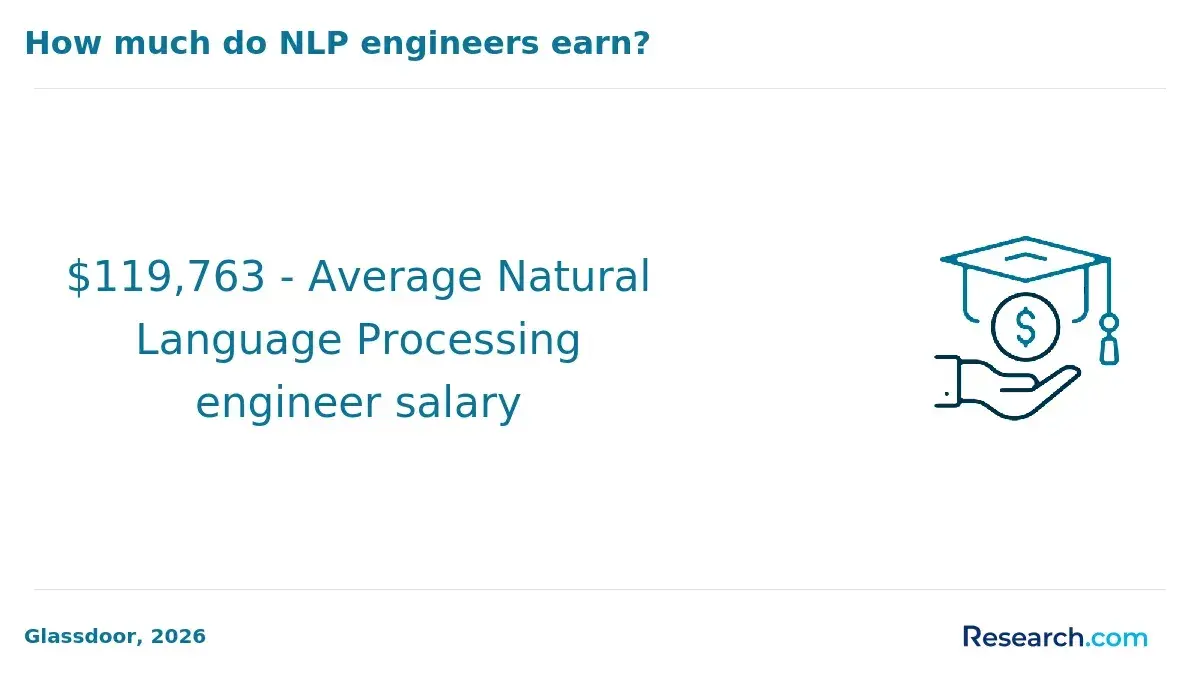
AI agent courses equip executives with the skills needed to strategically manage AI-driven technologies, focusing on practical knowledge rather than coding expertise. These programs address critical gaps in AI literacy among business leaders, as highlighted by Deloitte's 2025 Global Human Capital Trends report, which found 74% of executives lack sufficient non-technical AI literacy despite many expected to govern AI projects.
Key skills non-technical executives learn in AI agent training include:
- Communicating effectively with technical teams by understanding AI concepts and terminology.
- Identifying AI use cases specific to industries or business functions.
- Evaluating risks such as bias, ethics, and regulatory compliance.
- Interpreting AI outputs to support strategic decision-making.
- Developing AI governance frameworks aligned with company goals.
- Designing AI integration plans that balance innovation with operational feasibility.
These courses often use scenario-based exercises to enhance critical thinking about AI adoption and governance rather than programming. For example, executives learn to assess vendor solutions for marketing automation or customer service chatbots, enabling them to set realistic performance expectations and KPIs. This focus helps executives prioritize value-driven AI initiatives confidently.
Individuals interested in expanding their technology expertise may also explore online cyber security degrees to complement AI knowledge and broaden their understanding of the digital landscape.
Are online AI agent courses better than in-person programs?
Online AI agent courses provide significant advantages for non-technical executives seeking to quickly adapt to changing business demands. Flexibility is a primary benefit, allowing learners to engage with materials asynchronously, fitting study around busy schedules. This is particularly useful for executives balancing critical decision-making and active projects. Additionally, online programs update content rapidly to keep pace with AI advancements. For instance, IDC projects enterprise spending on agentic AI platforms will rise at a 52% compound annual growth rate through 2028, highlighting swift changes in technology and applications.
Many of the best online AI agent courses for non-technical executives use interactive tools like simulations and case studies, helping learners grasp AI agent strategies without needing deep coding skills. While in-person programs can offer stronger networking and immediate instructor feedback, online training excels in cost-efficiency and wider accessibility to expert resources otherwise limited by geography.
Executives should consider their learning preferences and networking priorities when choosing between online and in-person options. A hybrid model may serve those needing mentorship and collaboration best. For broad, scalable learning, online programs stand out as a practical choice. Those interested in related fields might explore online electrical engineering degrees for veterans as well, demonstrating the variety of accessible programs supporting career growth in tech today.
What accreditation or credentials should you look for?
Choose courses with recognized accreditation or industry-respected credentials to ensure quality and relevance. Accredited programs, validated by regional educational bodies or specialized organizations, confirm that the curriculum meets academic standards. For non-technical executives, look for accreditations from entities like the Accrediting Council for Continuing Education and Training (ACCET) or endorsements from professional associations such as the Association for the Advancement of Artificial Intelligence (AAAI).
Certificates from leading universities or reputable online platforms linked to top U.S. business schools often carry significant weight. These programs typically cover essential topics, including AI strategy, ethics, and business integration, vital for effective executive decision-making. Some courses offer industry partnership credentials, issued in collaboration with major AI companies, which add practical recognition to theoretical knowledge.
Executives should also value certifications that include hands-on project work or capstone experiences, reflecting applied skills. Programs providing badges in AI leadership or strategic AI management enhance career advancement opportunities.
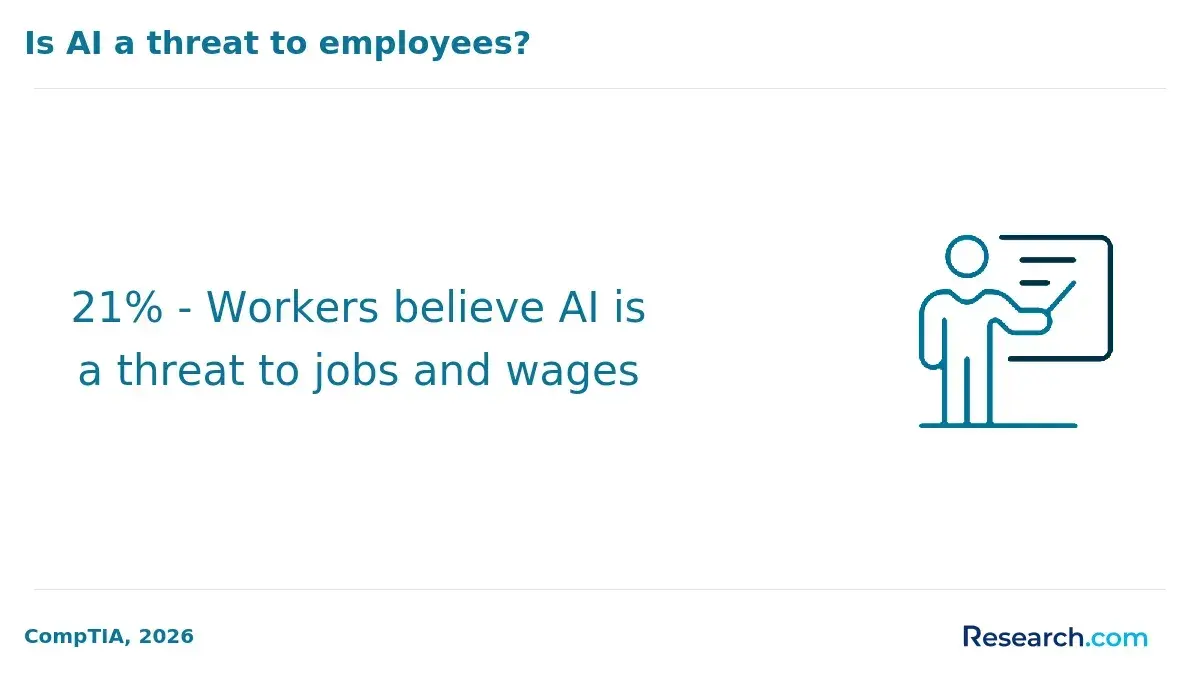
According to Korn Ferry's 2025 Global Executive Pay & AI Responsibility study, executives in AI-focused roles earn 18-25% higher total compensation than peers without this expertise. Credentials aligned with this trend can greatly impact hiring and promotion outcomes.
What are the admission requirements for executive AI courses?
Executive AI courses typically prioritize professional experience and strategic leadership over deep technical skills. Most programs require candidates to hold senior management or executive roles, often with at least five years of leadership experience. This ensures participants can effectively apply AI concepts within their organizations.
Academic prerequisites are usually flexible; many accept bachelor's degrees regardless of field. Some programs recommend prior exposure to foundational data or digital transformation concepts, with non-technical executives sometimes asked to complete introductory online modules before advanced sessions.
These courses emphasize understanding AI risk, governance, and ethical considerations more than coding or technical development. PwC's 2025 AI Governance Outlook reports that 82% of boards expect C-suite leaders to have formal training in AI risk and governance, but only 29% currently possess structured education. This drives demand for executive programs focusing on compliance, oversight frameworks, and ethical AI deployment.
Admission processes may include interviews or statements of purpose and often favor candidates from industries with high AI adoption, such as finance, healthcare, and manufacturing.
- Executive-level leadership experience (typically 5+ years)
- Basic understanding of digital technologies or AI concepts
- Commitment to policy, governance, or ethical AI applications
- Industry relevance or strategic role in AI decision-making
These tailored admission requirements reflect the pressing need for skilled board-level leadership in AI governance, as documented in industry analyses.
How long do AI agent courses take and what do they cost?
AI agent courses designed for non-technical executives often span 2 to 8 weeks, with the most effective programs delivered in short, cohort-based formats of four weeks or less. These intensive formats encourage interaction and peer learning, which significantly increase completion rates. According to Coursera's 2025 Corporate Learning Insights, these short cohort-based courses have completion rates 2.3 times higher than traditional self-paced AI courses targeted at managers.
Price ranges vary widely depending on the provider and course style. Basic self-paced options usually cost between $200 and $1,000, while cohort-based executive courses with live sessions and personalized instruction typically range from $1,000 to $5,000. Premium offerings affiliated with top universities or executive education firms can exceed $10,000.
Executives should seek programs that balance time commitment with practical application. Courses under one month allow busy professionals to gain relevant skills without major workflow disruptions. Cohort-based courses commonly include live case studies and group discussions, enhancing engagement and real-world relevance.
When evaluating costs, also consider extra benefits such as AI tool access, mentorship, or post-course support, which justify higher fees. Budget-conscious learners may opt for shorter self-paced modules, but should note these tend to have lower engagement and completion rates. Reviewing course outlines, duration, and user feedback helps ensure alignment with personal learning goals and schedules.
What careers can AI agent skills support?
AI agent skills are increasingly vital across diverse industries, especially for executives leveraging emerging technologies strategically. These skills empower leadership in product management by enhancing understanding of AI workflows and vendor technologies, which shape informed roadmap decisions. In operations and supply chain management, AI agents optimize resource allocation, automate routine tasks, and boost efficiency. Marketing professionals use AI-driven customer insights and automation tools to enhance personalized campaigns and improve ROI.
Finance benefits from AI expertise in areas such as risk assessment, fraud detection, and algorithmic trading. Human resources leaders rely on AI to improve talent acquisition, employee engagement analytics, and workforce planning. Business consultants also require fluency in AI agents to guide clients through digital transformation and technology integration efforts.
Vendor-aligned AI agent courses have seen significant enrollment growth, reflecting strong industry demand for skills tied to cloud platforms and applied AI models. LinkedIn Learning's 2025 Workplace Learning Report highlights a 410% year-over-year increase in these enrollments, compared to 86% growth in university-branded AI strategy courses. This underscores executives' preference for hands-on, platform-specific knowledge that directly supports business decision-making and implementation.
Career paths well-suited for AI agent expertise include AI product strategy, operational leadership, data-driven marketing, financial technology, and consulting. Developing applied skills in AI platforms opens doors to executive roles focused on innovation management, digital transformation, and competitive advantage.
What salary potential do AI agent roles offer?
AI agent roles offer impressive salary potential across many industries. Entry-level positions usually start near $85,000 annually, while seasoned professionals can earn between $130,000 and over $180,000, depending on the role's complexity and sector. Leadership roles managing AI agents often see compensation exceeding $200,000, especially when their work drives measurable business impact.
Financial services highlight this trend. According to BCG's 2025 data, companies using production-grade AI agents in front-office and operations achieve 1.8× higher revenue growth and 2.1× greater productivity compared to those relying on basic chatbots. These advantages translate directly into higher corporate value and justify elevated executive salaries.
Key factors influencing salary include:
- Industry adoption maturity, with finance, healthcare, and technology sectors typically offering premiums due to significant AI reliance.
- Role specificity, where hybrid skills that blend AI literacy with business or operational expertise command better pay.
- Geographic location, with urban and tech hubs providing superior compensation.
- Level of impact, as positions linked directly to revenue growth or improved efficiency yield top-tier salaries.
Building a strong technical foundation in AI agents alongside strategic leadership skills is essential to maximizing earning potential. Executive education focusing on AI agent integration prepares professionals to lead initiatives that create tangible business value, supporting premium compensation in competitive markets.
How do you choose a reputable AI agent program?
Choose AI agent programs that are accredited and led by faculty with real-world AI experience, especially in business applications. Institutions with a strong reputation and leadership in AI provide more credible training than those relying solely on academic credentials.
Focus on curricula designed for executive decision-making, addressing AI strategy, ethics, and integration rather than pure technical skills. Quality programs typically include case studies, hands-on projects, and encourage collaboration across departments.
Look for programs tied to measurable business outcomes. For instance, a survey by MIT Sloan Management Review and BCG revealed that companies investing over $5,000 per executive in AI leadership education are 3.4 times more likely to report significant profitability improvements than those investing under $1,000.
Evaluate alumni success stories and check if ongoing support, like networking and AI adoption frameworks, is offered. Flexibility of delivery, such as modular online or hybrid courses, is important for working professionals balancing schedules.
- What business challenges does the program address?
- Does it include AI ethics and governance?
- How does it measure adoption challenges and ROI?
Answering these questions helps identify AI agent programs that are both reputable and practical for executives seeking meaningful career growth.
Other Things You Should Know About Artificial Intelligence
Executives must consider issues such as data privacy, algorithmic bias, transparency, and accountability when implementing AI solutions. Ethical AI use involves ensuring that systems do not perpetuate discrimination and that decisions made by AI remain explainable to stakeholders. Awareness of these concerns is critical to maintain trust and comply with regulations.
Yes, AI can enhance decision-making by analyzing complex data sets and identifying patterns that are not easily visible. Non-technical executives can leverage AI-powered tools to gain actionable insights without deep technical expertise, enabling more informed and timely strategic choices. Understanding AI's functions helps in interpreting these insights correctly.
Executives often encounter challenges such as resistance to change within the organization, data quality issues, and a shortage of skilled AI professionals. Additionally, aligning AI initiatives with business goals and managing expectations about AI capabilities are common hurdles. Successful integration requires clear communication and ongoing education.
References
- Best AI Agent Courses for C-Level Leaders (2026 Guide) https://aiagentsacademy.ai/blog/best-ai-agent-courses-c-level-leaders-2026
- AI Skills in Demand 2026 | Top 10 Skills to Learn https://futurense.com/blog/ai-skills-in-demand
- AI agents: the emerging skill set you should add to your Salesforce resume - K2 University https://k2university.com/news/how-mastering-ai-agents-will-get-you-noticed-by-top-organizations/
- 10 AI Skills You Need in Today’s Job Market https://www.salesforce.com/artificial-intelligence/ai-skills/
- Credential Evaluation: A Complete Guide for 2026 https://myiee.org/blog/how-to-choose-the-right-credential-evaluation/
- AI - Artificial Intelligence | London Business School https://www.london.edu/executive-education/ai
- Best AI Agent Platforms: Comparison & Buyerâs Guide https://www.v7labs.com/blog/best-ai-agent-platforms-for-business-automation
- A Guide to Which AI to Use in the Agentic Era https://www.oneusefulthing.org/p/a-guide-to-which-ai-to-use-in-the
- Artificial intelligence executive education programs | edX https://www.edx.org/executive-education/artificial-intelligence
- How to Choose the Ideal Certification for Your Professional Career https://certiprof.com/blogs/news/how-to-choose-the-ideal-certification