2027 Best AI Courses for Learning and Development Teams Managing AI Adoption

Co-Founder and Chief Data Scientist
Learning and development teams often struggle to equip their workforce with the right skills to manage AI adoption effectively. Rapid advancements in artificial intelligence create challenges in understanding practical applications and integrating new technologies within established workflows.
Without structured learning paths, teams risk falling behind in harnessing AI's full potential, leading to missed opportunities for innovation and efficiency. This article explores the best AI courses designed specifically for learning and development professionals tasked with overseeing AI adoption, aiming to provide clear guidance to bridge skill gaps and support successful organizational transformation.
Key Things You Should Know
- By 2026, over 70% of learning and development teams will implement AI courses to enhance workforce adaptability amid rapid AI-driven automation.
- Effective AI adoption training focuses on ethical AI use, data literacy, and integration skills, reflecting a 45% rise in corporate demand for specialized learning programs.
- Customized AI courses improve team productivity by up to 30%, emphasizing practical applications in decision-making and innovation within diverse industry sectors.
Advance Your Career with AI Online Courses
Artificial Intelligence: Implications for Business Strategy
This program provides an introduction to Artificial Intelligence and their implications for business strategy. Earn an official digital certificate.

Oxford Artificial Intelligence Programme
Explore this Oxford Artificial Intelligence programme offered in a flexible learning environment and explore topics like machine learning, automation, and robotics.

Implementing Agentic AI: Building Your Organizational Playbook
This online MIT Agentic AI course offers a practical approach to deploying AI agents in your organization, including a custom playbook. 3 weeks, exclusive launch price.

AI Adoption: Driving Business Value and Impact
This online MIT AI Adoption: Driving Business Value and Impact offers practical frameworks to close the gap between AI potential and business reality.

Artificial Intelligence in Pharma and Biotech
Discover the applications and limitations of artificial intelligence in pharma and biotech with this MIT online short course.

What are the best AI courses for learning and development teams managing enterprise AI adoption?
Learning and development teams managing enterprise AI adoption benefit most from courses that combine applied skills in machine learning integration, ethical AI governance, and organizational change management.
Programs like Stanford's "Machine Learning" by Andrew Ng provide foundational technical expertise, while MIT Sloan's "Artificial Intelligence: Implications for Business Strategy" equips leaders to adapt business models.
Platforms such as Coursera and edX offer tailored programs that blend these elements with practical case studies. Top AI training programs for learning and development teams in enterprise adoption also focus on managing cross-functional collaboration among data scientists, IT, and business units.
- AI literacy for non-technical employees.
- Strategies for upskilling staff at scale.
- Data privacy and bias mitigation.
- Deployment workflows coordinating human and machine roles.
By 2028, roles requiring AI and machine learning skills will grow by 39%, while 23% of current jobs will evolve due to AI, highlighting the urgency noted in the World Economic Forum's 2025 Future of Jobs Report. The best AI courses for learning and development teams managing enterprise AI adoption emphasize workforce transformation alongside technical training.
Enterprise-focused courses often feature project-based learning for real-world applications. Popular options include IBM's "AI Engineering Professional Certificate" for technical depth and LinkedIn Learning modules on "AI in Business" covering strategy and ethics.
To meet diverse organizational needs, modular programs offering:
- Introductory courses for broad AI awareness.
- Advanced classes for AI adoption leadership.
- Specialized tracks on compliance and AI ethics.
Professionals seeking to advance their education may consider an accelerated bachelor's degree computer science online to complement AI skillsets and leadership capabilities in enterprise environments.
Advance Your Career with AI Online Courses
Artificial Intelligence: Implications for Business Strategy
This program provides an introduction to Artificial Intelligence and their implications for business strategy. Earn an official digital certificate.
Oxford Artificial Intelligence Programme
Explore this Oxford Artificial Intelligence programme offered in a flexible learning environment and explore topics like machine learning, automation, and robotics.
Implementing Agentic AI: Building Your Organizational Playbook
This online MIT Agentic AI course offers a practical approach to deploying AI agents in your organization, including a custom playbook. 3 weeks, exclusive launch price.
How can L&D teams choose between university, bootcamp, and vendor AI training options?
Learning and development teams evaluate university AI training programs by balancing organizational goals, employee skill levels, and adoption timeframes.
University courses deliver comprehensive theoretical foundations and often offer accredited degrees or certificates, ideal for those pursuing deep, research-driven knowledge or long-term careers in artificial intelligence. However, these programs generally require significant time and financial commitments.
Comparing bootcamp and vendor training options for AI adoption in learning teams helps identify the best fit for rapid upskilling and practical skills.
Bootcamps emphasize hands-on experience with coding, machine learning frameworks, and real-world projects, making them cost-effective and time-efficient. Still, they offer less theoretical depth, which can limit strategic understanding.
Vendor-specific trainings focus on mastering proprietary tools quickly, benefiting roles directly using specific AI platforms and ensuring operational readiness. Their main drawback is offering less transferable knowledge beyond the vendor's ecosystem.
With many employees lacking essential AI skills, a blended approach often works best. Combining vendor training for immediate tool proficiency with university programs for theoretical mastery allows organizations to meet both short- and long-term needs effectively. Assessing workforce competencies and budget constraints is crucial.
For those exploring educational options, resources like the online mechanical engineering bachelor degree can offer valuable insights into affordable, accredited programs relevant to tech and AI fields.
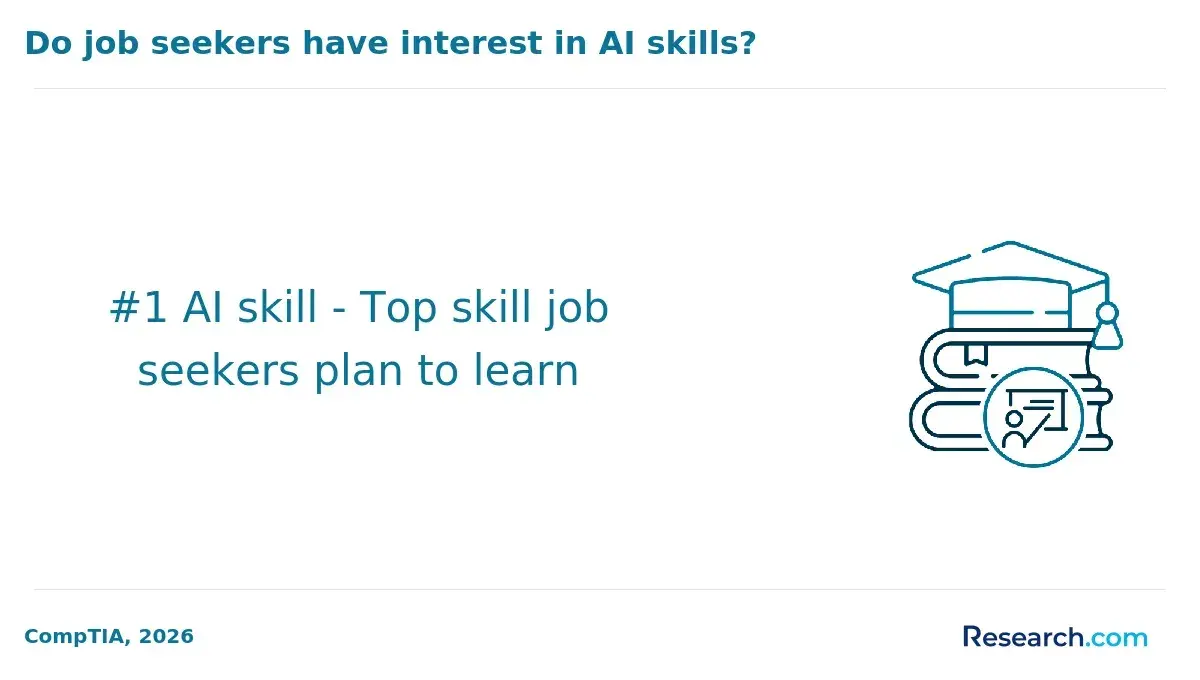
What curriculum should AI courses for L&D include to support responsible, effective AI rollout?
AI courses for learning and development teams must feature an integrated curriculum for responsible artificial intelligence adoption. Core modules should build AI literacy, focusing on ethics, practical application, and change management tailored for non-technical professionals.
The 2024 Coursera Global Skills Report highlights a 330% surge in enrollments for "AI for non-technical professionals" among business learners, reflecting a growing demand for these essential learning modules for effective AI rollout in learning and development.
Understanding ethical, legal, and social implications is critical. Training should cover bias identification, data privacy, transparency, and compliance to help teams mitigate risks and ensure fairness. Practical case studies emphasize how ethical oversights can undermine projects.
Hands-on experience with AI tools, such as natural language processing and automation platforms, enables L&D teams to apply AI solutions within corporate workflows effectively. This also facilitates tailored AI strategies aligned with organizational needs.
Change management frameworks are vital, preparing teams to support employees through AI integration. Topics include communication strategies, reskilling efforts, and measuring AI's impact on productivity and job roles.
Additional components often include data literacy for critical interpretation of AI outputs and collaboration skills to work with AI experts. Course depth varies to accommodate diverse roles, including HR specialists and instructional designers responsible for AI integration.
Professionals seeking to enhance their expertise may also consider pursuing an online cybersecurity degree, which complements AI knowledge in managing emerging technology risks.
How do online, hybrid, and in-person AI programs compare for working L&D professionals?
Online AI programs offer unmatched flexibility for learning and development professionals, allowing asynchronous engagement while managing work responsibilities. These online courses provide up-to-date curriculum, reflecting rapid advances such as generative AI, with a 65% year-over-year increase in course consumption reported by LinkedIn Learning's 2024 Workplace Learning Report.
They excel at delivering focused modules on specific AI skills like content creation, making them a top choice when comparing online hybrid and in-person AI courses for L&D teams.
Hybrid models combine the convenience of online learning with occasional in-person sessions, enabling hands-on practice and richer peer interaction.
This approach supports both theoretical knowledge and practical applications such as real-time AI tool demonstrations and collaborative projects. Hybrid courses offer a balanced interaction and scheduling adaptability, preferred by those seeking applied skills with interactive components.
In-person AI programs deliver intensive, immersive training with direct mentorship and immediate feedback. These are ideal for rapid skill acquisition or addressing complex AI adoption challenges and enhance strategic thinking through dynamic group discussions. However, they demand significant time and travel commitments.
Addressing specific needs, L&D professionals with limited availability or remote work conditions benefit most from online options. Those looking for leadership development in AI integration may find in-person training valuable.
For those exploring different learning formats, especially veterans, researching a veteran friendly online electrical engineering degree may provide useful insights into flexible and supportive educational environments.
What admission requirements and prerequisites do AI certificate and degree programs typically have?
Admission requirements for AI certificate and degree programs vary by institution and level but commonly focus on strong foundational knowledge and relevant experience.
Undergraduate degrees typically require a high school diploma with solid math skills in calculus and statistics, plus proficiency in science subjects like physics or computer science. Some programs may request SAT or ACT scores, although test-optional policies are becoming more common.
Graduate programs usually expect a bachelor's degree in fields such as computer science, engineering, mathematics, or statistics. Prerequisites often include coursework in programming languages like Python, Java, or C++, linear algebra, probability, and introductory machine learning.
Applications may also require GRE scores, recommendation letters, and a statement of purpose highlighting past AI-related work or research.
For certificate programs, prerequisites depend on the target audience, with many aimed at working professionals who have prior programming or data analysis experience. Applicants lacking formal prerequisites can sometimes take bridging or foundational courses before beginning core studies.
Given the increasing emphasis on responsible AI use, many programs include training on ethics, data privacy, and governance. For instance, Deloitte's 2024 Trust in AI survey found 60% of organizations cite lack of employee training in responsible AI as a top risk.
Prospective students should verify specific requirements and consider preparatory courses to meet the complex technical and ethical demands of AI careers.
How long do AI programs for professionals take, and what do they cost on average?
AI training programs for professionals vary widely in duration and depth, typically ranging from a few weeks up to six months. Shorter bootcamps-lasting about 4-12 weeks-focus on practical skills like machine learning basics, data analysis, and AI tool integration tailored for learning and development teams.
More extensive certifications or diplomas take 3-6 months, often featuring hands-on projects and advanced topics such as natural language processing and AI ethics.
Costs differ significantly depending on program length, institution, and curriculum quality. Entry-level bootcamps commonly cost between $1,000 and $4,000, suitable for quickly upskilling teams.
Longer, university-affiliated or credentialed programs range from $5,000 to over $15,000. Customized, enterprise-level AI training for L&D departments can exceed these prices, reflecting specialized content and consulting.
Evaluating program investments should consider productivity impacts. McKinsey's report, The Economic Potential of Generative AI, shows that automating content creation in learning and development can save 60-70% of the time currently spent, translating to 5-15% productivity gains in total function spending. This highlights how effectively trained teams can apply AI tools for operational improvements soon after training.
Choosing the right program depends on needs: rapid skill acquisition often favors shorter bootcamps, while strategic AI adoption may require longer courses with case studies and collaboration elements.
Which accreditations and quality standards matter for AI courses and microcredentials in the U.S.?
Accreditation by recognized bodies such as the Accrediting Commission for Senior Colleges and Universities of the Western Association of Schools and Colleges (WASC) or other regional accreditors ensures that AI courses in the U.S. meet rigorous academic standards.
Microcredentials should also have endorsements from professional organizations like IEEE or partnerships with industry leaders like IBM or Microsoft, reflecting current best practices and industry relevance.
National standards from the National Institute of Standards and Technology (NIST) provide crucial frameworks for AI ethics, security, and adoption, which reputable programs often incorporate.
Quality courses emphasize governance, compliance, and interdisciplinary integration, aligning their curricula with frameworks such as the AI Ethics Guidelines by the Federal Trade Commission (FTC) and influences from the EU AI Act.
IBM's Global AI Adoption Index shows that 61% of top AI adopters have formal governance bodies spanning HR, IT, and legal teams, highlighting the importance of multidisciplinary oversight. Courses that include governance training equip students to contribute to such organizational ecosystems.
Microcredentials with clear learning outcomes in data privacy laws, bias mitigation, and AI explainability help verify skills essential for ethical and effective AI deployment. This assurance benefits both learners and employers managing operational risks and compliance.
What AI-related job roles can L&D professionals pursue after completing specialized AI training?
L&D professionals with specialized AI training can fill diverse roles that drive organizational change through technology. Key positions include AI learning strategists who design AI-enhanced training programs aligned with business goals, and AI curriculum developers who integrate machine learning concepts into course materials to provide practical learner knowledge.
Other career paths include AI adoption consultants, who assist organizations in responsibly deploying AI solutions while managing challenges such as employee resistance and system integration. Data-driven learning analysts are also in demand to interpret AI-generated data, optimizing training effectiveness and personalizing learning experiences.
These roles often overlap with instructional design but emphasize AI technologies and analytics more heavily. Professionals who understand both content and technical capabilities are crucial for developing adaptive learning paths on AI-enabled platforms. This skill set is especially valued in healthcare, finance, and manufacturing sectors, where rapid AI adoption is transforming workforce requirements.
According to Brandon Hall Group's 2024 Talent Development Benchmarking study, organizations utilizing AI-driven personalization improve learning effectiveness metrics, like time-to-competency, by 2.7 times.
Common job titles for graduates include AI learning architect, AI-enabled learning specialist, and workforce transformation manager-roles that require strategic assessment of AI's impact, training development, and performance measurement.
What salary ranges and job outlook can L&D leaders expect in AI-enabled talent roles?
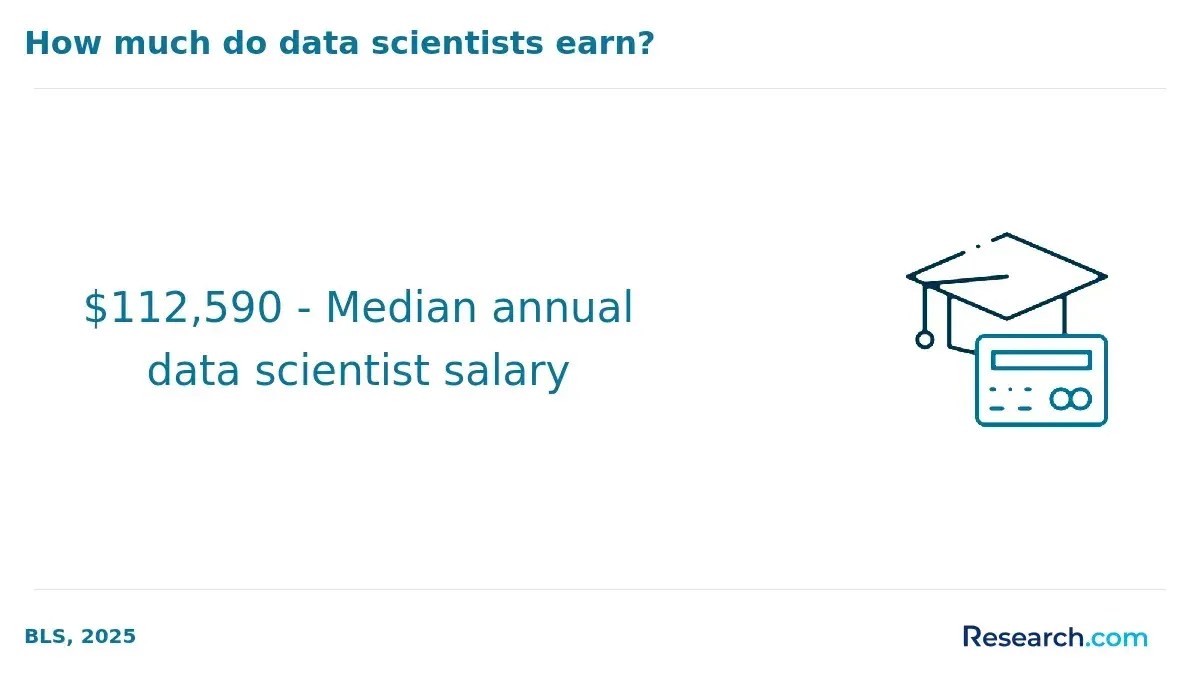
Salary ranges for AI-enabled talent in learning and development vary widely by experience, industry, and specific roles. Entry-level AI specialists typically start around $70,000 annually, while mid-career professionals with proven AI integration skills earn between $100,000 and $135,000.
Senior positions, such as AI strategy leads or AI-focused organizational development directors, often command salaries over $160,000, especially within tech-driven sectors and large enterprises.
The job outlook remains strong as companies continue adopting AI tools in corporate training. According to the 2024 LinkedIn Workplace Learning Report, 94% of learning leaders plan to maintain or increase investments in AI learning. This trend boosts demand for professionals skilled in implementing AI strategies effectively.
Key roles include AI curriculum developers, AI analytics specialists, and AI-driven learning experience designers. These positions require both proficiency in AI technologies and knowledge of adult learning principles. Employers highly value candidates who demonstrate measurable impacts, such as the 21% productivity gains reported by organizations investing in AI-focused L&D teams.
Developing AI competencies like machine learning basics, data interpretation, and AI tools management is essential for career advancement and salary growth. Those who can quantify ROI on AI initiatives tend to secure better remuneration and job security.
Prospective students and graduates benefit from pursuing specialized AI learning courses within L&D contexts to enhance employability and salary potential. As AI adoption expands, salary growth for these roles is expected to outpace traditional learning and development positions significantly.
Which AI certifications and badges are most valuable for L&D teams leading AI adoption?
For L&D teams driving AI adoption, certifications that focus on practical application, ethics, and strategic management deliver the most value. Programs like the AI and Machine Learning Certificate from Stanford or MIT build foundational technical skills critical for understanding AI's possibilities and limitations.
Non-technical professionals benefit from credentials such as the AI Transformation Officer Badge from the AI Business School or the AI Strategy Certification offered by respected industry organizations, which emphasize integrating AI into workflows and managing change responsibly.
AI ethics and governance credentials hold particular importance to ensure responsible use. Examples include the Certified Ethics in AI Practitioner and AI Governance Badge from professional associations.
Micro-credentials on platforms like TensorFlow and Azure AI Fundamentals enable hands-on employee upskilling, a critical component for ongoing development. Gartner's 2024 HR Leaders Survey found organizations with continuous AI learning paths are 3.1 times more likely to be rated well prepared for AI-driven transformation.
L&D teams maximize impact by blending certifications across technical, strategic, and ethical areas. This approach addresses skills gaps, resistance to change, and compliance risks while ensuring relevance. Selecting industry-recognized credentials linked to practical outcomes supports effective AI leadership and adoption.
Other Things You Should Know About Artificial Intelligence
Challenges in implementing artificial intelligence include data quality issues, lack of skilled professionals, and integration difficulties with existing systems. Organizations often struggle with ethical considerations and managing employee acceptance. Ensuring transparency and accountability in AI decision-making also remains a significant hurdle.
In 2027, top AI courses for learning and development teams include offerings from Coursera, edX, and Udacity. These courses cover AI fundamentals, machine learning, and ethical AI, aimed at helping teams effectively manage AI adoption within their organizations.
Explainability is crucial for building trust in artificial intelligence systems, especially in critical business or learning environments. It allows stakeholders to understand how AI makes decisions, ensuring accountability and compliance with regulations. Transparent models help organizations identify biases and improve the fairness of AI-driven processes.
Artificial intelligence can personalize learning experiences by analyzing individual skills and tailoring content accordingly. It also facilitates intelligent automation of administrative tasks and provides real-time feedback through adaptive assessments. These applications help learning and development teams improve engagement and measure training effectiveness more accurately.
References
- AI in L&D: Its Uses, What to Avoid & Impacts on Learning & Development | Cornerstone https://www.cornerstoneondemand.com/resources/article/ai-in-learning-and-development/
- AI career paths: 2026 job guide https://www.pluralsight.com/resources/blog/ai-and-data/ai-career-guide-2025
- How Generative AI is Changing the Role of L&D https://trainingindustry.com/articles/content-development/how-generative-ai-is-changing-the-role-of-ld/
- Eligibility Criteria for AI Courses in Germany https://www.yesgermany.com/eligibility-criteria-for-ai-courses-in-germany/
- 10 Best Corporate Training Solutions in 2026 https://cognota.com/blog/corporate-training-solutions/
- What are the requirements for completing the Introduction to AI and Building AI courses? https://www.elementsofai.com/faq/what-are-the-requirements-for-completing-the-introduction-to-ai-and-building-ai-courses-2
- AI Training: 5 Tips To Help L&D Pros Find The Best AI Courses https://elearningindustry.com/ai-training-tips-to-help-ld-pros-find-the-best-ai-courses
- How AI Is Rewriting Career Growth for Learning Professionals https://www.digitallearninginstitute.com/blog/how-ai-is-rewriting-career-growth-for-learning-professionals
- How Much Does it Cost to Learn AI? https://blog.nobledesktop.com/learn/ai/ai-cost-to-learn