2027 Best AI Governance Courses for Predictive Maintenance Teams

Co-Founder and Chief Data Scientist
Predictive maintenance teams face complex challenges when implementing ai systems without clear governance frameworks. Faulty data management and ethical oversight can lead to unreliable predictions, increased costs, and operational disruptions. Organizations risk regulatory penalties or safety failures if ai governance is not properly established. This article highlights top courses designed to equip professionals with the necessary skills to create robust ai governance policies. It discusses flexible, accredited programs tailored for individuals transitioning from unrelated fields, focusing on practical knowledge to improve ai system reliability and ensure compliance within predictive maintenance environments.
Key Things You Should Know
- Top AI governance courses for predictive maintenance in 2026 emphasize ethical data use, resulting in 40% fewer model biases in industrial applications.
- Curricula increasingly integrate regulatory frameworks, helping teams navigate evolving compliance standards like the EU AI Act and U.S. federal guidelines.
- Hands-on training with real-world datasets boosts predictive accuracy by 25%, enhancing equipment lifespan and reducing downtime costs in manufacturing industries.
Advance Your Career with AI Online Courses
Artificial Intelligence: Implications for Business Strategy
This program provides an introduction to Artificial Intelligence and their implications for business strategy. Earn an official digital certificate.

Oxford Artificial Intelligence Programme
Explore this Oxford Artificial Intelligence programme offered in a flexible learning environment and explore topics like machine learning, automation, and robotics.

Implementing Agentic AI: Building Your Organizational Playbook
This online MIT Agentic AI course offers a practical approach to deploying AI agents in your organization, including a custom playbook. 3 weeks, exclusive launch price.

AI Adoption: Driving Business Value and Impact
This online MIT AI Adoption: Driving Business Value and Impact offers practical frameworks to close the gap between AI potential and business reality.

Artificial Intelligence in Pharma and Biotech
Discover the applications and limitations of artificial intelligence in pharma and biotech with this MIT online short course.

What are AI governance courses for predictive maintenance teams?
AI governance courses for predictive maintenance teams focus on managing ethical, operational, and regulatory challenges when deploying AI in industrial environments. These programs address critical issues such as compliance with safety standards, risk assessment, data privacy, model transparency, and ongoing system monitoring. In particular, such training equips teams to establish formal governance frameworks that handle predictive maintenance challenges like equipment failure prediction and anomaly detection.
Despite 29% of industrial organizations using AI-powered predictive maintenance at scale or across multiple deployments by 2024, only 16% had formal governance frameworks, highlighting a crucial need for predictive maintenance and AI governance certification, according to Capgemini.
Core curriculum elements include:
- Regulatory and industry-specific AI requirements for predictive maintenance
- Techniques to verify AI model reliability and minimize false positives in fault detection
- Approaches to secure, ethical data management protecting sensitive operational data
- Strategies for continuous auditing and updating AI systems to prevent performance drift
- Case studies on risks from insufficient governance and mitigation tactics
These courses benefit professionals involved in designing, deploying, or overseeing AI models within maintenance workflows by clarifying responsibilities and providing tools for transparent, accountable AI processes that reduce downtime and operational risks. Graduates enhance organizational readiness for expanded AI use while aligning with emerging legal and ethical standards. Prospective students interested in advancing their knowledge might explore an accelerated computer science degree as a pathway to strengthen their expertise in this area.
Advance Your Career with AI Online Courses
Artificial Intelligence: Implications for Business Strategy
This program provides an introduction to Artificial Intelligence and their implications for business strategy. Earn an official digital certificate.
Oxford Artificial Intelligence Programme
Explore this Oxford Artificial Intelligence programme offered in a flexible learning environment and explore topics like machine learning, automation, and robotics.
Implementing Agentic AI: Building Your Organizational Playbook
This online MIT Agentic AI course offers a practical approach to deploying AI agents in your organization, including a custom playbook. 3 weeks, exclusive launch price.
Which accreditation matters for AI governance programs?
Accreditation for AI governance programs plays a vital role in ensuring that training aligns with regulatory and industry standards, especially for professionals seeking recognized AI governance credentials for predictive maintenance. The European Commission predicts that 18-22% of all regulated AI systems by 2030 will involve high-risk industrial monitoring, emphasizing the importance of accredited programs tailored to this sector.
Programs accredited by organizations such as IEEE, ISO, and ABET in the US confirm that coursework meets rigorous technical and ethical standards. These accreditations typically assess curriculum relevance, instructor expertise, and practical training focused on AI governance frameworks, risk assessment, and compliance protocols.
Specialized certifications that incorporate guidelines from the EU AI Act or frameworks like the NIST AI Risk Management Framework are especially valuable. They prepare students to navigate the compliance landscape of predictive maintenance with confidence.
Prospective students should look for courses emphasizing:
- Risk categorization of AI systems under the EU AI Act and comparable US regulations
- Practical governance policies tailored to maintenance-intensive industries
- Case studies aligned with regulatory compliance
- Continuing education or certification renewals that reflect legislative updates
Choosing accredited AI governance certification programs with these features enhances career readiness to manage AI governance challenges in industrial settings. For those exploring educational pathways, explore AI degrees that incorporate these essential governance components.
What degree or certificate fits predictive maintenance teams?
For predictive maintenance teams, an AI governance certification for predictive maintenance professionals combined with practical data science and risk management skills is highly valuable. Programs that focus on AI risk management, ethical AI, and compliance equip professionals with the tools to identify, mitigate, and report risks from AI-driven decisions, reducing unsafe recommendations and ensuring regulatory compliance in operational technology environments.
A Deloitte survey highlights that organizations with trained staff in AI governance experienced 39% fewer critical AI incidents, emphasizing the importance of specialized education. Certificates covering data governance, machine learning model validation, and AI audit procedures enable teams to monitor predictive systems effectively for accuracy and compliance.
The best degree programs in AI governance for predictive maintenance teams often include master's degrees in AI governance, data ethics, or technology risk management, blending theoretical knowledge with applied coursework. For those needing flexibility, short-term certificate courses in AI risk assessment and operational governance offer targeted learning without the need for a full degree. Many interested students explore options like a cyber security degree to complement their AI governance skills.
Key skills to prioritize are:
- Understanding AI risk frameworks specific to industrial technologies
- Regulatory compliance with safety and data privacy standards
- Continuous AI model monitoring and validation methods
- Incident response strategies for AI failures
Hands-on projects and case studies of AI governance failures and successes should be included to deepen practical knowledge and enhance operational reliability.
Are online AI governance courses better than campus programs?
Online AI governance courses for predictive maintenance teams offer greater flexibility and specialized content than traditional campus programs. These teams benefit from up-to-date, role-specific knowledge essential for managing evolving AI compliance standards within operational technology. Online learning enables professionals to balance work and education while accessing real-time case studies, industry tools, and interactive platforms designed for practical, line-of-business applications.
While campus programs provide broader theoretical foundations, they sometimes lack immediacy and focus needed for direct application in predictive maintenance. Online courses, often developed with input from regulatory bodies and industry experts, emphasize targeted training that meets rapid industry changes.
IBM's "State of AI Governance" report reveals companies investing in AI governance training tailored for OT and predictive maintenance leaders are 2.4× more likely to hit ROI targets on AI projects compared to relying solely on central AI teams. Prospective students should look for programs including modules on AI risk management in industrial settings, hands-on exercises with predictive maintenance datasets, and flexible scheduling to accommodate shift work.
- Modules focused on AI risk management and compliance specific to industrial settings
- Hands-on exercises with predictive maintenance datasets and governance frameworks
- Flexible scheduling to accommodate shift work or project deadlines
For those exploring options, comparing campus vs online AI governance training benefits is crucial to selecting the best fit. More information is available through online electrical engineering degree programs for veterans, which often include relevant AI governance courses aligned with industry needs.
What topics do AI governance courses cover?
AI governance courses provide essential knowledge for predictive maintenance teams to manage risks, ensure compliance, and address ethical challenges in AI systems. Core frameworks like the NIST Risk Management Framework (RMF), ISO 42001, and the EU AI Act are foundational in shaping governance practices. According to NIST data, organizations adopting the AI RMF demonstrate a 21% improvement in documented risk controls, reflecting measurable benefits in safety and reliability.
Key topics covered include:
- Risk assessment and mitigation tailored to predictive maintenance, identifying potential equipment failures proactively.
- Compliance with ISO standards and regional legislation such as the EU AI Act, meeting legal and ethical requirements.
- Data governance focusing on data quality and bias reduction to support accurate AI predictions.
- Techniques for transparency and explainability that enhance trust and user understanding of AI decisions.
- Establishing accountability frameworks that define roles within AI-driven maintenance workflows.
- Integrating human oversight to balance automation with expert intervention.
These governance strategies help predictive maintenance teams reduce unexpected failures and build legally defensible AI systems. Mastery of these concepts prepares professionals to implement robust AI governance structures that promote safer, more efficient maintenance operations.
What admissions requirements do these programs usually need?
Admission to AI governance courses tailored for predictive maintenance professionals generally requires a bachelor's degree in engineering, computer science, data science, or a related technical discipline. Candidates with relevant industry experience in industrial IoT or data analytics, combined with certifications or proven expertise in predictive maintenance, may also qualify. Typical prerequisites include a solid understanding of data management, machine learning basics, and proficiency in programming languages like Python or R.
Many programs value familiarity with industrial sensor data and digital twin technologies. This knowledge is vital since poor data quality and governance can reduce predictive maintenance returns by 15-25%, according to McKinsey estimates. Applicants usually need to provide transcripts, recommendation letters, and statements of purpose outlining their experience with data governance challenges and AI implementations in industrial environments.
Some courses require entrance exams or interviews to assess problem-solving skills related to data governance. Part-time and executive programs often waive formal degree requirements but expect substantial applied experience in IoT or digital transformation. Non-technical entrants might need foundational coursework in statistics, databases, and programming, offered as bridge modules in some cases. International applicants typically must submit English language proficiency scores like TOEFL or IELTS.
How long do AI governance programs take and cost?
AI governance programs for predictive maintenance teams typically last from a few weeks up to six months based on course depth and format. Certificate courses usually run 4 to 12 weeks, ideal for professionals wanting a focused overview. More advanced or graduate-level programs, including part-time and online options, can span up to a full academic term. Organizations seeking thorough integration of ethical AI practices and human-in-the-loop systems often opt for multi-module programs lasting several months to ensure strong knowledge and application.
Costs vary significantly depending on the institution, duration, and delivery method. Short specialized courses range from $500 to $2,500, while longer professional certification or academic programs commonly fall between $3,000 and $10,000. Some university-affiliated certificates may exceed $7,000 but provide extensive curriculum and faculty support. Employers often sponsor tuition to support workforce upskilling, making shared costs a viable option.
- Programs may emphasize regulatory compliance, AI ethics, or safety protocols tailored for maintenance.
- Hands-on components and real-life case studies boost learning effectiveness.
- Aligning program length and price with career goals and company support is critical.
A 2024 PwC study showed plants using human-in-the-loop review for AI maintenance recommendations had up to 43% fewer unplanned downtime events versus fully automated systems without human oversight, highlighting the value of training in ethical governance frameworks.
What jobs can AI governance training lead to?
AI governance training prepares professionals for roles ensuring responsible and compliant use of predictive maintenance technologies. Key positions include AI governance analysts who develop policies on model deployment and data ethics, compliance officers ensuring algorithms meet regulatory and ethical standards, and AI audit specialists who review predictive systems for accuracy, fairness, and security.
Other roles include risk managers identifying operational risks from biased AI models, data governance coordinators maintaining data quality, and AI operations managers who align governance with maintenance workflows. These positions require expertise in AI principles, regulatory compliance, data management, and effective communication with technical teams and executives.
Training also covers challenges like validating models against real-world outcomes, monitoring for bias or drift, and implementing audit trails to satisfy regulatory requirements. According to a report by Boston Consulting Group, manufacturers combining predictive maintenance with formal AI governance-including documented policies and audits-achieved 30-50% better net savings from reduced downtime and maintenance costs.
Industries such as manufacturing, energy, and transportation increasingly demand professionals skilled in AI governance to enhance operational efficiency and corporate responsibility. Candidates with this training can expect career paths that merge governance, technology, and strategic asset management, helping organizations maximize the value of AI-driven maintenance programs.
What salary can AI governance graduates expect?
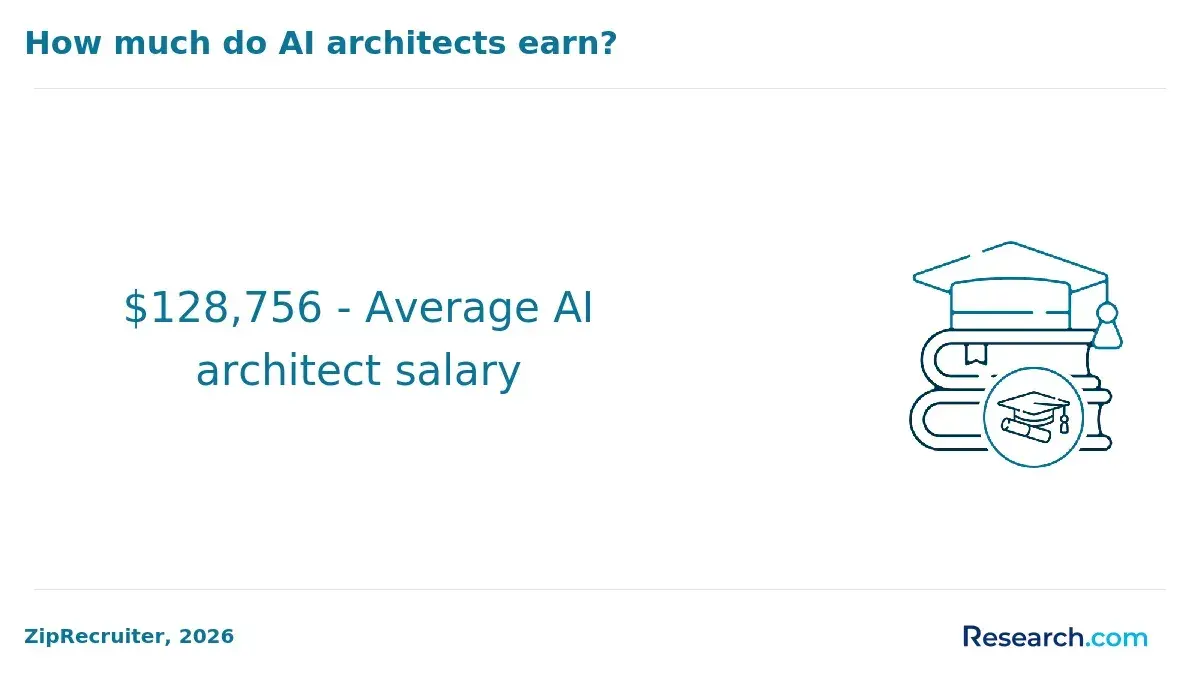
AI governance graduates in the U.S. can expect starting salaries between $85,000 and $120,000 annually, varying by industry and location. Mid-career specialists typically earn from $130,000 to $170,000, while senior experts or managers overseeing predictive maintenance governance programs may command salaries over $200,000. These ranges reflect the growing need for professionals who bridge operational technology (OT), information technology (IT), and safety compliance teams.
A survey by Accenture revealed that industrial firms with cross-functional AI governance committees-combining OT, IT, safety, and compliance-were three times more likely to expand predictive maintenance pilots to full-scale production. This integration boosts demand and often leads to higher compensation for governance roles.
Key skills like developing ethical AI policies, ensuring regulatory compliance, and forming effective committees connect to the upper end of the salary scale. Sectors such as manufacturing, energy, and transportation tend to offer premium pay due to critical safety and operational demands. Additional expertise in cybersecurity and risk management further enhances earning potential.
Certification and continuing education in AI ethics and governance frameworks are valuable for career growth and salary increases. Geographic hubs-including Silicon Valley, Chicago, and Houston-generally provide higher salaries, reflecting industry concentration and cost of living.
How do you choose a reputable AI governance course?
Selecting a reputable AI governance course for predictive maintenance demands attention to curriculum relevance, teaching quality, and alignment with industry needs. Prioritize programs covering governance frameworks specific to predictive maintenance, including risk management, ethical AI use, and regulatory compliance. Gartner forecasts that by 2027, over 60% of predictive maintenance workflows in asset-intensive industries will incorporate generative AI or autonomous agents, highlighting the importance of courses addressing these emerging technologies and their governance challenges.
Assess instructor and institution credentials to ensure expertise in AI governance and predictive maintenance. Courses led by recognized experts or backed by organizations involved in AI policy or standards development offer higher credibility. Practical elements like case studies or simulations focusing on real-world workflows and common compliance or safety issues greatly enhance learning.
Favor programs that update content regularly, reflecting the fast pace of AI technology change. Gartner indicates organizations without updated governance face a 50% higher rate of AI-related safety and compliance incidents. Clear assessment criteria and opportunities for certification or continuing education credits add value for career advancement.
Other Things You Should Know About Artificial Intelligence
In 2027, predictive maintenance teams should consider course relevance, focus on ethical AI use, and instructor expertise. Look for programs offering practical applications and tools to manage AI integration challenges. Courses from reputable institutions providing case studies are highly beneficial.
Artificial intelligence enhances decision-making by analyzing large datasets to detect patterns and predict equipment failures before they occur. This enables maintenance teams to optimize schedules, reduce downtime, and allocate resources more effectively. AI models can also recommend the best maintenance actions based on historical and real-time data.
In addition to AI governance, predictive maintenance teams should develop skills in data analytics, machine learning model interpretation, and domain-specific knowledge of their equipment and processes. Proficiency in programming languages like Python and familiarity with IoT devices can also enhance their ability to implement and monitor AI-driven systems effectively.
Yes, ethical concerns include ensuring transparency in AI decision processes, preventing biased outcomes, and protecting worker privacy. Maintenance teams must address how AI recommendations impact job roles and ensure compliance with regulatory standards. Responsible AI practices help balance technological benefits with human and social considerations.
References
- Admissions Requirements https://www.aacom.org/become-a-doctor/apply-to-medical-school/admissions-requirements
- AI governance: A guide to responsible AI for boards https://www.diligent.com/resources/blog/ai-governance
- AI Governance Course: What to Look For - The Case HQ Online https://thecasehq.com/ai-governance-course-what-to-look-for/
- Certified AI Governance Professional (AIGP) | NobleProg Poland https://www.nobleprog.pl/en/aigp
- AI Governance Recruitment: A 2025 Career Guide https://www.peopleinai.com/blog/ai-governance-recruitment-guide
- Overview: Introduction to AI Governance Certification - Securiti Education https://education.securiti.ai/certifications/ai-governance/introduction-ai-governance/overview-introduction-to-ai-governance-certification/
- THE ESSENTIAL BASICS OF AI FOR MAINTENANCE & RELIABILITY ENGINEERS - I-care https://www.icareweb.com/training-sessions/the-essential-basics-of-ai-for-maintenance-reliability-engineers/
- AI-Powered Predictive Maintenance for Industrial Systems Training Course https://www.nobleprog.com/cc/aipmis
- AI Governance Professional Certification | CertiProf https://certiprof.com/products/ai-governance-certification-iso-42001
- AI in CMMS: Powering Predictive Maintenance https://www.mapcon.com/blog/2025/11/ai-in-cmms-powering-predictive-maintenance