2027 Best AI Strategy Courses for Medical Device Companies

Co-Founder and Chief Data Scientist
Medical device companies often struggle to integrate artificial intelligence strategies effectively, resulting in missed opportunities for innovation and competitive advantage. Teams may lack the specialized knowledge to navigate regulatory complexities and technological advancements simultaneously. This gap slows product development and limits the potential for improved patient outcomes. Finding targeted education that bridges business strategy with AI applications is critical for professionals seeking to lead in this evolving field. This article explores the best AI strategy courses designed for medical device companies, offering guidance to help professionals acquire actionable skills and drive successful AI integration initiatives.
Key Things You Should Know
- Medical device companies increasingly rely on ai strategy courses to navigate complex regulatory environments, with 72% emphasizing compliance and risk management education in 2025 curricula.
- Courses blend technical ai skills with healthcare-specific applications, highlighting machine learning models for diagnostics and predictive maintenance critical to device innovation.
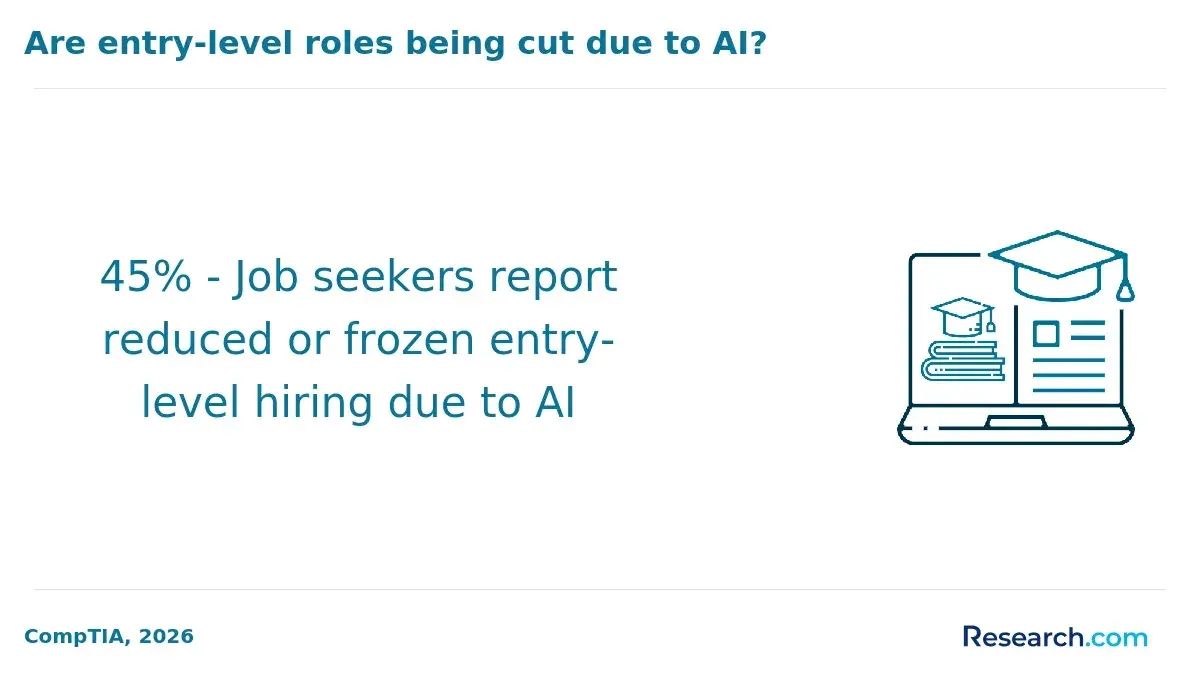
- Employer demand for graduates with ai strategy expertise in medical devices grew 45% from 2024 to 2025, reflecting industry prioritization of data-driven product development.
Advance Your Career with AI Online Courses
Artificial Intelligence: Implications for Business Strategy
This program provides an introduction to Artificial Intelligence and their implications for business strategy. Earn an official digital certificate.

Oxford Artificial Intelligence Programme
Explore this Oxford Artificial Intelligence programme offered in a flexible learning environment and explore topics like machine learning, automation, and robotics.

Implementing Agentic AI: Building Your Organizational Playbook
This online MIT Agentic AI course offers a practical approach to deploying AI agents in your organization, including a custom playbook. 3 weeks, exclusive launch price.

AI Adoption: Driving Business Value and Impact
This online MIT AI Adoption: Driving Business Value and Impact offers practical frameworks to close the gap between AI potential and business reality.

Artificial Intelligence in Pharma and Biotech
Discover the applications and limitations of artificial intelligence in pharma and biotech with this MIT online short course.

What is an AI strategy course for medical device companies and who should enroll?
An AI strategy course designed for medical device companies provides professionals with crucial skills to incorporate artificial intelligence technologies throughout device development, regulatory compliance, and market strategies. These courses emphasize AI applications such as predictive analytics, diagnostic algorithms, and device optimization to improve product performance and patient outcomes. They also address regulatory landscapes, data governance, ethical concerns, and collaboration across departments needed for successful AI integration.
Ideal participants in medical device AI implementation training include product managers, regulatory affairs specialists, engineers, data scientists, and executives involved in strategic planning. Healthcare practitioners moving toward device innovation or AI roles gain valuable insights into the technical and commercial aspects of AI. For instance, regulatory specialists may explore how AI affects FDA approval pathways, while data scientists deepen their understanding of clinical validation processes.
With the global AI in medical devices market expected to grow from USD 3.1 billion in 2024 to USD 11.4 billion by 2029 at a 27.8% CAGR, according to MarketsandMarkets, expertise in AI strategy is vital for companies to stay competitive. Employees skilled in aligning AI with product design, compliance, and commercialization are increasingly in demand.
Courses typically include case studies on AI-driven imaging tools, machine learning in diagnostics, and AI integration with Internet of Medical Things devices. Participants build competence in evaluating AI models, leading interdisciplinary teams, and navigating regulatory frameworks. Professionals interested in advancing their credentials can explore an artificial intelligence degree to broaden their career opportunities.
Advance Your Career with AI Online Courses
Artificial Intelligence: Implications for Business Strategy
This program provides an introduction to Artificial Intelligence and their implications for business strategy. Earn an official digital certificate.
Oxford Artificial Intelligence Programme
Explore this Oxford Artificial Intelligence programme offered in a flexible learning environment and explore topics like machine learning, automation, and robotics.
Implementing Agentic AI: Building Your Organizational Playbook
This online MIT Agentic AI course offers a practical approach to deploying AI agents in your organization, including a custom playbook. 3 weeks, exclusive launch price.
How can AI strategy training help medical device companies stay competitive and compliant?
AI strategy training is vital for medical device companies seeking to enhance compliance and gain competitive advantages of AI training in healthcare technology. With 882 AI/ML-enabled medical devices cleared or approved by the FDA, up from 343, professionals must navigate complex regulatory pathways efficiently. Training clarifies FDA guidelines and integrates compliance into product development lifecycles, reducing submission delays and accelerating time to market.
Such education also fosters ethical AI implementation by teaching design of explainable algorithms critical for regulatory approval and user trust. Post-market surveillance skills including real-world performance monitoring help mitigate risks and ensure ongoing regulatory adherence.
AI strategy for medical device compliance additionally addresses operational issues like managing bias in data and protecting patient privacy under evolving regulatory frameworks. This prepares teams to prevent costly penalties and reputation damage.
Moreover, training enhances innovation pipeline management by covering data governance, cross-functional collaboration, and strategic investment priority setting. Medical device companies benefit from a comprehensive toolkit combining regulatory insight, technical expertise, and strategic foresight.
Those interested in advancing their careers can consider online AI degree programs to gain relevant skills and knowledge aligned with industry demands.
What types of AI strategy programs exist for medical device professionals (short courses, certificates, degrees)?
AI strategy education for medical device professionals is available through multiple formats including short courses, certificate programs, and degree offerings. Short courses typically cover focused topics such as AI risk management, regulatory compliance, or data quality assurance. These intensive sessions, often lasting days or weeks, cater to busy professionals seeking targeted knowledge. For example, workshops may tackle issues identified by a 2024 TÜV SÜD analysis, which revealed that over 60% of AI/ML medical device submissions required additional clarification on data quality and risk management documentation, highlighting the importance of specialized AI risk training.
Certificate programs offer a structured curriculum over several months, blending theoretical instruction with practical applications relevant to medical device manufacturing. These focus on AI system validation and integration within regulatory frameworks and appeal to professionals aiming to enhance their credentials without pursuing a full degree. Such certification and degree programs in ai strategy for medical devices provide valued credentials in a competitive field.
Degree programs, like master's degrees in AI or biomedical engineering with AI specializations, provide comprehensive education. They prepare candidates for leadership roles by addressing core technical skills, AI ethics, and interdisciplinary strategy development. Often including projects simulating regulatory and technical challenges, these programs equip professionals for real-world scenarios.
Choosing the right education path means considering current industry challenges such as data quality assurance and increased regulatory scrutiny. Prospective learners may also explore online data science programs for flexible, accredited options aligning with career goals in AI strategy for medical devices.
What core topics and skills do the best AI strategy courses for medical device companies cover?
The best AI strategy courses for medical device companies concentrate on key skills for developing AI solutions in the medical device industry, addressing challenges specific to regulated healthcare and complex technology integration. These programs emphasize data governance and cybersecurity, crucial given healthcare's high average data breach costs-USD 9.77 million per incident as noted in the IBM Cost of a Data Breach Report.
Core topics include compliance with FDA regulations and international standards like ISO 13485 to ensure AI tools meet strict quality and safety standards. Training also focuses on validating and explaining machine learning models to produce transparent systems that satisfy both clinicians and regulators.
Effective data management is taught to securely handle sensitive patient information while maintaining data integrity in AI training. Risk management and ethical AI use are incorporated to minimize bias and enhance patient safety throughout a device's lifecycle.
Courses often integrate strategic planning, helping participants link AI development to business objectives, market analysis, and competitive positioning. Case studies illustrate successful strategies across medical device categories, including diagnostics and implantables.
U.S. professionals interested in advancing skills can also explore military friendly online cybersecurity degree programs that complement AI strategy implementation for medical device companies, supporting robust security in this specialized field.
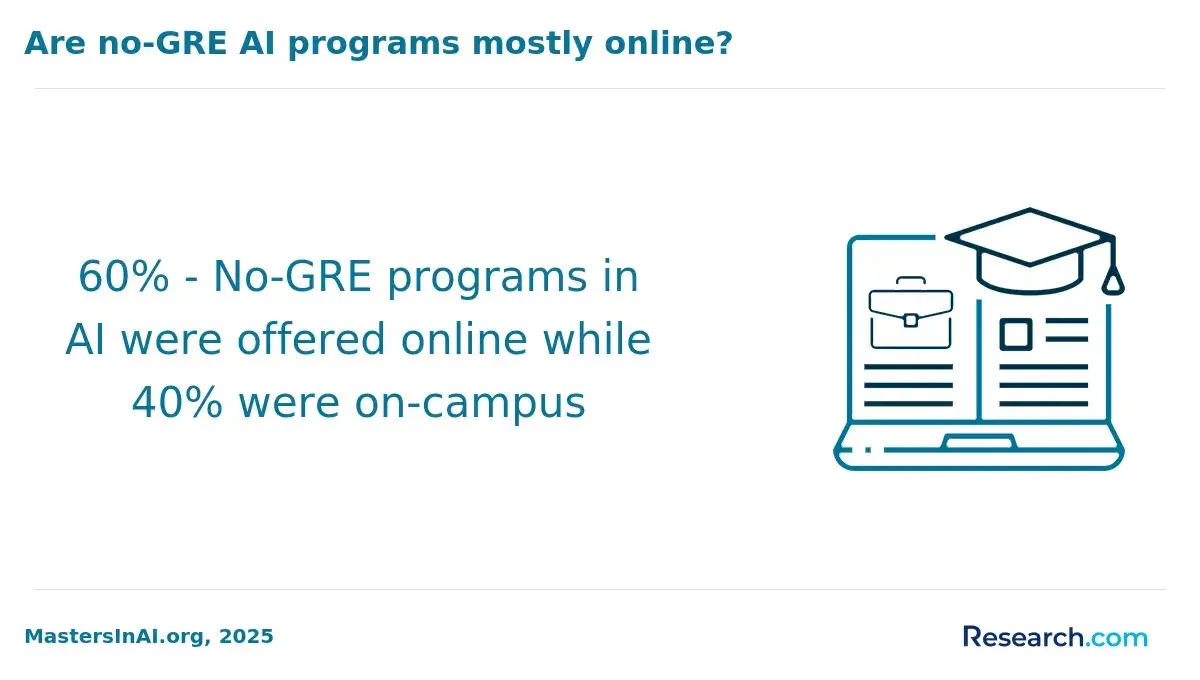
How do online AI strategy programs compare with on-campus options for medical device professionals?
Online ai strategy programs offer flexibility to medical device professionals by delivering up-to-date content curated by global experts. These courses often include real-world case studies and simulations addressing regulatory and commercial challenges, allowing learners to immediately apply knowledge in their work. Conversely, on-campus programs provide immersive, hands-on collaboration and access to faculty with extensive clinical research expertise. This environment supports mentorship and timely feedback, crucial for navigating the complex validation processes essential to medical ai devices.
A key finding from the JAMA 2024 study revealed that only about 50% of marketed AI/ML medical devices had peer-reviewed clinical validation, emphasizing the importance of robust evidence generation strategies. On-campus options typically offer strong research infrastructure and guidance for designing and conducting these studies, benefiting professionals engaged in clinical trials or regulatory submissions.
Many online programs have introduced mentorship and collaboration tools, with some adopting hybrid formats that combine virtual learning with occasional on-site workshops. When evaluating programs, consider:
- Alignment with FDA regulatory standards and clinical trial design
- Access to faculty with proven publication records in ai medical devices
- Opportunities for peer review and publication support
- Flexibility to apply learning in professional settings
Online options excel in delivering accessible curricula for strategy and implementation, while on-campus programs enhance research rigor and mentorship - both vital in responding to the demand for validated AI medical innovations.
Which accreditation, regulatory, and quality standards matter for AI strategy programs in this field?
Accreditation, regulatory, and quality standards play a crucial role in ai strategy programs designed for medical device companies. These programs must focus on FDA regulations, particularly the FDA's Software as a Medical Device (SaMD) framework, which sets essential requirements for ai-powered software tools. Knowledge of FDA premarket submissions and post-market surveillance processes is vital to ensure compliance and patient safety.
Quality frameworks like ISO 13485, detailing medical device quality management systems, and IEC 62304, which governs software lifecycle processes, are integral parts of ai strategy education. These standards help maintain consistent product quality, risk management, and robust software validation.
Data privacy and security regulations, including HIPAA, are also emphasized. ai programs should cover how to manage Protected Health Information (PHI) within algorithms while staying compliant. Given healthcare's sensitivity, understanding these rules is indispensable for effective ai integration in diagnostics and patient monitoring.
Payer-related issues should be addressed, illustrating how Medicare's investment in ai-enabled care models influences reimbursement strategies. By mid-2024, Medicare spending on digital health and remote patient monitoring, including ai-supported RPM codes, exceeded $2.3 billion annually, highlighting the importance of aligning ai strategies with payer policies.
Comprehensive programs prepare students to tackle FDA, ISO, IEC, and HIPAA requirements alongside market access and reimbursement challenges for medical device companies.
What are the typical admission requirements and prerequisites for AI strategy courses in healthcare technology?
Admission into AI strategy courses in healthcare technology often requires a blend of education, experience, and technical skills. Candidates usually need at least a bachelor's degree in biomedical engineering, computer science, healthcare management, or related STEM fields. Some advanced programs may prefer a master's degree or equivalent experience in healthcare technology or data science.
Prerequisites typically cover data analytics, programming languages like Python or R, and knowledge of medical device regulations. Professionals without formal technical degrees might qualify based on relevant work experience in healthcare IT, product development, or medtech business strategy.
Applications generally require resumes detailing roles in healthcare innovation or technology projects, along with letters of recommendation from industry experts or academic advisors. Competitive programs may include interviews to evaluate strategic thinking and understanding of AI ethics and compliance related to medical devices.
A 2024 Deloitte global life sciences survey found that 73% of medtech executives cite lack of in-house AI skills as a major barrier to scaling AI initiatives. As a result, many courses emphasize practical skills that integrate strategy with technology, ensuring students can apply AI concepts effectively within regulatory frameworks.
Flexible admissions often encourage collaboration between professionals from business, clinical, or regulatory backgrounds and technical peers. This interdisciplinary approach reflects the diverse expertise needed for AI strategy success in medical device companies.
How long do AI strategy programs take, and what total costs should learners expect?
AI strategy programs for medical device companies vary from short, one-month bootcamps to comprehensive certifications lasting up to six months. Short courses usually cover fundamentals and regulatory frameworks, while longer programs offer part-time schedules with live sessions, case studies, and project work tailored to working professionals.
Costs range significantly, often reflecting program length, institutional reputation, and included resources. Entry-level courses start around $1,500 to $3,000, while advanced programs from top institutions may reach $8,000 to $12,000 or more. These higher-priced options generally provide expert faculty, access to proprietary AI tools, and regulatory guidance crafted specifically for the medical device industry.
The 2024 EU MDR/IVDR progress report highlights that over 40% of manufacturers of AI-based devices upgraded their post-market surveillance to meet stricter regulatory demands. This has increased demand for AI strategy programs integrating compliance, risk management, and data governance-elements missing from generic courses.
Key considerations when choosing a course include:
- Program duration that fits your current role and availability
- Cost relative to career advancement opportunities and employer reimbursement policies
- Focus on AI commercialization and regulatory strategy in medical devices
- Access to simulations or real-world MDR-compliant AI case studies
Selecting a program balancing duration, cost, and industry-specific skills will best prepare professionals for evolving compliance requirements in the medical device sector.
What careers, job titles, and advancement paths can AI strategy training unlock in medical devices?
Training in AI strategy within medical device companies opens diverse career opportunities in roles such as AI product manager, data scientist specializing in medtech, clinical AI strategist, and regulatory affairs specialist focusing on AI-enabled devices. These careers emphasize merging AI technologies with device design, ensuring compliance with safety regulations, and advancing commercialization efforts.
Progression often moves from technical roles to leadership positions, like advancing from AI engineer to director of AI innovation or chief digital officer. Expertise in AI strategy also positions professionals to serve as bridges between engineering, clinical research, and business teams.
Common job titles include:
- AI strategy consultant for medical technology firms
- Medtech AI implementation lead
- Regulatory compliance manager with AI specialization
- Healthcare data analytics manager
- Innovation portfolio manager focused on digital therapeutics
The surge of investment in digital health and AI in medtech-accumulating USD 10.7 billion in venture and growth funding-reflects growing demand for specialists who combine AI expertise with knowledge of regulatory frameworks and medtech innovation. Over one-third of these investments involve strategic partnerships with established device companies.
For career growth, proficiency in AI strategy paired with understanding FDA regulations and data privacy laws enables advancement into senior roles driving product development, securing funding, and managing co-development agreements that align AI capabilities with business goals.
What is the salary outlook and demand for AI-focused roles in the medical device industry?
AI-focused roles in the medical device industry offer strong salary prospects due to rapid market growth and substantial financial rewards for companies adopting AI broadly. A McKinsey analysis found organizations expanding AI use across healthcare achieved 2-3× higher ROI versus those running limited pilots. Leading adopters improved earnings before interest and taxes (EBIT) by 10-15%, underlining the value of internal AI expertise.
These financial benefits translate to competitive salaries for professionals designing, implementing, and supporting AI solutions in medical device firms. Entry-level AI specialists earn approximately $90,000 to $120,000 annually. Experienced AI engineers and data scientists may command $130,000 to over $180,000 depending on geography and company size. Leadership roles like AI project managers or directors often earn above $200,000.
Demand stems from complex medical device regulations that require AI systems to meet safety, transparency, and effectiveness standards. Employers prioritize skills in machine learning algorithm development, data engineering, and regulatory compliance with applied knowledge in both AI and medical device contexts.
- High-demand specializations include predictive analytics for device performance.
- AI-driven diagnostics.
- Real-time monitoring systems.
Investment in these areas promises long-term career stability and advancement. Professionals seeking growth can benefit from understanding both AI techniques and the regulatory landscape of medical devices.
Other Things You Should Know About Artificial Intelligence
Data privacy in AI applications for medical devices is governed by strict regulations like HIPAA in the U.S. and GDPR in Europe. AI systems must ensure that patient data is anonymized, securely stored, and only accessed by authorized personnel to protect sensitive information. Compliance with these standards is critical to maintaining trust and meeting legal requirements.
One key challenge is ensuring the AI models are transparent and interpretable for clinical use. Additionally, companies must address integration complexity, data quality issues, and regulatory approvals specific to AI-enabled devices. Overcoming these hurdles requires cross-disciplinary expertise and collaboration between AI developers, clinicians, and regulators.
Explainability refers to the clarity with which an AI system's decisions can be understood by users. It is essential in medical devices because clinicians need to trust and verify AI recommendations before acting on them. Enhanced explainability can accelerate regulatory approval and increase clinician acceptance, ultimately improving patient outcomes.
The 2027 Best AI Strategy Courses for medical device companies focus on practical AI applications, regulatory compliance, and ethical considerations. Courses emphasize real-world case studies, personalized learning experiences, and hands-on projects to keep professionals updated with the latest AI trends and tools in the medical device industry.
References
- 16 Artificial Intelligence Career Paths https://www.calmu.edu/news/artificial-intelligence-career-paths
- Ultimate Guide: How to Choose the Right AI Training Course to Boost Your Career - ONLC https://www.onlc.com/blog/how-to-choose-ai-training-courses/
- Survey of Online Degrees in AI for Pharmaceutical Science | IntuitionLabs https://intuitionlabs.ai/articles/ai-pharmaceutical-science-education
- Artificial Intelligence Certification | AI Certification | USAII® https://www.usaii.org/artificial-intelligence-certifications
- 10 Jobs AI Can't Replace in 2025 | Future-Proof Career Guide https://prometai.app/blog/10-jobs-ai-wont-replace-future-proof-careers-for-the-ai-era
- Qserve Group | AI Regulatory Support https://qservegroup.com/en/ai-regulatory-support
- AI Act & Software as a Medical Device: Compliance, Assessment, and Strategies - Complife Group https://www.complifegroup.com/academy-course/ai-act-software-as-a-medical-device-compliance-assessment-and-strategies/
- AI-enabled Medical Devices Market Size, Share | Forecast [2034] https://www.fortunebusinessinsights.com/ai-enabled-medical-devices-market-115850
- EU AI Act | Online Training, Exam, Certificate of Completion https://www.artificial-intelligence-act.com/Artificial_Intelligence_Act_Trained_Professional_(AIActTPro).html
- AI Development Cost: An Ultimate Guide | SmartDev https://smartdev.com/ai-development-cost/