2027 Best AI Courses for Commercial Real Estate Professionals

Co-Founder and Chief Data Scientist
Commercial real estate professionals face growing pressure to leverage data-driven insights for investment and management decisions. Many struggle to integrate artificial intelligence tools due to technical barriers and limited access to relevant education. This knowledge gap can hinder competitiveness and limit career advancement opportunities.
Navigating a rapidly evolving field requires targeted learning that blends real estate expertise with practical AI applications. This article reviews top courses designed to help professionals develop essential skills, offering a flexible, accredited route to mastering artificial intelligence tools critical to success in commercial real estate markets.
Key Things You Should Know
- AI courses tailored for commercial real estate professionals focus on predictive analytics, automating property management, and enhancing investment decision-making through data-driven models.
- By 2025, over 60% of CRE firms plan to integrate AI tools, creating demand for specialized education that bridges real estate expertise with AI technologies.
- Leading programs emphasize practical skills in machine learning, natural language processing, and AI ethics, ensuring graduates can responsibly deploy AI in complex real estate markets.
Advance Your Career with AI Online Courses
Artificial Intelligence: Implications for Business Strategy
This program provides an introduction to Artificial Intelligence and their implications for business strategy. Earn an official digital certificate.

Oxford Artificial Intelligence Programme
Explore this Oxford Artificial Intelligence programme offered in a flexible learning environment and explore topics like machine learning, automation, and robotics.

Implementing Agentic AI: Building Your Organizational Playbook
This online MIT Agentic AI course offers a practical approach to deploying AI agents in your organization, including a custom playbook. 3 weeks, exclusive launch price.

AI Adoption: Driving Business Value and Impact
This online MIT AI Adoption: Driving Business Value and Impact offers practical frameworks to close the gap between AI potential and business reality.

Artificial Intelligence in Pharma and Biotech
Discover the applications and limitations of artificial intelligence in pharma and biotech with this MIT online short course.

What makes an AI course valuable for commercial real estate professionals today?
An AI course that emphasizes applied techniques can significantly enhance decision-making, efficiency, and profitability for commercial real estate professionals. By 2030, AI is expected to contribute up to $110 billion annually to the global real estate sector through improved forecasting, pricing, and operations.
Valuable courses in this area focus on predictive analytics for market trends, automated valuation models, and process automation to streamline property management tasks. Effective AI training for commercial real estate professionals includes practical experience with real estate datasets, instruction on machine learning algorithms tailored to forecasting, and case studies highlighting AI-driven improvements in leasing and asset management.
- Hands-on training with real estate datasets simulating market shifts and property evaluations.
- Customized machine learning algorithm instruction for commercial real estate forecasting.
- Case studies demonstrating workflow improvements in investment analysis and asset management.
- Modules integrating AI tools with existing real estate software platforms.
- Ethical and regulatory aspects related to AI use in real estate transactions.
Courses offering certification recognized within the commercial real estate sector benefit professionals aiming for career growth. Experienced practitioners can automate repetitive tasks, reduce errors, and focus more on strategic activities.
Newcomers gain foundational knowledge blended with applied skills to grasp AI's impact on asset valuation and risk management. The commercial real estate AI course benefits also extend to measurable improvements in cash flow optimization and portfolio diversification.
For those exploring educational options, consider programs featured among the most affordable data science master's programs to build relevant AI expertise without excessive cost.
Advance Your Career with AI Online Courses
Artificial Intelligence: Implications for Business Strategy
This program provides an introduction to Artificial Intelligence and their implications for business strategy. Earn an official digital certificate.
Oxford Artificial Intelligence Programme
Explore this Oxford Artificial Intelligence programme offered in a flexible learning environment and explore topics like machine learning, automation, and robotics.
Implementing Agentic AI: Building Your Organizational Playbook
This online MIT Agentic AI course offers a practical approach to deploying AI agents in your organization, including a custom playbook. 3 weeks, exclusive launch price.
Which types of AI skills are most in demand in commercial real estate roles?
Data analytics and AI literacy remain the most sought-after skills in commercial real estate (CRE) roles by 2026. Employers increasingly value candidates skilled in interpreting large datasets, predictive modeling, and applying machine learning to forecast market trends, tenant behavior, and property valuations. A PwC survey found that 43% of real estate and construction employers prioritized these capabilities in 2024, up from 26% in 2021.
Top AI applications for commercial real estate analysis include:
- Data visualization tools like Power BI or Tableau for turning complex data into actionable insights.
- Predictive analytics to evaluate investment risks and optimize property portfolios.
- Natural language processing for automating lease reviews, tenant communications, and tracking market sentiment.
- AI-driven property search algorithms that enhance client matching and lead generation.
Additionally, expertise in integrating geographic information systems (GIS) with AI improves location analysis and site selection. Real estate professionals must also navigate ethical AI practices and data privacy rules when handling sensitive information.
For those seeking to boost their machine learning skills in commercial real estate jobs, learning coding languages such as Python or R and engaging with frameworks like TensorFlow or scikit-learn is essential. This blend of technical and business acumen places candidates competitively in markets where AI-driven decisions enhance efficiency and profitability. Pursuing an online degree in mechanical engineering can also provide foundational skills valuable across AI-related fields.
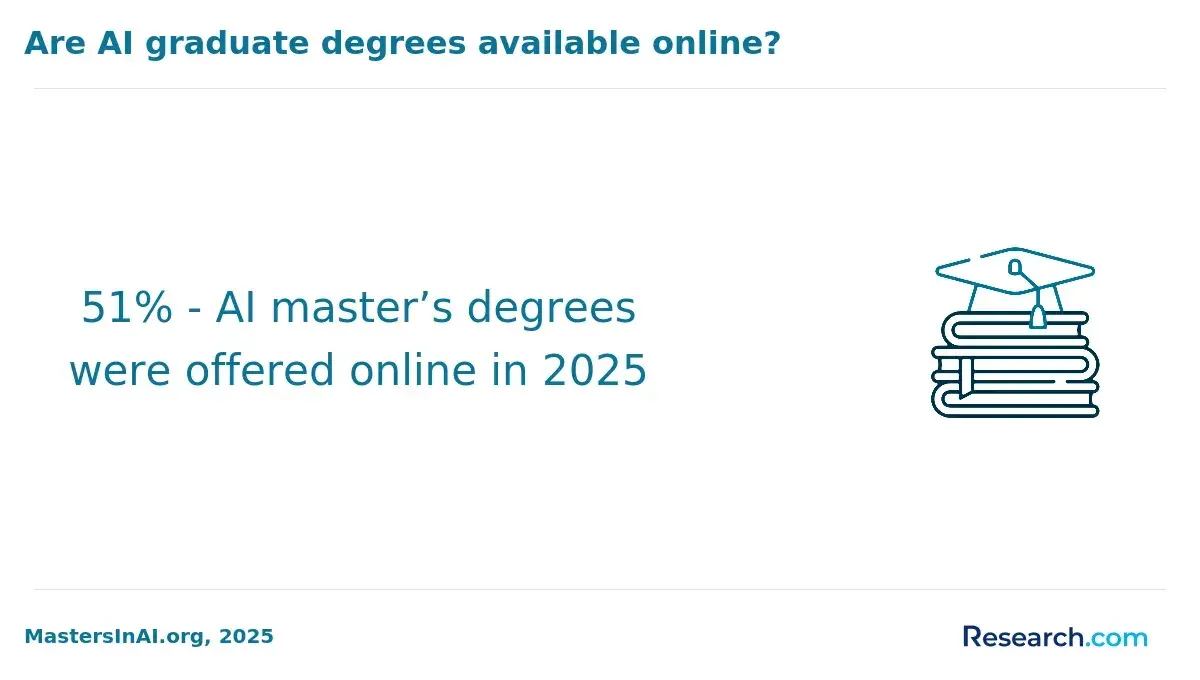
How do AI courses for commercial real estate differ from general AI programs?
AI applications tailored for commercial real estate professionals focus on the unique demands of the industry by emphasizing real estate market dynamics, asset valuation, and portfolio optimization. Unlike generic AI courses that cover broad theoretical concepts, these industry-specific AI training for real estate experts prioritize practical tools such as predictive analytics for property demand, tenant behavior modeling, and automated risk assessments.
These programs incorporate specialized datasets and technologies, teaching learners to apply machine learning on real estate transaction data, zoning regulations, and economic trends. Techniques like geospatial analytics help evaluate site selection, while natural language processing enables automated extraction from lease documents.
Additionally, CRE-oriented AI courses address challenges like scarce data and the need for clear model interpretation to communicate insights effectively to brokers, investors, and developers. Key skills include using AI-driven property management software, forecasting market cycles, and developing customized AI dashboards that enhance decision-making.
Such focused training correlates strongly with career advancement; research shows that real estate professionals with advanced data and AI skills earn 18-22% higher total compensation than peers without them. Prospective students interested in AI should also explore related fields like cybersecurity programs for broader tech career pathways.
Compared to general AI education, CRE AI courses deliver optimized learning paths designed to maximize immediate industry impact by combining technical proficiency with real estate expertise.
What degree, certificate, and bootcamp options teach AI for commercial real estate?
Degree, certificate, and bootcamp programs applying AI in commercial real estate have expanded rapidly to address growing industry needs. Universities now offer specialized master's programs or MBA concentrations that combine real estate with data science or AI, featuring courses on machine learning for property valuation, predictive analytics, and asset management automation. Examples include Master's in Real Estate Analytics or Technology and Real Estate at select institutions.
Certificate programs provide shorter, focused training on AI tools for commercial real estate workflows, such as portfolio optimization and market analysis. These certificates, lasting weeks to months, target professionals seeking immediate application of AI knowledge without a full degree. Bootcamps offer immersive experiences emphasizing AI programming, data handling, and real estate-specific models through hands-on projects over 8-12 weeks.
Within large firms, corporate training reflects this trend-Deloitte's 2024 Commercial Real Estate Outlook reports 62% of large companies increased AI training budgets in 2024, with an average 29% yearly spending rise. This highlights the critical role of targeted AI education in commercial property sectors, particularly for AI courses for commercial real estate professionals in North America.
When choosing programs, professionals should consider curriculum relevance, coverage of current AI technologies, and practical case studies. Options range from comprehensive degrees to modular certificates and bootcamps suited for working professionals seeking rapid upskilling in the field of certificate and bootcamp programs teaching AI applications in real estate.
Career prospects and salaries vary, so researching how much do AI trainers make can help gauge potential earnings and growth in this evolving sector. For more details on career paths and compensation, visit how much do AI trainers make.
How do online, hybrid, and on-campus AI programs compare for working CRE professionals?
Online, hybrid, and on-campus AI programs each offer different advantages tailored to the needs of commercial real estate (CRE) professionals balancing work and education. Online programs are highly flexible, allowing asynchronous study that fits busy schedules and enables immediate application of AI tools used in underwriting and asset management.
According to EY's Global Institutional Real Estate Survey 2024, 71% of institutional real estate investors utilize AI or advanced analytics, highlighting the growing relevance of such skills.
Hybrid programs blend online learning with regular in-person sessions, offering networking and hands-on opportunities while maintaining work flexibility. For instance, a hybrid course combining weekly online modules and monthly seminars can enhance understanding of AI strategies relevant to leasing and asset management.
On-campus programs present immersive, structured experiences that provide direct faculty interaction and peer engagement. These suit early-career professionals or those transitioning into AI roles, focusing on comprehensive knowledge of AI integration in underwriting pipelines. However, the fixed schedules may challenge those actively managing portfolios.
Choosing the optimal format involves weighing personal availability and learning preferences. Common elements across formats focus on AI applications in key CRE functions, reflecting the industry's increasing reliance on AI technologies as documented by EY.
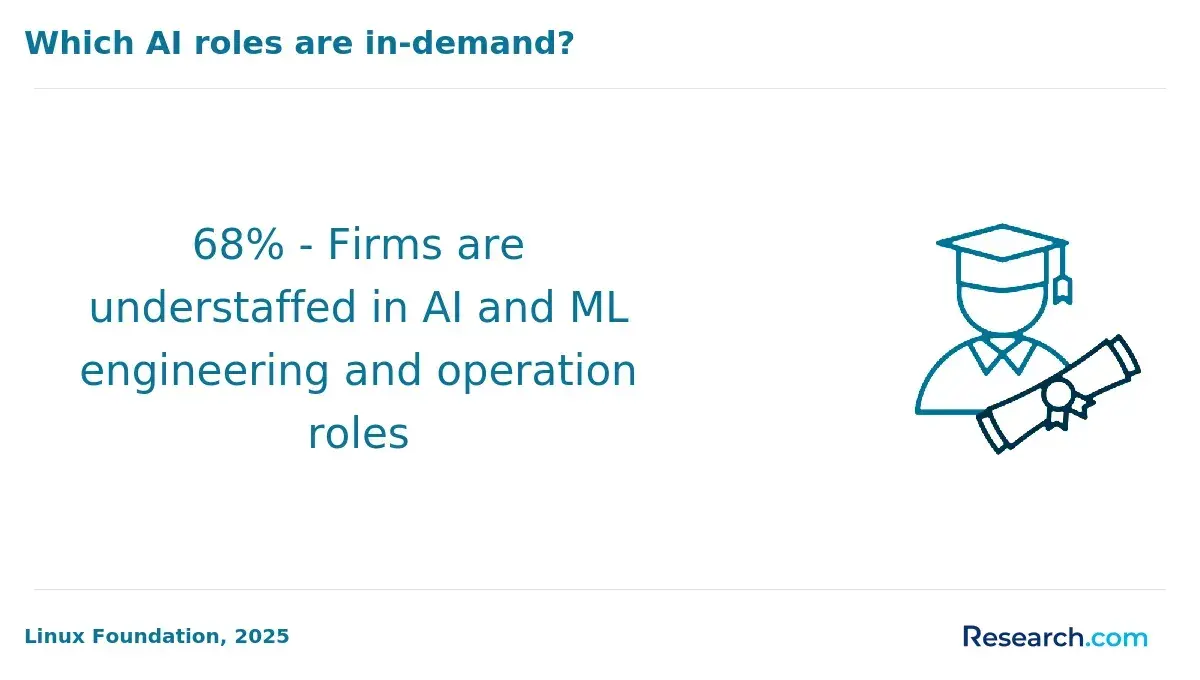
What core topics and tools are covered in AI courses for commercial real estate?
AI courses designed for commercial real estate professionals focus on enhancing skills in decision-making, investment analysis, and portfolio management. Core topics include data analytics, predictive modeling, and machine learning applications aimed at property valuation, market trend forecasting, and risk assessment. These programs teach how to leverage AI-driven tools to automate due diligence, optimize leasing, and improve tenant experiences using smart building technologies.
Training often involves software for spatial analytics, natural language processing to analyze contracts, and platforms that enable real-time integration of diverse data sources. Examples include extracting insights from large datasets such as transaction records and demographic information, which lead to more accurate investment predictions. Risk management modules emphasize identifying market volatility patterns and potential default risks using AI algorithms.
Hands-on instruction typically features AI-powered platforms like TensorFlow or industry-specific solutions applying computer vision for property inspections. Ethical concerns and data privacy are also addressed, helping professionals adopt responsible AI practices that align with compliance standards and regulatory frameworks.
According to McKinsey's 2024 State of AI in Real Estate and Infrastructure report, firms with advanced AI and analytics capabilities achieved a 5.1 percentage point higher total portfolio return over three years than those with basic capabilities. This highlights the competitive advantage gained by mastering core AI competencies in real estate investment and asset management.
How can I verify accreditation and industry relevance of AI programs I'm considering?
Accreditation is essential when selecting an AI education program. Verify if it's approved by a recognized regional or national body such as the Middle States Commission on Higher Education or the Accrediting Commission of Career Schools and Colleges. These accreditations ensure academic quality standards are met.
Additionally, check if the curriculum aligns with current commercial real estate (CRE) technology trends, including practical AI applications like predictive analytics, property valuation models, or automation tools tailored for CRE. Programs linked to professional organizations such as the Urban Land Institute or the National Association of Realtors typically maintain industry relevance.
Prioritize transparency in instructor qualifications by seeking courses taught by professionals with direct CRE experience or recognized ai research backgrounds. Review detailed syllabi to confirm content reflects the latest ai advancements and regulatory updates in real estate. Student outcomes and employer endorsements also indicate program value-look for career support services, internships, and employer partnerships.
Data from LinkedIn's 2024 Workplace Learning Report shows enrollment in ai and machine learning courses mentioning "real estate" surged by 127% from 2022 to 2024, underscoring growing demand for specialized, credible education. Ask these questions when evaluating programs:
- Which accrediting body recognizes this program?
- How does the curriculum integrate CRE-specific ai applications?
- What are the instructors' professional qualifications and industry links?
- Are there partnerships with CRE companies for hands-on experience?
- What career outcomes do recent graduates report?
What are typical admission requirements, time to completion, and tuition ranges?
Admission criteria for ai courses aimed at commercial real estate professionals often require a bachelor's degree in business, finance, real estate, or engineering. Many programs prioritize applicants with experience in real estate, finance, or data analysis.
Executive and MBA-level programs tend to ask for several years of managerial experience and a clear interest in adopting technology within commercial real estate. While some courses expect basic technical skills like familiarity with data analytics or programming, many provide foundational training suitable for beginners.
Course duration varies considerably depending on the program type:
- Certificate courses typically last a few weeks to three months, fitting the schedules of working professionals seeking specific skills.
- Professional development or bootcamp-style programs often extend from six to twelve months.
- Executive and MBA-level programs with an ai focus usually require one to two years of part-time study, balancing with career commitments.
Tuition costs reflect program scope and reputation. Short-term certificate options generally cost between $1,000 and $5,000. More intensive professional or bootcamp courses range from $5,000 to $15,000. Executive and MBA-level programs emphasizing real estate, finance, and ai can exceed $50,000 due to their thorough curriculum and networking benefits.
The prominence of ai in real estate education is rising: about 59% of the top 100 global MBA and executive MBA programs now feature ai courses relevant to business decision-making, a sharp increase from 21% five years prior, highlighting the growing need for early preparation to meet evolving industry demands.
What careers, job titles, and salary ranges can AI training unlock in commercial real estate?
AI training in commercial real estate (CRE) opens pathways to diverse and well-paid roles. Professionals such as CRE data analysts, financial modelers, asset managers, and transaction coordinators increasingly rely on AI tools to enhance portfolio management and investment decisions. Advanced proficiency also creates opportunities as CRE technology specialists and AI implementation consultants, connecting technical solutions with business strategy.
Salary ranges reflect growing demand for AI expertise. Entry-level data analysts usually start between $60,000 and $80,000 annually, while seasoned asset managers and AI consultants can earn from $120,000 to over $160,000. Senior positions that leverage generative AI and machine learning technology may exceed $180,000, especially in major metropolitan markets.
Notable productivity gains support the value of AI in CRE. A Boston Consulting Group field experiment, reported in Harvard Business Review, found that knowledge workers using generative AI for financial and analytical tasks experienced productivity increases of 12-25%. This efficiency leads to faster deals, enhanced risk assessments, and better portfolio optimization.
Practical AI skills valuable in CRE include data visualization, natural language processing for document analysis, and automation of routine financial tasks. Specializing in these areas can position candidates for leadership roles in property technology firms and CRE investment funds. Pursuing courses that blend AI with real estate finance and analytics is key to capitalizing on industry trends.
How should mid-career and executive CRE professionals choose the best-fit AI course?
Mid-career and executive commercial real estate (CRE) professionals should focus on AI courses that deliver practical skills tailored to the real estate sector, such as predictive analytics for property valuation, automated lease management, and AI-driven market analysis. Prioritizing programs offering hands-on experience with tools actively used in CRE helps bridge the gap between theory and application.
Credibility matters: evaluate course providers by their faculty expertise, industry connections, and opportunities for case studies or live projects. Modules on data privacy and regulatory compliance are increasingly important given legal complexities surrounding AI in real estate transactions.
Flexible formats like part-time or modular courses often suit busy executives while maintaining depth. With around 27% of real estate tasks highly automatable, according to OECD's 2024 Employment Outlook, AI training reduces displacement risk by roughly 40%, supporting long-term career security.
Look for courses that encourage critical thinking about AI implementation risks and ethics, including diagnosing bias and evaluating automation impacts on job roles.
Additionally, career support and networking opportunities can significantly enhance the value of training by connecting professionals with mentors and industry peers.
Other Things You Should Know About Artificial Intelligence
In 2027, top AI courses for commercial real estate professionals include MIT's Professional Education AI Real Estate Certificate, Coursera’s "AI Applications in Real Estate" from the University of California, and Udacity’s "AI for Business Leaders" nanodegree. These programs focus on integrating AI into real estate workflows to enhance decision-making and operational efficiency.
Common challenges include data quality and availability, as many real estate datasets are inconsistent or incomplete. There is also resistance to change among professionals accustomed to traditional practices. Additionally, integrating AI tools with existing software systems and ensuring regulatory compliance can complicate adoption efforts.
AI applications such as predictive maintenance, tenant behavior analysis, and automated customer service are particularly valuable in property management. Predictive maintenance helps identify potential equipment failures before they occur, reducing costs. Tenant behavior analysis allows managers to optimize leasing strategies, and chatbots streamline communication and service requests.
Professionals should engage with industry-focused AI webinars, attend conferences, and subscribe to specialized journals and newsletters. Participating in professional networks and online forums dedicated to AI in real estate also fosters ongoing learning. Additionally, enrolling in updated courses and certifications ensures knowledge remains current with technology advancements.
References
- Responsible AI Institute — Trustworthy AI Certification and Governance https://www.responsible.ai/
- Building a Future-Ready Workforce: AI and Midcareer Professional Development | Generation https://www.generation.org/news/building-a-future-ready-workforce-ai-and-midcareer-professional-development/
- 5 ways AI is creating new demand in commercial real estate https://www.jll.com/en-us/insights/five-ways-ai-is-creating-new-demand-in-commercial-real-estate
- 16 Artificial Intelligence Career Paths https://www.calmu.edu/news/artificial-intelligence-career-paths
- Courses in AI in Commercial Real Estate and Property Development in Madrid, Spain https://ia.university/academic-programs/ai-commercial-real-estate-property-development-madrid-spain-ia-ai/
- Mid-career professionals must learn to understand and use AI as GenAI tips balance | Computer Weekly https://www.computerweekly.com/news/366623871/Mid-career-professionals-must-learn-to-understand-and-use-AI-as-GenAI-tips-balance
- GAICC | Global AI Certification Council - ISO/IEC 42001 Training and Accreditation https://gaicc.org/
- Ultimate Guide: How to Choose the Right AI Training Course to Boost Your Career - ONLC https://www.onlc.com/blog/how-to-choose-ai-training-courses/
- AI Tools for Commercial Real Estate (Summer 2026 Edition) https://www.adventuresincre.com/ai-tools-commercial-real-estate/
- AI Tools for Commercial Real Estate https://www.kolena.com/blog/ai-tools-commercial-real-estate-roi-guide/