2027 Best AI Courses for Founders and CEOs

Co-Founder and Chief Data Scientist
Founders and CEOs often confront the challenge of integrating artificial intelligence into their businesses without a technical background. This disconnect can delay innovation and strategic decision-making. Many struggle to find courses tailored to executive needs-ones that balance technical literacy with actionable insights.
Time constraints and the need for credible credentials further complicate the search. This article explores the best AI courses designed specifically for business leaders seeking flexible, accredited programs that bridge knowledge gaps efficiently. By highlighting relevant options, it helps readers make informed choices that support a successful transition into AI-driven leadership.
Key Things You Should Know
- AI courses for founders and CEOs increasingly focus on strategic implementation, with 72% of leaders reporting improved decision-making after completing executive programs in 2024-2025.
- Programs emphasize ethical AI deployment and risk management, addressing growing concerns linked to data privacy and regulatory compliance in U.S. markets.
- Hybrid and online formats dominate, offering flexible learning tailored to executives' schedules, supported by a 35% rise in enrollment from working professionals since 2024.
Advance Your Career with AI Online Courses
Artificial Intelligence: Implications for Business Strategy
This program provides an introduction to Artificial Intelligence and their implications for business strategy. Earn an official digital certificate.

Oxford Artificial Intelligence Programme
Explore this Oxford Artificial Intelligence programme offered in a flexible learning environment and explore topics like machine learning, automation, and robotics.

Implementing Agentic AI: Building Your Organizational Playbook
This online MIT Agentic AI course offers a practical approach to deploying AI agents in your organization, including a custom playbook. 3 weeks, exclusive launch price.

AI Adoption: Driving Business Value and Impact
This online MIT AI Adoption: Driving Business Value and Impact offers practical frameworks to close the gap between AI potential and business reality.

Artificial Intelligence in Pharma and Biotech
Discover the applications and limitations of artificial intelligence in pharma and biotech with this MIT online short course.

What makes an AI course truly valuable for founders and CEOs, not just engineers?
An AI course designed specifically for founders and CEOs must emphasize strategic understanding over technical detail. Unlike engineers who need coding and algorithm expertise, executives benefit from learning how AI drives business transformation, competitive advantage, and informed decision-making.
Such courses cover core AI concepts relevant to leadership, including automation impact, ethical considerations, and risk management.
- Case studies showcasing successful AI applications across industries highlight tangible business outcomes.
- Frameworks for evaluating AI investments, assessing vendor technologies, and aligning AI initiatives with company goals.
- Skills in interpreting AI-driven analytics to enhance product development, customer engagement, and operational efficiency.
Awareness of practical applications of artificial intelligence in business leadership is critical. Research from the IBM Global AI Adoption Index 2024 shows that CEOs fluent in AI are 2.6 times more likely to report above-average revenue growth, demonstrating a clear advantage in market positioning and innovation.
Additional valuable features include simulated boardroom discussions on AI strategy and modules on managing workforce changes related to AI. Programs that foster cross-functional leadership help bridge gaps between technical teams and business units for stronger collaboration.
Founders and CEOs seeking AI courses should focus on scalability challenges and legal/regulatory frameworks influencing AI adoption. This approach moves beyond coding to actionable leadership insights addressing costs, timelines, and organizational impact. For those exploring educational pathways, AI degrees provide diverse opportunities aligned with modern leadership needs.
Advance Your Career with AI Online Courses
Artificial Intelligence: Implications for Business Strategy
This program provides an introduction to Artificial Intelligence and their implications for business strategy. Earn an official digital certificate.
Oxford Artificial Intelligence Programme
Explore this Oxford Artificial Intelligence programme offered in a flexible learning environment and explore topics like machine learning, automation, and robotics.
Implementing Agentic AI: Building Your Organizational Playbook
This online MIT Agentic AI course offers a practical approach to deploying AI agents in your organization, including a custom playbook. 3 weeks, exclusive launch price.
Which types of AI programs best fit busy executives: short courses, certificates, or degrees?
Short courses best fit busy executives needing targeted, actionable knowledge within tight schedules. These programs, often lasting from a few hours to several days, focus on strategic frameworks, emerging AI trends, and leadership applications. They enable CEOs to quickly grasp practical use cases without deep technical immersion, making them ideal as the best AI courses for busy executives.
Certificates offer a more structured, intermediate option, combining foundational concepts with some technical skills over weeks or months. These programs typically culminate in a credential that signals commitment to AI fluency, valuable for leaders aiming to integrate AI into their business strategy. Meanwhile, full degrees such as master's programs provide comprehensive education but require significant time-often a year or more-and are less suited to executives with limited availability.
Data from Deloitte's "State of Generative AI in the Enterprise, 2025" found only 18% of executives believe current AI training prepares leaders for AI-driven strategic decisions, highlighting a gap between training formats and leadership needs. Focused AI for leaders courses emphasize decision-making frameworks, ethical considerations, and business impact rather than coding or algorithms.
Executives seeking AI certificate programs for CEOs and founders should prioritize programs that:
- Balance technical understanding and strategic insight
- Offer flexible scheduling and on-demand formats
- Include case studies and scenario planning relevant to their industries
Certificates serve leaders wanting deeper knowledge and formal credentials without multi-year commitments. Degrees suit those planning to lead technical teams or pivot into AI-centric roles, but are less practical for sitting CEOs or founders focused on operational leadership. For more comprehensive options, explore affordable engineering schools that offer related programs.
How should founders compare online versus on-campus AI courses for executive learners?
Founders weighing how to compare online and on-campus artificial intelligence courses for executive education should consider their learning style, schedule, and networking goals carefully. Online courses offer flexibility, enabling busy executives to learn while managing demanding responsibilities. Many of these programs provide modular formats and interactive materials that support immediate application of concepts.
However, online learning may fall short in delivering immersive, face-to-face interaction and the real-time collaboration typically found on campus.
On-campus courses often foster deeper engagement through live discussions, direct faculty access, and peer interaction, which help develop critical thinking and leadership skills. For founders focused on building strong professional networks or seeking mentorship, in-person environments can be more advantageous. Conversely, online formats often grant access to a wider range of instructors and specialized content tailored to specific industries or roles, including options unavailable locally.
Key factors for founders when choosing between online versus in-person AI courses include curriculum relevance and support level. Programs featuring applied case studies, AI ethics, and practical tools for non-technical leaders speed integration into business efforts. For instance, an online course with personalized coaching may outperform traditional lectures for certain executives.
Data from a Boston Consulting Group "AI Enablement for Leaders" Survey shows 57% of senior executives completing structured introductory courses modified at least one strategic initiative within 12 months, highlighting real business impact from quality programs. Prospective students can explore AI PhD programs for diverse educational paths in this field.
What core AI topics and skills should executive-focused courses cover for business impact?
Executive AI courses for business leaders must focus on core AI competencies for business leaders that directly influence strategic decision-making and business growth. Essential topics include machine learning basics, data architectures, and algorithmic reasoning, designed for executives to assess technology feasibility and risks without coding.
AI strategy development is key, teaching executives to pinpoint AI opportunities aligned with company goals, prioritize projects based on ROI, and build flexible product roadmaps. Real-world case studies demonstrate how businesses across industries have successfully applied AI, enhancing executive AI skills for driving business growth.
Data governance and ethics play a vital role in safeguarding brand reputation. Executives learn to manage data privacy, reduce bias, comply with regulations, and ensure responsible AI deployment. Additionally, courses emphasize AI-enabled business model innovation, covering predictive analytics, natural language processing, and automation to improve efficiency and customer engagement.
Change management and cross-functional leadership are also critical, as guiding teams through AI adoption requires strong collaboration between technical and business units while addressing workforce shifts. Importantly, organizations with executives who completed intensive AI strategy programs were 3.4x more likely to launch a new AI-enabled product, illustrating the value of a strategic approach.
For those interested in a career focus on teaching or training AI concepts, exploring information on AI trainer salary can provide helpful insights.
How can founders verify that an AI course or credential comes from an accredited institution?
Verifying that an AI course or credential comes from an accredited institution is crucial for founders seeking credible education paths. Trusted accreditation bodies like the Council for Higher Education Accreditation (CHEA) and the U.S. Department of Education provide public databases to confirm whether universities or providers meet national or regional standards. Differentiating accredited institutions from those offering non-accredited certificates is essential, as the latter may lack rigorous curriculum and industry recognition.
Key verification steps include:
- Consulting official accreditation listings on CHEA or Department of Education websites.
- Confirming the course provider's connection to established universities or colleges with recognized credentials.
- Requesting clear accreditation documentation from program administrators when in doubt.
- Reviewing endorsements or partnerships with reputable industry organizations.
Evaluating credentials for relevance to AI governance, risk, and compliance remains essential, especially for executive education. According to a PwC report, 76% of board members are more likely to approve significant AI projects if senior leaders have formal AI risk governance training. This underscores the value of credible credentials demonstrating expertise in AI ethics and regulatory compliance.
Programs from accredited business schools or institutions known for technology governance are preferable. Certifications affiliated with recognized professional bodies also assure quality and applicability. Avoid offerings without disclosing accreditation or relying on non-standardized certifications, as these may fail to meet expectations for rigor or accountability in AI leadership.
What are typical admission requirements for AI programs aimed at non-technical executives?
Admission to AI programs tailored for non-technical founders and CEOs typically values relevant leadership experience over deep technical skills. Most programs require applicants to hold leadership roles in business, strategy, or innovation, combined with a clear objective to apply AI in their organizational decision-making. A bachelor's degree in any field is generally sufficient, with more emphasis placed on strategic thinking and problem-solving abilities than on prior coding knowledge.
Applicants often need to submit a statement of purpose that details how acquiring AI knowledge will advance their business goals. Letters of recommendation usually highlight leadership qualities, adaptability, and analytical skills rather than technical expertise. Work experience in sectors adopting AI technologies or managing digital transformation projects can enhance an application significantly.
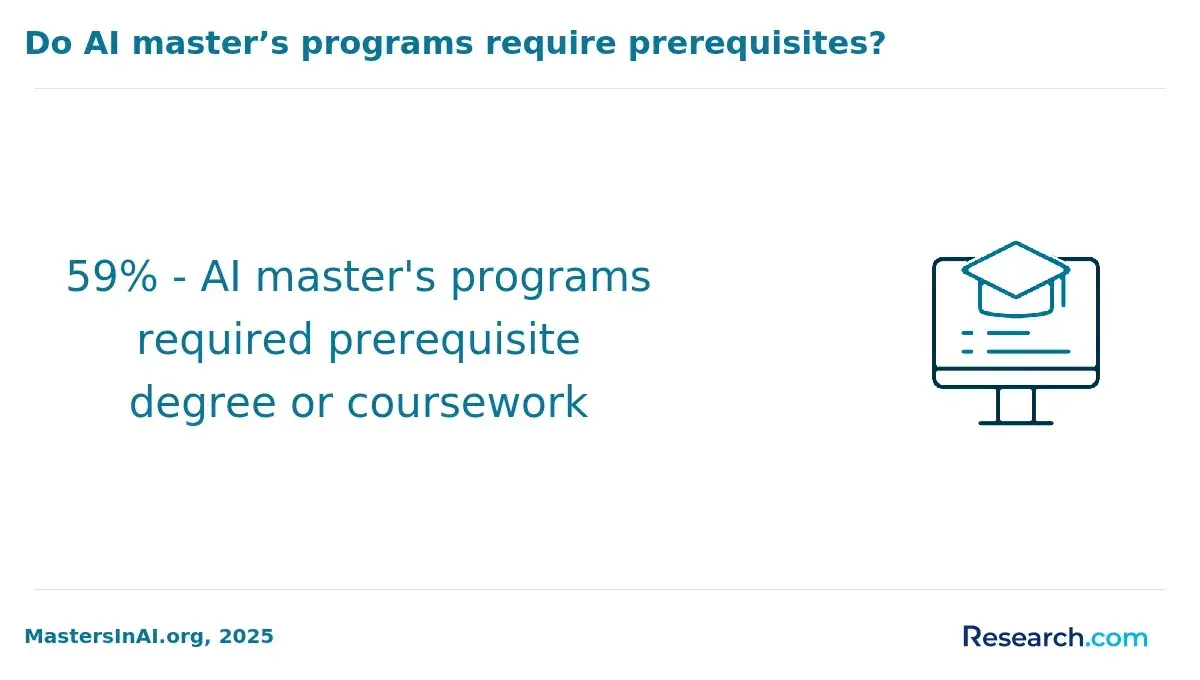
Many programs have prerequisites such as a foundational understanding of AI concepts. Some provide preparatory modules or pre-course materials to bridge gaps in knowledge. Admissions processes commonly include case study assessments and interviews focusing on the strategic application of AI, which aligns with findings from Gartner that 72% of companies piloting generative AI agents face challenges due to a lack of senior-level understanding of these technologies' capabilities and constraints.
- Emphasis on demonstrated leadership and strategic intent
- Preparation through business-focused AI courses rather than programming
- Use of case studies and interviews to assess strategic insight
These criteria ensure that founders and CEOs are equipped to lead AI-driven initiatives effectively within their organizations.
How long do executive AI courses usually take, and what tuition ranges should leaders expect?
Executive AI courses vary in length, typically ranging from a few days to several weeks depending on content depth and delivery style. Short, intensive programs lasting 3 to 5 days provide busy executives with high-level overviews. More in-depth offerings span 4 to 8 weeks and often blend live sessions with self-paced learning, enabling leaders to develop practical skills and strategies for AI integration across their organizations.
Tuition costs differ significantly based on institution's reputation, course duration, and specialization. Initial executive workshops start at around $3,000, while mid-tier courses range between $7,000 and $15,000. Premium programs, particularly those affiliated with leading business schools or targeted at specific industries, may exceed $20,000. According to Accenture's AI in Regulated Industries study, tailored courses for sectors like healthcare, fintech, and SaaS improve the likelihood of moving AI pilots into production by over twice compared to general programs.
Choosing a course requires balancing schedule constraints and learning objectives. Short courses serve immediate strategic needs, whereas longer programs offer actionable skills and deeper insights. Industry-specific education addresses regulatory and technical challenges vital for compliance and successful adoption. Budget planning should also consider networking opportunities and continued access to expert resources often included in these programs.
What AI course options align with specific founder goals like fundraising, product, or operations?
Founder goals such as fundraising, product development, and operations require AI courses tailored to their unique challenges. For those focused on fundraising, courses that cover AI-driven market analysis, valuation models, and investor pitch optimization offer practical benefits. These programs often include methods to predict funding rounds and customize pitches for specific investor profiles, enhancing capital acquisition success.
Founders developing products gain from AI education emphasizing the integration of machine learning into product roadmaps, predictive analytics for feature prioritization, and user behavior insights. Hands-on workshops in natural language processing or computer vision, depending on the product domain, help drive innovation and maintain a competitive edge.
Operational leaders benefit from AI courses focused on automating processes, supply chain forecasting, and AI-powered decision support systems. Learning to implement robotic process automation (RPA) or create AI dashboards for real-time KPIs supports operational excellence, reduces costs, and enables scalability.
Executives seeking a strategic overview can explore programs covering cross-functional AI deployment across fundraising, product, and operations, including frameworks for ethical AI adoption and risk management, which are critical for sustainable growth.
Research from MIT Sloan Management Review and BCG highlights that organizations investing over $1,000 annually per leader in executive AI education experienced a 12% median increase in EBITDA from AI initiatives within two years. This underscores the value of aligning AI education with specific founder priorities instead of generic curricula.
How do AI credentials influence career outcomes, board opportunities, and earning potential for CEOs?
AI credentials significantly influence CEOs' career advancement, board participation, and earning potential. Executives equipped with targeted AI education that aligns with business strategy are better leaders in digital transformation. This skill set appeals to boards seeking executives who blend technical knowledge with strategic business insight.
Board roles often depend on a CEO's ability to oversee governance of emerging technologies. Credentials in AI validate expertise in areas such as risk management, data ethics, and adoption strategies. For example, CEOs trained in AI ethics and deployment frameworks can shape board discussions on technology investments and regulatory compliance, enhancing their governance contributions.
Compensation trends reveal that CEOs with AI knowledge negotiate higher salaries and bonuses tied to innovation outcomes. However, selecting an AI program connected to business goals is critical. The KPMG "Navigating the AI Skills Gap" Global Survey 2024 found that 64% of executives who completed AI courses without clear business alignment saw little organizational benefit. This highlights the importance of practical, relevant education over theoretical knowledge.
Effective AI credentials focus on practical business applications and emerging tech trends. Ideal programs emphasize AI strategies, machine learning for executives, and AI-driven analytics, featuring case studies, real-world projects, and strategic decision frameworks. Prospective CEOs should prioritize these elements to generate measurable ROI and position themselves for leadership in AI-driven growth.
What criteria should founders use to choose a reputable, up-to-date AI program in the U.S.?
Founders evaluating artificial intelligence programs should emphasize up-to-date curricula aligned with industry standards for 2026. Prioritize programs focused on practical skills such as machine learning applications, data strategy, and AI ethics. Those updated within the last 12 months are more likely to reflect the rapid technological advances critical for strategic leadership.
Continuous learning is essential. Research from Microsoft and LinkedIn's "Work Trend Index: AI at Work Is Here" shows companies offering quarterly or more frequent AI education for leadership are four times more likely to meet organization-wide AI adoption goals. Look for programs that provide ongoing webinars, follow-up modules, or active community support.
Faculty expertise significantly impacts quality. Instructors with verifiable experience in AI deployment or industry partnerships bring valuable insights and networking opportunities that can benefit founders. Flexible formats-such as modular, part-time, or hybrid-accommodate busy executive schedules and allow for relevant case studies, including AI-driven customer insights and automated operations.
Accreditation or endorsements by reputable AI research consortia or professional bodies ensure program credibility. Transparency regarding outcomes, graduate success stories, and measurable impact further validates program effectiveness. Combining these criteria helps founders select AI education that advances strategic leadership and meaningful technology integration.
Other Things You Should Know About Artificial Intelligence
In 2027, top AI courses for founders and CEOs include offerings from Stanford University and MIT, focusing on strategic AI implementation. Online platforms like Coursera and edX also feature courses that balance technical understanding with business strategy, suitable for high-level decision-makers.
AI can augment human decision-making by providing data-driven insights and automating routine tasks. However, it is not designed to fully replace human judgment, especially in complex, ethical, or strategic decisions. Effective business leaders use AI as a tool to enhance, not substitute, their decision processes.
Executives must address issues such as data privacy, algorithmic bias, transparency, and accountability when implementing AI solutions. Ensuring ethical AI deployment requires clear governance frameworks and compliance with legal regulations. This is crucial to maintain trust with customers and stakeholders while avoiding reputational risks.
Founders can stay informed by following leading AI research publications, attending industry conferences, and engaging with AI-focused executive education programs. Joining professional networks and subscribing to specialized newsletters also helps keep pace with evolving technologies and emerging best practices.
References
- AI Tools for Startup Ideation and Validation https://fi.co/ai-startup-ideation
- Artificial intelligence executive education programs | edX https://www.edx.org/executive-education/artificial-intelligence
- How to Upskill in AI Without a Technical Background https://thecasehq.com/how-to-upskill-in-ai-without-a-technical-background/
- The AI upskilling guide for executives https://www.bvp.com/atlas/the-ai-upskilling-guide-for-executives
- Ultimate Guide: How to Choose the Right AI Training Course to Boost Your Career - ONLC https://www.onlc.com/blog/how-to-choose-ai-training-courses/
- Fundraising With AI For The NonProfit Sector | FormusPro https://www.formuspro.com/fundraising-with-ai-for-the-nonprofit-sector/
- Best AI Courses for Executives & Business Leaders https://www.cbtnuggets.com/blog/technology/devops/best-courses-ai-for-business-leaders
- AI for fundraising: 10 ways to raise more (with tools) https://kindsight.io/resources/blog/ai-for-fundraising/
- Maximizing Fundraising Potential: Unlocking the Power of AI Tools, Pt. 2 | Orr Group LEARNS https://orrgroup.com/video/maximizing-fundraising-potential-unlocking-the-power-of-ai-tools-pt-2-orr-group-learns/
- Top 10 AI certifications and courses for 2025 https://www.techtarget.com/whatis/feature/10-top-artificial-intelligence-certifications-and-courses
- MastersInAI.org. (2025). 2025 AI Degree Report: The Landscape of AI Degrees in the United States. https://www.mastersinai.org/ai-degree-report
- George, K. (2025, October). CERP Pulse Survey: A Snapshot of 2025 Undergraduate Computing Enrollment Patterns. Center for Evaluating the Research Pipeline, Computing Research Association. https://cra.org/crn/2025/10/cerp-pulse-survey-a-snapshot-of-2025-undergraduate-computing-enrollment-patterns