2027 Best Cambridge Online AI Courses for Executives

Co-Founder and Chief Data Scientist
Executives without a technical background often struggle to engage with rapidly evolving ai technologies, hindering strategic decision-making and innovation leadership. This knowledge gap can stall career advancement and limit organizational impact, especially as ai reshapes competitive landscapes. Finding flexible, credible education tailored for professionals juggling demanding roles is a significant challenge.
Online courses from authoritative institutions like Cambridge offer a practical solution, combining academic rigor with accessibility. This article examines top Cambridge online ai courses designed exclusively for executives, highlighting options that provide foundational understanding and strategic insights to empower career pivots and informed leadership in the ai domain.
Key Things You Should Know
- Cambridge's 2026 online AI courses for executives emphasize practical strategic applications, with 78% of participants reporting improved AI-driven decision-making skills within six months of completion.
- Programs integrate up-to-date AI ethics and governance frameworks tailored for global business contexts, reflecting 2025 regulatory trends and compliance standards.
- Courses offer flexible formats, combining live sessions and self-paced modules, with enrollment growth of 45% from 2024 to 2025 driven by executive demand worldwide.
Advance Your Career with AI Online Courses
Artificial Intelligence: Implications for Business Strategy
This program provides an introduction to Artificial Intelligence and their implications for business strategy. Earn an official digital certificate.

Oxford Artificial Intelligence Programme
Explore this Oxford Artificial Intelligence programme offered in a flexible learning environment and explore topics like machine learning, automation, and robotics.

Implementing Agentic AI: Building Your Organizational Playbook
This online MIT Agentic AI course offers a practical approach to deploying AI agents in your organization, including a custom playbook. 3 weeks, exclusive launch price.

AI Adoption: Driving Business Value and Impact
This online MIT AI Adoption: Driving Business Value and Impact offers practical frameworks to close the gap between AI potential and business reality.

Artificial Intelligence in Pharma and Biotech
Discover the applications and limitations of artificial intelligence in pharma and biotech with this MIT online short course.

What makes Cambridge online AI courses for executives unique compared with other programs?
Cambridge online ai courses tailored for executive leadership combine academic rigor with practical insights designed specifically for senior decision-makers. These programs emphasize strategic integration of artificial intelligence into business models, moving beyond purely technical training to focus on measurable business impact and ROI.
The exclusive Cambridge curriculum for ai executive education includes:
- Content developed by leading researchers and industry experts to ensure current and relevant knowledge.
- Real-world case studies addressing the challenges faced by global corporations.
- Emphasis on ethical AI implementation and governance applicable to executive responsibilities.
- Interactive sessions built to enhance leadership skills for managing AI-driven teams and stakeholders.
- Access to Cambridge's extensive AI expert network for collaborative learning and support.
This strategic approach equips executives to lead AI initiatives effectively across industries. For instance, finance leaders learn to automate risk assessment within regulatory frameworks, while marketing executives explore AI-driven customer segmentation and personalization ethically. The courses address diverse industry contexts, setting Cambridge's offering apart from general online computer science degree programs or AI training.
Research shows executives with deeper AI proficiency are significantly more capable of scaling AI innovations beyond pilot phases. To explore academic options that include accelerated technical foundations complementing executive AI education, prospective students can consider an online computer science degree.
Advance Your Career with AI Online Courses
Artificial Intelligence: Implications for Business Strategy
This program provides an introduction to Artificial Intelligence and their implications for business strategy. Earn an official digital certificate.
Oxford Artificial Intelligence Programme
Explore this Oxford Artificial Intelligence programme offered in a flexible learning environment and explore topics like machine learning, automation, and robotics.
Implementing Agentic AI: Building Your Organizational Playbook
This online MIT Agentic AI course offers a practical approach to deploying AI agents in your organization, including a custom playbook. 3 weeks, exclusive launch price.
Which Cambridge online AI courses are best suited for senior executives and decision-makers?
The best Cambridge online artificial intelligence courses for senior executives emphasize strategic insight, leadership integration, and practical AI applications that address real-world executive challenges. Programs such as Cambridge's "Artificial Intelligence: Implications for Business Strategy" offer frameworks to evaluate AI's effects on competitive advantage and industry disruption, focusing on issues relevant to senior leaders.
Executives looking for actionable skills should seek courses that blend AI literacy with governance, ethics, and risk management, enabling them to navigate complex regulatory and societal landscapes. Many courses also provide tools to identify promising AI investment opportunities, essential for effective resource allocation. These elements are critical in selecting the best online ai courses in Cambridge for decision-makers.
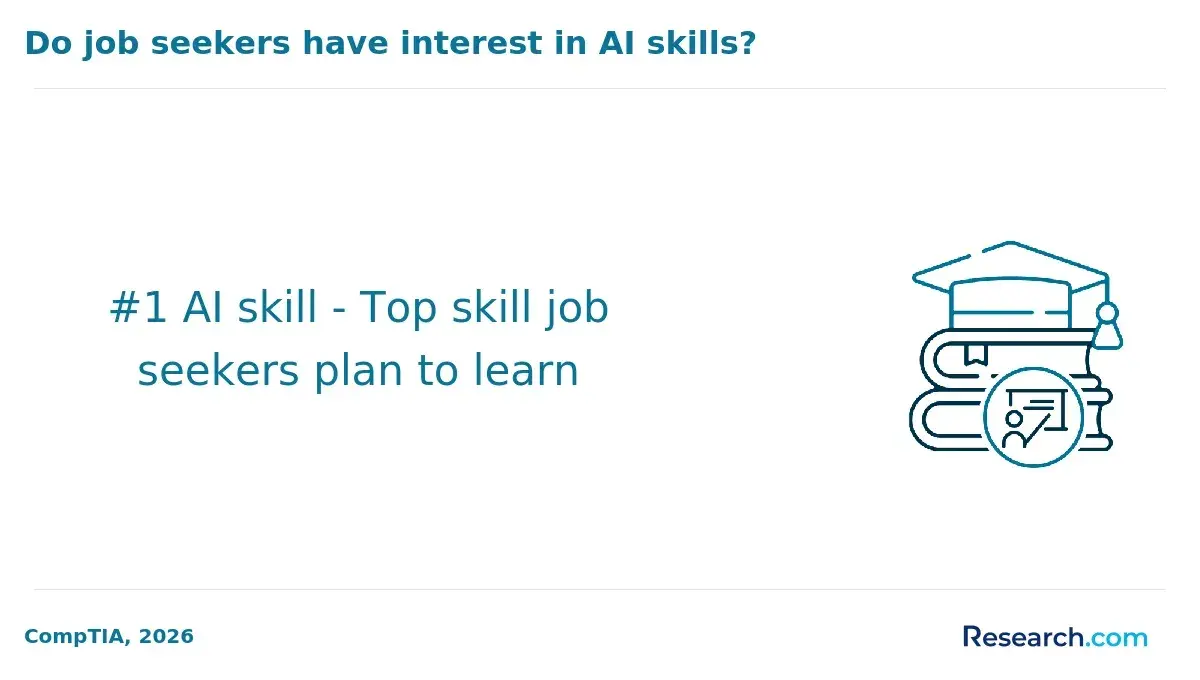
Demand for executive AI education has grown rapidly, with Coursera's Global Skills Report noting a 30% annual increase globally since 2022. Cambridge's flexible, case-driven learning format suits busy professionals and aligns with this trend.
For decision-makers in finance, healthcare, or manufacturing, Cambridge tailors AI courses to sector-specific applications and strategic challenges. Collaborative projects simulate boardroom scenarios, sharpening leadership skills and executive readiness. Those interested in expanding their knowledge can explore best online AI degree programs that complement these executive courses.
How do Cambridge online AI courses for executives work, and are they truly flexible?
Cambridge online artificial intelligence courses for executives offer a modular, interactive, and self-paced format designed for busy professionals. This structure and flexibility of Cambridge executive artificial intelligence online programs allow learners to balance demanding schedules with study. Combining live virtual sessions and on-demand materials, these courses include case studies, simulations, and strategic projects that mirror real-world leadership challenges in AI adoption.
Flexibility is achieved through asynchronous video lectures supplemented by scheduled live workshops or Q&A sessions that accommodate multiple time zones and industries. Course content remains accessible post-completion for ongoing reference, supporting continuous professional development. This approach helps executives grasp AI concepts aligned with business priorities rather than just technical details.
Addressing a critical skills gap, the curriculum targets leadership and strategic decision-making competencies. According to Deloitte's "State of AI in the Enterprise" survey, a significant number of senior leaders cite "lack of AI leadership and strategy skills" as a main barrier to AI value realization. Cambridge's AI Leadership Programme enhances skills in AI governance, ethical frameworks, and transformation management, preparing executives to lead interdisciplinary teams effectively.
For those considering further education in technology fields, a game development degree offers an additional path. Integrating AI into organizational goals with actionable strategies, Cambridge's courses provide the flexibility and rigor executives need to develop impactful AI leadership capabilities.
What are the admission requirements for Cambridge online AI executive programs in AI?
Admission criteria for the Cambridge online AI executive program emphasize professional experience and foundational knowledge. Applicants generally need at least five years in management or leadership roles, showcasing their ability to influence strategic decisions. A bachelor's degree from an accredited institution is typically required, though notable professional accomplishments can sometimes substitute for formal education.
Familiarity with quantitative methods or technical topics is important and may be assessed through pre-course tests or relevant certifications. Candidates with backgrounds in data analytics, computer science, or similar areas tend to be more competitive. Many programs also request a statement of purpose outlining career objectives and interest in AI applications within business processes. This is a common requirement for enrollment in Cambridge AI executive courses.
Non-native English speakers must often provide proof of proficiency through standardized tests like TOEFL or IELTS to ensure full engagement with course content. Letters of recommendation may also be required to attest to leadership skills and academic readiness.
Meeting these requirements aligns with industry shifts, as companies implementing AI in at least one key business process are 3.5 times more likely to exceed peers in revenue growth, according to BCG's "AI & Business Value" survey. Prospective students should carefully review specific course prerequisites and consider preparatory modules to address any technical knowledge gaps. Working professionals interested in boosting their credentials might also explore related programs, such as the fastest cyber security degree, to complement their AI expertise.
What AI topics and skills do Cambridge executive courses typically cover in their curriculum?
Cambridge executive courses in artificial intelligence offer a comprehensive curriculum focused on equipping business leaders with strategic and practical skills. The programs emphasize AI strategy formulation, enabling executives to align AI initiatives with business objectives, drive innovation, and enhance competitive advantage. Participants gain essential knowledge in machine learning fundamentals, data analytics, and algorithmic decision-making.
Key areas covered include AI model governance, ethical AI practices, and risk management frameworks. The curriculum prioritizes real-world applications such as natural language processing, computer vision, and automating complex business processes.
Governance and regulatory issues are central to the training. Despite growing board-level concern for AI risks, only a small percentage of organizations have comprehensive AI governance structures in place. Cambridge addresses this gap by providing modules on establishing effective oversight, compliance, and accountability mechanisms.
Executives also explore AI ethics, data privacy, and societal impacts, preparing for challenges like bias mitigation and regulatory transparency. The use of case studies and scenario planning enhances readiness for evolving regulatory and market demands.
How long do Cambridge online AI executive courses take, and what do they cost?
Cambridge online AI executive courses vary from 6 to 12 weeks, adapting to either flexible self-paced learning or structured weekly programs. This flexibility helps busy professionals manage study alongside full-time work while maintaining academic rigor.
Tuition typically ranges between $5,000 and $15,000, reflecting the value of expert instruction and career support. Shorter bootcamp-style courses tend toward the lower end, while extended certificate programs reach the higher end. Many students benefit from employer sponsorship or financing options, reducing upfront costs.
The return on investment is notable: executives skilled in artificial intelligence earn an average 21% salary premium compared to peers without AI expertise. According to LinkedIn's 2024 Jobs on the Rise report and GMAC's 2024 business education cost insights, these programs cost about one-third of a top global MBA's tuition but often provide greater ROI for AI-focused roles.
When choosing a course, professionals should consider factors such as career goals, skills gaps, and desired AI specialization. Short courses offer quick skill upgrades, while longer programs enhance strategic understanding and networking opportunities. Employers increasingly value leaders who combine management with applied artificial intelligence knowledge, making these courses a strategic investment.
Are Cambridge online AI executive courses accredited, and do employers recognize them?
Cambridge's online AI executive courses come with formal accreditation from reputable academic bodies affiliated with the University of Cambridge, ensuring their curriculum adheres to rigorous academic standards recognized internationally. This accreditation is particularly valued by employers in technology, finance, consulting, and healthcare sectors, which often seek leaders with advanced AI expertise.
Human resources professionals and hiring managers favor candidates who complete accredited programs due to the practical, validated skills they gain-especially in areas like machine learning integration and AI-driven business transformation tailored for executive leadership.
A 2024 Emeritus learner outcomes study found that 69% of executives finishing AI and digital transformation programs experienced career advancement within 12 months, such as promotions or expanded responsibilities, highlighting the tangible impact of such credentials on professional growth.
When considering these offerings, prospective students should verify accreditation status and look for programs awarding official certificates endorsed by Cambridge bodies. Many courses also include industry-relevant projects and networking opportunities that bolster leadership credibility in AI roles.
What career outcomes and leadership roles can follow from Cambridge AI executive training?
Graduates of Cambridge AI executive training frequently advance to leadership positions such as chief AI officer, AI strategy director, or innovation lead. These roles demand a strong grasp of technical knowledge and regulatory frameworks, increasingly important as compliance-driven AI projects now account for 28% of new enterprise AI initiatives worldwide, up from 15% in 2022, according to Gartner's 2024 AI in Organizations survey. This trend highlights the growing need for executives skilled in navigating evolving AI policies.
Professionals with this training often lead multidisciplinary teams focused on AI governance, risk management, and ethical deployment. Key responsibilities include aligning AI systems with international policy standards and ensuring regulatory compliance, especially relevant in industries like finance, healthcare, and government services. AI program managers adept in regulatory affairs help organizations avoid costly legal challenges and improve project success rates.
Emerging leadership roles involve overseeing AI policy integration, including designing transparent AI decision-making frameworks, enforcing data privacy standards, and developing automation strategies compliant with global regulations.
Graduates also pursue consultancy and advisory roles, guiding organizations through AI adoption and compliance challenges. Their strategic expertise bridges technical teams and C-suite stakeholders, a critical function as regulatory complexity grows. This opens doors to positions on AI ethics boards, compliance committees, and innovation task forces focused on sustainable and lawful AI use.
How do Cambridge online AI courses compare with U.S. MBA and master's programs in AI?
Cambridge's online AI courses provide a strong alternative to traditional U.S. MBA and master's programs, especially for executives who need flexible, technically focused education. Tuition ranges from $2,500 to $4,500 for Cambridge-partnered executive programs, comparable to costs at respected U.S. schools like MIT, Wharton, INSEAD, Berkeley, and LBS, based on edX Executive Education pricing data. This cost alignment makes Cambridge an attractive choice without sacrificing academic quality.
These courses emphasize advanced AI concepts, machine learning, and data analytics with a global perspective, differing from many U.S. MBA programs that prioritize broad business strategy. Cambridge integrates AI-driven decision-making frameworks tailored for leadership roles, helping executives apply skills immediately within organizations.
Key factors to consider when comparing Cambridge to U.S. AI master's programs include:
- Program duration and delivery: modular, online formats fit better with busy professional schedules versus full-time U.S. programs
- Curriculum depth: strong focus on technical skills, ethics, and practical AI applications
- Networking: access to an international community rather than primarily domestic connections
- Credential recognition: Cambridge's reputation can enhance credibility in European and Asian markets
The decision should hinge on career goals, desired skill sets, and flexibility needs. Cambridge's blend of pricing and curricular rigor makes it a competitive option for executives wanting to deepen AI expertise efficiently.
How can executives choose the right Cambridge AI course based on their industry and goals?
Executives choosing a Cambridge AI course should focus on how well the curriculum addresses their industry's challenges and strategic priorities. For example, finance leaders may seek courses highlighting AI ethics, risk management, and transparency in algorithms. Manufacturing executives often prioritize AI applications that improve operational efficiency and predictive maintenance. Selecting courses with relevant sector-specific content ensures meaningful skill development.
Course level is another crucial factor: foundational courses offer broad AI literacy suitable for newcomers, while advanced programs support those integrating AI into complex business strategies. Company size and digital maturity influence needs, as larger firms typically require leadership training for AI transformation; research indicates over 75% of major enterprises will mandate formal AI literacy soon.
Executives should also consider learning formats and time commitments. Intensive workshops cater to busy leaders needing core insights quickly, whereas extended executive MBAs provide deeper strategic understanding and networking benefits with peers across industries. Post-course support like ongoing advisory services or updated materials can sustain long-term impact. Focusing on industry relevance, course depth, format, and continued support helps executives maximize leadership development through Cambridge AI programs.
Other Things You Should Know About Artificial Intelligence
Artificial intelligence is transforming a wide range of industries, including healthcare, finance, manufacturing, retail, and transportation. In healthcare, AI enhances diagnostics and personalized treatment plans, while in finance it improves fraud detection and risk management. Manufacturing benefits from AI-driven automation and predictive maintenance, and retail uses AI for customer insights and inventory optimization. Transportation is evolving with AI-powered autonomous vehicles and route optimization systems.
Yes, executives without a technical background can succeed in AI-focused leadership roles by developing a strategic understanding of AI concepts and applications. Many programs for executives emphasize guiding principles of AI, ethical considerations, and business impacts rather than deep technical coding skills. Leaders who grasp AI's potential and limitations can effectively drive AI adoption and innovation within their organizations.
Regulatory and ethical issues play a critical role in AI implementation, especially regarding data privacy, bias, and transparency. Organizations must navigate evolving legal frameworks that govern data use and ensure AI systems operate fairly and without discrimination. Ethical AI deployment requires continuous oversight to uphold accountability and trust, influencing both technology design and business strategy.
In 2027, some of the best Cambridge online AI courses for executives include the Cambridge Executive Programme in Artificial Intelligence and the Cambridge AI Strategy and Leadership course. These courses provide a strategic understanding of AI, catering to leaders aiming to integrate AI in their organizations.
References
- Four AI Upskilling Strategies for Business Leaders https://www.jff.org/blog/four-ai-upskilling-strategies-business-leaders/
- Artificial intelligence executive education programs | edX https://www.edx.org/executive-education/artificial-intelligence
- Choosing the Right AI Course for Business Leaders https://www.tsa-bildung.de/en/blog/choosing-the-right-ai-course-for-business-leaders
- Navigate AI Transformation With This Executive Cambridge AI Course - Emeritus Online Courses https://emeritus.org/blog/leadership-cambridge-ai-course/
- Artificial Intelligence for Business Professionals (AI-BIZ)® https://cambridgeeducation.net/ai-business-professionals
- Bridging the AI Leadership Divide: From Strategy to Seamless Implementation https://www.cambridgespark.com/blog/bridging-the-ai-leadership-divide-from-strategy-to-seamless-implementation
- Best AI Courses for Business Leaders in 2026 https://whatisai.co.uk/best-ai-courses-for-business-leaders/
- MBA in Artificial Intelligence & Data Analytics https://cambridgeuniv.org/mbai.php
- Role of AI in Leadership & Management Programmes | Leadership Management https://cbitorg.co.uk/role-of-ai-in-leadership-and-management-programmes
- 50 Exec Ed Courses To Get Smart About AI - Europe - Bluesky Thinking https://bluesky-thinking.com/50-exec-ed-courses-to-get-smart-about-ai-europe/