2027 Best AI Courses for Customer Support Teams

Co-Founder and Chief Data Scientist
Customer support teams often struggle with handling high volumes of inquiries efficiently while maintaining quality service. This challenge leads to long wait times, inconsistent responses, and diminished customer satisfaction. Integrating artificial intelligence tools can automate routine tasks and enhance decision-making, but many professionals lack the proper training to leverage these technologies effectively. Identifying accredited, flexible courses designed to build AI skills specific to customer support roles is crucial for career transitions.
This article reviews top AI courses that equip learners with practical knowledge and industry-relevant expertise to improve customer support operations and advance professional growth.
Key Things You Should Know
- Top AI courses for customer support teams in 2026 focus on practical skills like natural language processing and automated chatbots, essential for improving service efficiency and customer satisfaction.
- Recent studies show a 45% increase in demand for AI-trained customer support professionals, reflecting industry-wide adoption of AI technologies to handle complex queries.
- Leading courses integrate real-time data analytics and ethical AI usage, ensuring teams can leverage AI responsibly while optimizing customer interactions.
Advance Your Career with AI Online Courses
Artificial Intelligence: Implications for Business Strategy
This program provides an introduction to Artificial Intelligence and their implications for business strategy. Earn an official digital certificate.

Oxford Artificial Intelligence Programme
Explore this Oxford Artificial Intelligence programme offered in a flexible learning environment and explore topics like machine learning, automation, and robotics.

Implementing Agentic AI: Building Your Organizational Playbook
This online MIT Agentic AI course offers a practical approach to deploying AI agents in your organization, including a custom playbook. 3 weeks, exclusive launch price.

AI Adoption: Driving Business Value and Impact
This online MIT AI Adoption: Driving Business Value and Impact offers practical frameworks to close the gap between AI potential and business reality.

Artificial Intelligence in Pharma and Biotech
Discover the applications and limitations of artificial intelligence in pharma and biotech with this MIT online short course.

What are the best AI courses for customer support teams and who are they best for?
For customer support teams, the best AI courses focus on practical skills that embed AI tools directly into customer experience workflows. AI training programs for enhancing customer service skills often target frontline agents who want to use AI chatbots, sentiment analysis, and automation to boost response times and personalize interactions. These courses are ideal for individuals with basic technical knowledge aiming to quickly upskill in AI applications within service settings.
Managers and supervisors benefit from programs emphasizing AI strategy, management, and AI-driven workforce optimization alongside advanced data analytics. Universities and professional institutes now offer specialized certificates that prepare leaders to design AI integration plans and assess AI's impact on customer satisfaction.
Technical staff such as developers and system integrators should select in-depth courses covering machine learning deployment, natural language processing (NLP), and AI infrastructure for customer support systems. Programming in Python and frameworks like TensorFlow are key skills for implementing advanced AI solutions behind the scenes.
According to a 2024 Zendesk report, 83% of CX leaders see AI as essential to staying competitive, with 80% planning to increase AI investments. This underscores the need for teams across all roles to improve AI expertise. For those curious about AI career paths, exploring applied AI degree jobs can provide valuable insight.
Advance Your Career with AI Online Courses
Artificial Intelligence: Implications for Business Strategy
This program provides an introduction to Artificial Intelligence and their implications for business strategy. Earn an official digital certificate.
Oxford Artificial Intelligence Programme
Explore this Oxford Artificial Intelligence programme offered in a flexible learning environment and explore topics like machine learning, automation, and robotics.
Implementing Agentic AI: Building Your Organizational Playbook
This online MIT Agentic AI course offers a practical approach to deploying AI agents in your organization, including a custom playbook. 3 weeks, exclusive launch price.
How can AI courses improve customer support workflows, productivity, and service quality?
AI-powered customer support workflow optimization is transforming how service teams operate by teaching agents to use tools that automate tasks such as ticket categorization, response prioritization, and knowledge base searches. This automation reduces handling times and allows agents to focus on complex issues, improving overall productivity. Through training, agents gain skills to deploy AI-powered chatbots and virtual assistants, enabling round-the-clock support with faster resolution rates while managing staff workload effectively.
Improving customer service quality with artificial intelligence courses also means enhancing personalization and communication. Agents learn to use predictive analytics and sentiment analysis tools to identify customer emotions early, enabling timely escalations or customized responses. These courses emphasize data-driven decision-making, helping teams track performance metrics and refine their service strategies for better outcomes.
Employees gain foundational AI literacy skills such as natural language processing, configuring chatbots, and applying machine learning to FAQ databases. This expertise allows troubleshooting of AI-related issues and ensures service reliability. Additionally, AI education prepares professionals to uphold customer privacy and ethical data handling standards, which are essential for customer trust.
Investing in AI training helps resolve issues like slow responses, inconsistent answers, and inefficient ticket routing. For those interested in pursuing AI education, an affordable online engineering degree can be a practical pathway to mastering these skills and advancing in the field.
What skills should AI courses teach specifically for customer support roles?
Courses designed for customer support roles increasingly focus on merging technical, analytical, and interpersonal skills tailored to the changing demands of frontline service. Key technical capabilities include understanding natural language processing (NLP) to accurately interpret customer messages and working with AI-integrated customer relationship management (CRM) platforms. Training often includes AI-powered chatbot design, enabling teams to customize and effectively troubleshoot automated interactions.
Effective communication skills enhanced by artificial intelligence tools are essential. Support representatives must learn to interpret AI-generated insights like sentiment analysis and behavior predictions to personalize responses and escalate issues appropriately. Emphasizing data literacy helps avoid overreliance on AI outputs while ensuring informed decision-making.
Advanced problem-solving techniques using artificial intelligence also rely heavily on soft skills. Training stresses human-AI collaboration while maintaining customer empathy despite automation. This involves communication strategies to clarify AI suggestions and navigate complex situations where AI may be limited.
Practical exercises simulate real customer interactions with AI systems to build confidence through role-playing scenarios, preparing representatives for active intervention. According to a 2024 IBM Global AI Adoption Index survey, 26% of customer service professionals use or experiment daily with generative AI, underscoring the need for a balanced skill set.
In addition to core skills, many professionals pursue further education, such as an online master data science program, to deepen their understanding of AI applications and analytics in customer support.
- AI fundamentals relevant to customer support including NLP and CRM integration
- Data interpretation and decision-making using AI analytics
- Collaboration between human agents and AI to sustain empathy
- Hands-on experience with simulated AI-driven interactions
What types of AI training programs exist for support teams (certificates, degrees, bootcamps)?
AI training programs for customer support professionals come in several forms, including certificates, degrees, and bootcamps, each catering to different career goals and learning needs. Certificate programs often focus on practical skills such as prompt engineering, conversational design, and AI tool integration. These courses, lasting from weeks to a few months, provide immediate skills relevant to support workflows. For instance, prompt engineering is critical as 73% of service experts emphasize its importance, making AI certification programs for customer support professionals highly valuable.
Degree programs, like bachelor's or master's degrees in data science or AI with a focus on customer experience, offer deeper theoretical knowledge. Spanning multiple semesters, these programs cover machine learning, natural language processing, and human-computer interaction. They are suited for those aiming at advanced technical or managerial roles within support teams.
Bootcamps and degrees in AI for support team training also include intensive bootcamps, which promote quick skill development through hands-on projects such as AI chatbot design and automating ticket responses. These short-term courses enable fast entry into AI-enhanced customer service roles.
Choosing the appropriate program depends on time availability, budget, and experience with AI technologies. Support teams should consider these factors carefully to align education with career objectives. For options related to engineering and technology-focused degrees, exploring the best military friendly online electrical engineering degrees can offer relevant insights.
- Certificates provide targeted skills for immediate AI support roles.
- Degrees deliver comprehensive knowledge for technical or leadership careers.
- Bootcamps offer practical, rapid AI skill acquisition.
How do online, hybrid, and on-campus AI programs for support teams compare?
Online, hybrid, and on-campus ai programs for customer support teams vary mainly in flexibility, engagement, and available resources. Online options provide the highest flexibility, enabling professionals to learn asynchronously, which benefits busy managers and those balancing work. These programs generally feature video lectures, ai simulations, and virtual labs but may lack direct peer and instructor interaction.
Hybrid ai programs blend online study with scheduled live sessions or in-person workshops. This format offers a practical balance of convenience and real-time feedback through hands-on labs and tool demonstrations that mirror actual contact center settings. It is ideal for team leads needing prompt skill application and can accelerate onboarding and skill adoption.
On-campus ai programs deliver immersive, face-to-face experiences with collaborative projects and lab time. This approach suits learners aiming for managerial roles needing comprehensive support and networking. Students tackle complex scenarios using ai-driven analytics, gaining valuable teamwork exposure.
Deloitte's Contact Center Future of Work study found that centers using ai-augmented supervisor tools reduced handle time by up to 20% while maintaining high customer satisfaction. This underscores the importance of specialized supervisor training. Online or hybrid courses with targeted supervisor modules are efficient in boosting performance without disrupting daily operations.
How can you evaluate accreditation and quality for AI courses serving customer support professionals?
Verifying accreditation is essential when choosing AI courses for customer support professionals. Look for approval from recognized bodies such as the Accreditation Council for Business Schools and Programs (ACBSP) or regional accreditors like the Higher Learning Commission (HLC). Accreditation confirms the course meets high standards and that credentials hold value with employers.
Courses should integrate current industry standards and address vital topics like data privacy and governance. According to the 2024 Cisco Data Privacy Benchmark Study, 94% of organizations fear losing customers due to data mishandling, underscoring the importance of privacy training in AI programs.
Curricula need to cover key AI tools used in customer support, including natural language processing, sentiment analysis, automated workflows, and ethical frameworks. Hands-on projects or real-world simulations using customer data can enhance practical skills.
Instructor qualifications matter too; prioritize programs led by faculty with industry experience and expertise in AI ethics and data governance. Employment outcomes and employer partnerships also signal program value; transparent reporting on these factors helps gauge alignment with workforce needs.
Finally, student feedback and independent reviews provide insight on course quality and rigor. By focusing on these aspects, learners can make informed decisions about AI education tailored for customer support roles.
What core topics and tools are covered in AI curricula tailored to customer support?
AI curricula for customer support teams focus on core skills and practical tools designed to enhance service delivery and operational efficiency. Key topics include natural language processing (NLP), which supports chatbots and virtual agents by automating language understanding and generation. Sentiment analysis is taught to help interpret customer emotions in real time, enabling more personalized responses. Data analytics training equips learners to leverage interaction data to refine workflows and improve customer experiences.
Hands-on use of AI-driven helpdesk platforms and CRM integration allows professionals to deploy machine learning models for ticket classification, prioritizing urgent issues, and suggesting solutions. Training also covers voice recognition and conversational AI tools to support multi-channel engagement via phone, chat, and email.
Ethical AI use, data privacy, and maintaining human oversight in automated systems are emphasized to ensure trust and compliance.
Research from McKinsey & Company highlights that integrating AI deployment with staff upskilling can reduce contact-center costs by up to 40% and boost customer satisfaction by over 20%. Curricula often include performance metrics and ROI evaluation to prepare teams for assessing AI impact rigorously.
Typical skills taught include chatbot design, query automation, and workforce management optimization-such as forecasting peak times and scheduling agents more effectively-addressing daily operational challenges in customer support.
What are typical admission requirements, time commitment, and costs for these AI programs?
Admission requirements for ai courses aimed at customer support teams usually include a high school diploma or equivalent. Some programs prefer candidates with basic IT knowledge or prior support experience. More advanced certificates may require foundational computer science or introductory ai coursework. Many providers accommodate working professionals through online, self-paced formats.
Time commitments vary significantly. Short-term certificates often need 20 to 50 hours, typically completed over 4 to 8 weeks. Comprehensive programs for deeper expertise may span 3 to 6 months, with a weekly study load of 5 to 10 hours. These flexible structures help support professionals balance upskilling with their current roles.
Costs commonly range from $200 to $1,500 depending on course length, provider, and certification value. Free introductory modules may be offered, but recognized certificates generally require payment. Platforms like Coursera, edX, and LinkedIn Learning often provide subscription or one-time fee options. Investing in these credentials aligns with LinkedIn's 2024 Workplace Learning Report, which shows employees earning relevant ai certificates are 74% more likely to feel prepared for ai integration in their roles.
Evaluating courses involves comparing syllabus relevance, instructor expertise, and post-certification support. Programs emphasizing practical ai applications in customer service-such as chatbot management, sentiment analysis, and automation workflows-offer strong career benefits. Checking for industry endorsements can further validate investments and improve job prospects effectively.
What customer support job roles, salaries, and career paths can AI training unlock?
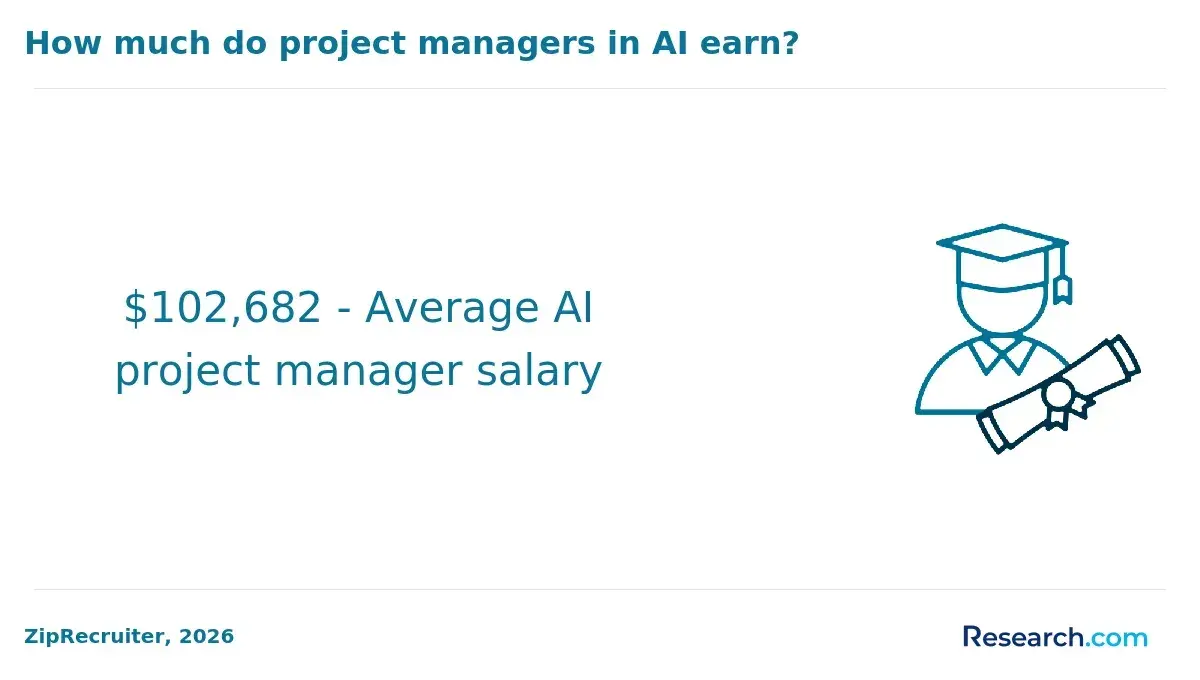
AI training opens doors to a variety of customer support roles with competitive salaries and opportunities for career advancement. Entry-level positions like AI support specialists or chatbot trainers earn between $50,000 and $70,000 annually. With increased expertise, professionals may advance to roles such as AI customer experience analysts or automation coordinators, where salaries range from $75,000 to $100,000. Senior positions, including AI integration managers or customer support AI strategists, often command salaries exceeding $120,000, reflecting strong demand for specialized skills.
Career progression often moves from basic support tasks to designing and managing AI-powered tools. For example, customer service representatives trained in AI can transition to roles managing chatbots or optimizing voice recognition software. Data analysts with AI expertise may lead projects that enhance customer journey mapping and predictive support models.
Market growth supports these opportunities: by 2027, the AI customer service market is projected to reach $4.1 billion, with a 15.8% compound annual growth rate (CAGR) in customer experience management tools from 2024 through 2030. AI training prepares professionals to handle high inquiry volumes, personalize service, and improve workflow automation using AI-driven CRM platforms and natural language processing software.
These skills increase job security and salary potential, making AI knowledge a valuable asset in evolving customer support roles.
How do companies successfully implement AI-trained support teams and measure ROI?
Successful implementation of ai-trained support teams depends on establishing a structured, ongoing training program that integrates ai tools into daily workflows. Continuous skill development is essential, surpassing mere initial onboarding to keep pace with evolving ai technologies. According to Salesforce's AI adoption survey, 86% of high-performing service teams offer ongoing ai training, compared to just 37% of underperforming teams. This contrast underscores the value of sustaining a culture of continuous ai learning to enhance support effectiveness.
Measuring return on investment begins by setting clear performance metrics linked to customer support objectives. Key indicators include average handle time, first-contact resolution rates, customer satisfaction scores, and support cost reductions. Tracking these before and after ai integration helps quantify its impact accurately.
Practical steps to maximize ai benefits include:
- Implementing real-time ai coaching tools that provide agents with instant feedback during interactions.
- Using ai-powered analytics to identify skill gaps and customize training.
- Regularly updating ai systems with fresh data from support cases to improve accuracy.
- Aligning team incentives with ai-driven performance gains to encourage adoption.
Different industries apply these principles in varied ways-for example, tech companies may automate routine queries to free agents for complex issues, while healthcare focuses on compliance and empathy training alongside ai tools. Transparent communication about ai's role fosters agent confidence and smoother adoption.
Other Things You Should Know About Artificial Intelligence
Artificial intelligence can efficiently handle routine inquiries and provide quick responses, but it struggles with complex emotional understanding and nuanced human interactions. AI systems often require continuous training with updated data to maintain accuracy. They may also encounter challenges in interpreting ambiguous customer requests or managing situations that need empathy and judgment.
Artificial intelligence enhances customer support roles by automating repetitive tasks, allowing agents to focus on more complex and sensitive issues. It acts as an assistive tool, providing real-time suggestions and insights during interactions. However, AI does not replace human agents but rather supports them in delivering faster and more personalized service.
In 2027, AI courses for customer support teams addressing ethical concerns focus on responsible AI deployment and bias awareness. Top courses include those from institutions like IBM and Stanford, emphasizing ethical AI training, data privacy standards, and equitable customer interactions. These courses prepare support teams to manage AI tools responsibly.
Artificial intelligence continues to improve through advances in natural language processing and sentiment analysis, enabling more accurate understanding of customer intent. Integration with multiple communication channels and adaptive learning models make AI systems more flexible and responsive. These developments help provide seamless and contextual support experiences for customers.
References
- Unlock Career Opportunities in Artificial Intelligence https://a1globalcollege.ca/step-into-the-future-unlock-career-opportunities-in-artificial-intelligence/
- Top In Demand AI Skills (2025) https://www.skillsoft.com/blog/essential-ai-skills-everyone-should-have
- What are AI Customer Service Tools? | NiCE https://www.nice.com/glossary/ai-customer-service-tools
- 10 AI Jobs From Home in 2026 – Remote Roles Requiring No Experience https://www.oxfordhomestudy.com/OHSC-Blog/ai-jobs-from-home-zero-experience
- How to Train AI for Customer Support: Proven Playbook https://everworker.ai/blog/how-to-train-ai-for-customer-support
- How AI Improves Customer Service Workflows https://crisp.chat/en/blog/improve-customer-service-workflows/
- The ROI of AI: Measuring the Impact on Your Bottom Line - SOFTIQ https://softiq.pl/the-roi-of-ai-measuring-the-impact-on-your-bottom-line/
- Generative AI in Customer Service Operations | ILX Group US https://www.ilxgroup.com/eur/training/artificial-intelligence/generative-ai-in-customer-service-operations
- AI & Automation Skills Every Customer Service Rep Needs Today | Blog https://www.ttecjobs.com/en/from-ai-to-automation-the-must-learn-tech-for-todays-customer-service-reps
- Artificial Intelligence and Accreditation: Does It Really Help Us? https://nac-us.org/2025/11/25/artificial-intelligence-and-accreditation-does-it-really-help-us/