2027 Best AI Courses for Sustainability Leaders

Co-Founder and Chief Data Scientist
Many sustainability leaders struggle to integrate artificial intelligence into their strategic initiatives due to limited technical backgrounds and the complex nature of AI applications in environmental and social governance.
This gap often slows innovation and reduces the impact of sustainability projects. As industries increasingly adopt AI-driven solutions, leaders must gain relevant skills to remain effective and forward-thinking.
This article explores the best AI courses designed specifically for sustainability professionals seeking flexible, accredited paths to acquire essential expertise and successfully apply AI in their work toward sustainable development goals.
Key Things You Should Know
- In 2026, sustainability leaders increasingly need AI skills; 68% of top courses integrate real-world climate and energy data for practical decision-making.
- Emerging AI sustainability programs emphasize ethical frameworks and reducing carbon footprints, reflecting a 40% growth in course offerings from 2024 to 2025.
- Courses targeting professionals offer flexible, online formats with 35% average salary increases reported by graduates applying AI in sustainability roles.
Advance Your Career with AI Online Courses
Artificial Intelligence: Implications for Business Strategy
This program provides an introduction to Artificial Intelligence and their implications for business strategy. Earn an official digital certificate.

Oxford Artificial Intelligence Programme
Explore this Oxford Artificial Intelligence programme offered in a flexible learning environment and explore topics like machine learning, automation, and robotics.

Implementing Agentic AI: Building Your Organizational Playbook
This online MIT Agentic AI course offers a practical approach to deploying AI agents in your organization, including a custom playbook. 3 weeks, exclusive launch price.

AI Adoption: Driving Business Value and Impact
This online MIT AI Adoption: Driving Business Value and Impact offers practical frameworks to close the gap between AI potential and business reality.

Artificial Intelligence in Pharma and Biotech
Discover the applications and limitations of artificial intelligence in pharma and biotech with this MIT online short course.

What are the best AI courses for sustainability leaders and how do they differ?
The best AI courses for sustainability leaders emphasize the integration of environmental, social, and governance (ESG) principles with practical AI expertise. Leading programs vary mainly in their focus areas, technical depth, and industry relevance.
Some provide hands-on training in machine learning algorithms tailored to environmental data, while others highlight AI ethics and policy frameworks crucial for sustainability challenges.
For example, Stanford's "AI for Earth" prioritizes data-driven methods for climate modeling and resource optimization, fitting for those seeking technical proficiency. In contrast, Harvard's "Sustainable AI Leadership" blends AI fundamentals with management strategies, designed for executives steering organizational change. Understanding the differences between top AI sustainability programs helps sustainability leaders choose the best fit for their goals.
Several courses include content on bias mitigation and transparent ai, essential for upholding ethical standards in sustainability projects. Practical applications, such as deploying cloud-based AI tools and analyzing environmental sensor data, further distinguish programs.
With 74% of companies increasing AI investments in ESG initiatives, skills combining AI capabilities and sustainability are highly sought after.
Depending on whether the aim is to develop predictive models for carbon footprint reduction or to lead responsible AI adoption, selecting an appropriate curriculum is key. Exploring career prospects can also be useful.
For instance, one can learn more about applied artificial intelligence salary and opportunities following program completion.
Advance Your Career with AI Online Courses
Artificial Intelligence: Implications for Business Strategy
This program provides an introduction to Artificial Intelligence and their implications for business strategy. Earn an official digital certificate.
Oxford Artificial Intelligence Programme
Explore this Oxford Artificial Intelligence programme offered in a flexible learning environment and explore topics like machine learning, automation, and robotics.
Implementing Agentic AI: Building Your Organizational Playbook
This online MIT Agentic AI course offers a practical approach to deploying AI agents in your organization, including a custom playbook. 3 weeks, exclusive launch price.
How can AI for sustainability courses help advance my leadership and climate career?
AI-powered sustainability leadership development programs equip professionals with skills to blend technology and environmental strategy, fostering climate career growth through artificial intelligence courses.
These programs focus on practical applications like optimizing energy use, predicting environmental risks, and enhancing supply chain sustainability, empowering leaders to implement data-driven solutions effectively. For instance, mastering machine learning models to forecast carbon emissions enables targeted mitigation strategies with measurable impact.
Graduates develop expertise in areas such as remote sensing, natural language processing, and predictive analytics—essential for careers in corporate sustainability, government policy, and nonprofit environmental efforts. Programs often include project-based learning simulating real-world climate challenges, preparing students to tackle complex problems using innovative AI tools.
BCG & Google's "AI for the Planet" analysis estimates AI could reduce global greenhouse gas emissions by up to 4% by 2030, aligning with the European Union's current emissions. This underlines the strategic edge for sustainability leaders skilled in these technologies.
Prospective students may explore options like an online engineering degree to build foundational knowledge in AI applications for sustainability.
Which U.S. universities and online platforms offer reputable AI and sustainability programs?
Several top U.S. universities for artificial intelligence and sustainability studies combine AI and environmental leadership through interdisciplinary programs. Stanford University offers its Sustainability Science and Practice program, integrating AI with environmental policy analysis.
Meanwhile, the Massachusetts Institute of Technology (MIT) Sloan School provides executive courses focused on AI-driven ESG (Environmental, Social, Governance) strategies tailored for business leaders.
The best online platforms with artificial intelligence courses for sustainability leaders include Coursera and edX, which partner with leading universities to make these programs accessible.
Coursera features courses like AI for Everyone by Stanford and AI for Sustainable Development from the University of Washington. edX offers MicroMasters programs such as Columbia University's Artificial Intelligence Program, including modules on sustainable innovation and data-driven environmental solutions.
Specialized programs for executives and board members, such as MIT's Artificial Intelligence: Implications for Business Strategy and Wharton Executive Education's AI in Business Strategy, address the AI literacy gap in sustainability governance.
According to Deloitte's Board Practices Report, although 61% of boards discuss AI's impact on sustainability, only 18% feel their directors have advanced AI literacy.
Professionals seeking career advancement should select programs emphasizing practical AI tools for ESG reporting, carbon footprint analysis, and automated compliance. Combining academic credentials with flexible online courses can prepare sustainability leaders effectively. Careers such as a video game designer also increasingly benefit from AI and sustainability knowledge.
What degrees, certificates, and microcredentials exist in AI for sustainability?
Degrees, certificates, and microcredentials in AI sustainability certificate programs span a broad range from technical expertise to strategic leadership.
Many undergraduate and graduate degrees in environmental science or sustainability now include specializations or electives focusing on artificial intelligence applications, such as predictive modeling for climate risk or AI-driven resource management. For instance, some Master's programs in Environmental Data Science integrate AI courses tailored to environmental, social, and governance (ESG) challenges.
Professional certificates concentrate on practical AI tools relevant to sustainability challenges. Universities and platforms like Coursera and edX offer certificates in AI for climate analytics, renewable energy forecasting, and sustainable supply chain optimization. These programs are often aimed at working professionals, emphasizing hands-on skills over theoretical foundations.
Microcredentials and badge programs address the demand for short, skill-specific training in areas such as AI ethics in sustainability, AI-powered ESG data analytics, and no-coding technical courses for analysts and managers. This format is well suited for those wishing to quickly upskill or pivot careers without enrolling in full degrees.
The market for technical AI in climate and ESG data analytics is expanding rapidly: global spending on AI-powered ESG platforms reached $1.6 billion in 2024, growing at a 32% compound annual rate since 2020, according to Verdantix's ESG & Sustainability Software Market Size report. This surge highlights the rising value of skills in managing AI tools that improve sustainability outcomes.
Individuals considering degrees in artificial intelligence for sustainability management should evaluate program curricula based on career goals, whether coding-intensive or no-coding paths, depth in data science, or strategic AI application. Interdisciplinary programs blending AI with policy and environmental science prepare students for both technical and leadership roles in the evolving sustainability landscape.
For those exploring educational routes, the fastest way to get a cybersecurity degree online offers insight into accelerated online degree options that might parallel accelerated AI and sustainability training programs.
What topics and skills are covered in AI courses designed for sustainability leaders?
AI courses designed for sustainability leaders cover essential skills for applying artificial intelligence to environmental challenges.
Key topics include machine learning methods adapted for sustainability data, predictive analytics for better resource management, and AI-driven decision-making models aimed at optimizing ecological outcomes. Students gain expertise in interpreting AI results to assess impacts on climate, biodiversity, and human health.
Technical skills such as data collection, cleaning, and integration are heavily emphasized. This is particularly important when working with large environmental datasets like satellite imagery or sensor networks.
Leaders learn to create AI frameworks that align with sustainability goals and regulatory standards, while also addressing ethical concerns such as bias in environmental data and transparency in AI applications.
Many courses offer sector-specific modules covering energy, manufacturing, agriculture, and finance. For instance, AI models in manufacturing energy optimization have demonstrated a 10-20% reduction in costs and up to a 15% decrease in CO₂ emissions, as highlighted by McKinsey Global Institute's research. These case studies demonstrate how AI enhances operational efficiency to reduce emissions and waste.
Training often includes integrating AI with sustainability frameworks like the circular economy and environmental management systems. Practical skills in stakeholder communication and translating technical insights into actionable strategies prepare leaders for collaborative, multidisciplinary roles.
The curriculum's focus on real-world datasets, industry-standard AI tools, and policy implications equips graduates to lead effective AI-driven sustainability initiatives across various sectors and organizational contexts.
How do online, hybrid, and on-campus AI sustainability programs compare?
Online, hybrid, and on-campus AI sustainability programs serve distinct needs in terms of structure, accessibility, and learning experience.
Online programs provide flexibility essential for working professionals, using asynchronous lectures and virtual collaboration tools. This format fits those balancing careers and family but may offer fewer opportunities for immediate networking and hands-on labs.
Hybrid programs combine remote learning with face-to-face instruction, allowing students to gain mentorship and practical skills through weekend residencies or lab sessions while accessing digital resources. They effectively reduce feelings of isolation common in fully online programs and enhance real-world applicability.
On-campus programs deliver the most immersive experience by offering direct access to faculty, peer networks, and research facilities. These programs emphasize collaborative projects, workshops, and real-time feedback, vital for mastering complex AI tools applied to sustainability challenges.
However, they require full-time presence, which may limit availability for those unable to relocate or pause their careers.
The rapid growth in executive education programs integrating AI or data analytics for sustainability, from 14% to 29% at top global business schools according to the Financial Times 2024 Executive Education Rankings, reflects recognition of AI's growing importance in sustainability leadership.
Top Firm Initiatives That Would Encourage Daily GenAI Usage

What admission requirements and prior experience do AI sustainability programs expect?
Applicants to AI sustainability programs generally need a solid foundation in technology, environmental science, or policy. Most require a bachelor's degree in computer science, engineering, environmental studies, or data analytics. Advanced certificates or microcredentials often demand programming knowledge, especially in Python, and experience with data analysis tools.
However, some professional development courses waive strict academic prerequisites if applicants can demonstrate relevant work experience in sustainability or AI development. Admissions committees prioritize candidates who understand both the technical and environmental sides of AI applications.
They may seek evidence of prior projects involving carbon footprint analysis, renewable energy modeling, or supply chain optimization using AI. Those without formal STEM backgrounds are encouraged to complete introductory AI or data science courses first.
Short online courses and microcredentials are popular for their more accessible admission criteria, often requiring only basic digital literacy and motivation. Enrollment in AI-and-sustainability courses on major MOOC platforms has grown by over 70% year-on-year, reflecting strong interest among professionals pursuing flexible learning pathways.
Preparing a portfolio or recommendations that highlight interdisciplinary projects can strengthen applications. Some programs also require standardized test scores or interviews emphasizing problem-solving skills related to climate-tech sectors.
How long do AI for sustainability programs take and what do they cost?
AI for sustainability education offers a variety of options tailored to different goals and schedules. Short courses, often online and lasting 4 to 12 weeks, cover essentials like data analysis, machine learning models for environmental impact, and sustainability metrics. These flexible programs are ideal for working professionals seeking quick skill development.
More extensive certificate programs and professional diplomas span 3 to 9 months, featuring applied projects focused on real-world challenges such as carbon footprint reduction and resource optimization. Graduate degrees in AI and sustainability typically require 1 to 2 years and combine advanced technical training with studies in environmental policy and economics.
Costs vary widely: short courses often range from $500 to $3,000; certificates and diplomas usually cost between $3,000 and $10,000; graduate degrees can exceed $20,000 depending on the institution and residency status. Some employer-sponsored programs may be available at no direct cost to employees.
A recent IBM Institute for Business Value survey found that 42% of large enterprises now offer internal AI training focused on sustainability, up from 24% just a few years earlier. This reflects growing corporate investment in AI skills aligned with environmental goals.
What jobs, salary ranges, and advancement paths follow AI sustainability training?
AI sustainability training opens diverse career opportunities where environmental impact meets technology. Common roles span sustainability data analyst, AI model developer for renewable energy, environmental consultant focused on AI solutions, and green technology project manager.
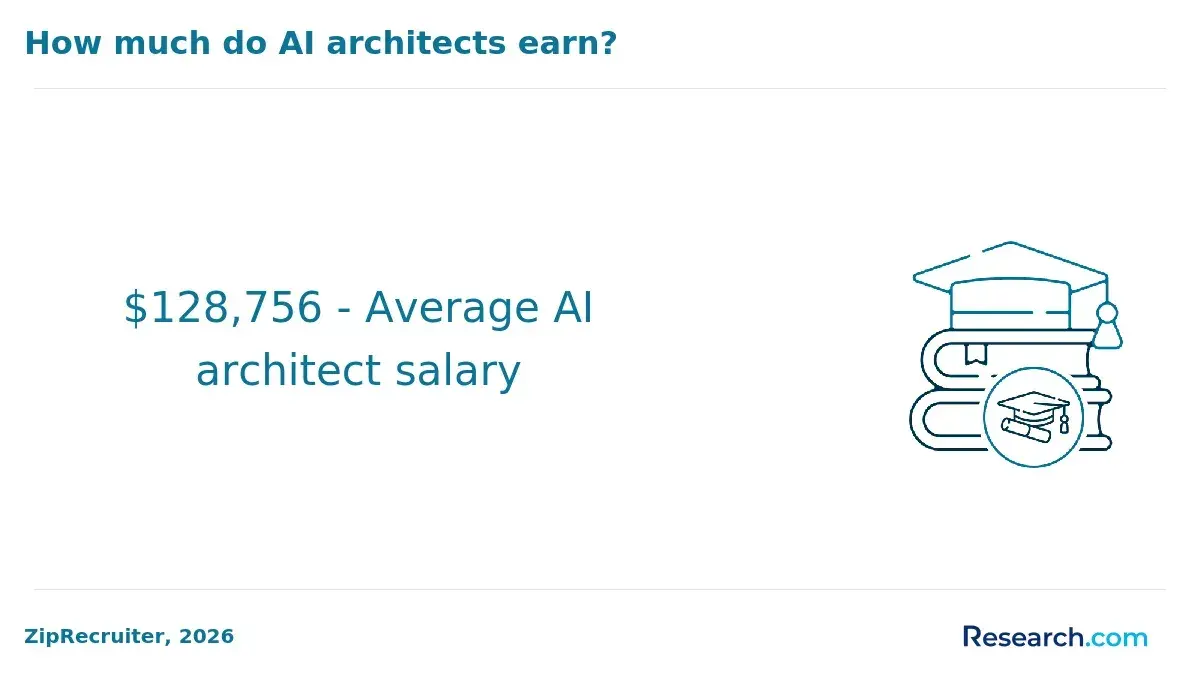
Entry-level salaries start around $65,000 to $85,000 annually, mid-level roles earn between $90,000 and $130,000, and senior positions such as chief sustainability officer with AI expertise may exceed $150,000 depending on the organization.
Career advancement typically moves from technical analyst roles toward strategic positions combining data science, environmental knowledge, and policy influence.
Professionals adept in both sustainability and AI are especially valued for cross-disciplinary tasks like creating predictive models to optimize resource use and automating compliance monitoring. These roles often evolve into managing interdisciplinary teams or leading AI-driven sustainability projects in corporate or government settings.
According to LinkedIn's 2024 Green Skills Report, professionals who add both "AI" and "sustainability" skills to their profiles have a 52% higher hiring rate within 12 months versus those with sustainability skills alone. This demonstrates that integrating AI with sustainability markedly improves employability and career growth.
Exploring funding options such as employer-sponsored programs, government grants, or scholarships in green tech development can support upskilling. Certifications in AI applications for sustainability further enhance candidate differentiation and career progression.
How can I evaluate accreditation, industry alignment, and quality in AI sustainability courses?
Verify accreditation from recognized bodies like ABET, AACSB, or regional agencies when evaluating AI sustainability courses. Accreditation guarantees the curriculum aligns with academic standards and undergoes regular updates, preventing outdated content. Industry alignment is equally important.
Courses should reflect contemporary sustainability challenges with real-world AI applications through partnerships, case studies, or expert input. Programs offering project work involving companies or NGOs provide practical experience, such as AI modules focused on carbon footprint reduction or resource management.
Assess course quality by reviewing instructor credentials and the syllabus. Instructors should have strong backgrounds in both AI and sustainability, including published research or industry experience.
The syllabus must integrate core AI techniques like machine learning and data analytics alongside sustainability frameworks such as the UN SDGs. Balanced coverage ensures graduates develop actionable skills.
Targeted, structured training significantly impacts outcomes. A Microsoft and BCG study found 86% of organizations with high AI sustainability impact offer role-specific training, compared to 34% of lower-impact groups. This highlights the value of credible, focused education for future leaders.
Before enrolling, consider these questions:
- Is the course accredited by a recognized agency?
- Does it include industry partnerships or sustainability case studies?
- Are instructors experienced in both AI and sustainability?
- Does the curriculum balance technical AI skills with sustainability principles?
- Are there projects simulating real-world sustainability challenges?
Other Things You Should Know About Artificial Intelligence
Sustainability leaders should consider how AI courses address data privacy, bias reduction, and environmental impact. Courses should provide frameworks for ethical decision-making and transparent AI practices to ensure sustainable development aligns with ethical standards.
Artificial intelligence enables real-time environmental monitoring by processing vast amounts of sensor and satellite data quickly. This allows for timely detection of changes such as deforestation, pollution levels, or wildlife movements, which helps sustainability leaders make informed decisions and respond rapidly to environmental threats.
Yes, artificial intelligence can optimize energy usage by analyzing patterns and adjusting systems dynamically. For example, AI algorithms can manage smart grids, building energy consumption, and renewable energy generation to reduce waste and increase overall efficiency.
Artificial intelligence uses predictive analytics to model climate scenarios based on historical and current data. It helps sustainability leaders anticipate future environmental conditions, assess risk, and develop mitigation strategies more accurately than traditional methods.
References
- AI career paths: 2026 job guide https://www.pluralsight.com/resources/blog/ai-and-data/ai-career-guide-2025
- How can sustainability leaders navigate the risks and opportunities of using AI? https://www.eco-business.com/news/how-can-sustainability-leaders-navigate-the-risks-and-opportunities-of-using-ai/
- Artificial intelligence: How much energy does AI use? - United Nations Western Europe https://unric.org/en/artificial-intelligence-how-much-energy-does-ai-use/
- AI and Sustainability: Opportunities, Challenges, and Impact https://www.ey.com/en_nl/insights/climate-change-sustainability-services/ai-and-sustainability-opportunities-challenges-and-impact
- What is the environmental cost of AI? - Blog https://www.transformcomms.co.uk/post/what-is-the-environmental-cost-of-ai
- AI for Business Sustainability Training | CPD Online https://sustainability-academy.org/ai-for-business-sustainability-training/
- AI and Deep Tech for Sustainable Innovation: ISO-Driven Approach | EIT Deep Tech Talent Initiative https://www.eitdeeptechtalent.eu/courses/ai-and-deep-tech-for-sustainable-innovation-iso-driven-approach/
- Accelerate Sustainability with AI: A Guide for Leaders https://watershed.com/blog/ai-sustainability